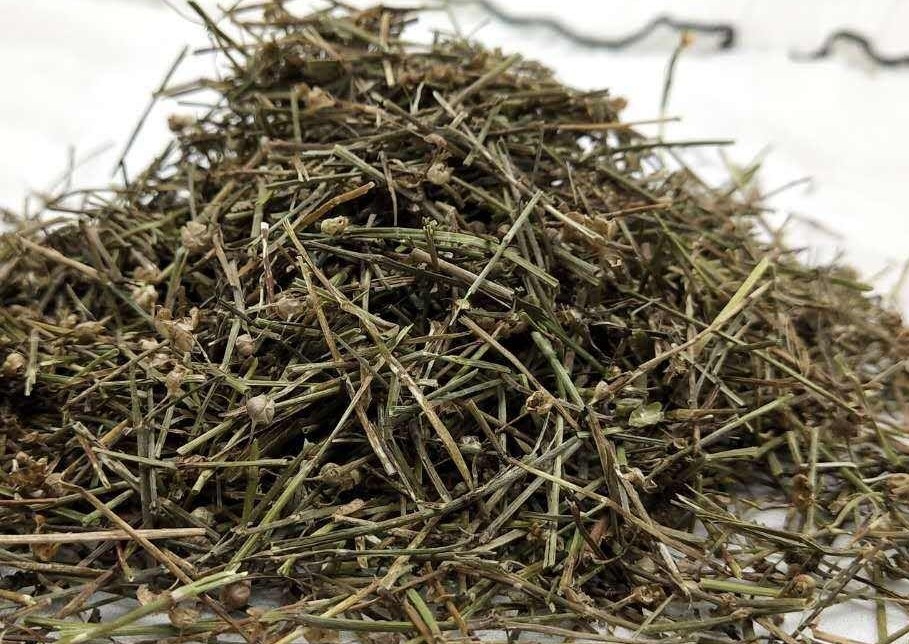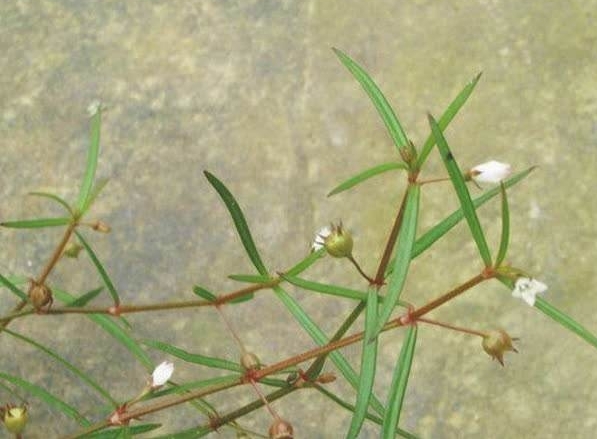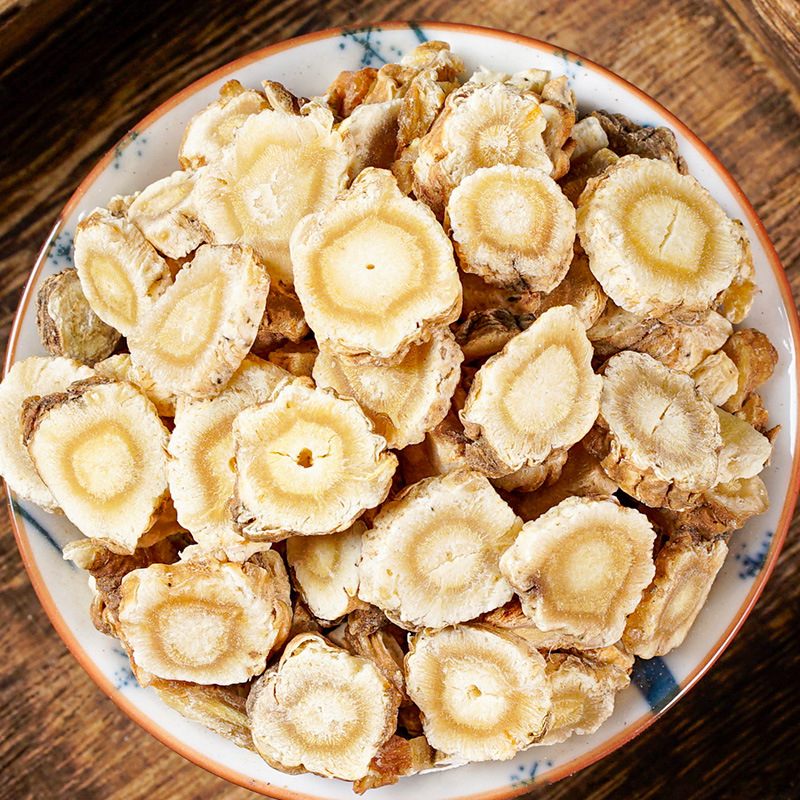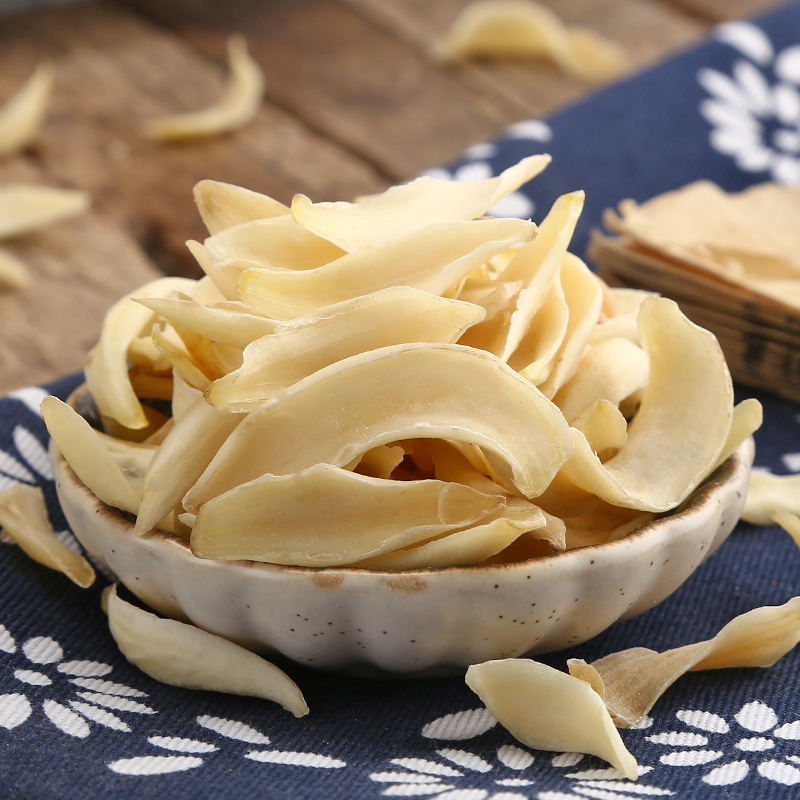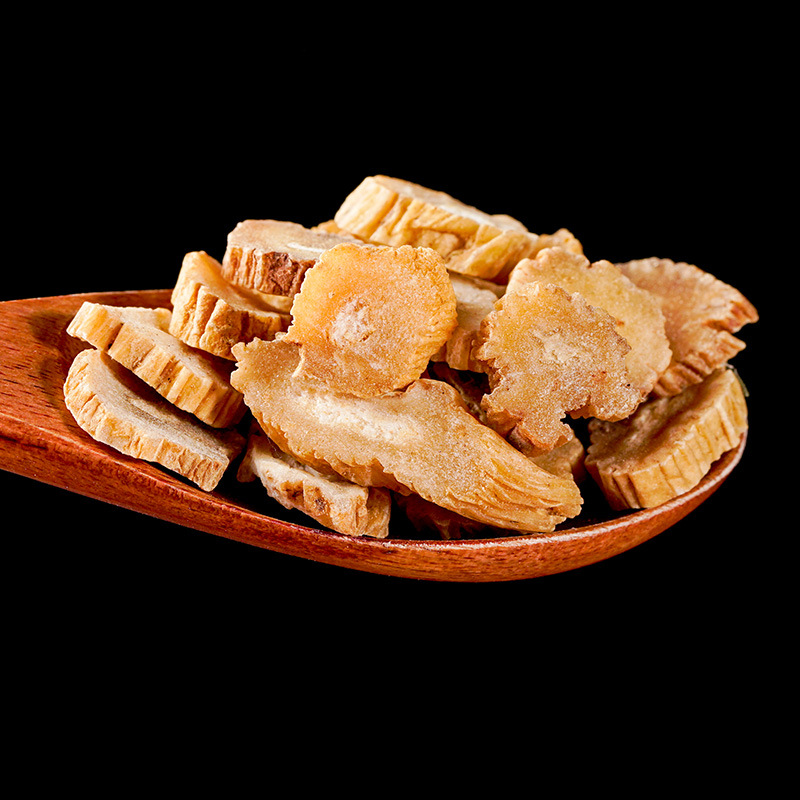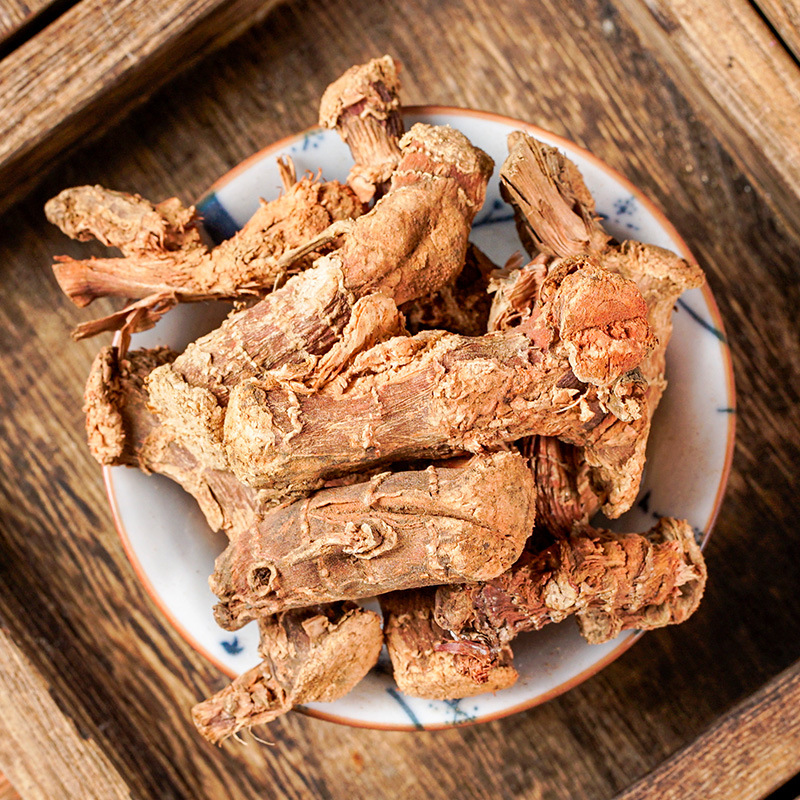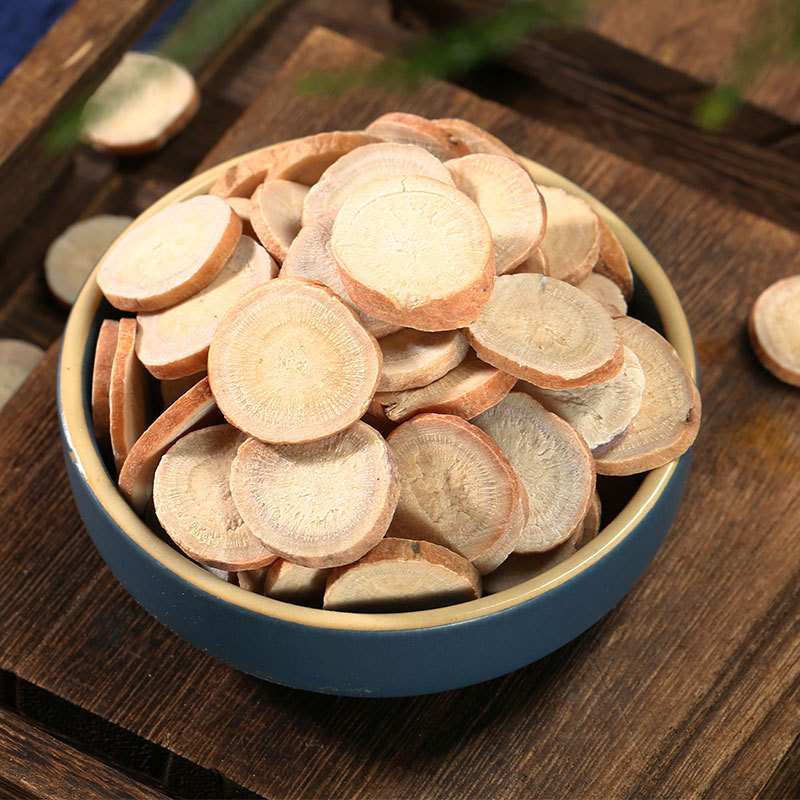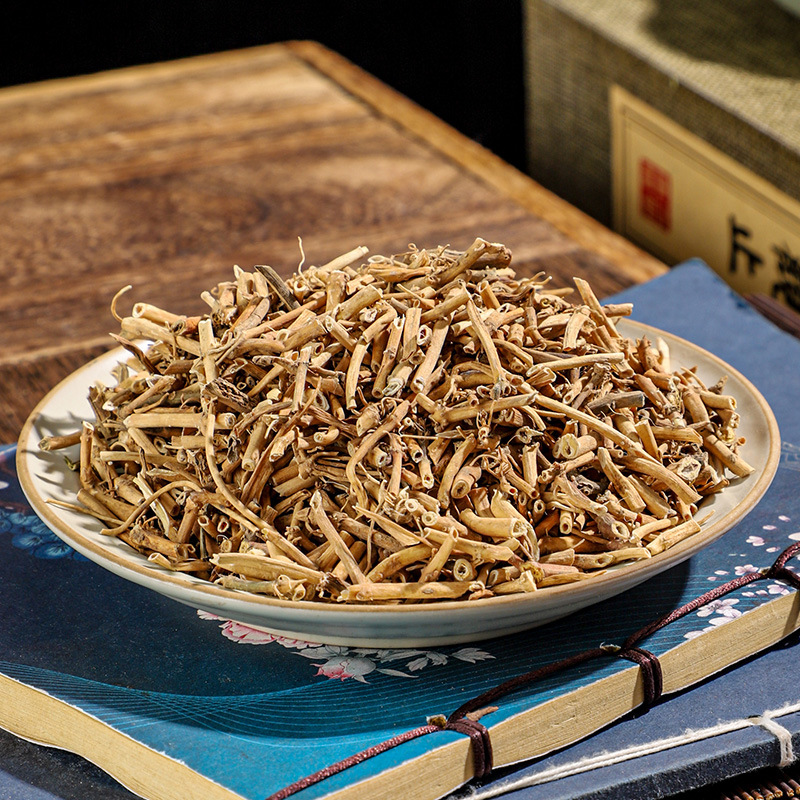
Hedyotis diffusa is the whole herb of the plant Hedyotis diffusa from the Rubiaceae family. It is named for its white flowers and slender leaves, which resemble a snake's tongue. This herb has a relatively short history of use, having been discovered and applied from folk medicine only in recent decades, with few records in ancient medical texts. It is mainly produced in the southern provinces of China, harvested in summer and autumn, washed, dried, and used for medicinal purposes.
I. Efficacy of Hedyotis diffusa:
Oldenlandia diffusa tastes slightly bitter and sweet, and is cold in nature. It belongs to the stomach, large intestine, and small intestine meridians. Its effects includeClear heat, promote diuresis, detoxify, and eliminate carbuncles。
Commonly used forLung heat with wheezing and cough, sore and swollen throat, intestinal abscess, furuncles and sores, venomous snake bite, painful dribbling urination due to heat strangury, edema, dysentery, enteritis, damp-heat jaundice, cancerous swellingtreatment of conditions such as
Summary of Famous Works by Renowned Authors:
Guangxi Chinese Materia Medica: "Treats infantile malnutrition, venomous snake bites, and cancerous tumors. External application for white blister sores and snake mange sores."
Minnan Folk Herbal Medicine: "Clears heat and detoxifies, reduces inflammation and relieves pain."
Quanzhou Materia Medica: "Clears heat and disperses stasis, eliminates abscesses and detoxifies. Treats abscesses, sores, ulcers, and scrofula. Also clears lung fire and drains lung heat. Treats lung heat with panting and rapid breathing, cough with counterflow, and chest oppression."
Guangxi Chinese Herbal Medicine: "Clears heat and detoxifies, promotes blood circulation and diuresis. Treats tonsillitis, pharyngitis, appendicitis, hepatitis, dysentery, urinary tract infections, and infantile malnutrition."
II. Compatibility and Application of Hedyotis diffusa:
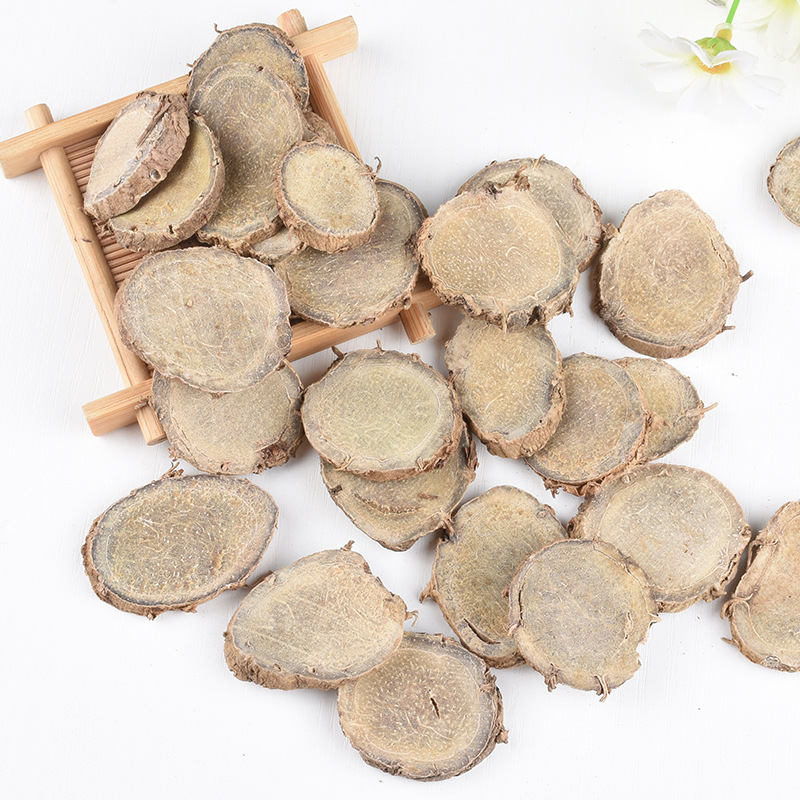
1. Used for carbuncles, sores, abscesses, sore throat, snake bites, and other conditions. Hedyotis diffusa is effective in detoxifying and reducing abscesses, and can be taken orally or applied externally. For intestinal abscesses, it is often combined with heat-clearing and abscess-reducing herbs such as Sargentodoxa cuneata and Patrinia scabiosifolia.
For the treatment of general carbuncles and swellings, it is often combined with honeysuckle flower, forsythia, and chrysanthemum; the usage of Wuwei Xiaodu Yin can also be referred to.
For treating sores, swelling, heat, and pain, or venomous snake bites, the fresh herb can be pounded and applied to the affected area, while also being taken internally in combination with herbs such as Viola yedoensis and Lobelia chinensis.
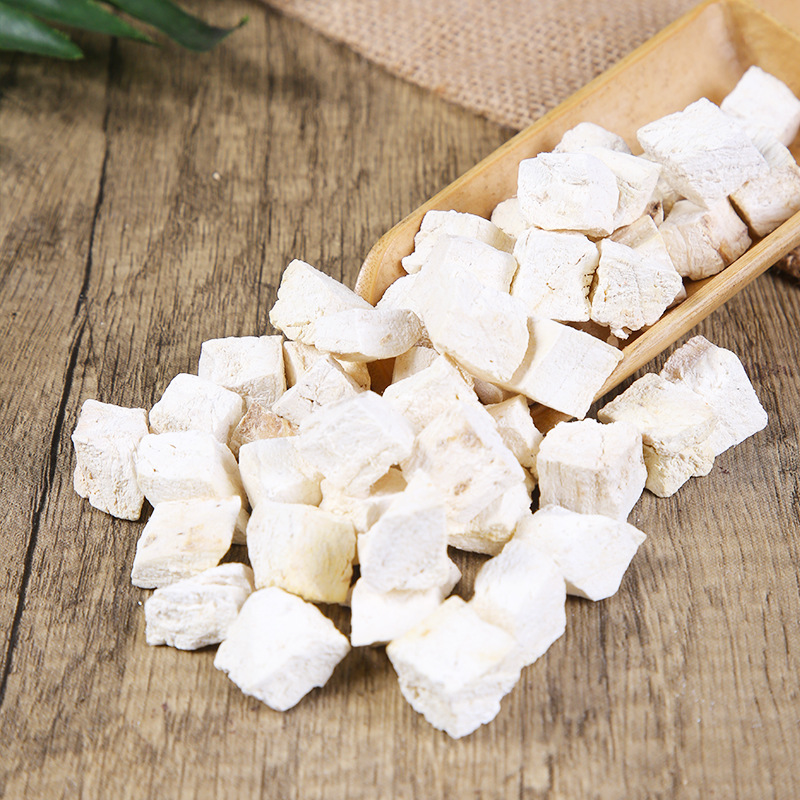
2. Used for conditions such as heat strangury and difficult urination. Oldenlandia diffusa can clear heat, promote diuresis, and facilitate urination. It is often combined with Lobelia chinensis, Plantago asiatica, and Pyrrosia lingua.
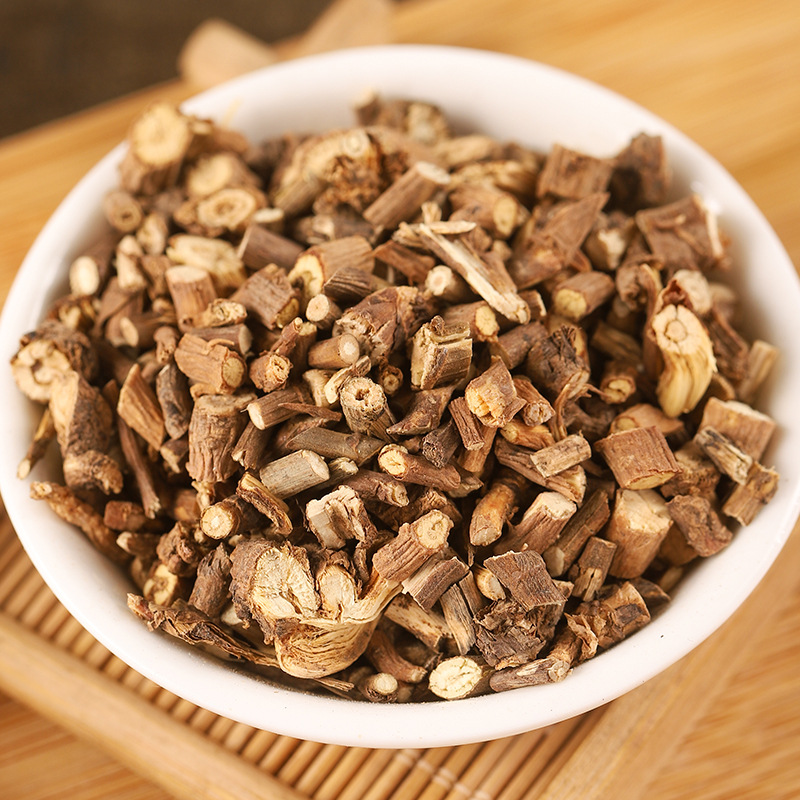
3. Modern trials for various tumors. Hedyotis diffusa has the function of clearing heat and detoxifying. Regardless of the type of tumor, as long as there are symptoms of heat toxicity, it can be used in the formulation as appropriate, but its efficacy still needs further confirmation. It is often combined with Actinidia arguta and Scutellaria barbata.
Zhu Liangchun often adopts the principle of strengthening the body's resistance and eliminating pathogenic factors in the treatment of malignant tumors, combining syndrome differentiation with disease differentiation. In treatment, he frequently uses Hedyotis diffusa in large doses, combined with Agrimonia pilosa, Gecko, Solanum nigrum, and Scutellaria barbata, among other herbs. These work together to clear stasis and toxins, promote toxin excretion, and enhance immune function, gradually reducing and dispersing tumors. This approach is worthy of reference.
In addition, when treating atrophic gastritis, Dr. Zhu often adds Oldenlandia diffusa to the formula for replenishing qi, dispersing stasis, resolving putrefaction, and promoting tissue regeneration. This approach has shown certain effects in repairing the gastric mucosa, inhibiting atypical hyperplasia, and inactivating Helicobacter pylori, which may serve as a reference.
III. Usage and Dosage of Hedyotis diffusa:
Bai Hua She She Cao is often used in decoctions and rarely in pills or powders. The usual dosage in decoctions ranges from over ten grams to several tens of grams; if using fresh herbs, double the amount. For external use, apply an appropriate amount.
IV. Application Notes for Hedyotis diffusa:
Bai Hua She She Cao is a bitter and cold medicinal herb, thereforeContraindicated for those with yin deficiency and spleen-stomach deficiency cold, and for pregnant women。
In the treatment of tumors with traditional Chinese medicine, it is essential to combine syndrome differentiation with disease differentiation. One must not use Hedyotis diffusa as a cure-all for tumors without proper syndrome differentiation.