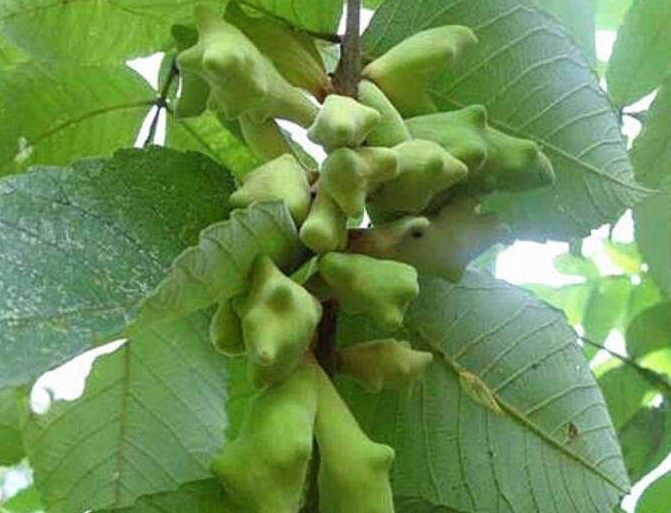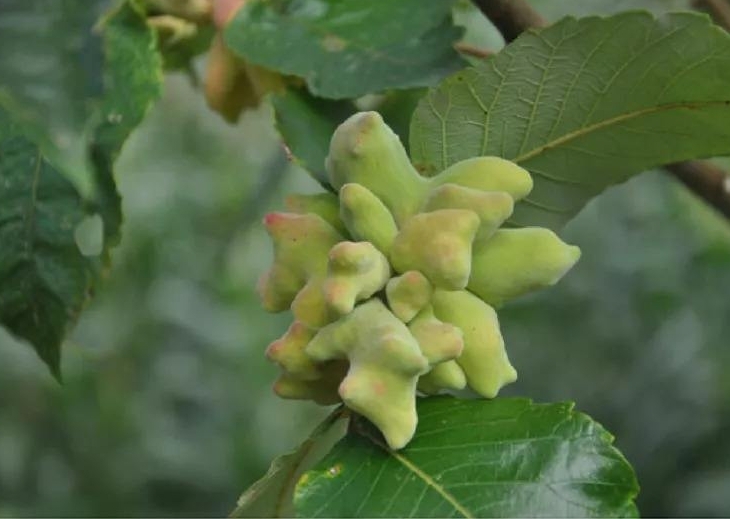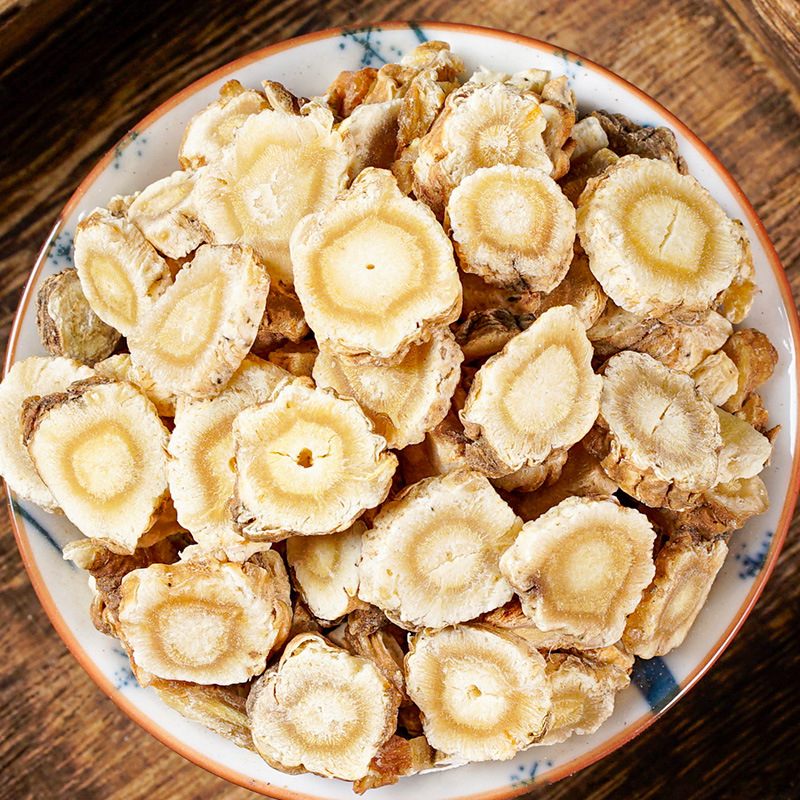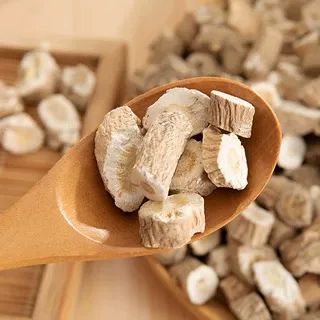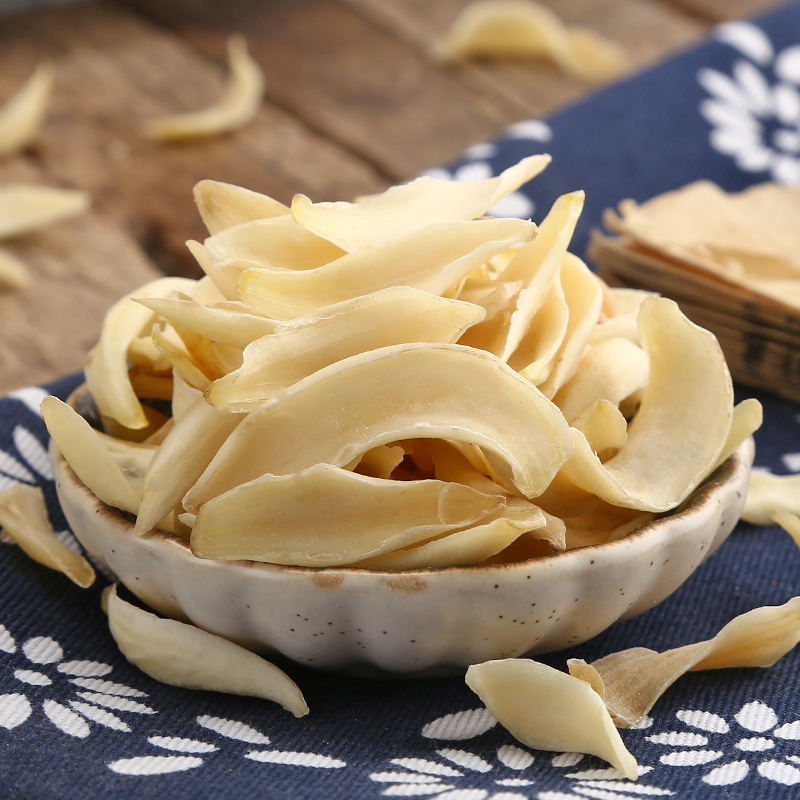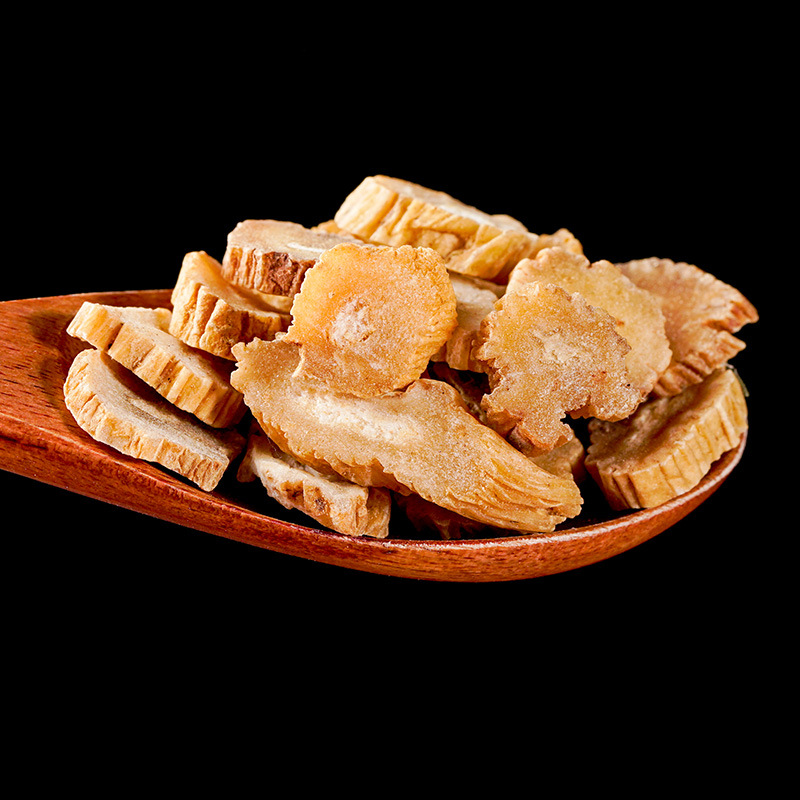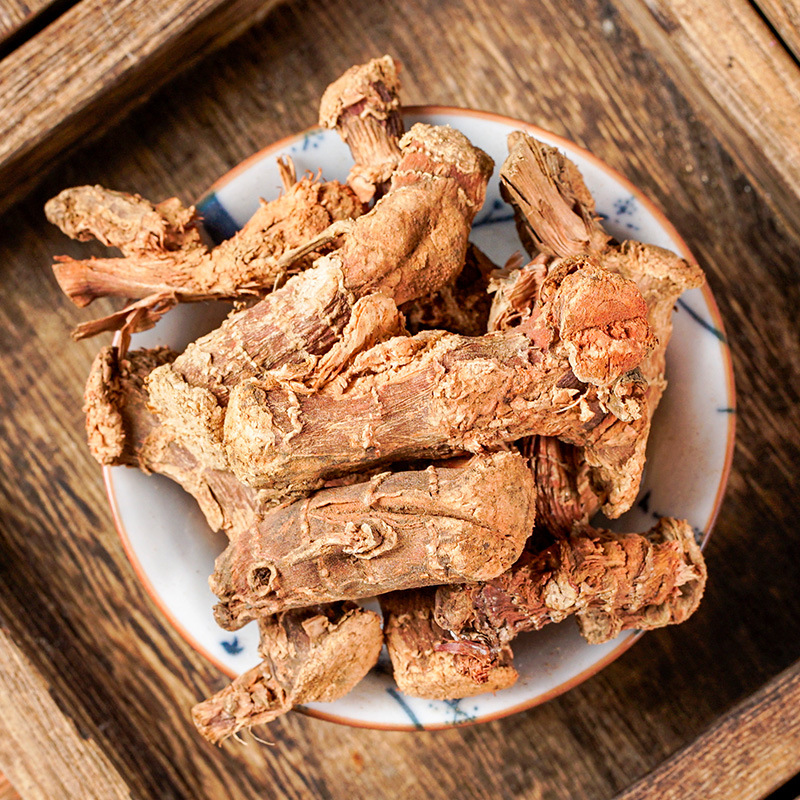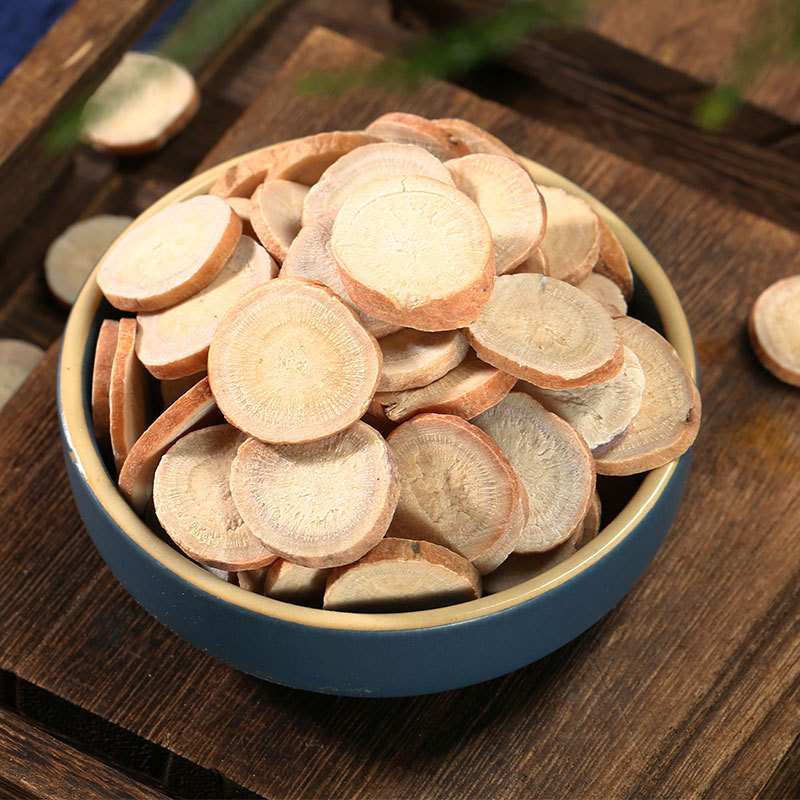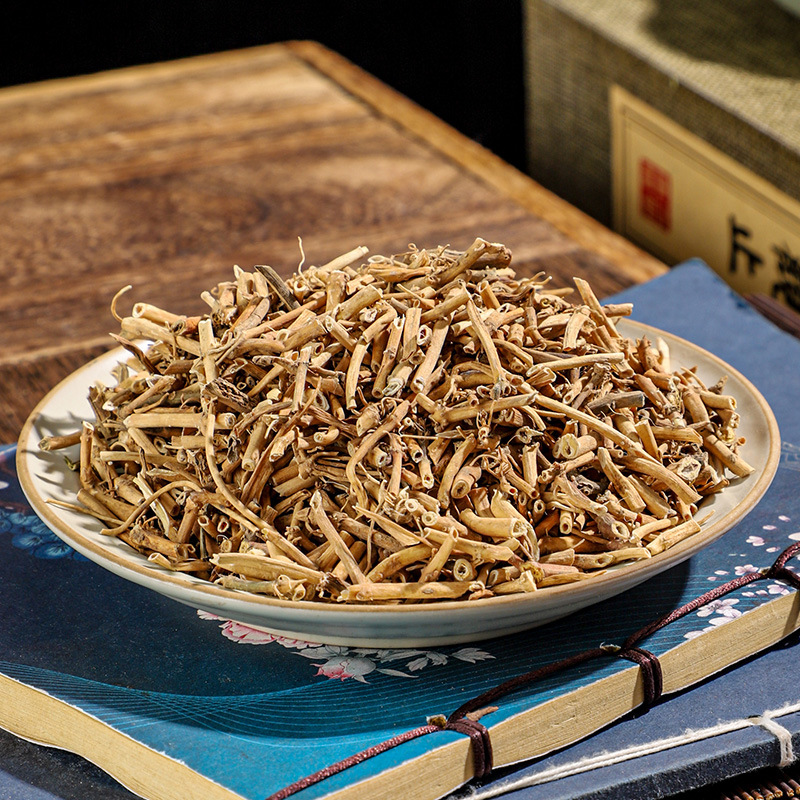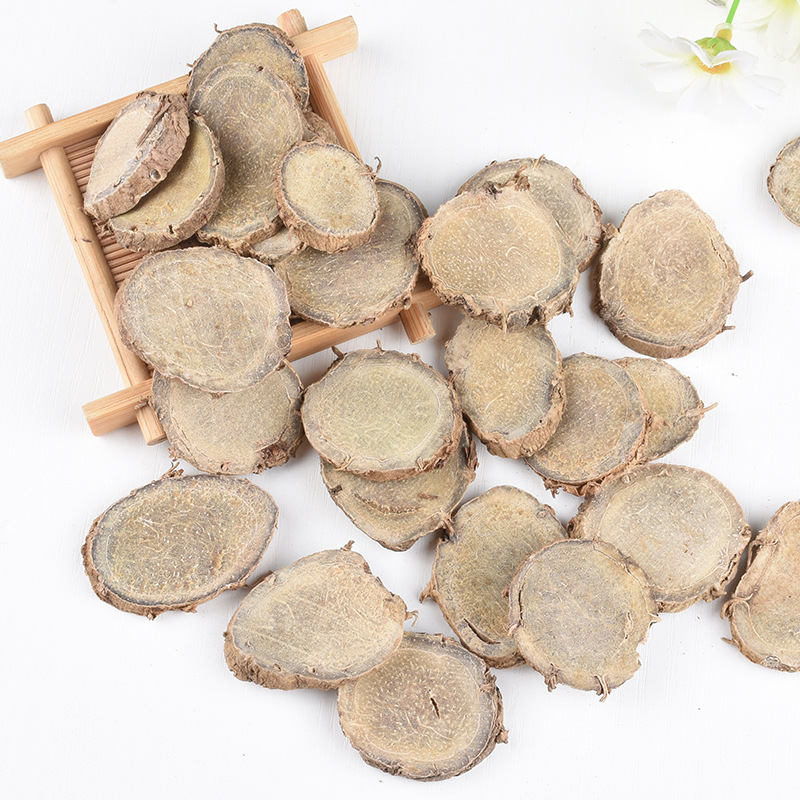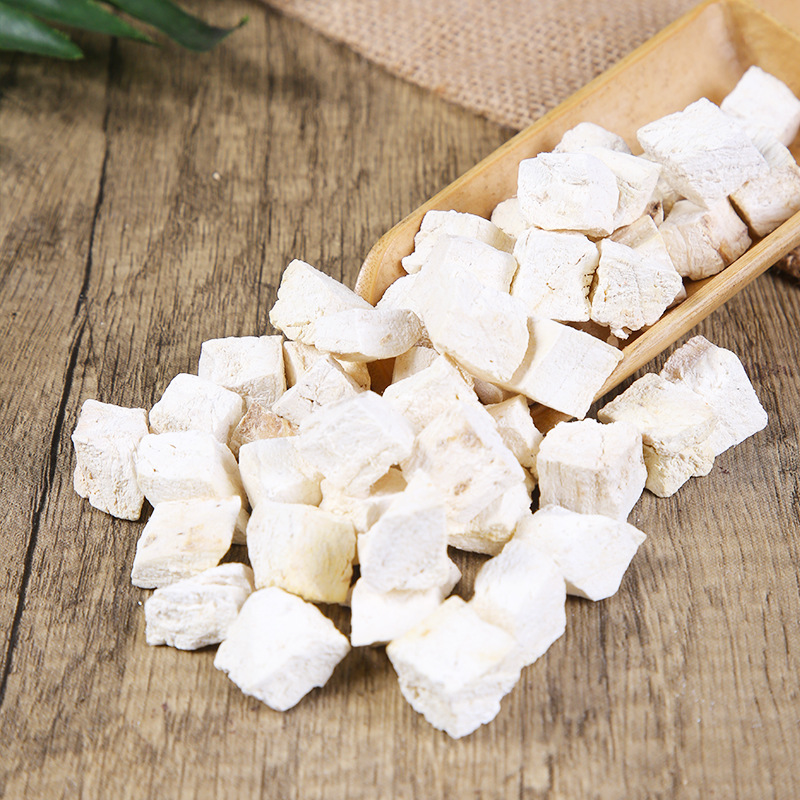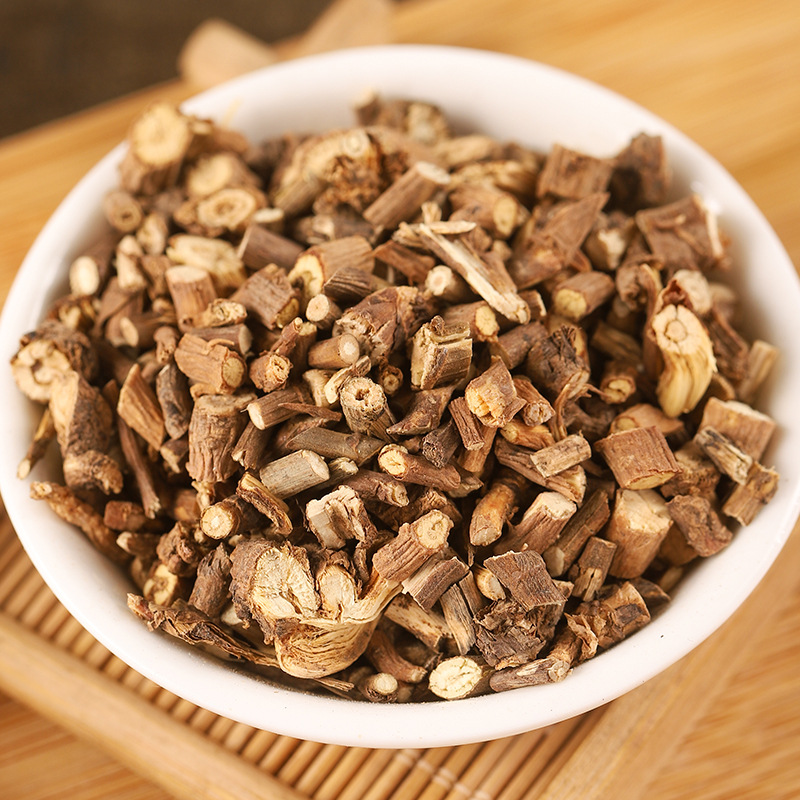
Gallnut is the gall formed by the aphid Melaphis chinensis parasitizing on the sumac tree or its related species, Rhus potaninii. It is distributed in most regions of China, with Sichuan being the main production area. In autumn, the galls are picked, boiled to kill the parasites inside, and then dried. When used, they are cracked open, impurities are removed, and they are used raw.
I. The Efficacy of Galla Chinensis:
Gallnut tastes sour and astringent, and is cold in nature. It belongs to the lung, large intestine, and kidney meridians. Its efficacy includesAstringe the lung and downbear fire, astringe the intestines and check diarrhea, astringe sweating, stanch bleeding, and astringe dampness and close sores。
Commonly used forChronic cough due to lung deficiency, phlegm cough due to lung heat, chronic diarrhea and dysentery, spontaneous sweating and night sweats, diabetes, hematochezia and hemorrhoidal bleeding, traumatic bleeding, abscesses and sores, skin dampness and erosiontreatment of conditions such as
Summary of Famous Works by Renowned Authors:
Ben Cao Shi Yi: "For intestinal deficiency with diarrhea and dysentery, take it as a powder with hot water."
Compendium of Materia Medica: "Astringes the lung and reduces fire, resolves phlegm and fluid retention, stops coughing, quenches thirst, arrests night sweats, vomiting, blood loss, chronic dysentery, jaundice, heart and abdominal pain, and infantile night crying; treats red and ulcerated eyes, reduces swelling and toxicity, and relieves throat obstruction; astringes ulcers and wounds, and treats prolapsed rectum and uterine prolapse." It also states: "Its taste is sour and salty, capable of astringing the lung and stopping bleeding, resolving phlegm and quenching thirst, and arresting sweating; its nature is cold, capable of dispersing heat, toxicity, sores, and swelling; its property is astringent, capable of eliminating diarrhea, dysentery, dampness, and ulceration."
"Ben Cao Jing Shu": "Its bitterness can kill parasites, its sourness and neutrality can restrain floating heat, and its dry nature can treat wind-dampness, sores, itching, and pus."
Jade Autumn Materia Medica: Gallnut enters the lung, astringing the intestines and descending, shrinking prolapsed anus, reducing swelling and toxicity, calming cough and counterflow, stopping slippery diarrhea, transforming stubborn phlegm, stopping bleeding, astringing ulcerated sores, applying to mouth sores, blowing into throat impediment, securing night sweating, stopping seminal loss, treating all kinds of swelling toxins, hemorrhoids and fistulas, scabies, leprosy, and metal sores.
"Compendium of Materia Medica": "Its nature is astringent, capable of astringing the lungs; its qi is cold, capable of reducing fire. It promotes fluid production and resolves phlegm, stops coughing and bleeding, astringes sweat, relieves alcohol intoxication, treats wasting-thirst, diarrhea and dysentery, sores and ringworm, five types of hemorrhoids, bleeding, prolapse of the anus, pus and dampness with erosion, prolapse of the uterus, disperses toxic heat, reduces eye swelling, and astringes sores."
II. Compatibility and Application of Galla Chinensis:
1. For chronic cough due to lung deficiency. Galla Chinensis can astringe the lung and reduce fire, and is effective in treating chronic cough due to lung deficiency and syndromes of lung qi deficiency and dispersion. It requires both tonification and astringency, and is often used in combination with Fructus Schisandrae Chinensis.
Zhu Danxi said, "Gallnut belongs to metal and water, and is known for its ability to collect stubborn phlegm and clear heat toxins. It works particularly well when combined with other herbs. For evening coughs, which are caused by fire qi floating into the lungs, cooling herbs should not be used. Instead, gallnut and schisandra should be employed to astringe and direct the qi downward."
2. For chronic diarrhea and dysentery. Galla Chinensis can astringe the intestines to stop diarrhea, and can be used alone or in combination with other herbs. To treat persistent diarrhea and dysentery, Galla Chinensis can be used alone, half raw and half burnt, ground into powder and made into pills for consumption.
For treating chronic diarrhea and bloody stools, it is often combined with alum, Terminalia chebula, and Schisandra chinensis, namelyYuguan Pill。
3. For nocturnal emission and spermatorrhea. Galla Chinensis is good at astringency and has the effect of consolidating essence. For treating deficiency fatigue with turbid discharge, it is often combined with Poria and Os Draconis, namelyJade Lock ElixirAlternatively, you can grind gallnut into powder, mix it with saliva before bedtime each night, apply it to the navel, and cover it with gauze for good results. If there is also hyperactivity of ministerial fire, you may take formulas such as Zhi Bai Dihuang Wan and Shuilu Erxian Dan to nourish yin, reduce fire, and astringe essence.
Shen Jinao said, "For nocturnal emission and seminal emission, it is appropriate to use astringents, but it is essential to promote flow before applying astringency. The Medical Compendium uses one liang of gallnut and two liang of poria to treat deficiency-induced seminal emission, emphasizing more on purging and less on astringency, truly capturing the essence of formulating prescriptions."
If treating enuresis caused by insufficient kidney qi and bladder failing to restrain, it can be combined with equal parts of mantis egg-case, ground into powder and taken, which has the effects of tonifying the kidney, consolidating and astringing, and reducing urination.
4. For spontaneous sweating and night sweats. Galla Chinensis can astringe and stop sweating. To treat night sweats, it can be mixed with an equal amount of buckwheat flour to make cakes, which are then baked and eaten. Alternatively, a small amount of Galla Chinensis powder can be mixed with warm water and applied to the navel, which has a certain therapeutic effect.
5. For nosebleeds, hemoptysis, metrorrhagia, hematochezia, and other bleeding syndromes. Galla Chinensis has the effect of astringing and stopping bleeding. It can be used alone or in combination with other herbs. For example, when combined with half the amount of Alumen, ground into powder and made into pills, and taken with rice soup, it has a good hemostatic effect.
6. For external use. Galla Chinensis, when used externally, also has the effects of detoxifying, reducing swelling, drying dampness, healing sores, and stopping bleeding. It is commonly used to treat conditions such as sores and boils, weeping damp sores, non-healing ulcers, rectal prolapse, and uterine prolapse. It can be applied externally alone or decocted for fumigation and washing, and is often used in combination with Alumen.
For treating rectal prolapse and uterine prolapse, you can use gallnut alone by grinding it into fine powder and decocting it in water. First fumigate and then wash the affected area twice a day. At the same time, take the Buzhong Yiqi Decoction orally, which often yields good results.
For treating hemorrhoids and anal fissures, you can use Chinese gallnut combined with sophora flavescens, schizonepeta, and alum. Boil them in water to make a decoction for fumigation and washing, which has good therapeutic effects.
For treating flat warts, it can be combined with Isatis root, Indigo naturalis, Brucea javanica, Kochia scoparia, Alum, Safflower, Phellodendron chinense, Psoralea corylifolia, Eclipta prostrata, Sophora flavescens, and Prunella vulgaris, decocted for external washing, which is an effective formula.Wart-Removing Decoction。
For the treatment of condyloma acuminatum, it can be combined with alum, isatis root, and brucea javanica, decocted in water for external washing of the affected area, which has a certain therapeutic effect.
For the treatment of herpes zoster, it can be combined with raw rhubarb, phellodendron bark, and mirabilite, ground into a fine powder and mixed into a paste for external application, with significant therapeutic effects.
For mild cases of keloid, you can use equal parts of gallnut and sophora root, grind them into powder, mix with honey for topical application, change the dressing every three days, and one month constitutes a course of treatment, for reference.
7. Other Compatibility Applications.
For the treatment of chronic gastritis, you can use Galla Chinensis in combination with Codonopsis pilosula, Atractylodes macrocephala, Poria cocos, Alpinia officinarum, processed Pinellia ternata, dried tangerine peel, Cyperus rotundus, malt, and other herbs, decoct them in water and take the decoction. Galla Chinensis has the effects of astringing, healing sores, and stopping bleeding. It can cause the coagulation of mucosal tissue proteins to form a protective film. When combined with spleen-strengthening and stomach-warming herbs, it shows good efficacy in treating chronic gastritis.
For toothache caused by dental caries, wind-heat, or stomach fire, you can use gallnut decoction for gargling or apply its powder to the painful area, or apply it to swollen cheeks, all of which have certain analgesic effects.
For the treatment of diabetes, one can use powdered gallnut taken with water, combined with astragalus, Chinese yam, schisandra, pseudostellaria root, scrophularia root, kudzu root, salvia root, and rehmannia root, that isGallnut Decoction。
III. Usage and Dosage of Galla Chinensis:
Gallnut can be used in decoctions, as well as in pills, powders, and for external application. The usual dosage in decoctions ranges from a few grams to over ten grams; for external use, apply an appropriate amount.
It contains a high amount of tannic acid, which can easily cause stomach discomfort after consumption.
Wang Ang said: "It grows on the salt skin tree, where small insects feed on the sap and leave behind seeds that form balls between the leaves. The shell is light, brittle, and hollow inside, and can be used to dye black. It can be used either raw or stir-fried."
IV. Application Precautions for Galla Chinensis:
Galla Chinensis is sour and astringent, so it has astringent properties.Patients with exogenous cough or damp-heat diarrhea and dysentery should avoid taking it。
Wang Ang said: "Cough caused by external contraction, diarrhea not due to deficiency collapse is contraindicated."