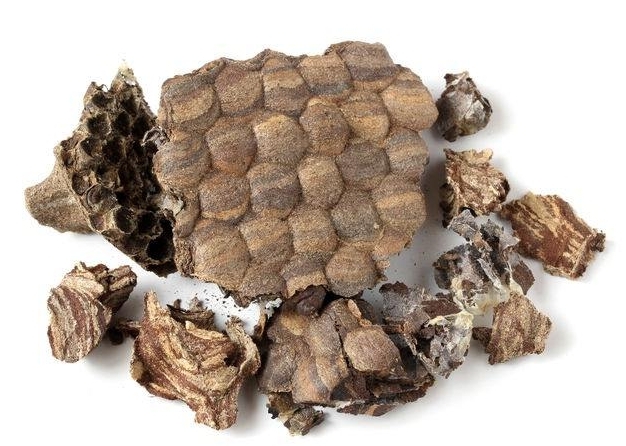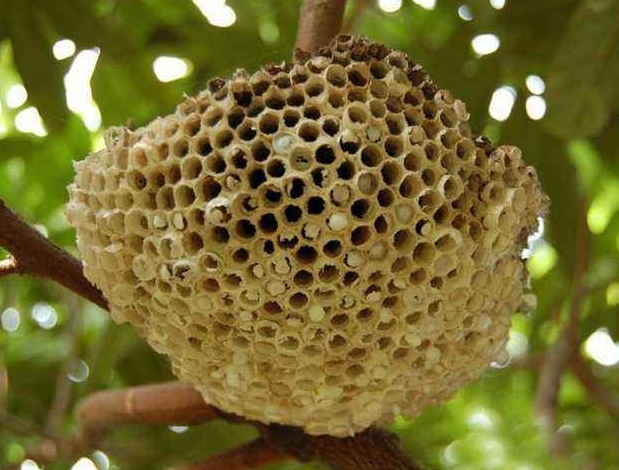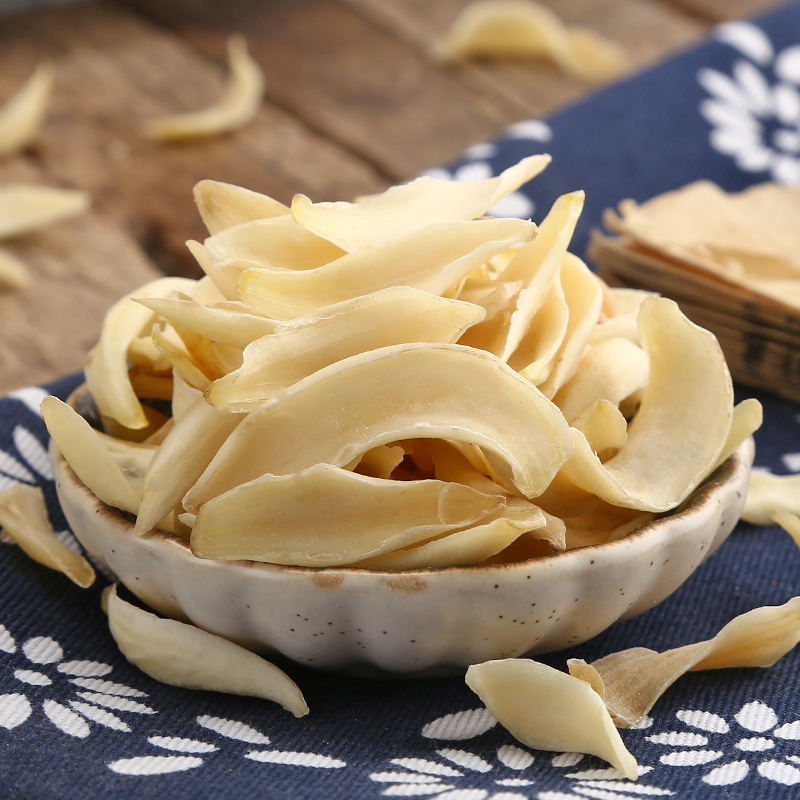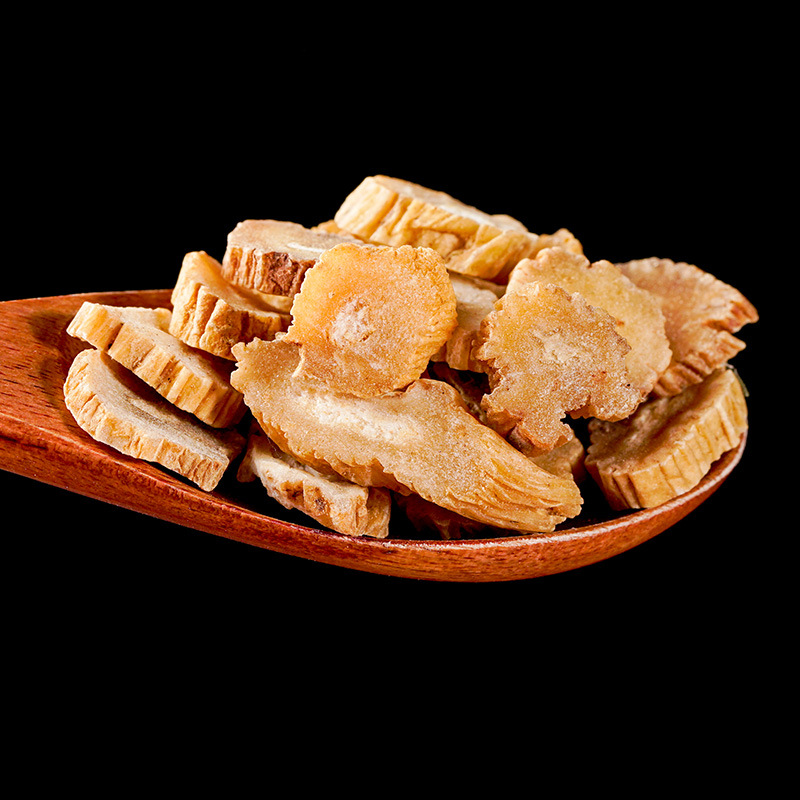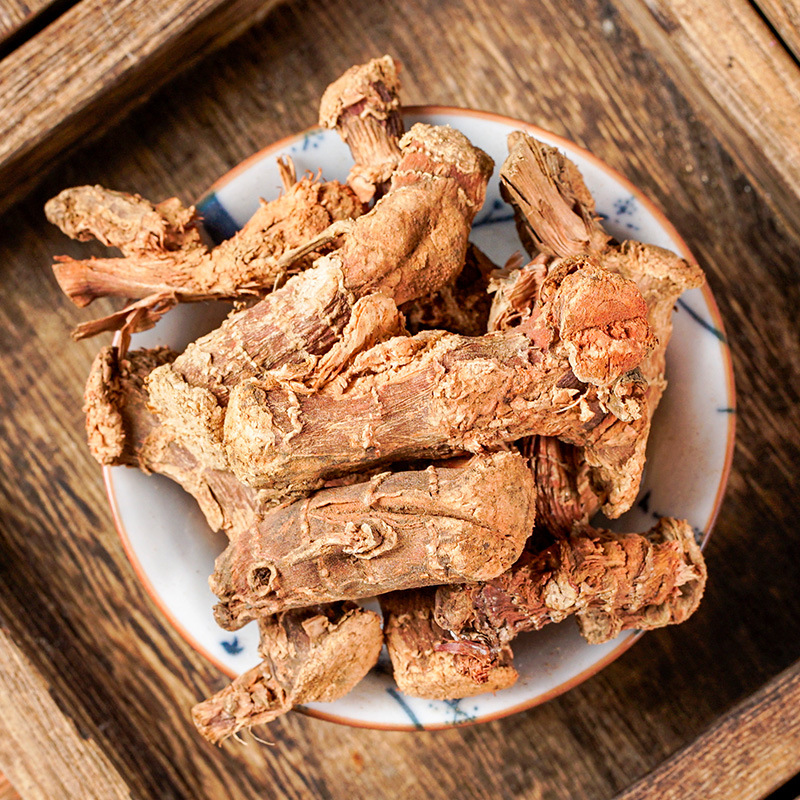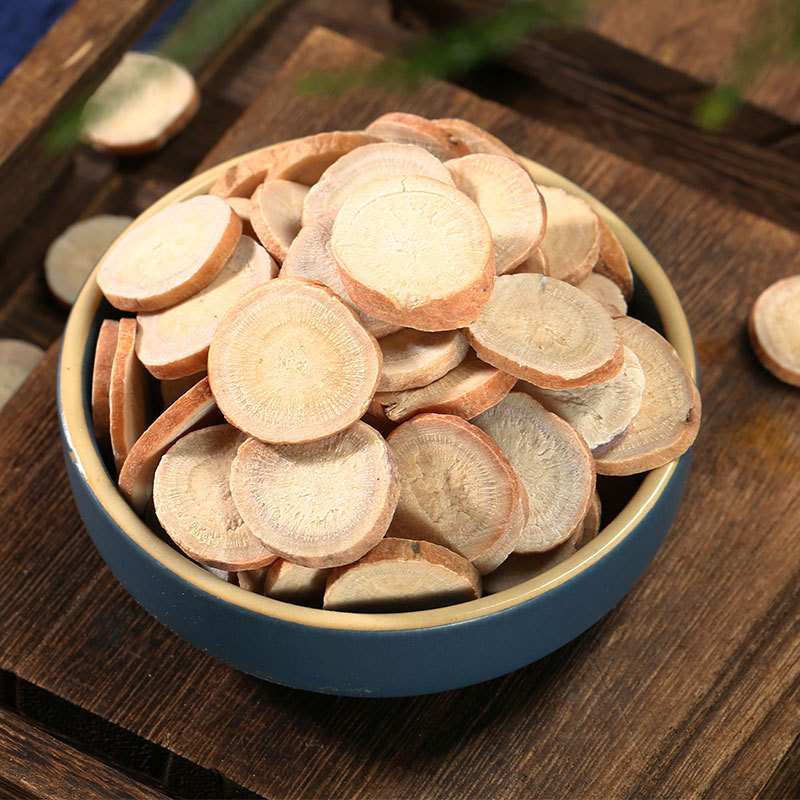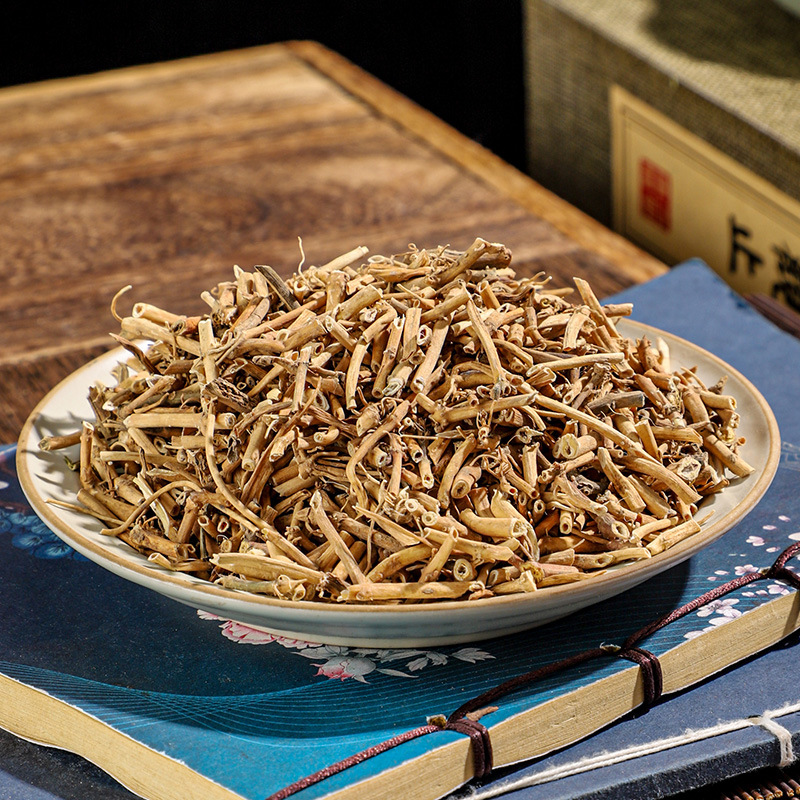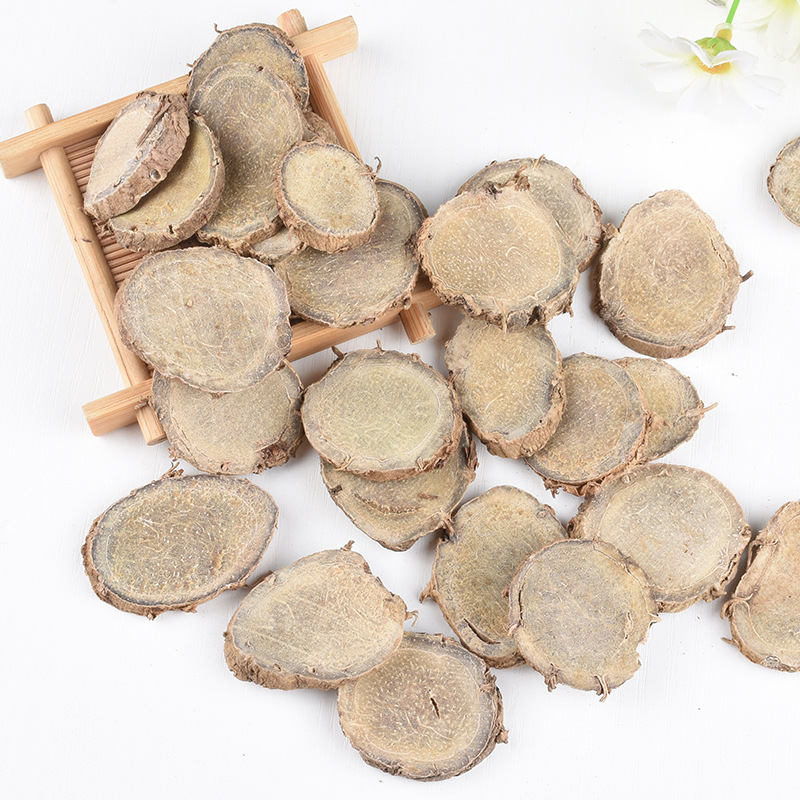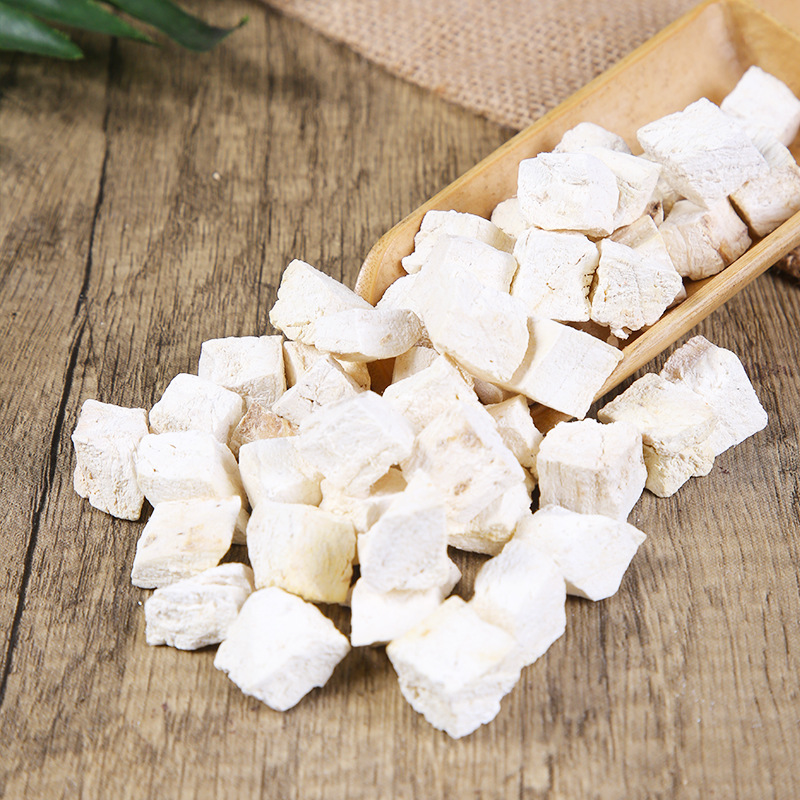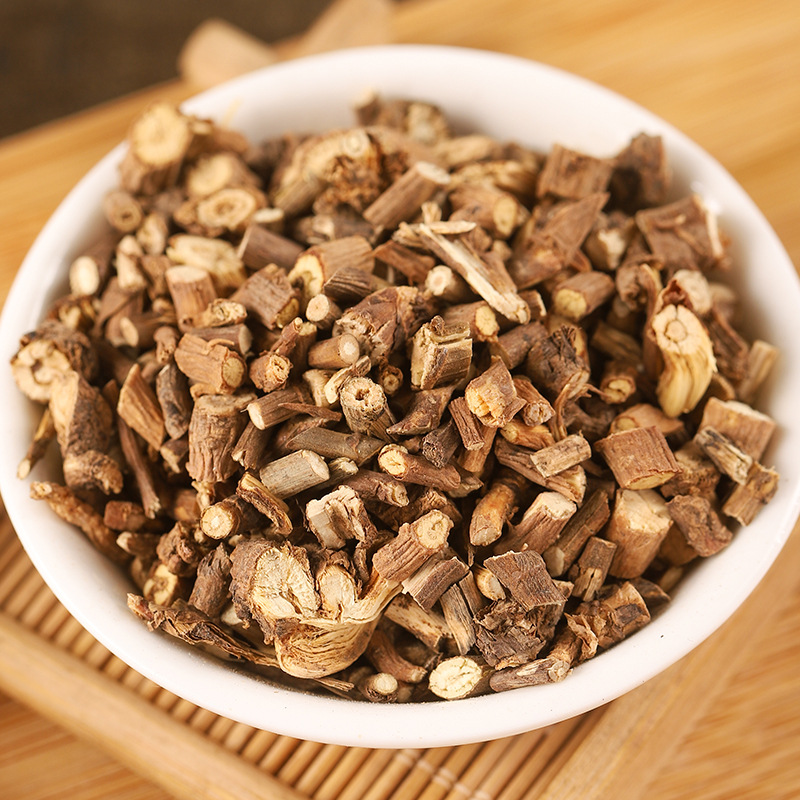
Honeycomb is the nest of the insect hornet or various closely related insects. It is found throughout China, especially in the southern regions. It can be collected at any time. During collection, smoke is used to disperse the bee colony. After removing the honeycomb, it is dried in the sun or slightly steamed to remove dead pupae and bees, and then cut into small pieces. It is often used raw or stir-fried.
I. Efficacy of Honeycomb:
Honeycomb tastes sweet, neutral; toxic. It belongs to the stomach meridian. Its effects canDetoxifying and insecticidal, dispelling wind and relieving painIt is a medicine that uses poison to attack poison, and is effective for external use in treating sores, ulcers, leprosy, and ringworm.
Commonly used insores and abscesses, breast abscess, scrofula, stubborn skin ringworm, tinea manuum, toothache, rheumatic arthralgiatreatment of conditions such as
Summary of Masterpieces by Renowned Authors
"Ben Jing": "It treats convulsions and spasms, cold and heat pathogenic factors, manic disorders, intestinal hemorrhoids, ghostly essence and gu toxins, intestinal hemorrhoids."
Bie Lu: "It is toxic, treats bee venom, toxic swelling."
Rihuazi Materia Medica: "Treats toothache, dysentery, breast abscess, bee stings, and malignant sores."
Compendium of Materia Medica: "The honeycomb of Polistes mandarinus is a Yangming medicinal. It is used in surgery, dentistry, and other diseases, all taking advantage of its ability to combat poison with poison, along with its insecticidal effects."
Changsha Materia Medica: "It can dissolve hard knots and is adept at breaking up firm accumulations."
Ben Cao Bei Yao: "Treats convulsions and epilepsy, deep-seated abscesses and ulcers with roots in the viscera. Applied to scrofula to form fistulas, stops wind and insect toothache. Applied to children with swollen tongue, treats impotence."
II. Compatibility and Application of Honeycomb:
1. Used for carbuncles, scrofula, toothache, tinea sores, and other conditions. Wasp nest is toxic, thus it excels in attacking toxins and killing parasites, and can be taken orally or applied externally. For early-stage breast abscess, wasp nest can be used alone, roasted until charred, ground into powder, and taken orally, typically resolving within a few days.
If treating ulcerated abscesses and sores, use a decoction of honeycomb to rinse the wound.
If treating scrofula with persistent pus discharge, it can be combined with Scrophulariae Radix, Astragali Radix, and snake slough, etc., to make a paste for external application.Honeycomb PasteIf scrofula forms a fistula, you can use honeycomb alone, roast and grind it into powder, and apply it mixed with lard.
To treat wind and insect toothache, one can use honeycomb decoction to rinse the mouth, which has the effect of killing insects and relieving pain.
For the treatment of tinea capitis, it is often combined with centipede and alum, placed together on a tile and roasted over low heat until charred, then ground into powder and mixed with oil for external application, which yields excellent therapeutic effects.
For the treatment of cervical carbuncle (duikou) or dorsal carbuncle (dabei), mix equal parts of honeycomb and angelica dahurica powder with wine dregs and apply to the affected area, changing the dressing once daily. For unruptured cases, several applications may lead to resolution.
If treating gangrene, namely "obliterative thromboangiitis", with symptoms such as blackened and sunken fingers and toes, unbearable pain, and progressive joint detachment, one can use roasted honeycomb ground into powder, mixed with vinegar for topical application, changing the dressing daily. Simultaneously, orally administer the "Drive Dampness and Preserve Detachment Decoction" from the "Stone Chamber Secret Record" for certain therapeutic effects.
For treating bone-attached abscesses, it can be combined with human hair and snake slough, burned to ashes, and taken with wine.
Wang Ang noted: "The bone-attaching abscess is named so because it does not rupture but forms pus attached to the bone."
"Jingyue's Complete Works": "The taste is slightly sweet and slightly salty, toxic. Treats bee venom and swelling toxins. Cures malignant jaundice, bone-attached abscesses, furuncles, and various toxins; also treats red and white dysentery, enuresis and incontinence, and nocturnal emissions. Boiling in water can wash fox urine sores, breast abscesses, bee sting malignant sores, and post-febrile disease toxic qi rushing to the eyes. Gargling with it can stop wind and insect toothache. Roast and grind, mix with pig fat, apply to scrofula forming fistulas."
2. For malignant tumors. The honeycomb is toxic, good at treating sores, ulcers, and masses, and has therapeutic effects on many cancers. It is often combined with scorpion, silkworm, and cremastra appendiculata.
Zhu Liangchun treats throat cancer, nasopharyngeal cancer, lymph node metastatic cancer, etc., often combining scorpion, gecko, silkworm, etc., to make pills for oral administration, namelyXiaoliu WanFor reference only.
For the initial stage of breast cancer, one can use roasted honeycomb combined with chinaberry fruit and male mouse droppings, stir-fried and ground or made into pills with water for oral administration.Breast Cancer PowderIf one more ingredient, goat horn, is added to make pills for oral administration, it isBreast Cancer Pill。
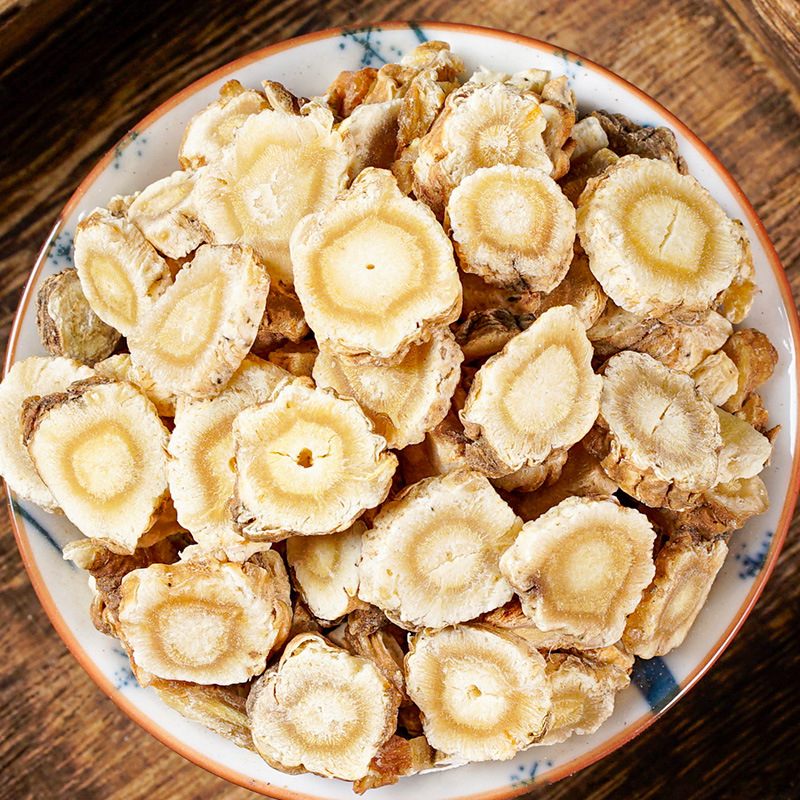
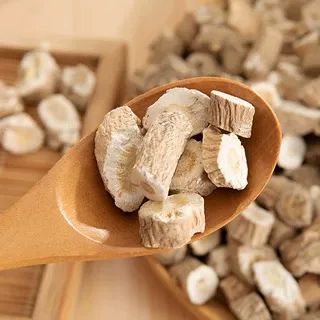
For treating lung cancer, one can use honeycomb processed with honey in combination with Glehniae Radix, Scutellariae Barbatae Herba, Nelumbinis Rhizomatis Nodus, Armeniacae Semen Amarum, Typhae Pollen, Astragali Radix, Eriobotryae Folium, Fossilium Spiriferis, and Rhapontici Radix. These ingredients are decocted in water for oral administration. Together, they work to replenish qi and nourish yin, clear heat and resolve phlegm, detoxify and dissipate masses, and promote blood circulation and reduce swelling. This combination has the effect of alleviating symptoms.
For the prevention of uterine choriocarcinoma, in cases where the pregnancy test remains positive after curettage for hydatidiform mole, honeycomb can be combined with Chinese angelica, poria, salvia, and hawthorn, namelyCompound Honeycomb Decoction。
3. For rheumatic arthralgia, urticaria and itching, etc. Honeycomb has the effect of dispelling wind. For treating wind arthralgia pain, it is often combined with single garlic and plant ash for external application.
If treating urticaria and itching, it can be combined with cicada slough for internal administration,
Zhu Liangchun treats rheumatoid arthritis, rheumatoid arthritis, ankylosing spondylitis, and proliferative joint diseases by often using methods such as tonifying the kidneys and strengthening the governor vessel, supporting the body's vital energy and consolidating the foundation, and dispelling wind-dampness and unblocking the collaterals. He primarily uses insect-based medicines such as honeycomb, stir-fried silkworm, stir-fried black snake, stir-fried ground beetle, stir-fried centipede, and stir-fried scorpion, and then combines them with prepared rehmannia root, Chinese angelica, epimedium, deer tongue grass, desert cistanche, and licorice root.Yishen Juanbi DecoctionThe curative effect is remarkable and worth learning. This prescription can also be made into pills or powder for long-term use. Women should avoid taking it during pregnancy and menstruation.
For the treatment of stubborn diseases such as bone tuberculosis, osteomyelitis, and arthritis, you can use roasted honeycomb combined with ground beetle, scorpion, and centipede in equal parts, ground into powder, made into pills with water, and taken with modifications according to the symptoms.Four Ingredients Detoxification PillIt takes the meaning of using various insect-based medicines to detoxify and treat sores, disperse swelling and relieve pain, and dispel impediment and free the network vessels.
If treating bone tuberculosis without fistula, one can use honeycomb combined with charred human hair, prepared rehmannia root, snake slough, cicada slough, silkworm, etc., grind them into fine powder, and take with yellow wine as a guide.Honeycomb PowderIf the patient is excessively weak and prone to vomiting, the dosage may be reduced, and combining it with Yanghe Decoction will yield better results.
4. Other Compatibility Applications.
Honeycomb also has the function of warming the kidney and assisting yang, and can treat cold-damp leukorrhea. It is often combined with warm and astringent herbs such as deer antler glue and fennel. For cases of damp-heat pouring downward, it can also be incorporated into formulas that clear damp-heat to enhance therapeutic efficacy.
Beehive can also treat impotence and enuresis. For enuresis, it can be ground into powder alone and taken with boiled water. For impotence due to deficiency of essence and blood and insufficiency of the lower origin, roasted beehive can be combined with flower spiders, epimedium, cistanche, and prepared rehmannia to make pills for oral administration.Spider and Wasp PillIf one takes only the powdered roasted honeycomb, it also has excellent efficacy.
Beehive can also relieve cough and reduce phlegm. For treating chronic bronchitis with persistent cough, or cough accompanied by flushed face and shortness of breath, beehive can be used in combination with gambir vine. Alternatively, stir-fry roasted beehive powder with eggs without adding oil or salt, and consume after meals for several consecutive days, which yields significant therapeutic effects.
III. Usage and Dosage of Honeycomb:
Honeycomb can be used in decoctions, and is also suitable for making pills, powders, and external applications. The usual dosage in decoctions ranges from a few grams to over ten grams; for pills and powders, it is used in amounts of a few grams, often requiring roasting before use. For external use, apply an appropriate amount.
If the condition is severe and yang deficiency is more pronounced, the dosage may be increased as appropriate.
Wang Ang said: "Take those that are suspended from trees and exposed to wind and dew, then use them after roasting."
IV Application Precautions of Honeycomb
Beehive warms and disperses to dispel wind, using poison to counteract poison, thusPatients with qi and blood deficiency should not take it; those with yang syndrome of carbuncle and ulceration showing a tendency to suppuration should also use it with caution。