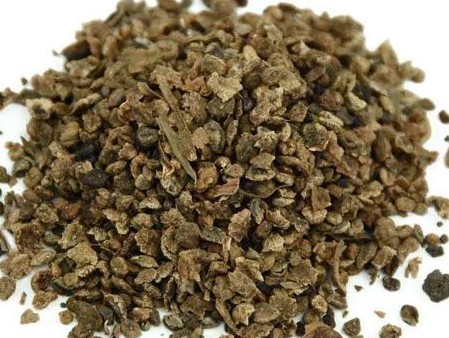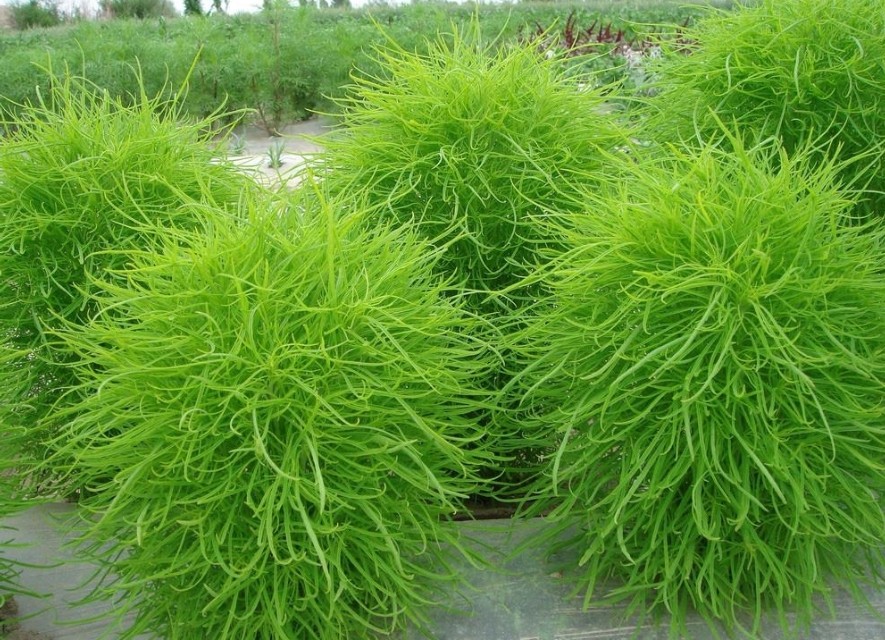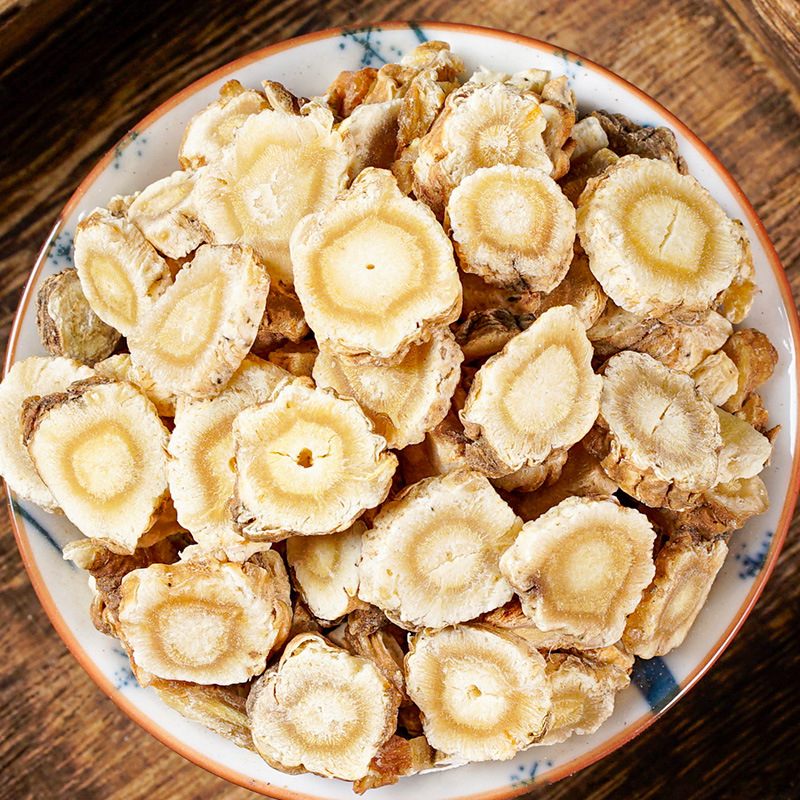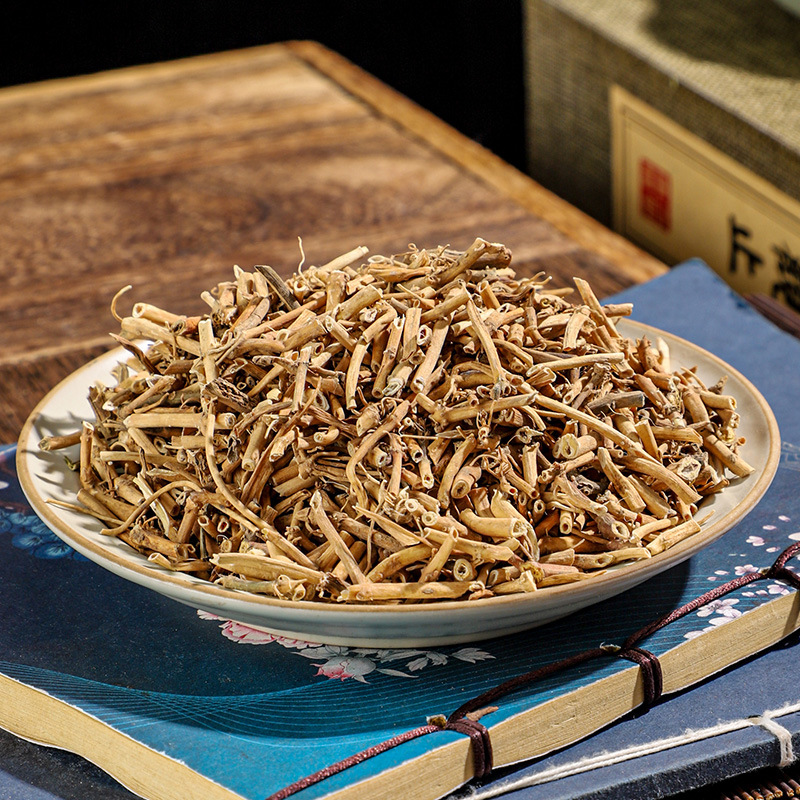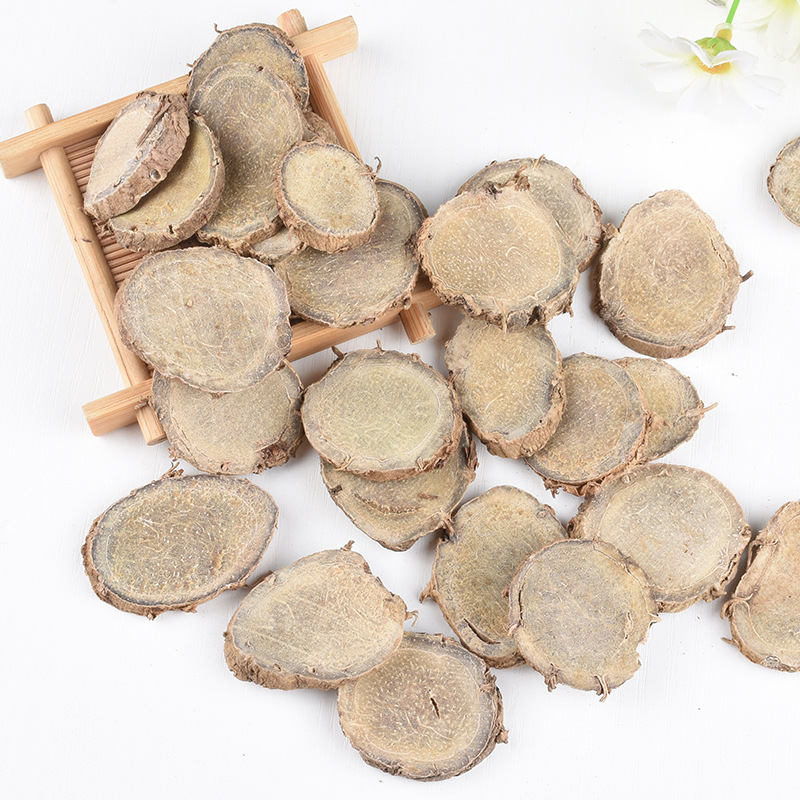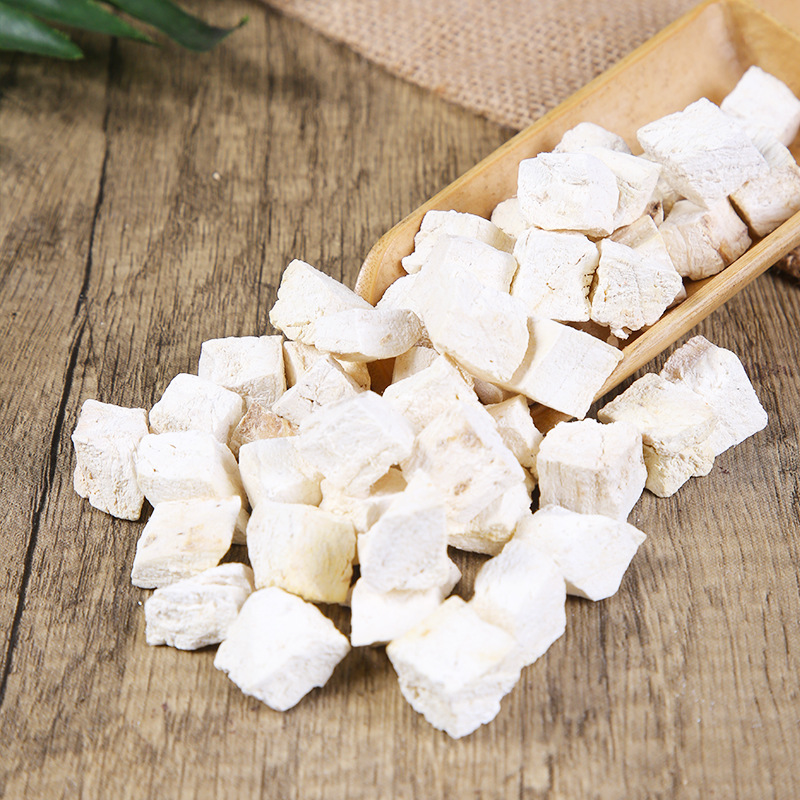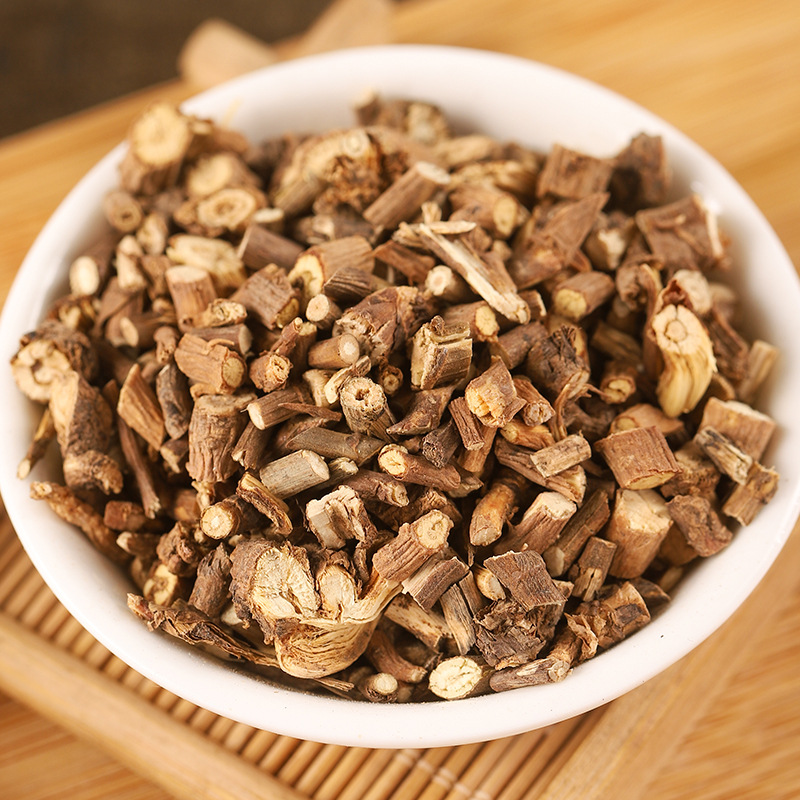
Kochiae Fructus is the mature fruit of the plant Kochia scoparia from the Chenopodiaceae family. Its seeds are relatively small in size, similar to Plantaginis Semen. It is mainly produced in Hebei, Shanxi, Shandong, and other regions. It is harvested in autumn, dried, and impurities are removed. It is commonly used in its raw form.
I. The Efficacy of Kochiae Fructus:
Kochiae Fructus tastes bitter, cold. It belongs to the bladder meridian. Its efficacy canClearing heat and promoting diuresis, dispelling dampness and relieving itchingIts characteristic is to guide damp-heat downward, with an effect similar to that of Phellodendron but weaker.
Commonly used forPainful urination, vaginal itching with leukorrhea, wind rash, eczema, skin itchingTreatment of conditions such as
Summary of Masterpieces by Renowned Authors:
The Classic of Materia Medica: "Primarily treats bladder heat and promotes urination."
Bie Lu: "It removes heat from the skin, moisturizes the body, disperses malignant sores and hernia-like masses, and strengthens the yin."
"Ben Cao Yuan Shi": "Removes accumulated heat in the skin, eliminates dampness and itching on the skin surface."
"Jade Qiao's Medicinal Solutions": "Kochia scoparia clears and benefits damp-heat in the bladder, treats difficult urination, relieves swelling and pain in the head and eyes, addresses inguinal hernias and scrotal swelling, alleviates lower back and flank pain, treats bloody dysentery and malignant sores, and manages various conditions such as impotence."
Ben Cao Bei Yao: "Benefits essence and strengthens yin, enters the bladder, eliminates deficiency heat, promotes urination and relieves strangury. Treats scrotal swelling and disperses malignant sores."
II. Compatibility and Application of Kochiae Fructus:
1. For difficulty in urination, dribbling and painful urination. Kochia scoparia is good at clearing damp-heat and promoting urination, with a relatively mild effect. In any formula that clears damp-heat from the lower jiao, when Phellodendron amurense is indicated but its bitter-cold nature is feared, Kochia scoparia can be used as a substitute, which is indeed an excellent method.
To treat damp-heat in the bladder with difficult urination, it is often combined with Akebia, Dianthus, and Malva, namelyDichondra Decoction。
If treating persistent bloody dysentery, one can also use Kochia scoparia combined with Sanguisorba officinalis, Scutellaria baicalensis, etc., grind them into powder, and take with warm water.
"Ben Cao Qiu Zhen": "Dichroa Root, used to treat strangury and promote diuresis, clear heat, its efficacy is quite similar to that of Phellodendron. However, Phellodendron has a bitter and pungent taste, while this one is bitter yet sweet. Phellodendron greatly purges damp-heat from the bladder, whereas this one is slightly less potent. For cases of frequent urination or incontinence due to heat, this herb uses its bitterness to enter the yin aspect and its cold nature to overcome heat, thereby expelling damp-heat entirely through urination."
2. For skin damp sores, itching, urticaria, and other conditions. Kochia scoparia not only clears and promotes diuresis to eliminate damp-heat but also excels at dispelling dampness and relieving itching. It can be taken orally or applied externally and is often used in combination with Cnidium monnieri. For treating skin diseases such as rubella, urticaria, and eczema, it is commonly paired with Cnidium monnieri, Tribulus terrestris, Saposhnikovia divaricata, Schizonepeta tenuifolia, and Lithospermum erythrorhizon. In cases of severe damp-heat, it is also frequently combined with Phellodendron amurense, Dictamnus dasycarpus, and Sophora flavescens.
For treating vulvar itching in women, it can be combined with Tribulus terrestris, raw rhubarb, Sichuan pepper, mugwort leaf, Sophora flavescens, Phellodendron chinense, and mint, decocted for external washing.
If treating damp-heat pouring downward, leukorrhea and genital itching, it can be combined with Cnidium monnieri, Sophora flavescens, Phellodendron amurense, Dictamnus dasycarpus, Pseudolarix amabilis, and Borneol, decocted for external washing, collectively achieving the effects of clearing heat, eliminating dampness, killing parasites, and relieving itching.
For treating scabies, it can be combined with Sichuan pepper, Osmunda japonica, realgar, Senecio scandens, alum, Stemona sessilifolia, Sophora flavescens, and black plum, decocted in water for bathing, which can serve as a reference.
For treating stubborn skin itching due to blood deficiency and dryness-heat, it can be combined with Sophora flavescens, Tribulus terrestris, Angelica sinensis, Arnebia euchroma, and Zaocys dhumnades, namelyWind Taming Itch Relieving DecoctionFor those with skin lesions, it can only be taken orally; for those without skin lesions, it can be used externally for washing and taken orally.
For treating urticaria caused by external invasion of wind-heat, it can be combined with Xiqiancao and alum, decocted and used to fumigate and wash the affected area, often achieving excellent results.
For the treatment of eczema, it can be combined with Cnidium monnieri, Cicada slough, Phellodendron amurense, Gentiana scabra, Arnebia euchroma, Dictamnus dasycarpus, Sophora flavescens, and Moutan bark, decocted for external washing.
For treating damp sores and tinea capitis, it can be combined with Cnidium monnieri, Sophora flavescens, alum, and Sichuan pepper, decocted for external washing.
The usage of the above prescriptions can be used as a reference.
III. Usage and Dosage of Kochiae Fructus:
Kochiae Fructus is often used in decoctions, can also be made into pills or powders, and is suitable for external use. The usual dosage in decoctions ranges from a few grams to over ten grams; for external use, apply an appropriate amount.
IV. Application Notes for Kochiae Fructus:
Dichondra seeds taste bitter and are cold in nature, thereforeAvoid use in cases without internal damp-heat and excessive urination。