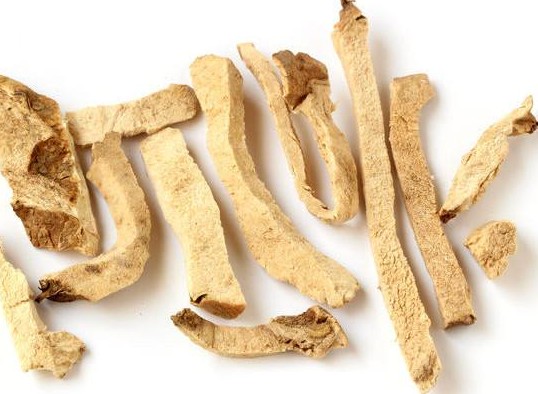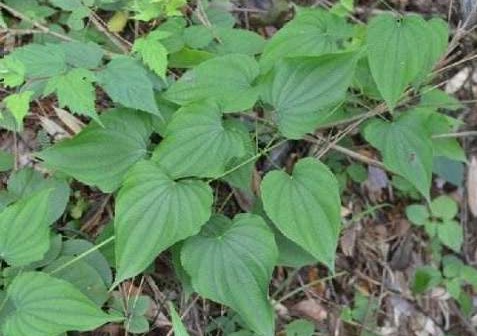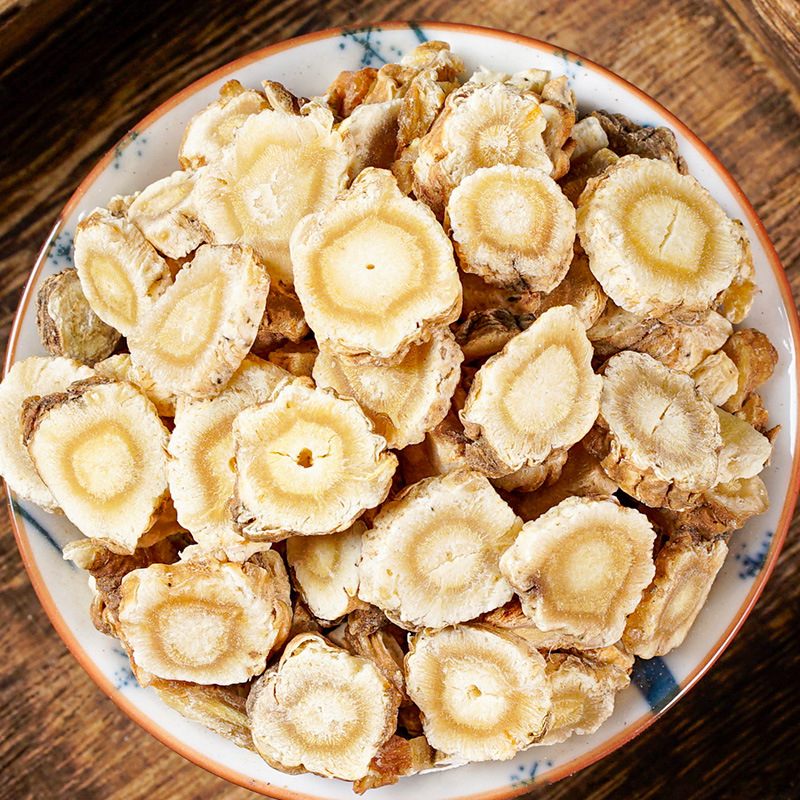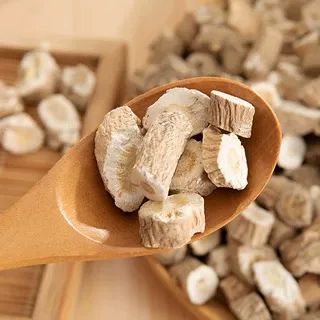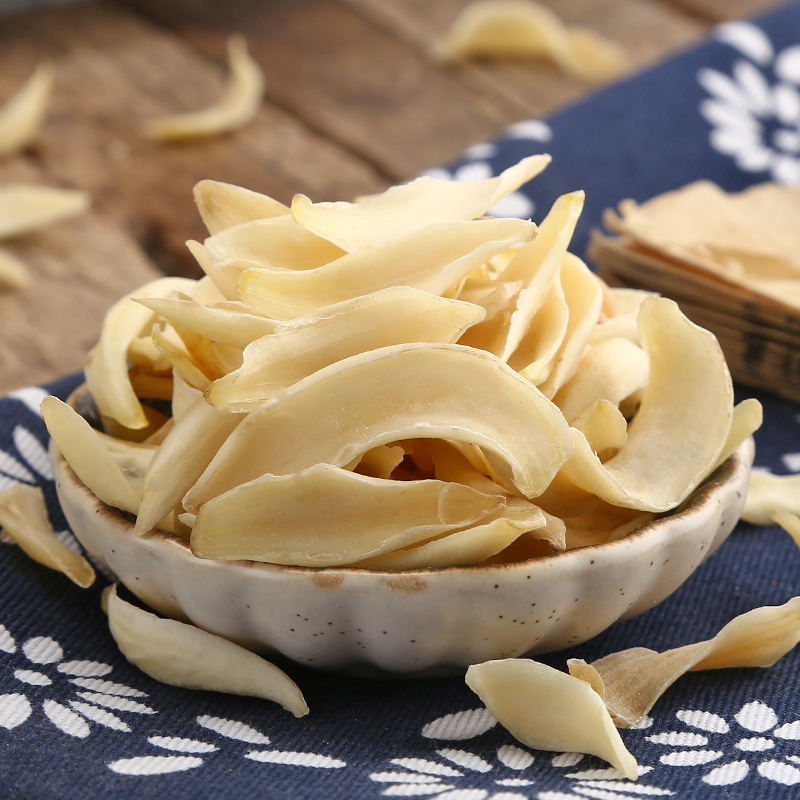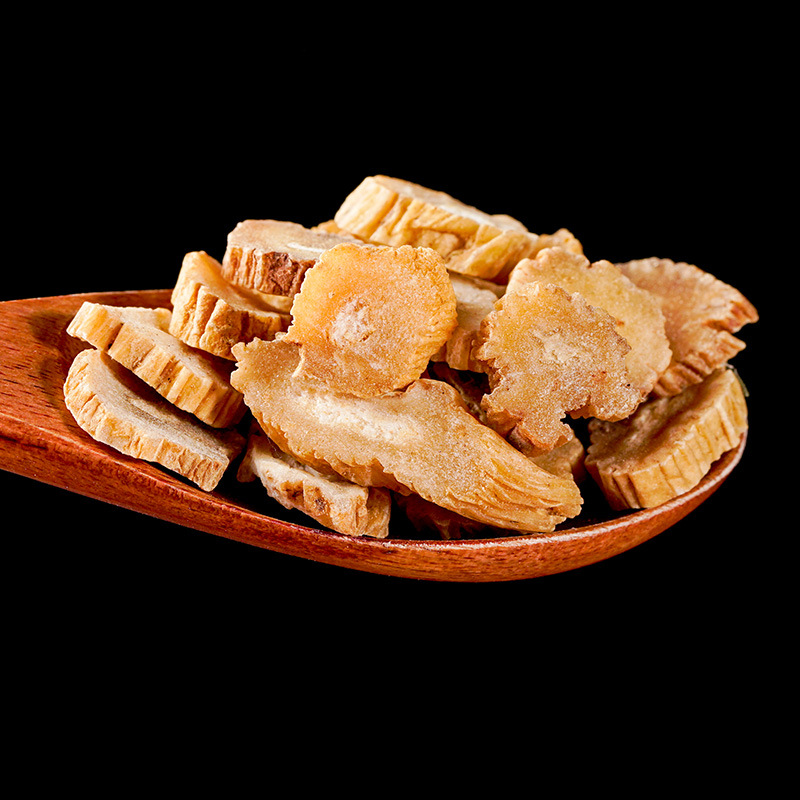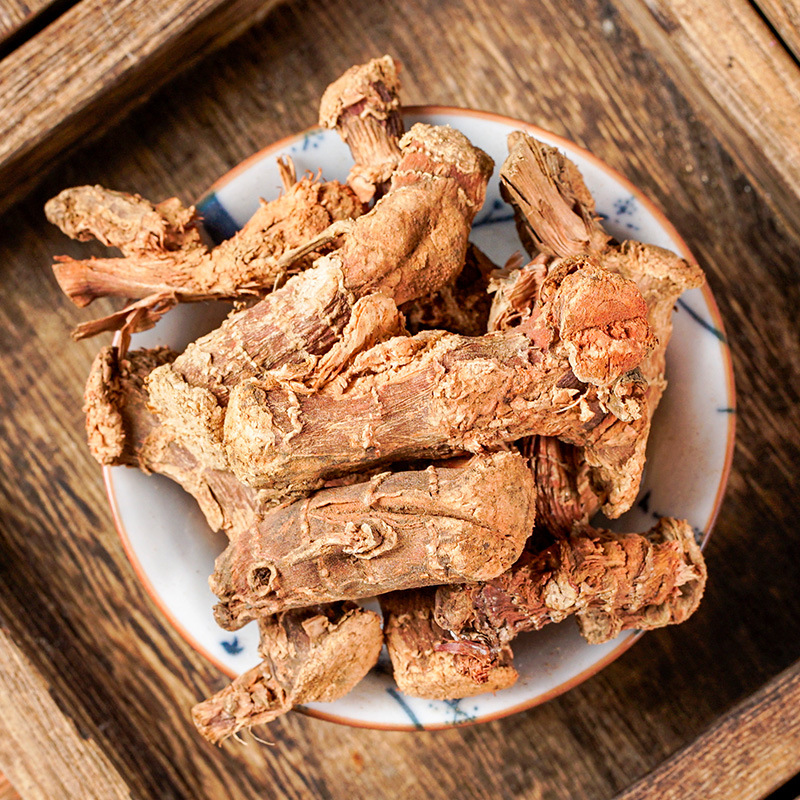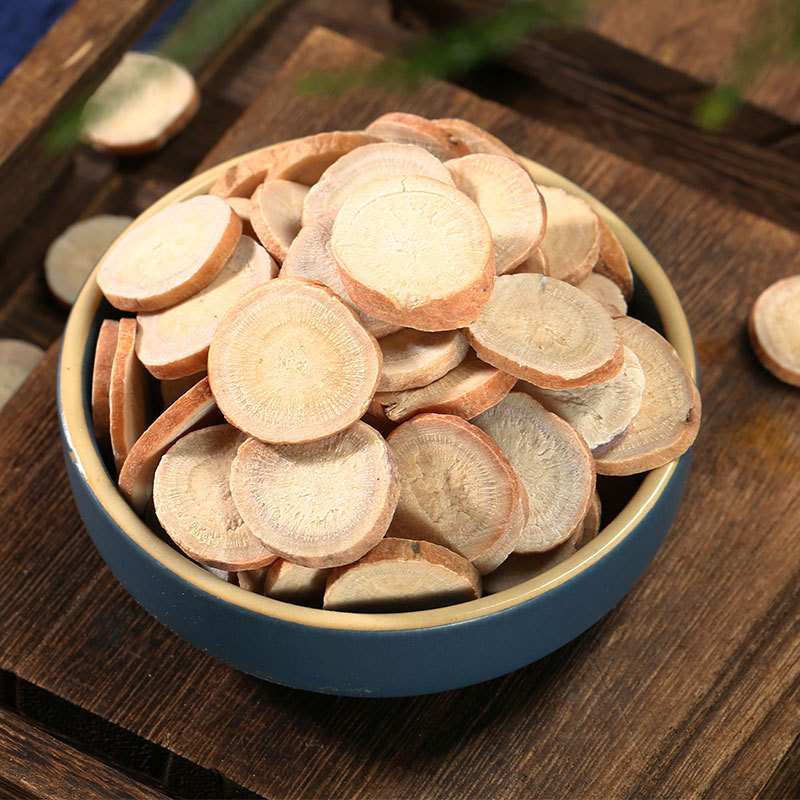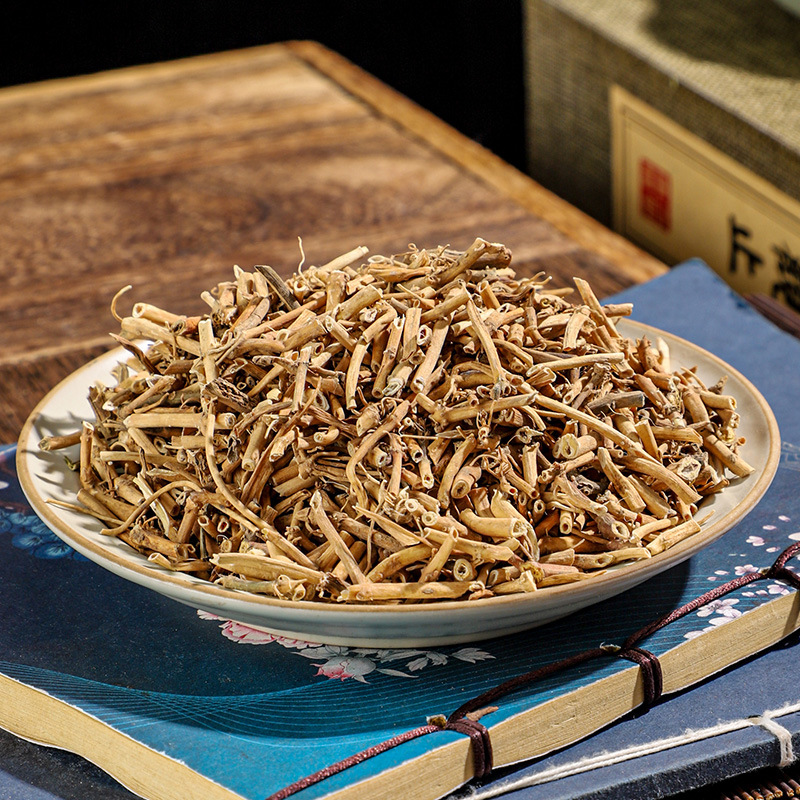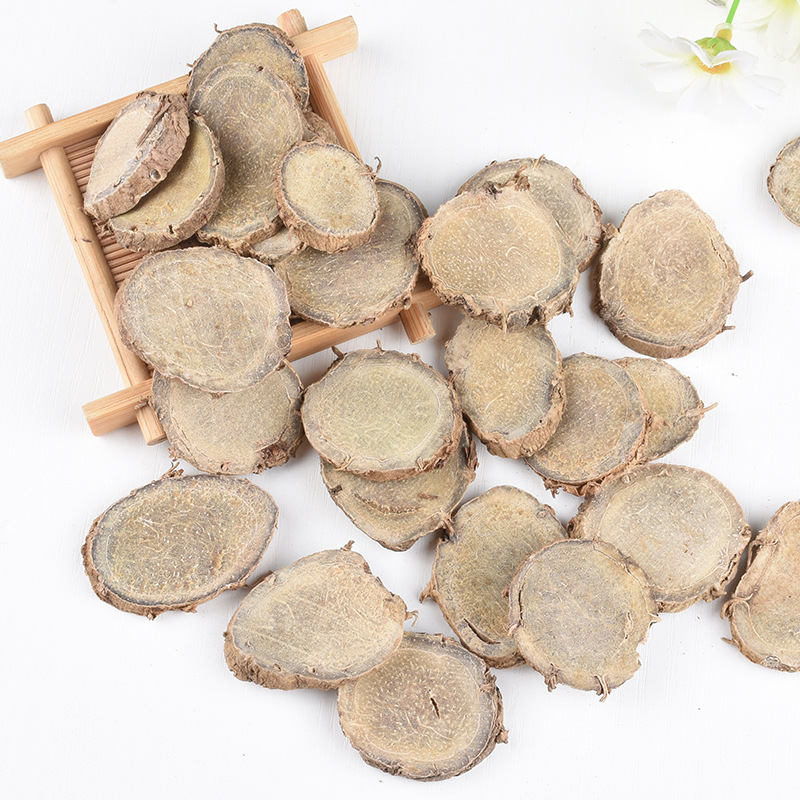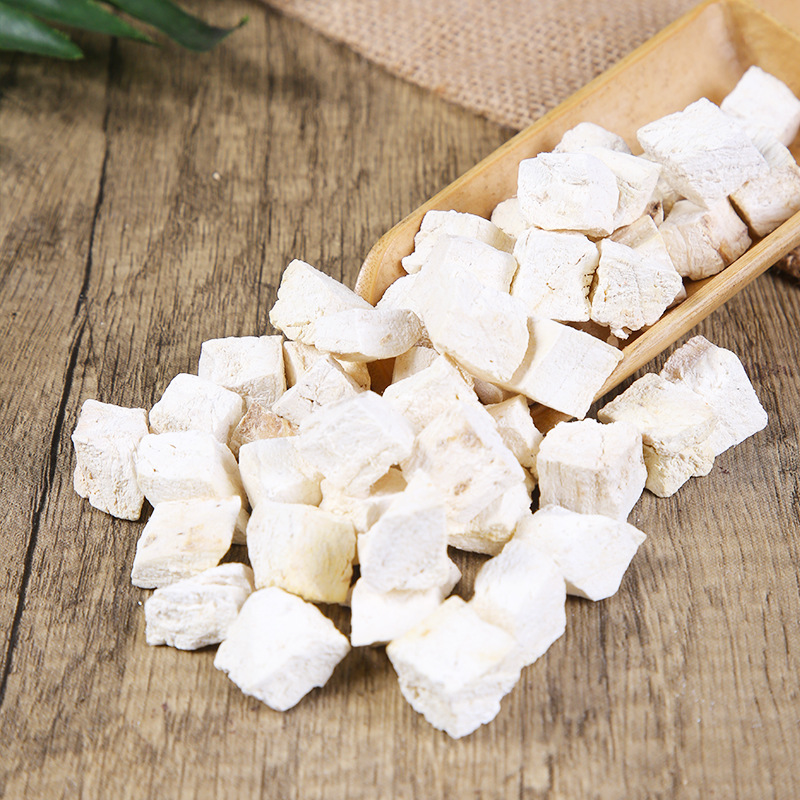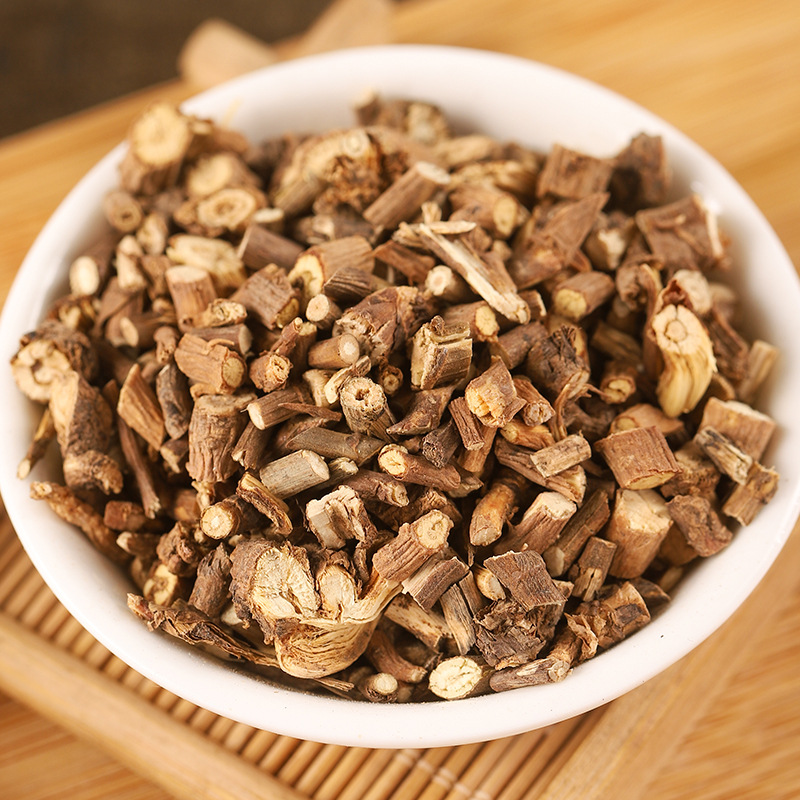
Bixie is the dried rhizome of Dioscorea septemloba or Dioscorea hypoglauca in the family Dioscoreaceae. It is mainly produced in Zhejiang, Hubei and other places. It is harvested in spring and autumn, washed, sliced, and dried. It is often used raw.
I. Efficacy of Dioscoreae Hypoglaucae Rhizoma:
Bixie tastes bitter, neutral. It belongs to the liver, stomach, and bladder meridians. Its efficacy canClearing Dampness and Removing Turbidity, Dispelling Wind and Alleviating Bi SyndromeIt is particularly effective in treating gonorrhea and is known as the essential medicine for gonorrhea.
Commonly used inTurbid stranguria, white turbidity, excessive leukorrhea, rheumatic arthralgia, joint stiffness, lumbar and knee paintreatment of conditions such as
Summary of Famous Works by Renowned Authors:
The Classic of Materia Medica: "It primarily treats pain and stiffness in the lower back and spine, wind-cold in the joints and generalized impediment, malign sores that do not heal, and heat qi."
"Compendium of Materia Medica": "Bixie is a medicinal herb that acts on the Foot Yangming and Jueyin meridians. The Jueyin meridian governs the tendons and is associated with wind, while the Yangming meridian governs the interior and is associated with dampness. The efficacy of Bixie lies in its ability to dispel wind-dampness, making it effective in treating conditions such as weakness, stubborn paralysis, turbid discharge, and malignant sores that are caused by wind-dampness."
"Medicinal Properties and Applications": "It is primarily used to treat wind-cold-dampness impediment, turbid white discharge in men with pain in the penis, and leukorrhea in women. These conditions arise from the downward flow of turbid qi from the stomach. By entering the stomach to expel dampness, the symptoms will naturally resolve."
Jade Carving Medical Explanation: "Bixie dredges and drains the water passages, expels dampness from the channels and joints, treats conditions such as flaccidity and paralysis of the hands and feet, frequent turbid urination, and also cures malignant sores, hemorrhoids, and fistulas."
"Compendium of Materia Medica": "Dispel wind and remove dampness to stabilize the lower jiao, tonify liver deficiency, strengthen tendons and bones, replenish essence and improve vision. Treat wind-cold-dampness impediment, chronic cold lumbar pain, old blood in joints, retained water in the bladder, impotence and incontinence, penile pain and turbid discharge, hemorrhoids, fistulas, and malignant sores."
II. Compatibility and Application of Dioscoreae Hypoglaucae Rhizoma:
1. For turbid strangury, presenting with turbid urine, white like rice water. Dioscoreae Hypoglaucae Rhizoma can promote diuresis to separate the clear from the turbid, making it an essential herb for treating turbid strangury. For treating turbid strangury and white turbidity due to deficiency of genuine qi and cold deficiency in the lower jiao, it is often combined with Alpiniae Oxyphyllae Fructus, Acori Tatarinowii Rhizoma, and Linderae Radix, namelyBixie Fenqing Yin。
If treating damp-heat pouring downward, frequent and painful urination with reddish urine, bixie can also be combined with heat-clearing and strangury-relieving herbs such as shiwei, laoguancao, huashi, and tongcao, achieving good therapeutic effects.
Zhang Xichun said: "The taste of dioscorea is bland and warm, so it can directly go to the bladder to warm and tonify the qi transformation of the lower jiao, treating children's bedwetting at night or adults' frequent urination, leading to dry stools."
2. Used for rheumatic arthralgia and lower back pain. Bixie can dispel wind-dampness, relax tendons, and unblock collaterals. For treating cold-dampness arthralgia, it is often combined with aconite and achyranthes root, namelyBixie PillFor treating damp-heat, it can be combined with mulberry twig, large-leaved gentian root, and coix seed.
For treating wind-dampness with swelling of the limbs, muscle numbness, and even weakness of the hands and feet, as well as slackness or tension of the sinews and vessels, it is often combined with Dipsacus, Aconite, Saposhnikovia, Gastrodia, and Frankincense, namelyDipsacus Pill。
FamousShiguogong Medicinal WineIn it, also use dioscorea, taking its effect of dispelling wind and dampness.
For treating flaccidity syndrome, it can be combined with Eucommia, Cistanche, and Dodder seeds, namelyJingang Pill。
Chen Wuzhe treats five types of low back pain, often using Dioscorea hypoglauca in combination with Psoralea corylifolia, Dipsacus asper, Chaenomeles speciosa, Eucommia ulmoides, etc.Li An WanChen said: "Regular consumption tonifies the kidneys, strengthens the waist and legs, and treats beriberi."
Zhu Liangchun often uses dioscorea for treating rheumatic arthralgia and gout. Especially for cases with heavy lower limbs, muscle spasms and pain, accompanied by bitter taste in the mouth and yellow urine, he frequently combines dioscorea with coix seed, along with phellodendron, clematis root, achyranthes root, earthworm, angelica, and cynanchum paniculatum, often achieving excellent results. This method can also be applied to the treatment of rheumatic sciatica.
III. Usage and Dosage of Bixie:
Bixie is often used in decoctions and can also be made into pills or powders. The usual dosage in decoctions ranges from over ten grams to several tens of grams.
Wang Ang said: "There are two types, yellow and white. The yellow ones are long and hard, while the white ones are hollow and soft. The soft ones are of good quality."
IV. Application Notes for Bixie:
Dioscoreae Hypoglaucae Rhizoma is used to separate the clear from the turbid, thusUse with caution in cases of kidney yin deficiency and seminal emission。
Zhang Xichun said, "Its warm and tonifying nature can also astringe essence and secure qi, and it is contraindicated for those suffering from strangury syndrome."