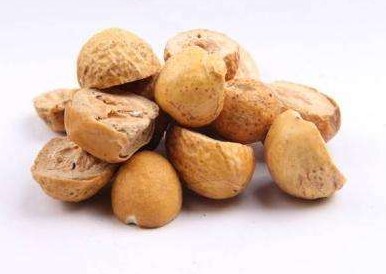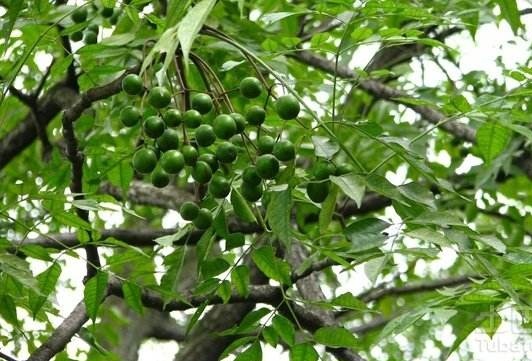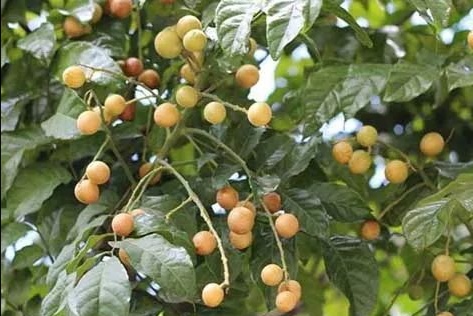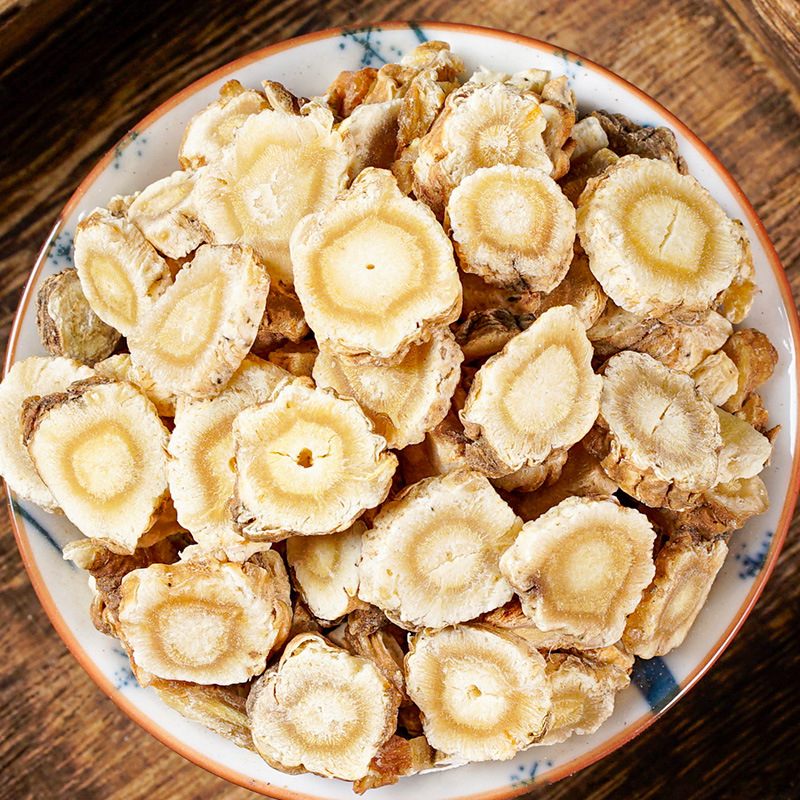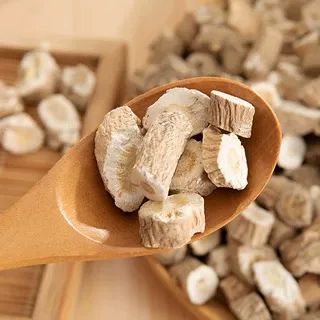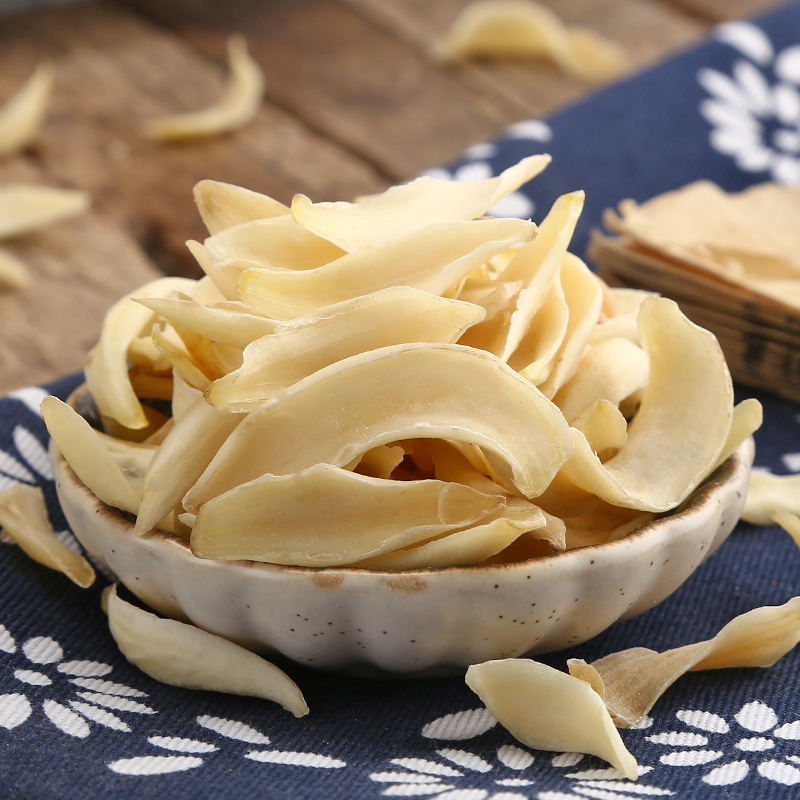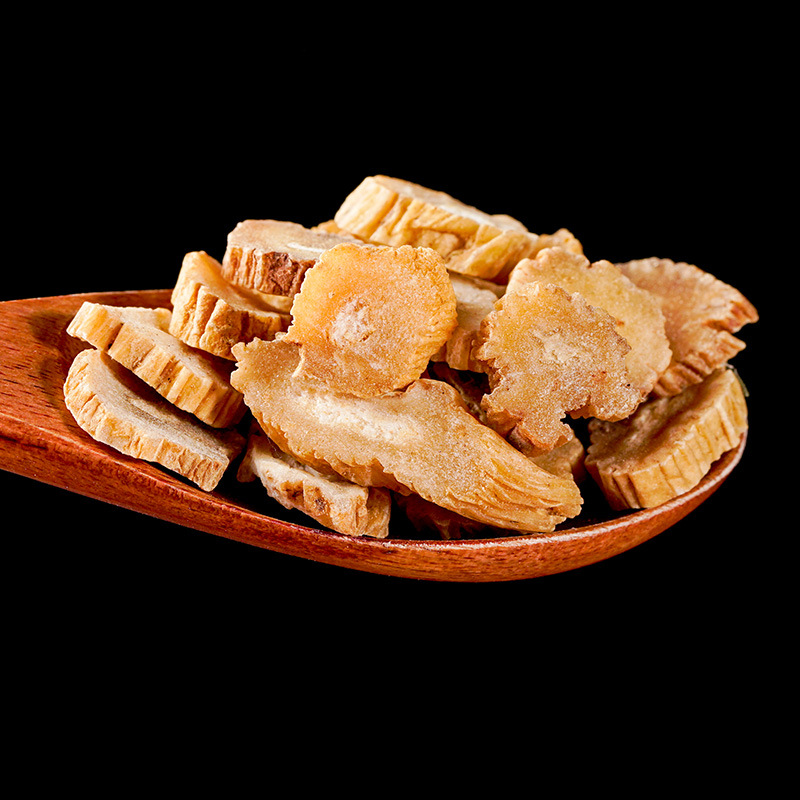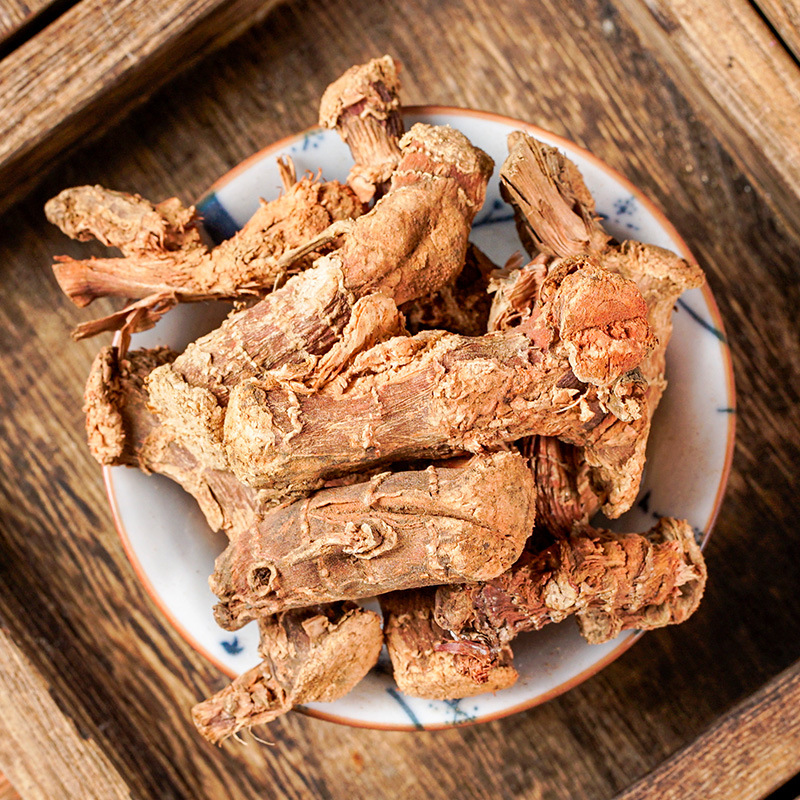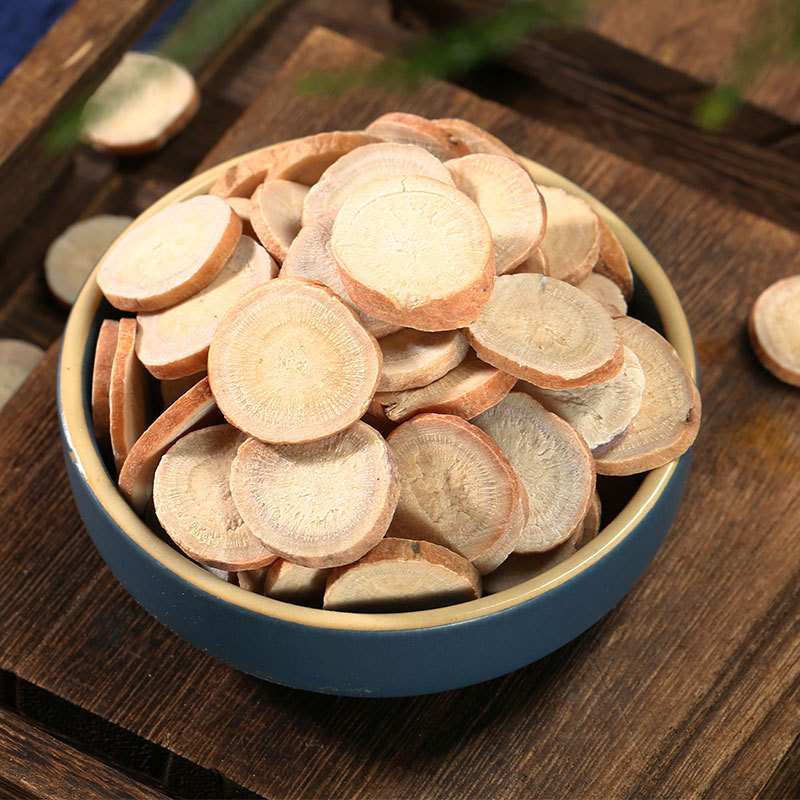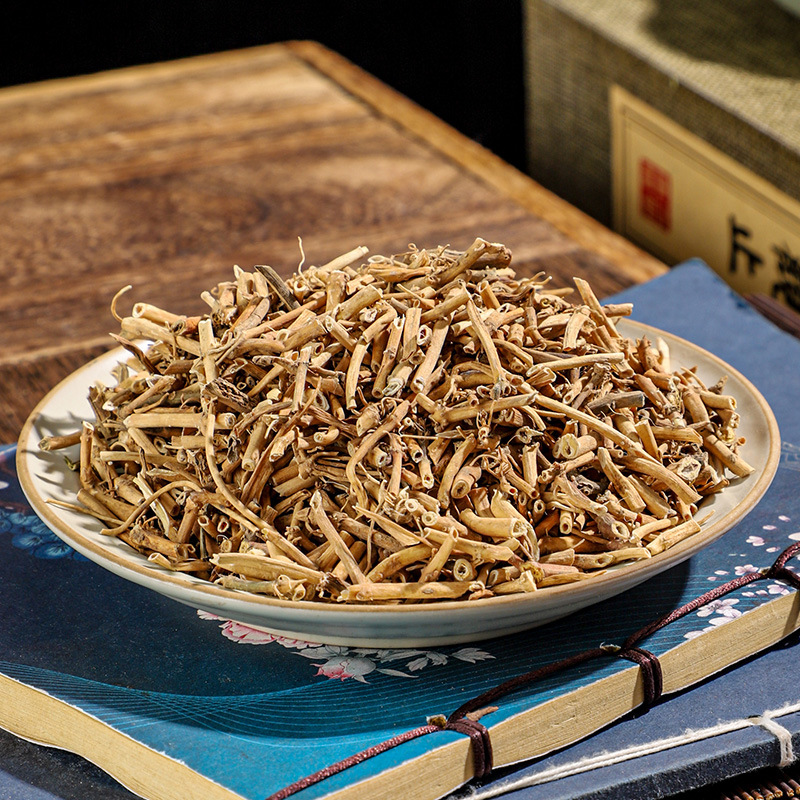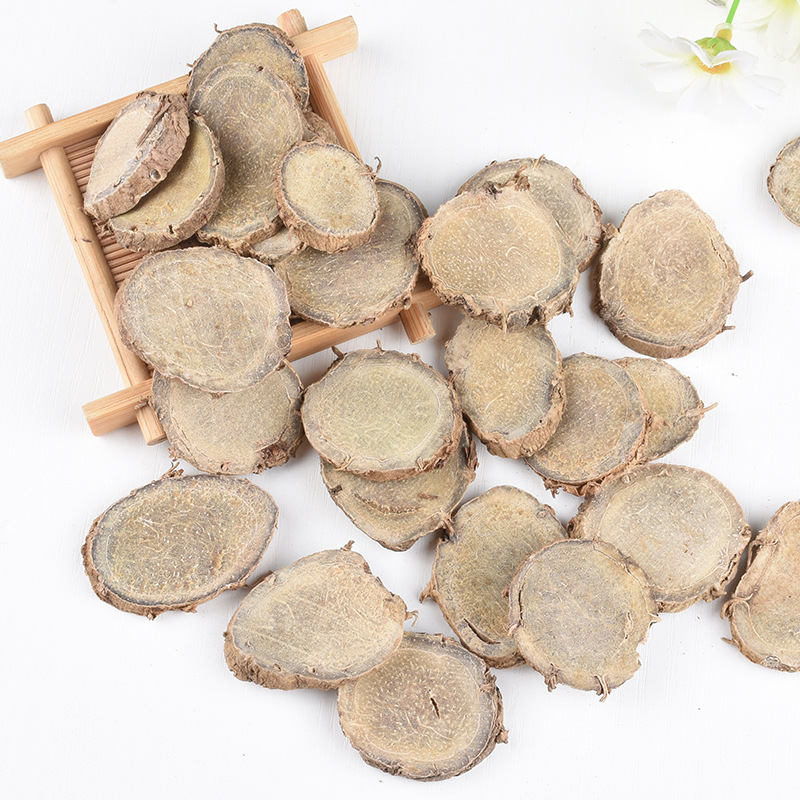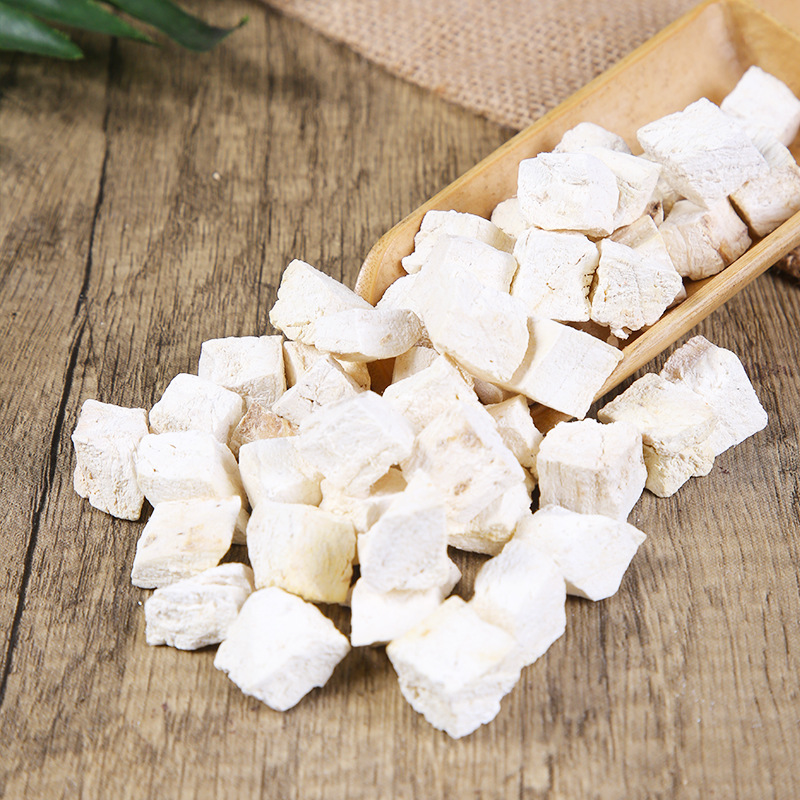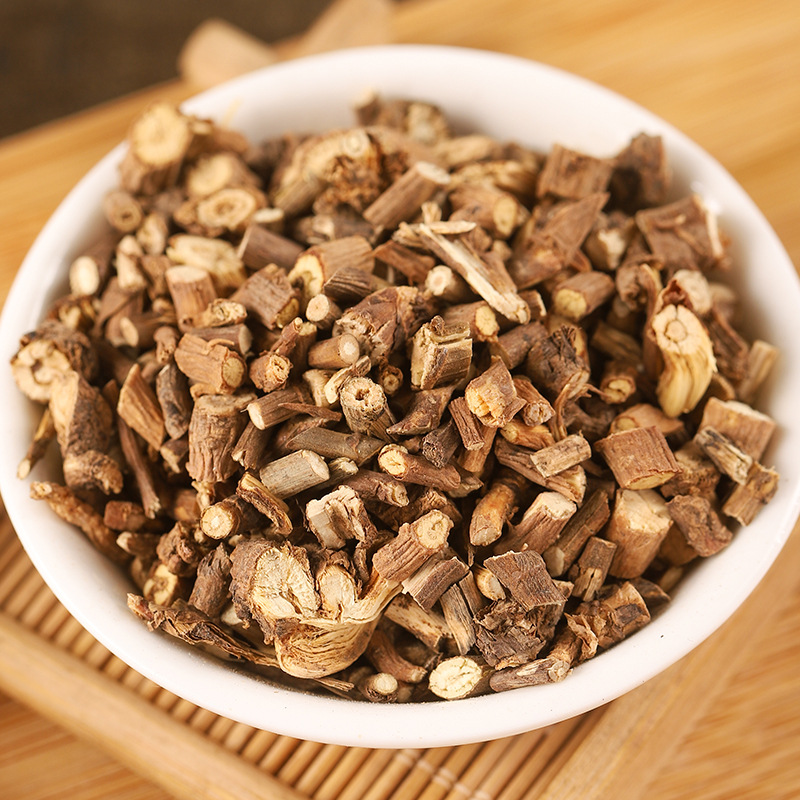
Chuanlianzi is the fruit of the Chuanlian tree, a deciduous tree of the Meliaceae family. It turns golden yellow when ripe, hence it is also known asGolden Bell FruitThe bark of this tree is the traditional Chinese medicine known as Sichuan Chinaberry Bark, also called Bitter Chinaberry Bark. It is distributed throughout various regions in southern China, with the best quality produced in Sichuan, hence its name. It is often harvested in winter, dried in the sun, and stored. It can be used by crushing it fresh or stir-frying it with bran.
I. Efficacy of Sichuan Chinaberry:
Chuanlianzi tastes bitter, cold, and slightly toxic. It belongs to the liver, stomach, small intestine, and bladder meridians. Its efficacy canDisperse liver stagnation and clear heat, promote qi flow and relieve pain, kill parasites and treat ringworm。
Commonly used forLiver depression transforming into fire, distending pain in the chest, hypochondrium, epigastrium, and abdomen, pain due to hernia, and abdominal pain due to parasitic infestationtreatment of conditions such as
Abstracts of Famous Works by Renowned Authors
"Ben Jing": "Kills three types of parasites, treats scabies and ulcers, and promotes urination and water passage."
The Pearl Pouch: "It primarily treats pain in the upper and lower abdomen, as well as sudden heart pain; without this, it cannot be relieved."
Compendium of Materia Medica: "It guides the heat of the small intestine and bladder downward, thereby leading the ministerial fire of the pericardium to descend. Hence, it is an essential remedy for heart and abdominal pain as well as hernia."
Jade Carving Medical Explanation: "Bitter Melon Seed clears the liver and drains heat, promotes urination and kills parasites, treats epidemic cold damage, restlessness and mania, stops abdominal pain and urinary retention, leprosy and hemorrhoids, and bloody stools."
Ben Cao Bei Yao: "It can enter the liver to relax tendons, guide heat from the small intestine and bladder, and direct the ministerial fire of the pericardium downward, promoting urination. It is an essential herb for hernia. It also treats febrile delirium and heat syncope in febrile diseases, as well as abdominal pain and heart pain. It kills three types of parasites and treats sores and scabies."
Zhang Xichun said, "It can lead the heat of the liver and gallbladder downward to be excreted through urine, thus treating the rampant cold qi and intense gallbladder fire that cause pain and swelling below the ribs. It also treats stomach qi stagnation and pain, as wood can soothe earth. Although its nature is cool, it is often used as a guiding herb for treating hernia because its downward-moving force can lead other herbs to the affected area."
II. Compatibility and Application of Sichuan Chinaberry Fruit:
1. Used for pain in the hypochondrium, epigastric and abdominal pain, and hernia pain caused by liver qi stagnation or disharmony between the liver and stomach. Sichuan Chinaberry can promote qi circulation and relieve pain. Due to its bitter and cold nature, it is particularly effective in dispersing heat from the liver meridian. For treating epigastric and hypochondriac pain, hernia pain, or dysmenorrhea due to liver-stomach qi stagnation transforming into heat, it is often combined with Corydalis Yanhusuo, known as Jinlingzi Powder.
If treating cold hernia with abdominal pain, it is often combined with drugs that disperse cold, regulate qi, and relieve pain, such as fennel, evodia fruit, and costus root, which is known as the Daoqi Decoction.
If treating liver and kidney yin deficiency with liver qi stagnation, presenting symptoms such as epigastric and hypochondriac pain, acid regurgitation and bitter taste, dry throat and bitter mouth, it is often combined with Radix Adenophorae, Radix Ophiopogonis, Radix Rehmanniae, and Radix Angelicae Sinensis, known as Yiguan Jian.
For the treatment of biliary colic caused by gallstones or cholecystitis, the Jinlingzi Powder can be used as a base formula, with modifications made according to the specific symptoms, often yielding effective results. If caused by gallstones, it is commonly combined with herbs such as Lysimachia christinae, Gallus gallus domesticus, Natrii Sulfas, and Lygodium japonicum. If caused by cholecystitis, it is often combined with herbs such as Bupleurum chinense, Artemisia capillaris, Paeonia lactiflora, Paeonia veitchii, Taraxacum mongolicum, and Rheum officinale.
For the treatment of chronic hepatitis, presenting with symptoms such as hypochondriac pain, low-grade fever, and fatigue, one can combine Sichuan Chinaberry fruit with Chinese wolfberry fruit, raw white peony root, lily bulb, dandelion herb, and stringy stonecrop herb.
2. Used for various syndromes of damp-heat in the lower jiao. Sichuan Chinaberry has the effect of clearing and draining damp-heat from the liver meridian. For treating painful urination and dribbling caused by damp-heat pouring downward, such as in prostatitis, strangury syndrome, vaginitis, and other diseases, Sichuan Chinaberry can be added to the syndrome differentiation formula to enhance efficacy and shorten the course of treatment.
3. For abdominal pain due to parasitic infestation. Sichuan chinaberry fruit is slightly toxic, thus it can kill parasites and relieve pain. It is often combined with areca nut, quisqualis fruit, and other herbs, but it is now rarely used.
In addition, external application of Sichuan Chinaberry can also treat skin fungal diseases such as tinea capitis, which is worth referencing.
III. Usage and Dosage of Sichuan Chinaberry Fruit:
Chuanlianzi can be used in decoctions, pills, or powders, and can also be applied externally. The oral dosage should not be excessive, with a common dosage in decoctions ranging from a few grams to over ten grams.
Due to its slight toxicity, it must be fried until it cracks and the core turns yellow for internal use, which can both detoxify and enhance the analgesic effect.
Wang Ang said: "The Sichuan product is good. Steam with wine, remove the skin to take the flesh, and discard the core before use."
IV Application Precautions of Sichuan Chinaberry
The fruit of Sichuan Chinaberry is bitter in taste and cold in nature, which can easily harm the body's vital energy, thereforeContraindicated for those with spleen and stomach deficiency cold or without liver depression damp heat。