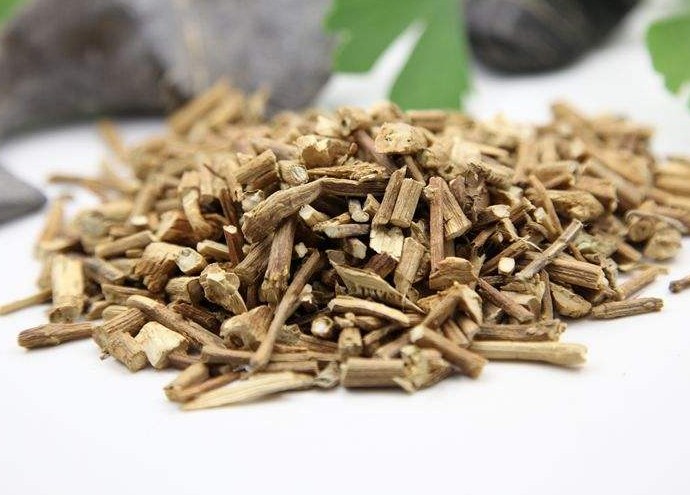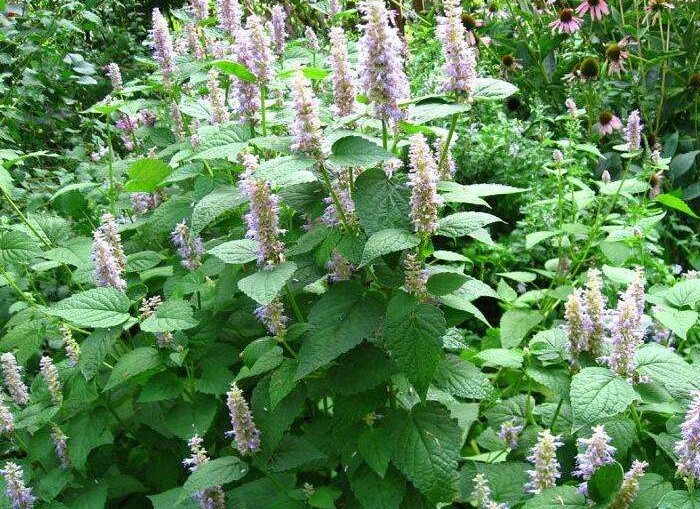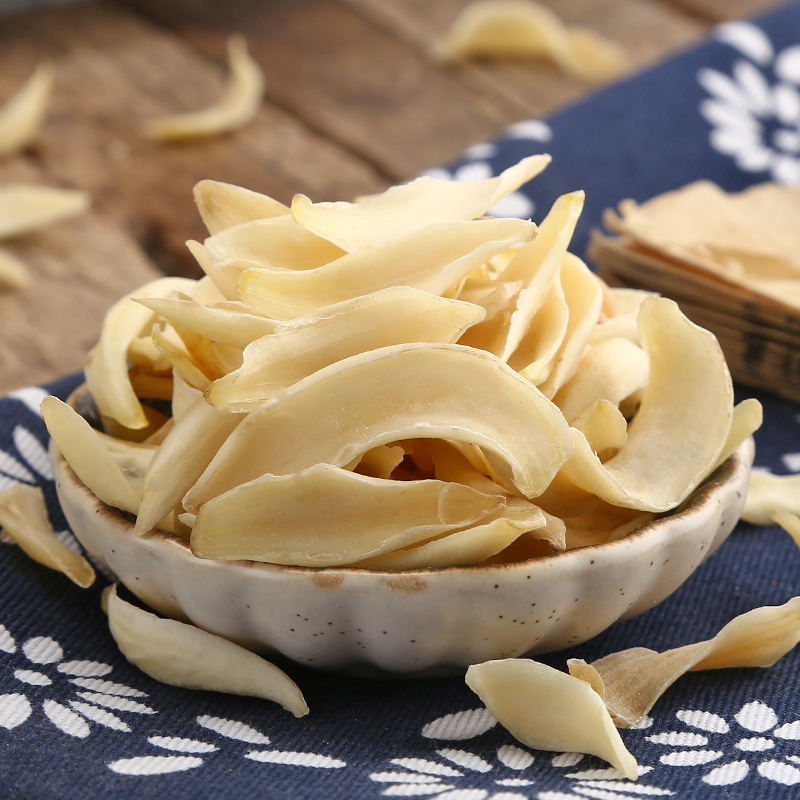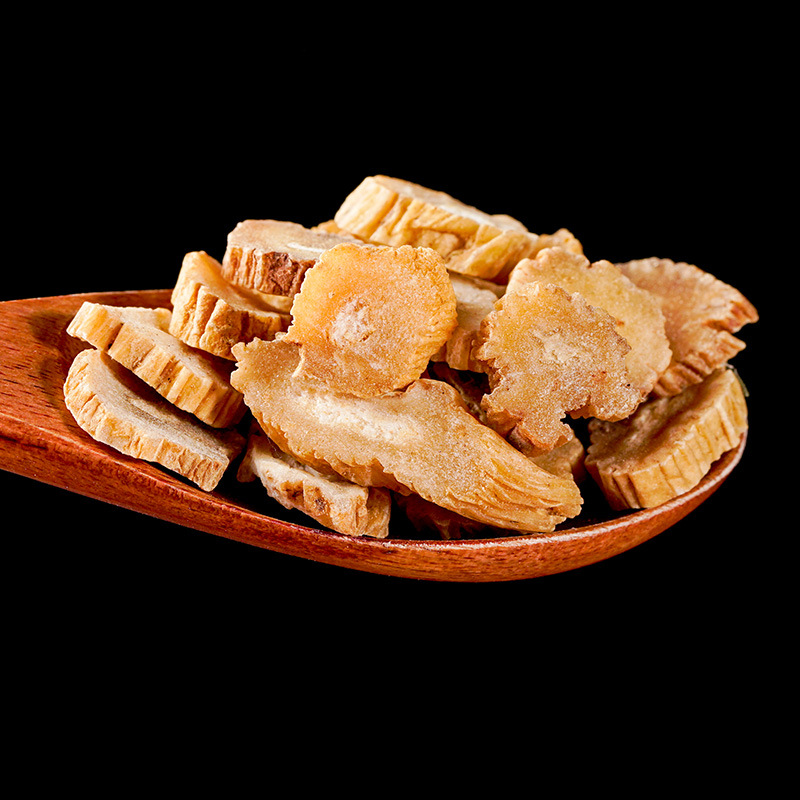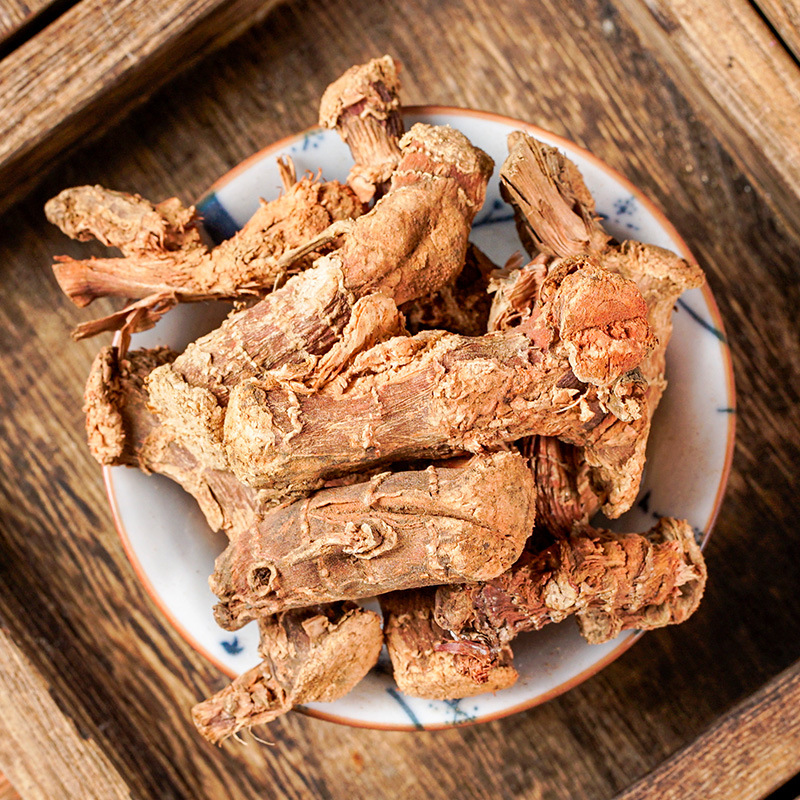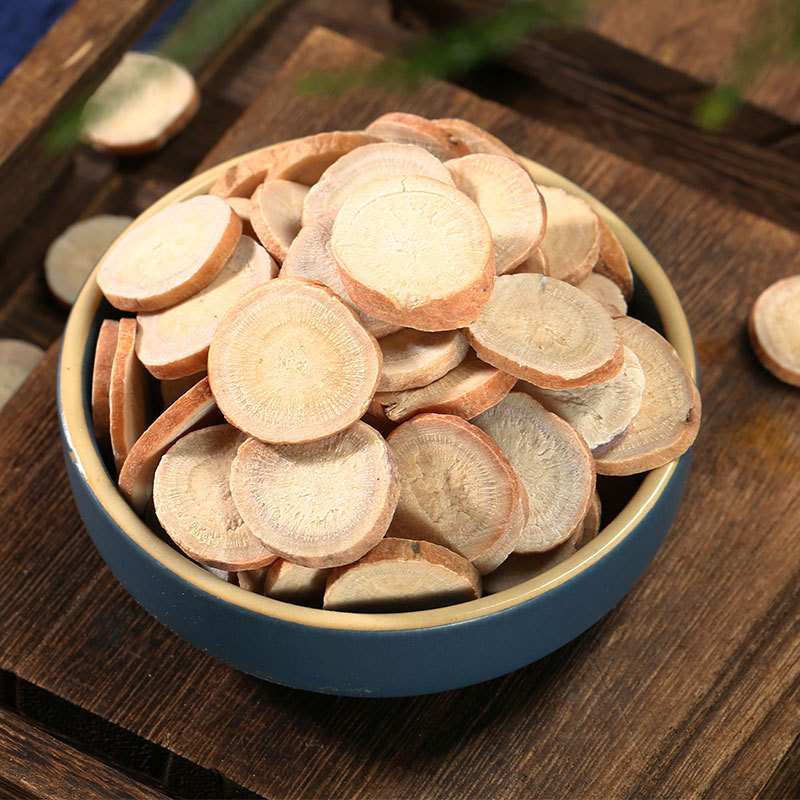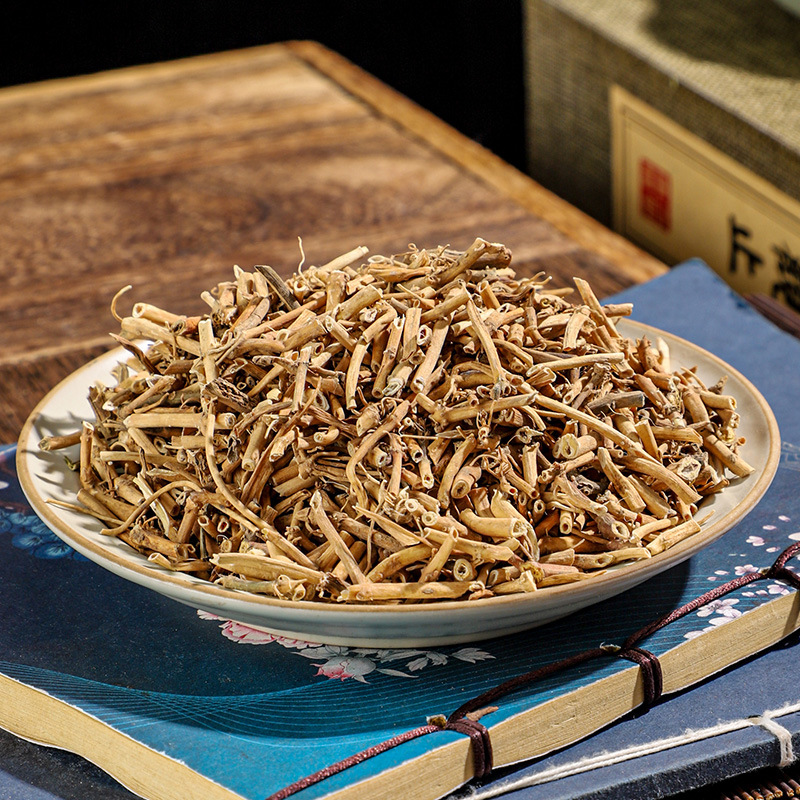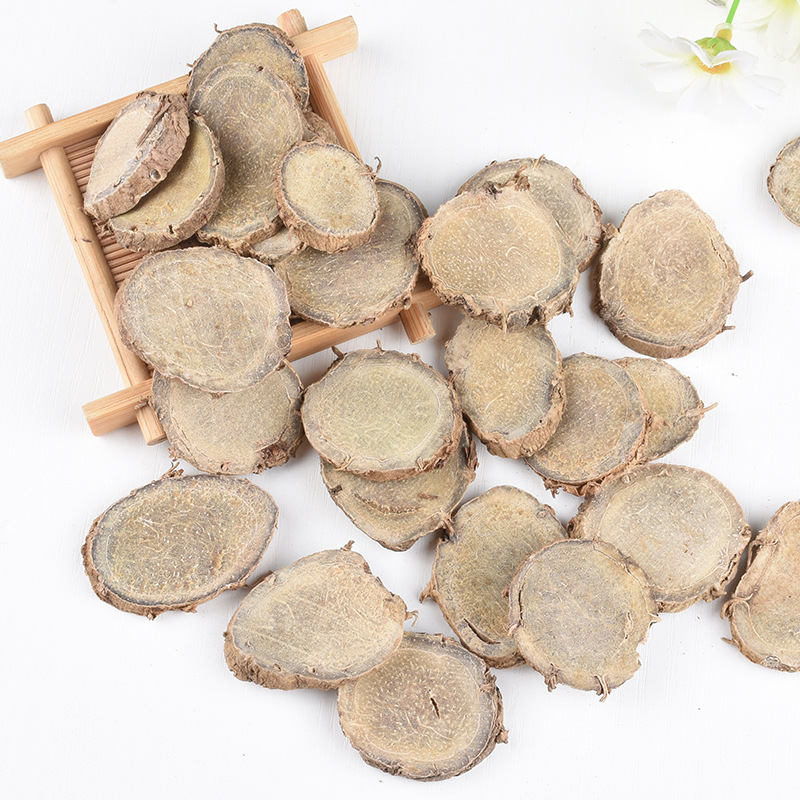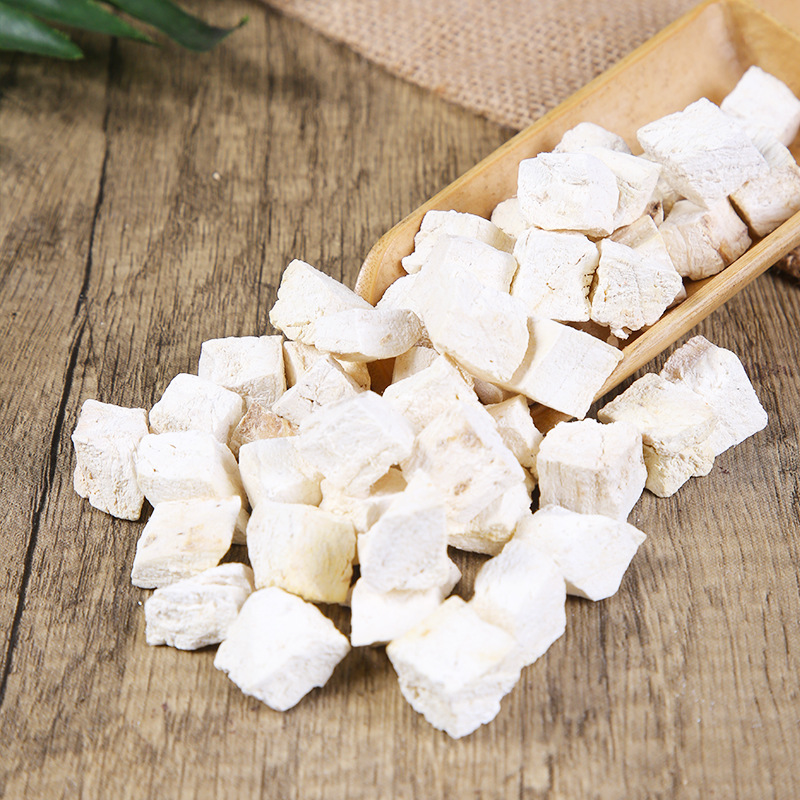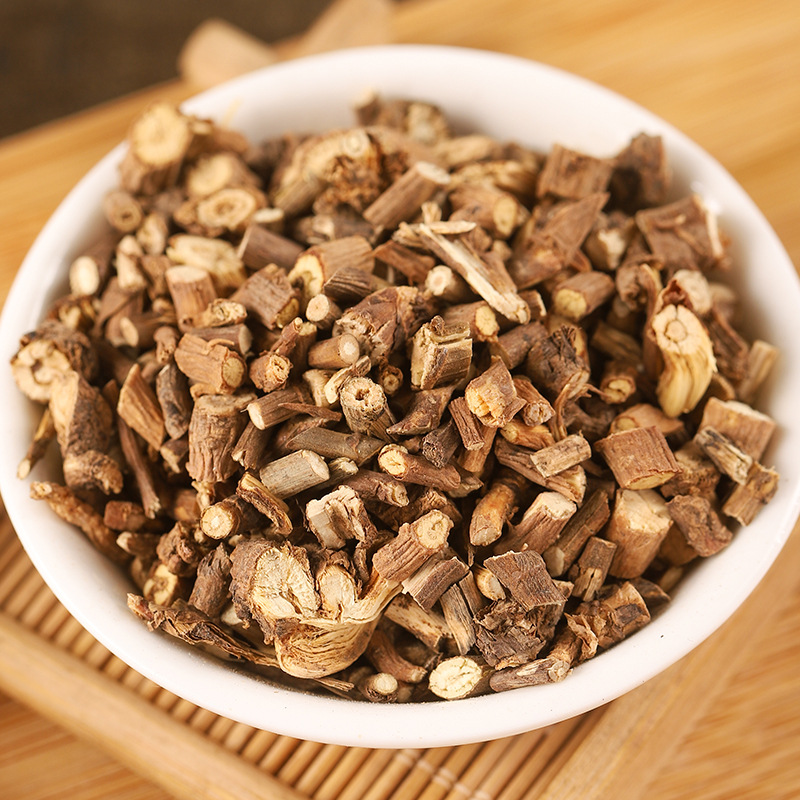
Patchouli is the whole plant of Pogostemon cablin or Agastache rugosa from the Lamiaceae family. The character "藿" refers to the leaves of leguminous plants, and patchouli resembles the leaves of legumes with a fragrant aroma, hence its name. Patchouli is divided into Pogostemon cablin and Agastache rugosa, and their functions are essentially the same. Generally, Pogostemon cablin is considered to be of better quality. Pogostemon cablin is mainly produced in Guangdong, while Agastache rugosa is produced in most regions across the country. It is often harvested during the lush growth of branches and leaves in summer and autumn, and can be used fresh or dried in the shade for raw use.
I. Efficacy of Patchouli:
Patchouli has a pungent taste and is slightly warm. It belongs to the spleen, stomach, and lung meridians. Its effects includeResolving dampness and invigorating the spleen, harmonizing the middle and stopping vomiting, relieving summerheat and releasing the exteriorIt is a key medicine for treating summer heat and dampness cold.
Commonly used forDampness obstructing the spleen and stomach, epigastric and abdominal distension, early stage of damp-warm disease, vomiting, diarrhea, summerheat-dampness, fever with aversion to cold, aversion to cold with fever, chest and epigastric fullness and oppressionTreatment of conditions such as
Abstracts of Famous Works by Renowned Authors:
Bie Lu: "Eliminates foul qi, stops cholera, and relieves heart pain."
Bencao Tujing: "For treating vomiting and regurgitation of the spleen and stomach, it is the most essential medicine."
Ben Cao Zheng Yi: "Patchouli is fragrant without being overly intense, warming without being excessively drying. It can dispel dampness and turbidity, while supporting the spleen and stomach's vital energy. It is the most effective medicine for those suffering from dampness obstructing spleen yang, manifesting as fatigue, poor appetite, and a thick, greasy tongue coating."
Jade Qiao's Explanation of Medicinals: "Patchouli is pungent and warm, descending qi, good at treating cholera with vomiting, and diseases of heart and abdominal distension and fullness. Decoct and rinse for foul breath."
Ben Cao Bei Yao: "It promotes qi flow and harmonizes the middle, opens the stomach and stops vomiting, eliminates foul qi, and improves appetite. It treats cholera with vomiting and diarrhea, heart and abdominal colic, lung deficiency with cold, and upper burner congestion heat."
II. Compatibility and Application of Patchouli:
1. For external contraction of summerheat-dampness. Agastache rugosa is warm in nature but not drying, it transforms turbidity and also releases the exterior, especially effective for treating symptoms such as aversion to cold and fever, headache and epigastric fullness, vomiting and diarrhea caused by external contraction of wind-cold and internal injury from raw and cold foods during the summer months. It can be considered an essential medicine for summerheat-dampness common cold. It is often combined with Perilla frutescens, Pinellia ternata, Magnolia officinalis, Citrus reticulata, etc., namelyHuoxiang Zhengqi Powder。
If treating the early stage of damp-warm disease with equal emphasis on dampness and heat, it is often combined with Talc, Scutellaria baicalensis, Artemisia capillaris, Acorus tatarinowii, etc., namelyGanlu Xiaodu Dan。
Nowadays, both of the above prescriptions are available as ready-made medicines, which are very convenient to purchase and apply, and are very close to people's daily lives. During the summer season, anyone suffering from external contraction accompanied by fever, vomiting, and diarrhea can use them.
Wang Ang said, "Huoxiang Zhengqi Powder, when the vital energy flows smoothly, the pathogenic factors will naturally be eliminated."
2. For dampness obstructing the middle jiao, or vomiting and other syndromes. Huoxiang has a fragrant aroma that promotes dispersion, effectively resolving damp turbidity, and also harmonizes the middle jiao to stop vomiting. It is most suitable for vomiting caused by damp turbidity in the spleen and stomach. For treating dampness obstructing the middle jiao, presenting with abdominal distension and fullness, poor appetite, nausea, and vomiting, it is often combined with Cangzhu, Houpo, Banxia, etc., namelyBu Huan Jin Zheng Qi San。
For treating vomiting, it is often combined with Pinellia to enhance the antiemetic effect. If accompanied by damp-heat, it can be further combined with Coptis and Bamboo Shavings. For spleen and stomach deficiency, it can be combined with Codonopsis, Licorice, Ginger, and Jujube. For morning sickness, it can be combined with Amomum and Pinellia.
Compendium of Materia Medica: "For treating cholera with abdominal pain on the verge of death, decoct with dried tangerine peel and take; in summer months, take with clove and talc powder."
Puji Fang: Jade Fluid Powder, four liang of talc, one qian of patchouli, one qian of clove, grind into powder, take two qian with rice water. Used for summer heat vomiting and diarrhea, red urine, and irritability with thirst.
"Jingxiao Jishi Fang": "For regulating the flow of qi, take one liang of patchouli and five liang of cyperus (stir-fried), grind into powder, and take one qian with plain water."
III. Usage and Dosage of Patchouli:
Agastache rugosa is often used in decoctions and is also suitable for making pills and powders. The usual dosage in decoctions ranges from a few grams to over ten grams; the dosage can be doubled when used fresh.
Wang Ang said: "It originates from Jiaozhi and Guangzhou. The stem is square with nodes, and the leaves slightly resemble those of the eggplant. In ancient times, only the leaves were used, but now the branches and stems are also used because the leaves are often counterfeit."
IV. Application Notes for Agastache rugosa:
Huoxiang is good at resolving dampness, so it easily damages yin.Summer heat and yin deficiency with fire effulgence are not suitable for use。
"Ben Cao Zheng Yi": "Although Huoxiang is not excessively drying, it primarily acts through its qi. It is most effective when the tongue has a turbid coating and a sensation of fluid accumulation. If the tongue is dry and smooth, with insufficient distribution of body fluids, it is not suitable."
Wang Ang said: "It is contraindicated for those with weak stomach, stomach heat, and vomiting."