In clinical practice, many patients with excessive internal heat are encountered daily. Their approach is almost identical: as soon as they notice symptoms like dry mouth, acne, or sore throat, they immediately buy herbal tea and drink it excessively, or self-medicate with bitter and cold heat-clearing medicines such as Coptis chinensis or Niuhuang Jiedu Tablets. The result is often that the heat is not reduced; instead, they develop issues like abdominal bloating, loose stools, aversion to cold, and loss of appetite. Some even start with only mild excessive heat but, after such interventions, develop a mixed deficiency-excess constitution, making subsequent adjustments more challenging.
The core of the issue is actually quite simple: "internal heat" is never a singular condition; it is differentiated by organs and by deficiency or excess. The fire in the liver, heart, lungs, stomach, and kidneys presents vastly different symptoms, and the approaches to regulation are entirely distinct. Remedies like herbal teas and coptis are only effective for certain types of excess heat. If the condition involves deficiency heat or if the wrong organ is targeted, using bitter and cold substances will only deplete the spleen and stomach's yang energy and consume the body's yin fluids, making the body increasingly deficient and causing the internal heat to recur and become difficult to cure.
Today I will thoroughly explain the core symptoms, typical tongue manifestations, and targeted methods to extinguish the five types of fire in the liver, heart, lungs, stomach, and kidneys. From dietary therapy and acupoints to Chinese patent medicines, we will precisely regulate each organ according to the principle of "clearing excess fire and nourishing yin for deficient fire." Tailored solutions for each individual to avoid pitfalls—after reading this, you will no longer need to blindly extinguish fire
First we need to understand the core difference of internal heat—excess fire versus deficiency fire. This is the foundation of all regulation. The directions for medication and dietary therapy for the two are completely opposite. Misidentifying them will only add fuel to the fire and result in unnecessary suffering.
✅ Excess Fire: Often caused by staying up late, excessive consumption of spicy and fried foods, intense anger, or exposure to external wind-heat pathogens. It belongs to the category of "excessive pathogenic heat" in the body and is considered an "excess fire." The characteristics of excess fire are severe symptoms and a rapid onset, often appearing suddenly. The core of its regulation isbitter cold clears heat, drains replete fireSimply clear out the excess heat pathogen, but remember to stop once the condition is resolved; do not use it for an extended period.
✅ Deficiency fire: Often caused by long-term staying up late, overwork, chronic illness leading to physical weakness, or improper diet depleting yin fluids. It belongs to the condition of "yin fluid deficiency" in the body, where yin fails to control yang, leading to internal deficiency fire, which is a "fire of insufficiency." The characteristics of deficiency fire are mild symptoms, recurrent and difficult to cure, always feeling heat but not severe. The core of regulation isnourishing yin and promoting fluid production, clearing deficient fireBy supplementing yin fluids, the body's yin and yang are restored to balance.Absolutely avoid using bitter and cold heat-clearing medicinesOtherwise, it will further deplete yin fluids and exacerbate the deficiency fire.
Here is a key point to highlight: Kidney fire is not excess fire; it is entirely due to yin deficiency causing hyperactivity of fire! Many people mistake kidney fire for excess fire and regulate it with herbs like Coptis chinensis or cooling teas to clear and purge, but this only depletes kidney yin further, making the deficiency fire even more severe. This is the most common mistake in clinical practice for reducing fire, and it must be firmly remembered.
First, excessive liver fire - anger-induced fire, soothing the liver and clearing heat is key
The liver governs free flow and is responsible for regulating the body's qi movement. Modern people, who are prone to long-term irritability, high stress, and staying up late, are most likely to experience liver qi stagnation, which can transform into fire. Liver fire is also the most common type of internal heat in daily life. The characteristic of liver fire is that "fire tends to rise upward," easily affecting the upper parts of the body such as the eyes and head. Liver fire is primarily excess fire, though a minority of people may develop deficiency fire due to long-term liver fire consuming yin, leading to liver yin deficiency.
Core symptoms
Excess Fire: dizziness and distending headache, red face and eyes, dry and red eyes, blurred vision, distending pain in both flanks, irritable and easily angered, prone to outbursts, bitter taste and dry mouth, dry stools, yellow and red urine, men may experience damp scrotum, women may experience breast distending pain, early menstruation.
Deficiency Fire (Liver Yin Deficiency): dizziness and blurred vision, dry and photophobic eyes, dull pain in the rib area, afternoon tidal fever, night sweats, heat in the palms and soles, emotional irritability but lacking the energy for outbursts, overall fatigue.
Typical Tongue Manifestation
Excess Fire: The tongue edges are markedly red, the tongue coating is thick and yellow, and the pulse is wiry and rapid;
deficiency fire: red tongue with little coating, obvious cracks on the sides of the tongue, wiry, thin, and rapid pulse.
Targeted Fire Extinguishing Methods
Excess Fire Regulation: Focus on clearing and draining liver fire, soothing liver and regulating qi, while also preventing heat-clearing medicines from depleting liver yin.
Dietary Therapy Recipe: 6g chrysanthemum + 6g cassia seed + 3g goji berry boiled in water as tea. Chrysanthemum specifically clears liver fire, cassia seed soothes the liver and improves vision, moistens the intestines and promotes bowel movements. Paired with a small amount of goji berry, it can both clear the liver and protect yin, avoiding excessive heat-clearing.
Acupoint Pressing and Kneading: Focus on Pressing and KneadingTaichong PointBetween the first and second metatarsal bones on the dorsum of the foot, in the depression anterior to the junction of the metatarsal basesXingjian PointAt the web margin between the first and second toes, on the dorsum of the foot, massage each point for 2 minutes until a local sensation of soreness and distension is achieved. These two acupoints are considered the "golden combination" for soothing the liver and clearing heat. Massaging them clockwise can also help to disperse liver qi.
Reference for Chinese Patent Medicine: Longdan Xiegan Wan, it has a significant effect in clearing liver fire and is suitable for severe cases of liver fire excess. However, it is important to take it only for a short term and discontinue immediately after symptoms are relieved. For individuals with weak spleen and stomach, it can be taken with Chenpi water to reduce the stimulation of bitter-cold properties on the spleen and stomach.
Regulating Deficiency Fire: Focus on nourishing yin and the liver, clearing deficiency fire, gradually replenishing liver yin to achieve yin-yang balance.
Dietary therapy recipe: 10g of Ophiopogon japonicus + 6g of White Peony Root + 6g of Mulberry fruit, boiled in water as tea. Ophiopogon japonicus nourishes yin and promotes fluid production, White Peony Root soothes the liver and nourishes blood, nourishes liver yin, Mulberry fruit tonifies liver blood and nourishes kidney yin. The combination of the three gently nourishes yin without being greasy.
Reference to Chinese patent medicine: Qiju Dihuang Wan, based on the kidney-yin tonifying effects of Liuwei Dihuang Wan, incorporates chrysanthemum and goji berries specifically to nourish yin, benefit the liver, and improve vision. Its effect of clearing deficient fire is mild, making it suitable for individuals with liver-yin deficiency and deficient fire, and it can be taken in small amounts over an extended period.
II. Hyperactivity of Heart Fire - Fire from Overwork, Clearing Heart and Purging Fire, Guiding Fire Downward is Key
The heart governs the spirit and also governs the blood vessels. Staying up late, excessive contemplation, and emotional anxiety and tension are most likely to lead to heart fire flaring upward, affecting the spirit. The tip of the tongue is the "reflection area" of heart fire. By observing the state of the tongue tip, one can basically determine whether there is heart fire. Heart fire is divided into excess fire (exuberant heart fire) and deficiency fire (insufficiency of heart yin), and the symptoms of both are particularly evident on the tongue tip.
Core Symptoms
Excess Fire: sores on the tip of the tongue, erosion and pain in the mouth and tongue, restlessness and irritability, insomnia and excessive dreaming, tossing and turning in bed, palpitations and heart fluttering, chest tightness, dark yellow urine with a burning sensation during urination, and a notably red tip of the tongue.
Deficiency Fire: Slightly red tongue tip, dry mouth and tongue but no ulcers, restlessness and insomnia, easily waking up, difficulty falling back asleep after waking, palpitations and night sweats, dry mouth and throat but drinking water does not quench thirst, overall feeling of restlessness.
Typical Tongue Manifestation
Excess Fire: The tip of the tongue is red or even blistered, the tongue coating is yellow and greasy, and the pulse is rapid
deficiency fire: the tip of the tongue is reddish, the tongue is red with little coating, the surface of the tongue is dry without fluid, and the pulse is thin and rapid.
Targeted Fire Extinguishing Methods
Excess Fire Regulation: Focus on clearing heart fire and guiding fire downward, allowing heart fire to be expelled through urination, thereby reducing disturbance to the mind.
Dietary therapy recipe: 6g of Danzhuye + 1g of Lianzixin + 3g of raw licorice boiled in water as tea. Danzhuye clears heart fire and promotes urination, making it an excellent choice for guiding fire downward. Lianzixin specifically clears heart fire and should be used in small amounts. When combined with raw licorice, it harmonizes the medicinal properties and reduces the bitter and cold nature.
Acupoint Massage: Focus on MassagingShaofu pointBetween the 4th and 5th metacarpal bones of the palm, at the tip of the little finger when making a fistShaoze pointOn the outer side of the little finger, 0.1 cun from the corner of the nail, gently massage each point for 1 minute with light pressure. This can quickly clear the heart and purge fire, guide fire downward, and alleviate symptoms such as tongue sores and restlessness.
Reference to Chinese patent medicine: Daochi Powder, specifically clears heart fire and promotes diuresis to relieve strangury, targeting sores on the tip of the tongue and dark yellow urine caused by heart fire descending to the small intestine. It has a mild nature and is suitable for routine regulation of excess heart fire.
Regulation of Deficiency Fire: Focus on nourishing yin and the heart, clearing deficiency fire, and calming the mind. Supplement heart yin to nourish the mind.
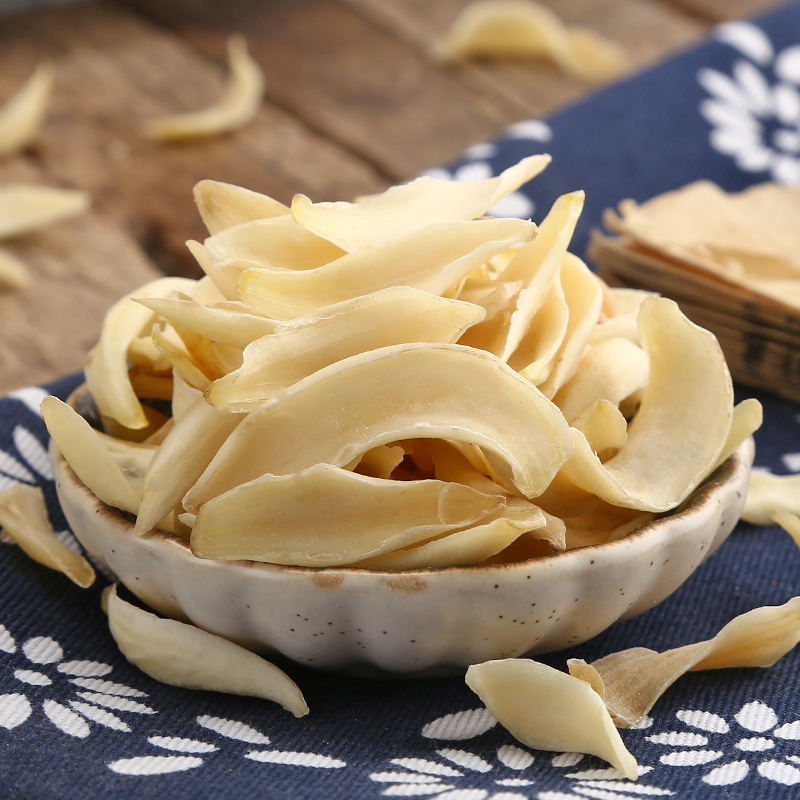
Dietary therapy recipe: Lily bulb 10g + Ophiopogon japonicus 8g + Lotus seed 6g (with core removed) boiled in water as tea. Lily bulb nourishes yin, moistens the lungs, clears the heart, and calms the mind. Ophiopogon japonicus nourishes yin, clears the heart, promotes fluid production, and moistens dryness. Lotus seed nourishes the heart, benefits the kidneys, strengthens the spleen, and stops diarrhea. The combination of these three ingredients can nourish yin and the heart, alleviating insomnia caused by insufficient heart yin.
Reference to Chinese Patent Medicine: Tianwang Buxin Dan, nourishes yin and blood, tonifies the heart and calms the spirit, specifically targeting symptoms such as restlessness, insomnia, palpitations, and night sweats caused by heart yin deficiency and internal disturbance of deficient fire. It is a classic formula for regulating heart yin deficiency and deficient fire, and taking it before bedtime yields better results.
Three, Excessive Lung Fire - Fire caused by dryness, clearing lung and moistening dryness, clearing heat and relieving cough are key
The lung governs the skin and hair, as well as respiration, and opens into the nose. External invasion by wind-heat pathogens, dry climates in autumn and winter, long-term smoking, or exposure to cooking fumes are most likely to lead to internal lung fire. Fire pathogens are most prone to injure lung fluids, so symptoms of lung fire are often concentrated in the throat, nose, and respiratory tract, with cough and sore throat as the core manifestations. Lung fire is mostly excess fire, though a minority of people may develop deficiency fire due to long-term coughing and depletion of lung fluids, resulting in lung yin deficiency.
Core symptoms
Excessive Fire: Sore throat, dry mouth and throat, cough with yellow sticky phlegm that is difficult to expectorate, nasal congestion with yellow nasal discharge, flushed face and red eyes, dry and hard stools, and some people may also experience symptoms of fever;
Deficiency Fire (Lung Yin Deficiency): Dry and painful throat, no phlegm or little phlegm, even if there is phlegm, it is sticky and difficult to cough up, afternoon tidal fever, night sweats, dry mouth and throat, hoarse voice, long-term cough that does not heal.
Typical Tongue Manifestation
Excess Fire: red tongue tip, thin yellow tongue coating, floating and rapid pulse;
deficiency fire: red tongue with little coating, dry tongue surface without fluid, fine and rapid pulse.
Targeted Fire Extinguishing Methods
Excess Fire Regulation: Focus on clearing lung heat, resolving phlegm, and relieving cough. While clearing and draining lung fire, also prioritize moistening dryness to prevent fire pathogens from further damaging body fluids.
Dietary Therapy Recipe: Mulberry Leaf 6g + Chrysanthemum 6g + Loquat Leaf 6g boiled in water as tea. Mulberry leaf and chrysanthemum clear lung heat and disperse wind heat, while loquat leaf resolves phlegm, relieves cough, harmonizes the stomach, and lowers adverse qi. Note: The fine hairs on the back of loquat leaves should be brushed off in advance to avoid irritating the throat.
Acupoint Pressing and Kneading: Focus on Pressing and KneadingYuji acupointAt the thenar eminence of the palm, at the midpoint of the first metacarpal bone, on the radial side of the border between the red and white fleshChize pointIn the depression at the radial side of the biceps brachii tendon in the middle of the cubital crease, knead each point for 2 minutes until a sore and distending sensation is felt. The Yuji point is the Ying-Spring point of the Lung Meridian, which can clear lung heat, relieve cough, and soothe the throat. The Chize point is the He-Sea point of the Lung Meridian, which can clear lung fire, resolve phlegm, and calm panting.
Reference to Chinese patent medicines: Sangju Yin and Jizhi Syrup. Sangju Yin is suitable for mild lung heat with symptoms mainly of cough and sore throat, while Jizhi Syrup is suitable for severe lung heat with symptoms of yellow and thick phlegm. Both are commonly used Chinese patent medicines for clearing lung heat.
Regulating Deficiency Fire: Focus on nourishing yin, moistening the lungs, clearing deficiency fire, relieving cough, and promoting fluid production to replenish lung fluids and alleviate dry cough.
Dietary therapy recipe: 3g of Sichuan fritillary bulb + 1 snow pear + a small amount of rock sugar, steamed and taken. Sichuan fritillary bulb moistens the lungs, resolves phlegm, clears heat, and disperses nodules. Snow pear promotes fluid production, moistens dryness, clears heat, and resolves phlegm. Rock sugar harmonizes the taste. After steaming, the medicinal properties become milder, suitable for the elderly, children, and those with weak constitutions.
Reference to Chinese Patent Medicine: Yangyin Qingfei Wan, nourishes yin and moistens the lungs, clears heat and soothes the throat. Specifically targeting dry throat pain, dry cough with little phlegm caused by lung yin deficiency and internal disturbance of deficient fire, it is a classic formula for regulating lung yin deficiency and deficient fire. Those with persistent cough that does not heal may take it consistently for a period of time.
Fourth, Excessive Stomach Fire - Fire from Overeating, Clearing Stomach Fire, Nourishing Yin, and Harmonizing the Stomach are Key
The stomach is responsible for receiving and digesting food. Excessive consumption of spicy, fried, grilled foods, overeating, and long-term intake of warm-natured foods are most likely to lead to internal stomach fire. The core symptoms of stomach fire are concentrated in the oral cavity and digestive aspects. "Eating a lot but feeling hungry quickly" is the most typical manifestation of stomach fire. Stomach fire is divided into excess fire (intense stomach heat) and deficiency fire (stomach yin deficiency). The two have completely opposite manifestations in appetite and are easily distinguished.
Core symptoms
Excess Fire: Halitosis and bitter taste in the mouth, swollen and painful gums with bleeding, polyphagia and rapid hunger (eating a lot and getting hungry quickly, feeling hungry again shortly after a meal), burning pain in the epigastric region that worsens upon pressure, dry and hard stools with difficulty in defecation, dry mouth with a preference for cold drinks, and slight relief of gastric discomfort after consuming cold beverages.
Deficiency Fire (Stomach Yin Deficiency): Dry mouth and throat, hunger without desire to eat (feeling hungry but not wanting to eat), dull burning pain in the epigastric region, pain worsens on an empty stomach and slightly improves after eating, dry stool resembling sheep droppings, red tongue with little moisture.
Typical Tongue Manifestation
Excess Fire: red tongue, yellow, thick, and greasy tongue coating, prickles on the tongue surface, slippery and rapid pulse;
deficiency fire: red tongue with little coating, obvious cracks on the tongue surface, dry without moisture, fine and rapid pulse.
Targeted Fire Extinguishing Methods
Excess Fire Regulation: The core is to clear stomach fire and purge heat, by clearing stomach fire and promoting bowel movements, allowing heat pathogens to be expelled through stool.
Dietary therapy prescription: Coptis chinensis 2g + Ophiopogon japonicus 6g + winter melon soup, a small amount of Coptis chinensis specifically clears stomach fire, Ophiopogon japonicus nourishes yin and promotes fluid production, preventing bitter and cold herbs from depleting stomach yin, winter melon clears heat, promotes diuresis, and facilitates urination, the combination of the three clears stomach fire without harming yin
Acupoint Pressing and Kneading: Focus on Pressing and KneadingNeiting PointBetween the 2nd and 3rd toes on the dorsum of the foot, at the posterior border of the web margin, at the junction of the red and white fleshZusanli point3 cun below the outer knee, one transverse finger lateral to the anterior crest of the tibia, the Neiting point is the primary acupoint for clearing stomach fire, press and knead until soreness and distension are appropriate, the Zusanli point can strengthen the spleen and harmonize the stomach, while also protecting the spleen to avoid excessive clearing and purging;
Reference to Chinese patent medicines: Huanglian Shangqing Tablets, Niuhuang Qingwei Pills. Huanglian Shangqing Tablets are suitable for mild stomach fire accompanied by wind-heat, while Niuhuang Qingwei Pills have a stronger effect in clearing stomach fire and purging heat, making them suitable for severe cases of excess stomach fire. Both should be taken short-term and discontinued once symptoms improve. Use with caution during pregnancy.
Regulating Deficiency Fire: Focus on nourishing yin and stomach, clearing deficiency fire, supplementing stomach yin to restore the stomach's function of receiving and digesting food.
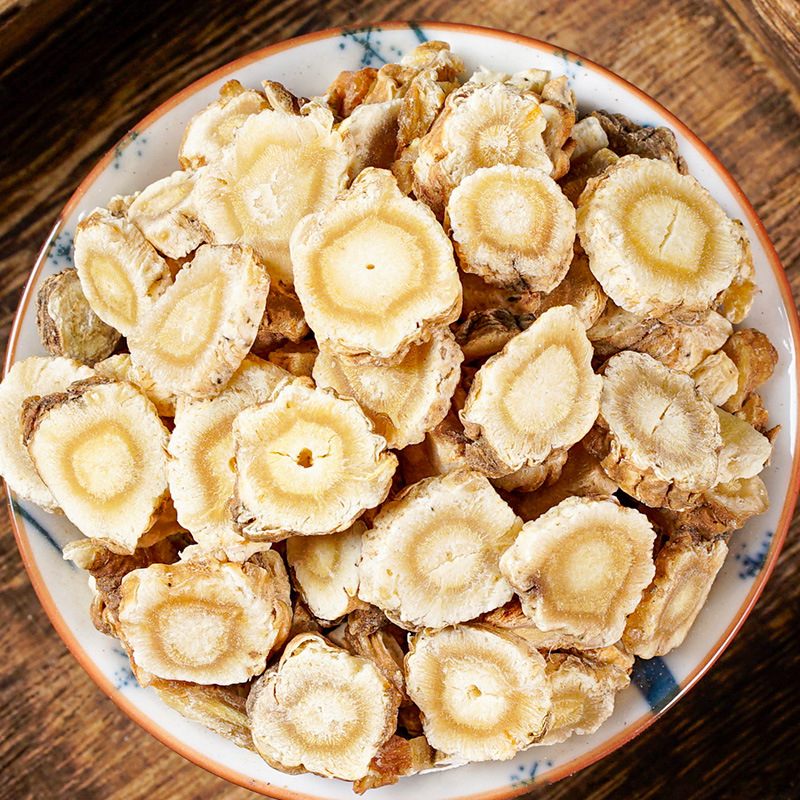
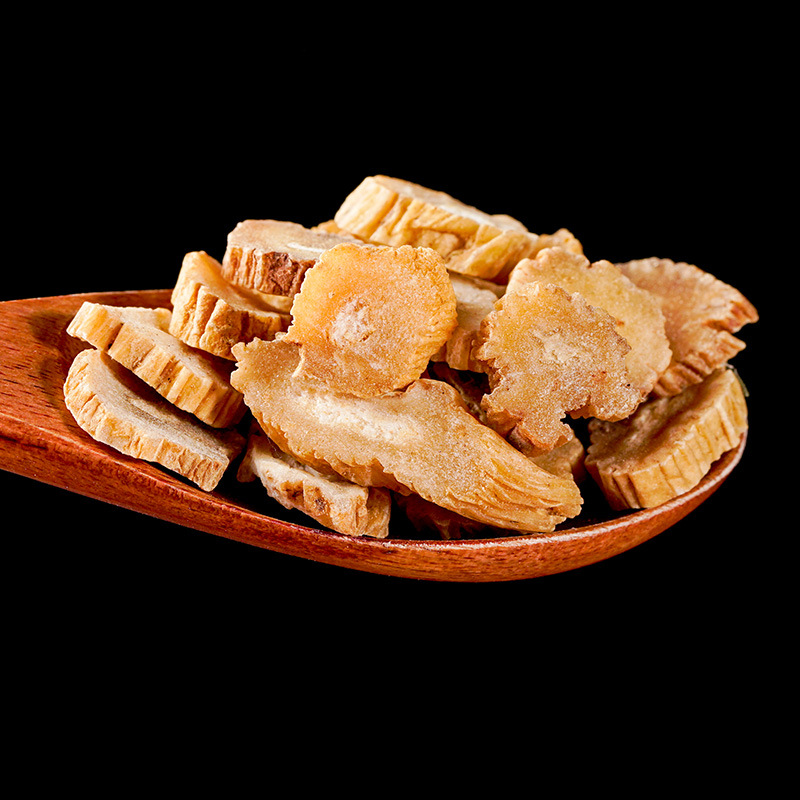
Dietary therapy recipe: 10g of Radix Adenophorae + 6g of Polygonatum odoratum + millet porridge, both Radix Adenophorae and Polygonatum odoratum can nourish yin and stomach, promote fluid production and moisten dryness, millet is mild and stomach-friendly, strengthens the spleen and replenishes deficiency, easier to absorb after cooking into porridge, suitable for long-term consumption;
Reference to Chinese patent medicine: Jade Maiden Decoction, clears stomach heat and nourishes yin, specifically targeting deficiency fire due to stomach yin deficiency and excessive stomach fire. It not only clears the remaining deficiency fire but also nourishes yin and stomach, providing comprehensive regulation. It is a specialized formula for deficiency fire due to stomach yin deficiency.
Five, Excessive Kidney Fire - Fire Consumed, Only Deficient Fire, Nourishing Yin and Reducing Fire is the Only Way
The kidney stores essence and is the organ of water and fire. Kidney yin is the foundation of all yin fluids in the body, and kidney yang is the foundation of all yang qi in the body. The characteristic of the kidney isno substantial fire to speak ofThe commonly referred to "kidney fire" is entirely due to kidney yin deficiency, where yin fails to restrain yang, leading to the internal generation of deficient fire. This point must be firmly remembered. Kidney fire is often caused by prolonged staying up late, excessive indulgence in desires, chronic illness leading to physical weakness, or long-term consumption of warm and drying substances that deplete kidney yin. The fire pathogen tends to move downward, affecting the waist, knees, and the lower jiao region. It is also the type most easily misdiagnosed as excess fire in clinical practice.
Core symptoms (all are due to deficiency fire)
Five-center heat (heat in the palms, soles, and chest), afternoon tidal fever, and night sweats are prominent, with clothes soaked in sweat upon waking, soreness and weakness in the waist and knees, dizziness and tinnitus, dry mouth and throat, thirst not relieved by drinking water, men may experience nocturnal emissions or spermatorrhea, women may have scanty menstruation or delayed periods, short and yellow urine, and dry stools.
Typical Tongue Manifestation
The tongue is red with little or no coating, the tongue body is relatively thin, the tongue surface has obvious cracks, it is dry without moisture, and the pulse is thin and rapid — this is the characteristic tongue manifestation of kidney fire. Remember it accurately to avoid pitfalls.
Targeted Fire Extinguishing Methods
The core of regulating kidney fire is only one:nourish yin to reduce fire, supplement kidney yinThis is the fundamental solution.Absolutely avoid using any bitter and cold heat-clearing medicinesHerbal tea, Coptis chinensis, and Niuhuang Jiedu Tablets should not be used at all, as they can further deplete kidney yin and exacerbate deficiency fire.
Dietary Therapy Recipe: Cook 10g of Rehmannia Root (Shu Di) + 8g of Wolfberry (Gou Qi) + 6g of Anemarrhena Rhizome (Zhi Mu) in water to make tea. Rehmannia Root nourishes yin, replenishes blood, and benefits essence and marrow, making it a key herb for tonifying kidney yin. Wolfberry nourishes the liver and kidneys, benefits essence, and improves vision. Anemarrhena Rhizome clears heat, purges fire, nourishes yin, and moistens dryness. The combination of these three herbs tonifies kidney yin while clearing deficient fire, achieving a balance between nourishing yin and reducing fire.
Acupoint Massage: Focus on MassagingTaixi Pointthe depression between the medial malleolus and the Achilles tendonYongquan Point(Press and knead the depression at the front one-third of the sole of the foot) for 2 minutes each. Taixi point is the source point of the kidney meridian and the primary point for nourishing kidney yin. Pressing and kneading it before sleep yields better results. Yongquan point is the well point of the kidney meridian, which can guide deficient fire downward and restore it to its proper place. When combined, the effect of nourishing yin and reducing fire is doubled.
Reference to Chinese patent medicine: Zhibai Dihuang Wan, based on the kidney-yin tonifying effects of Liuwei Dihuang Wan, adds Anemarrhena and Phellodendron, specifically nourishing yin and reducing fire, targeting kidney yin deficiency and excessive deficiency fire, making it a specialized formula for regulating kidney fire; if deficiency fire symptoms are not severe, and there is only simple kidney yin deficiency, using Liuwei Dihuang Wan alone to tonify kidney yin is sufficient, as replenishing yin fluids will naturally extinguish deficiency fire.
Core Summary: Identify Five Types of Fire in 30 Seconds, Determine Organs Based on Symptoms
Without taking the pulse, simply by observing the core symptoms, one can quickly determine which organ is experiencing excessive heat, making it easy for beginners to grasp:
Liver Fire: irritability, red eyes, distending pain in the hypochondriac region → Excess Fire: soothe the liver and clear heat, Deficiency Fire: nourish yin and nourish the liver;
Heart Fire: Tongue tip sores, restlessness, insomnia → For excess fire, clear the heart and purge fire; for deficiency fire, nourish yin and nourish the heart;
Lung fire: sore throat, cough with yellow phlegm→clear lung fire and moisten dryness for excess fire, nourish yin and moisten lung for deficiency fire;
Stomach fire: bad breath, swollen gums, excessive hunger → for excess fire, clear stomach and purge fire; for deficiency fire, nourish yin and support stomach;
Kidney fire: Five-center heat, night sweats, soreness and weakness of the lower back and knees → only deficient fire, only nourish yin and reduce fire, avoid bitter-cold!
Common Misconceptions in Fire Extinguishing + Daily Maintenance to Avoid Recurring Fire
Three Major Fire Extinguishing Misconceptions Do Not Fall Into Them
Drinking herbal tea for all types of internal heat is not advisable: The main ingredients of herbal tea, such as honeysuckle, forsythia, dandelion, and chrysanthemum, are all bitter and cold in nature. They are only suitable for excess heat in the stomach, lungs, and liver. For individuals with deficiency heat, consuming these ingredients can damage spleen yang and deplete yin fluids, leading to spleen and stomach deficiency cold and recurrent internal heat.
Kidney fire should not be treated with fire-reducing herbs: Kidney fire is entirely deficient fire, and bitter-cold fire-reducing herbs can deplete kidney yin, causing the deficient fire to burn even more intensely. This is the most common and severe misconception in reducing fire.
Long-term use of heat-clearing medicines: All Chinese patent medicines that clear excess fire are for short-term use and should be discontinued once symptoms are relieved. Long-term use will inevitably damage the spleen and stomach, deplete yang qi, impair the body's transformative functions, and lead to a constitution characterized by a mixture of deficiency and excess.
Daily Care: 5 Things to Do to Avoid Internal Heat from the Root
The essence of internal heat is either excessive pathogenic heat, which is excess fire, or deficiency of yin fluid, which is deficiency fire. To avoid internal heat from the root, the key lies in daily maintenance. By doing these five things, you can balance the body's yin and yang, and pathogenic fire will naturally have no place to stand:
- Eat light: Avoid spicy, fried, grilled, and overly sweet foods. Consume more yin-nourishing and heat-clearing ingredients such as winter melon, mung beans, lotus root, lily bulbs, and white fungus. For excess fire, eat more cooling ingredients (e.g., mung bean soup, winter melon soup). For deficiency fire, eat more yin-nourishing ingredients (e.g., white fungus and lily bulb porridge, adenophora and polygonatum soup).
- Regular schedule: Must fall asleep before 23:00. Staying up late is the primary culprit for depleting yin fluids and triggering deficiency fire. The yin fluids of the liver, kidneys, and heart rely entirely on nighttime replenishment. Prolonged late nights inevitably lead to yin fluid deficiency.
- Regulating Emotions: Reduce anger and overthinking, as anger harms the liver, overthinking harms the spleen, and worry harms the heart. Emotional stagnation can lead to qi stagnation, which may transform into fire. Daily practices such as deep breathing and massaging the Taichong acupoint can help soothe liver qi and maintain emotional well-being.
- Moderate hydration: For excess fire, drink warm water and chrysanthemum tea; for deficiency fire, drink yin-nourishing tea (made by boiling ophiopogon, polygonatum odoratum, and adenophora). Avoid drinking large amounts of ice water at once, as it can damage the spleen and stomach yang qi and affect digestion.
- Combine work and rest: Avoid overexertion, get up and move around promptly after prolonged sitting to keep the flow of qi smooth and prevent the generation of pathogenic fire. At the same time, practice moderation in sexual activity to avoid excessive indulgence that depletes kidney yin. Kidney yin is the foundation of all yin fluids in the body; only when kidney yin is sufficient can the body's yin and yang achieve balance.
Finally, I would like to say that internal heat may seem like a minor ailment, but it is actually a signal of an imbalance between yin and yang in the body. It is by no means as simple as "drinking a cup of herbal tea will fix it." The key to effectively extinguishing internal heat lies in differentiating the affected organs and distinguishing between deficiency and excess. The five types of internal heat—liver, heart, lung, stomach, and kidney—correspond to the five organs, and since these organs are interconnected, if internal heat in one organ is not addressed promptly, it can easily affect others. For example, liver fire invading the stomach can lead to a bitter taste in the mouth, bad breath, and a burning pain in the stomach. Heart fire descending to the small intestine can cause dark yellow urine and a burning sensation during urination. Insufficient kidney yin can affect liver yin, creating a vicious cycle of liver and kidney yin deficiency and internal deficiency fire.
In the end, the core of regulating excessive internal heat is nothing more thanWhen clearing excess fire, do not forget to protect yin; when nourishing yin for deficiency fire, do not forget to strengthen the spleenThe spleen and stomach are the foundation of acquired constitution and the source of qi and blood production. When the spleen and stomach function properly, the production of yin fluid is ensured, allowing the body's yin and yang to regain balance, and pathogenic fire naturally has no place to thrive.