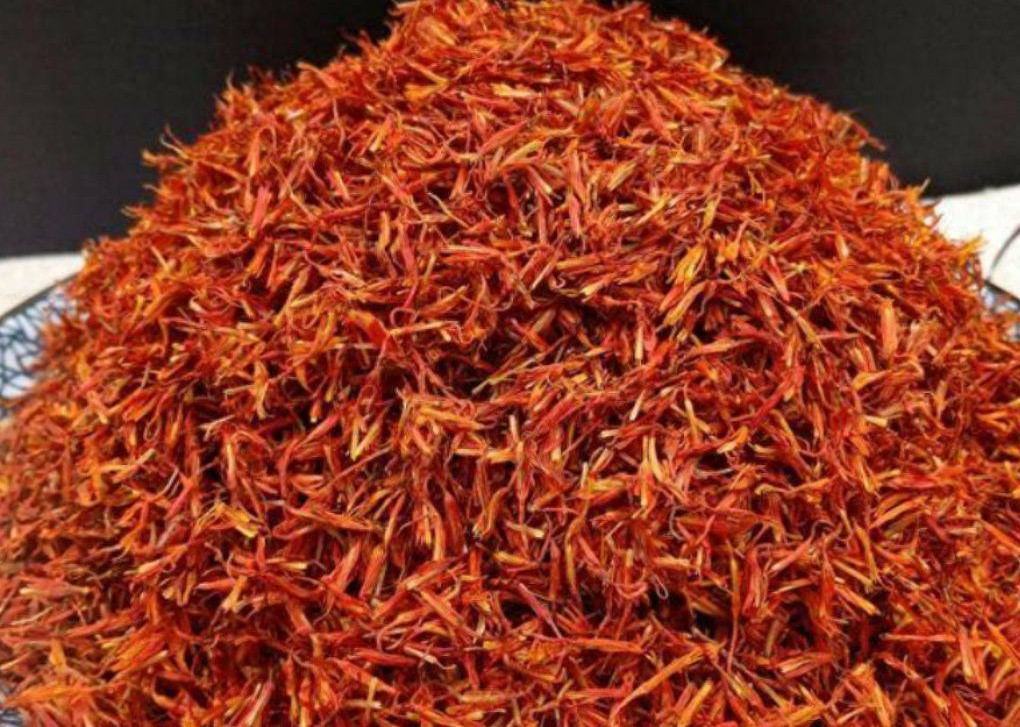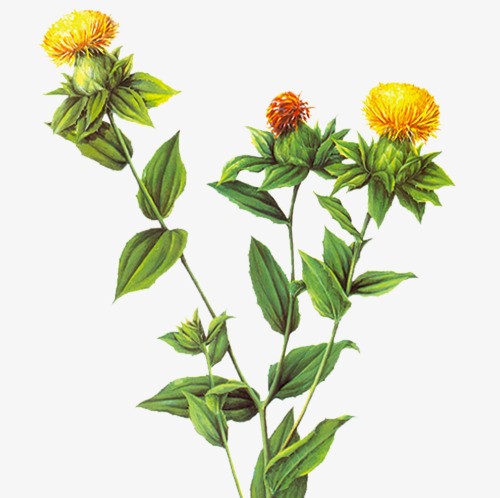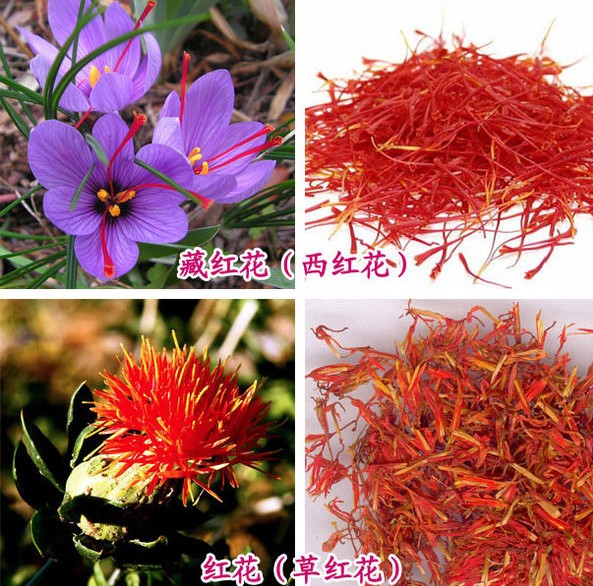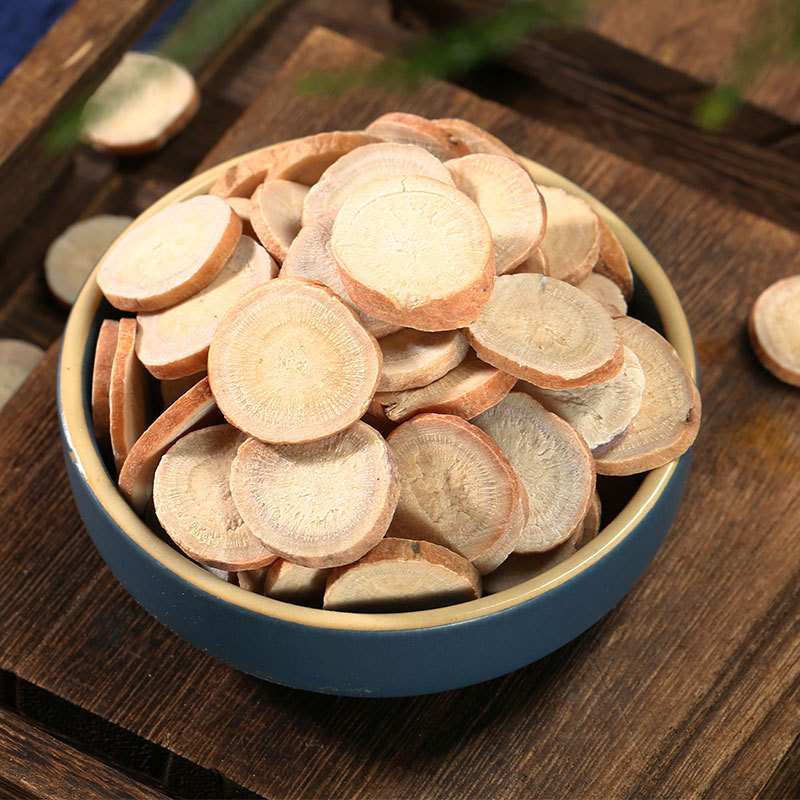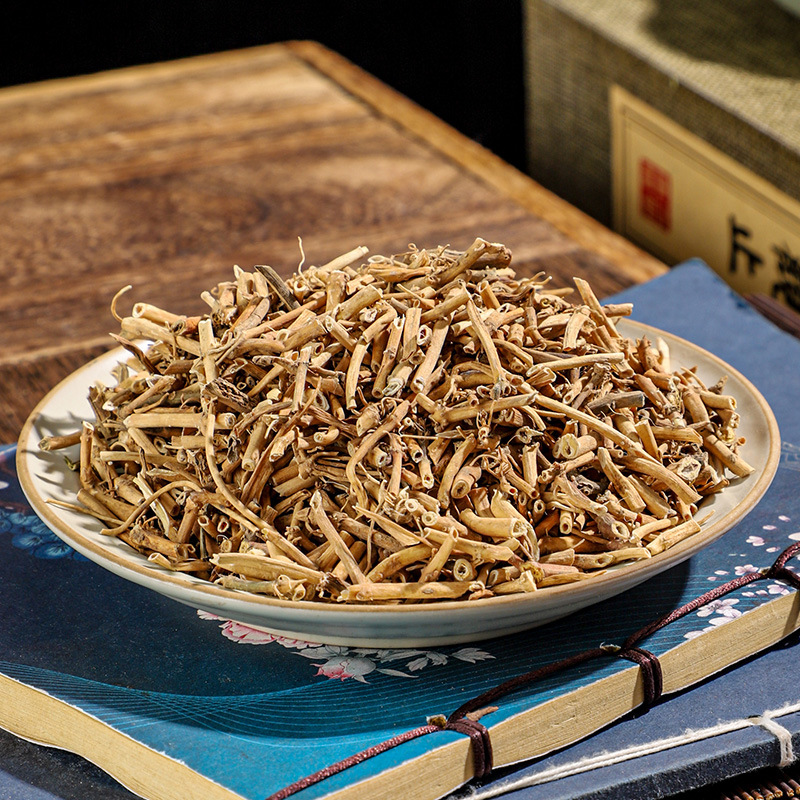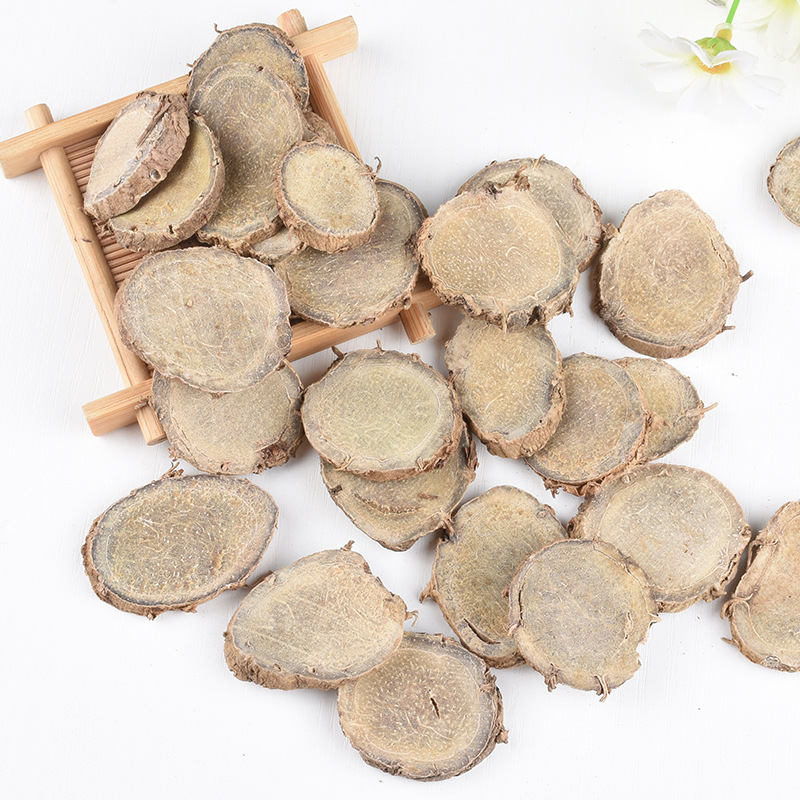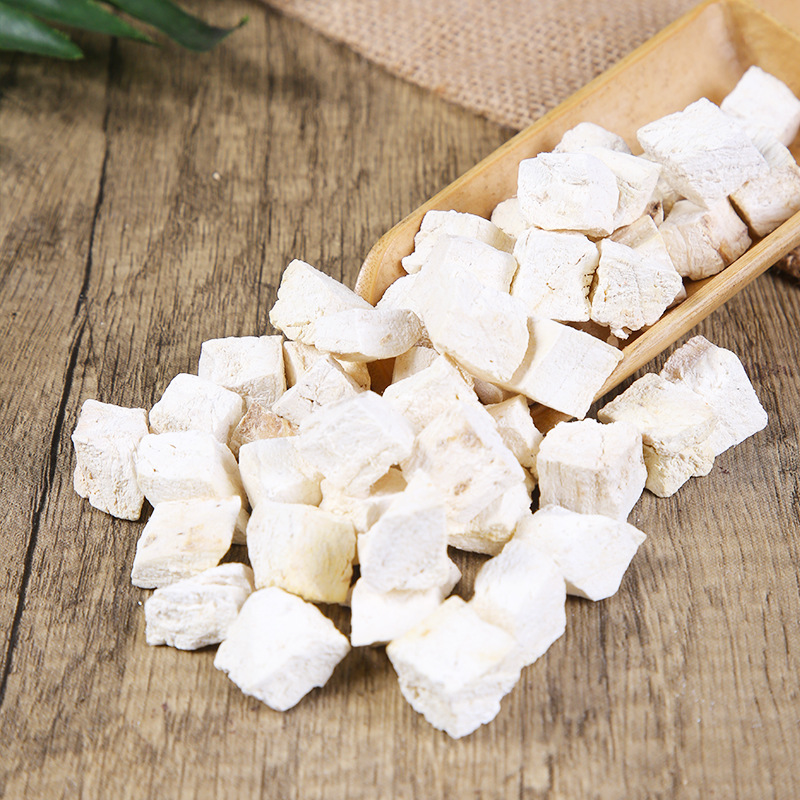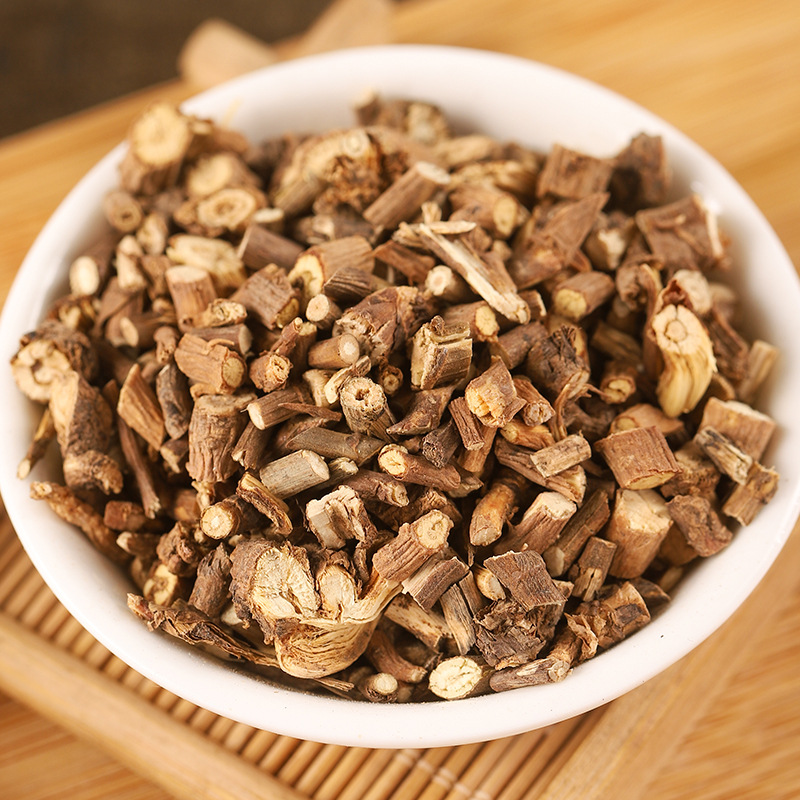
Safflower, also known as red-blue flower, is the tubular corolla of the safflower plant from the Asteraceae family. It is named for its red color and was historically used for dyeing red or making rouge. It is primarily cultivated in Henan, Hubei, Sichuan, Yunnan, and other regions. It blooms in summer and is harvested when the flower color turns from yellow to bright red. It is dried in the shade and used raw.
I. Efficacy and Application
Safflower tastes pungent and is warm in nature. It belongs to the heart and liver meridians.
Efficacy can promote blood circulation and remove blood stasis, unblock menstruation and relieve pain. Its characteristic is good at promoting blood circulation and unblocking meridians, making it an essential medicine for promoting blood circulation and unblocking menstruation.
Commonly used for the treatment of amenorrhea, dysmenorrhea, lochiorrhea, abdominal masses, chest pain and heartache, abdominal pain due to blood stasis, stabbing pain in the chest and hypochondrium, traumatic injuries, sores and abscesses with swelling and pain.
Summary of Famous Works by Renowned Authors
"Kai Bao Ben Cao": "Mainly used for postpartum dizziness, lockjaw, incomplete expulsion of lochia, colic, and dead fetus in the womb, all to be taken after decocting with wine."
Compendium of Materia Medica: "Promotes blood circulation and moistens dryness, relieves pain and reduces swelling, and regulates menstruation."
Changsha Materia Medica: "Safflower promotes blood circulation and removes blood stasis, moistens dryness and relieves pain, and is most effective in soothing the liver and dispelling wind. Its various therapeutic effects include relieving menstrual pain, reducing swelling, expelling the placenta, opening throat obstruction, reviving from blood dizziness, and treating ear discharge."
Ben Cao Bei Yao: Enters the liver meridian to break stasis and blood stasis, activate blood circulation, moisten dryness, reduce swelling and relieve pain. Treats amenorrhea and difficulty in defecation, blood stasis causing lockjaw, dead fetus in the abdomen. Pox sores with blood heat. Throat obstruction and blockage. Also enters the heart, generating new blood.
II. Compatibility and Application
1. For dysmenorrhea, blood stagnation amenorrhea, postpartum blood stasis abdominal pain, abdominal masses and accumulations, traumatic injuries with blood stasis pain, and joint pain and other syndromes. Safflower enters the heart and liver blood aspects, possessing a pungent dispersing and warm unblocking nature, capable of activating blood and dispelling stasis, regulating and unblocking the channels and vessels. To treat the aforementioned syndromes, it is often combined with blood-activating and stasis-dispelling herbs such as peach kernel, Chinese angelica root, Szechuan lovage rhizome, and red peony root, as in the Tao Hong Si Wu Tang.
If treating qi stagnation and blood stasis, chest and hypochondriac pain, one can combine Chaihu, Zhiqiao, Niuxi, Gancao, etc., in Taohong Siwu Tang, which is Xuefu Zhuyu Tang.
For the treatment of coronary heart disease and angina pectoris, it is often combined with blood-activating and pulse-unblocking herbs such as Salvia miltiorrhiza, Ligusticum chuanxiong, and red peony root.
If treating thromboangiitis obliterans, with syndrome of qi stagnation and blood stasis, it is often combined with blood-activating and stasis-removing herbs such as Angelica sinensis, peach kernel, red peony root, frankincense, and myrrh.
If treating qi deficiency and blood stasis syndrome in stroke, it is often combined with astragalus, angelica, chuanxiong, peach kernel, and earthworm, which is known as Buyang Huanwu Decoction.
Safflower is not recorded in the "Shennong's Classic of Materia Medica," but there is a prescription for Red Blue Flower Wine in the "Synopsis of the Golden Chamber," which states that it treats sixty-two types of wind in women and stabbing pain in the abdomen due to blood and qi. Nowadays, it is often effective for conditions such as systemic blood stasis, dysmenorrhea, abdominal pain, and traumatic injuries. In clinical practice, it is most commonly paired with peach kernel. These two herbs complement each other—one excels at addressing local blood stasis, while the other is adept at promoting overall circulation.
2. For dark-colored macules and papules caused by heat stagnation and blood stasis, safflower can promote blood circulation and remove stasis to resolve stagnation. It is often combined with blood-activating, blood-cooling, heat-clearing, and detoxifying herbs such as Chinese angelica, arnebia root, and isatis leaf, as seen in the formula Danggui Honghua Yin.
In modern times, safflower has been developed as the main ingredient in safflower injection and Danhong injection, which are widely used in clinical practice for treating various blood circulation disorders. Additionally, various traditional Chinese medicine external plasters and sprays are commonly used for treating bruises and injuries.
III. Usage and Dosage
Safflower is often used in decoctions, and can also be made into pills, powders, and wine preparations. The usual dosage in decoctions ranges from a few grams to over ten grams; for powders or wine infusions, use an appropriate amount, and for fresh ones, crush to extract the juice. For external use, apply an appropriate amount.
The application of safflower at different dosages yields distinct therapeutic effects.
Ben Cao Yan Yi Bu Yi: "Excessive use breaks stagnant blood, moderate use nourishes blood."
Wang Ang said: "A small amount nourishes the blood, a large amount promotes blood circulation, and excessive use can cause continuous bleeding and death."
IV. Application Notes
Safflower can promote blood circulation and regulate menstruation, so it is contraindicated for pregnant women. It should be used with caution during menstruation or for those with excessive menstrual bleeding, and those preparing for pregnancy should also exercise caution.
Attached Medicine: Efficacy and Application of Saffron
Saffron, also known as Crocus sativus, is the dried stigma of the Crocus sativus flower from the Iridaceae family. Its effects are similar to those of safflower, but they are not the same substance. Due to its high price, it is often mistakenly believed to be more effective than safflower. In nature, all things are inherently equal, without distinction of value. The effectiveness of medicine in treating diseases lies entirely in its appropriate application. When used correctly, rhubarb can be a life-saving elixir; when used incorrectly, ginseng can be a deadly poison. How can the quality of a medicine be judged solely based on its price?
Saffron has a sweet taste and a cold nature. It belongs to the Heart and Liver meridians. Its effects are similar to those of safflower, but due to its cool nature (safflower is warm), it is more suitable for conditions such as high fever with maculopapular rash or febrile diseases with heat entering the blood level. The usual dosage is a few grams, and it is often taken alone.
Practical Notes on Traditional Chinese Medicine: Second Draft, January 21, 2022