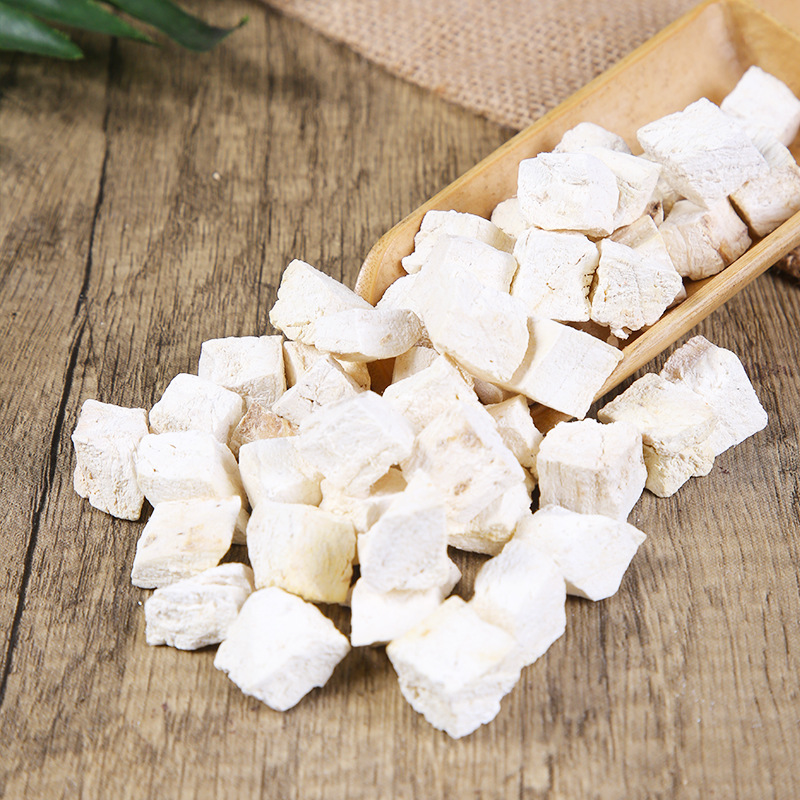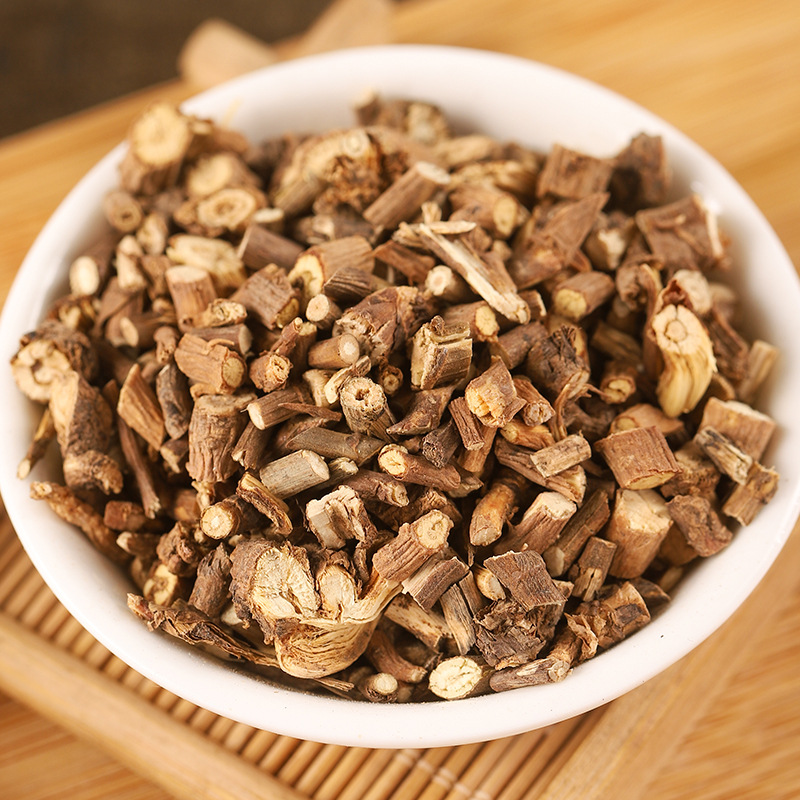
Recently, as the season changes, the weather is getting colder. Many people in the clinic have been complaining that they often feel a chill in their abdomen, waist, and legs, accompanied by a sense of soreness and discomfort, which is particularly unpleasant.
From the perspective of Traditional Chinese Medicine: Different parts of the human body correspond to different internal organs, with the legs corresponding to the liver, the waist to the kidneys, and the abdomen to the spleen. If different parts of the body feel cold, it is often related to the internal organs.
Today, let's talk about this and share a few commonly used traditional Chinese medicine prescriptions for corresponding regulation to help everyone warm up their bodies.
I.Cold stomach, the problem is mostly in the spleen—insufficient spleen yang
The spleen is located in the middle jiao of the human body roughly in the area of the upper abdomen If the spleen yang is insufficient it is like the fire under the stove not being strong enough to warm the pot above so the abdomen tends to feel chilly Moreover the transportation and transformation functions of the spleen and stomach in such individuals are often poor frequently leading to abdominal distension and poor digestion
In response to this situation, we can refer toFuzi Lizhong Decoctionto regulate. This formula can warm the middle and dispel cold, invigorate the spleen and stomach, replenish the yang qi in the middle burner, and naturally warm the abdomen.
TwoColdness in the waist often indicates kidney issues—specifically kidney yang deficiency
The waist is the home of the kidneys and also the source of the body's yang energy. If kidney qi is deficient, kidney essence is not consolidated, or kidney yang is insufficient, it can lead to symptoms such as soreness and weakness in the lower back and knees, aversion to cold, and increased nighttime urination.
In response to this situation, we can refer toGolden G Kidney Qi Wanto regulate, it can warm and tonify kidney yang, consolidate and protect kidney qi. When kidney yang is sufficient, the waist feels as if warmed by a small stove, and sensations of coldness and soreness gradually diminish. It is also important to pay special attention to keeping the waist warm in daily life.
IIICold legs, the problem is mostly in the liver—liver blood deficiency
The liver is an important metabolic organ in the human body, and its main function is to regulate blood circulation. When liver blood is insufficient or liver qi is stagnant, it affects the distribution and regulation of body heat, making it difficult for qi and blood to smoothly reach the extremities. As a result, the legs and feet are prone to feeling cold, especially in cold weather.
In response to this situation, we can refer toXiaoyao PowderIt can soothe the liver and regulate qi, harmonize qi and blood. By harmonizing qi and blood, it can better circulate throughout the body, including our legs. Additionally, soaking feet in hot water daily can also help alleviate the condition effectively.
It should be noted that traditional Chinese medicine emphasizes syndrome differentiation and treatment. The prescriptions mentioned above are common approaches for regulating issues related to different organs. However, each individual's specific condition varies. It is advisable to consult a doctor for a thorough assessment of one's constitution before use, as this ensures more targeted treatment and better results.