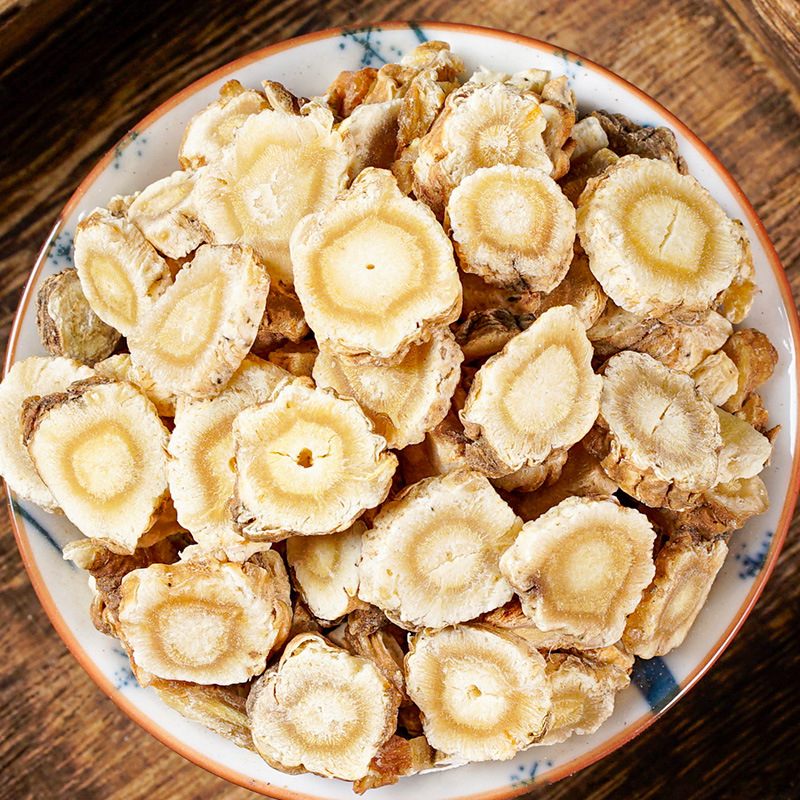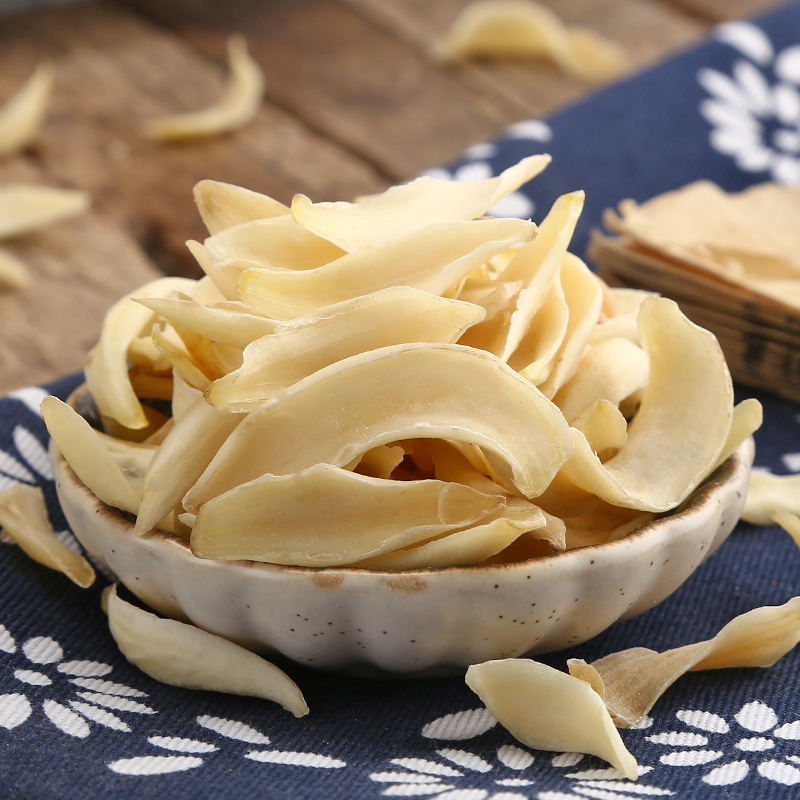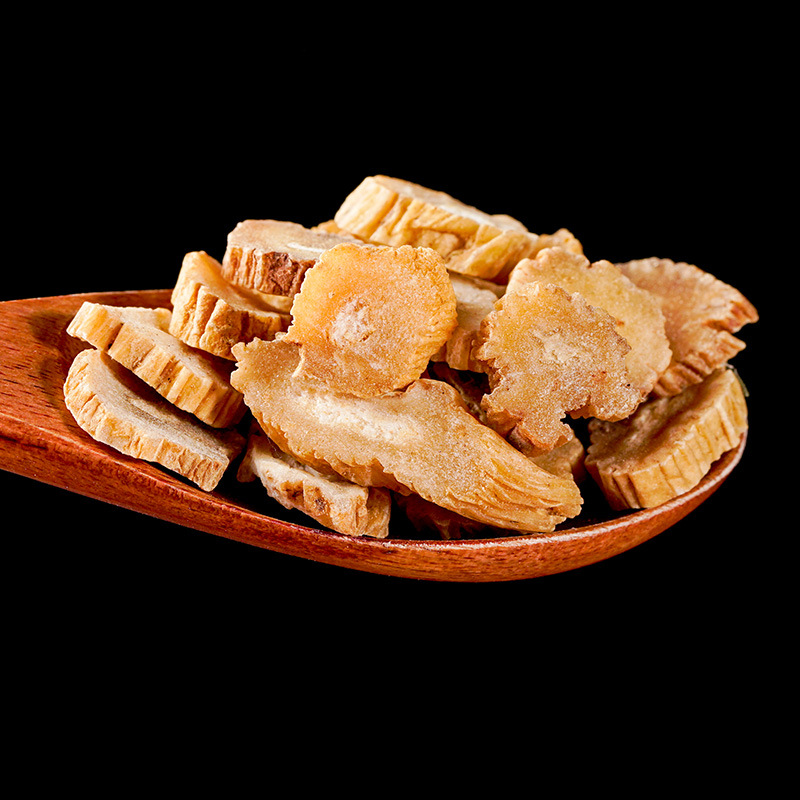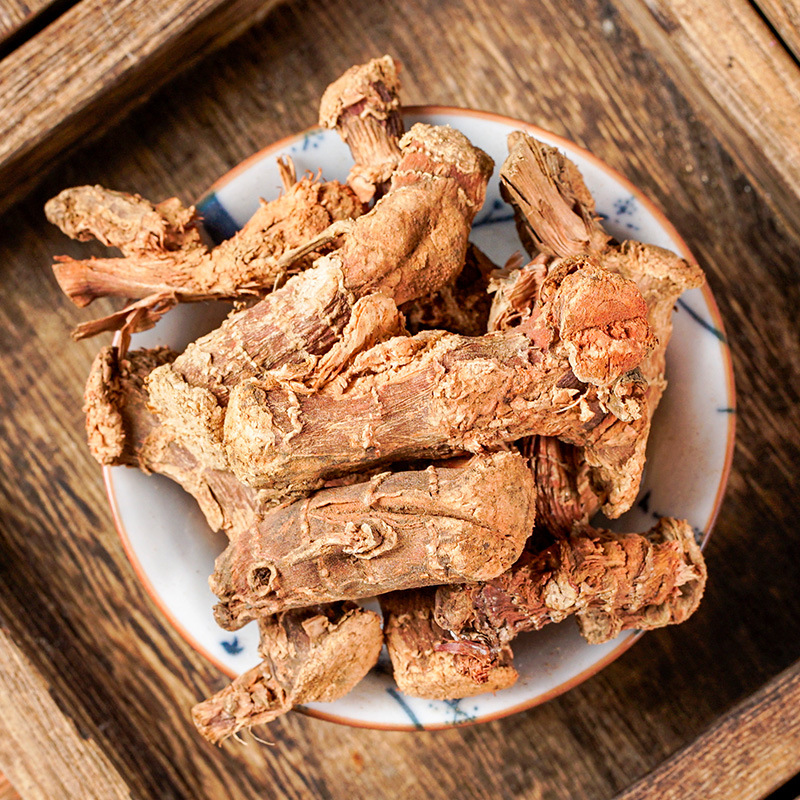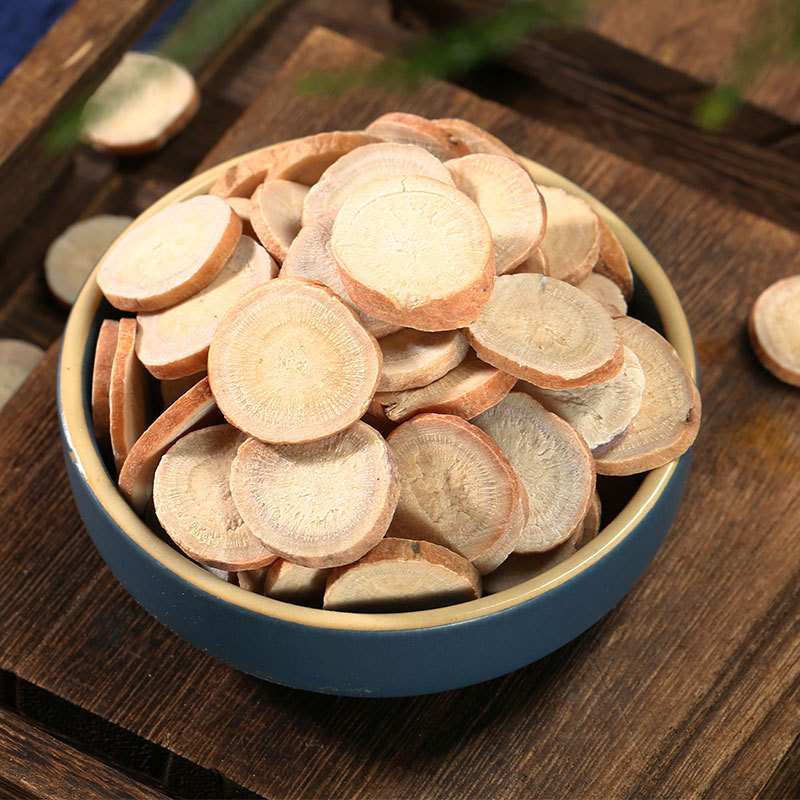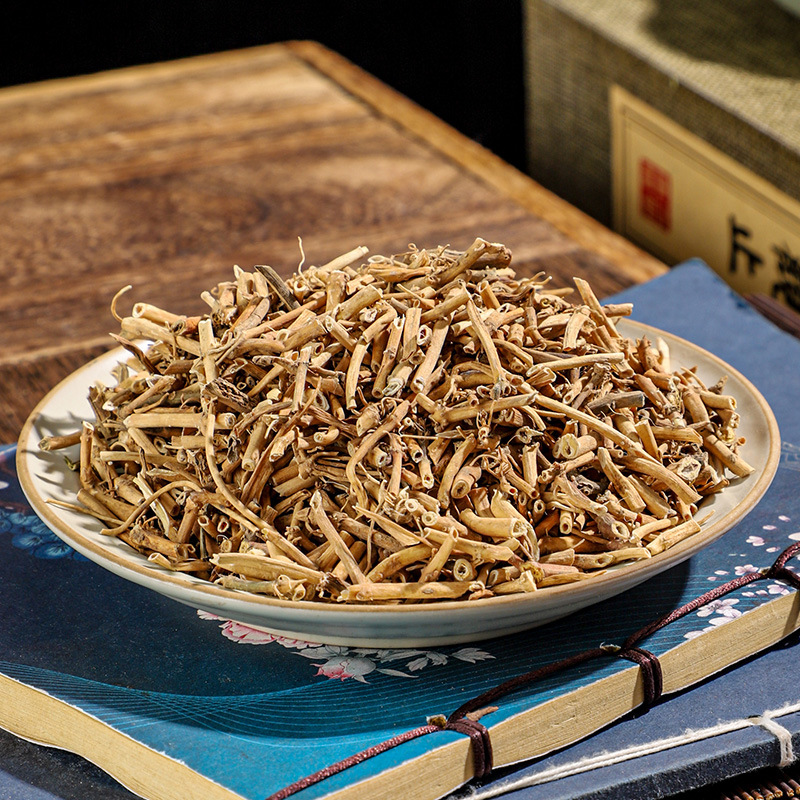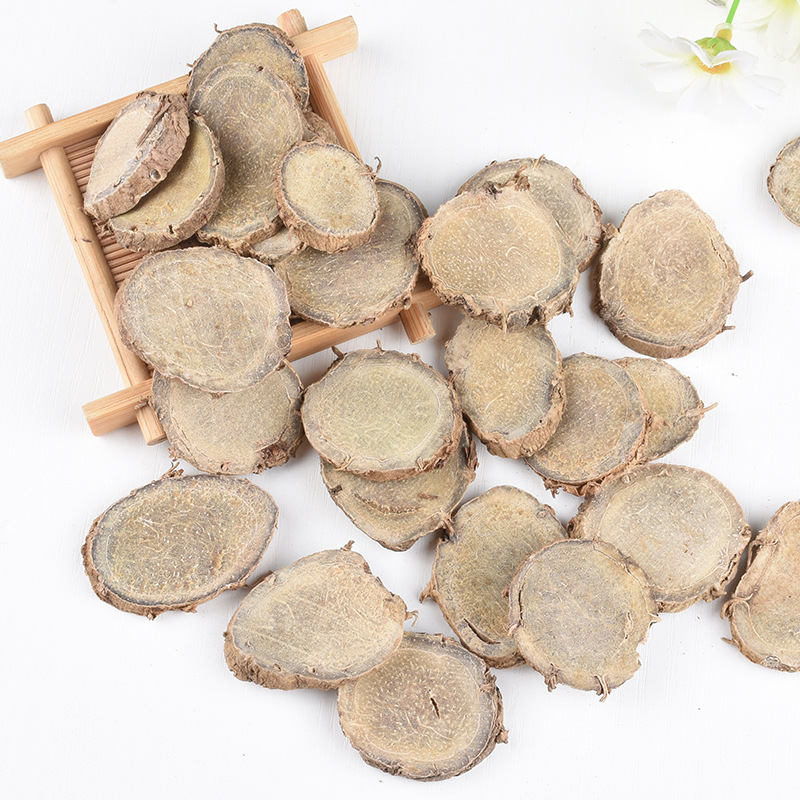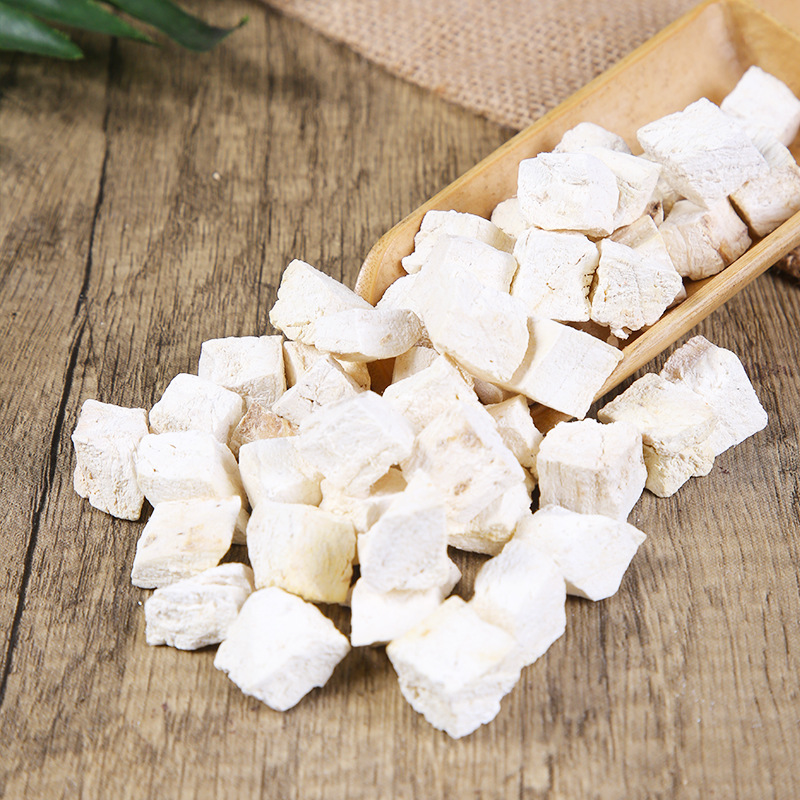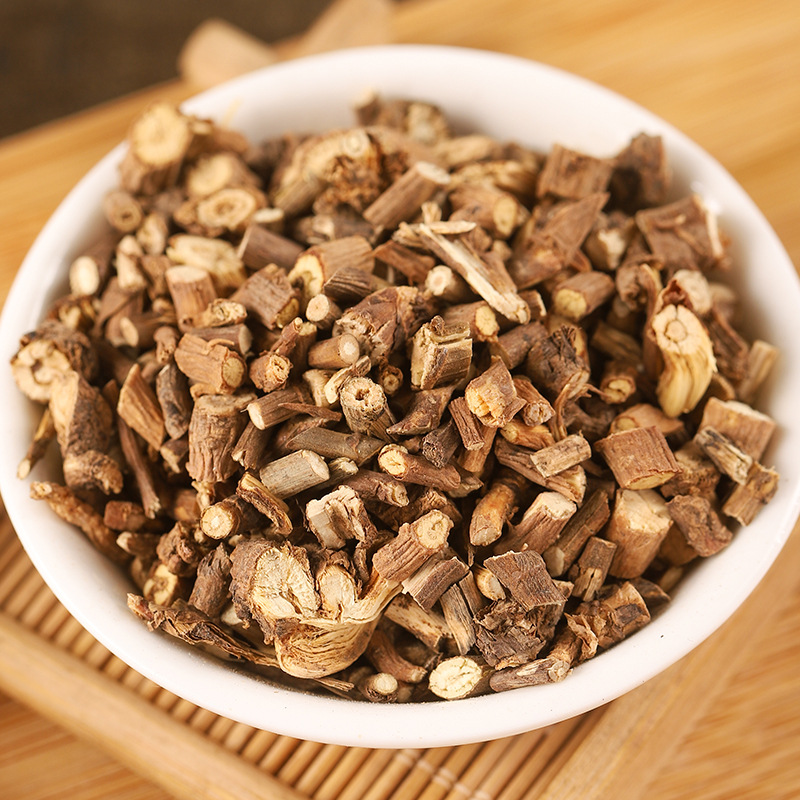
When it comes to dispelling dampness, many people's first thought is Poria cocos, but in traditional Chinese medicine, there is actually another ace for dispelling dampness, and that isAlismaIts dampness-removing effect is slightly more potent than that of Poria cocos, making it more effective in eliminating dampness. Today, I will introduce three practical combinations of Alisma orientale.
Alisma with AlmondSuitable for dampness obstructing the upper jiao and lungs, with a sensation of a damp towel pressing on the mouth, accompanied by persistent coughing and phlegm production, then use Alisma orientale paired with apricot kernel. Apricot kernel can unblock lung qi, allowing the lung's qi mechanism to flow smoothly; Alisma orientale, on the other hand, can promote the downward movement of dampness, expelling it from the body through urination.
The combination of the two, one for dispersing and one for promoting urination, is particularly suitable for individuals with a white and greasy tongue coating who are also prone to fear of wind and cold.
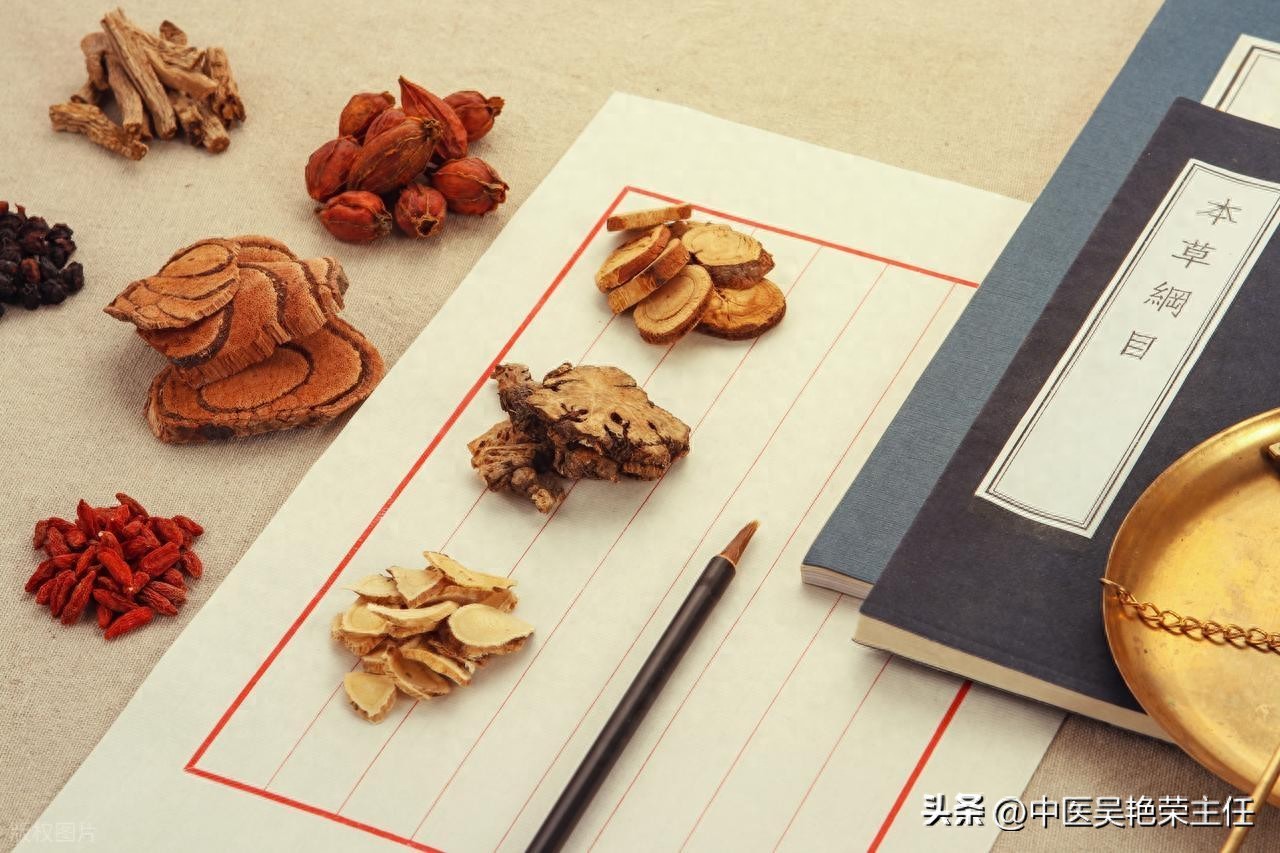
Alisma with AtractylodesSuitable for people with dampness trapped in the middle jiao spleen and stomach. If you often feel a lack of appetite and have sticky stools, use Alisma with Atractylodes. Atractylodes can strengthen the spleen and stomach, dispel dampness, and fundamentally enhance the digestive capacity of the spleen and stomach. Alisma can directly penetrate dampness, promote urination, and expel excess dampness.
One tonifies and the other purges, helping the spleen and stomach regain vitality, suitable for individuals with a swollen tongue and thick, greasy white coating.
Alisma with Cinnamon TwigSuitable for those with dampness in the lower jiao, often due to yang deficiency. If symptoms such as lower limb swelling, incomplete urination, and back pain occur, use Alisma with Cinnamon Twig. Cinnamon Twig can warm and unblock yang qi, helping the kidneys restore normal qi transformation function; Alisma can promote diuresis and drain dampness, guiding the normal excretion of body fluids.
The two work together in a warming and unblocking manner, suitable for individuals with kidney yang deficiency leading to water-dampness overflow, characterized by a pale tongue, a swollen body, and tooth marks.
However, it is important to note that traditional Chinese medicine emphasizes "one prescription for one person." Each individual has a different constitution and varying underlying issues, so it is crucial not to self-prescribe or prepare herbal remedies on your own. Always consult a professional TCM practitioner for diagnosis and personalized adjustments based on your specific condition to ensure safety and effectiveness.