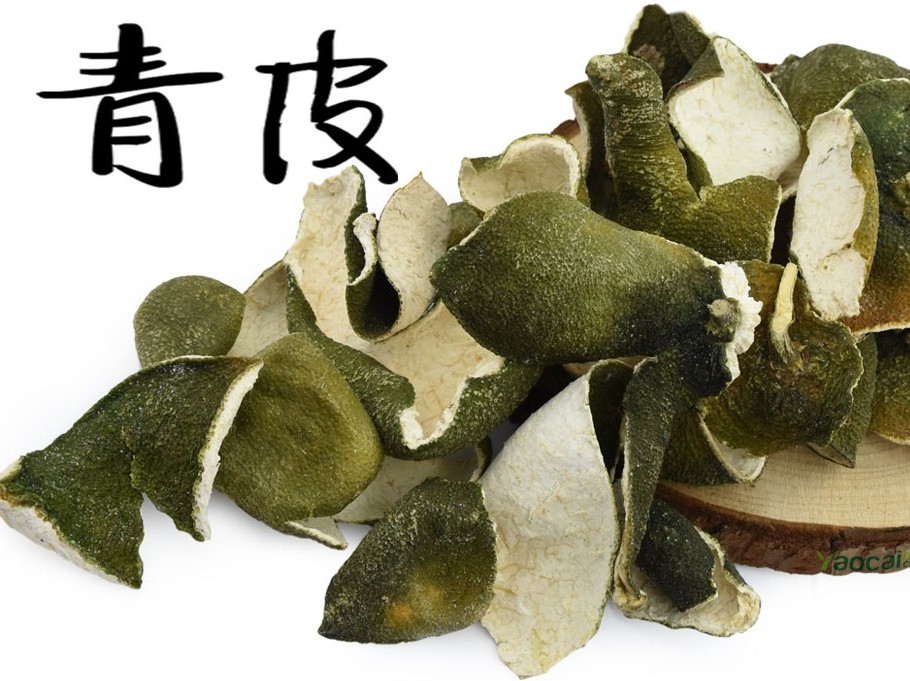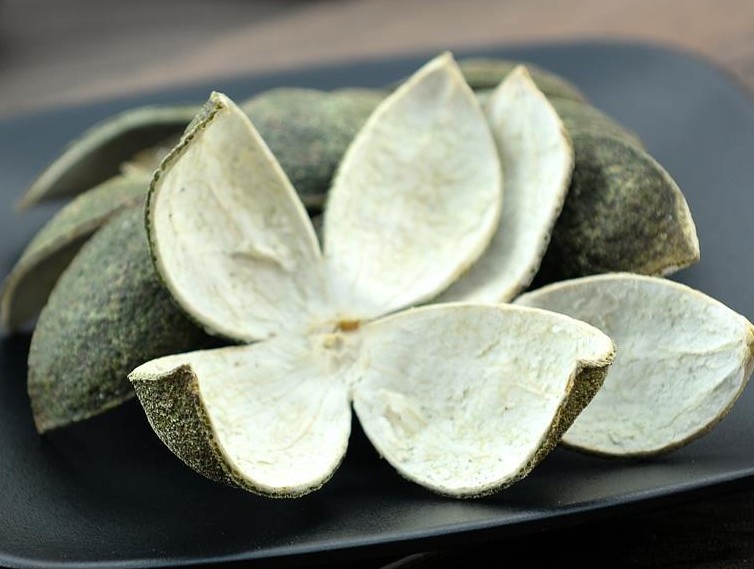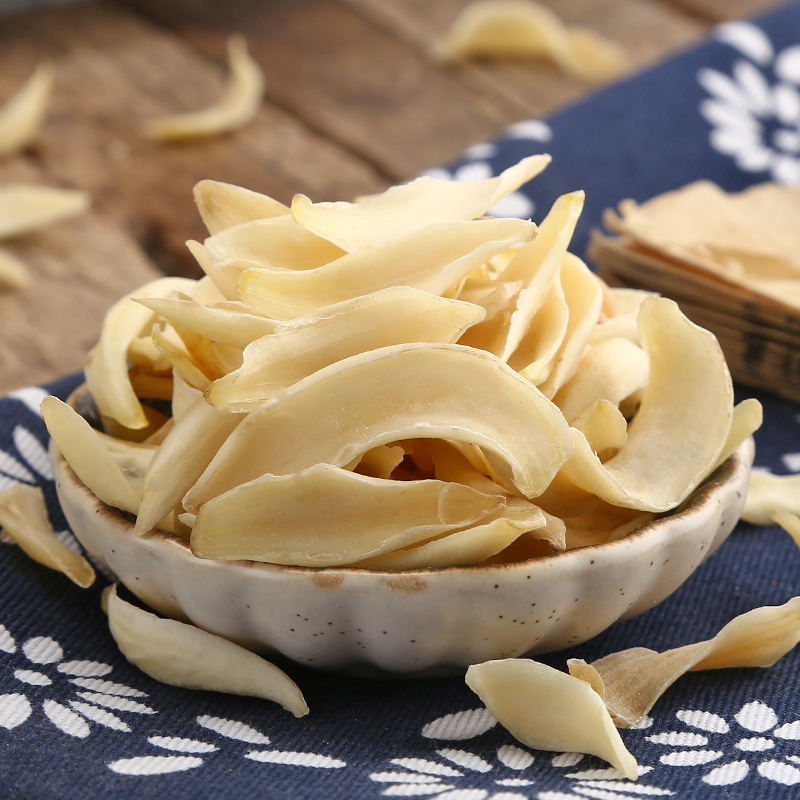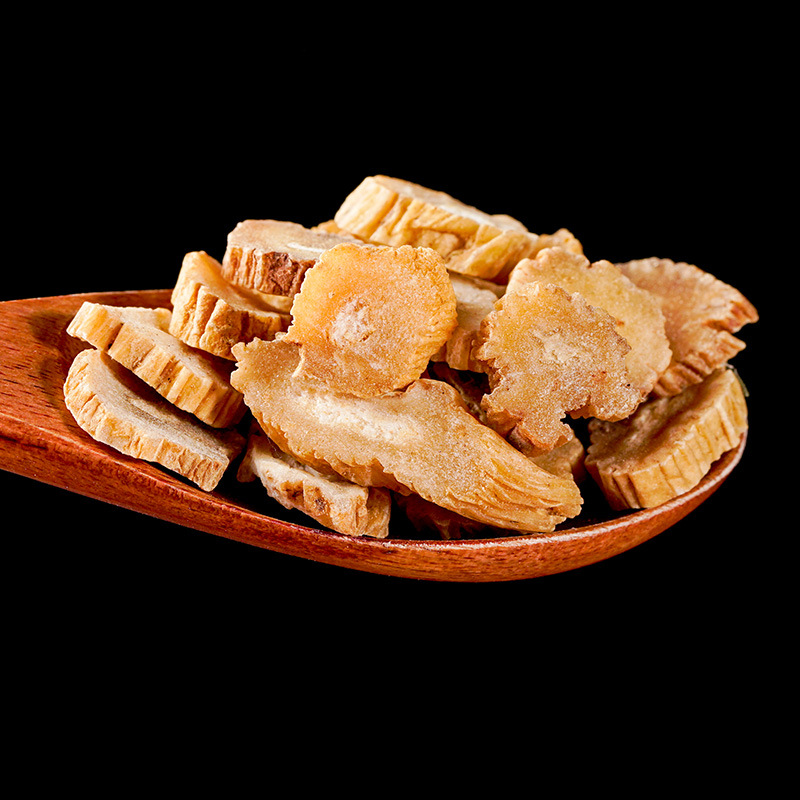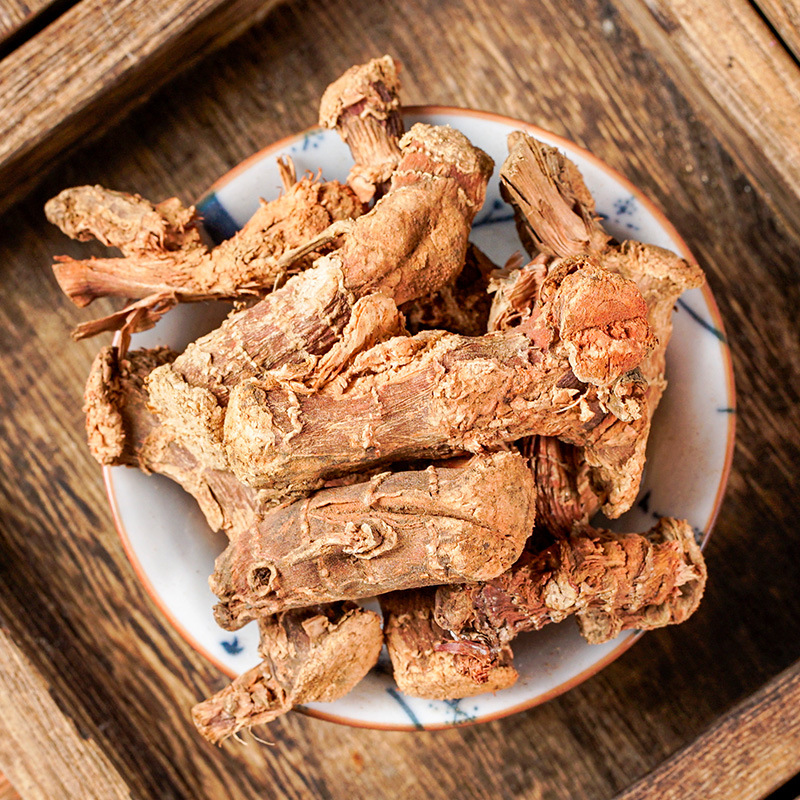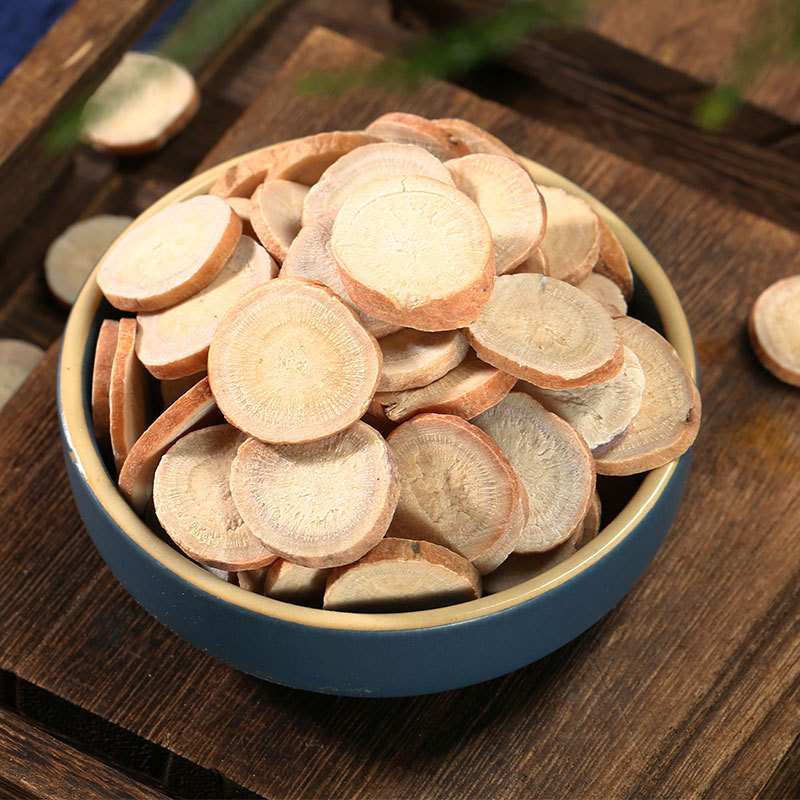
Green Tangerine Peel and Tangerine Peel are both derived from the fruit peel of the tangerine. The peel of the immature fruit is called Green Tangerine Peel, while the peel of the mature fruit is known as Tangerine Peel. Similar to Immature Bitter Orange and Bitter Orange, the effects are more potent when the fruit is green and become milder after ripening. They are often used raw or stir-fried with vinegar.
I. Efficacy and Application
Green Tangerine Peel tastes bitter and pungent, and is warm in nature. It belongs to the liver, gallbladder, and stomach meridians.
Efficacy It can soothe the liver and break qi, disperse stagnation and eliminate accumulation. Its characteristic is strong in breaking qi, good at opening liver qi stagnation.
Commonly used for the treatment of chest and hypochondriac distension and pain, hernia pain, breast lumps, breast abscess, food stagnation and qi stagnation, abdominal distension and pain, and other syndromes.
Summary of Famous Works by Renowned Authors:
Ben Cao Jing Tu: "It governs qi stagnation, promotes digestion, breaks accumulations and resolves diaphragmatic qi."
Zhen Zhu Nang: Breaks hard accumulations, disperses stagnant qi, treats left hypochondriac liver channel qi accumulation.
"Compendium of Materia Medica": "Treats rebellious qi in the chest and diaphragm, hypochondriac pain, hernia pain in the lower abdomen, reduces breast swelling, soothes the liver and gallbladder, and purges lung qi."
Ben Cao Bei Yao: "Disperses liver stagnation and drains the lung, breaks stagnation and softens hardness, eliminates phlegm and dissipates masses. Treats liver qi stagnation and accumulation, hypochondriac pain with frequent anger, chronic malaria with accumulations, hernia pain, and breast swelling."
II. Compatibility and Application
1. Used for hypochondriac pain, breast distending pain, and hernia pain caused by liver qi stagnation. Green tangerine peel is pungent and dispersing, warm and unblocking, bitter and descending, capable of soothing the liver and gallbladder, breaking qi stagnation, and its nature is relatively strong. For treating hypochondriac pain, it is often combined with herbs that soothe the liver and relieve pain, such as bupleurum root and turmeric root tuber.
If treating breast abscess with distending pain or masses, it is often combined with liver-soothing and mass-dispersing herbs such as Bupleurum, Cyperus, and Green Tangerine Leaf.
If treating breast abscess with swelling and pain, it is often combined with Trichosanthes kirilowii, honeysuckle, dandelion, licorice, and other herbs that soothe the liver, clear heat, and detoxify.
If treating cold hernia with abdominal pain, it can often be combined with Lindera root, fennel, and costus root to disperse cold, regulate qi, and relieve pain, as in the Tian Tai Wu Yao San.
2. For food stagnation and indigestion. Green tangerine peel has a strong ability to disperse stagnation and resolve accumulation. It is used to treat food stagnation and qi stagnation, with symptoms such as epigastric fullness, distension, and pain. It is often combined with digestant herbs like hawthorn, malt, and medicated leaven, as seen in the formula Qingpi Wan (Green Tangerine Peel Pill).
For the treatment of qi stagnation and water retention syndrome, presenting with epigastric fullness as large as a plate, edges like a spinning plate, or epigastric pain, and dysuria, it is often combined with Atractylodes macrocephala to achieve the effect of moving qi and resolving masses, known as Zhizhu Decoction.
For the treatment of abdominal masses and accumulations caused by qi stagnation and blood stasis, as well as chronic malaria and stubborn masses, it is often combined with herbs that break qi and disperse masses, such as San Leng, E Zhu, and Yu Jin.
In clinical prescriptions, Shi Jinmo often used both unripe tangerine peel and charred tangerine peel together, which serves three purposes: first, to eliminate the harshness that can harm the qi; second, to protect the gastric and intestinal mucosa; and third, to stop bleeding and control acid. The experience of Master Shi is worth learning.
The combination of immature tangerine peel and aged tangerine peel involves immature tangerine peel entering the liver and gallbladder, promoting qi movement on the left, while aged tangerine peel enters the spleen and lungs, regulating qi on the right. This creates a dynamic of left ascending and right descending, harmonizing the ascending and descending functions, collectively achieving the effects of soothing the liver and harmonizing the stomach, regulating qi to relieve pain, and balancing the middle to benefit the diaphragm. It can be applied in cases where liver qi disorders affect the spleen and stomach, manifesting as liver-stomach disharmony, pain in the hypochondrium, and distending pain in the epigastric region.
III. Usage and Dosage
Green tangerine peel is often used in decoctions and can also be made into pills or powders. Due to its strong dispersing and breaking effects, it is not advisable to use large doses for prolonged periods. For decoctions, a typical dosage is a few grams.
Compared to Chenpi, Chenpi is pungent and dispersing, floating upward, primarily regulating the qi of the spleen and lungs, excelling in promoting qi flow, strengthening the stomach, drying dampness, and resolving phlegm; Qingpi is bitter, pungent, and sour, descending and moving downward, primarily regulating the qi of the liver and gallbladder, and also capable of dispersing stagnation and resolving accumulation. The two herbs differ in age, one old and one young; in nature, one ascending and one descending; in action, one gentle and one potent, with distinct effects and applications.
Tangye Bencao: "Qingpi is small and immature, while the mature and large one is called ju, which is red in color and hence named hongpi. The older it is, the better, hence called chenpi. Like zhishi and zhiqiao, which are of the same kind, the fruit is small, green, and not yet fully developed, while the shell is large, yellow-purple, and already fully developed. Therefore, the shell is high and treats the chest and diaphragm, while the fruit is low and treats the area below the heart, similar to how chenpi treats the upper part and qingpi treats the lower part."
Wang Ang said, "Chen Pi is ascending and floating, entering the spleen and lung to treat upper body conditions; Qing Pi is descending and sinking, entering the liver and gallbladder to treat lower body conditions. Qing Pi refers to the unripe, green citrus fruit before it turns yellow."
IV. Application Notes
Green tangerine peel is potent and consumes qi, so it should be used with caution in individuals with qi deficiency and weak constitution.
Li Dongyuan said, "If there is stagnant qi, then break the stagnant qi; if there is no stagnant qi, then damage the true qi."
Wang Ang said: "It is contraindicated for those with sweating and qi deficiency."
Practical Notes on Traditional Chinese Medicine: Second Draft on January 21, 2021