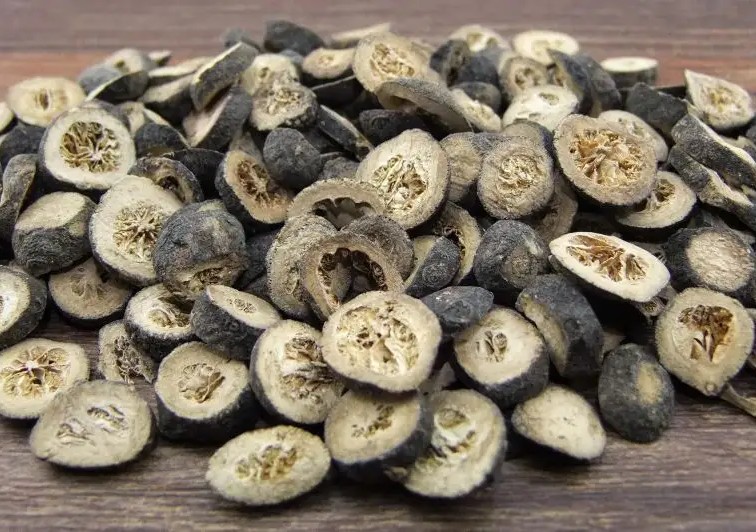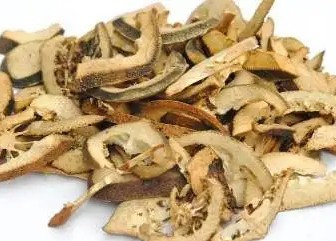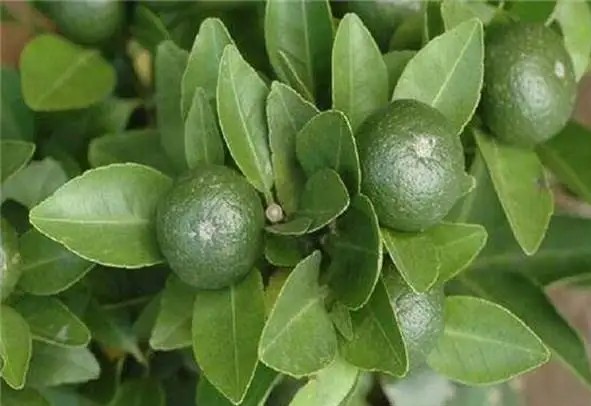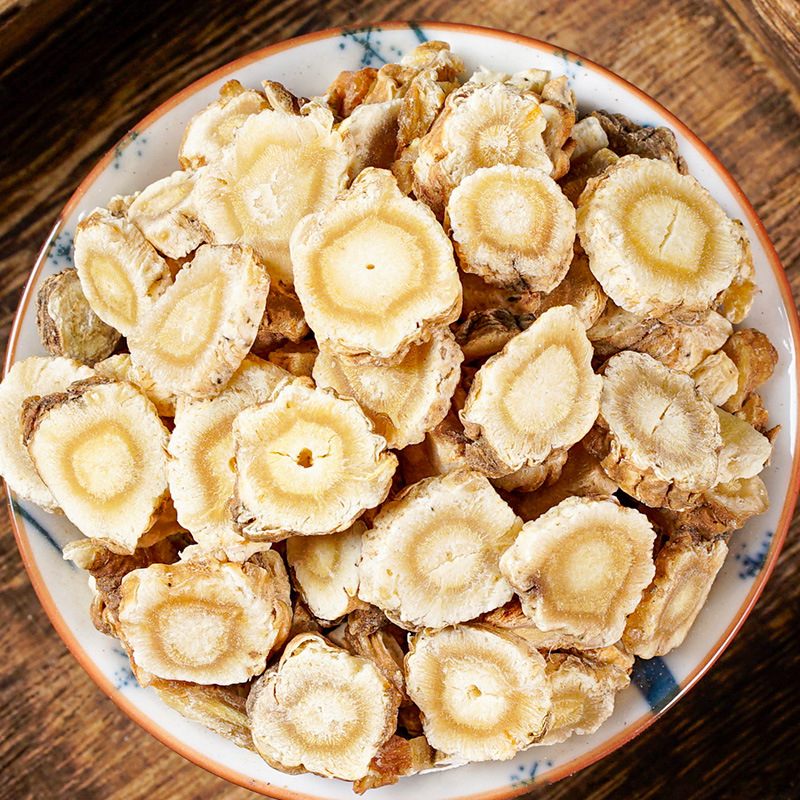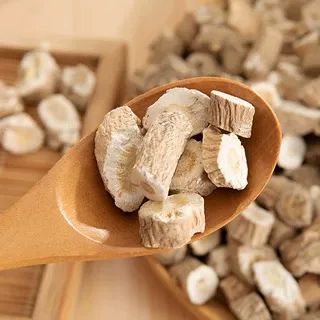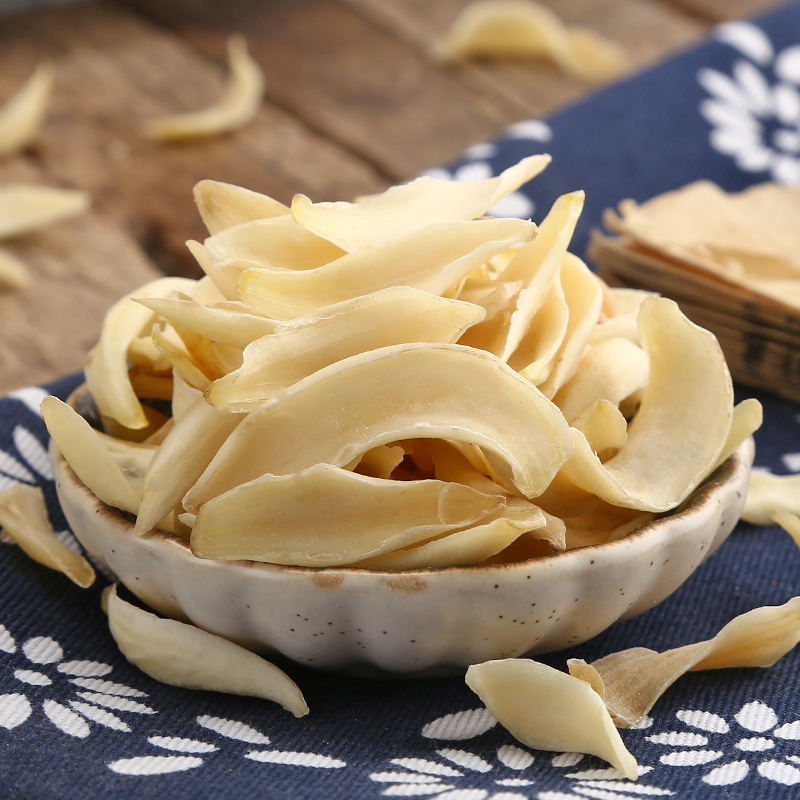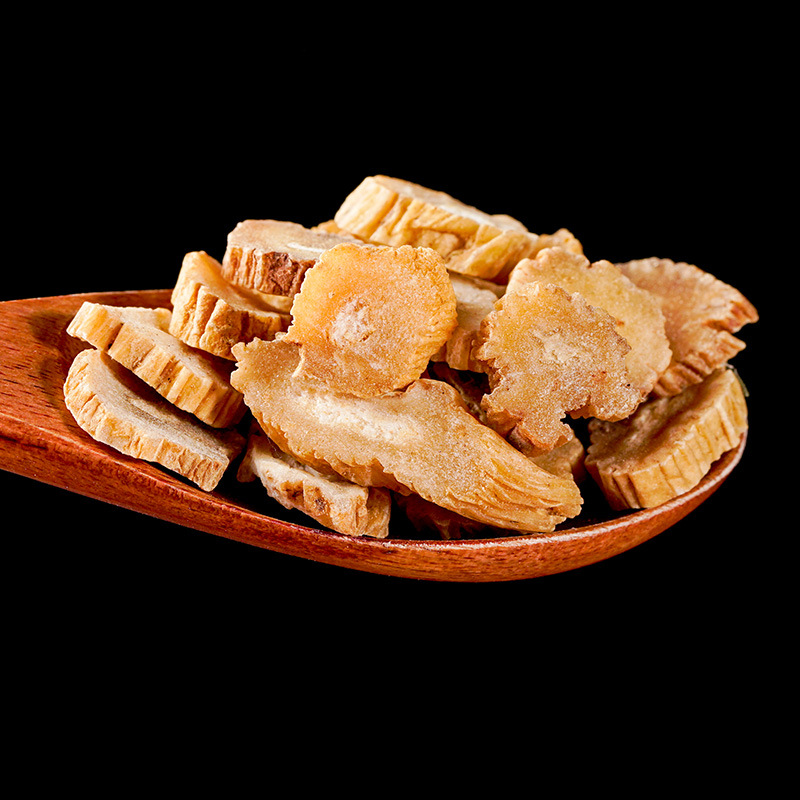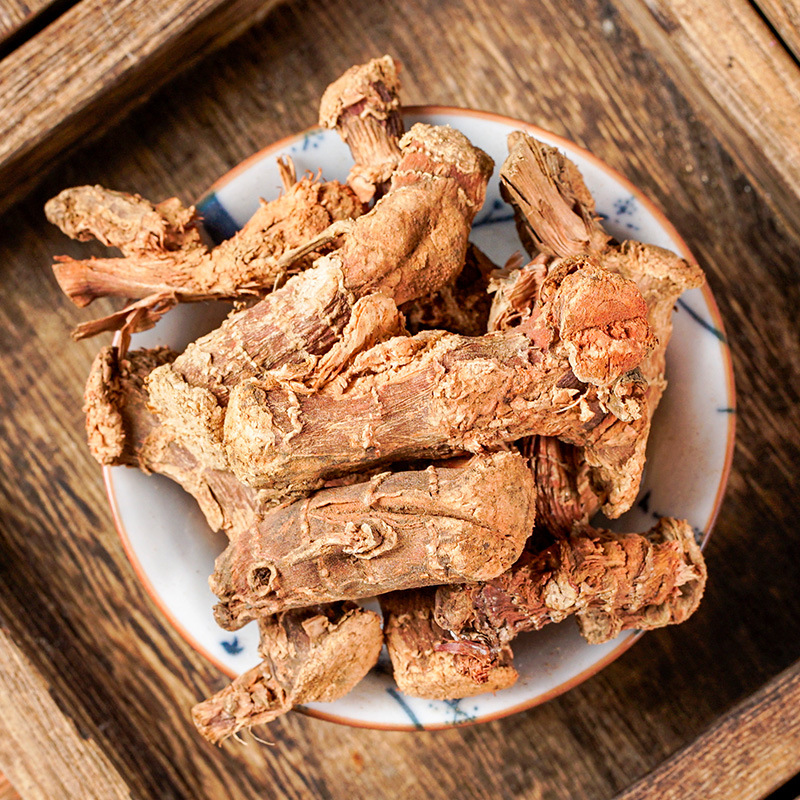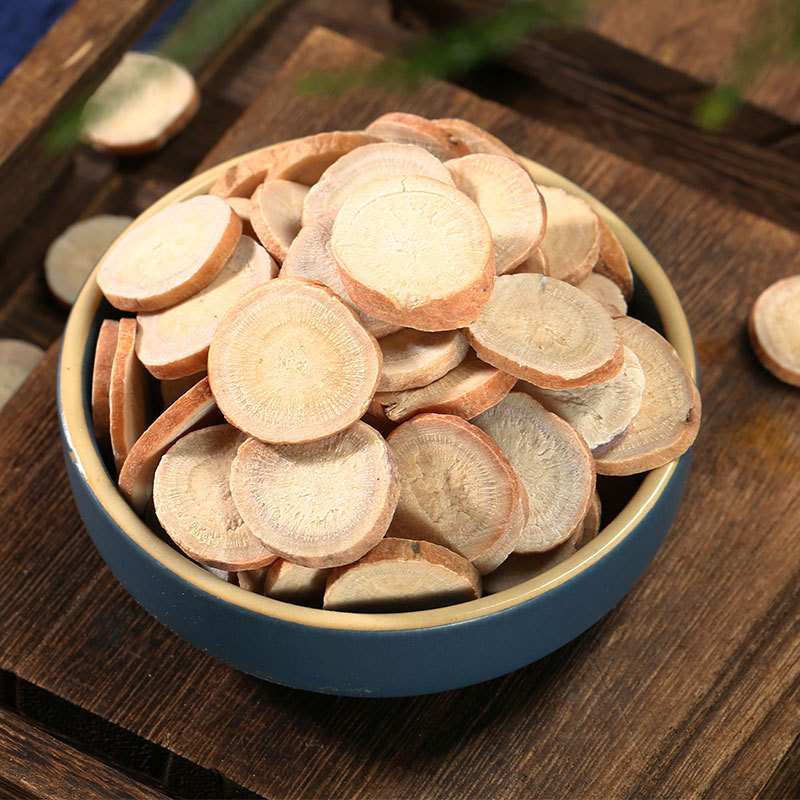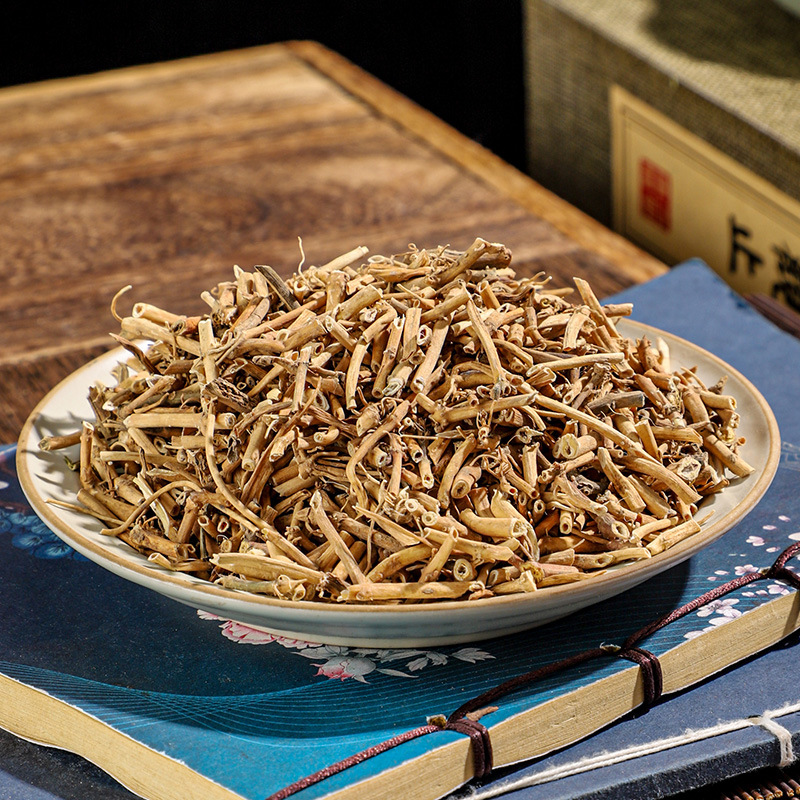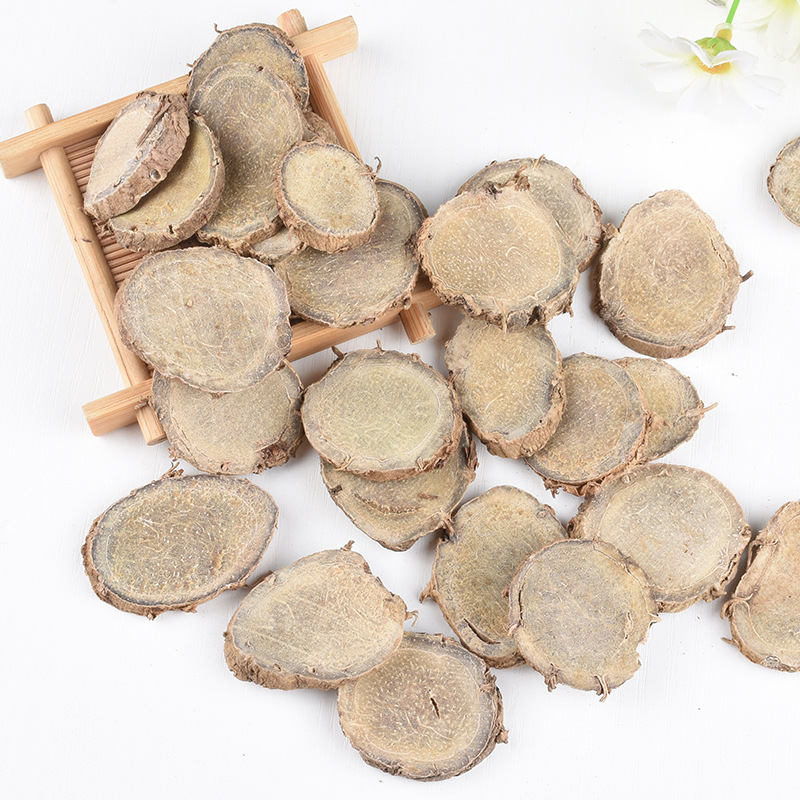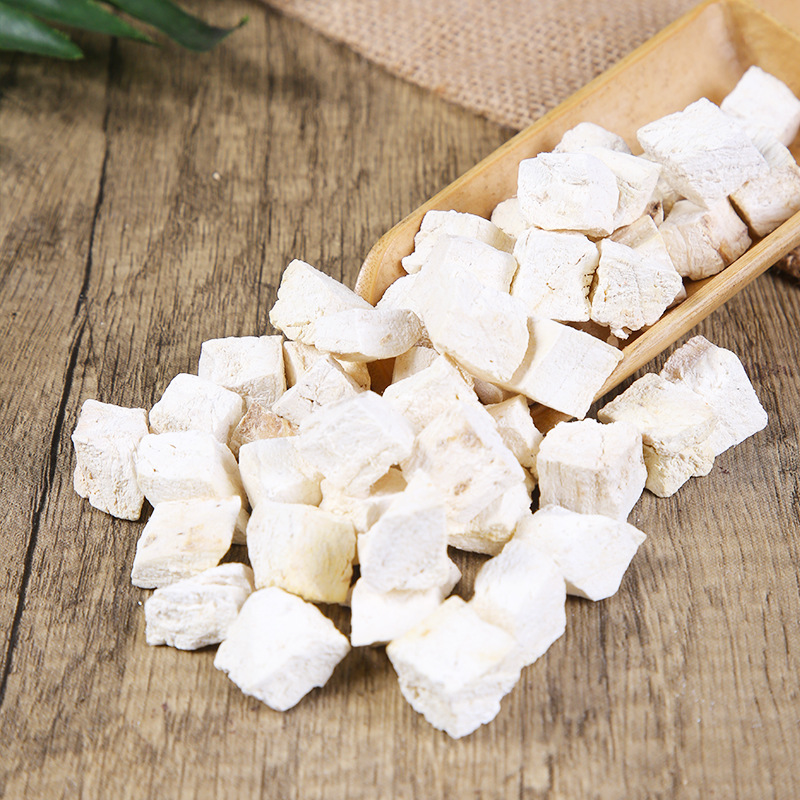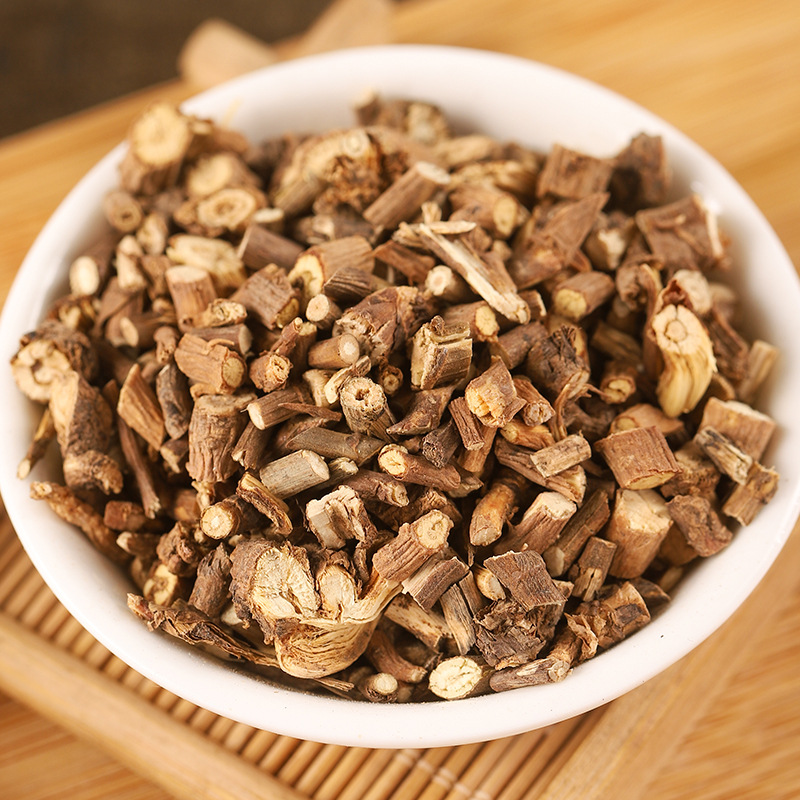
Fructus Aurantii Immaturus is the unripe fruit of the sour orange, trifoliate orange, or citron from the Rutaceae family. If the fruit is allowed to grow until it is nearly mature, it is cut open, the flesh is removed, and only the outer shell is used, which is then called Fructus Aurantii. It is one of the "Six Aged Medicinals" in traditional Chinese medicine. It is mainly produced in Sichuan, Jiangxi, Fujian, Zhejiang, Hunan, and other regions. It is often used raw or stir-fried.
I. Efficacy and Application
Immature Bitter Orange tastes bitter and sour, slightly cold. It belongs to the spleen, stomach, and large intestine meridians.
Efficacy can break qi and eliminate accumulation, dissolve phlegm and remove masses. Its characteristics include strong qi-breaking ability, good at unblocking the middle jiao, and eliminating accumulation and masses.
It is commonly used for the treatment of conditions such as internal stagnation, abdominal distension and pain, food accumulation and indigestion, constipation, chest obstruction, chest binding, and organ prolapse.
Summary of Masterpieces by Renowned Authors:
The Classic of Materia Medica: "It primarily treats severe wind in the skin that feels like hemp beans, causing bitter itching, eliminates cold and heat with binding heat, stops diarrhea, promotes muscle growth, benefits the five viscera, boosts qi, and lightens the body."
"Bie Lu": "Eliminates phlegm accumulation in the chest and hypochondrium, expels stagnant water, breaks up hard masses, reduces distension and fullness, alleviates acute pain and stuffiness below the heart, counteracts rebellious qi, relieves hypochondriac wind pain, stabilizes stomach qi, stops loose stools, and improves vision."
Changsha Medicine Explanation: "Dispel fullness and remove dampness, eliminate stagnation and restore clarity."
"Compendium of Materia Medica": "It functions to break qi. When qi moves, phlegm disperses, wheezing stops, distension and fullness dissipate, pain and stabbing sensations cease, and tenesmus is relieved. It treats chest impediment and chest bind, food accumulation and five diaphragms, phlegm aggregation and conglomeration, retching and counterflow, cough and panting, water swelling and rib-side distension, diarrhea and dysentery, strangury and blockage, hemorrhoid swelling and intestinal wind. It dispels wind and removes impediment, opens the stomach and fortifies the spleen."
II. Compatibility and Application
1. Used for food stagnation, abdominal pain and constipation, as well as diarrhea and dysentery with tenesmus. Bitter and pungent in nature, Citrus aurantium has a strong effect on promoting qi circulation, thus it can break qi, relieve distension, and eliminate stagnation. For treating indigestion, abdominal distension and fullness, and foul belching, it is often combined with digestant and stagnation-relieving herbs such as Hawthorn, Malt, and Medicated Leaven.
If treating heat binding constipation, abdominal pain and distension, it is often combined with Magnolia Officinalis and Rhubarb to promote qi movement, break up binding, drain heat, and promote bowel movement, which is the Minor Purgative Decoction.
If treating Yangming interior excess heat binding and abdominal excess pattern, it is often combined with Dahuang, Mangxiao, and Houpo, which is Dachengqi Decoction.
In the treatment of combined disease of Shaoyang and Yangming, presenting with alternating chills and fever, fullness and discomfort in the chest and hypochondrium, persistent vomiting, mild restlessness and depression, epigastric fullness and hardness, or epigastric fullness and pain, and constipation, it is often combined with Bupleurum, Rhubarb, Pinellia, etc., which is known as Major Bupleurum Decoction.
For the treatment of yang depression and reversal cold syndrome, with cold hands and feet, or abdominal pain, or diarrhea with tenesmus, or liver-spleen qi depression syndrome, presenting with distension and discomfort in the hypochondrium, and epigastric and abdominal pain, it is often combined with Bupleurum, Peony, and Licorice to harmonize the liver and spleen, expel pathogens and relieve depression, soothe the liver and regulate the spleen, which is known as the Four Counterflow Powder.
If treating spleen and stomach weakness, impaired transportation and transformation, with epigastric and abdominal fullness and distension after eating, it is often combined with Atractylodes macrocephala, employing both elimination and supplementation to strengthen the spleen and eliminate fullness, as seen in the Citrus and Atractylodes Pill.
If treating damp-heat accumulation and stagnation, with diarrhea and dysentery causing tenesmus, it is often combined with rhubarb, coptis, and scutellaria to purge heat, eliminate dampness, disperse accumulation, and guide out stagnation, as seen in the formula Zhishi Daozhi Wan.
2. For phlegm turbidity obstructing qi movement, chest and epigastric fullness and other conditions. Zhishi has the function of moving qi, dispelling phlegm, and relieving fullness. To treat chest yang deficiency with cold phlegm obstruction, presenting chest impediment accompanied by epigastric fullness and qi rising from the hypochondrium, it is often combined with Xiebai, Guizhi, Gualou, etc., as in the Zhishi Xiebai Gualou Decoction.
If treating epigastric fullness and distension, poor appetite, fatigue, and physical weakness, it is often combined with Magnolia officinalis, Pinellia ternata, and Atractylodes macrocephala, known as Zhishi Xiaopi Wan.
If treating post-illness relapse with fatigue, fever, and epigastric fullness and oppression, it is often combined with Gardenia and Fermented Soybean, known as Zhishi Zhizi Chi Decoction.
If treating postpartum abdominal pain, restlessness, fullness, and inability to lie down, it is often combined with peony to achieve the effects of dispelling wind, relieving pain, reducing fullness, and eliminating restlessness, known as Zhishi Shaoyao Powder.
If treating epigastric hardness as large as a plate with edges like a revolving cup, caused by water retention, it can also be decocted with Atractylodes macrocephala to drain water, eliminate fullness, dry earth, and tonify the middle, known as Zhizhu Decoction.
If treating stomach heat with abundant phlegm, stomach qi ascending counterflow, nausea and vomiting, chest and epigastric fullness and oppression, it is often combined with bamboo shavings and pinellia tuber, as in Warm the Gallbladder Decoction. This formula is also commonly used for insomnia, dizziness, and other patterns.
If treating liver qi invading the stomach with distending pain in both flanks, it is often combined with green tangerine peel and turmeric to collectively promote qi circulation, activate blood, relieve depression, and alleviate pain. For those with weak constitution and mild symptoms, bitter orange can be used instead of immature bitter orange.
In clinical practice, Shi Jinmo often pairs fried Zhishi and fried Zhiqiao for combined use. The combination of these two herbs regulates both qi and blood, directly unblocking the upper and lower parts of the body, thereby significantly enhancing the effect of regulating qi. This is indeed a reflection of practical experience.
In modern treatment of conditions such as gastric dilation, gastroptosis, rectal prolapse, and uterine prolapse, Fructus Aurantii Immaturus or Fructus Aurantii is often combined with qi-tonifying and lifting herbs like Astragalus, Cimicifuga, and Bupleurum to enhance the therapeutic effect.
III. Usage and Dosage
Fructus Aurantii Immaturus is often used in decoctions and can also be made into pills or powders. After stir-frying with bran, it is used in medicine to moderate its dispersing and breaking properties. The usual dosage in decoctions ranges from a few grams to over ten grams. However, when used for conditions such as visceral prolapse or intestinal wind with bleeding, large doses may instead exhibit lifting and ascending properties.
Wang Haogu said, "When combined with ginseng, atractylodes, and dried ginger, Fructus Aurantii Immaturus boosts qi; when combined with nitre, rhubarb, and morning glory, it breaks qi."
Huang Yuanyu said: "Stir-fry with bran until black, but do not let it scorch, then grind for use."
IV. Application Precautions
Immature Bitter Orange has the disadvantage of being dispersing, so it should be used with caution in those with weak spleen and stomach and in pregnant women.
Wang Ang said, "It is contraindicated for pregnant women and those with qi deficiency."
Zhang Yuansu said, "Fructus Aurantii drains the lung and travels to the large intestine; excessive use damages the supreme qi in the chest."
Attached Medicine: The Efficacy and Application of Bitter Orange Peel
The efficacy of Fructus Aurantii is similar to that of Fructus Aurantii Immaturus, but its action is milder, primarily focusing on promoting qi flow, soothing the chest, and relieving distension. Compared to Fructus Aurantii Immaturus, Fructus Aurantii is like Pericarpium Citri Reticulatae and Pericarpium Citri Reticulatae Viride; both are more potent when unripe, but their medicinal strength becomes much milder after ripening.
"Yanyi": "Zhiqiao and Zhishi are the same thing. The smaller ones are fierce and fast-acting, while the larger ones are detailed and slow-acting. Therefore, in treating sudden-onset diseases like cold damage, Zhang Zhongjing used Zhishi in the Chengqi Decoction, which reflects this principle. Both are used for their ability to dredge, drain, and break up solid accumulations. In other formulas, they are used to guide and disperse stagnant wind and qi, and can be taken regularly, so Zhiqiao is used. Hence, for chest fullness, there is Jiegeng Zhiqiao Decoction; for epigastric fullness, there is Zhishi Baizhu Decoction. The distinction between high and low is detailed and established by Yi Lao."
Materia Medica Theory: "The shell, high, treats diseases of the skin, hair, chest, and diaphragm; the fruit, low, treats diseases of the heart and stomach. Their main therapeutic effects are largely similar with minor differences."
Medicine Classification and Image of Properties: "Immature Bitter Orange treats lower body and governs blood, while Bitter Orange treats upper body and governs qi."
"Compendium of Materia Medica": "In ancient times, the shell and fruit were not distinguished; it was during the Wei and Jin dynasties that they began to be used separately. Jiegu and Dongyuan first distinguished that the shell treats the upper body and the fruit treats the lower body. Haizang further distinguished that the shell primarily treats qi, while the fruit primarily treats blood. However, Zhongjing used Zhishi to treat chest impediment and fullness in the upper burner, and various formulas use Zhiqiao for heavy bleeding, dysentery, hemorrhoids, and constipation. Thus, the fruit does not exclusively treat the lower body, nor does the shell exclusively treat the upper body."
Compendium of Materia Medica: "Fructus Aurantii Immaturus benefits the chest and diaphragm, Fructus Aurantii soothes the stomach and intestines. Fructus Aurantii Immaturus is potent and is used in both Major and Minor Chengqi Decoctions; Fructus Aurantii is milder and slightly different. Thick-skinned and small is Fructus Aurantii Immaturus, thin-shelled, hollow, and large is Fructus Aurantii. Both are better when aged."
Practical Notes on Traditional Chinese Medicine: Second Draft on the Evening of January 20, 2021