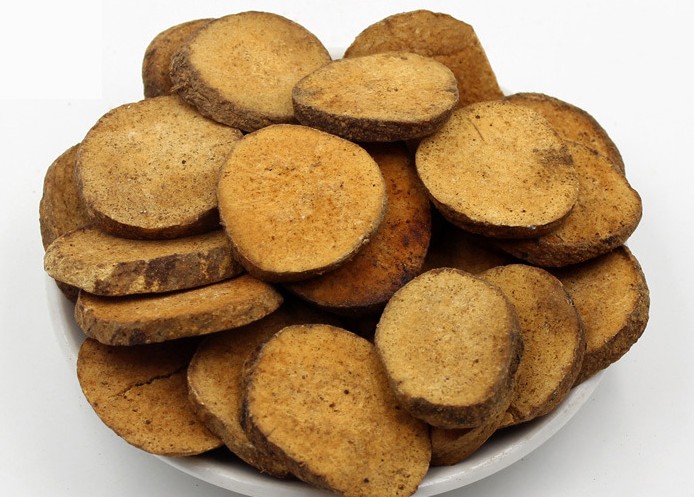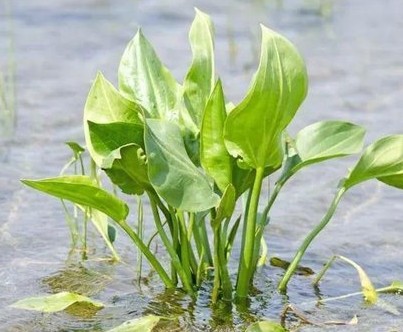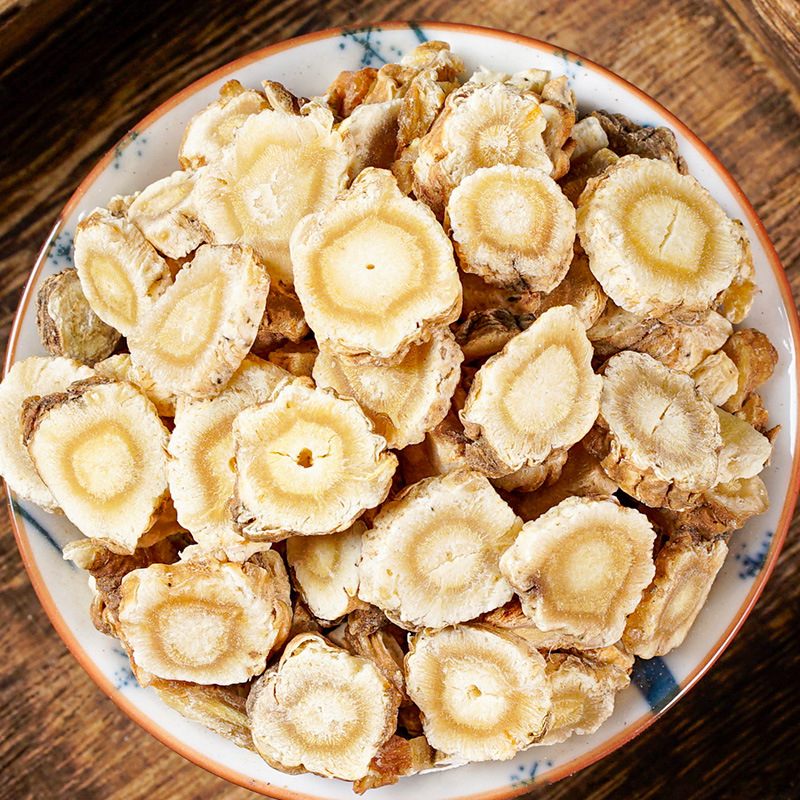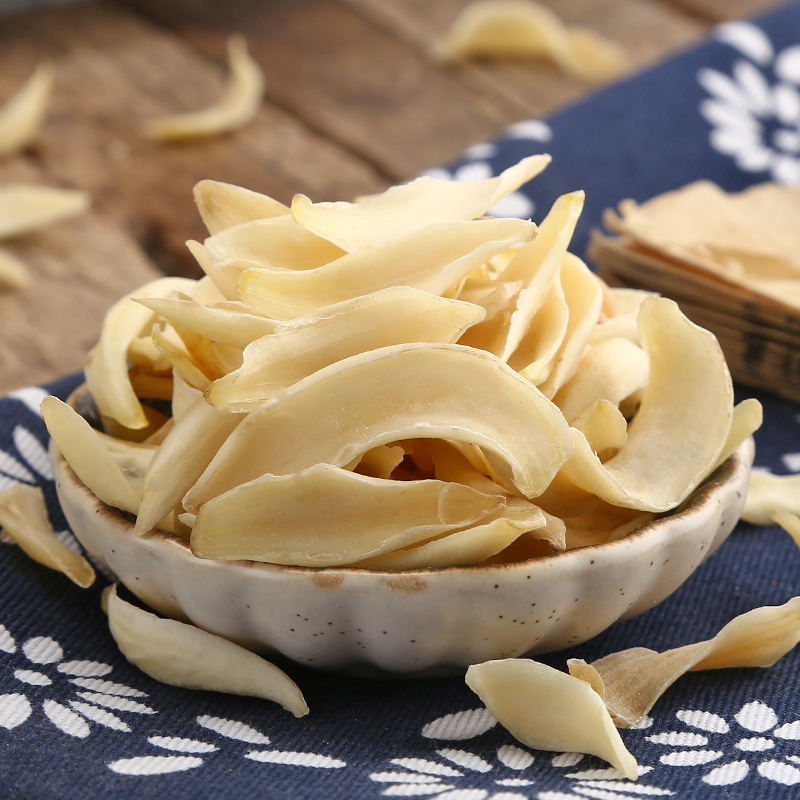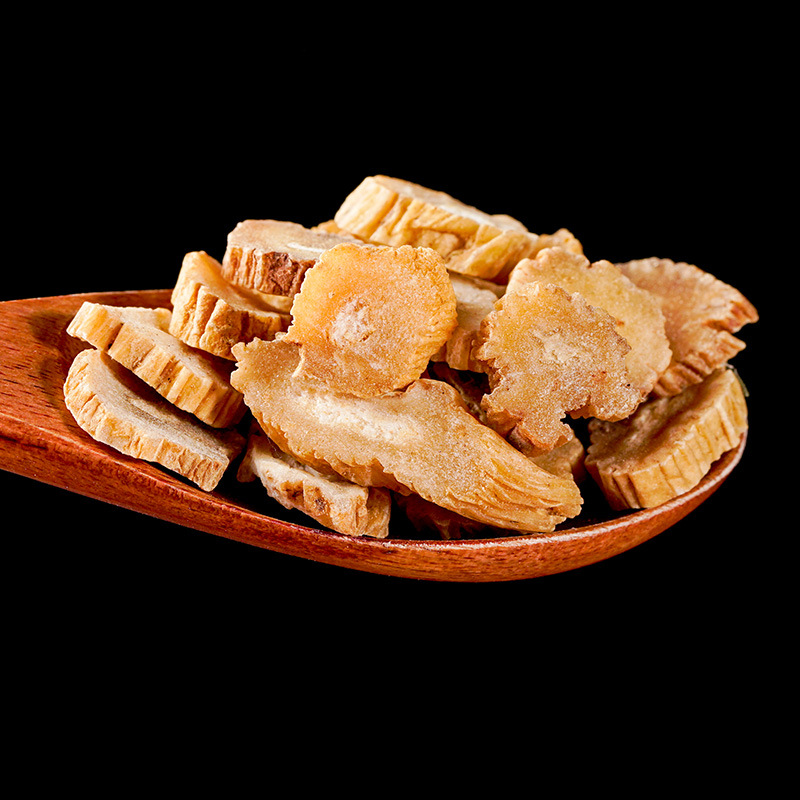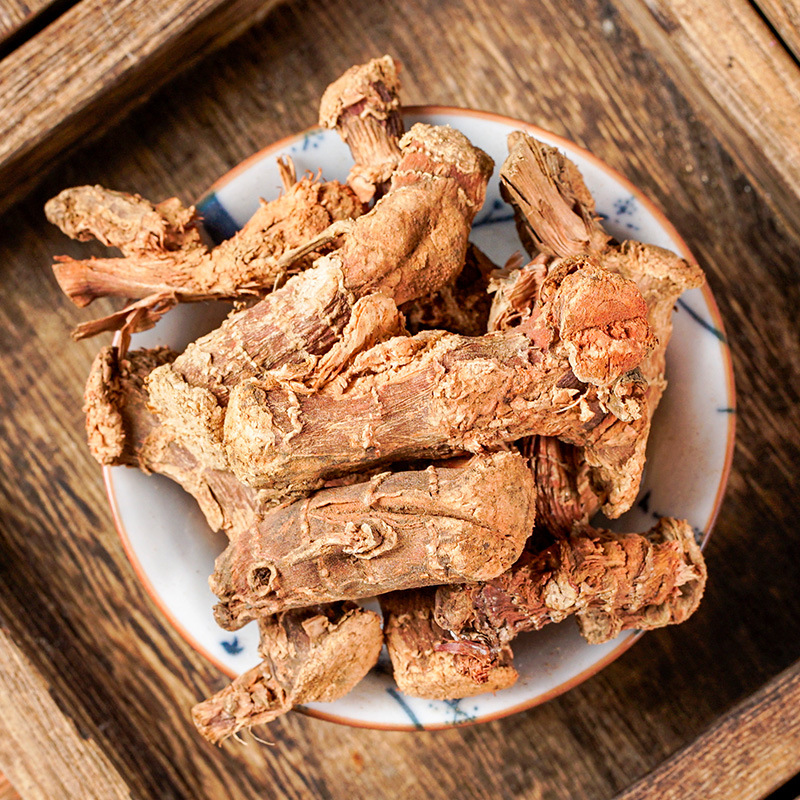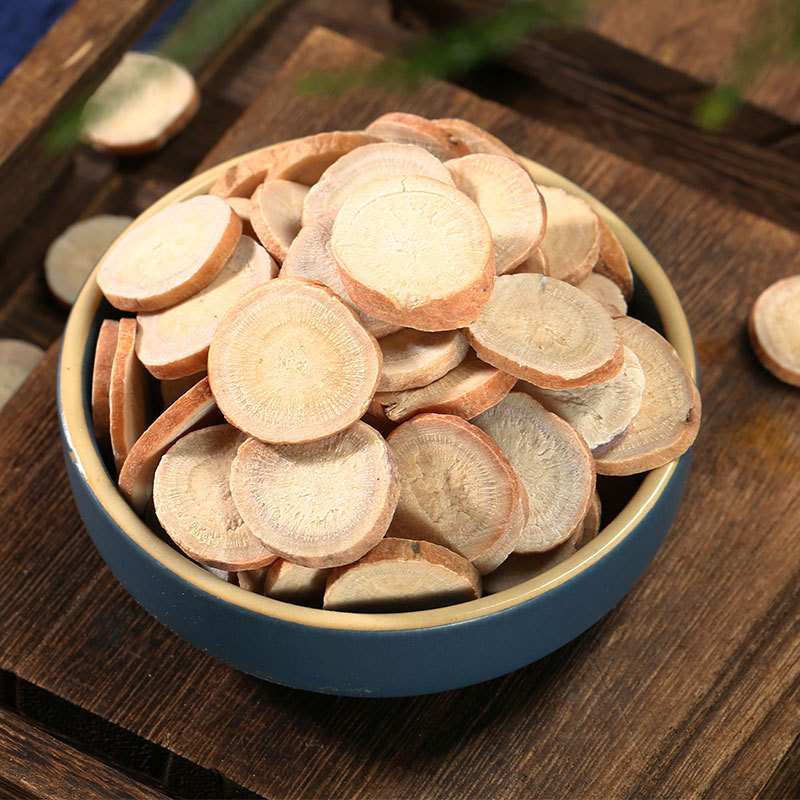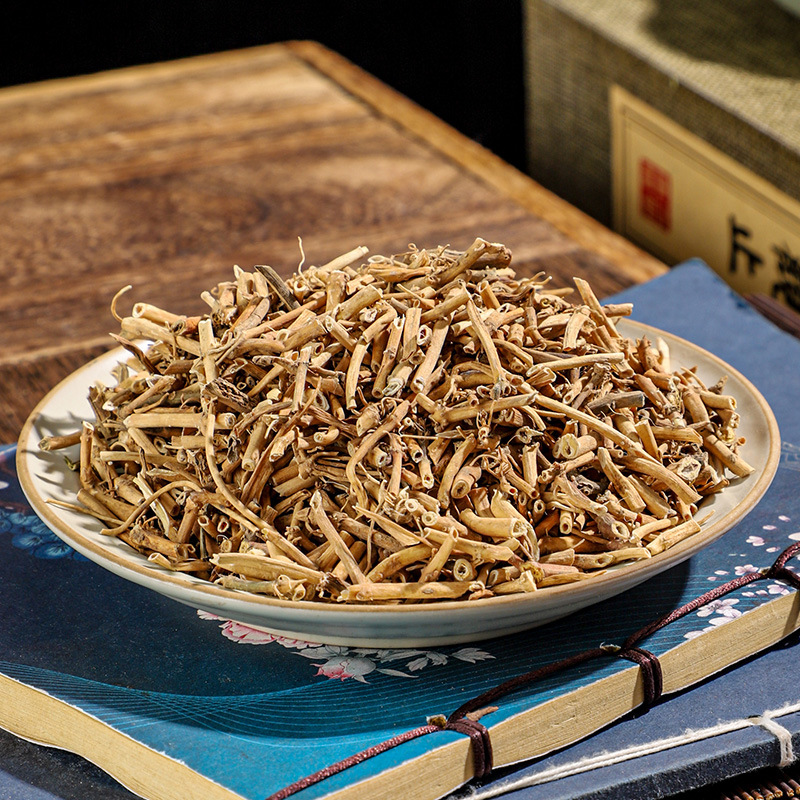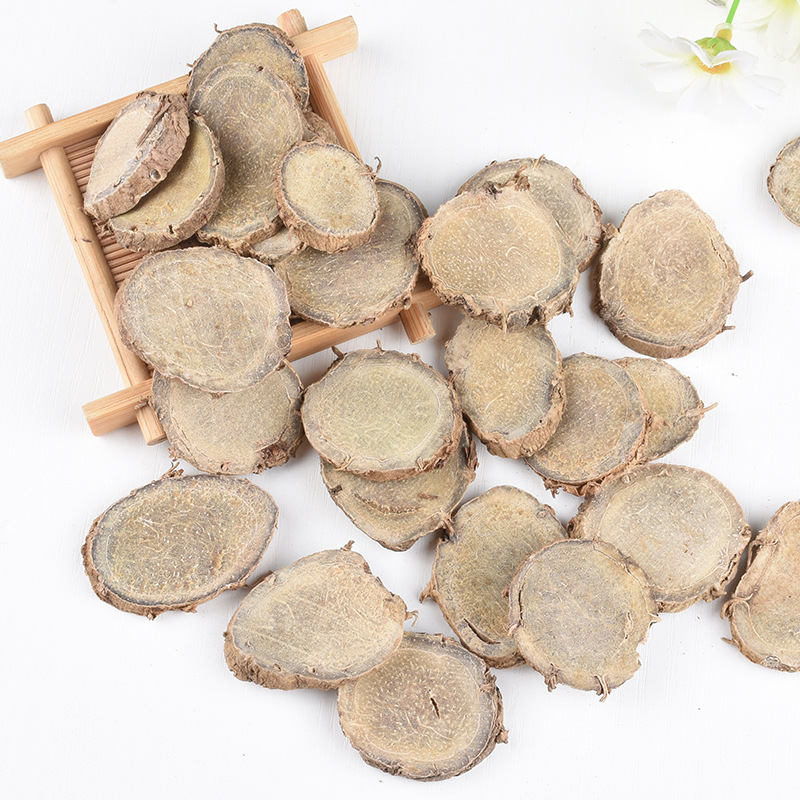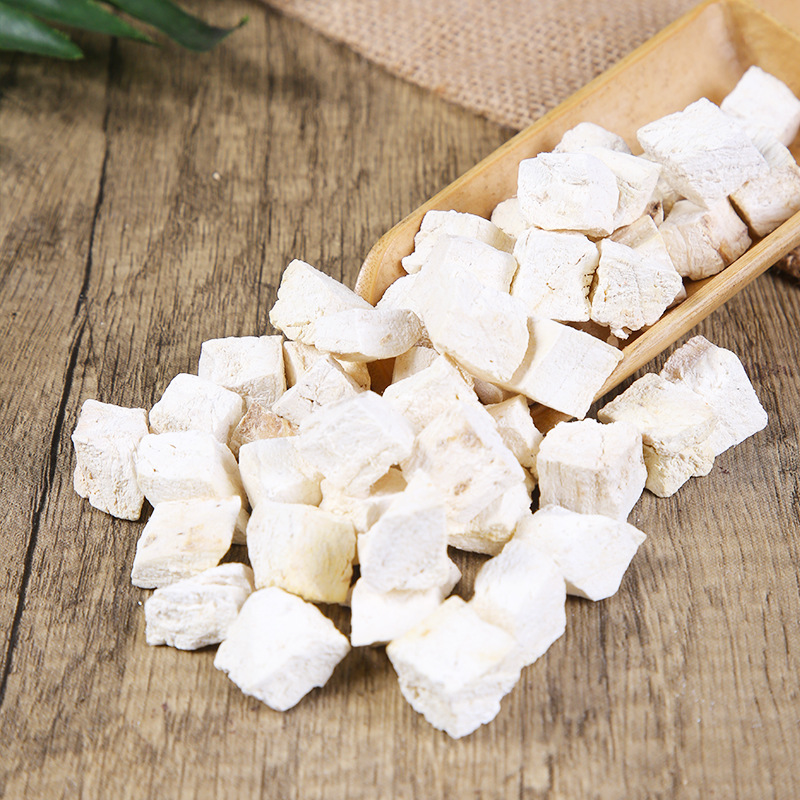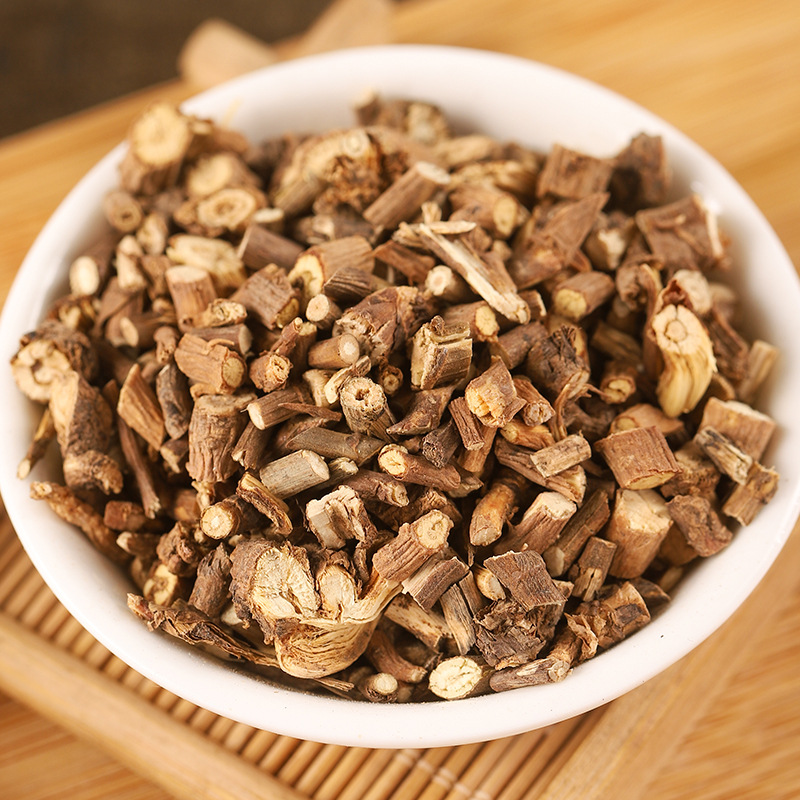
Alisma is the tuber of the perennial swamp plant Alisma orientale. Aquatic plants inherently possess the property of regulating water, and Alisma also has the function of promoting excretion and moistening, hence its name. It is mainly produced in Fujian, Sichuan, Jiangxi, and other regions. To counteract its cold nature, it is often stir-fried with bran or salt water.
I. Efficacy and Application
Alisma orientalis tastes sweet and bland, and is cold in nature. It belongs to the kidney and bladder meridians.
Efficacy It can promote diuresis and drain dampness, drain heat, and transform turbidity and lower lipids. Its characteristic is that it is good at clearing damp-heat in the lower jiao and draining heat from the kidney and bladder. Li Dongyuan said it is the sacred medicine for eliminating dampness; Wang Ang said, "It drains fire evil from the kidney channel and is particularly effective in promoting diuresis and moving water"; Huang Yuanyu said, "Alisma is salty and cold, promoting drainage and diuresis, moving to the water fu and opening blockages and retention of urine, compared to the mild drainage of Poria and Polyporus, it is even more rapid."
It is commonly used for the treatment of conditions such as dysuria, edema and abdominal distension, diarrhea with scanty urine, dizziness due to phlegm retention, painful and difficult urination due to heat strangury, hyperlipidemia, and other syndromes.
Summary of Famous Works by Renowned Authors:
The Classic of Materia Medica: "It primarily treats wind-cold-damp impediment, difficult lactation, and disperses water."
Rihuazi Materia Medica: "It governs dizziness and tinnitus due to deficiency."
"Ben Cao Meng Quan": "Although excessive consumption of Alisma may cause blurred vision, short-term use can also improve eyesight. What is the reason for this? It is because it expels stagnant water and removes accumulated impurities, thus improving eyesight; however, excessive urination depletes kidney qi, leading to blurred vision. These two aspects must be understood."
Compendium of Materia Medica: "Promotes the elimination of damp-heat, resolves phlegm and fluid retention, stops vomiting, treats diarrhea and dysentery, alleviates hernia pain, and addresses beriberi."
"Changsha Medicine Explanation": "Drying earth to drain dampness, promoting diuresis and relieving strangury, eliminating dizziness and vertigo in those with fluid retention, treating dryness and thirst in dampness diseases, effective for qi distension and water swelling, and beneficial for diaphragmatic obstruction and regurgitation."
"Compendium of Materia Medica": "Treats wasting-thirst, phlegm-rheum, vomiting, diarrhea and dysentery, swelling and distension, water stagnation, beriberi, hernia pain, dribbling urination, yin sweating, hematuria, seminal emission, and damp-heat diseases."
II. Compatibility and Application
1. Used for kidney deficiency with difficult urination, edema, diarrhea, phlegm retention, and other syndromes of water-dampness overflow. Alisma is sweet and bland, promoting diuresis and particularly effective in promoting urination. For treating water retention syndrome due to impaired bladder qi transformation, it is often combined with Poria, Polyporus, and Cinnamon Twig, as in the Five-Ingredient Powder with Poria.
If treating spleen and stomach injury from cold, with persistent diarrhea, the combination of Wuling Powder and Pingwei Powder is commonly used, known as Weiling Decoction.
If treating kidney yin deficiency with inhibited urination, it is often combined with Cornus officinalis, Dioscorea opposita, and Moutan bark, which is the Six-Ingredient Rehmannia Pill.
If treating kidney yang deficiency with difficult urination, add cinnamon and aconite to the Six-Ingredient Pill to form the Kidney Qi Pill.
If treating dysuria with significant lower limb edema, add Achyranthes bidentata and Plantago asiatica to the Kidney Qi Pills, which becomes Jisheng Shenqi Pills.
If treating ascites due to water distension or blood distension, it is often combined with Ze Lan, also known as "Two Ze." Ze Xie promotes diuresis, drains dampness, and clears heat, while Ze Lan activates blood circulation, dispels stasis, and also promotes diuresis to reduce swelling. The combination of these two herbs enhances the effects of promoting diuresis, activating blood circulation, and reducing swelling.
If treating the condition of fluid retention below the heart, where the patient suffers from dizziness and vertigo, it is often combined with Atractylodes macrocephala, known as the Alisma Decoction. This formula is commonly used in modern times to treat endocrine dysfunction, arteriosclerosis, hypertension, and other diseases accompanied by fluid retention below the heart and difficulty in urination, with significant therapeutic effects.
Professor Zhu Liangchun treats hyperlipidemia, simple obesity, fatty liver, and other conditions by modifying the Zexie Decoction with additional herbs such as Astragalus, Epimedium, Coix Seed, Winter Melon Seed, and Lotus Leaf. This modified formula is named the Lipid-Lowering and Weight-Loss Decoction. It can also be used to treat Meniere's disease. If vomiting is severe, Pinellia can be added.
Huang Yuanyu said, "When fluid accumulates below the heart, it obstructs the pathway for yang qi to descend. As yang fails to take root in yin, it rises and rotates, leading to mental confusion and dizziness. This occurs due to dampness in the earth element, which fails to control water, causing the upward overflow of fluid retention. Alisma drains the water, while Atractylodes dries the earth."
2. For damp-heat in the lower jiao, strangury and other syndromes. Alisma orientalis is cold in nature and can drain heat from the kidney and bladder. For treating damp-heat in the lower jiao, it is often combined with Poria cocos, Polyporus umbellatus, Talcum, etc., as in the Polyporus Decoction.
Professor Zhu Liangchun often combines Alisma with Cirsium japonicum, Cirsium setosum, and Sanguisorba officinalis charcoal to treat hematuria; for kidney stones, he frequently pairs it with Lysimachia christinae, Polyporus umbellatus, and mirabilite.
III. Usage and Dosage
Alisma is often used in decoctions and can also be made into pills or powders. The usual dosage in decoctions ranges from a few grams to over ten grams; if it is the main ingredient in a prescription, it can also be used in amounts of several tens of grams or more.
Professor Zhu Liangchun used the Ze Xie Decoction, which consists of 50 grams of Alisma orientale and 20 grams of Atractylodes macrocephala. According to Professor Zhu's experience, when Alisma orientale is used in decoctions at a dosage of 30 grams or more, it not only promotes diuresis but also facilitates bowel movements. Therefore, when using Alisma orientale to lower lipids and aid in weight loss, a larger dosage is required. To mitigate its potential side effects, it can be combined with tonifying herbs such as Atractylodes lancea, Atractylodes macrocephala, or Astragalus membranaceus.
IV. Application Precautions
Alisma is cold in nature and promotes diuresis, so it is contraindicated for those with kidney deficiency, spermatorrhea, and no damp-heat.
Bian Que said: "If taken in excess, the patient will go blind."
Li Dongyuan said: "For treating dribbling urination and removing sweat from the private parts. If taken without such ailment, it can cause blindness."
Wang Ang said: "Excessive consumption impairs vision. This is due to excessive urination leading to deficiency of kidney water."
Practical Notes on Traditional Chinese Medicine: Second Draft on the Evening of January 25, 2021