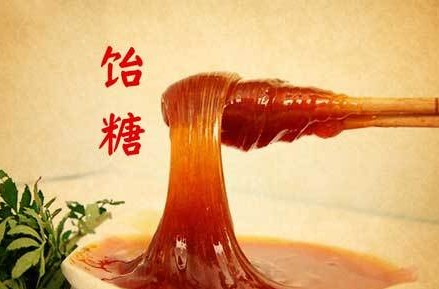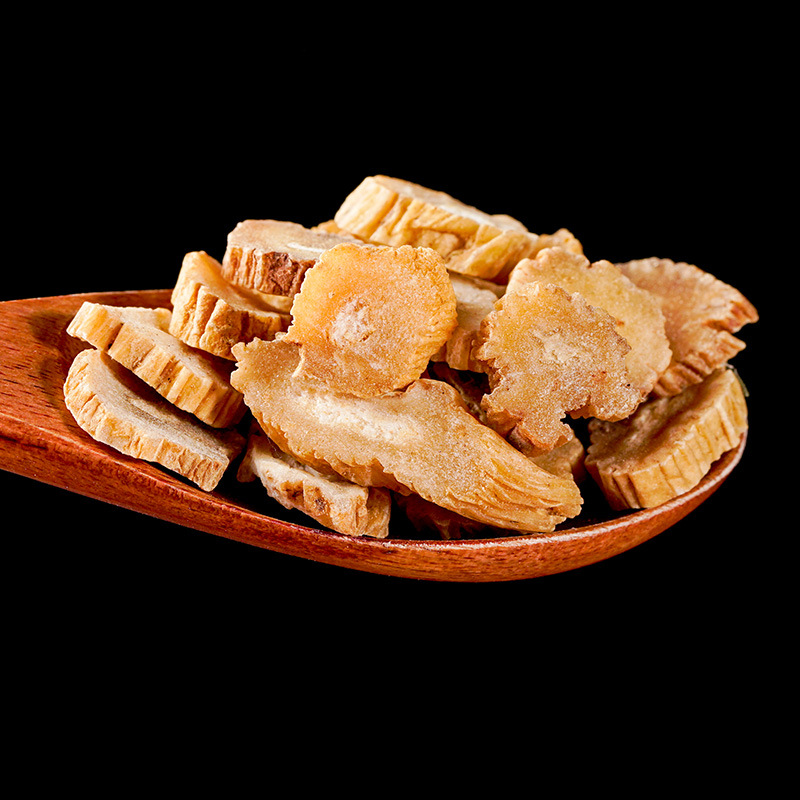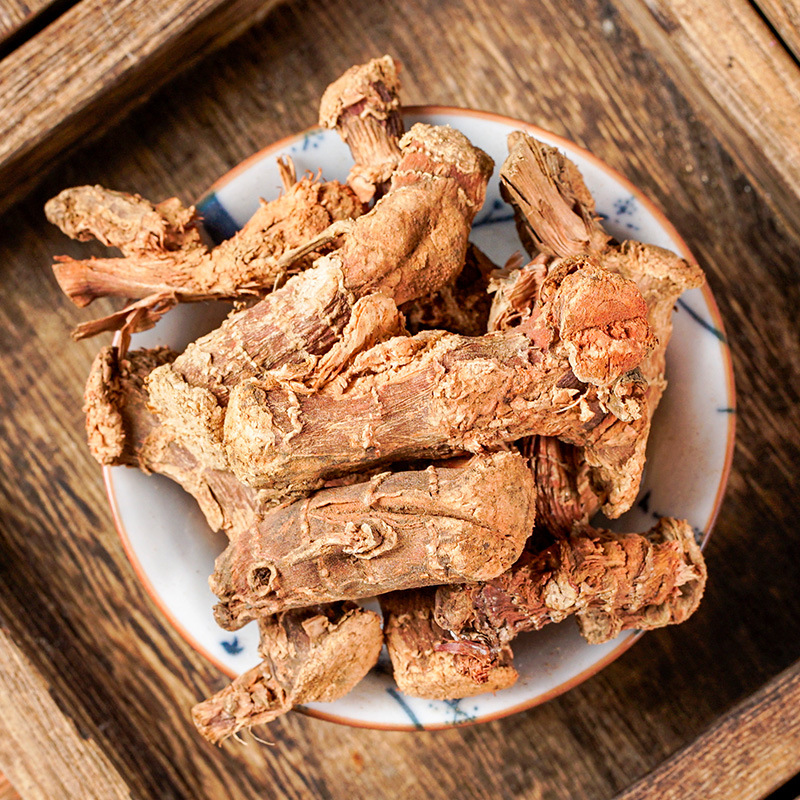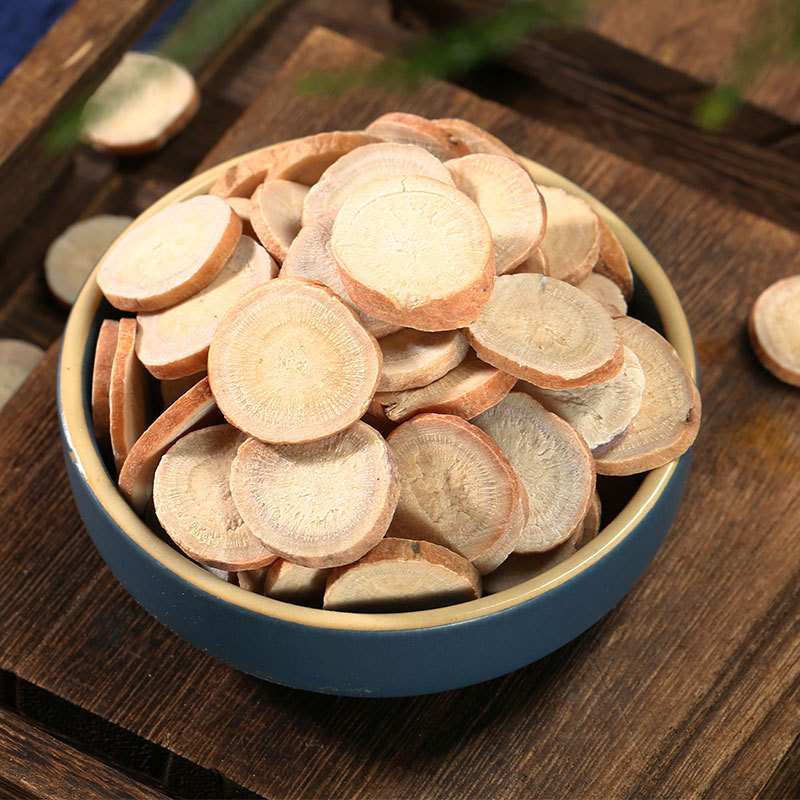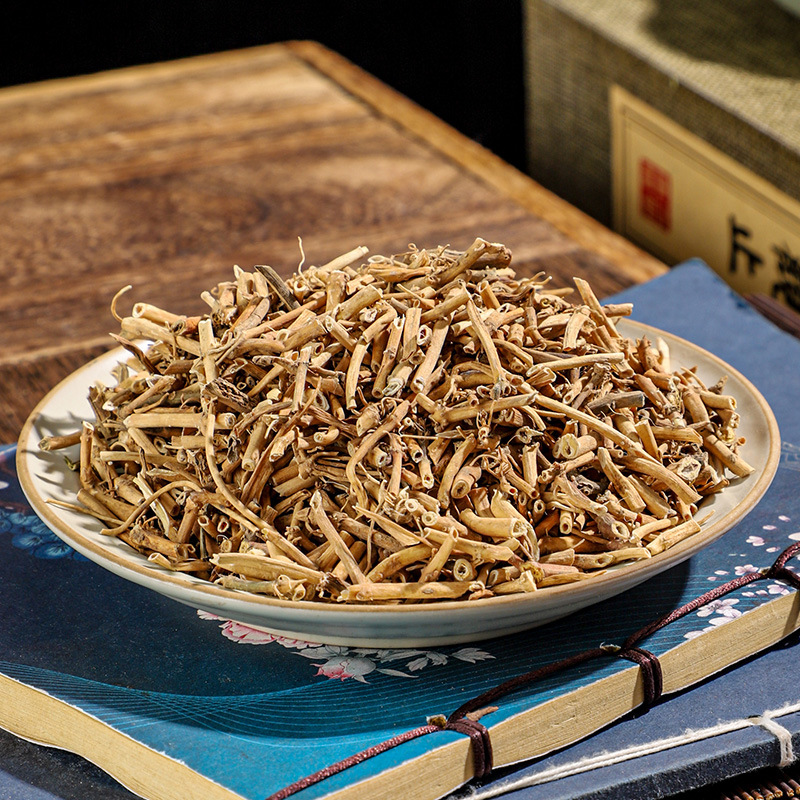
Maltose, also known as jiaoyi, is what we call malt sugar today. Nowadays, it is rarely consumed directly and is not commonly used in medicine. In ancient times, due to the poverty of the people, it was actually an excellent tonic for deficiency.
I. Efficacy and Application
Maltose has a sweet taste and a warm nature. It belongs to the spleen, stomach, and lung meridians.
Efficacy It can tonify the spleen and replenish qi, relieve acute pain, and moisten the lungs to stop coughing. Its characteristic is particularly effective in tonifying deficiency and relieving acute pain.
Commonly used for the treatment of deficiency syndromes such as spleen and stomach qi deficiency, deficiency cold in the middle jiao, chronic cough due to lung deficiency, shortness of breath, and wheezing.
Summary of Famous Works by Renowned Authors:
Bie Lu: "Tonify deficiency and fatigue, quench thirst, remove blood."
Qianjin Yaofang: "Tonify deficiency cold, cover qi and strength, stop intestinal rumbling and throat pain, eliminate spitting of blood, remove cough."
Changsha Materia Medica: Its function is specifically to support the spleen, with the power to fortify the middle. It enters the Taiyin channel to replenish spleen essence, travels through the Yangming channel to transform stomach qi, generates fluids to moisten the dryness of the Xin metal, nourishes blood to soothe the wind of the Yi wood. It excels at alleviating internal urgency and is most effective in stopping abdominal pain.
II. Compatibility and Application
1. For tonifying deficiency, relieving urgency and alleviating pain. Maltose can tonify the spleen and replenish qi, relieve urgency and alleviate pain. For treating deficiency fatigue with internal urgency and abdominal pain, it is often combined with cinnamon twigs, peony root, licorice, etc., which is the famous deficiency-tonifying formula Xiao Jian Zhong Tang. By modifying this formula, many famous deficiency-tonifying formulas can be derived, such as Huang Qi Jian Zhong Tang, Dang Gui Jian Zhong Tang, Fu Zi Jian Zhong Tang, etc.
If treating cold pain in the chest and abdomen, it is often combined with Sichuan pepper, dried ginger, and ginseng, known as Dajianzhong Decoction.
"Continuation of the Materia Medica": The efficacy of maltose is attributed to licorice and honey, thus it can alleviate various acute conditions. Examining the indications of Xiao Jianzhong Tang, it is noted for abdominal acute pain, also for internal urgency, and for women's abdominal pain. Da Jianzhong Tang is indicated for pain in the upper and lower abdomen that cannot be touched. Huangqi Jianzhong Tang is indicated for internal urgency. Based on these three formulas, maltose can treat internal urgency. Abdominal pain and abdominal acute pain are indeed manifestations of internal urgency.
2. For cough due to lung deficiency, dry cough without phlegm, shortness of breath and asthma, etc. Maltose can tonify deficiency, moisten the lungs, and relieve cough. It can be used alone or often combined with cough-relieving and asthma-calming herbs such as apricot kernel and stemona root.
III. Usage and Dosage
Maltose is often used in decoctions, and can also be made into pills or boiled into paste. The usual dosage in decoctions ranges from over ten grams to several tens of grams. It is dissolved in the prepared Chinese medicine decoction for consumption or taken alone.
Jujube, honey, and maltose are all common foods in people's daily lives, known for their sweet and warm properties that nourish deficiencies and are rich in nutrients. In ancient times, due to the hardships of life, poverty, and malnutrition among the common people, these foods were used more frequently and held greater clinical significance. However, in modern times, with superior living conditions and widespread overnutrition, as well as a higher prevalence of "three highs" (high blood pressure, high blood sugar, and high cholesterol) constitutions, the application of these sweet and warm tonics is not as widespread as it was in ancient times.
IV. Precautions
Maltose can promote dampness and generate heat, causing abdominal fullness, so it is not suitable for conditions such as internal stagnation of damp-heat, abdominal fullness with vomiting, phlegm-heat cough, and infantile malnutrition.
Practical Notes on Traditional Chinese Medicine: Second Draft on the Evening of January 24, 2021