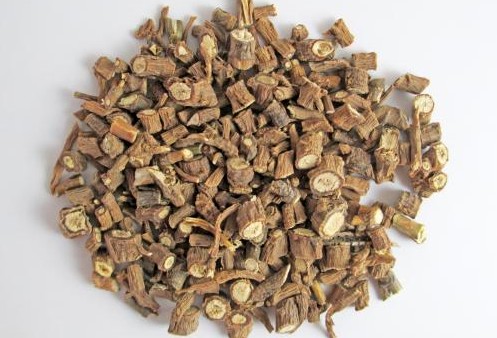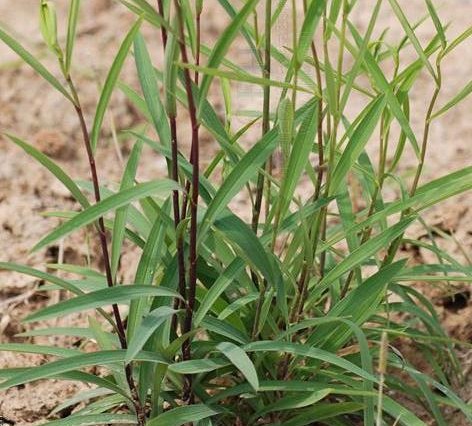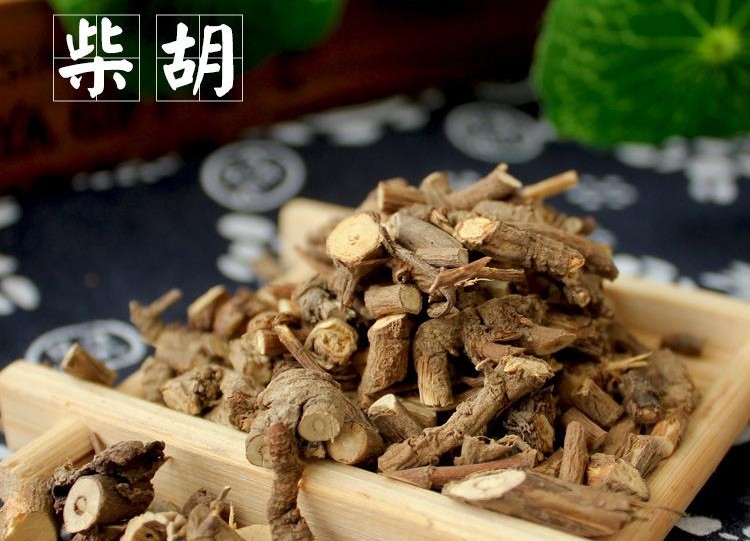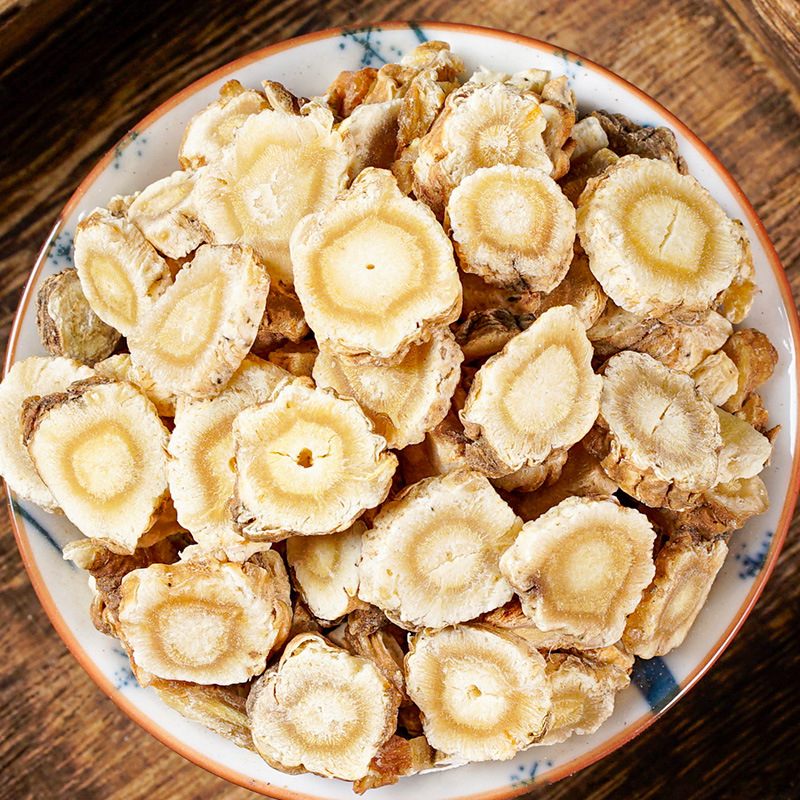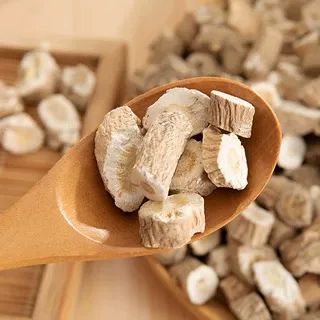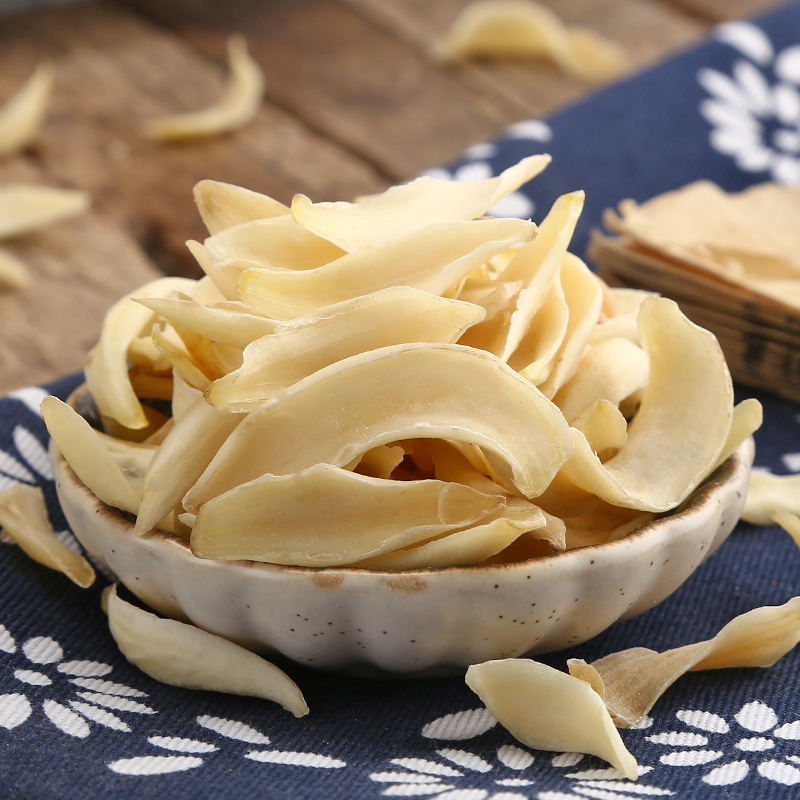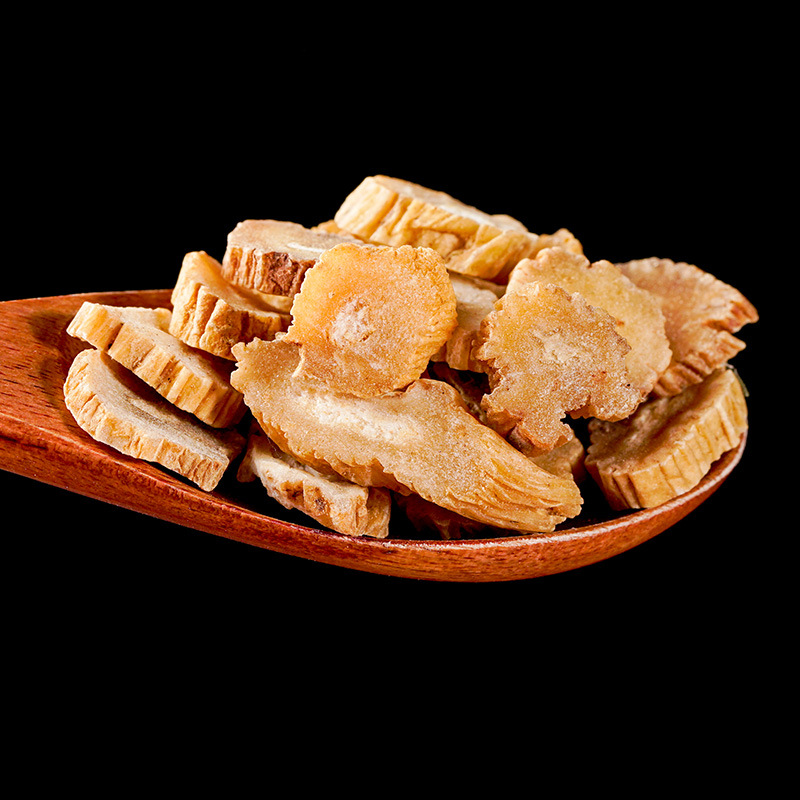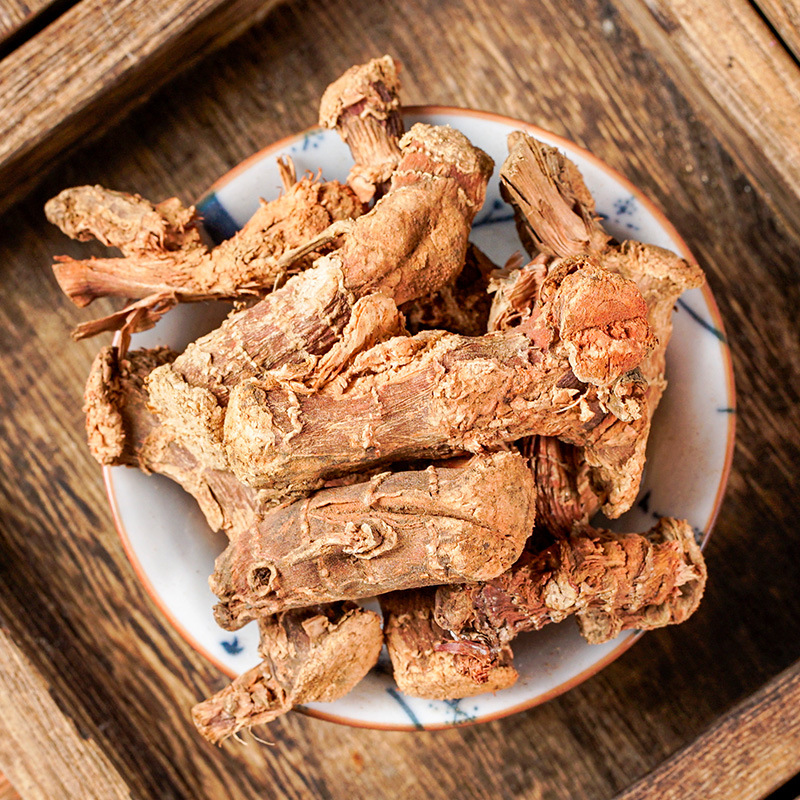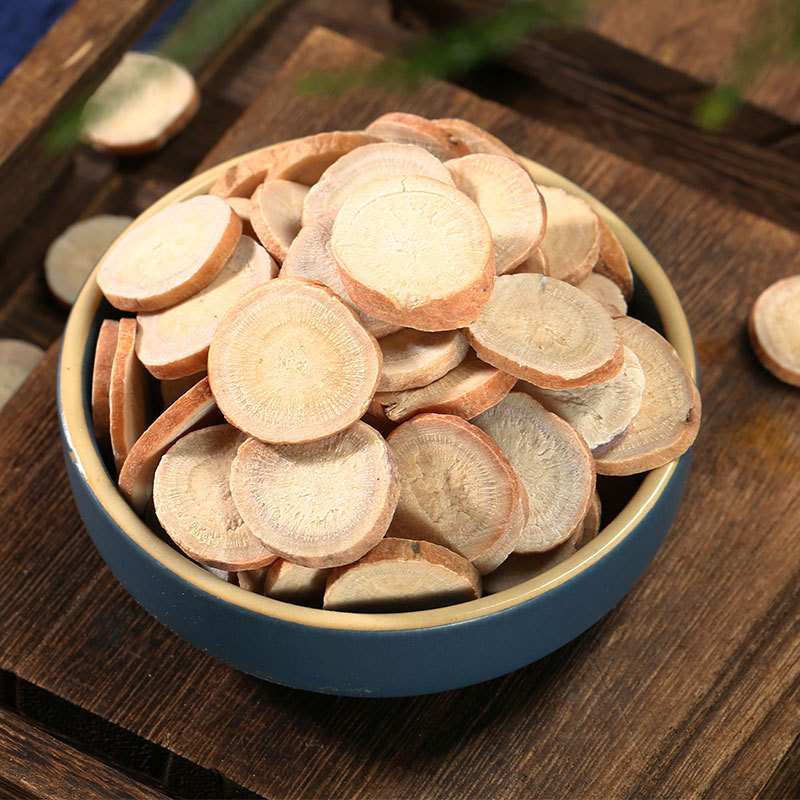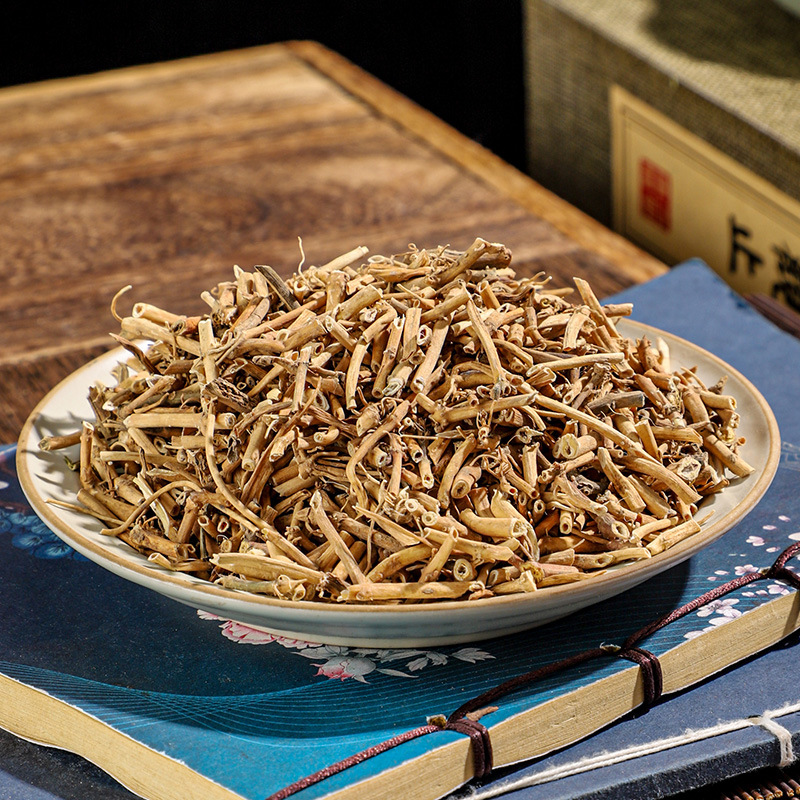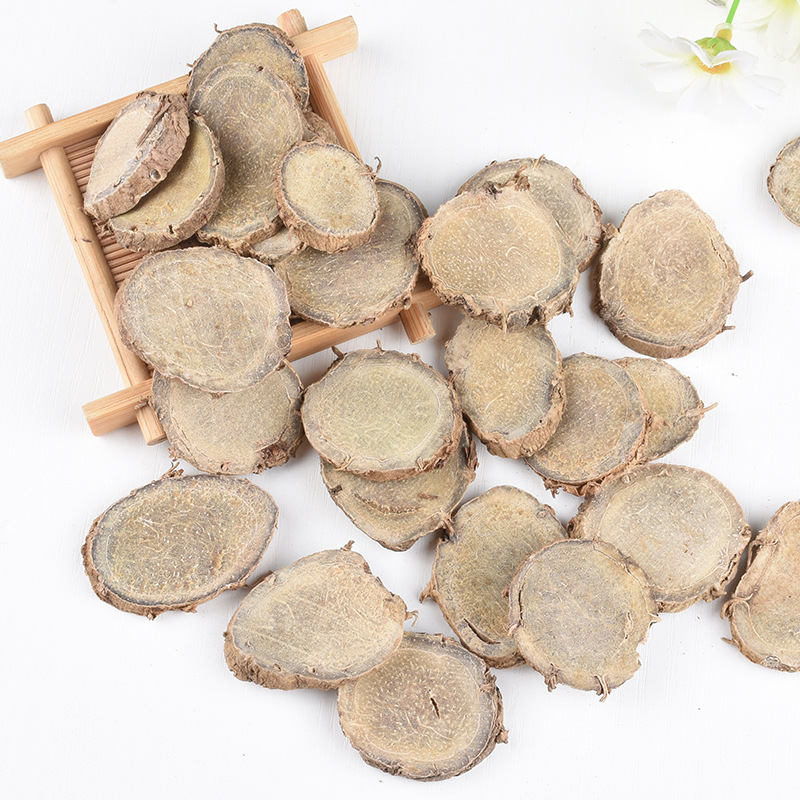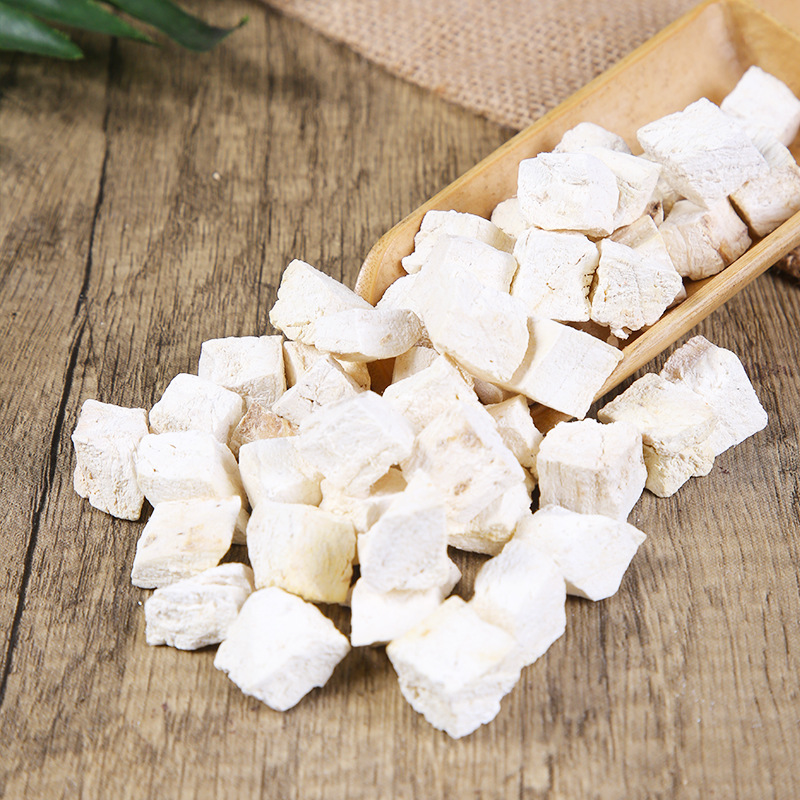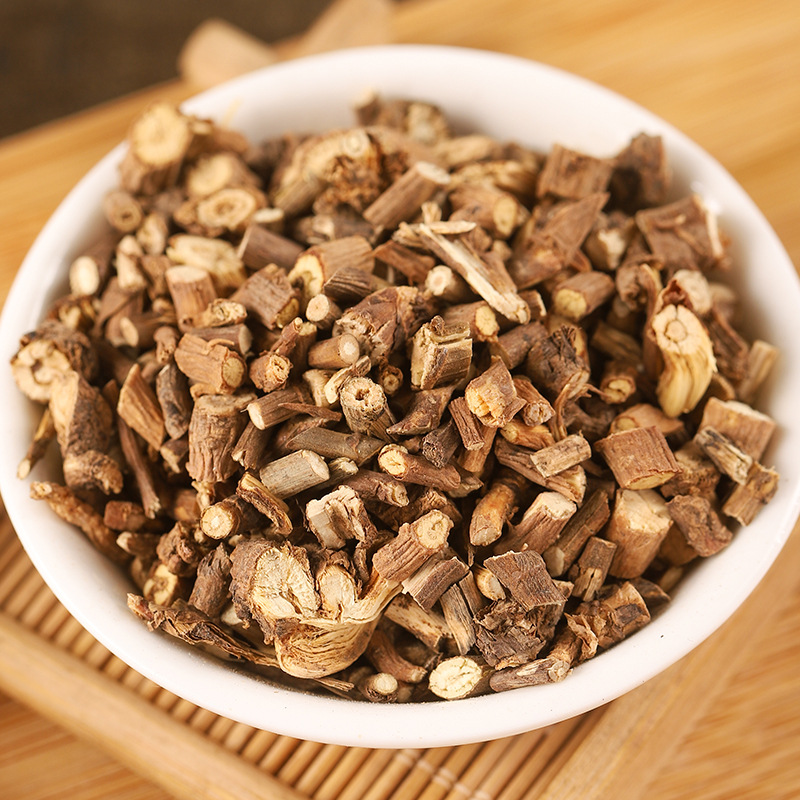
Bupleurum is the root or whole plant of Bupleurum chinense and Bupleurum scorzonerifolium from the Apiaceae family. It is mainly produced in Liaoning, Heilongjiang, Hunan, Shanxi, and other regions. There are two types: Northern Bupleurum and Southern Bupleurum, with Northern Bupleurum being of superior quality. It is commonly used raw, stir-fried with wine, or stir-fried with vinegar.
I. Efficacy and Application
Bupleurum tastes bitter and pungent, slightly cold. Its qi and flavor are both light, embodying the ascending and dispersing qi of Shaoyang. It enters the Pericardium, Liver, Triple Burner, and Gallbladder meridians.
Efficacy It can harmonize and reduce fever, soothe the liver and relieve depression, and lift yang qi. Its characteristic is that it is good at ascending and promoting, eliminating the old and bringing forth the new, making it an essential herb for soothing liver depression and harmonizing Shaoyang.
Commonly used for cold and fever, alternating chills and fever, distending pain in the chest and hypochondrium, irregular menstruation, uterine prolapse, or stagnation of qi in the heart, abdomen, and intestines, or food accumulation, or conditions caused by the accumulation of water, heat, food, and blood, Bupleurum is suitable for formulation and application, making it one of the most frequently used traditional Chinese medicines in clinical practice.
Summary of Famous Works by Renowned Authors
The Classic of Materia Medica: "It governs the binding qi in the heart, abdomen, stomach, and intestines, accumulation of food and drink, cold and heat evil qi, eliminating the old to bring forth the new."
Materia Medica: "It is indicated for seasonal diseases with unresolved internal and external heat."
Ben Cao Zheng Yi: "It is used for its cooling and dispersing properties to calm liver heat. Its nature is cool, thus it resolves alternating chills and fever, tidal fever on the body surface, blazing fire of the liver and gallbladder, pain and masses in the chest and hypochondrium, and also treats sores and ulcers, and heat in the blood chamber; its nature is dispersing, thus it primarily treats unresolved pathogenic heat in cold damage, intense heat in warm disease, shaoyang headache, and liver channel stagnation syndrome."
"Changsha Materia Medica": "It clears the stagnant fire in the gallbladder meridian, purges the vexing heat from the heart, circulates through the exterior and interior, yin and yang, and takes effect at the juncture of alternating chills and fever. It ascends to the head and eyes to stop dizziness, descends to the chest and flanks to dissipate hardness and fullness. It is most effective for bitter taste in the mouth and dry throat, and remarkably effective for red eyes and hot ears. It lowers the rebellion of the gallbladder and stomach, raises the sinking of the liver and spleen. It is an excellent remedy for epigastric fullness and pain, and a divine elixir for stagnant heat in the blood chamber."
"Compendium of Materia Medica": "It primarily treats the sinking of yang qi, can guide clear qi upward, and pacify the pathogenic heat of Shaoyang and Jueyin, promoting the flow of qi and blood, dispersing stagnation, and regulating menstruation. It serves as a surface-relieving herb for the foot Shaoyang meridian. It is used to treat febrile diseases with pathogenic heat, phlegm-heat accumulation, consumptive fever with muscle heat, vomiting, and restlessness. It addresses various types of malaria with alternating chills and fever, dizziness, red eyes, chest and hypochondriac pain, bitter taste in the mouth, deafness, and women's heat entering the blood chamber."
"Medical Records Combining Chinese and Western Medicine": "Bupleurum is the primary herb for the Foot Shaoyang meridian and also treats the Foot Jueyin meridian. For those with stagnant liver qi, it can soothe it; for those with intense gallbladder fire, it can disperse it; and for external pathogens affecting Shaoyang, it can assist in facilitating the pivot to penetrate the diaphragm and ascend outward."
II. Compatibility and Application
1. For cold damage with pathogenic factors in the Shaoyang channel, alternating chills and fever, fullness and discomfort in the chest and hypochondrium, bitter taste in the mouth, dry throat, dizziness, and other symptoms. Bupleurum can disperse pathogenic factors from the half-exterior and half-interior, making it an essential herb for treating Shaoyang syndrome. To treat the above symptoms, it is often combined with Scutellaria baicalensis, Pinellia ternata, Panax ginseng, and Glycyrrhiza uralensis, forming the Xiao Chai Hu Tang (Minor Bupleurum Decoction). Nowadays, there is a ready-made Xiao Chai Hu Granule, which is convenient for treating external infections presenting with fever, bitter taste in the mouth, or alternating chills and fever.
In the treatment of external pathogenic fever, the large dosage of Bupleurum has a significant effect in promoting surface penetration and clearing heat, often combined with licorice and other herbs, known as Bupleurum Powder.
If treating external contraction of wind-cold that has stagnated and transformed into heat, with symptoms such as gradually decreasing aversion to cold, increasing body heat, absence of sweating, headache, eye pain, dry nose, restlessness, and insomnia, it is often combined with Gegen (Puerariae Lobatae Radix), Baizhi (Angelicae Dahuricae Radix), Shigao (Gypsum Fibrosum), Qianghuo (Notopterygii Rhizoma et Radix), and Huangqin (Scutellariae Radix) to collectively achieve the effects of dispersing wind-heat, releasing the muscles, and clearing heat, as seen in the formula Chai Ge Jie Ji Tang.
2. For liver qi stagnation, distending pain in the hypochondrium, headache, irregular menstruation, dysmenorrhea, and other syndromes. In small doses, Bupleurum is used to regulate liver qi and soothe liver stagnation. For liver stagnation with blood deficiency and spleen weakness, presenting with pain in both hypochondria, headache, dizziness, dry mouth and throat, fatigue, poor appetite, irregular menstruation, breast distension and pain, and a wiry and weak pulse, it is often combined with white peony root, Chinese angelica, and white atractylodes to achieve the effects of soothing the liver, strengthening the spleen, nourishing blood, and regulating menstruation, as seen in the formula Xiaoyao San (Free Wanderer Powder). If accompanied by liver channel stagnation heat, with bitter taste in the mouth and irritability, moutan bark and gardenia can be added, forming Danzhi Xiaoyao San (Moutan and Gardenia Free Wanderer Powder), also known as Jiawei Xiaoyao San (Modified Free Wanderer Powder).
If treating liver qi stagnation, chest and hypochondriac distension and pain, it is often combined with Cyperus rotundus, Ligusticum chuanxiong, Citrus aurantium, etc., which is known as Chaihu Shugan Powder.
Wang Ang said: "Most hypochondriac pain is due to excess of liver wood, and it is appropriate to use Minor Bupleurum Decoction with added green tangerine peel, Sichuan lovage root, and white peony root. Moreover, for left hypochondriac pain, it is suitable to promote blood circulation and move qi; for right hypochondriac pain, it is suitable to promote digestion and resolve phlegm."
3. For prolapse of the anus, uterine prolapse, shortness of breath, fatigue, and other symptoms caused by qi deficiency and sinking. Bupleurum has the effect of raising yang and lifting sinking, and is often used in combination with Cimicifuga, but the dosage should not be too large. For symptoms such as qi deficiency and sinking, and insufficient middle qi, it is often combined with spleen-tonifying and qi-boosting herbs such as Ginseng, Astragalus, and Angelica, as in the Buzhong Yiqi Decoction.
4. Usage of Bupleurum in "Treatise on Cold Damage Diseases". Bupleurum can clear heat and dispel pathogenic factors, and is most commonly combined with Scutellaria baicalensis to clear yang heat in the half-exterior and half-interior and relieve restlessness, as seen in formulas such as Minor Bupleurum Decoction and Bupleurum and Cinnamon Twig Decoction.
To clear the half-exterior half-interior yin syndrome with upper heat, it is often combined with Scutellaria baicalensis and dried ginger, known as Chaihu Guizhi Ganjiang Tang.
If treating the combination of Shaoyang and Yangming diseases, it is often combined with rhubarb or mirabilite, peony root, and immature bitter orange to clear and resolve the pathogenic heat of Shaoyang and Yangming, as seen in formulas such as Major Bupleurum Decoction, Bupleurum and Mirabilite Decoction, and Four Counterflow Powder.
If clearing heat and stopping malaria, it is often combined with Scutellaria baicalensis and turtle shell, such as in the formulas of Bupleurum and Dried Ginger Decoction, Bupleurum Decoction minus Pinellia plus Trichosanthes Fruit, and Turtle Shell Decoction Pills.
III. Usage and Dosage
Bupleurum is often used in decoctions and also in pills and powders. Different dosages yield varying effects. For clearing heat and reducing fever or relieving Shaoyang headaches, the dosage is typically larger, often ranging from over ten grams to several tens of grams. For soothing the liver and regulating qi, or promoting the ascent of Shaoyang, a dosage of a few grams to over ten grams is commonly used. For lifting yang and alleviating sinking, or elevating and guiding the meridians, a smaller dosage is appropriate, typically just a few grams. If the dosage is too large, excessive lifting may occur, leading to symptoms such as qi rising without returning, dizziness, and a feeling of fullness in the head.
Li Dongyuan said: "If you want it to ascend, use the root, soaked in wine; if you want it to act in the middle or descend, use the raw tip."
Wang Ang said: The northern product is as good as the previous one but soft, while the southern product is hard and not suitable for use. For external afflictions, use it raw; for internal injuries and to promote qi, stir-fry the root with wine; for the middle and descending purposes, use the tip.
IV. Application Notes
Bupleurum has the property of ascending and dispersing, which can easily damage yin. Therefore, it is contraindicated in cases of genuine yin deficiency, liver yang hyperactivity, and upward rebellion of qi.
"Compendium of Materia Medica of Southern Yunnan": "For febrile diseases causing sweating, use Bupleurum, but it should only be used after four days: if used earlier, it may lead yang syndromes into the yin channels, and should be avoided."
Wang Ang said: "It is contraindicated for those with yin deficiency, fire inflammation, and qi ascent."
Practical Notes on Traditional Chinese Medicine: Second Draft on the Evening of January 16, 2021