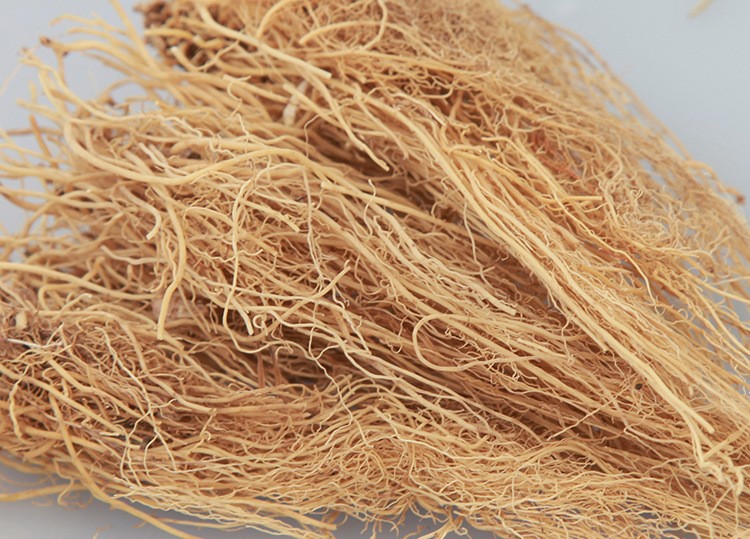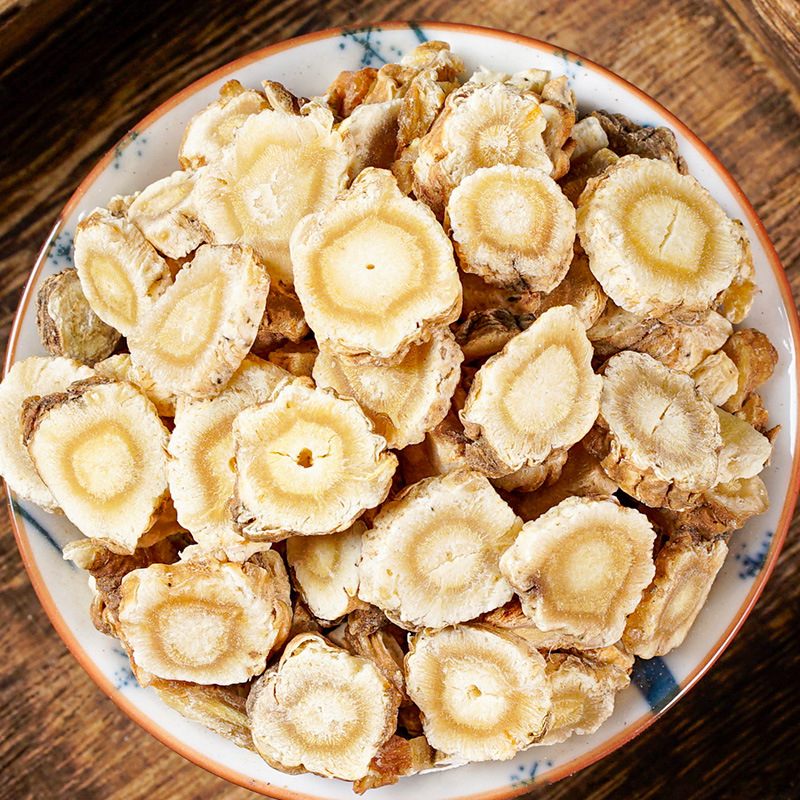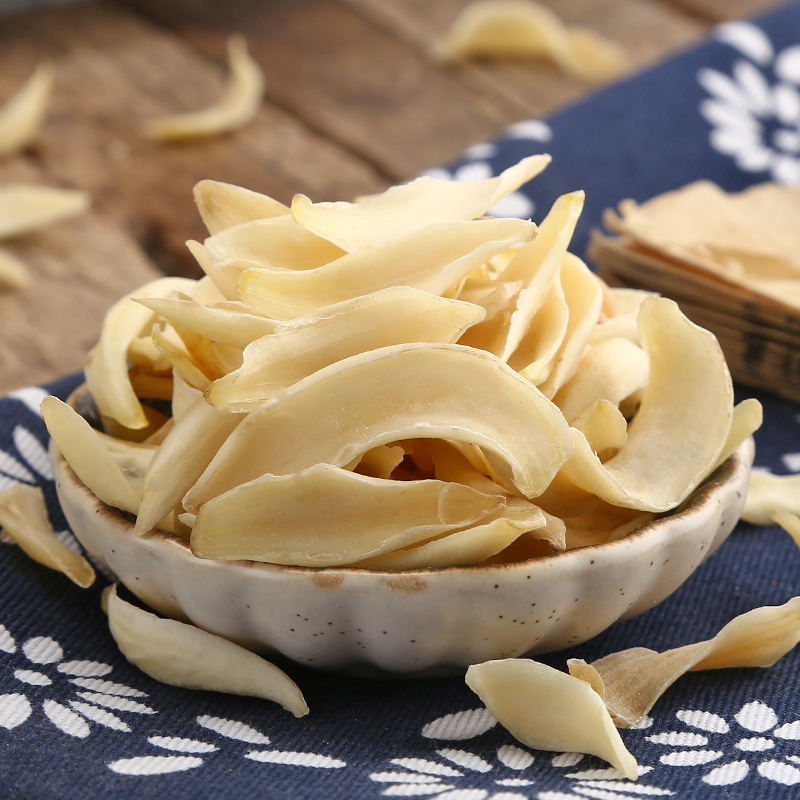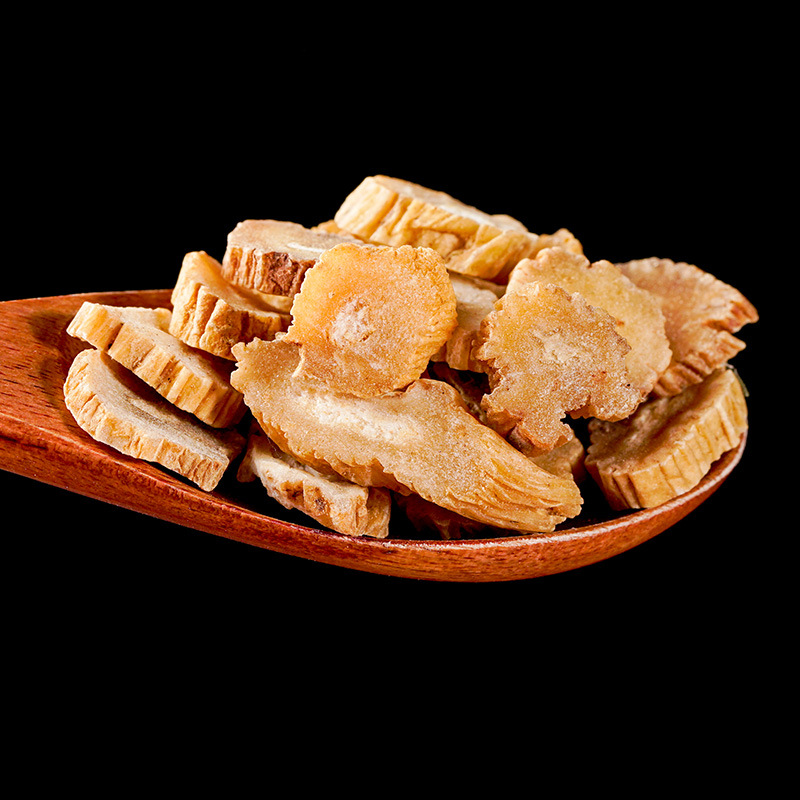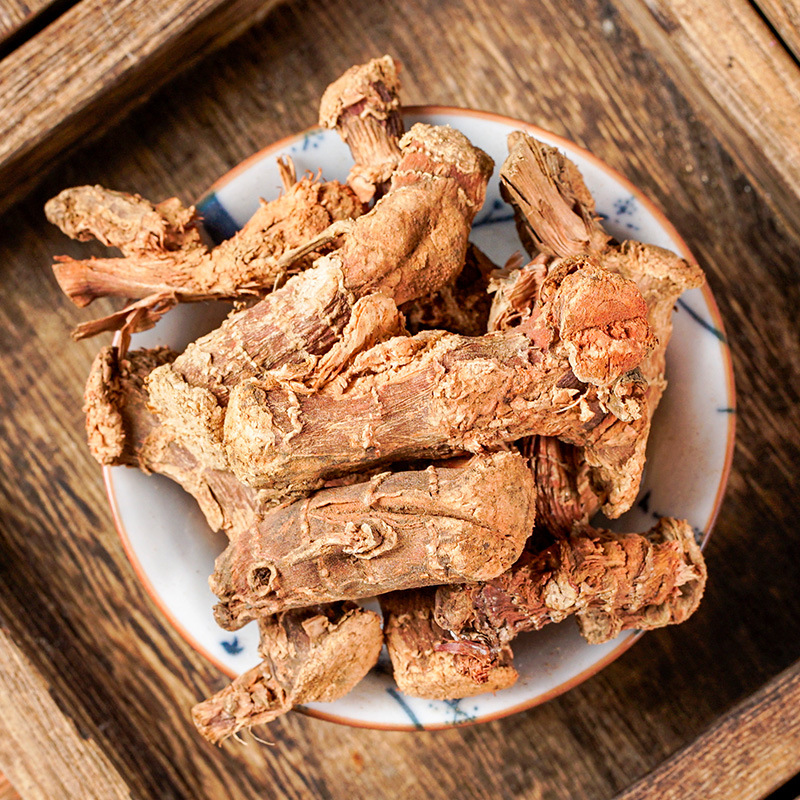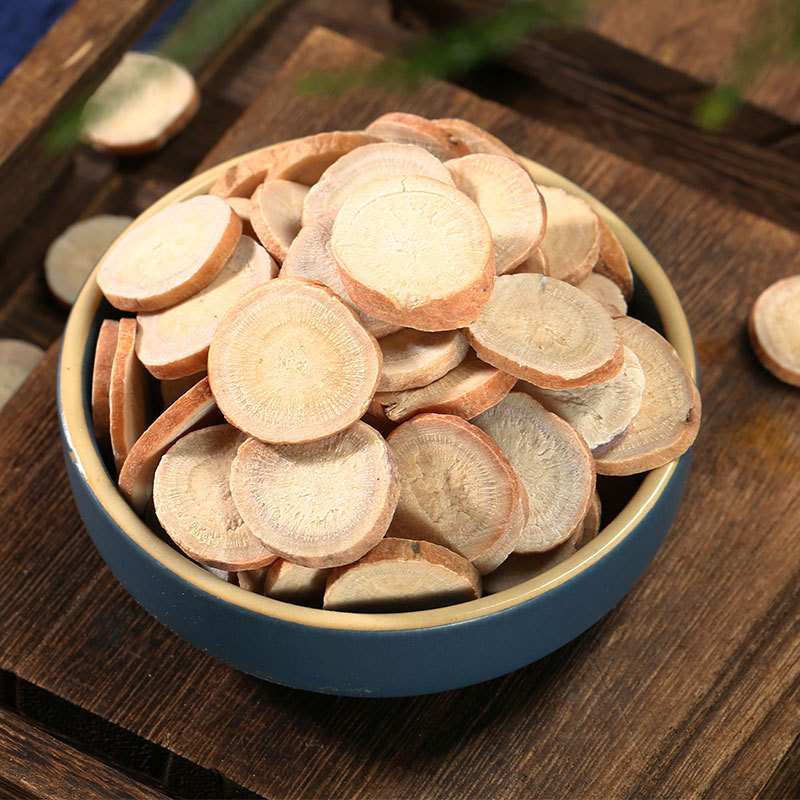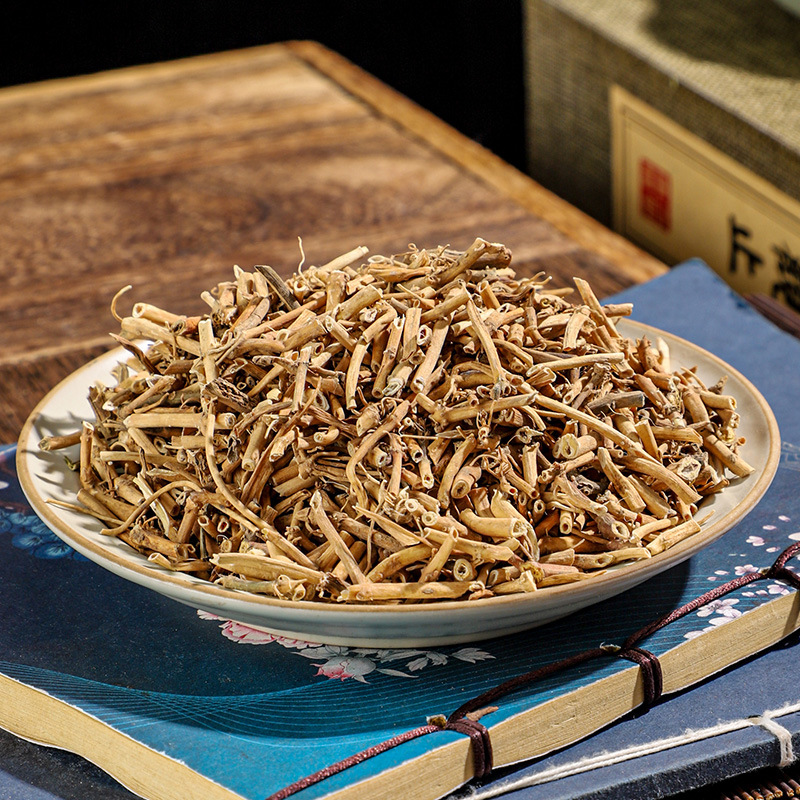
Asarum is also known as Shaoxin or Xiaoxin, and it is the whole herb with roots of the northern asarum or Chinese asarum from the Aristolochiaceae family. It is named for its thin roots and pungent taste. Northern asarum is mainly produced in the northeastern region, while Chinese asarum is mainly produced in Shaanxi. For medicinal use, the variety produced in Liaoning is considered the best, also known as Liaoxixin.
I. Efficacy and Application
Asarum tastes pungent and is warm in nature. It belongs to the lung and kidney meridians.
Efficacy It can dispel wind, disperse cold and relieve pain, warm the lungs and resolve fluid retention, and unblock the nasal passages. Its characteristics include strong pungent warmth and dispersing properties, especially effective in unblocking meridians, dispelling cold and relieving pain, warming the lungs and resolving fluid retention. It is indeed a key herb for dispersing cold and relieving pain, and treating phlegm and fluid retention.
Commonly used for treating conditions such as wind-cold common cold, cough with counterflow qi ascent, headache, toothache, wind-damp impediment pain, sinusitis, and lung-cold cough.
Summary of Famous Works by Renowned Authors
The Classic of the Materia Medica: "It primarily treats cough and counterflow qi ascent, headache and brain movement, rigidity of all joints, wind-damp impediment pain, and dead flesh."
Ben Cao Zheng Yi: "Asarum is the most potent in fragrance, thus it excels in dispersing stagnant qi, relieving depression and stagnation. It can ascend to the crown of the head, clear and benefit the ears and eyes, extend to all limbs, reaching every corner without exception. Internally, it promotes the flow of the collaterals and relaxes all joints; externally, it moves through the orifices and directly penetrates the skin and flesh."
Changsha Materia Medica: Asarum is warm, dry, and unblocking. It relieves obstruction in the lung and stomach, expels water retention and dispels damp-cold, moistens the large intestine and promotes urination. It excels at descending counterflow and specifically stops coughing. Its various therapeutic effects include stopping tears, relieving nasal congestion, eliminating bad breath, alleviating toothache, and unblocking the meridians. All these are due to its ability to move stagnation, break up knots, and descend counterflow and rebellious qi.
Ben Cao Bei Yao: "Pungent and warm, it disperses wind pathogens, thus suitable for various wind-induced pain, cough with dyspnea, headache, and stiffness of the spine."
II. Compatibility and Application
1. Used for headache, toothache, arthralgia, and many other pain syndromes. Asarum has a strong aromatic scent and is highly mobile, with significant effects in dispelling wind, dispersing cold, and relieving pain. For treating wind-cold headache, it is often combined with Chuanxiong, Baizhi, and Qianghuo, as in Chuanxiong Chatiao San.
For treating headaches in the six meridians, traditional Chinese medicine has the concept of guiding herbs. Asarum can treat Shaoyin headaches, often using Angelica pubescens as a guiding herb. For Taiyang headaches, Notopterygium is used; for Yangming headaches, Angelica dahurica is used; for Jueyin headaches, Ligusticum chuanxiong and Evodia rutaecarpa are used; for Shaoyang headaches, Bupleurum is used; and for Taiyin headaches, Atractylodes is used.
For treating toothache, it can be used alone or combined with Dahurian angelica root, decocted together for gargling. For treating toothache due to excess fire (stomach fire), it is often combined with gypsum, cimicifuga, and other herbs, following the principle of "releasing constrained fire," which should be understood in medical theory.
If treating rheumatic arthralgia, it is often combined with Du Huo, Fang Feng, Qin Jiao, etc., such as in the formulas San Bi Tang and Du Huo Ji Sheng Tang.
If treating cold limbs, or pain in the waist, legs, shoulders, and arms, it is often combined with Chinese angelica, peony, licorice, and jujube, which is known as Danggui Sini Decoction.
If treating a constitutionally blood-deficient individual with chronic internal cold, who is additionally affected by external cold pathogens, presenting with cold extremities, possibly accompanied by vertex headache, dry retching, vomiting of thin fluid, and a faint, thready pulse, one may add Evodia and fresh ginger to the Danggui Sini Decoction, resulting in the Danggui Sini Decoction with Evodia and Fresh Ginger. Li Ke frequently employs this formula to treat conditions such as ovarian cysts, pelvic effusion, dysmenorrhea, and other abdominal cold accumulation syndromes in women, which is worthy of reference.
If treating yang deficiency with cold accumulation, abdominal and hypochondriac pain, constipation, cold limbs, white greasy tongue coating, and wiry tight pulse, it is often combined with rhubarb and aconite, using both cold and warm properties to purge cold accumulation, known as Rhubarb and Aconite Decoction.
If treating cold in the Jueyin organ, with symptoms of cold limbs, stomach and abdominal pain, and loose stools, it is often combined with Coptis chinensis, dried ginger, aconite, and cinnamon twig, using both cold and warm properties, attacking and tonifying simultaneously, as in the Wumei Pill.
In addition, Asarum has a significant analgesic effect on many types of pain, such as ankylosing spondylitis, femoral head necrosis, lumbar disc herniation, and intercostal neuralgia. When applied appropriately, it works quickly.
Medicine Classification and Image: "Treats Shaoyin headache like a divine remedy, use in small amounts."
2. For external contraction of wind-cold exterior syndrome. Asarum can dispel wind, dissipate cold, and relieve pain. It is used to treat cases where cold pathogens are predominant, with severe headache and body pain. It is often combined in formulas that release the exterior with acrid-warm herbs, such as Nine Ingredients Notopterygium Decoction.
If treating yang deficiency with external contraction, manifesting as aversion to cold, fever, and a counterflow sinking pulse, it is often combined with Ephedra and Aconite to assist yang and release the exterior, as in the Ephedra, Aconite, and Asarum Decoction.
If treating the syndrome of rhinorrhea with turbid discharge, characterized by nasal congestion, headache, and occasional clear nasal discharge, one may use Asarum sieboldii powder blown into the nose, or combine it with acrid-warm orifice-opening herbs such as Magnolia biondii, Xanthium sibiricum, and Angelica dahurica.
For the treatment of oral ulcers due to excess fire, it is often combined with Coptis chinensis, ground into powder and mixed with honey for external application, or formulated with other herbs for oral administration. The combination of these two herbs, one cold and one hot, one suppressing and one dispersing, can be said to fully capture the essence of formulation.
3. For cold fluid retention in the lung, manifested as cough, wheezing, and copious clear thin phlegm. Asarum can warm the lung, resolve fluid retention, and relieve cough and wheezing, making it an essential herb. To treat external cold with internal fluid retention, characterized by aversion to cold, fever, headache and body pain, copious clear thin phlegm, chest oppression, wheezing and cough, or dry retching, or phlegm-fluid retention with wheezing and cough, inability to lie flat, or body pain and heaviness, and edema of the head, face, and limbs, it is often combined with Ephedra, Cinnamon Twig, Dried Ginger, and Pinellia Tuber, as in Minor Green Dragon Decoction.
Xiao Qing Long Tang is the premier formula for treating external cold and internal fluid retention, and it is remarkably effective for phlegm-fluid cough and wheezing. This formula consists of three groups of herbs, with Xi Xin playing a role in each: The first group uses Ma Huang and Gui Zhi to release the exterior and disperse cold, and Xi Xin assists in releasing the exterior; the second group uses Gan Jiang and Ban Xia to eliminate fluid retention, and Xi Xin assists in transforming fluids; the third group uses Shao Yao, Wu Wei Zi, and Gan Cao, which are sweet and slow or sour and astringent, to moderate the formula's potency and make it a disciplined force. In this group, the combination of Xi Xin and Wu Wei Zi, one dispersing with acridity and the other restraining with sourness, one opening and one closing, can restore the normal diffusion and descent of the lungs, thereby stopping cough and dyspnea.
The combination of Asarum and Schisandra is similar to that of dried ginger and Schisandra, both used to treat cough and wheezing due to cold phlegm. Adding Pinellia and Poria can often yield immediate and remarkable effects, as seen in the formula Ling Gan Wu Wei Jiang Xin Tang.
In treating chronic cold stagnation, chronic deficiency with phlegm and wheezing, and even severe conditions such as pulmonary heart disease and heart failure, the Xiaoqinglong Decoction can be used as the base. It can be further combined with aconite, ginseng, dragon bone, oyster, shelled ginkgo, aster, and coltsfoot flower, forming Li Ke's Xiaoqinglong Decoction for Deficiency Transformation.
4. For the initial stage of nephritis presenting as wind-water syndrome. The early stage of nephritis is often categorized under the wind-water syndrome in traditional Chinese medicine, but it may be complicated by cold or heat. Common symptoms include facial edema, aversion to wind, a thin white tongue coating, and a floating pulse. If complicated by heat, the usage of Yuebi Jia Zhu Decoction can be referenced; if complicated by cold, the usage of Mahuang Fuzi Xixin Decoction combined with Wupi Yin can be referenced. Asarum warms the Shaoyin meridian and also excels in promoting water circulation. When applied based on syndrome differentiation, the therapeutic effect is significant.
III. Usage and Dosage
Asarum is often used in decoctions and can also be made into pills. Because it is not decocted and its toxicity is not eliminated, it is rarely used in powder form. The common dosage in decoctions ranges from a few grams to over ten grams; some practitioners even use more than several tens of grams without observing significant toxicity. However, beginners should exercise caution and avoid blindly copying such practices.
Asarum has been a "mutually antagonistic" herb since ancient times, and there is also the saying "not exceeding one qian," so for thousands of years, physicians have mostly avoided it for fear of its effects. Even if some physicians occasionally dared to use it in slightly larger doses, pharmacies would refuse to dispense it. Thus, through word of mouth from fathers to sons and masters to disciples, it gradually became a shallow and rigid rule, causing this excellent herb to be unjustly condemned for ages—a true regret in the field of traditional Chinese medicine. The misconception about asarum began with Chen Cheng's "Bencao Bieshuo" during the Yuanyou period of the Song Dynasty, which stated, "If asarum is used alone in powder form, it should not exceed one qian; exceeding this amount may cause qi blockage, and if not relieved, death may ensue." Chen's basis was the sudden death of a prisoner in a jail, which seemed to be related to taking a powder containing asarum. Without further investigation, he wrote it into his book. Later, when Li Shizhen compiled the "Compendium of Materia Medica," he did not verify the truth, nor did he refer to the "Shennong's Classic of Materia Medica" or the "Treatise on Cold Damage Disorders" for examples of its use, and thus introduced Chen's claim into the "Compendium of Materia Medica." As a result, the erroneous saying "asarum should not exceed one qian" has been passed down to this day.
The "Shen Nong's Herbal Classic" and "Treatise on Cold Damage Diseases" are recognized as classic works in traditional Chinese medicine, and the application of Asarum is most worthy of reference. In the "Treatise on Cold Damage Diseases," Asarum is used in a total of 16 formulas. When treating external cold with internal fluid retention or blood deficiency with cold coagulation leading to cold limbs, Asarum is often used in large doses to dispel cold and resolve fluid retention, with a dosage of three liang (approximately 45 grams today), such as in Xiao Qinglong Tang and Danggui Sini Tang. If the body's qi is deficient, the root of Shaoyin is unstable, and there is external invasion or internal excess pathogenic factors, Asarum is used in two liang (approximately 30 grams today) and combined with Aconite, such as in Mahuang Fuzi Xixin Tang. When Asarum is used in pills or powders, the dosage is very small, which should not be overlooked.
In the decoction method of Asarum, there are also different viewpoints. For instance, Zhu Liangchun believes that decocting it first is safer, while Li Ke argues that adding Asarum later yields better effects, as prolonged decoction may weaken its medicinal potency. Some physicians also advocate for normal decoction.
IV. Application Notes
Asarum is pungent and warm, and it disperses, so it should not be used for those with qi deficiency and excessive sweating, headache due to yin deficiency and yang hyperactivity, or cough due to yin deficiency and lung heat.
Asarum is best when it is Liaoxixin, with strong medicinal power and remarkable efficacy, but its side effects can easily cause vomiting. Some suggest honey-frying it for 15 minutes to reduce its pungent taste, which can be considered.
In the "Eighteen Incompatibilities" of traditional Chinese medicine, Asarum is incompatible with Veratrum.
Wang Ang said, "The taste is thick and the nature is strong, so it should not be used excessively."
Practical Notes on Traditional Chinese Medicine: Second Draft of 21.1.15