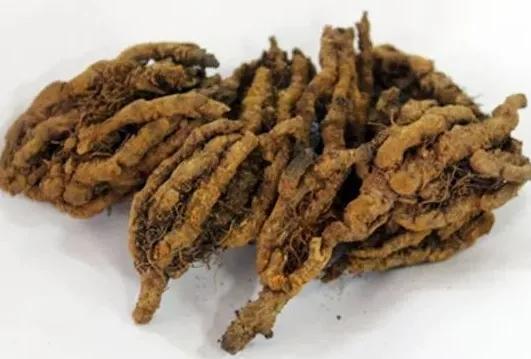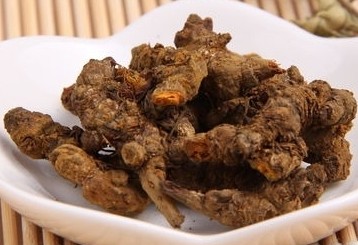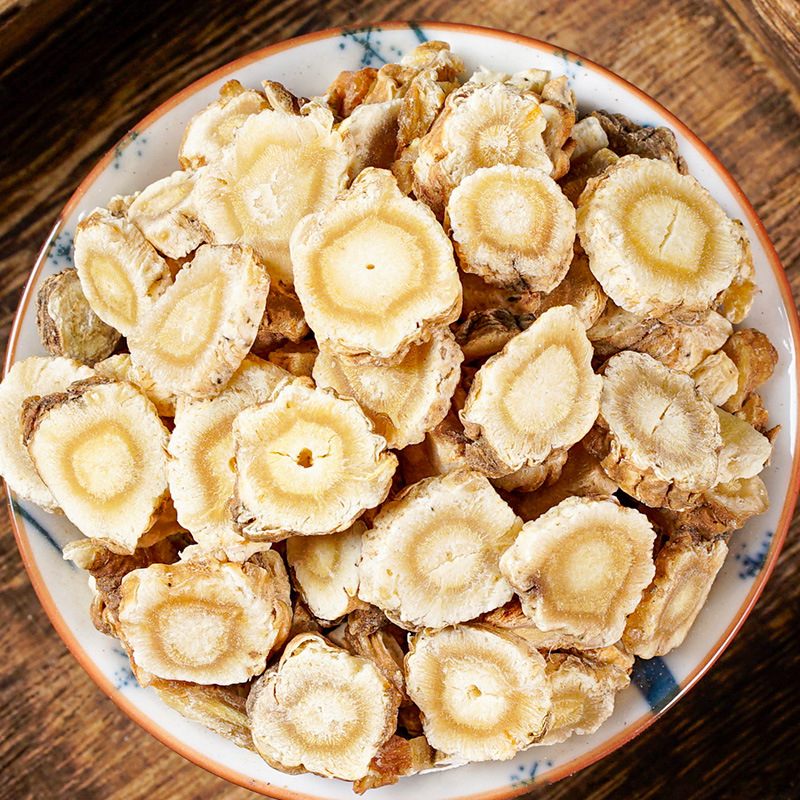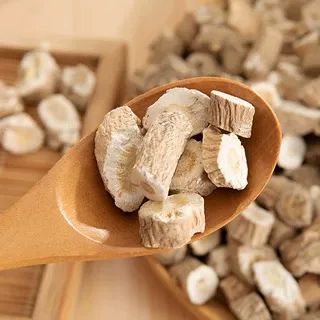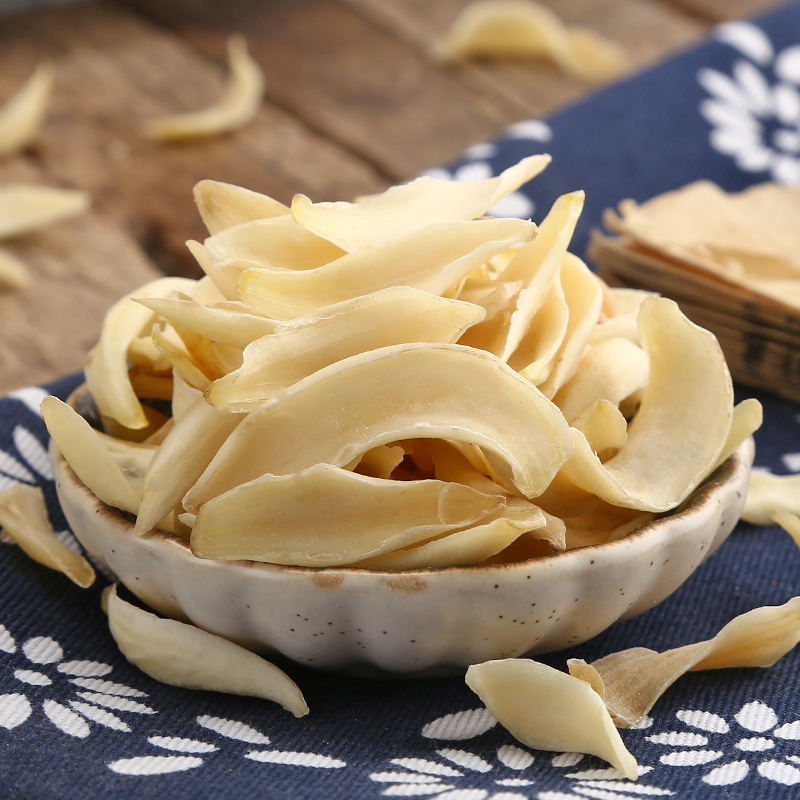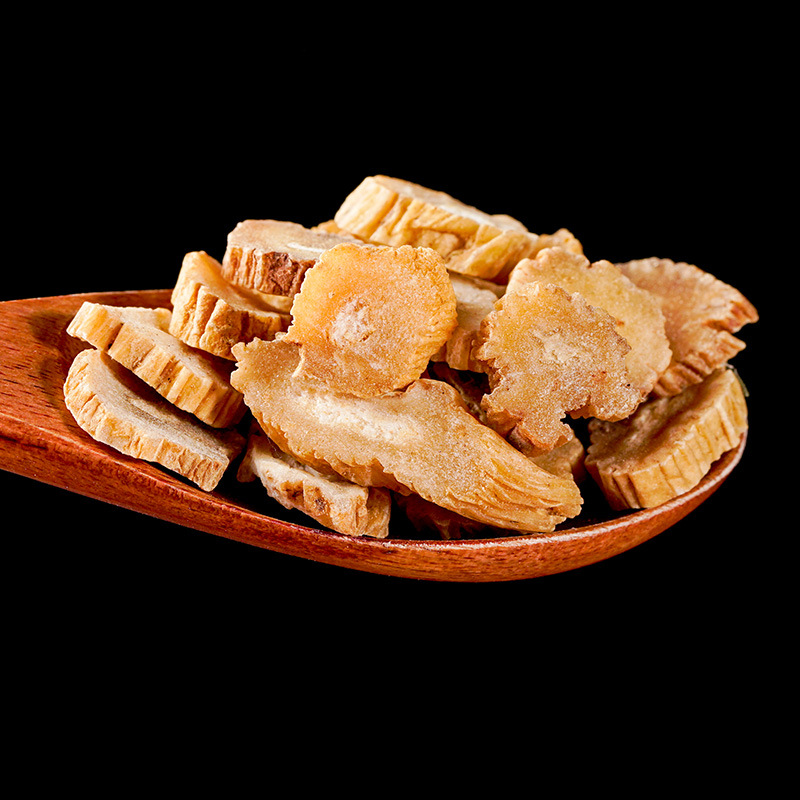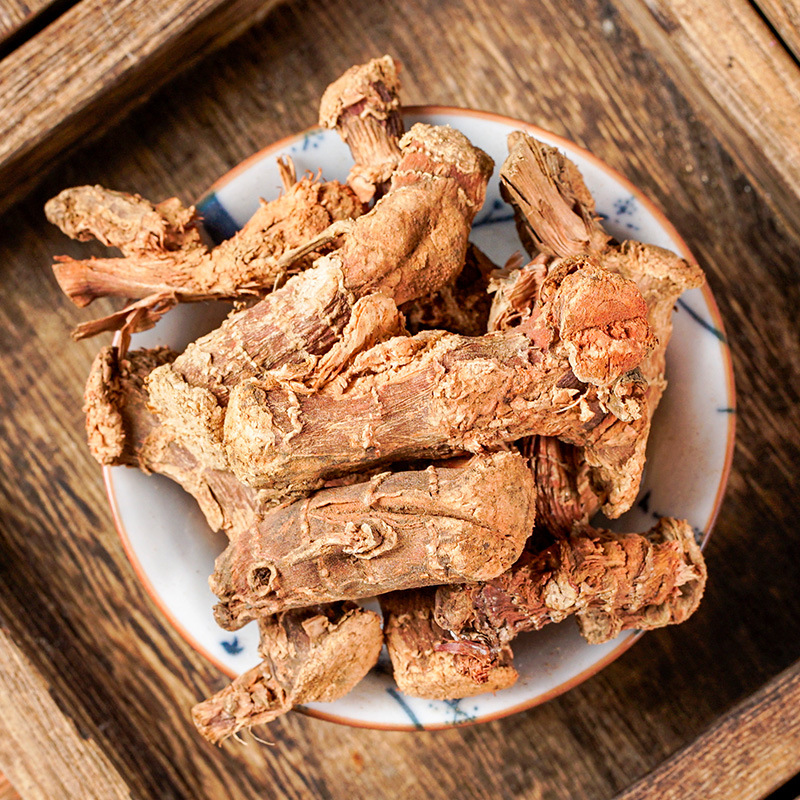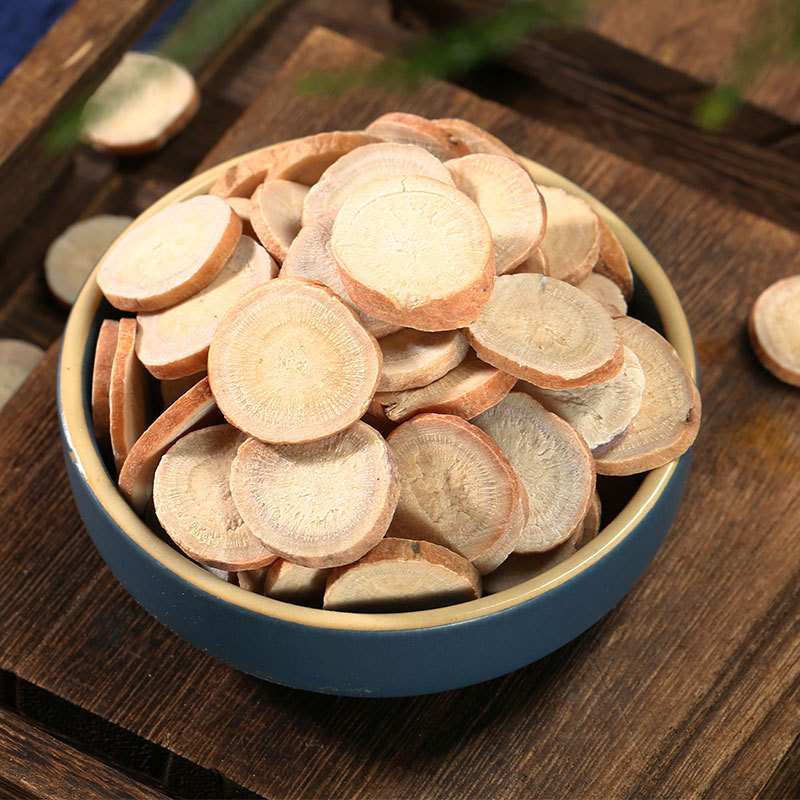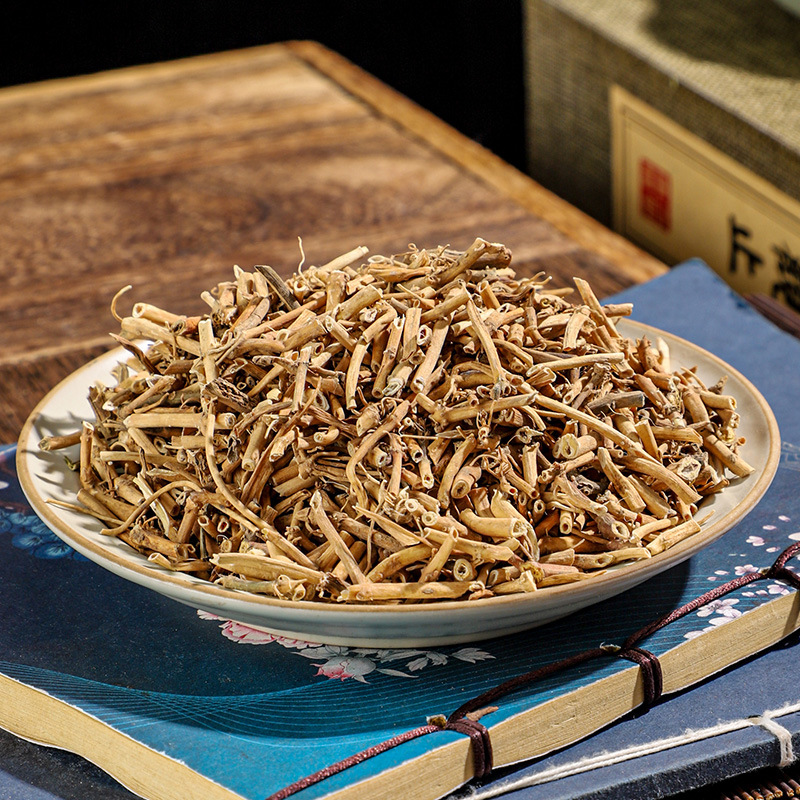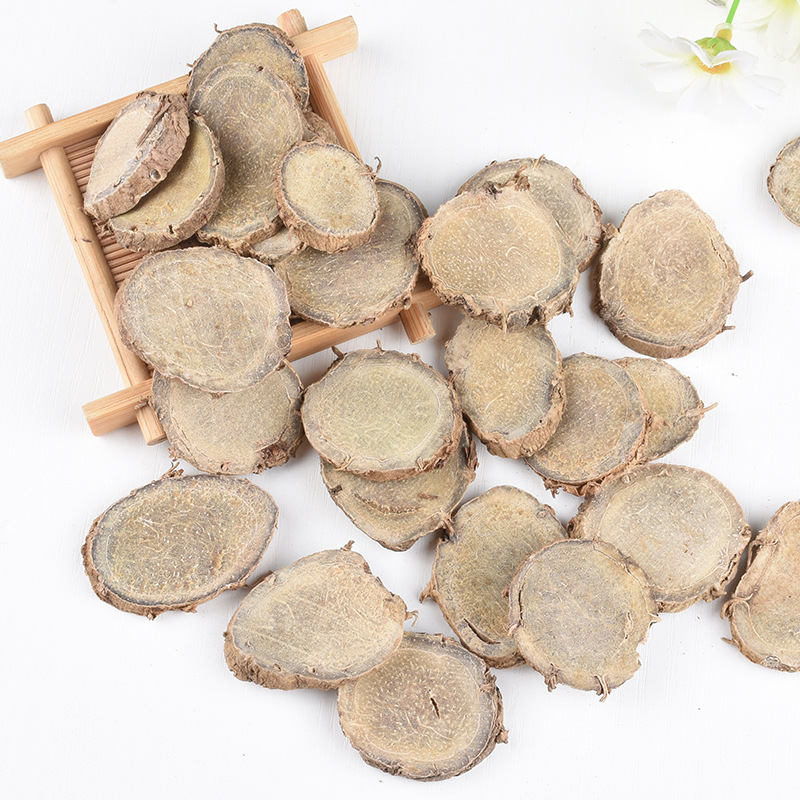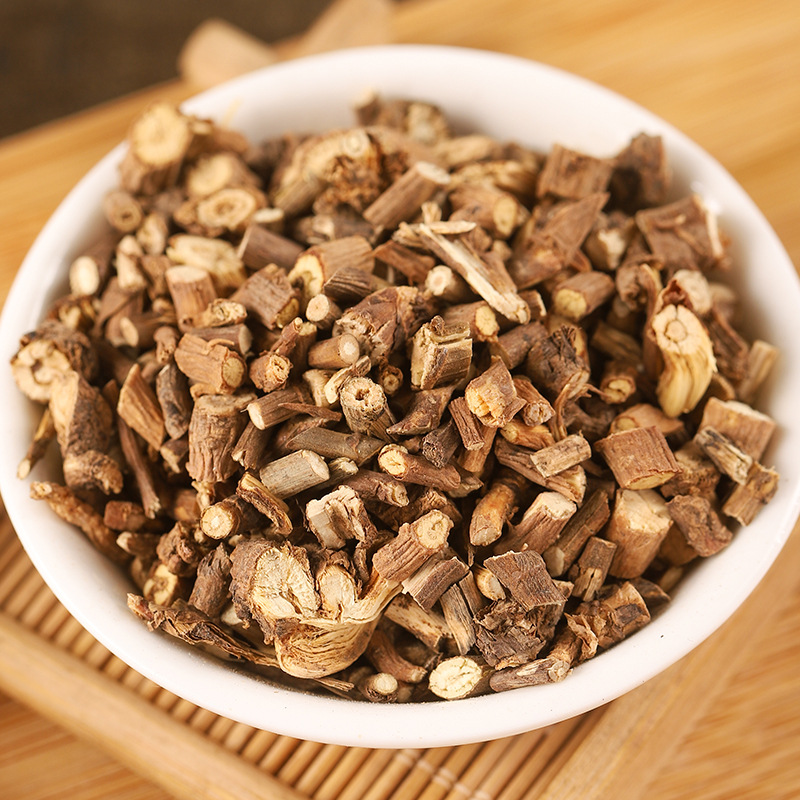
Coptis chinensis is the root of the plant Coptis chinensis from the Ranunculaceae family. The variety produced in Sichuan is considered the best, also known as Sichuan Coptis. Because its rhizome branches resemble chicken claws, it is also called Chicken Claw Coptis. Nowadays, it is mostly cultivated, primarily in Sichuan, Yunnan, and other regions. In ancient times, processing methods were very refined depending on the condition being treated. For example, for heart fire, it was used raw; for deficiency fire, it was stir-fried with vinegar; for liver and gallbladder fire, it was stir-fried with pig bile; for upper jiao fire, it was stir-fried with wine; for middle jiao fire, it was stir-fried with ginger juice; for lower jiao fire, it was stir-fried with salt water or child's urine; for food stagnation fire, it was stir-fried with yellow earth. For damp-heat in the qi aspect, it was stir-fried with Evodia decoction; for damp-heat in the blood aspect, it was stir-fried with dry lacquer water. Nowadays, it is mostly used raw or stir-fried with ginger.
I. Efficacy and Application
Coptis chinensis tastes bitter and has a cold nature. It has a strong taste and a thin qi, being a yang medicine within yin. It belongs to the heart, liver, stomach, and large intestine meridians.
Efficacy: Clears heat, dries dampness, purges fire, and detoxifies. Its characteristics include excelling at clearing damp-heat, effectively treating fire toxicity, and particularly excelling at clearing heart and stomach fire, making it an essential medicinal substance.
Commonly used for treating conditions such as damp-heat fullness and oppression, vomiting and acid regurgitation, diarrhea and dysentery, jaundice, high fever with clouded spirit, exuberant heart fire, restlessness and insomnia, palpitations and unease, blood-heat induced vomiting and nosebleeds, red eyes, toothache, wasting-thirst, abscesses, boils, and sores.
Modern research confirms that Coptis chinensis has broad-spectrum anti-inflammatory, anti-tuberculosis, and antifungal effects. It can treat various infectious diseases such as dysentery, typhoid fever, tuberculosis, epidemic cerebrospinal meningitis, scarlet fever, diphtheria, brucellosis, eczema, and eye inflammation, and is widely used in clinical practice.
Summary of Famous Works by Renowned Authors:
The Classic of Materia Medica: "It primarily treats heat qi, eye pain, damage to the canthus with lacrimation, improves vision, intestinal afflictions, abdominal pain, dysentery, and swelling and pain in the female genitalia."
Bie Lu: "It governs the cold and heat of the five viscera, chronic diarrhea with pus and blood, stops wasting thirst, regulates the stomach and strengthens the intestines, benefits the gallbladder, treats mouth sores; and detoxifies croton seed poison."
The Pearl Bag: "It has six uses: first, to purge heart fire; second, to remove damp-heat in the middle jiao; third, essential for all sores; fourth, to dispel wind-dampness; fifth, to treat acute red eyes; sixth, to stop bleeding in the middle region."
"Classification of Medicinal Herbs According to Their Properties and Effects": "It purges heart fire, eliminates damp-heat in the spleen and stomach, treats restlessness, nausea, and depression, clears heat in the middle jiao, alleviates the sensation of wanting to vomit, and resolves fullness and distension in the epigastric region. It is an essential medicinal herb for these purposes."
"Compendium of Materia Medica Annotations": "It is a miraculous medicine for alcohol-related illnesses and a divine remedy for stagnation and diarrhea. It has distinct effects on the six meridians wherever they reach."
Changsha Materia Medica: Enters the hand shaoyin heart meridian. Clears the heart and reduces fever, drains fire and eliminates irritability.
"Compendium of Materia Medica": "Extremely bitter, extremely cold. Enters the heart to purge fire, calms the liver and cools the blood, dries dampness and opens stagnation, relieves thirst and eliminates irritability, benefits the liver and gallbladder, strengthens the stomach and intestines, disperses heart stasis, stops night sweats. Treats intestinal disorders, diarrhea and dysentery, abdominal fullness and pain, heart pain and epigastric masses, eye pain and canthus injury, abscesses, ulcers, sores, and scabies, alcohol toxicity and fetal toxicity, brightens the eyes, calms fright, stops sweating and detoxifies, eliminates malnutrition and kills roundworms."
"Medical Records of Integrating Chinese and Western Medicine": "Effective in treating meningitis, cerebral congestion, frequent dizziness, eye diseases with swelling and pain, pterygium covering the cornea, and erysipelas on the upper half of the body. It clears excess heat from the spleen and stomach, treats intestinal disorders with pus and blood in diarrhea. It addresses damp-heat fullness and distension, and treats inflammation and ulceration in women's private parts caused by damp-heat."
II. Compatibility and Application
1. For diarrhea, dysentery, vomiting, and other syndromes caused by damp-heat in the stomach and intestines. Coptis chinensis can remove damp-heat in the middle jiao and has detoxifying effects. For the treatment of the aforementioned syndromes, it can be used alone or in combination with other herbs.
For treating qi stagnation accompanied by tenesmus, it is often combined with Aucklandia root, known as Xianglian Pills.
If treating dysentery, diarrhea with fever, it is often combined with Puerariae Radix, Scutellariae Radix, etc., known as Gegen Qinlian Decoction.
If treating liver fire or stomach heat vomiting, or hypochondriac pain with acid regurgitation, it is often combined with Evodia rutaecarpa, known as Zuojin Pill. This formula is commonly used in modern times to treat reflux esophagitis, excessive stomach acid, acute cholecystitis with acid regurgitation and vomiting, and other conditions, with significant therapeutic effects.
If treating stomach heat vomiting, it is often combined with Pinellia ternata, bamboo shavings, etc., known as Coptis Chinensis, Tangerine Peel, Bamboo Shavings, and Pinellia Decoction.
For treating dysentery, it is often combined with Aucklandia root, known as Xianglian Wan; when combined with dried ginger, it is called Jianglian Wan; and when combined with fresh ginger, it is known as Jianghuang San.
If treating stomach fire blazing, rapid digestion with swift hunger, vexing thirst with copious drinking, and other central wasting patterns, it is often combined with Tianhuafen (Trichosanthes Root), Dihuang (Rehmannia Root), and other heat-clearing and fluid-generating substances.
If treating stomach fire mouth sores, it is often combined with Asarum, using both cold and hot properties to release the constrained fire.
Xu Lingtai said, "All medicines that can remove dampness will inevitably increase heat, and those that can eliminate heat are certainly unable to remove dampness. Only Coptis chinensis can dry dampness with its bitterness and eliminate heat with its cold nature, achieving both effects in one action."
2. For febrile diseases, intense heat and fire, high fever, restlessness, and even delirium and confusion. Coptis chinensis is potent in detoxifying and purging fire, especially effective in clearing excess fire from the heart meridian. It is used to treat symptoms such as high fever and restlessness caused by triple burner fire toxin, dry mouth and throat, or hematemesis and epistaxis in febrile diseases, or severe heat causing macules, or fever with diarrhea, or damp-heat jaundice, or external sores, abscesses, furuncles, and toxins, as well as yellow and red urine. It is often combined with Scutellaria baicalensis, Gardenia jasminoides, and Phellodendron amurense, as in the Coptis Detoxification Decoction.
If treating symptoms such as heart fire hyperactivity, restlessness and insomnia, as well as hematemesis and epistaxis caused by reckless blood flow, it is often combined with Scutellaria baicalensis, white peony root, and donkey-hide gelatin, known as Coptis and Donkey-Hide Gelatin Decoction.
For treating disharmony between the heart and kidney, upper heat and lower cold, insomnia, and other symptoms, it is often combined with cinnamon bark, using both cold and warm properties to harmonize yin and yang, known as Jiaotai Pill.
Wang Ang said: "Coptis chinensis purges heart fire, assisted by Gentiana scabra to purge liver and gallbladder fire, white peony root purges spleen fire, gypsum purges stomach fire, anemarrhena rhizome purges kidney fire, phellodendron bark purges bladder fire, and akebia stem purges small intestine fire."
3. For carbuncles, sores, and toxins, internal invasion of furuncle toxins, swelling and pain in the ears and eyes, and other syndromes. Coptis chinensis can purge fire and detoxify. To treat the above syndromes, it is often combined with Scutellaria baicalensis, Gardenia jasminoides, Forsythia suspensa, etc., as seen in the "Orthodox Manual of External Diseases" Coptis Detoxification Decoction.
Treating swelling and pain in the eyes and ears, it can also be used externally by grinding into powder or soaking in juice and applying to the affected area.
Wang Ang said, "For red eyes, soak in human milk."
Zhang Xichun said, "When I treat patients with distending pain in the eyes, I have them use water infused with coptis, repeatedly dipping cotton wadding into the hot liquid and applying it to the eyes until a bitter taste is felt in the throat, at which point the distending pain immediately lessens."
4. The Use of Coptis in "Treatise on Cold Damage Diseases". Coptis is used both for Yangming interior heat syndrome and for Taiyang-Yangming combined disease, Shaoyang-Yangming combined disease, and Jueyin disease. For example, to treat Yangming interior heat and vexing heat, it is often combined with rhubarb, scutellaria, donkey-hide gelatin, etc., as seen in formulas such as Xiexin Decoction and Coptis and Donkey-Hide Gelatin Decoction.
If treating heat-induced diarrhea, it is often combined with Scutellaria baicalensis and Pueraria lobata, as in Gegen Qinlian Decoction.
If treating heat-toxin dysentery, it is often combined with Pulsatilla root, Phellodendron bark, and Ash bark, which is known as Pulsatilla Decoction.
In the treatment of diarrhea in Jueyin disease, it is often combined with dried ginger, aconite, and cinnamon twig, as seen in formulas such as various Xiexin decoctions and Wumei pills.
If treating internal heat with diarrhea and bleeding, it is often combined with Pulsatilla, known as Pulsatilla and Licorice Decoction.
If treating sores and ulcers, it is often combined with licorice and scutellaria, known as Licorice Decoction for Purging Stomach Fire.
III. Usage and Dosage
Coptis chinensis is often used in decoctions, as well as in pills and powders. For decoctions, it is commonly used in doses ranging from a few grams to over ten grams; for external use, an appropriate amount is applied. If used as a guiding herb for the heart meridian, a few grams are sufficient.
Peng Ziyi treats fire syndrome in the upper energizer by often using a small amount of Coptis chinensis or Dahuang Huanglian Xiexin Decoction, employing the method of steeping in boiling water for consumption, in accordance with the principle that "the upper energizer is like a feather, and only lightness can lift it," which is worthy of reference.
IV. Application Notes
Coptis is bitter and cold in nature, easily damaging the spleen and stomach yang, so it should be avoided in cases of stomach cold with vomiting and spleen deficiency with diarrhea.
Huang Yuanyu said, "For all medicines that clear fire and calm the heart, Coptis must be used. It is crucial to stop immediately once the illness is cured, and not to overdose. Overdosing will lead to coldness in the middle and lower parts, and the upper heat will become even more severe."
Wang Ang said: "It is contraindicated for those with deficiency-cold syndrome."
Practical Notes on Traditional Chinese Medicine: Second Draft of 21.1.13