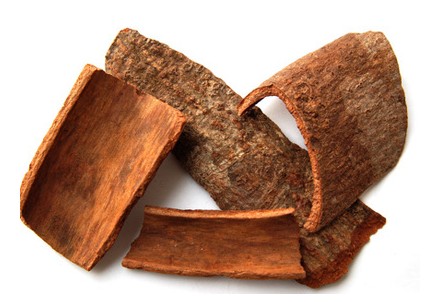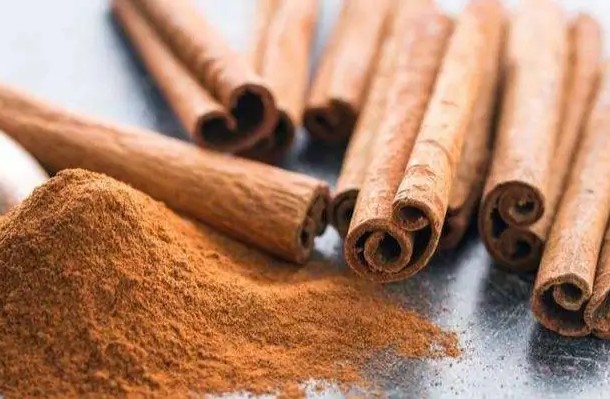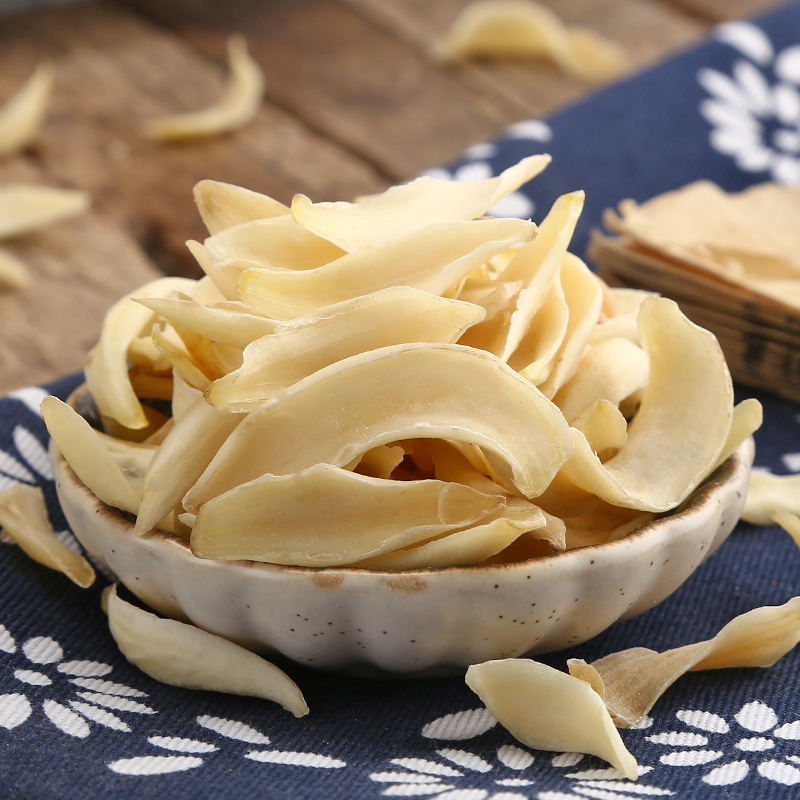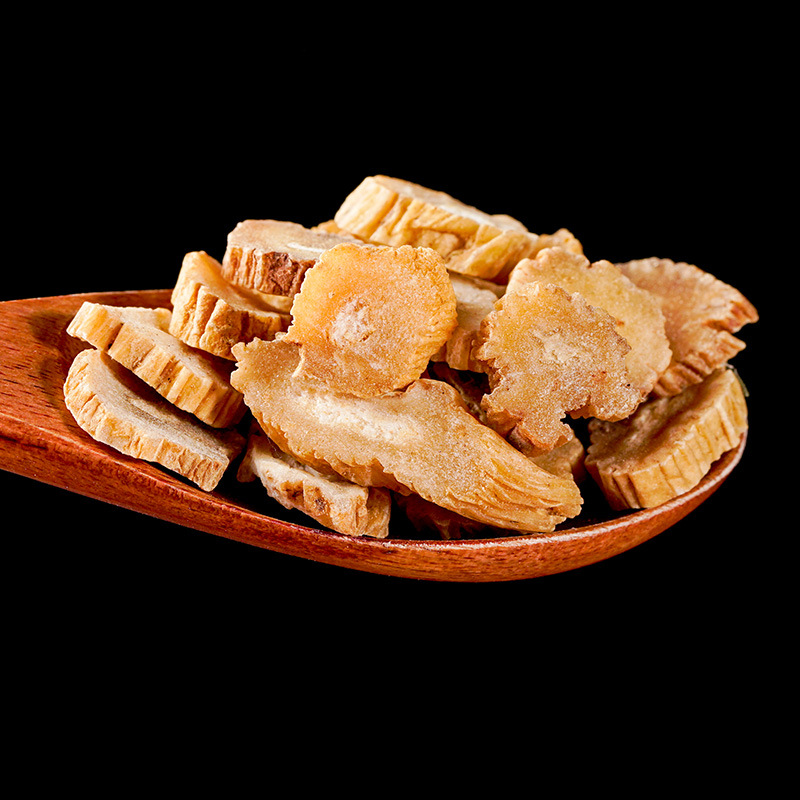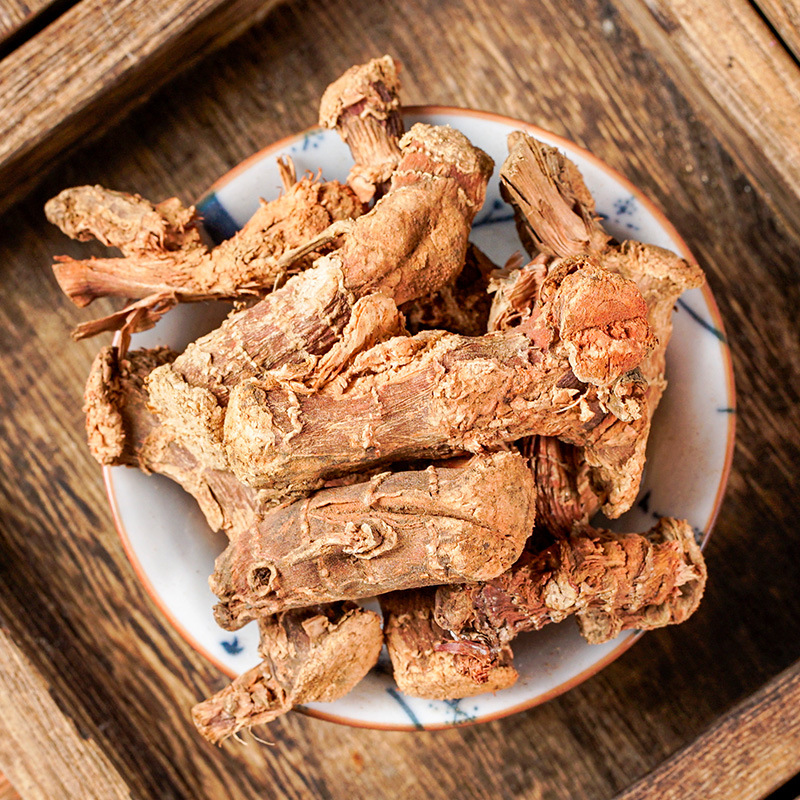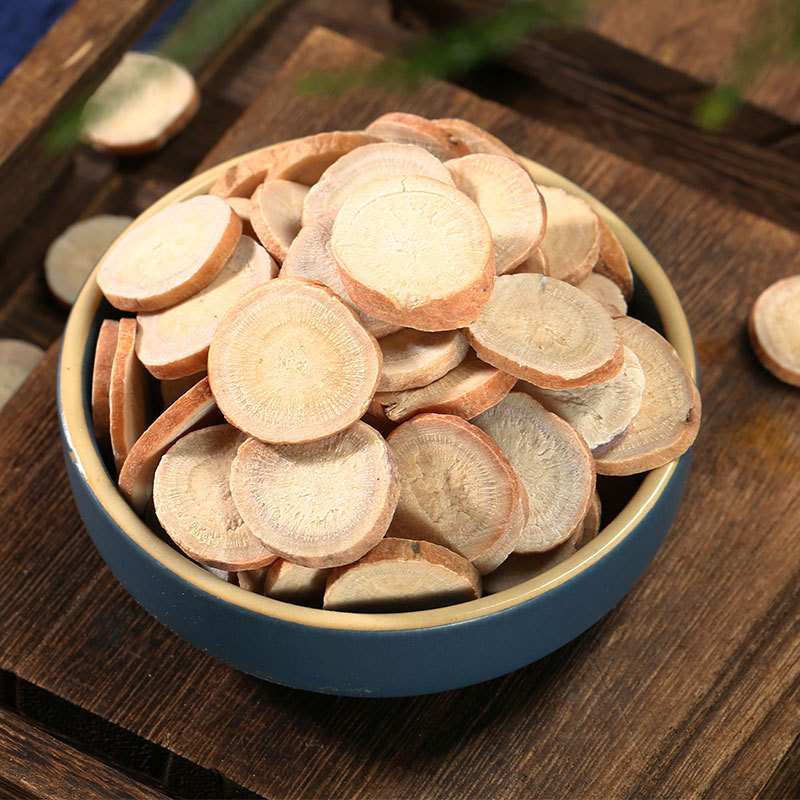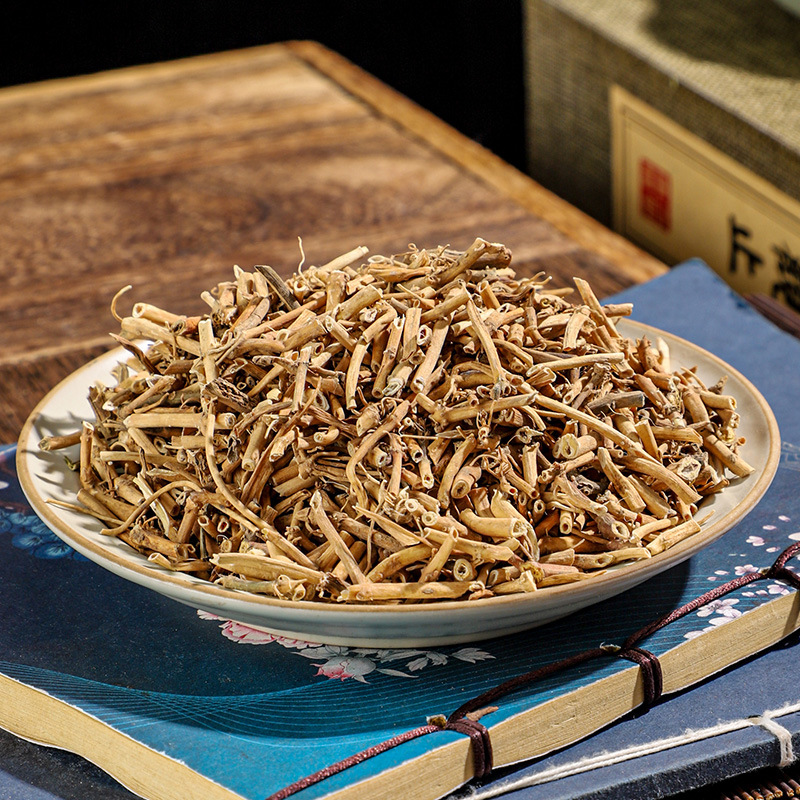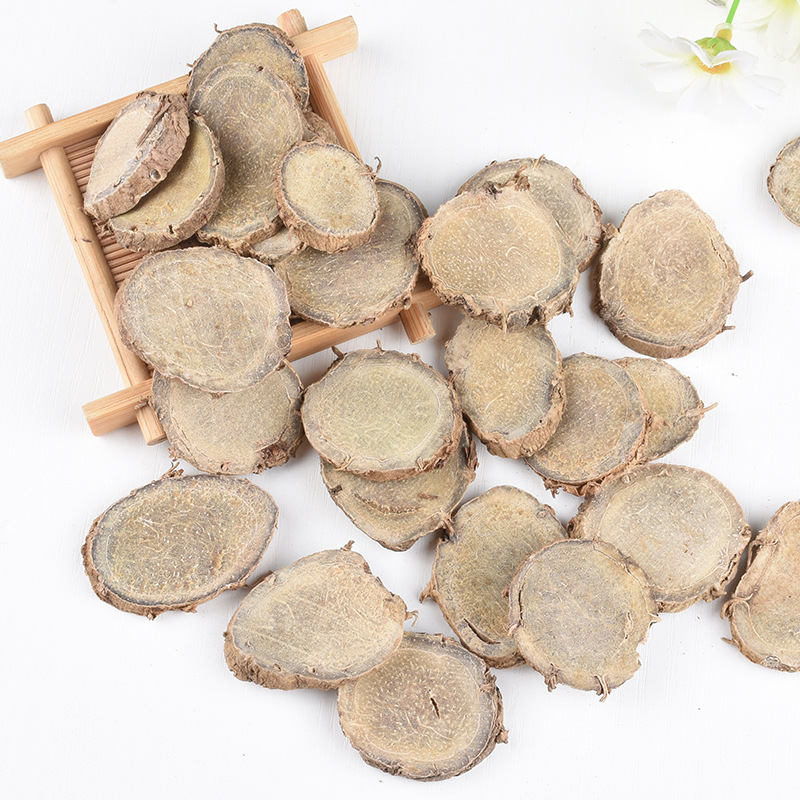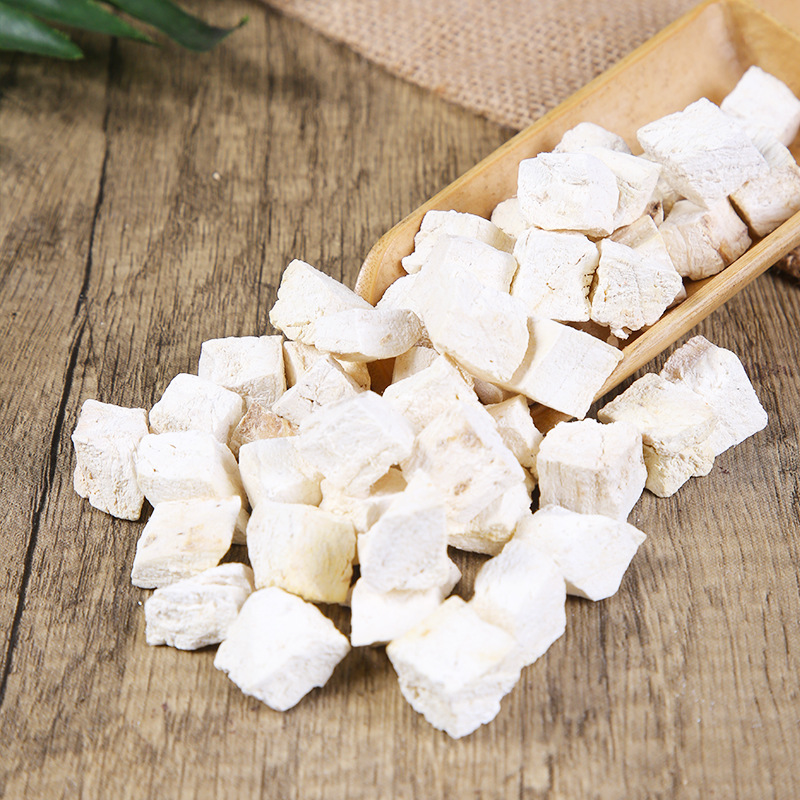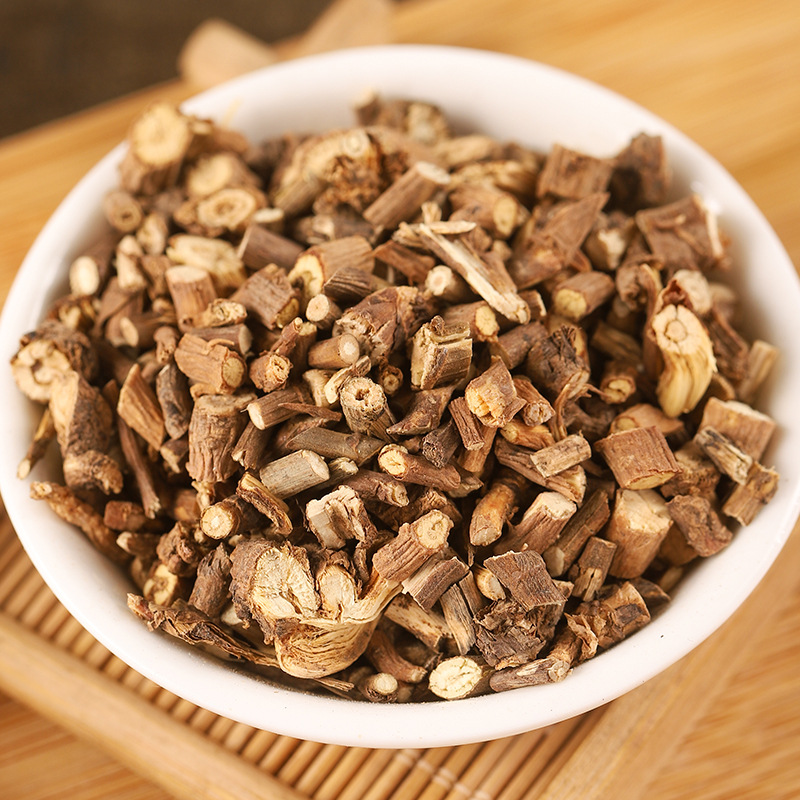
Cinnamon and cassia twig come from the same tree, being the dried bark or coarse branch bark of the cinnamon tree. The dried bark with the epidermis removed is called cinnamon heart; that collected from coarse branches or young tree trunks is called official cinnamon; that with a higher oil content is called oil cinnamon, which is of the highest quality. Cinnamon is also one of the medicinal and edible traditional Chinese medicines, often used as a cooking seasoning. It is mainly produced in Guangdong, Guangxi, Yunnan, and other regions. For medicinal use, it is sliced or ground into powder and used raw.
I. Efficacy and Application
Cinnamon has a pungent and sweet taste, a hot nature, and is a pure yang substance. It enters the kidney, spleen, heart, and liver meridians.
Efficacy It can tonify fire and assist yang, dispel cold and relieve pain, warm and unblock the meridians. Its characteristic is to excel in warming and strengthening the life gate, capable of "guiding fire back to its source," and is praised by physicians as an essential medicine for warming and tonifying deficiency and cold in the lower origin.
Commonly used for the treatment of conditions such as kidney yang deficiency, decline of the fire from the gate of life, aversion to cold and cold limbs, soreness and weakness of the waist and knees, impotence and seminal emission, difficulty in urination, shortness of breath and panting, oliguria and edema, cold pain in the epigastrium and abdomen, reduced appetite and loose stools, cold-dampness arthralgia, cold hernia pain, abdominal cold and dysmenorrhea, postpartum blood stasis and abdominal pain, and other syndromes.
In addition, cinnamon has the effect of "guiding fire back to its origin" for various syndromes such as upper heat and lower cold, red face and cold feet, dizziness and tinnitus, mouth and tongue sores, and many other conditions characterized by upper excess and lower deficiency, deficient yang floating outward, or yang escaping from the kidneys, such as yang floating or yang repelling syndromes. It is also one of the most commonly used herbs in modern traditional Chinese medicine for "supporting yang" and among practitioners of the "Fire God School" in clinical practice.
Summary of Famous Works by Renowned Authors
"Compendium of Materia Medica": "Cinnamon is a medicinal herb used to treat deep-seated cold and chronic cold conditions. In cases where primordial qi is insufficient leading to yang depletion and reversal cold, or abdominal and lumbar pain with vomiting and diarrhea, or prolonged deficiency of the heart and kidney with chronic cold and timidity, or running piglet syndrome and cold hernia with severe attacks, or stomach cold causing ascaris expulsion with chest and diaphragm fullness and distension, or congealed cold in qi and blood obstructing the meridians, this herb, with its thick flavor, sweet and pungent nature, and great heat, descends and moves internally. It strengthens the yang of the life gate, establishes the qi of the heart and kidney, guides and promotes the effects of all medicines without fear or avoidance, allowing yang to grow and yin to naturally dissipate, thereby alleviating the aforementioned symptoms."
"Jade Qiao's Explanation of Medicinals": "Enters the Foot Jueyin Liver Channel. Warms the liver and blood, breaks stasis and dissipates masses, expels damp-cold from the waist and legs, and drives away pain in the abdomen and flanks. For all patterns such as blocked and stagnant channels and collaterals, congealed accumulations in the viscera and bowels, obstructed joints, and pain in the heart and abdomen, there is none that is not due to weak warm qi and cold congelation in the blood aspect. All are suitable for cinnamon bark."
"Compendium of Materia Medica": Pungent, sweet, extremely hot, with a thick and pure yang nature. It enters the liver and kidney blood aspects, replenishes the deficiency of the ministerial fire in the life gate, enhances yang and dispels yin. It treats chronic cold and deep-seated cold, can induce sweating, unblock blood vessels, guide the effects of various medicines, expel wind-cold from the nutrient and defense systems, address spontaneous sweating due to exterior deficiency, cold pain in the abdomen, coughing, rebellious qi, and stagnation. Wood withers when exposed to cinnamon. It also suppresses liver wind and supports spleen earth. It is used to treat red, swollen, and painful eyes, as well as spleen deficiency with poor appetite, excessive dampness causing diarrhea, replenishes fatigue and improves vision, unblocks meridians, and induces abortion.
"Medical Records Combining Chinese and Western Medicine": "Cinnamon has a pungent and sweet taste, a fragrant and penetrating aroma, and is extremely hot and purely yang in nature. It has the ability to descend, warming the dantian, strengthening primordial yang, and supplementing the ministerial fire. Its color is purple-red, and it is also excellent at assisting the sovereign fire, warming and unblocking the blood vessels, treating systemic blood vessel obstruction due to cold, thus addressing joint and limb pain as well as white sores in ulcer patients. Wood withers when it encounters cinnamon, and since it is pungent and belongs to metal, it is good at calming liver wood and treating liver qi running rampant and excessive anger."
II. Compatibility and Application
1. For kidney yang deficiency and decline of the fire of the life gate, presenting with aversion to cold, cold limbs, weak waist and knees, impotence, frequent urination; and for spleen and kidney yang deficiency, presenting with cold pain in the epigastric and abdominal regions, reduced appetite, and loose stools. Cinnamon is pungent and warm, purely yang, capable of warming and tonifying the fire of the life gate, benefiting yang and dispelling yin, making it an essential herb for treating deficiency and cold in the lower origin. To treat the above syndromes, it is often combined with aconite, prepared rehmannia root, cornus fruit, and Chinese yam, which are herbs that warm and tonify the liver and kidney, forming the famous formula Guifu Dihuang Wan, also known as Guifu Bawei Wan, for tonifying the kidney and assisting yang.
For treating spleen and kidney yang deficiency, it can be combined with aconite, dried ginger, and atractylodes macrocephala to warm and tonify the spleen and kidney, known as Guifu Lizhong Wan.
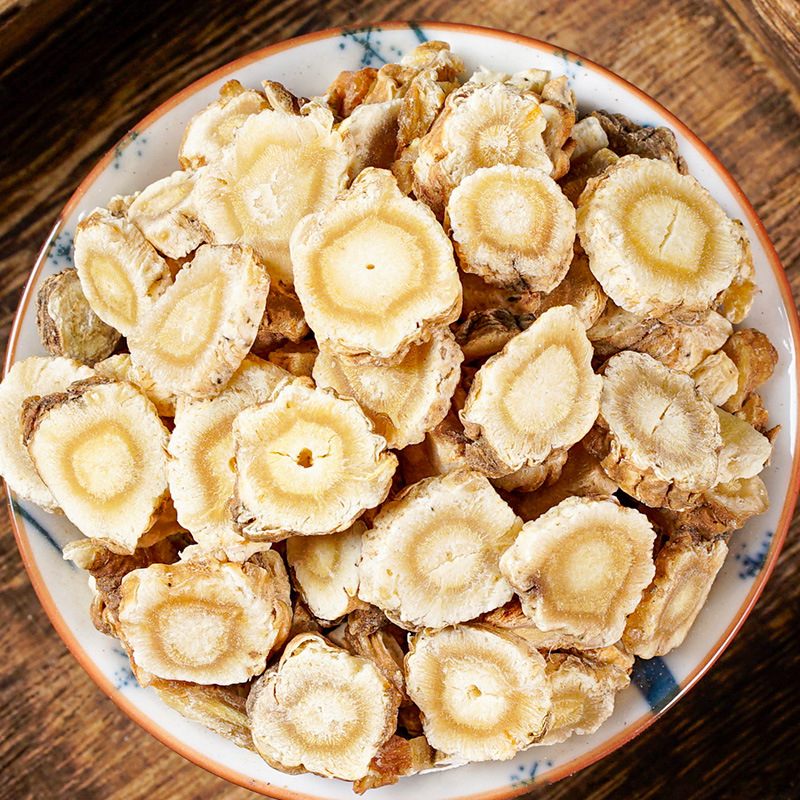
If treating deficiency cold of the lower origin with deficiency yang floating upward, presenting upper heat and lower cold, flushed face and cold feet, cinnamon can be used to guide fire back to its origin, combined with morinda root, prepared rehmannia root, asparagus root, poria, etc., known as the Fire-Guiding Decoction.
If treating the syndrome of floating yang with symptoms of running piglet, it is often combined with aconite, red ginseng, amomum fruit, eaglewood, and achyranthes root to achieve the effect of warming, tonifying, and sinking. This is known as Li Ke's Wen Shi Ben Tun Tang.
2. For cold pain in the epigastrium and abdomen, pain due to cold-dampness, lumbago, as well as conditions such as amenorrhea and dysmenorrhea caused by cold in the blood system. Cinnamon can both disperse deep-seated cold and promote blood circulation, making it applicable for pain syndromes caused by either cold stagnation and qi stagnation, or cold coagulation and blood stasis. It can be used alone by grinding into powder and taken with water, or combined with other herbs that dispel cold and relieve pain.
If treating cold in the blood aspect with poor blood circulation, it is often combined with blood-activating and menstruation-regulating herbs such as Angelica sinensis, Ligusticum chuanxiong, and Paeonia lactiflora.
If treating dual deficiency of qi and blood or chronic illness with physical weakness, it can be combined with Astragalus in the Eight-Treasure Decoction to enhance the effect of warming and moving yang qi, which is the famous formula for dual tonification of qi and blood known as the Ten Complete Great Tonifying Decoction.
3. For Yin-type gangrene and surgical conditions such as deficiency-cold of qi and blood, abscesses with pus formation that do not rupture, or prolonged non-healing after rupture. Cinnamon can disperse cold, warm yang, and promote the smooth flow of qi and blood. For treating Yin-type gangrene syndrome, it is often combined with deer antler glue, ephedra, and white mustard seed, as in Yanghe Decoction.
If there is deficiency of both qi and blood, it is often combined with Astragalus, Angelica, Ginseng, and Polygala, which is known as the Tuoli Astragalus Decoction.
4. Used for severe syndromes such as heart-kidney yang deficiency and true yang decline. Cinnamon is pungent, warm, and purely yang in nature. When applied appropriately, it can be highly effective in treating various critical and severe conditions. The renowned "Fire God School" practitioner in traditional Chinese medicine, Mr. Wu Peiheng, was particularly skilled in the application of this herb, and his experience is especially worthy of reference and study.
Wu Peiheng said: "Cinnamon has a sweet and pungent taste, a fragrant aroma, and a warm nature. It enters the foot Jueyin liver meridian, warming the liver and nourishing the blood, breaking stasis and eliminating abdominal masses, dispelling damp-cold from the waist and legs, relieving pain in the abdomen and flanks, strengthening the heart, and warming the cold-dampness in the blood aspect. For cases of deficient fire floating upward, it has the effect of guiding fire back to its source. Conditions such as toothache, sore throat, heart and stomach pain, cholera with vomiting, etc., are quite effective when treated with it. When added to ginger and aconite, its efficacy is even greater, possessing the power to revive the dying. For those with yang deficiency and kidney coldness, or those with a constitutionally weak body, steeping it in boiling water and taking it regularly can ward off illness and prolong life. The more it is taken, the more it moistens. For cases of yin dryness, taking it can promote fluid production and moisten dryness, with marvelous effects."
In the Medical Records of Wu Peiheng, there are 28 cases where the Sini Decoction was used, and in 25 of these cases, cinnamon was added, highlighting its distinctive application.
Among the many famous prescriptions personally formulated by the master, cinnamon is also commonly used. For example, when cinnamon is combined with the Sini Decoction, its direct and powerful effect enhances the ability to restore yang and rescue from collapse, resulting in the Great Yang-Restoring Decoction.
Wu Peiheng said: "This formula (Da Hui Yang Yin) can restore yang and rescue from collapse, strengthen the heart and consolidate the kidneys, warm the middle and soothe the liver, and treat all critical conditions of yang deficiency and yin excess, possessing the power to bring the dead back to life. As for those who are usually yang deficient, weak, and lacking vitality, taking several doses regularly can easily restore health, achieving the effect of withered wood meeting spring, eliminating illness, and prolonging life."
Whenever encountering severe cases of yang deficiency with impending collapse, the master most commonly uses the Great Yang-Returning Decoction, which directly addresses the root cause without adding many additional ingredients, often achieving miraculous life-saving effects.
Wu Peiheng said, "If the medicine is slightly mixed, it is easy to change the syndrome, and it is difficult to treat the critical condition."
In addition, the master also formulated famous prescriptions such as Sini Erchen Maxin Decoction, Sini Linggui Dingjiao Decoction, Sini Wuling Powder, Sini He Gualou Xiebai Decoction, Qianyang Fengsui Dan, Kanli Dan, and Guifu Decoction, all of which involve the application of cinnamon.
In the Gui Fu Decoction, the combination of aconite and cinnamon is worth learning. When using aconite, the master often boils it thoroughly first. When discussing the safe usage of aconite, the master said, "The safety of aconite does not lie in thorough processing, but in thorough boiling," which truly hits the mark. Cinnamon is ground into fine powder and can be infused in water before being added. The combination of these two herbs can promote the ascent of water and the descent of fire, harmonizing water and fire to connect the heart and kidneys. When the heart and kidneys are connected, the spirit and soul become tranquil, making it quite effective in treating symptoms such as palpitations, fright-induced palpitations, and insomnia caused by heart disease. For weak individuals, regular consumption can have the effect of dispelling illness and prolonging life.
The master emphasizes the idea of supporting yang in clinical practice and excels in using methods to break yin and restore yang, which can be said to be unprecedented. His works also share many classic medical cases for future generations to refer to and learn from, making his contributions truly remarkable. For this reason, later generations of physicians respectfully refer to Master Wu as the "Thunderous Fire God Physician," which is indeed the highest praise.
III. Usage and Dosage
Cinnamon can be used in decoctions or ground into powder for oral administration. Due to its volatile nature, it should be added later when used in decoctions. The typical dosage for decoctions ranges from a few grams to over ten grams; if ground into powder for oral administration, the dosage should be appropriately reduced. To facilitate oral administration of the powder, it can be mixed with rice water.
Huang Yuanyu said, "Cinnamon is originally tree bark and also primarily acts on the exterior. However, due to its heavy and thick nature, it moves internally, targeting the interior within the exterior. Ultimately, its strength reaches directly to the internal organs, differing from cassia twig, which specifically acts on the meridians and collaterals."
Wang Ang said, "Cinnamon with purple color, thick flesh, and a pungent-sweet taste is called Rougui. It is best to use the thick, aromatic flesh after removing the coarse bark. The central part after removing both the inner and outer bark is called Guixin. The tender bark from the branches is called Guizhi."
Wu Peiheng said: "Cinnamon bark is thick and oily, with a strong nature and flavor. It stays in place without moving, specifically warming the cold in the blood aspect of the heart, liver, and spleen, removing stasis and promoting regeneration. When taking it, it should only be steeped in water and not decocted, as prolonged decoction causes its qi and oily substance to evaporate and lose effectiveness."
IV. Application Notes
Cinnamon is extremely hot and purely yang, so it should not be used in cases of yin deficiency with fire effulgence, internal excess heat, reckless movement of blood heat, or during pregnancy.
In addition, in the traditional Chinese medicine compatibility rule of "Nineteen Incompatibilities," there is a claim that cinnamon is incompatible with red halloysite, which is actually not credible.
Zhang Xichun said, "Cinnamon has a strong aroma and taste, and its tonifying properties are actually combined with dispersing effects. It is not a major remedy for rescuing critical conditions or supporting collapse. This can be seen from the formulas for Shaoyin disease in Zhang Zhongjing's 'Treatise on Cold Damage,' where aconite is used but not cinnamon."
Zhang Xichun's viewpoint and Wu Peiheng's experience have discrepancies, for reference only.
Practical Notes on Traditional Chinese Medicine: Second Draft on the Evening of January 12, 2021