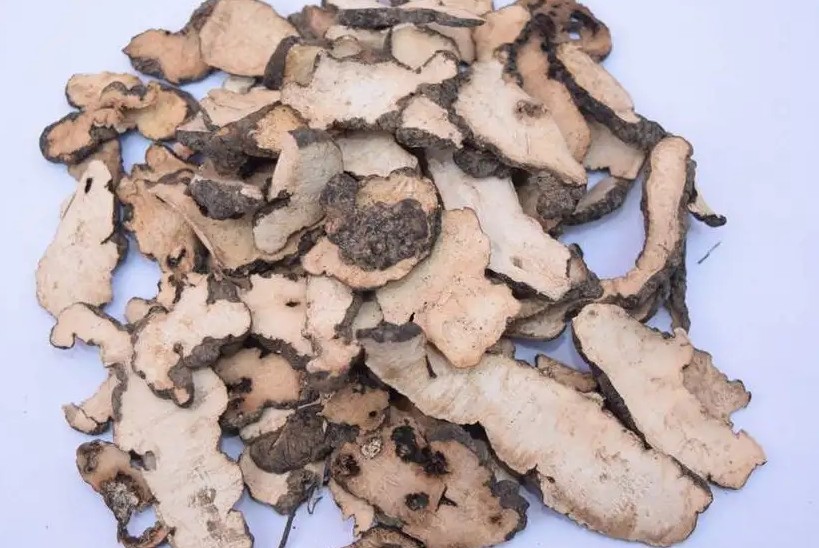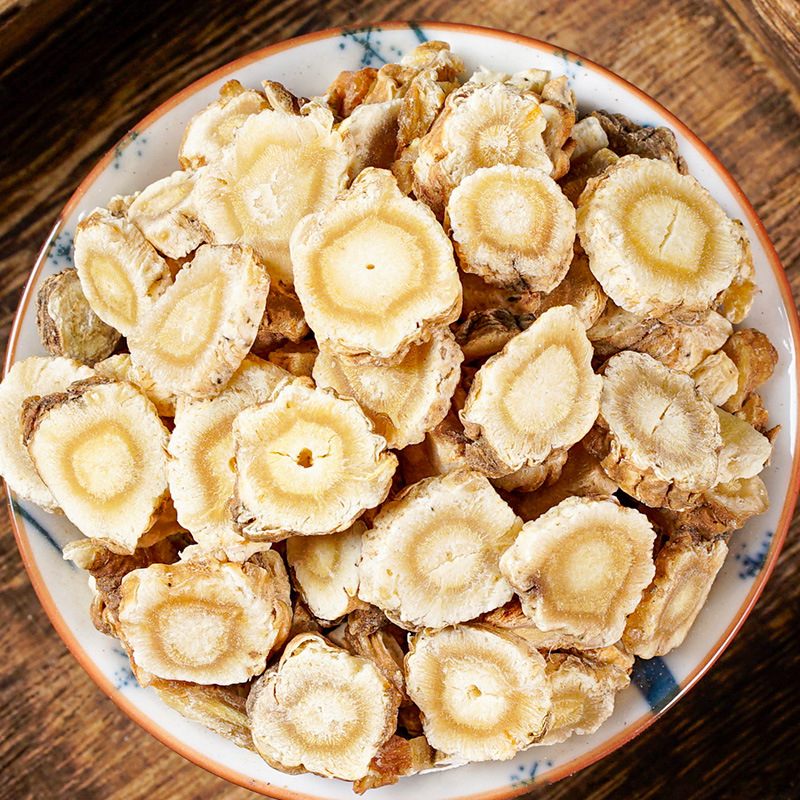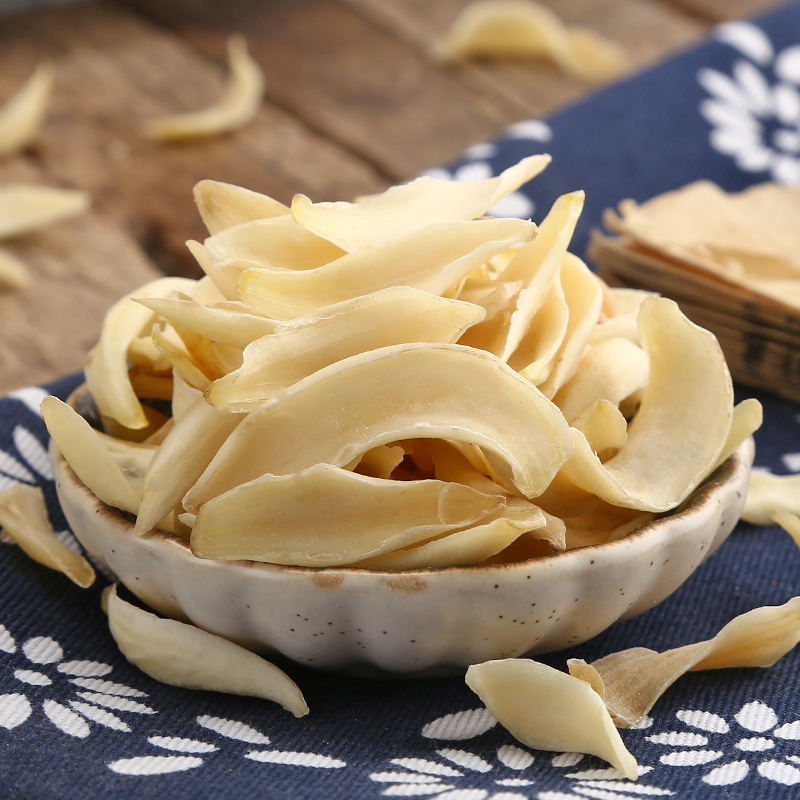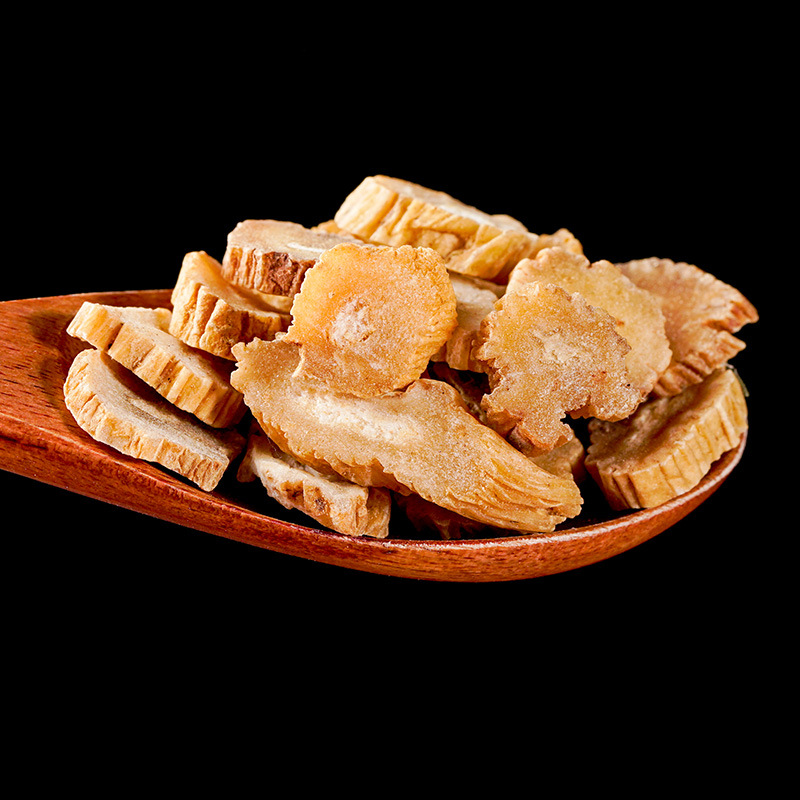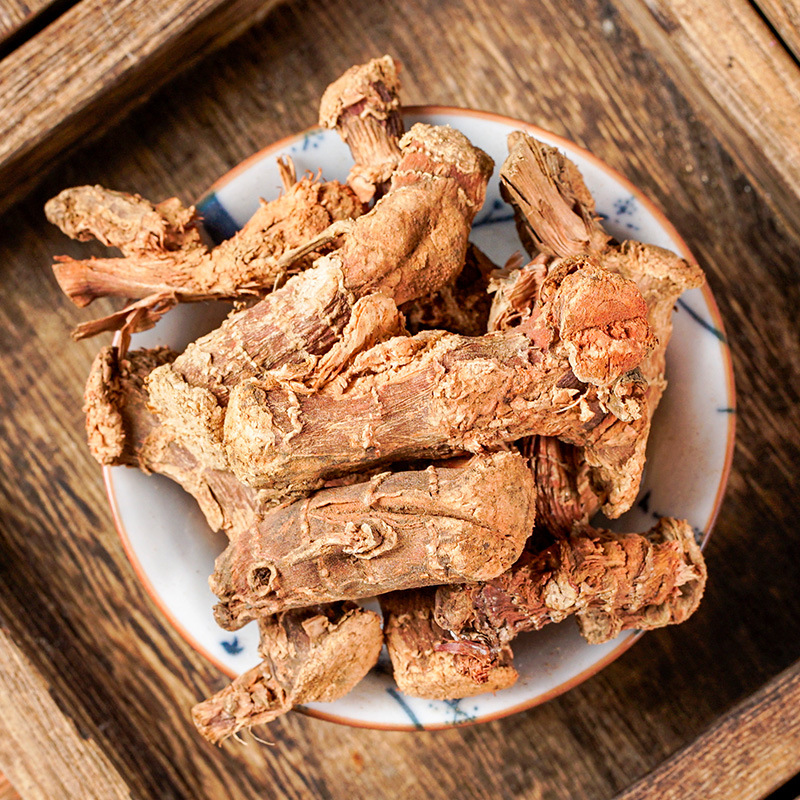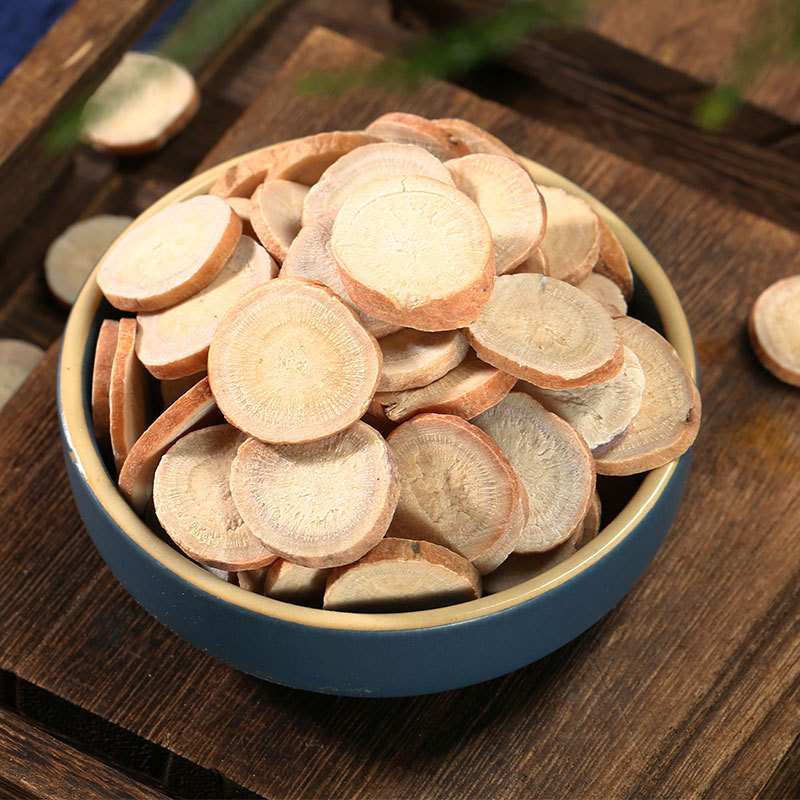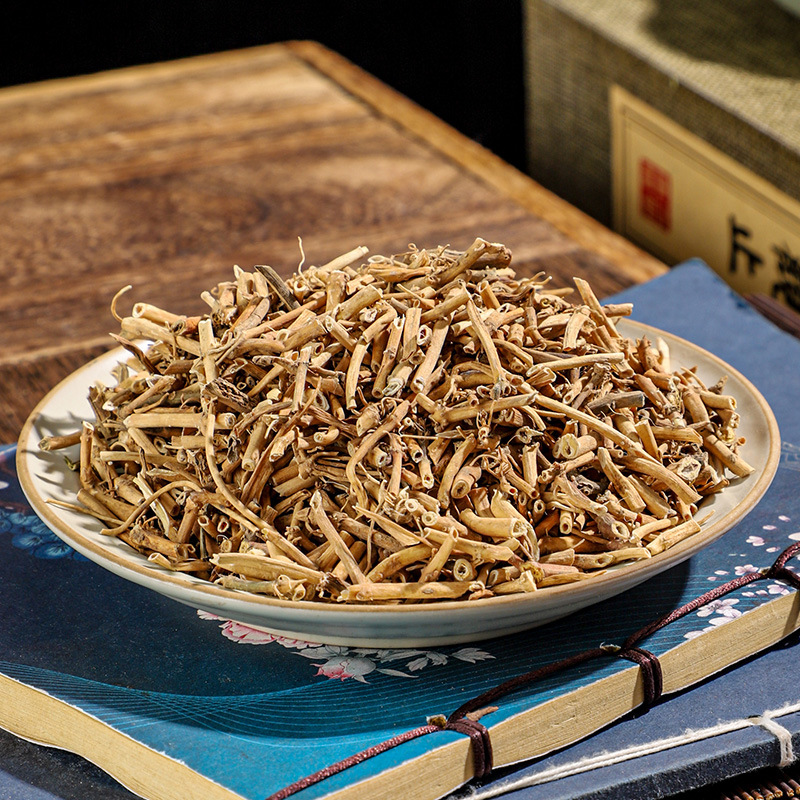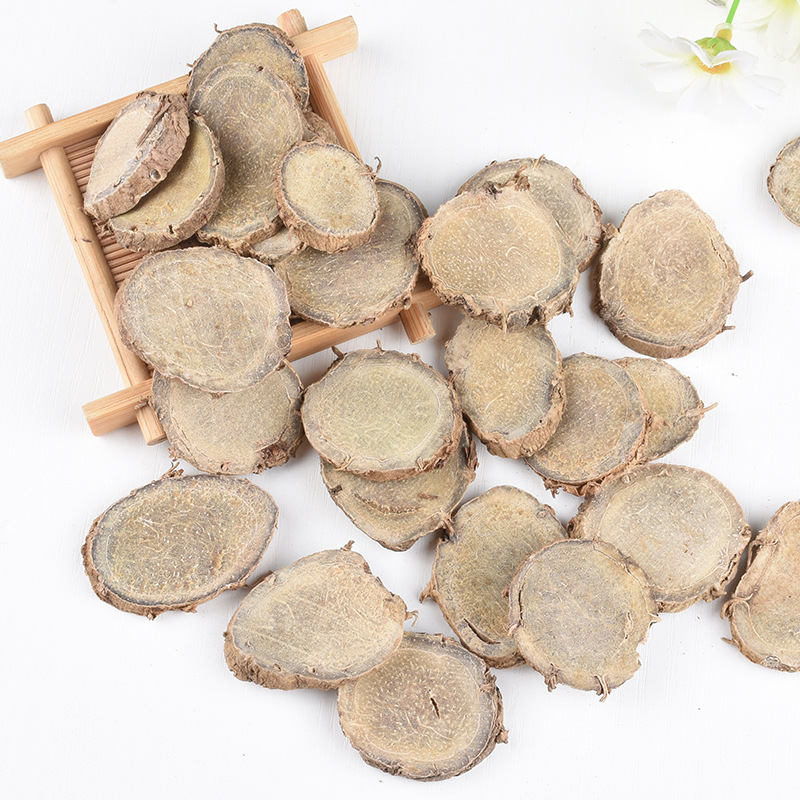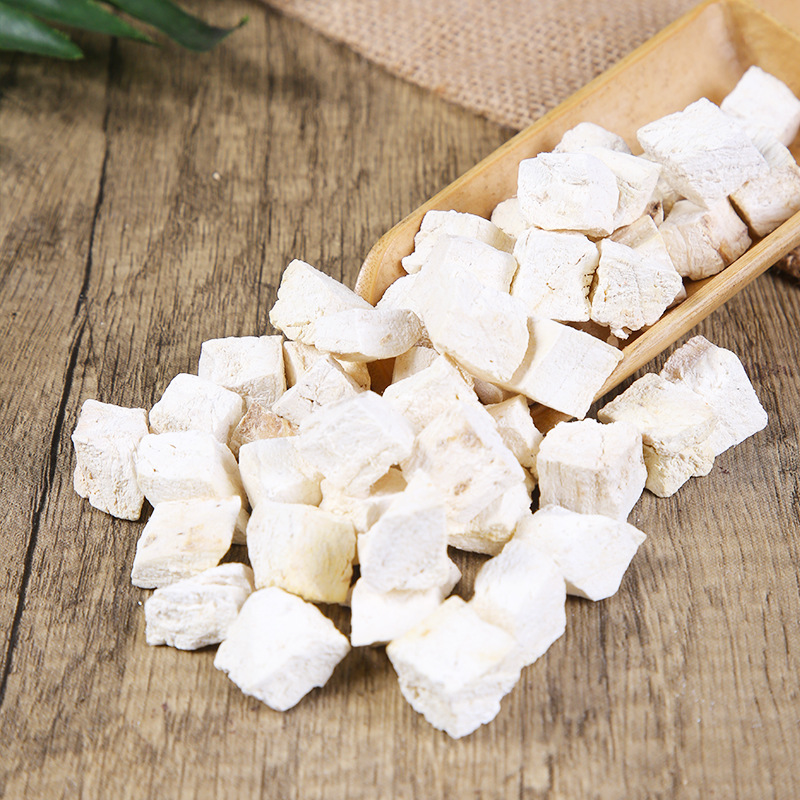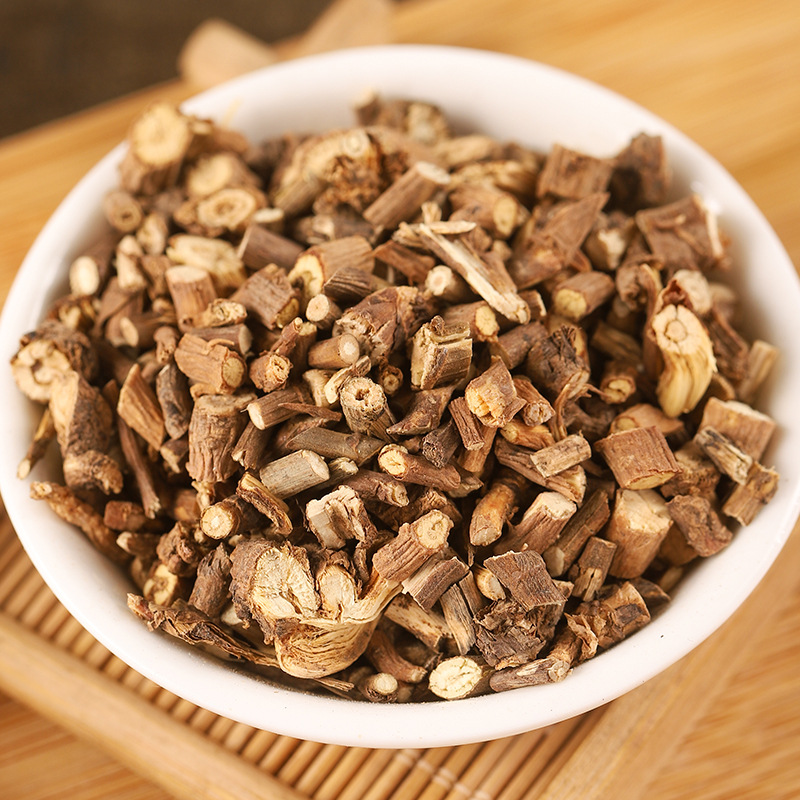
Polyporus umbellatus is also known as false pig dung or pig dung fungus. It is the dried sclerotium of the fungus Polyporus umbellatus from the Polyporaceae family. It often parasitizes the decaying roots of birch and maple trees, and its shape resembles pig dung, hence the name. In ancient times, horse dung was called "tong," and pig dung was called "ling," with "ling" meaning dung, as the ancient characters were interchangeable. The variety with white and solid flesh is considered superior. It is mainly produced in Shaanxi, Henan, Hebei, Sichuan, Yunnan, and other regions. It is typically harvested in spring and autumn, often peeled, sliced, and used raw.
I. Efficacy and Application
Polyporus Umbellatus tastes sweet and bland, and is neutral in nature. It belongs to the kidney and bladder meridians.
Efficacy It can promote diuresis and drain dampness. Its characteristic is strong in promoting diuresis and draining dampness, especially good at promoting urination and reducing edema, but its efficacy is relatively singular. Compared with Poria, it has stronger diuretic effect but lacks the functions of strengthening the spleen and calming the mind.
It is commonly used for the treatment of heat-induced strangury, dysuria, edema, diarrhea, turbid strangury, and leukorrhea.
Modern research confirms that Polyporus umbellatus has the effects of relieving fever, dispelling dampness, reducing swelling, alleviating inflammation, quenching thirst, and promoting diuresis.
Huang Yuanyu said, "Polyporus is more effective than Poria in promoting diuresis and draining water."
Wang Ang said: "It can ascend and descend, open the interstices to induce sweating, promote urination and diuresis, similar to Poria but not tonifying."
Li Shizhen said, "Polyporus is bland and draining, promoting urination with the same efficacy as Poria, but it is not as good as Poria when used in tonic formulas."
Summary of Famous Works by Renowned Authors
"Ben Jing": "Promotes urination."
"Compendium of Materia Medica": "Treats strangury, swelling, beriberi, white turbidity and leukorrhea, pregnancy-induced strangury, and difficulty in urination."
"Changsha Materia Medica": "Promotes diuresis and dries dampness, drains fluid retention and resolves phlegm, opens sweat pores to expel dampness, clears the bladder to relieve strangury, can stop leukorrhea and turbidity, and can alleviate abdominal distension."
The Heart Method of Medicinal Use: "Eliminate dampness and promote urination."
Ben Cao Bei Yao: "Treats febrile diseases and epidemic warm diseases with high fever, restlessness and thirst, swelling and distention, strangury and turbidity, diarrhea and dysentery, and malaria."
II. Compatibility and Application
For symptoms such as dysuria, edema, diarrhea, turbid strangury, and leukorrhea. Polyporus excels at promoting diuresis and draining dampness. In ancient formulas, it was often used as a single herb. For example, in the Xiaopin Fang, it was used to treat strangury during pregnancy; in the Yangshi Chanru Fang, it was used to treat generalized edema; and in the Zimu Milu, it was used to treat foot swelling during pregnancy. In all these cases, Polyporus was ground into powder and taken with hot water as a single herb.
For treating various syndromes of internal water-dampness retention, it is most commonly paired with Poria. Some physicians prescribe "Er Ling," which refers to the combined use of Poria and Polyporus.
If treating the Taiyang bladder water retention syndrome, with symptoms such as fever, headache, excessive thirst and drinking water, difficulty in urination, or edema, heaviness in the body, difficulty in urination, palpitations, vomiting of saliva foam, and dizziness caused by water-dampness stagnation, it is often combined with Poria, Alisma, Cinnamon Twig, and Atractylodes macrocephala, which is the general formula for treating water retention known as Wuling Powder. If Cinnamon Twig is removed, it becomes Siling Powder, which also has similar effects.
The Classic states: "The bladder is the official of the state capital, where fluids are stored, and through qi transformation, they can be discharged." In the Five-Ingredient Powder with Poria, cinnamon twig, which is pungent and warm, promotes yang and can both regulate the qi mechanism of the bladder and assist its qi transformation. When combined with diuretic and dampness-eliminating herbs such as poria, polyporus, and alisma, along with atractylodes macrocephala, which strengthens the spleen and eliminates dampness, the effects complement each other, resulting in remarkable efficacy. It is truly the premier formula for treating water-qi disorders.
The Classic of Generation: "Wuling Powder can generate fluids and also unblock the bowels."
Deng Tietao treats chronic rheumatic heart disease with heart failure, characterized by systemic edema, particularly severe in both lower limbs. On the basis of supplementing qi and supporting the healthy qi, he often adds Wuling San and Wupi Yin to promote diuresis and reduce edema. For treating congestive heart failure with severe edema, Wuling San and Wupi Yin can also be added.
If treating yin deficiency with fever and dysuria, it is often combined with Poria, Donkey-Hide Gelatin, and Talc to jointly achieve the effects of nourishing yin, clearing heat, and promoting urination, which is known as Polyporus Decoction.
If treating vomiting followed by thirst for water, it is often combined with Alisma and Atractylodes macrocephala, known as Polyporus Powder.
Huang Yuanyu said, "The nature of water is such that it cannot flow alone without the regulation of earth and wood. In the case of the Poria Powder for promoting urination, there is Atractylodes macrocephala to dry damp earth. In the case of the Polyporus Decoction for promoting urination, there is donkey-hide gelatin to clear wind wood. In the case of the Five-Ingredient Powder with Poria for promoting urination, there is Atractylodes macrocephala to dry earth and cinnamon twig to regulate wood. In the case of the Eight-Ingredient Pill (Kidney Qi Pill) for promoting urination, there is cinnamon twig to regulate wood and rehmannia to clear wind. If one merely seeks to promote urination with substances like polyporus, poria, talc, and alisma, it is likely that remarkable efficacy will be difficult to achieve."
III. Usage and Dosage
Polyporus is often used in decoctions and is also suitable for making pills and powders. Because it is highly effective in promoting diuresis but lacks tonifying properties, the dosage should not be too large. The usual dosage in decoctions ranges from a few grams to over ten grams.
IV. Application Precautions
The efficacy of Polyporus umbellatus is singular, excelling only in promoting urination, thus it is contraindicated for those without dampness.
"Ben Cao Yan Yi": "It has a strong effect on promoting water circulation, but prolonged use will inevitably damage kidney qi and impair vision."
Medical Origin: "Polyporus is bland and draining, strongly drying and depleting of fluids, do not take if there is no dampness syndrome."
Introduction to Medicine: "Those with dampness syndrome and kidney deficiency should avoid it."
Wang Ang said: "However, it consumes body fluids, and excessive consumption damages the kidneys and impairs vision."
Practical Notes on Traditional Chinese Medicine: January 10, 2021, Morning