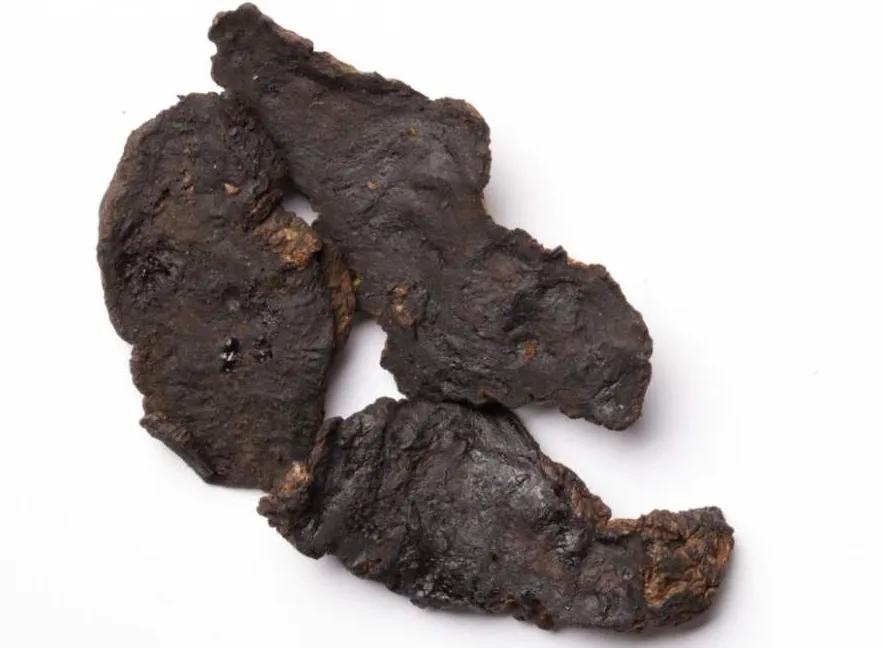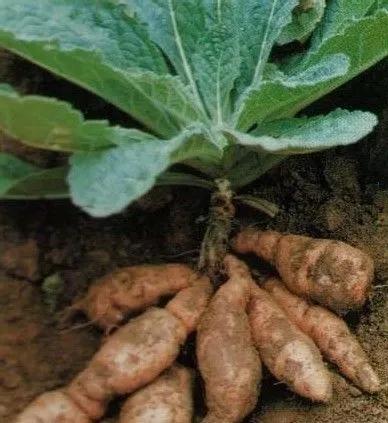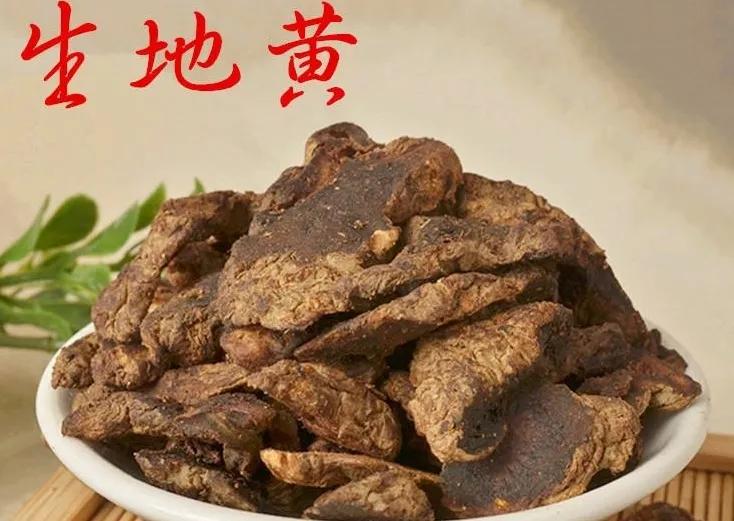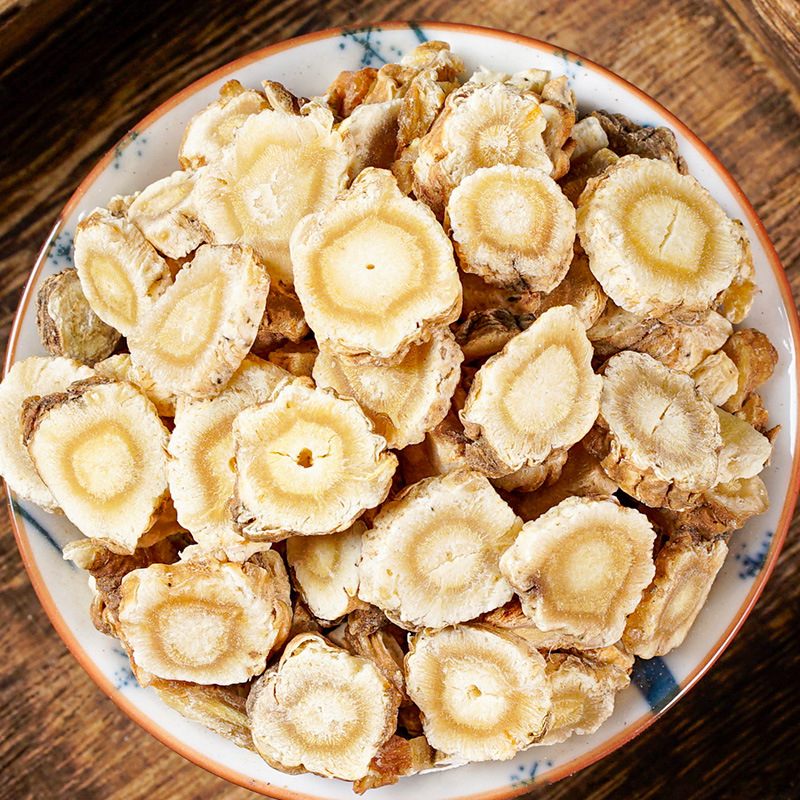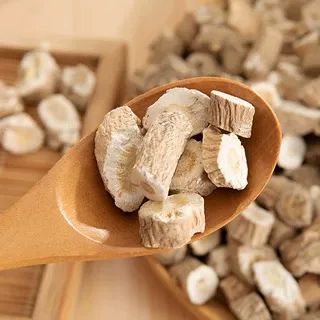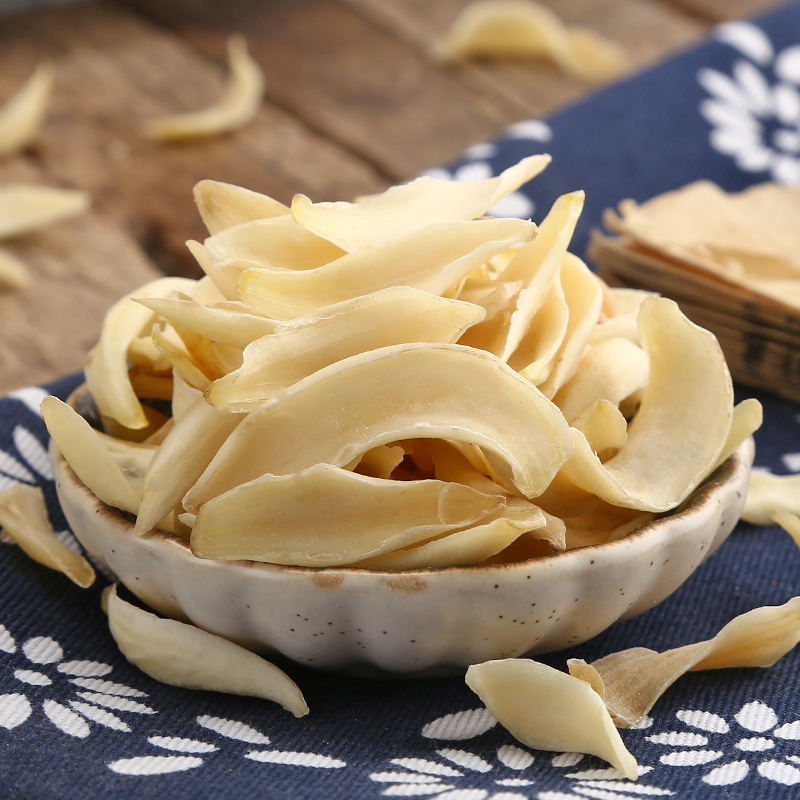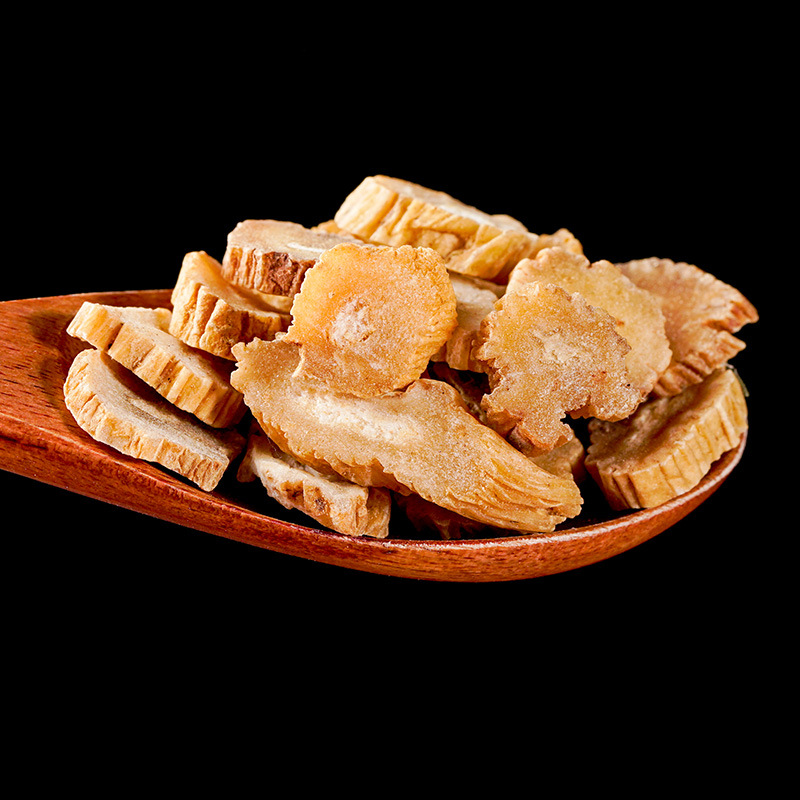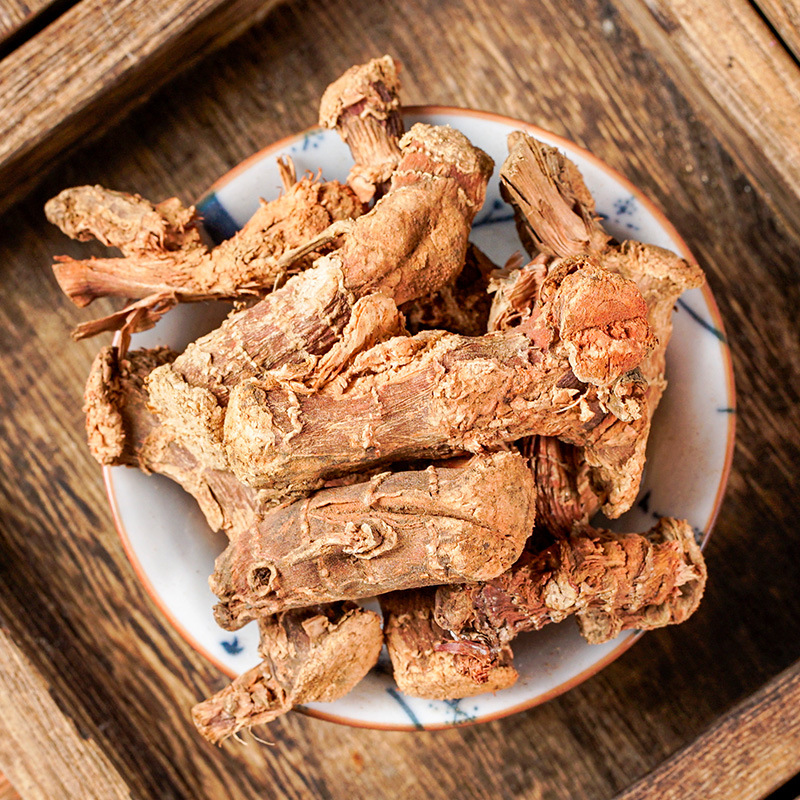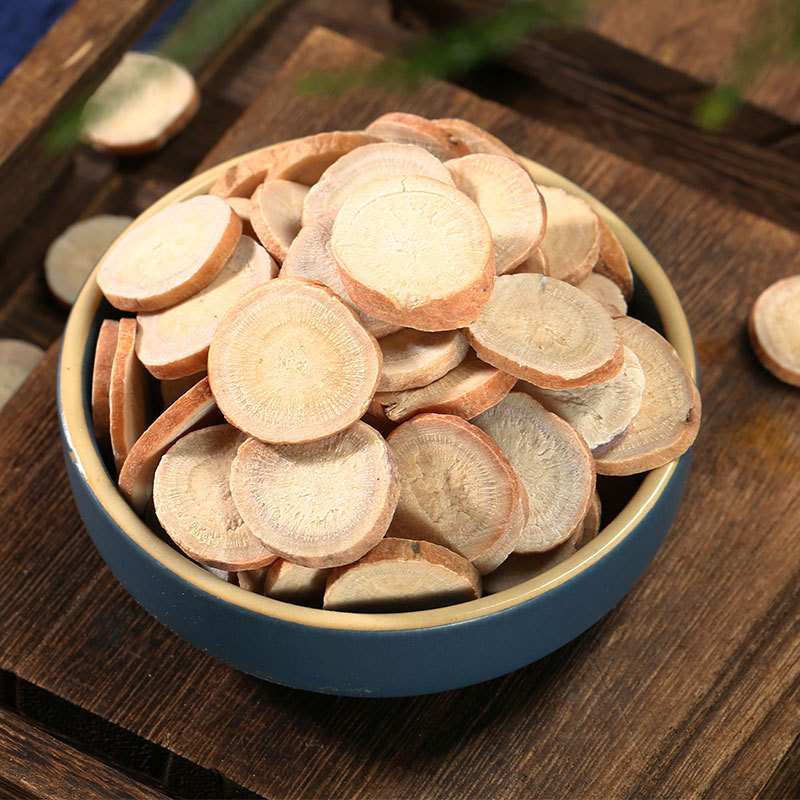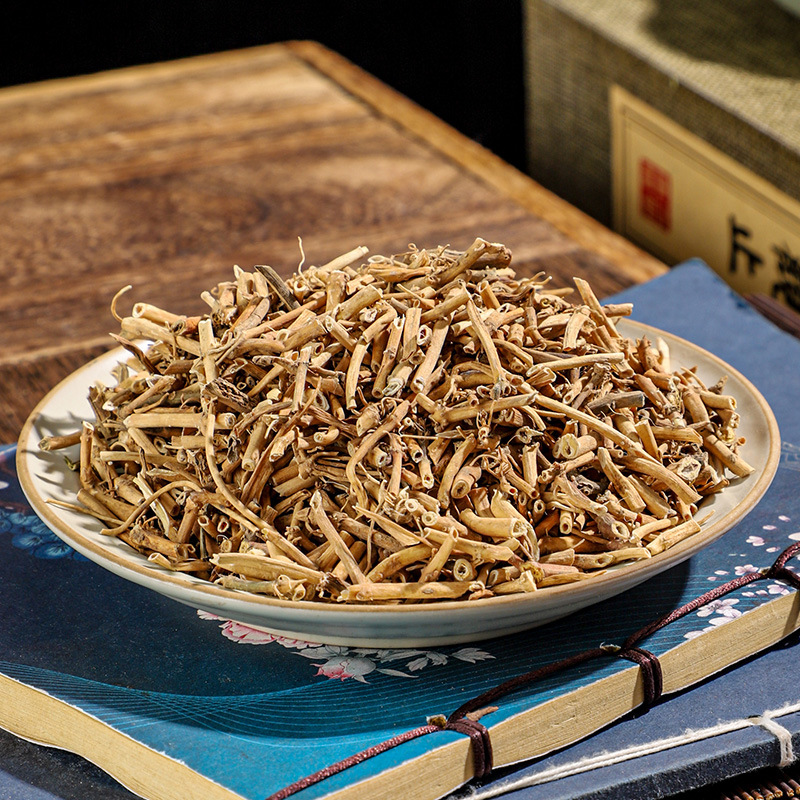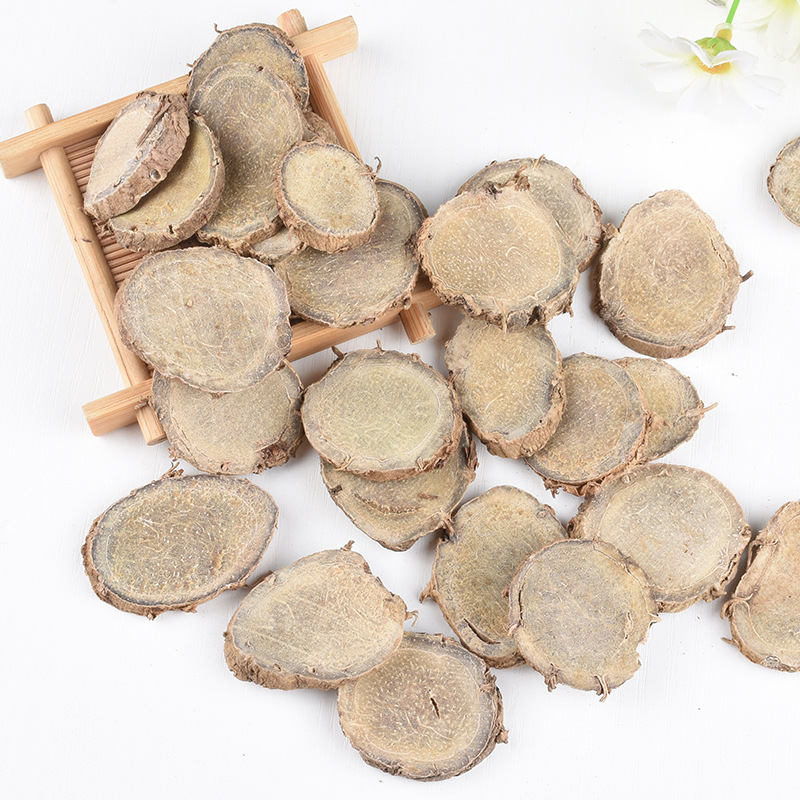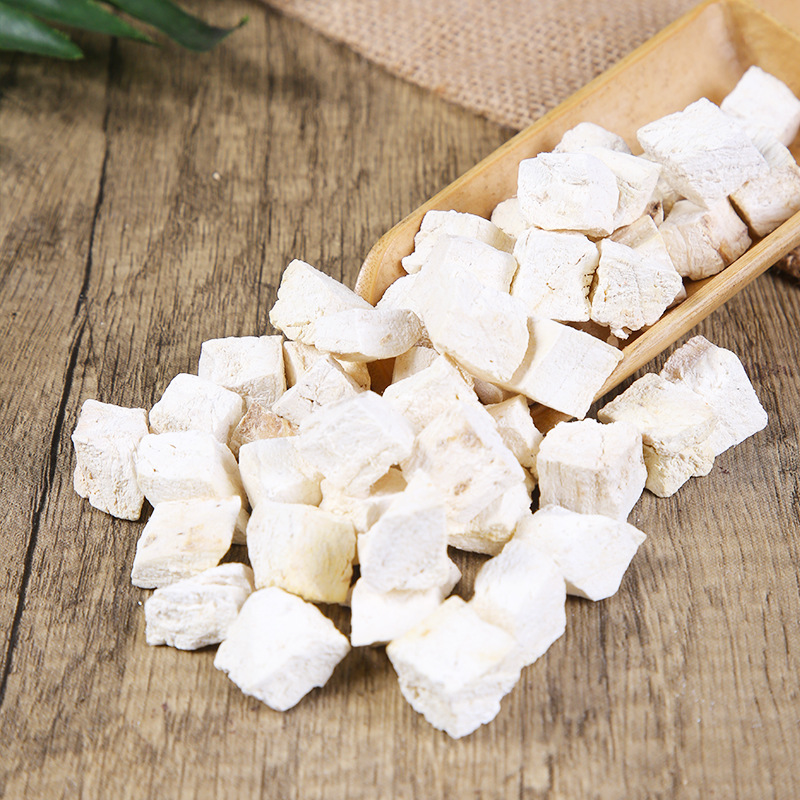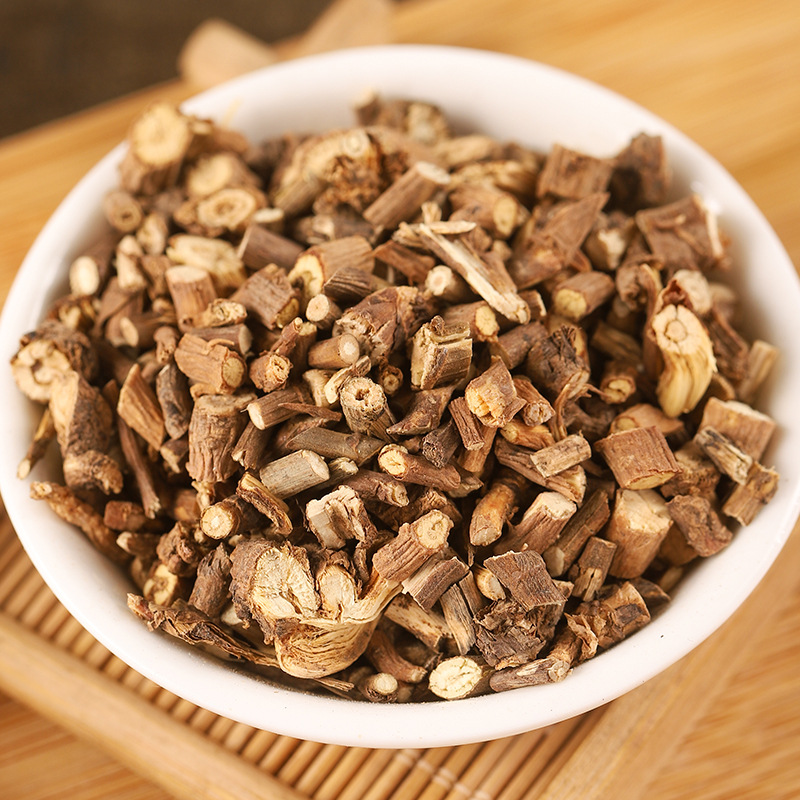
Rehmannia is also called Di Sui in the "Shennong's Classic of Materia Medica". It is the root of the Scrophulariaceae plant Rehmannia glutinosa or Rehmannia. It is mainly produced in Henan, Hebei, Inner Mongolia, and Northeast China. The quality of Rehmannia produced in Huaiqing is superior, and it is also one of the "Four Famous Huai Medicines" in traditional Chinese medicine. Rehmannia used in medicine is divided into raw Rehmannia and prepared Rehmannia. Raw Rehmannia can be further divided into fresh Rehmannia and dried Rehmannia. Different forms of Rehmannia used in medicine have distinct therapeutic effects.
I. Efficacy and Application
Radix Rehmanniae tastes sweet and bitter, and is cold in nature. It enters the heart, liver, and kidney meridians.
Efficacy Clears heat and cools blood, nourishes yin and promotes fluid production. Its characteristic is adept at clearing heat and nourishing yin, making it a key herb for nourishing yin and clearing heat.
It is commonly used for the treatment of conditions such as heat entering the nutrient and blood levels, warm toxin causing macules, vomiting blood, nosebleeds, heat disease damaging yin, vexing thirst with a crimson tongue, fluid damage leading to constipation, and sore swollen throat.
Zhang Jingyue rated Rehmannia as one of the "Four Pillars" of Chinese medicine, which did not include Gypsum. Zhang Jingyue said, "Ginseng and Rehmannia are like good ministers, while Aconite and Rhubarb are like good generals," a vivid metaphor indeed.
Summary of Famous Works by Renowned Authors:
Shennong's Classic of Materia Medica: "It is mainly used for treating fractures and severed tendons, and injuries to the middle. It dispels blood impediment, replenishes bone marrow, and promotes muscle growth. When made into a decoction, it eliminates cold and heat accumulations, removes impediments, and is particularly effective when used fresh."
Bie Lu: "It governs the five strains and seven injuries in men, injuries to the center in women, and uterine leakage with bleeding."
Rihuazi Materia Medica: Treats palpitations and fatigue, damage to the heart and lungs, vomiting blood, nosebleeds. Women's uterine bleeding and dizziness. Strengthens bones and muscles.
Changsha Materia Medica: "Cooling blood and nourishing the liver, clearing wind and moistening wood, treating Jueyin diabetes, regulating irregular pulse, nourishing wind wood to stop excessive discharge, excellent for severe blood loss, moistening dry metal to relieve constipation, effective for hardened stools."
"Ben Cao Bei Yao": "Nourishes yin and reduces yang, cools blood and generates blood. Treats fever due to blood deficiency, cough from overexertion, paralysis and palpitations, vomiting of blood, nosebleeds, bloody urine, dizziness from blood loss, uterine bleeding, hot pain in the soles, broken tendons from falls, fills bone marrow, promotes muscle growth, facilitates urination and bowel movements, regulates menstruation, and stabilizes pregnancy."
"Medical Records Combining Chinese and Western Medicine": Fresh Rehmannia is cold in nature, slightly bitter and slightly sweet, best at clearing heat, cooling blood, resolving blood stasis, and generating new blood. It treats bleeding due to blood heat, such as vomiting blood, nosebleeds, and bleeding from the two lower orifices due to heat. Dried Rehmannia, commonly known as Sheng Di in pharmacies, is dried by sun exposure. It is cool in nature but not cold, promotes blood circulation, nourishes essence and marrow, sharpens the senses, and treats bone-steaming fever and heat generated by kidney deficiency.
II. Compatibility and Application
1. For warm-heat diseases with heat entering the nutrient-blood level, symptoms such as body heat, dry mouth, crimson or red tongue, etc. Shengdi has the functions of clearing heat, cooling blood, and nourishing yin. To treat heat entering the nutrient level, it is often combined with Xuanshen, water buffalo horn, Lianqiao, Jinyinhua, etc., to enhance the effect of clearing the nutrient level and nourishing yin, as seen in Qingying Tang.
In the treatment of late-stage warm disease, where residual heat persists and yin fluids are already damaged, leading to fever, night fever with morning coolness, as well as tidal fever syndrome caused by yin deficiency and internal heat, it is often combined with Anemarrhena asphodeloides, Artemisia annua, and turtle shell, as seen in the Qinghao Biejia Decoction.
2. For heat in the blood aspect, causing reckless bleeding such as hematemesis, epistaxis, hematuria, and metrorrhagia, raw Rehmannia can cool the blood and stop bleeding. To treat the above conditions, it is often combined with Platycladus orientalis leaves, fresh lotus leaves, and Artemisia argyi leaves, known as Sisheng Wan.
If treating blood heat toxin exuberance, with eruptions and macules and macules purple black pattern, it is often combined with water buffalo horn (or Li Ke's four ingredients of rhinoceros horn), moutan bark, and red peony root to cool the blood and disperse macules, which is Rhinoceros Horn and Rehmannia Decoction.
3. For febrile diseases damaging yin, red tongue and dry mouth, or thirst with excessive drinking, as well as symptoms of diabetes with excessive thirst and drinking. Shengdi can nourish yin and promote fluid production, making it an essential herb. To treat the above conditions, it is often combined with Maidong, Shashen, and Yuzhu to nourish stomach yin and promote fluid production, as seen in Yiwei Decoction.
In the treatment of diabetes, it is often combined with Puerariae Lobatae Radix, Trichosanthis Radix, and Schisandrae Chinensis Fructus, known as Yuquan Powder. When combined with raw Astragali Radix, raw Dioscoreae Rhizoma, and clean Corni Fructus, it is referred to as Zicui Decoction.
If treating kidney yin deficiency, tidal fever, night sweats, seminal emission, diabetes, etc. It is often combined with Chinese yam, dogwood fruit, peony bark, alisma, etc., which is the famous formula for nourishing kidney yin, Six-Ingredient Rehmannia Pill.
If treating symptoms such as dysuria and diabetes caused by kidney yang deficiency, one can combine processed aconite and cinnamon with Liuwei Dihuang Wan to warm and tonify kidney yang, promote diuresis, and reduce swelling, which is the famous prescription Shenqi Wan from the "Jingui Yaolue."
Zhang Xichun said, "In this formula, Astragalus is the main herb because it can assist the spleen qi in ascending and restore its function of dispersing essence to the lungs. The 'Synopsis of the Golden Chamber' includes the Kidney Qi Pill, which is effective in treating diabetes. In that formula, Rehmannia is the main herb, as it helps the true yin of the kidneys to rise and moisten the lungs, while also working in synergy with Cornus to secure the kidney gate."
4. For constipation due to intestinal dryness caused by severe heat damaging yin and depleting fluids. Sheng Di (Rehmannia root) can both clear heat and nourish yin to promote fluid production, making it particularly effective for treating constipation due to intestinal dryness and fluid deficiency. It is often combined with Mai Dong (Ophiopogon root) and Xuan Shen (Scrophularia root), as seen in the formula Zeng Ye Tang (Fluid-Increasing Decoction). If there is severe dryness and heat accumulation, Da Huang (Rhubarb root) and Mang Xiao (Sodium sulfate) can be added, forming the formula Zeng Ye Cheng Qi Tang (Fluid-Increasing and Qi-Regulating Decoction).
Huang Yuanyu said: "Rehmannia is like the troops of Huaiyin, the more the better, but it is not the main general after all. In Zhongjing's prescriptions, Rehmannia is never used as the sovereign herb, nor is there a specific method for its addition. In the Kidney Qi Pill, it is used to treat wasting-thirst and strangury, with Aconite as the sovereign to warm kidney qi, while Rehmannia nourishes the dryness of wind-wood; in the Dioscorea Pill, it is used to treat deficiency taxation and wind qi, with Dioscorea as the sovereign to astringe kidney essence, while Rehmannia, Gelatin, Angelica, and Peony clear the dispersion of wind-wood; in the Licorice Decoction, it is used to treat bound and intermittent pulses, with Licorice as the sovereign to supplement central qi, while Rehmannia, Gelatin, and Hemp Seed nourish the dryness of the channels and vessels; in the Rhubarb and Eupolyphaga Pill, it is used to treat taxation damage and dry blood, with Rhubarb and Eupolyphaga as the sovereigns to break accumulation, while Rehmannia and Peony moisten the dryness of the channels and vessels; in the Yellow Earth Decoction, it is used to treat bleeding after defecation, with Yellow Earth as the sovereign to collect blood desertion, while Rehmannia and Gelatin clear the dispersion of wind-wood; in the Gelatin and Artemisia Decoction, it is used to treat fetal obstruction and bleeding, with Gelatin and Artemisia as the sovereigns to stop blood leakage, while Rehmannia, Angelica, and Peony clear the dispersion of wind-wood." Huang's understanding of Zhongjing's experience in applying Rehmannia is profound. Moreover, he admonishes later generations who indiscriminately use Rehmannia without distinguishing between yin and yang, deficiency and excess, with measured criticism, making him a worthy teacher.
III. Usage and Dosage
Raw Rehmannia Root is often used in decoctions and also made into pills or powders. The usual dosage in decoctions ranges from over ten grams to several tens of grams; the dosage of fresh Raw Rehmannia Root can be doubled, and it is often pounded to extract juice for medicinal use.
Wang Ang said: "For freshly dug ones, pound them to extract the juice and drink it, or process with wine to avoid harming the stomach. When raw, they are cold; when dried, they are cool; when heated, they become warm."
IV. Application Precautions
Raw Rehmannia Root is cold and stagnant in nature, so it is not suitable for those with spleen deficiency, damp stagnation, abdominal fullness, and loose stools.
Ben Cao Hui: "Danxi said: 'For qi diseases, supplementing blood, even if not targeting the illness, is also harmless.' However, it is not understood that blood-nourishing medicines belong to yin, and their nature is sluggish and stagnant. If individuals with weak stomach and deficient qi excessively take preparations such as Danggui and Dihuang, it can instead lead to abdominal fullness and discomfort, reduced appetite, and the emergence of various complications, leading to death without realization. Is this not a pity?"
Huang Yuanyu said, "Those with excessive water and damp earth must not take it."
Practical Notes on Traditional Chinese Medicine: 20.11.13