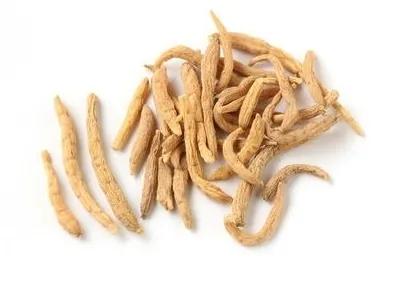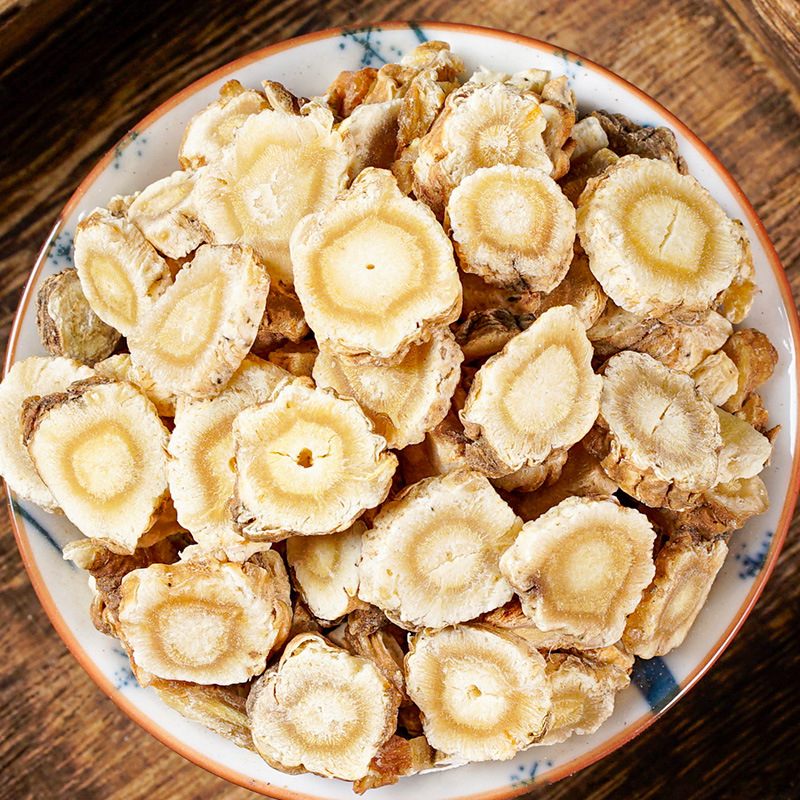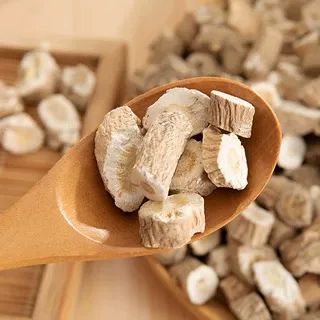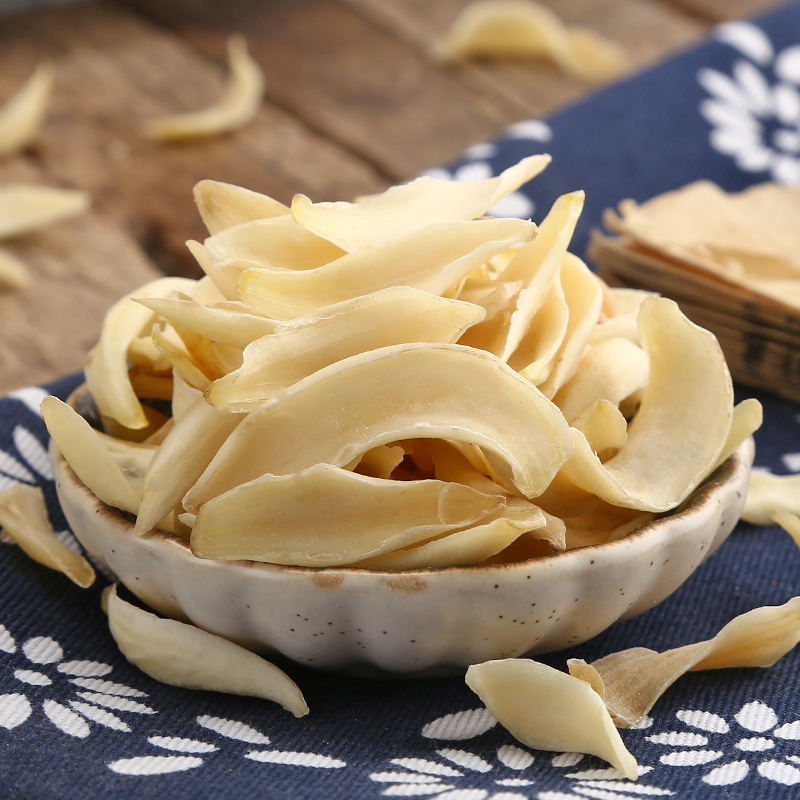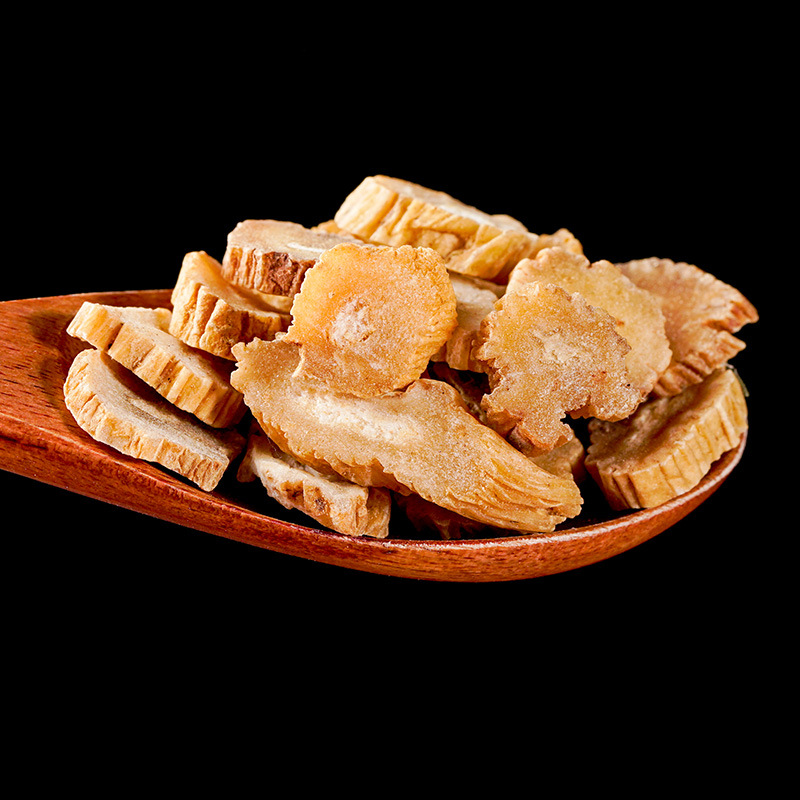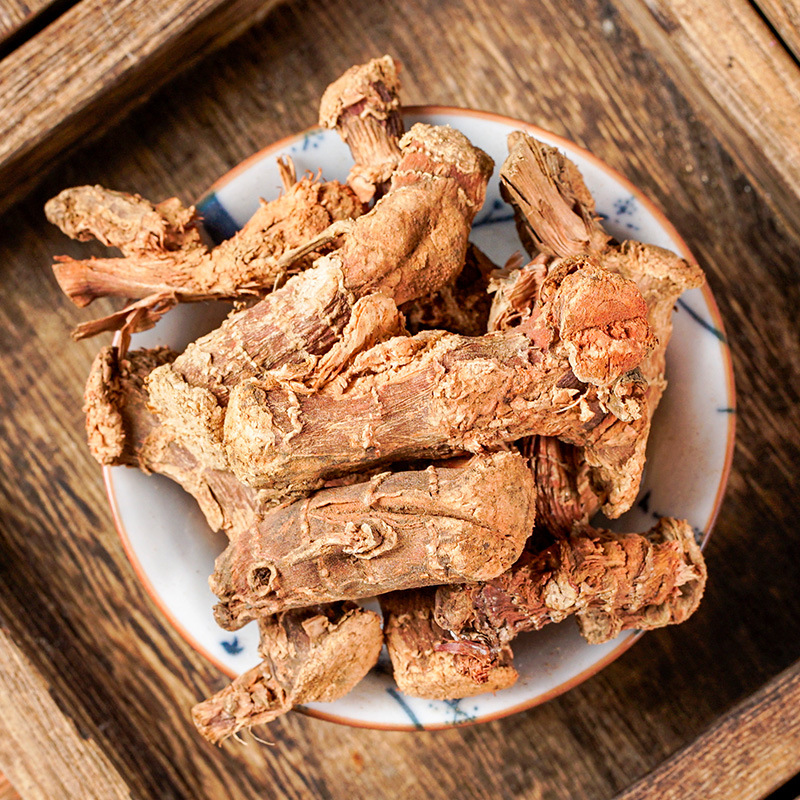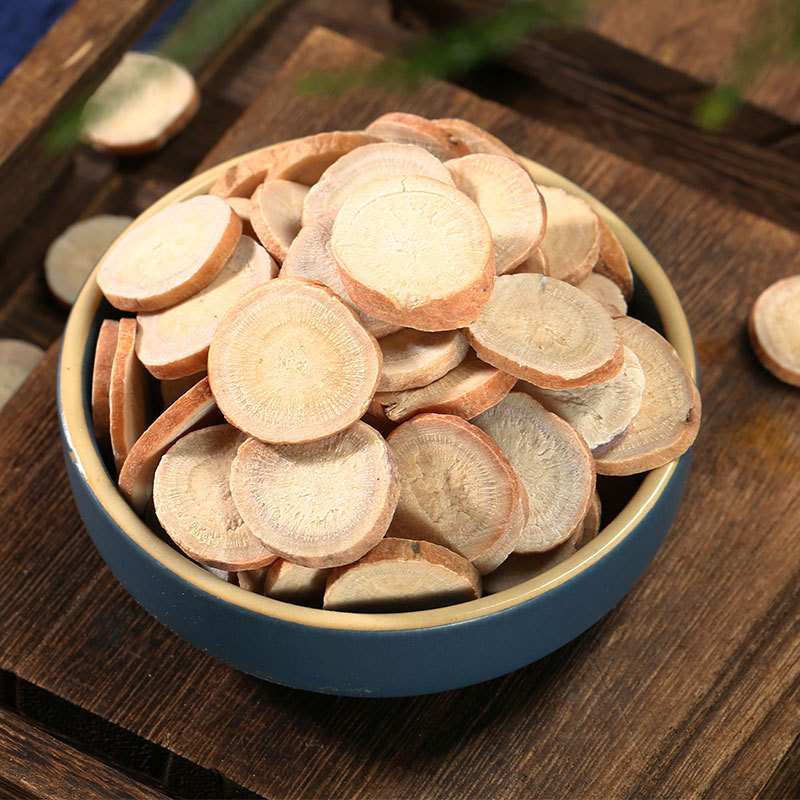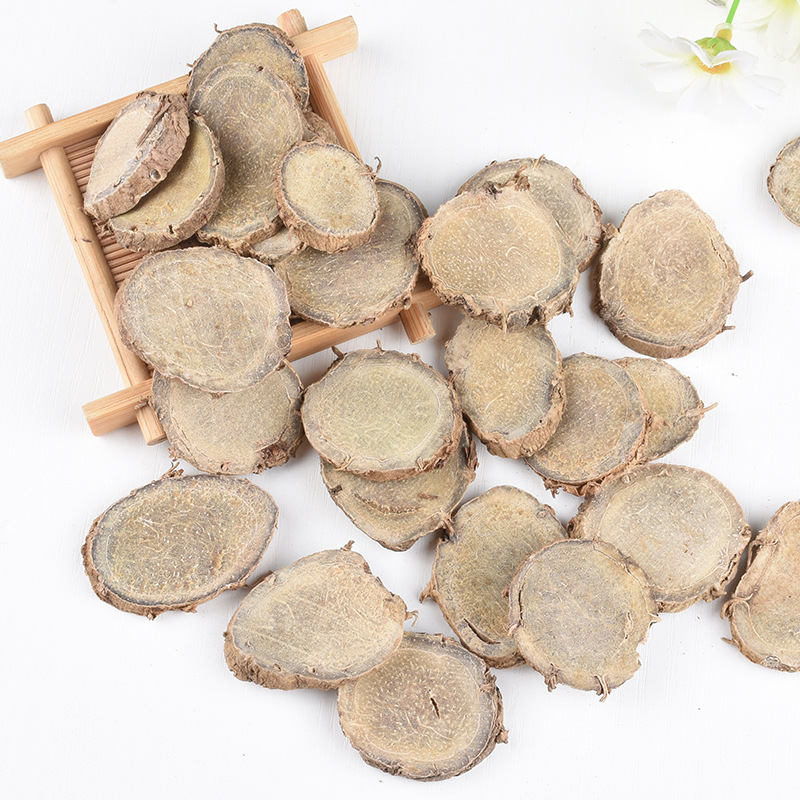
Pseudostellaria heterophylla, also known as child ginseng or juvenile ginseng, is the tuberous root of the Caryophyllaceae plant Pseudostellaria heterophylla. Its medicinal properties are mild, making it particularly suitable for children's constitutions, hence the name. However, in some ancient texts, Pseudostellaria heterophylla referred to the smaller varieties of Panax ginseng from the Araliaceae family, not the Caryophyllaceae Pseudostellaria heterophylla used today, and the two should not be confused. Nowadays, Pseudostellaria heterophylla is mostly cultivated artificially. After harvesting, the fibrous roots are removed, and it is either sun-dried or blanched in boiling water before being dried. It is used in its raw form.
I. Efficacy and Application
Pseudostellariae Radix tastes sweet and slightly bitter, neutral. It belongs to the spleen and lung meridians.
Efficacy It can tonify qi and strengthen the spleen, promote fluid production and moisten the lungs. Its characteristics are similar to those of ginseng, but its medicinal potency is weaker. Its nature is neither warm nor cool, neither stagnant nor slippery, making it an excellent product for tonifying and promoting fluid production. It is also known as a refreshing qi-tonifying medicine.
It is commonly used for the treatment of conditions such as spleen deficiency and physical fatigue, poor appetite, weakness after illness, deficiency of qi and yin, spontaneous sweating and thirst, and dry cough due to lung dryness.
Summary of Famous Works by Renowned Authors
"Ben Cao Zai Xin":"Treats qi deficiency and lung dryness, strengthens the spleen earth, reduces edema, resolves phlegm, and quenches thirst."
"Shaanxi Chinese Herbal Medicine": "Treats pediatric night sweats, palpitations, dry mouth, and loss of appetite."
II. Compatibility and Application
1. For spleen deficiency with reduced food intake, fatigue and weakness, palpitations and spontaneous sweating, lung deficiency with cough, fluid deficiency with thirst, and other syndromes. Pseudostellariae Radix has similar effects to Ginseng Radix et Rhizoma, capable of replenishing qi and promoting fluid production, tonifying the spleen and lung, but its medicinal potency is relatively weak. It is a mild tonic among qi-tonifying herbs, suitable for children and after febrile diseases, when there is deficiency of both qi and yin, and warm tonification is not appropriate. For spleen deficiency with fatigue, reduced food intake, and loose stools, it is often combined with qi-tonifying and spleen-strengthening herbs such as Dioscoreae Rhizoma, Lablab Semen Album, and Setariae Fructus Germinatus.
For the treatment of palpitations and insomnia, restlessness and excessive sweating, it is often combined with heart-nourishing and mind-calming herbs such as Schisandra chinensis, Ziziphus jujuba var. spinosa, and Triticum aestivum.
For treating lung deficiency and dry cough, it is often combined with nourishing yin and moistening lung herbs such as Adenophorae Radix and Ophiopogonis Radix; for treating fluid deficiency and thirst, it is often combined with yin-nourishing herbs such as Dendrobii Caulis, Trichosanthis Radix, and Ophiopogonis Radix.
In addition, the combination of Pseudostellariae Radix and Albiziae Cortex also has the effects of regulating the liver, relieving depression, replenishing qi, and harmonizing yin. It can be used to treat conditions such as insufficiency of heart qi, palpitations and fatigue, restlessness and insomnia, as well as visceral agitation, with significant therapeutic effects.
2. In the formulation and medication by Deng Tietao, whenever ginseng is used in a prescription, it is often replaced by Pseudostellaria heterophylla, taking advantage of its mild and gentle nature. For example, in the treatment of early-stage liver cirrhosis, based on the Sijunzi Decoction, it is often combined with Broussonetia papyrifera, Cuscuta chinensis, turtle shell, Eupolyphaga sinensis, and Salvia miltiorrhiza to nourish the liver and kidneys, remove stasis, and promote blood circulation, which is known as the Soft Liver Decoction. In this Sijunzi Decoction, Pseudostellaria heterophylla serves as the sovereign herb. This prescription has shown excellent efficacy for liver cirrhosis caused by hepatitis and alcoholic liver cirrhosis, making it worthy of study.
III. Usage and Dosage
Prince Ginseng is often used in decoctions and can also be made into pills or powders. The typical dosage in decoctions ranges from a few grams to several tens of grams; the dosage for children should be reduced accordingly.
IV. Application Notes
Taizishen is a qi-tonifying herb, so it should be used with caution in cases of excess syndrome or damp-heat.
Practical Notes on Traditional Chinese Medicine: 20.11.7