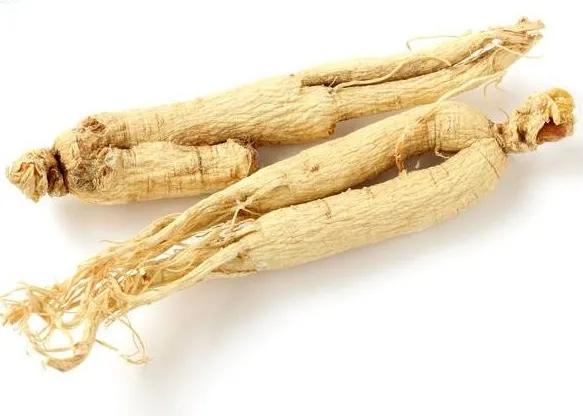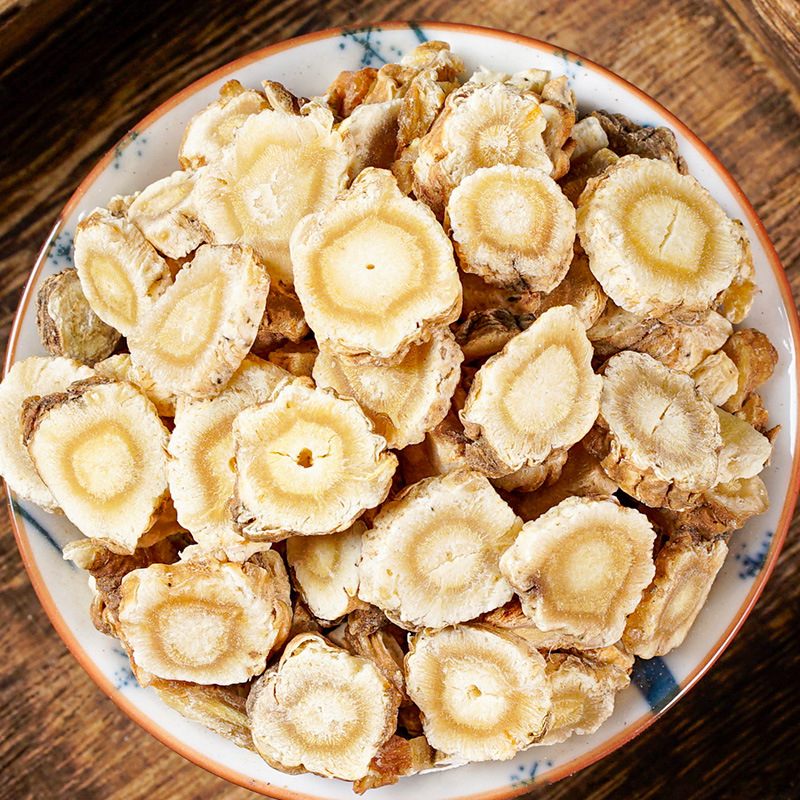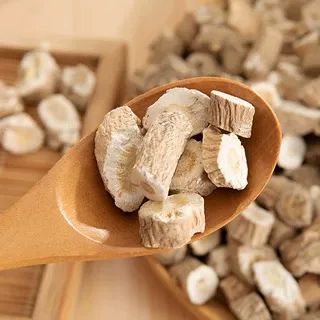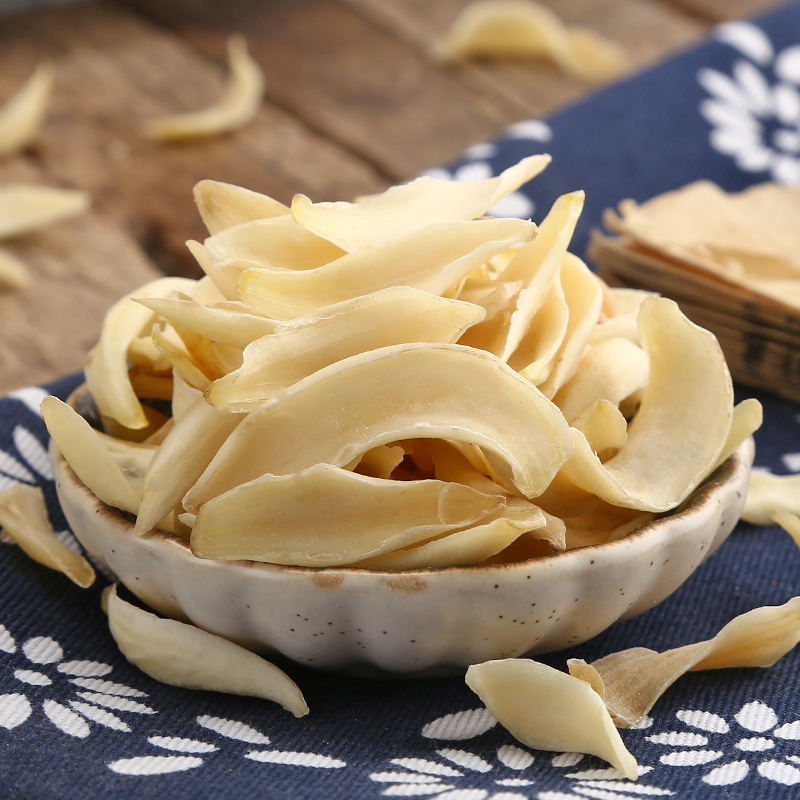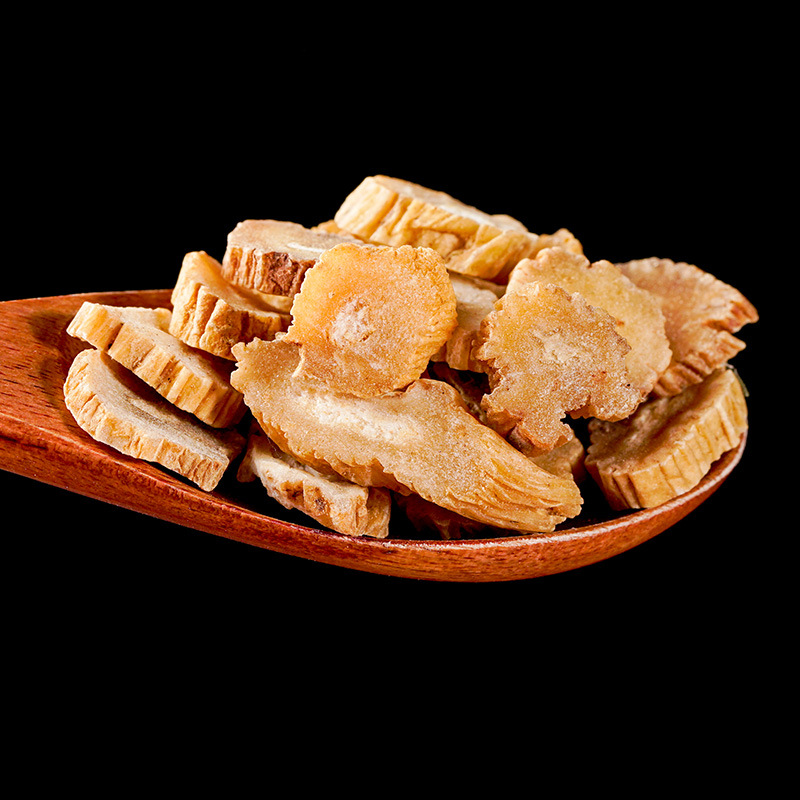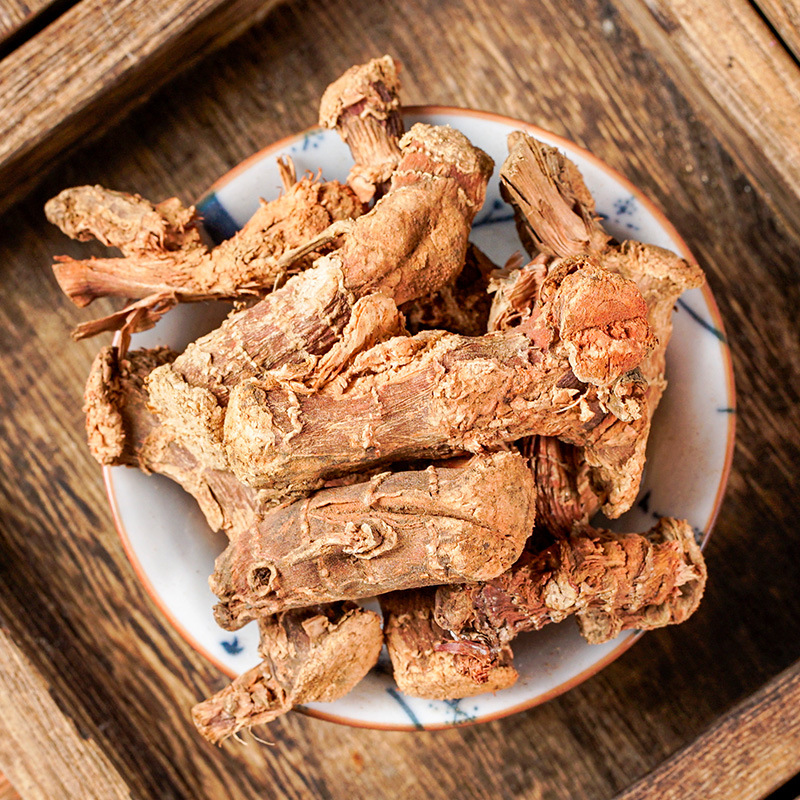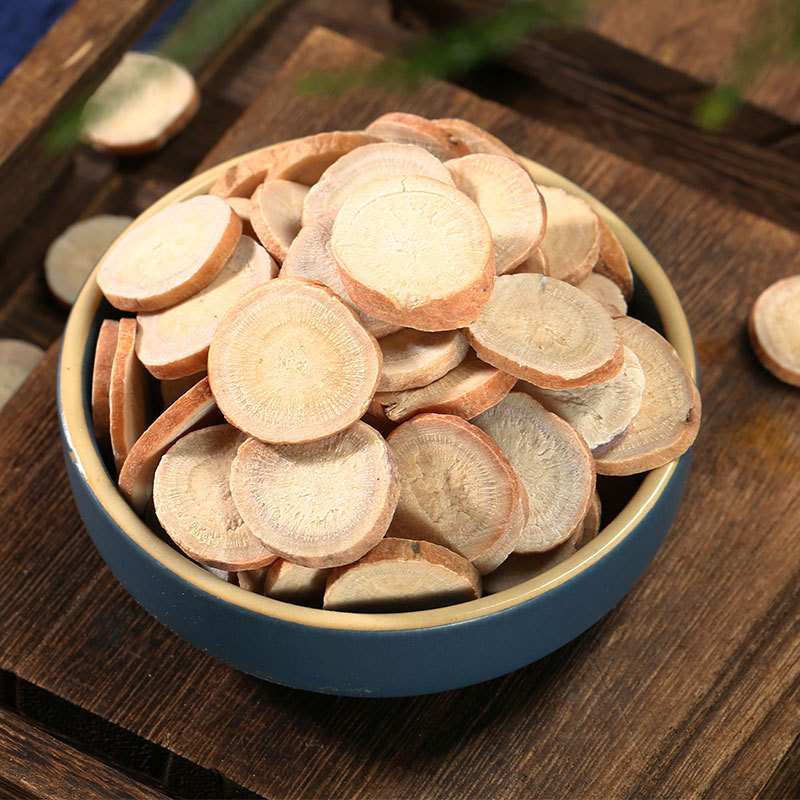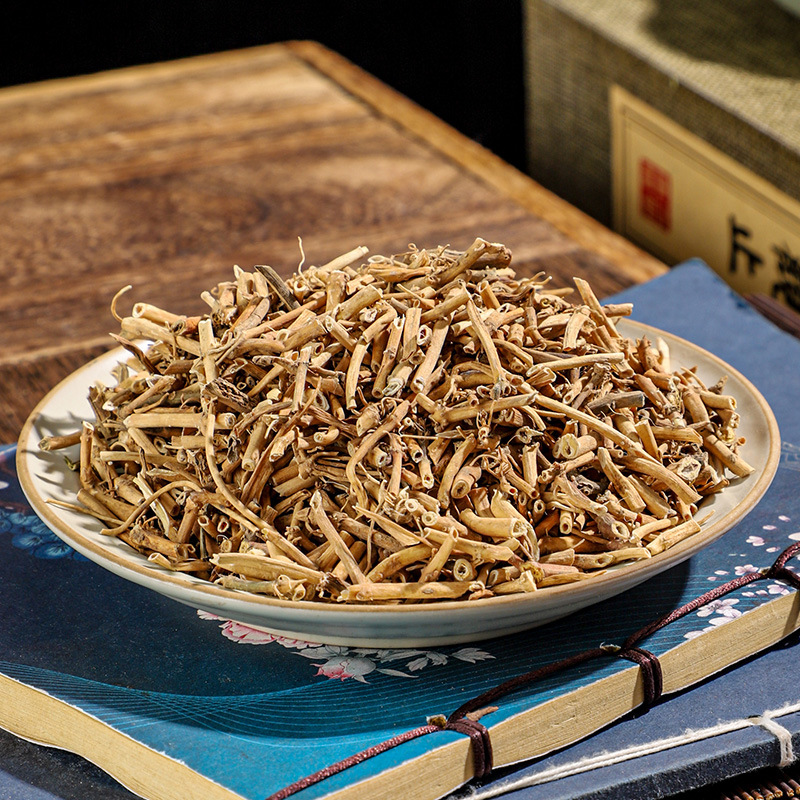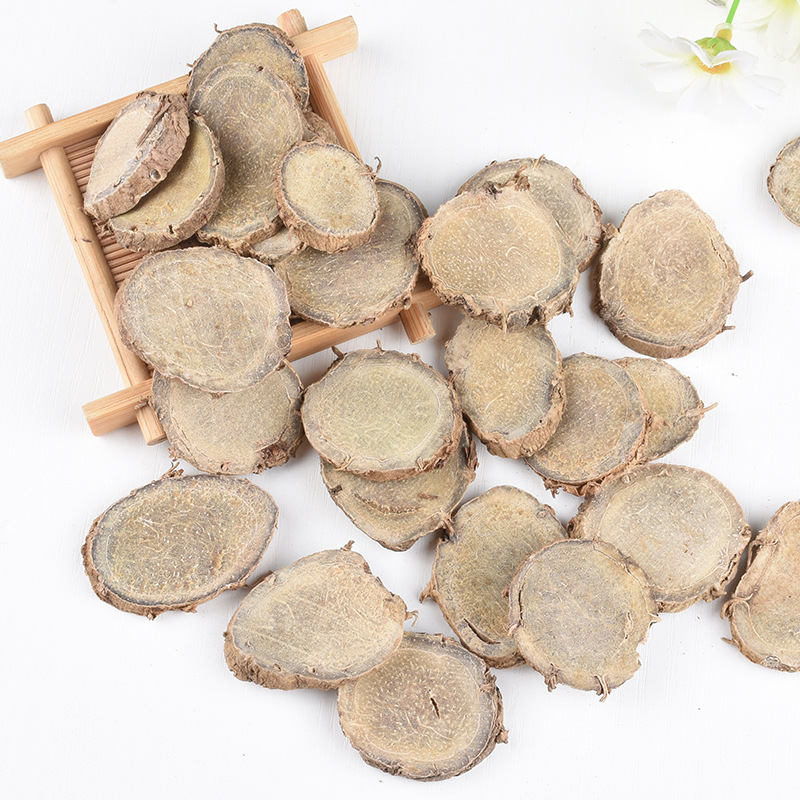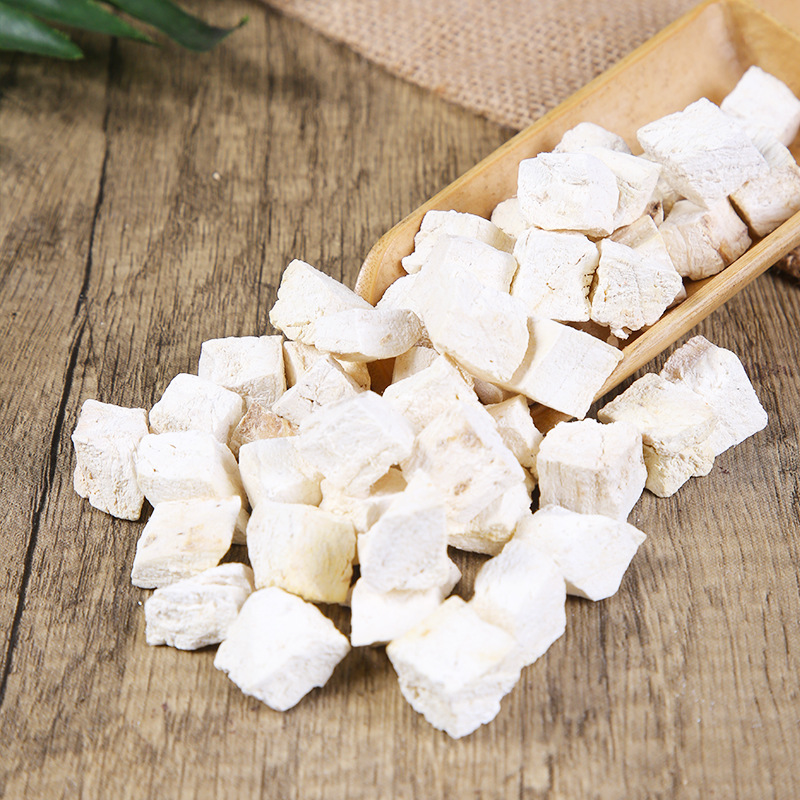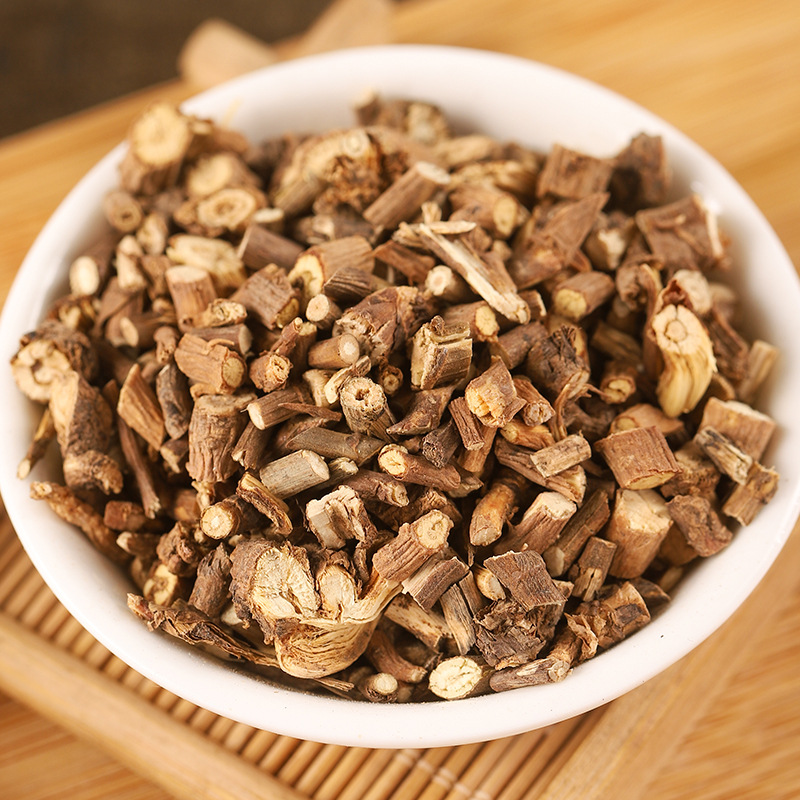
Ginseng is the root of the perennial herb Panax ginseng from the Araliaceae family. In ancient times, ginseng was also known as bangchui, dijing, xueshen, haiershen, and other names. Depending on the origin and processing methods, ginseng has many other names. For example, based on the place of origin, there are distinctions such as Jilin ginseng (also known as Yanbian ginseng) and Korean ginseng (also known as Korean red ginseng). Wild ginseng is called wild mountain ginseng, while cultivated ginseng is called garden ginseng (also known as cultivated ginseng). Based on processing methods, there are distinctions such as sun-dried ginseng, white ginseng, water ginseng, red ginseng, and ginseng rootlets. Although the various types of ginseng share similar effects, there are still differences in their specific applications.
Ginseng is mainly produced in the northeastern region of China, with Fusong County in Jilin Province having the largest output and the best quality. In recent years, with the popularization of artificial cultivation techniques, the yield of ginseng has significantly increased, but the quality has indeed declined, and the price remains relatively high. Generally, after six or seven years of cultivation, ginseng is harvested in autumn when the stems and leaves are about to wither. After removing the rhizome, washing, and drying, it becomes raw sun-dried ginseng. If it is scalded in boiling water, soaked in sugar syrup, and then dried, it is called sugar ginseng (white ginseng). If it is steamed and then dried or baked, it becomes red ginseng. The fine roots of ginseng are used separately and are called ginseng fibers. Wild ginseng can also be processed using the above methods, with the rhizome removed and sliced for medicinal use.
I. Efficacy and Application
Ginseng tastes sweet and slightly bitter, with a mild warm nature. It belongs to the spleen and lung meridians.
Efficacy It can greatly tonify primordial qi, tonify the spleen and benefit the lungs, promote fluid production to quench thirst, calm the mind and enhance intelligence. Its characteristic is its excellence in tonifying the body's primordial qi, capable of rescuing from danger and supporting collapse. It is considered the foremost among the "Four Pillars of Chinese Medicine" and is a key herb for tonifying qi to stabilize collapse, nourishing yin, and promoting fluid production.
Commonly used for the treatment of conditions such as qi collapse due to major illness, chronic illness, or blood loss, manifested as fatigue and weak pulse; spleen qi deficiency leading to reduced appetite, fatigue, vomiting, and diarrhea; lung qi deficiency causing shortness of breath, wheezing, and weak cough; heart qi deficiency resulting in insomnia, dreaminess, palpitations, forgetfulness, and excessive sweating; fluid deficiency leading to thirst and diabetes; blood deficiency causing sallow complexion and dizziness; kidney deficiency with impotence and frequent urination, as well as qi deficiency with external pathogenic invasion.
Summary of Famous Works by Renowned Authors
"The Classic of Materia Medica": "It tonifies the five viscera, calms the spirit, stabilizes the soul, stops palpitations, eliminates pathogenic qi, brightens the eyes, opens the heart and benefits wisdom. Long-term consumption lightens the body and prolongs life."
Bie Lu: "Treats cold in the stomach and intestines, abdominal distension and pain, fullness and discomfort in the chest and hypochondrium, cholera with vomiting and nausea, regulates the middle, stops excessive thirst, unblocks blood vessels, breaks up hard accumulations, and improves memory."
Materia Medica on Properties: "It primarily treats insufficiency of the qi of the five viscera, the five strains and seven impairments, deficiency damage and weakness, vomiting and inability to ingest food, stops cholera vexation and oppression and retching and hiccough, supplements the five viscera and six bowels, and protects the center and guards the spirit."
The Method and Phenomena of Medicinal Use: "Ginseng is sweet and warm, capable of supplementing the primordial qi in the lungs. When lung qi is vigorous, the qi of the other four organs also becomes vigorous, essence naturally generates and the body naturally flourishes, because the lungs govern all qi."
The Pearl Pouch: "Treats insufficiency of lung and stomach yang qi, lung qi deficiency and rapid breathing, shortness of breath, lack of qi, tonifies the middle, soothes the middle, quenches thirst, and generates fluids."
Medical Origin: Treats insufficiency of spleen and lung yang qi, as well as panting and shortness of breath in the lungs, tonifies the middle and soothes the middle, drains fire pathogens from the lungs, spleen, and stomach.
"Compendium of Materia Medica": "Treats all deficiency syndromes in men and women, including fever with spontaneous sweating, dizziness and headache, nausea and vomiting, malaria, chronic diarrhea and dysentery, frequent and dribbling urination, internal injuries from overexertion, stroke and heatstroke, paralysis and numbness, vomiting of blood, coughing up blood, bloody stools, hematuria, metrorrhagia, and various diseases before and after childbirth."
"Ben Cao Jing Shu": "Ginseng can restore yang qi from the brink of collapse and dispel deficient evils in an instant. Its main functions include tonifying the five zang organs. Although there are five zang organs, they are unified in terms of the circulation of vital qi. By nourishing genuine qi, all five zang organs are tonified."
Ben Cao Cong Xin: Greatly tonifies original qi, generates yin blood, and also drains deficient fire.
"Compendium of Materia Medica": Greatly tonifies the primordial qi in the lungs, drains fire and generates metal. Brightens the eyes, opens the heart and benefits wisdom, adds spirit, calms fright and palpitations, unblocks the blood vessels, and dissolves phlegm and water. Treats consumptive disease and internal damage, fever with spontaneous sweating, profuse and chaotic dreams, retching and vomiting with counterflow stomach, vacuity cough and panting, dribbling urinary block and distention, heatstroke, windstroke, and all blood patterns.
II. Compatibility and Application
1. For the collapse of primordial qi, emergency treatment. Ginseng can greatly tonify primordial qi and has the function of rescuing from danger and stabilizing collapse, making it the primary essential herb. For conditions such as massive blood loss, severe vomiting and diarrhea, and any disease leading to the collapse of primordial qi, faint pulse on the verge of extinction, profuse sweating with yang depletion, etc., ginseng can be used alone in large doses, decocted into a concentrated form and taken to urgently stabilize primordial qi, known as the Single Ginseng Decoction.
If accompanied by symptoms of yang depletion such as sweating and cold limbs, it is often combined with aconite to restore yang and rescue from collapse, as seen in the Ginseng and Aconite Decoction.
If treating a major illness that has not fully recovered after healing, with profuse spontaneous sweating, a critical condition on the verge of collapse, or wheezing and counterflow, or palpitations, or qi deficiency insufficient to sustain breathing, it is often combined with Cornus officinalis, Os Draconis, Concha Ostreae, Paeoniae Radix Alba, and Glycyrrhizae Radix et Rhizoma, which is known as the Revival Decoction.
Through years of clinical practice, Li Ke, drawing inspiration from the Sini Decoction in the Treatise on Cold Damage Diseases and Zhang Xichun's Laifu Decoction, often used a large dose of Sini Decoction as the foundational formula when treating critically ill patients with heart failure. He would then combine it with ginseng, Cornus officinalis, magnetite, musk, and other ingredients to urgently restore heart yang and rescue the critically ill, which is known as the Pogejuxin Decoction. This formula is currently regarded as the foremost exemplary prescription in traditional Chinese medicine for treating severe heart failure and should be thoroughly understood and studied.
Zhang Xichun said, "Ginseng is a great medicine for saving lives in critical situations, capable of saving a person's life in the blink of an eye."
2. For syndromes such as deficiency of lung qi and insufficiency of spleen qi. Ginseng can tonify primordial qi, benefit lung qi, and tonify spleen qi, making it a key herb for treating deficiency of lung and spleen qi. For deficiency of lung qi, characterized by shortness of breath, fatigue, wheezing upon exertion, weak pulse, and spontaneous sweating, it is often combined with walnut meat and gecko, as seen in formulas such as Ginseng and Walnut Decoction and Ginseng and Gecko Powder.
If treating spleen qi deficiency, with insufficient generation and transformation, symptoms such as fatigue and weakness, poor appetite, vomiting, and diarrhea are observed, it is often combined with Atractylodes macrocephala, Poria cocos, and honey-fried licorice, forming the fundamental formula for replenishing qi, known as the Four Gentlemen Decoction.
If treating spleen deficiency with qi sinking, shortness of breath and reluctance to speak, sallow complexion, reduced appetite and loose stools, or even prolapse of the anus, uterine prolapse, metrorrhagia and metrostaxis, it is often combined with Astragali Radix, Atractylodis Macrocephalae Rhizoma, Glycyrrhizae Radix et Rhizoma Praeparata cum Melle, Angelicae Sinensis Radix, Cimicifugae Rhizoma, Bupleuri Radix, etc., which is the famous qi-tonifying formula Buzhong Yiqi Decoction.
If treating deficiency of both the lung and spleen, qi deficiency with cough and asthma, reduced food intake and loose stools, it is often combined with Poria, Atractylodes macrocephala, tangerine peel, lotus seed, and Amomum villosum, which is known as Shenling Baizhu Powder.
Li Dongyuan said, "The lung governs qi. When lung qi is vigorous, the qi of the other four organs will also be vigorous, essence will naturally be generated, and the body will naturally become robust."
Huang Yuanyu said, "Ginseng has a pure and thick quality, directly reaching the Huangting region to tonify the middle qi. When the middle qi functions vigorously, the ascending and descending movements resume their original duties, clear and turbid substances return to their proper positions, vomiting and diarrhea from above and below cease, and fullness and distension in the heart and abdomen all dissipate."
3. For thirst due to fluid depletion and wasting-thirst. Ginseng can replenish qi, promote fluid production, and quench thirst. It is used to treat febrile diseases with damage to both qi and fluids, characterized by fever, thirst, profuse sweating, and a large but weak pulse. It is often combined with gypsum, anemarrhena rhizome, and polished round-grained rice to clear heat, replenish qi, promote fluid production, and relieve thirst, as seen in the formula White Tiger Decoction with Ginseng.
If treating heat damaging qi and yin, thirst with profuse sweating, qi deficiency with weak pulse and other patterns, it is often combined with Ophiopogonis Radix and Schisandrae Chinensis Fructus, which is known as Ginseng and Ophiopogon Decoction.
In the treatment of diabetes and polydipsia, it is often combined with herbs that nourish yin and promote fluid production, such as Shengdi, Xuanshen, and Maidong, to jointly achieve the effect of replenishing qi and generating fluids.
Huang Yuanyu said, "Atractylodes macrocephala stops thirst in those with dampness, while ginseng stops thirst in those with dryness. Atractylodes macrocephala drains dampness from the earth and metal elements, disperses turbid qi and restores clarity; when clear qi drifts lightly, true fluids naturally drip. Ginseng moistens dryness in the metal and earth elements, steams clear qi to form mist; when misty qi swirls densely, sweet dew naturally falls."
4. For deficiency syndromes such as restlessness, insomnia with excessive dreaming, palpitations, and forgetfulness. Ginseng can greatly tonify primordial qi and has the effect of calming the mind and enhancing intelligence. To treat the aforementioned syndromes caused by qi deficiency and blood depletion, it is often combined with blood-nourishing and mind-calming herbs such as longan aril, Chinese angelica, and sour jujube seed, as seen in the Guipi Decoction.
If treating absent-mindedness, forgetfulness, palpitations, panic, and restlessness, it is often combined with Poria, Acorus, and Polygala, known as the Mind-Calming Pill.
5. For blood deficiency, impotence, or other deficiency syndromes. To treat blood deficiency, ginseng is used for its effects of replenishing qi and nourishing blood, often combined with prepared rehmannia root, Chinese angelica, and longan aril, as in Ginseng Spleen-Returning Pill.
For treating kidney deficiency and impotence, it is often combined with deer antler, morinda root, and cistanche to jointly achieve the effect of replenishing qi and strengthening yang.
For treating various deficiencies and damages, chronic illness, and physical weakness, it can be combined with deer antler, human placenta, Panax notoginseng, and gecko, ground into powder for consumption, gradually regulating the body, known as the Root-Strengthening and Vitality-Building Powder.
Li Dongyuan said: "The ancients treated massive hemoptysis with a hollow and surging pulse by using ginseng. For those with blood loss, first boost their qi, as blood does not generate itself; it requires yang-qi-promoting herbs to be produced, embodying the principle that 'yang generates and yin grows.' If only blood-tonifying herbs are used, blood has no means to be generated. In cases of consumptive disease with hemoptysis, those who can tolerate tonification are easy to treat, while those who cannot tolerate tonification are difficult to treat."
6. For deficiency of the body with external contraction, or accompanied by chronic diarrhea. Ginseng can strengthen the body's resistance and expel pathogenic factors. For treating febrile diseases, headache, stiff neck, high fever, aversion to cold, or external contraction accompanied by diarrhea that is difficult to cure, it is often combined with Bupleurum, Platycodon, Ligusticum, Notopterygium, and Angelica pubescens to achieve the effects of replenishing qi, releasing the exterior, dispelling wind, and eliminating dampness, which is known as Ginseng Antiphlogistic Powder. This formula is a representative prescription of the "reversing the flow to save the boat" method in traditional Chinese medicine. "Opening the Xuanmen and cleansing the Fu organs" is a relatively profound theory in traditional Chinese medicine and should be emphasized for comprehension and study.
III. Usage and Dosage
Ginseng can be used in decoctions and is also suitable for making pills and powders. Due to its high price, it is often prepared separately and then mixed with the decoction when used in decoctions. The usual dosage in decoctions ranges from a few grams to over ten grams; in emergency situations to stabilize collapse, it can be used in doses of several tens of grams or more. When taken as a powder, the dosage is a little over one gram per serving.
The ginseng rhizome has different effects from ginseng, so it must be removed when using ginseng. The ginseng rhizome can induce vomiting of phlegm and saliva. For weak individuals, it is often used as a substitute for melon pedicel and is not a tonic.
It is generally believed that raw sun-dried ginseng or white ginseng is more inclined to tonify qi, promote fluid production, and quench thirst; red ginseng is more inclined to warm and tonify qi and blood; while ginseng rootlets have a weaker tonifying effect.
Wang Ang said: "Yellow, moist, firm, and compact, resembling a human shape is best. Remove the root and use. For tonics, use cooked; for clearing fire, use raw. Refined into a paste and taken, it can restore primordial qi to the realm of nothingness."
IV. Application Notes
Ginseng is warm and tonifying, so it should be avoided in cases of excess syndrome, heat syndrome, and when the vital qi is not deficient. It should not be taken together with tea.
Since ancient times, medical texts have stated that ginseng is incompatible with black false hellebore, fears Trogopterus dung, and dislikes radish seeds. Nowadays, many practitioners use them together, and one should not be dogmatic. For example, ginseng not only does not fear Trogopterus dung or dislike radish seeds, but it can also treat certain diseases and is suitable for combination with these two herbs.
Ginseng combined with Trogopterus dung is called Yiwei Decoction. When these two herbs are used together, Trogopterus dung can enhance the tonic effect of ginseng, while ginseng can boost the blood-activating and stasis-resolving properties of Trogopterus dung, creating a mutually beneficial synergy. For cases of insufficient heart qi and blood stasis obstruction, adding these two herbs to the formula often yields excellent results. Ginseng combined with radish seeds not only achieves a tonic effect without stagnation but also prevents the issue of qi rising excessively without returning, making it an excellent method worth learning. Zhang Xichun's works discuss this in great detail and can serve as a reference.
The compatibility of traditional Chinese medicine relies entirely on the doctor's flexibility and adaptability, and must not be overly rigid or dogmatic.
Wang Ang said: In ancient prescriptions for treating amenorrhea, Siwu Decoction is combined with ginseng and Trogopterus dung, which is a case of fearing yet not fearing. Also, for treating phlegm in the chest and diaphragm, ginseng and Veratrum nigrum are used together to induce vomiting, which is to provoke their aggressive nature. Only those who deeply understand the subtleties and are flexible in their approach can know this.
Introduction to Medicine: "Use with caution for those with yin deficiency, fire cough, and hemoptysis."
"Yi Yao Hua Yi": "In cases of heat and excess in the spleen and stomach, severe cough with phlegm, early stages of blood loss, chest and diaphragm pain and fullness, dysphagia and constipation, presence of parasites or accumulations, it should not be used."
Practical Notes on Traditional Chinese Medicine: Night of November 6, 2020