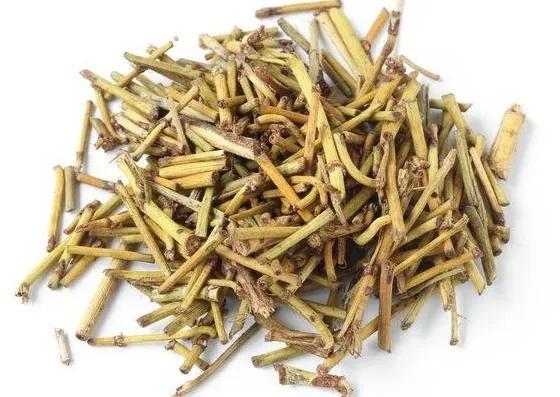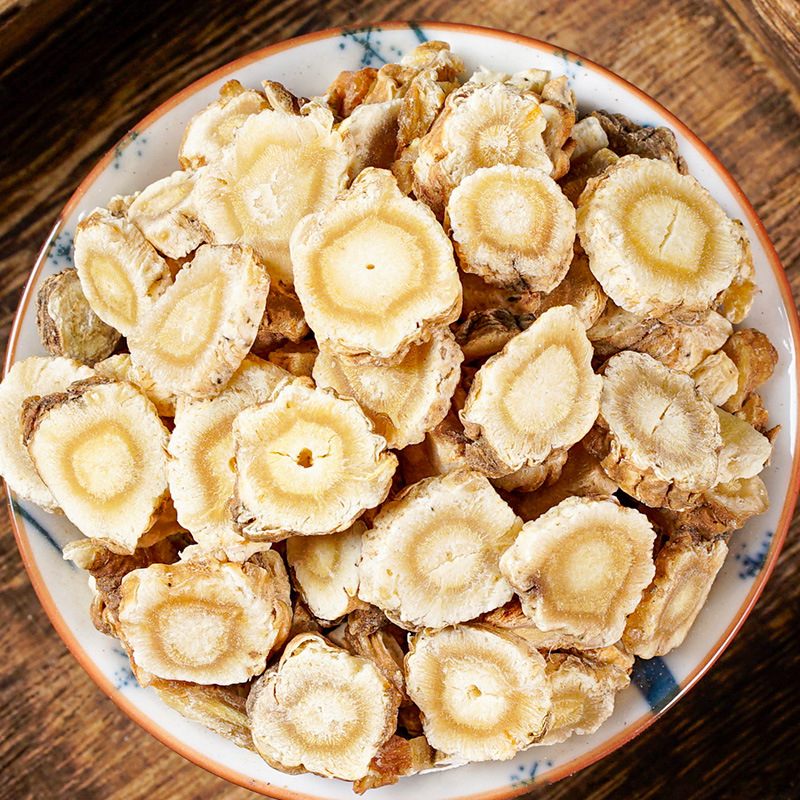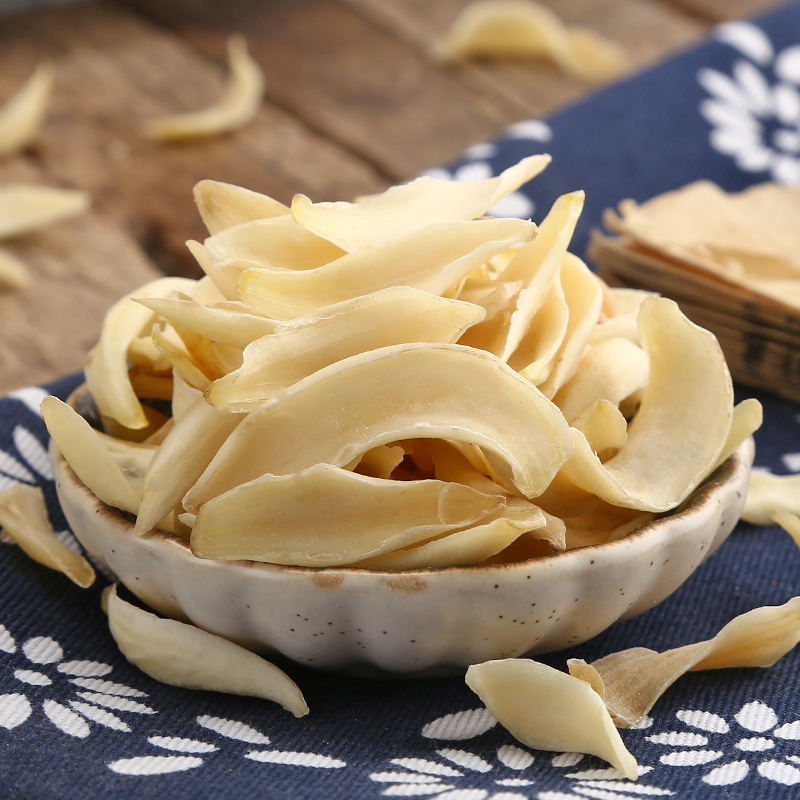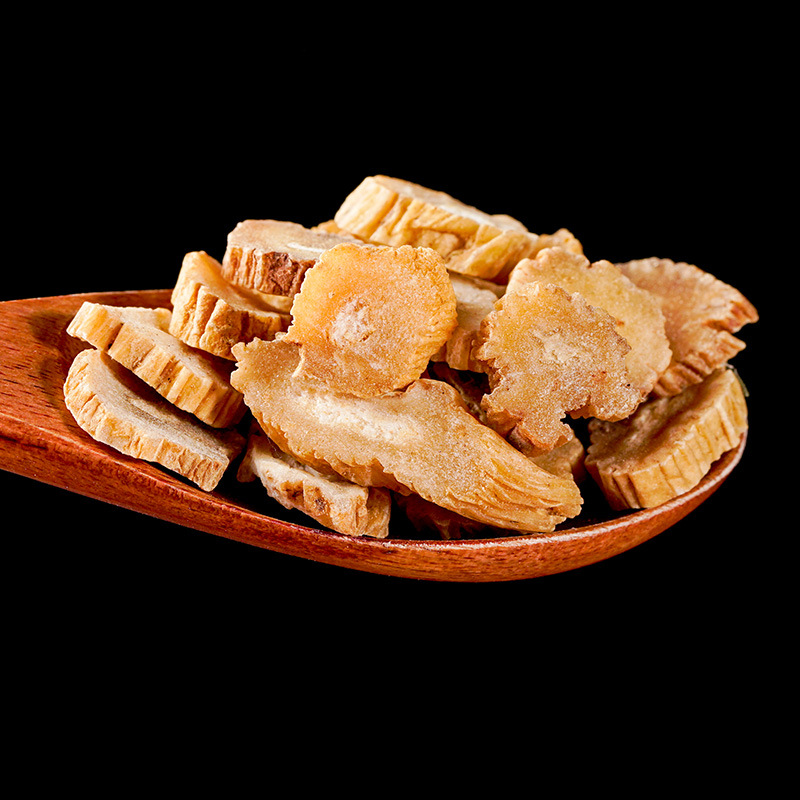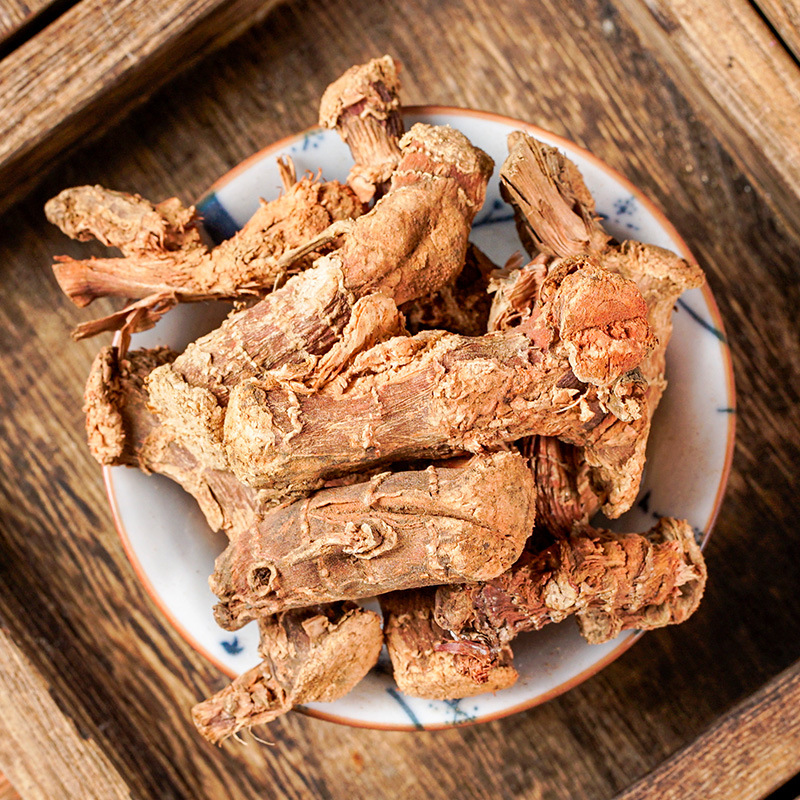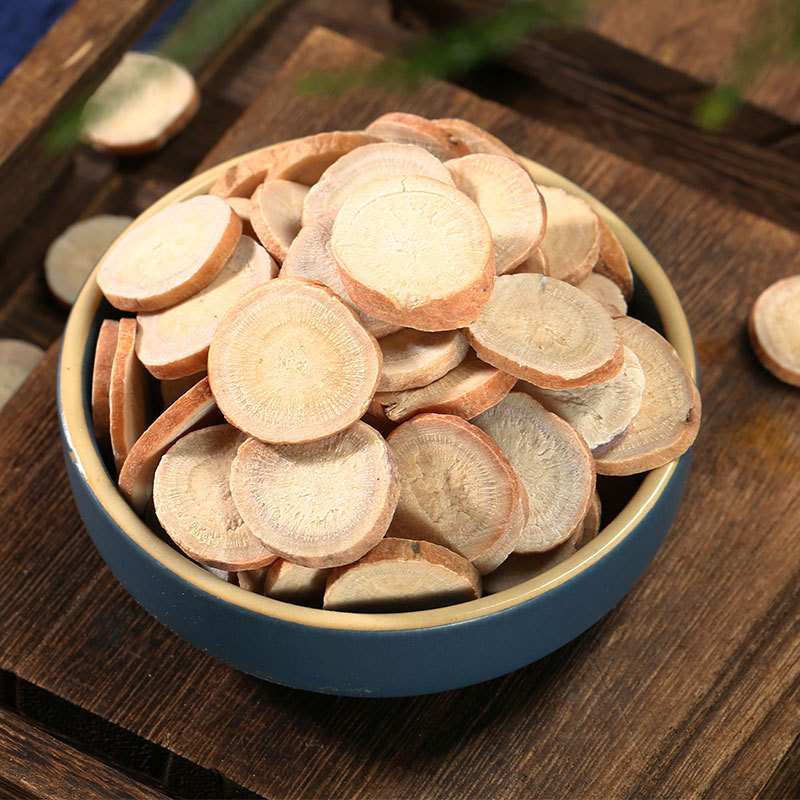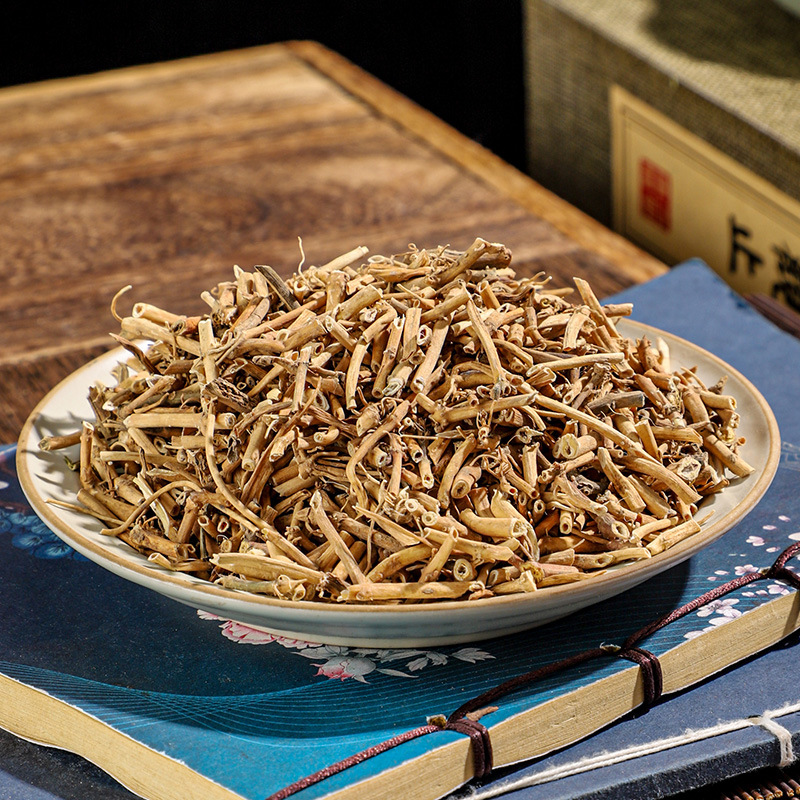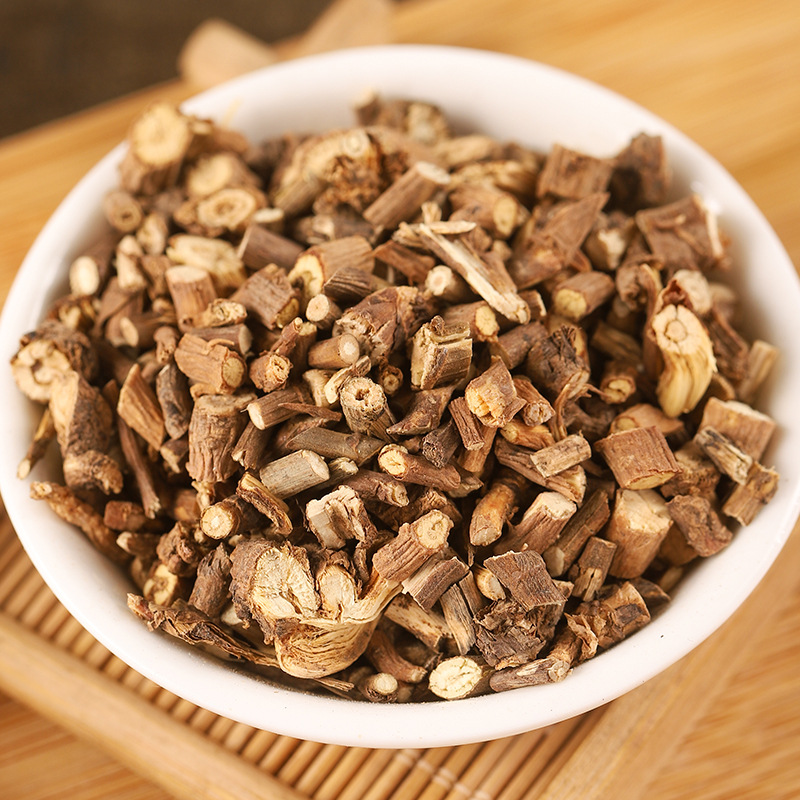
Ephedra is the herbaceous stem of the plant Ephedra sinica, Ephedra equisetina, or Ephedra intermedia from the Ephedraceae family. It is produced in Hebei, Shanxi, Inner Mongolia, Gansu, and other regions. Harvesting takes place from the beginning of autumn to the first frost, after which it is dried in the shade and cut into segments. It is commonly used in its raw form or honey-fried.
I. Efficacy and Application
Ephedra has a pungent and slightly bitter taste, and is warm in nature. It belongs to the lung and bladder meridians.
Efficacy It can induce sweating to relieve the exterior, diffuse the lung to calm panting, and promote urination to reduce swelling. Its characteristics include diffusing and warming, with a strong sweating effect, making it one of the most representative herbs in the "sweating method" of traditional Chinese medicine and a key herb for inducing sweating to relieve the exterior.
Commonly used for the treatment of wind-cold exterior excess syndrome, chest tightness with cough and asthma, wind-water edema, wind-dampness arthralgia, yin-type abscess, and phlegm nodules.
Although ephedra has three effects, they are actually interconnected. Ephedra is pungent and warm, with strong dispersing power, making it a commonly used diaphoretic, thus it enters the lung meridian. Its nature excels at opening surface blockages and promoting the flow of lung qi, so it is effective in treating cough and asthma caused by wind-cold constraining the surface and heat stagnation within. The Taiyang bladder meridian governs the body's surface, and the lungs govern the skin and hair, also overseeing the body's surface. Ephedra can open and promote lung qi, induce sweating to disperse fluids, naturally regulating the qi of the bladder meridian, thus having the effect of promoting urination and reducing swelling. In clinical application of ephedra, even if sweating does not occur but urination is smooth, it is also a sign of effectiveness.
In traditional Chinese medicine, there are so-called "eight methods" for treating diseases, among which the sweating method is the most difficult to master. Although there are many sweating prescriptions, most of them are based on formulas with ephedra as the main ingredient. Therefore, in a broad sense, to learn the sweating method among the "eight methods" of traditional Chinese medicine, one must first master the application of the medicinal herb ephedra. In the treatment of diseases, using the sweating method to cure illnesses is a very complex matter. Taking ephedra as an example, if the dosage is too small, the sweating effect is insufficient, and the disease cannot be eliminated; if the dosage is too high, sweating becomes excessive, which can easily damage yin and stir blood, thereby worsening the condition. How to control the degree of sweating to achieve the goal of curing the disease is indeed one of the most challenging aspects of traditional Chinese medicine.
Summary of Famous Works by Renowned Authors
The Classic of Materia Medica: "It primarily treats wind stroke, cold damage with headache, and warm malaria. It promotes sweating to release the exterior, dispels pathogenic heat and qi, relieves cough and rebellious qi, eliminates chills and fever, and breaks up hard accumulations and gatherings."
Bie Lu: "It unblocks the interstices and resolves the flesh."
Compendium of Materia Medica: "Ephedra is a specific medicine for the lung meridian, hence it is frequently used in treating lung diseases."
Changsha Materia Medica: "Ephedra promotes sweating and disperses the exterior, with great potency. In winter, when cold damage occurs and the skin pores are blocked, nothing else can effectively induce perspiration. All dampness, phlegm, and fluid retention that overflow within the meridians and joints are swiftly resolved through sweating, and long-standing ailments are immediately relieved."
"Compendium of Materia Medica": It enters the foot Taiyang bladder meridian, also travels through the hand Shaoyin and Yangming meridians, and serves as a specific herb for the lung system. It induces sweating and releases the muscles, dispels cold pathogens from the nutrient level and wind-heat from the defensive level. It regulates blood vessels, unblocks the nine orifices, and opens the pores. It is used to treat wind-stroke, cold damage, headache, warm malaria, cough with rebellious qi, phlegm wheezing and asthma, red and black maculopapular eruptions, toxic wind rashes and impediment, numbness of the skin and flesh, red and swollen painful eyes, edema, and wind swelling.
II. Compatibility and Application
1. Used for external contraction of wind-cold, aversion to cold and fever, headache and body pain, nasal congestion, absence of sweating, floating and tight pulse, and other exterior excess patterns. Ephedra can diffuse lung qi, open the interstices, and dissipate wind-cold, making it an essential herb for promoting sweating and releasing the exterior. To treat the above patterns, it is often combined with cinnamon twig, apricot kernel, and licorice, forming the classic formula Ephedra Decoction, which is the primary prescription for the "sweating method" in traditional Chinese medicine. However, this formula has a strong sweating effect, and nowadays, few practitioners use the original formula alone; it is mostly applied with modifications. Its clinical applications are extensive, and it should be a key focus of study.
Shang Han Lun: "For Taiyang disease, with headache, fever, body aches, lower back pain, joint pain, aversion to wind, absence of sweating, and panting, Mahuang Decoction is indicated."
Zhang Xichun said, "Ephedra is the primary herb for inducing sweating. It permeates all the organs and meridians of the body, with its main therapeutic principle being to expel wind-cold from the Taiyang channel."
2. For cough and asthma due to external contraction of wind-cold and obstruction of lung qi. Ephedra can disperse and promote lung qi, expel wind-cold, and relieve asthma. To treat cough and asthma caused by wind-cold binding the exterior and lung qi failing to disperse, it is often combined with apricot kernel and licorice, known as San'ao Decoction.
If treating cough and asthma due to external cold and internal fluid retention, with profuse clear and thin phlegm, it is often combined with cinnamon twig, asarum, dried ginger, and schisandra, as seen in the Minor Green Dragon Decoction, the primary formula for treating phlegm-fluid retention in the Treatise on Cold Damage Disorders.
If treating high fever and panting due to heat evil congesting the lung, it is often combined with gypsum, apricot kernel, licorice, etc., which is the Decoction of Ephedra, Apricot Kernel, Gypsum and Licorice.
3. For edema accompanied by exterior syndrome. Ephedra can not only open lung qi upward, induce sweating, and release the exterior, but also direct downward to the bladder, regulate the water passages, and promote urination to reduce edema. For edema due to wind pathogen attacking the exterior and lung failing to disperse and descend, it is often combined with gypsum and ginger, as in Yuebi Decoction; if there is generalized swelling of the body, face, and eyes with difficult urination, Atractylodes macrocephala can be added, as in Yuebi Decoction with Atractylodes.
Zhang Xichun said, "For the syndrome of edema due to wind invasion, the 'Jin Gui Yao Lue' treats it with Yuebi Decoction. The formula primarily uses ephedra, as it can dispel wind and promote urination. In my clinical practice, after administering this formula, the patient indeed sweats, urination promptly becomes smooth, and the swelling subsequently subsides."
4. For rheumatic arthralgia and syndromes such as yin gangrene and phlegm nodules, Ephedra has the effect of dispersing cold and unblocking stagnation. For treating general pain caused by wind-dampness, it is often combined with Coix Seed, Apricot Kernel, and Licorice Root, as in the Ma Xing Yi Gan Decoction.
If treating cold-dampness impediment pain, it is often combined with Angelicae Dahuricae Radix, Persicae Semen, Carthami Flos, Paeoniae Rubra Radix, Cinnamomi Ramulus, Asari Radix et Rhizoma, etc., to jointly achieve the effects of warming the channels and activating collaterals, dispelling stasis and relieving pain, which is Mahui Wenjing Decoction.
If treating yin gangrene, diffuse swelling without a head, skin color unchanged, soreness and pain without heat, no thirst in the mouth, pale tongue with white coating, deep and thin or slow and thin pulse; or bone-attached gangrene, gangrene of the fingers or toes, wandering abscess, phlegm nodule, crane's knee wind, etc., belonging to yin-cold syndrome, it is often combined with prepared rehmannia root, cinnamon bark, deer horn glue, white mustard seed, etc., which is Yanghe Decoction.
If treating sudden stroke, symptoms include unconsciousness, facial deviation, hemiplegia, slurred speech, or rheumatic arthralgia, it is often combined with Fangji, Ginseng, Guixin, Fangfeng, Fuzi, Huangqin, etc., to achieve the effects of dispelling wind and cold, replenishing qi and warming yang, known as Xiao Xuming Tang. This formula is the method of "opening the Xuan Gate" in traditional Chinese medicine, which is the most profound. Scholars must slowly comprehend it and should not rush.
III. Usage and Dosage
Ephedra is often used in decoctions, as well as in pills and powders. When used in large doses, it should be decocted first to remove the foam.
In the "Treatise on Cold Damage Disorders," the use of ephedra requires "removing the nodes." Modern research indicates that the components of ephedra nodes are not different from those of ephedra itself, only present in smaller quantities. Additionally, removing the nodes is difficult to process. Therefore, the ephedra used today often does not require the removal of nodes.
Ephedra can be used in medicine either raw or processed; it is generally used raw for relieving the exterior syndrome, and processed or raw for calming asthma.
The dosage of Ephedra is directly related to the desired therapeutic effect. Using only a few grams can promote lung qi and regulate qi movement. A common dosage of over ten grams can promote lung function, relieve asthma, promote diuresis, and reduce swelling. If the goal is to warm the lungs, resolve phlegm, and open lung obstruction, a larger dosage is required, typically ranging from over ten grams to several tens of grams.
The most difficult to master is the use of Ephedra-based formulas for inducing sweating. Understanding the therapeutic method of sweating is an extremely complex dynamic process, and Li Ke's experience in this regard is worth referencing. When Li Ke used Ephedra in large doses, he often decocted it separately. During the decoction process, the foam was removed, and it was administered in small, incremental doses based on the patient's reaction after taking the medicine, flexibly adjusting the dosage. If the medicine achieved its intended effect and the goal of inducing sweating was reached, the dosage of Ephedra was reduced to a maintenance level or discontinued altogether to avoid overcorrection and excessive sweating that could damage the yin fluids. The greatest advantage of this method lies in its flexibility and safety, making it worthy of study and reference. Additionally, when Li Ke used large doses of Ephedra, he often combined it with Cicada Slough and Ginkgo seeds to counteract potential side effects such as dizziness in patients. The underlying mechanisms and efficacy of this approach require further verification.
Lu Jiuzhi said, "Ephedra can induce sweating with just a few fen, which is suitable for people in the south but not for those in the north. In the south, the climate is warm, and people have delicate skin, making them prone to sweating. Hence, there is a saying in the south that ephedra should not exceed one qian. In the north, especially beyond the Great Wall, the climate is cold, and people have thick, robust skin. For those who work outdoors, braving wind and frost, and during severe cold seasons, it is often necessary to use seven or eight qian to induce sweating. The principle of using medicine lies in adapting to the time, place, and individual, flexibly adjusting the dosage to overcome the illness, and not being constrained by preconceived notions."
Wang Ang said: "For inducing sweating, use the stem with nodes removed, boil for more than ten boils, skim off the foam, or soak briefly in vinegar water, then dry in the sun for later use. Some also use honey for stir-frying."
IV. Application Precautions
Ephedra has a strong diaphoretic effect, so it should be avoided in cases of spontaneous sweating due to exterior deficiency, night sweats due to yin deficiency, and wheezing and coughing caused by the kidney's failure to receive qi.
Broadly speaking, the contraindications in the sweating method of traditional Chinese medicine are essentially the contraindications for Ephedra. For example, the "nine prohibitions of Ephedra" in the Ephedra Decoction from the Treatise on Cold Damage Diseases also apply to Ephedra. For specific details, please refer to the relevant content on Ephedra Decoction.
Modern applications, patients with hypertension, heart disease, dehydration, and bleeding disorders should use with caution.
Practical Notes on Traditional Chinese Medicine: Night of November 5, 2020