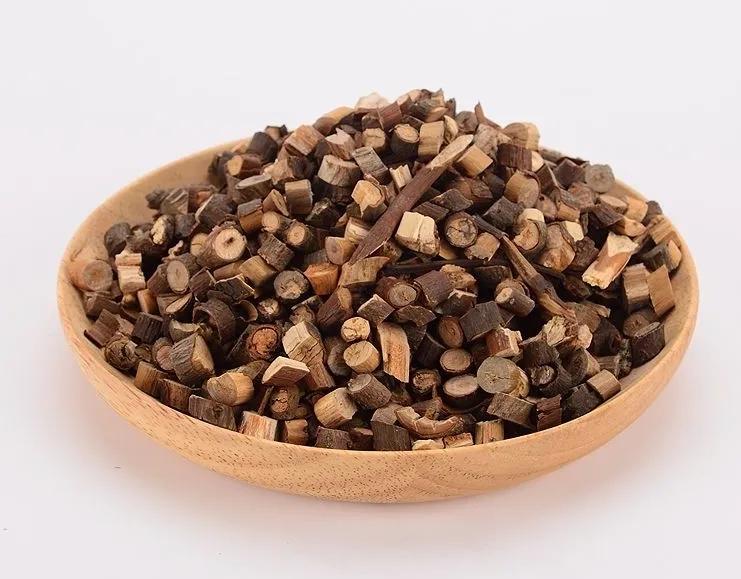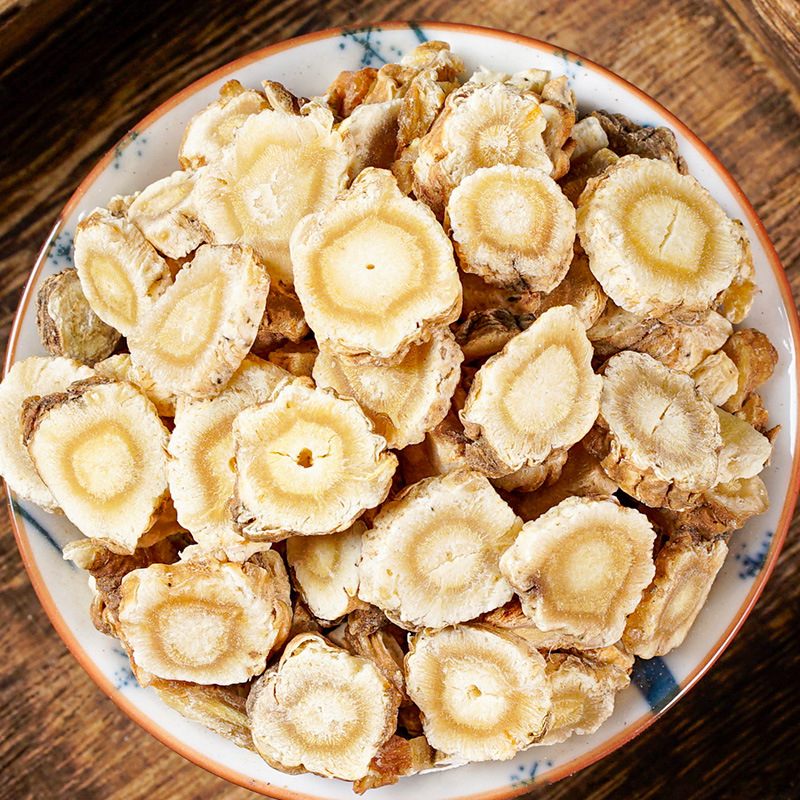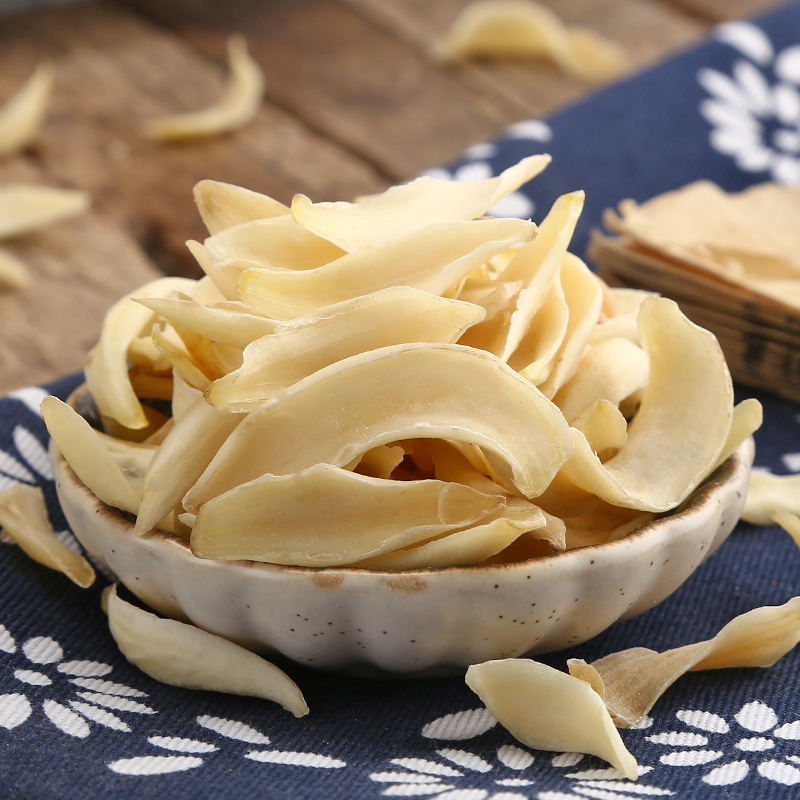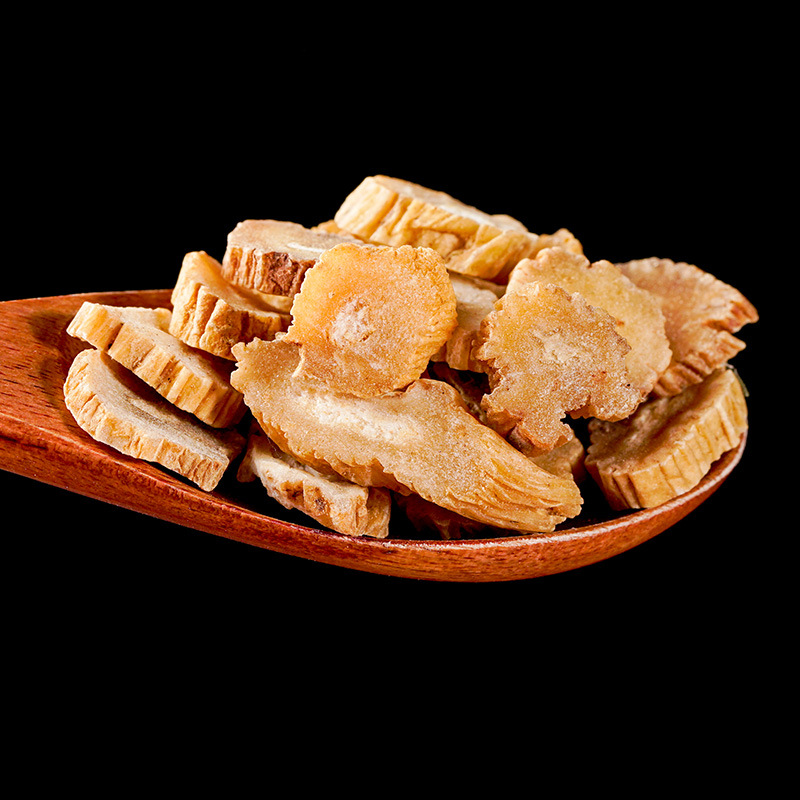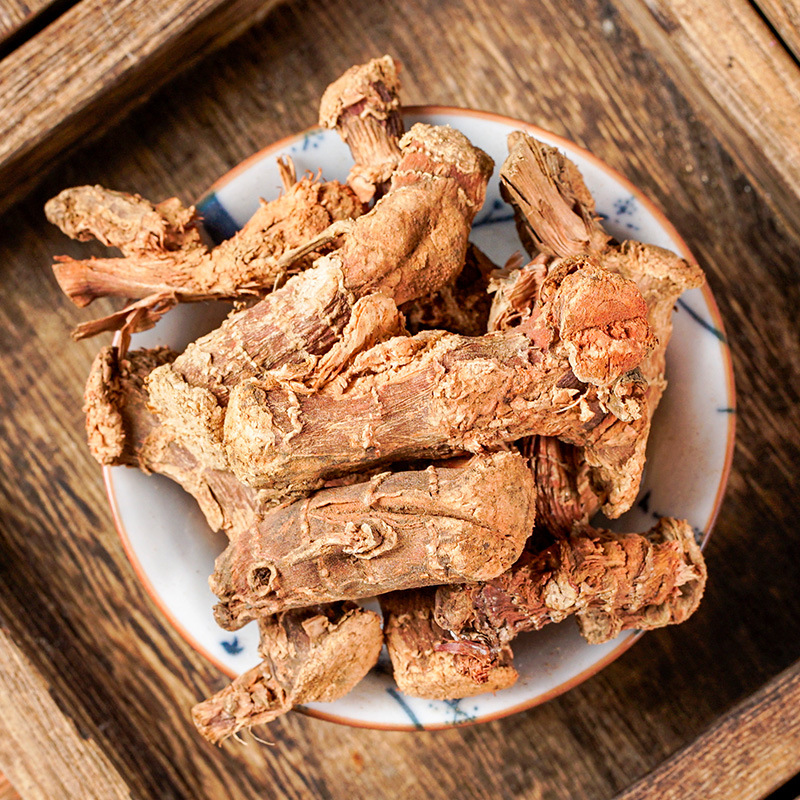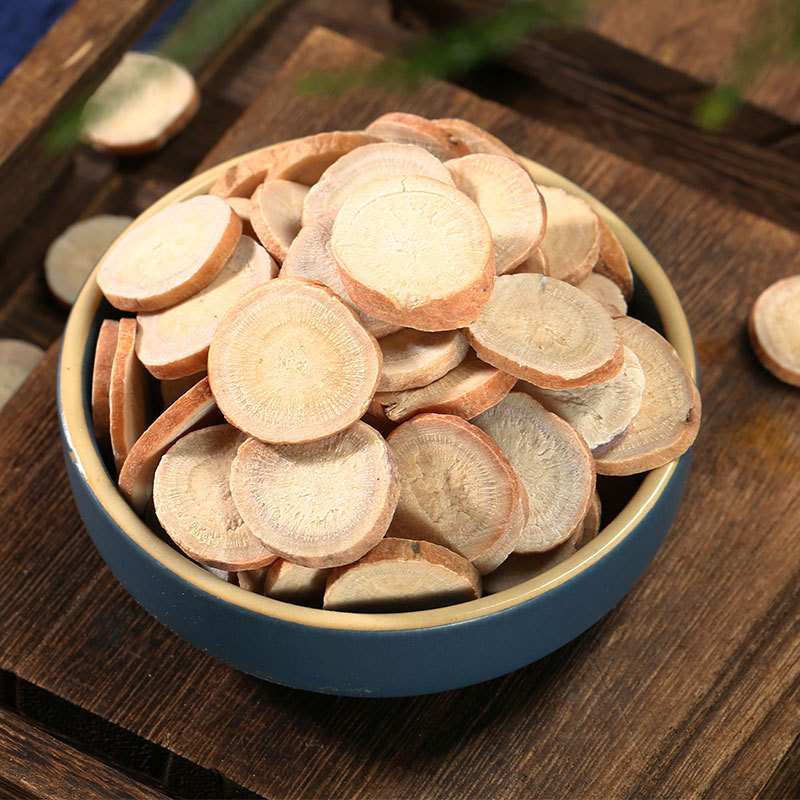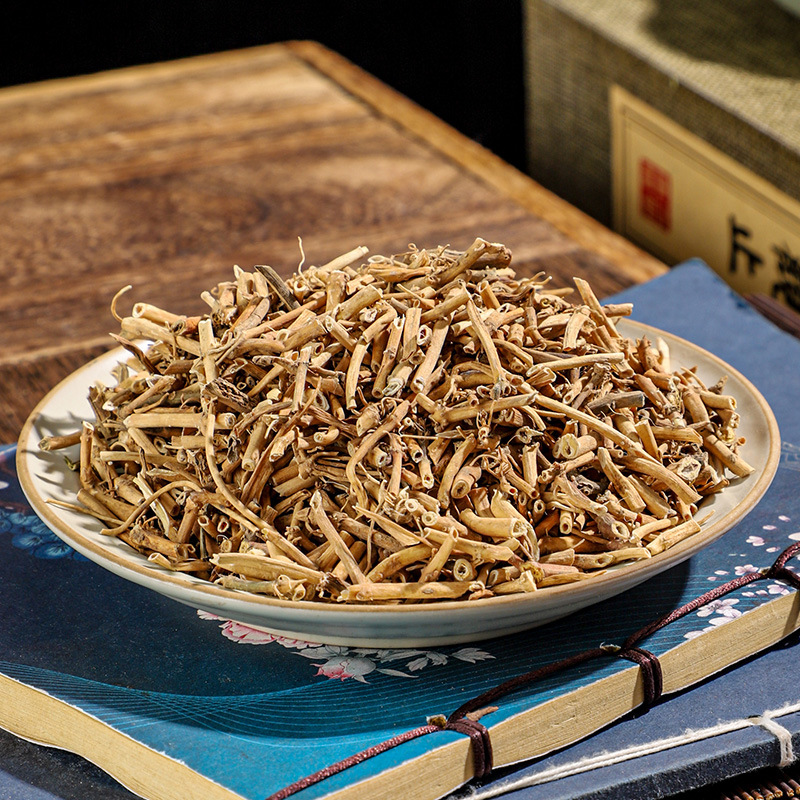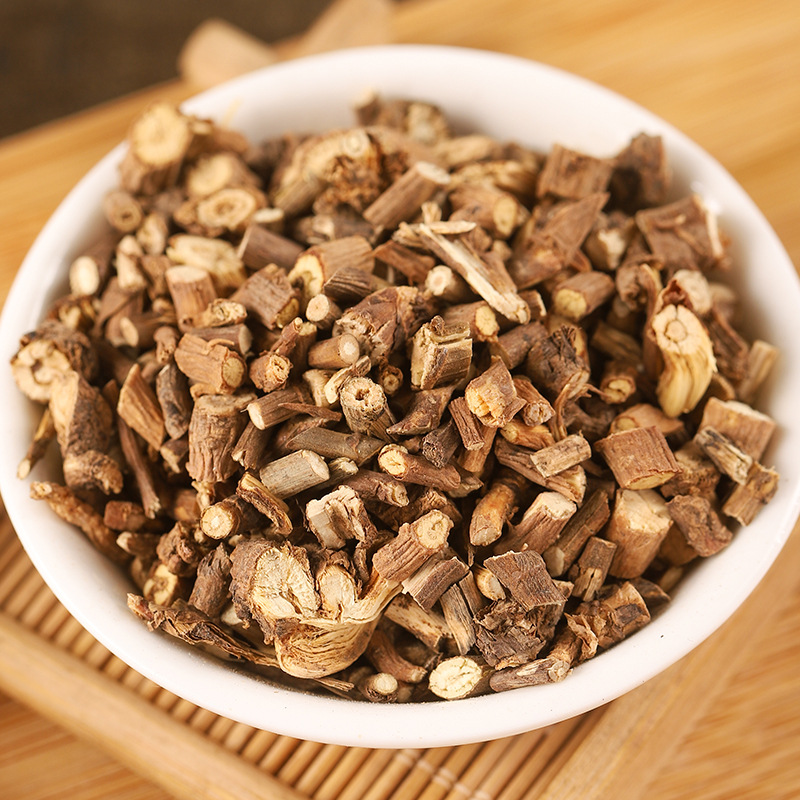
Cassia twig is the young branch of the cinnamon plant from the Lauraceae family, originating from the same plant as cinnamon. It is primarily produced in Guangxi, Guangdong, and Yunnan, with Guangxi being the most abundant source. Typically, the young branches are harvested in spring, dried in the sun or shade, and then cut into small segments for medicinal use.
I. Efficacy and Application
Cassia Twig tastes pungent and sweet, and is warm in nature. It belongs to the lung, heart, and bladder meridians.
Efficacy can induce sweating and relieve muscle tension, warm and unblock meridians, assist yang and transform qi, calm the surging and lower qi. Its characteristic is that it can warm and raise liver yang, and also calm the surging and lower adverse qi, making it an essential herb for warming meridians and dispelling cold.
Commonly used for treating conditions such as wind-cold common cold, cold pain in the epigastrium and abdomen, blood-cold amenorrhea, joint pain and numbness, phlegm retention, edema, and palpitations.
Summary of Masterpieces by Renowned Authors
Ben Jing: "It mainly treats qi surging upward with cough and counterflow, binding qi, throat impediment with vomiting and sucking, and frees the joints."
The Pearl Pouch: "It dispels wind-cold headache, opens the interstices, releases the exterior and promotes sweating, and eliminates wind-dampness from the skin."
"Ben Jing Shu Zheng": "It can benefit the joints, warm the meridians, and unblock the vessels. Its uses are six: harmonizing the nutrient qi, unblocking yang, descending qi, promoting blood circulation, and tonifying the middle. Its efficacy is greatest, and its application is most extensive, as seen in the Cinnamon Twig Decoction, where harmonizing the nutrient qi is its foremost function."
"Compendium of Materia Medica": "Treat all wind-cold and wind-dampness, joint contracture pain, relieve muscles and open the interstices, suppress liver qi, support spleen earth, warm and soothe yin obstruction."
"Changsha Materia Medica": "Cinnamon twig is pungent and warm, dispersing and dissipating, entering the liver and spleen to regulate the flow of nutrient blood. When wind damages the defensive qi, causing obstruction and stagnation of nutrient blood, cinnamon twig unblocks the meridians and collaterals, dispels stagnation in the nutrient aspect, and releases the exterior through the skin and hair, thus effectively expelling wind pathogens. Cinnamon twig is warm, dispersing, and soothing in nature, aligning with the liver's properties. When it harmonizes with the visceral qi, it promotes smooth flow of meridians and blood, thereby effectively relieving spleen stagnation. Cinnamon twig is suitable for both counterflow and sinking conditions, adaptable to various situations, with its remarkable efficacy difficult to fully describe. Among all medicines that moisten the liver and nourish blood, cinnamon twig stands out by transforming yin stagnation into yang harmony, nurturing vitality, and promoting flourishing vitality, surpassing the capabilities of other herbs."
Ben Cao Bei Yao: Warms the meridians and unblocks the vessels, induces sweating and releases the muscles. Treats wind-cold headache, wind-stroke with spontaneous sweating, harmonizes the nutritive and defensive levels, expels pathogenic factors through sweating, and stops sweating spontaneously. Also treats wind-dampness pain in the hands and feet, and flank wind.
"Medical Records of Integrating Traditional Chinese and Western Medicine": "Cinnamon twig excels in promoting circulation, capable of elevating the vital qi, descending rebellious qi, and dispersing pathogenic qi. Cinnamon twig is not a substance that induces sweating, nor is it one that stops sweating. Its ability to promote circulation and disperse externally is dynamic between the exterior and interior, harmonizing the nutritive and defensive qi, warming the muscles, and activating the blood vessels, thereby allowing wind-cold to resolve itself and paralysis to open up. Because its flavor is both pungent and sweet, the pungent can disperse, and the sweet can tonify, its function lies between half dispersing and half tonifying."
II. Compatibility and Application
1. For external contraction of wind-cold, headache, fever, aversion to cold, and other syndromes. Cinnamon twig is acrid to disperse and warm to unblock, promoting sweating to release the exterior. For treating external contraction of wind-cold with exterior deficiency, sweating, aversion to wind, and fever, it is often combined with white peony root, licorice, ginger, and jujube to jointly harmonize the nutrient and defense aspects, release the flesh, and vent the exterior. This is the first formula in the "Treatise on Cold Damage Disorders," known as Cinnamon Twig Decoction, which is praised as the "crown of all formulas" and the "ancestor of all formulas."
If treating wind-cold exterior excess syndrome without sweating, it is often combined with Ephedra, Apricot Kernel, and Licorice to harmonize the nutrient aspect and unblock yang, promote sweating and release the exterior. This is the representative formula of the "sweating method" in Chinese medicine, known as Ephedra Decoction.
Guizhi Decoction and Mahuang Decoction are both fundamental formulas in the Treatise on Cold Damage Disorders and are among the most commonly used prescriptions in clinical traditional Chinese medicine. The variations derived from these two formulas are countless, with dozens alone found in the Treatise on Cold Damage Disorders. Among them, the application of Guizhi is particularly representative. Therefore, to study classical formulas, one must begin by understanding Guizhi.
"Classified Prescriptions and Their Significance": "Zhang Zhongjing's prescriptions total over two hundred, among which approximately sixty utilize cinnamon twig, with nearly thirty featuring cinnamon twig as the primary herb." It is even believed that: "Cinnamon Twig Decoction serves as the foundation of classical prescriptions, and the 'Treatise on Cold Damage Disorders' begins with Cinnamon Twig Decoction."
2. For wind-cold-dampness impediment, shoulder, back, and limb joint soreness and pain. Cinnamon twig can dispel wind, cold, and dampness pathogens, warm the channels and unblock the collaterals to alleviate pain. For treating wind-cold-dampness impediment, it is most commonly paired with aconite, as in Cinnamon Twig and Aconite Decoction. This formula serves as the foundational prescription for wind-cold-dampness impediment, and with modifications based on clinical presentation, it demonstrates significant efficacy for various types of rheumatism and impediment pain.
Hu Xishu said, "Bi pain is mostly inseparable from Shaoyin." Guizhi is also used to treat Bi within the scope of relieving the exterior, which is why Guizhi is widely used in classical formulas for treating Bi pain. Commonly used formulas include Guizhi Fuzi Tang, Guizhi Jia Fuzi Tang, and Guizhi Shaoyao Zhimu Tang.
3. For phlegm-fluid retention syndrome caused by yang deficiency of the heart and spleen, insufficiency of yang qi, and internal retention of water-dampness. Cinnamon twig can warm and transport spleen yang, warm yang and promote diuresis, especially effective in treating edema and phlegm-fluid retention due to internal retention of water-dampness. It is often combined with Poria, Atractylodes macrocephala, Coix seed, ginger, and licorice, known as the Poria-Cinnamon formulas.
If treating bladder qi transformation dysfunction, dysuria, edema, and other syndromes caused by kidney yang deficiency, it is often combined with Poria, Alismatis Rhizoma, and Atractylodis Macrocephalae Rhizoma, known as Wuling Powder; or combined with Corni Fructus, Dioscoreae Rhizoma, Rehmanniae Radix, and Moutan Cortex to tonify the kidney, known as Guifu Dihuang Pill.
4. For chest impediment, chest pain, or palpitations and other syndromes. Cinnamon twig can warm and unblock the yang qi in the chest, often combined with trichosanthes fruit and Chinese leek, as in the Zhishi Xiebai Guizhi Decoction.
If treating palpitations and irregular pulse, it is often combined with roasted licorice, donkey-hide gelatin, ginseng, and dried rehmannia root to assist yang and restore the pulse, known as the Roasted Licorice Decoction.
Zhu Liangchun's experience indicates that for bradycardia caused by coronary heart disease or sick sinus syndrome, cinnamon twig can be used to increase heart rate. A basic formula often includes cinnamon twig, astragalus, salvia, and honey-fried licorice, with additional herbs added according to symptoms. Together, these herbs work to tonify heart qi, restore heart yang, and unblock heart vessels.
5. For cold stagnation in the meridians, amenorrhea, dysmenorrhea, and abdominal masses. Cinnamon twig is particularly effective in warming and unblocking blood vessels, dispersing cold, and expelling stasis. For syndromes of deficiency and cold in the Chong and Ren meridians with blood stasis obstruction, it is often combined with Chinese angelica root, Sichuan lovage rhizome, medicinal evodia fruit, and donkey-hide gelatin to warm and unblock blood vessels, disperse cold, and expel stasis, as seen in the Wenjing Decoction.
If treating abdominal cold and blood stasis causing abdominal masses, it is often combined with Poria, Moutan Bark, Red Peony Root, and Peach Kernel, known as Cinnamon Twig and Poria Pill.
6. For the syndrome of running piglet, characterized by qi rushing upward from the lower abdomen to the heart. Cinnamon twig can warm the kidneys and restrain the liver, calming the upward rebellion and descending counterflow. To treat the syndrome of running piglet with upward qi, it is common to increase the dosage of cinnamon twig in the Cinnamon Twig Decoction formula, known as Cinnamon Twig Decoction with Increased Cinnamon Twig. However, some physicians also add cinnamon bark to disperse deep-seated cold and stubborn cold in the lower jiao, which is also considered acceptable.
Huang Yuanyu said, "All conditions of qi rushing and palpitations are due to water flourishing and earth deficiency, causing wind wood to stagnate and stir. Cinnamon twigs disperse the stagnation in the liver and spleen, allowing their channel qi to flow smoothly, thereby calming palpitations and reducing the rushing sensation."
III. Usage and Dosage
Gui Zhi is often used in decoctions and can also be made into pills or powders.
The efficacy of traditional Chinese medicine varies with different dosages, with Guizhi being the most representative. The effects and indications of Guizhi differ significantly at different dosages, which best reflects the characteristics of traditional Chinese medicine.
When used in small doses of a few grams, Guizhi (Cinnamon Twig) can soothe the flow of qi, as seen in the use of Guizhi instead of Bohe (Peppermint) in Xiaoyao San (Free Wanderer Powder). When used in doses of over ten grams, it can elevate liver yang, disperse liver stagnation, regulate emotions, and harmonize blood vessels, treating various deficiencies and damages, and relieving bi syndrome with prolonged use, as seen in Huangqi Guizhi Wuwu Tang (Astragalus and Cinnamon Twig Five Substances Decoction). When used in doses of around fifteen grams, it can nourish yin and harmonize yang, regulate the nutritive and defensive levels, and promote sweating to relieve the exterior, as seen in Guizhi Tang (Cinnamon Twig Decoction), Mahuang Tang (Ephedra Decoction), and Guizhi Jia Gegen Tang (Cinnamon Twig Decoction with Pueraria). When used in doses of over twenty grams, it can warm yang and transform qi, dispel cold and eliminate dampness, as seen in Ling Gui Zhu Ji (Poria and Cinnamon Twig Formulas), Shenqi Wan (Kidney Qi Pill), and Guizhi Fuzi Tang (Cinnamon Twig and Aconite Decoction). When used in doses of over thirty grams, it can warm and invigorate chest yang, warm the lungs and transform fluid retention, as seen in Xiao Qinglong Tang (Minor Green Dragon Decoction) and Guizhi Gancao Tang (Cinnamon Twig and Licorice Decoction). When used in even larger doses, Guizhi can also calm rebellious qi and direct it downward, as seen in Guizhi Jia Gui Tang (Cinnamon Twig Decoction with Additional Cinnamon Twig).
The difficulty of learning traditional Chinese medicine can be glimpsed from the study of Chinese materia medica, and the difficulty of learning Chinese materia medica can be seen from the example of cinnamon twig. To master Chinese materia medica well, in addition to book knowledge, one must also accumulate long-term practical experience.
Zhang Xichun said, "In the Treatise on Cold Damage Disorders, the use of cassia twig is always specified as 'peeled,' which does not mean removing the bark from the twig. Rather, it refers to using only the tender new twigs of the current year. When broken open, the interior and exterior are uniform, with no distinction between bark and wood. If any part shows a discernible separation between bark and wood, it should be discarded and not used. Hence, it is referred to as 'peeled.'"
IV. Application Precautions
Cinnamon Twig is pungent and warm, which can assist heat and easily injure yin and stir blood. Therefore, it is contraindicated in warm-heat diseases, yin deficiency with yang excess, and various syndromes of reckless blood flow due to heat. It should be used with caution in pregnant women and those with excessive menstruation.
"Shanghan Li": "If Guizhi is swallowed, death occurs when yang is exuberant; if Chengqi enters the stomach, death occurs when yin is exuberant."
Practical Notes on Traditional Chinese Medicine: 20.11.4
#TCM Practical Notes# #2020 Vitality Conference#