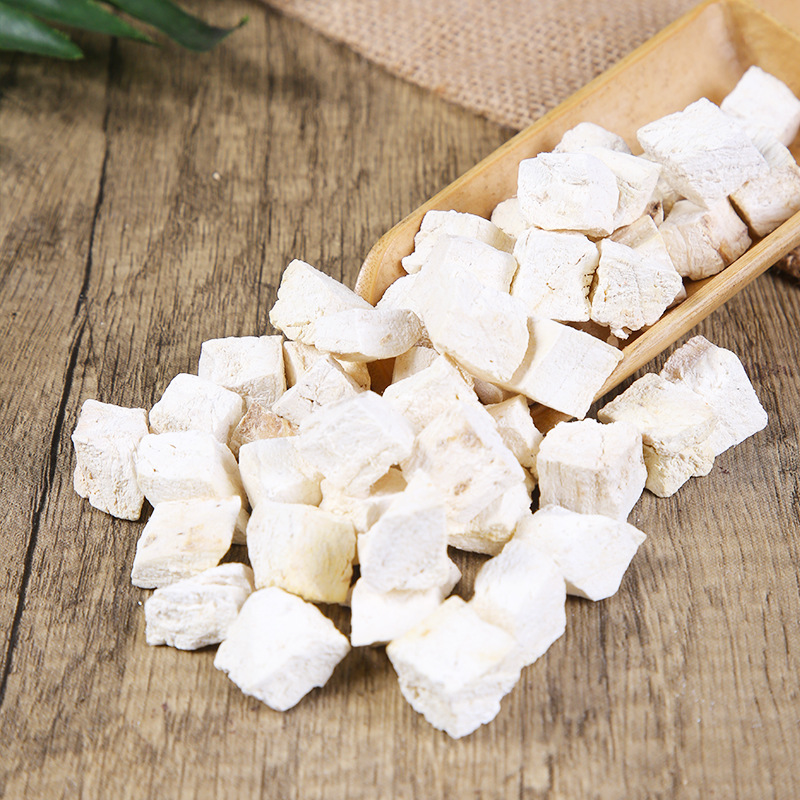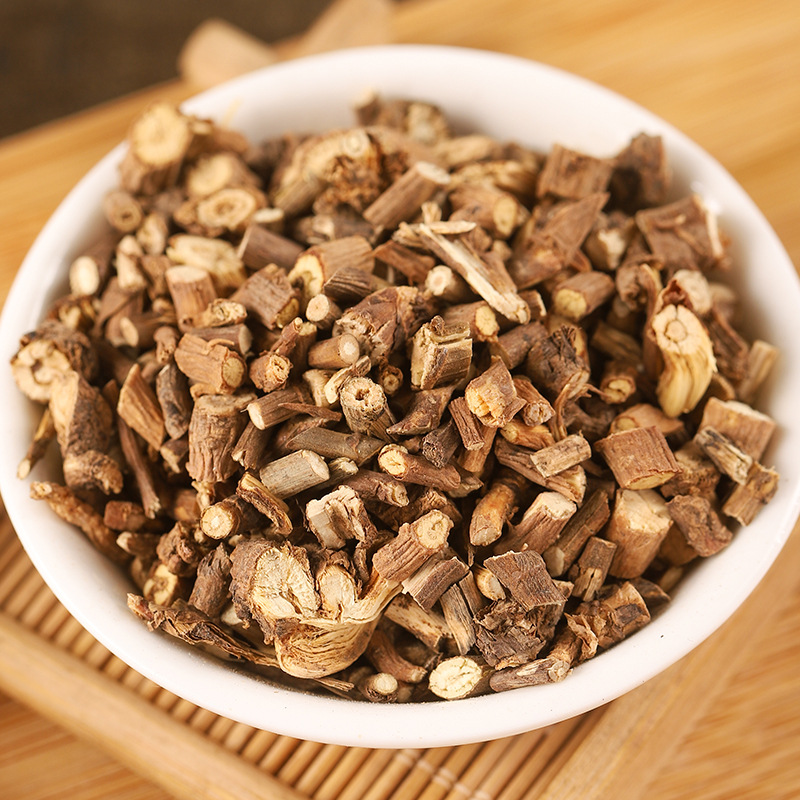
The usage of traditional Chinese medicine decoctions includes decoction methods, administration methods, administration timing, and contraindications for medication.
I. Methods of Decocting Traditional Chinese Medicine
When decocting traditional Chinese medicine, there are certain requirements for the water and heat used. The water must be clean, generally clear spring water, river water, or tap water can be used, while well water requires selecting a better quality.
Specific steps for decocting herbal medicine:
1. First, add an appropriate amount of cold water. The water level should be sufficient to submerge the herbs or slightly higher. Soak the herbs for 1 to 2 hours before decocting. It is not necessarily better to soak Chinese herbs for a longer time. Especially in summer, soaking for too long or overnight can easily lead to spoilage.
2. Choose the appropriate decoction vessel. Professional decoction pots and clay pots are best, followed by stainless steel pots and alloy pots. Electric rice cookers can also be used, but the heat must be strictly controlled. Iron pots should not be used.
3. The heat control in decocting Chinese medicine emphasizes "first strong then gentle", which means first using "strong fire" to bring the Chinese medicine to a boil, then switching to "gentle fire" for slow simmering until the required amount of medicinal liquid remains. The decoction time is generally around 30 minutes to 1 hour after boiling, and the specific simmering duration should be determined based on the nature of the Chinese herbs used.
The key to decocting traditional Chinese medicine lies in mastering several dynamic variables: the amount of water added, the intensity of the heat, and the duration of decoction. Only by considering all three factors and adjusting them according to the different texture characteristics of the herbs can the decocted medicine be considered qualified. Therefore, recording data and accumulating experience are crucial in the process of decocting traditional Chinese medicine.
4. There are many methods for decocting traditional Chinese medicine, including long decoction, light decoction, wrapped decoction, pre-decoction, post-decoction, and single decoction. For example, root and bark tonifying herbs generally require longer decoction times; aromatic herbs require shorter decoction times or are added later; some shell and mineral herbs need long decoction or pre-decoction; some special powdered or fine plant seed herbs need to be wrapped in gauze for decoction; and some precious or potent herbs are often decocted separately. In addition, some herbs are not suitable for decoction and require special attention.
5. Generally, Chinese herbal medicine is decocted only once, but some may be decocted twice. However, the second decoction time and the amount of medicine extracted should be reduced appropriately. The efficacy of the medicine decocted for the second time will be somewhat diminished, so it is common to mix the two decoctions evenly and then take them in divided doses. However, a few doctors use this method and adopt the approach of taking the first decoction as one dose and the second decoction as another dose.
Decocting Chinese medicine twice does not necessarily yield better therapeutic effects than decocting it once, as there are too many influencing factors, making it difficult to prove which method is superior. For example, the formulas in the Treatise on Cold Damage Diseases are all decocted only once, yet they do not compromise their efficacy.
7. Now there are ready-to-use Chinese medicine granules that only need to be dissolved in boiling water without the need for decoction, which is highly worth promoting.
II. Administration Methods of Traditional Chinese Medicine
Generally, one dose of traditional Chinese medicine is taken over the course of one day, divided into two or three administrations. In special circumstances, it may also be divided into four administrations, or taken at intervals of several hours, continuously day and night, to maintain the efficacy of the medicine.
Some special Chinese medicines also have specific requirements for administration. For example, when using diaphoretic or purgative medicines, if the potency is strong, attention should be paid to individual differences among patients. Generally, the goal is to achieve sweating or purgation, and it should be stopped appropriately without exceeding the dosage, to avoid excessive sweating or purgation that may damage the body's vital energy.
Three, Timing of Taking Traditional Chinese Medicine
The timing of medication should be determined based on the condition and the nature of the medicine. Generally, tonic medicines are best taken before meals; most anthelmintic and purgative medicines should be taken on an empty stomach; stomachic medicines and those that strongly irritate the gastrointestinal tract are best taken after meals; other medicines are generally also taken after meals; while sedative medicines can be taken before bedtime.
Whether taking medicine before or after meals, it should be spaced out from eating, such as taking it about 1 hour before or after meals, to avoid affecting the efficacy.
In addition to traditional Chinese medicine, if other medications are taken simultaneously, it is advisable to maintain an interval of 1 to 2 hours.
Four, Contraindications for Taking Chinese Medicine
During the period of taking traditional Chinese medicine, dietary restrictions can be referenced to the contraindications after taking Guizhi Decoction in the "Treatise on Cold Damage Diseases." That is, avoid raw and cold foods, sticky and slippery foods, meat and noodles, pungent foods, alcohol and dairy products, and foul-smelling foods. In practical application, it is also necessary to differentiate based on the characteristics of the patient and the illness, as well as the specific traditional Chinese medicine being used.
It can be summarized as: During the period of taking traditional Chinese medicine, avoid greasy, raw and cold, spicy, dairy, tea, alcohol, coffee, and fermented foods. Focus on a light diet, try to maintain regular eating habits, and avoid overeating at each meal. Everything should be based on reducing the burden on gastrointestinal digestion and promoting drug absorption. Only in this way can traditional Chinese medicine achieve its best efficacy.