The so-called commonly used Chinese medicinal herbs refer to those with relatively high frequency of use and reliable therapeutic effects. They constitute the most fundamental knowledge in traditional Chinese medicine and should be a key focus for every student of TCM. The herbs recommended by the author are based on personal opinions and are for reference only.
I. Traditional Chinese medicine has long had the concept of the "Four Pillars," which refers to the four dimensions of medicinal properties and represents the four directions of clinical medication, specifically ginseng, gypsum, rhubarb, and aconite.
II. Regarding the "Four Pillars" of traditional Chinese medicine, Zhang Jingyue believed they were: aconite, rhubarb, ginseng, and prepared rehmannia root. Zhang explained, "Ginseng and rehmannia are like good ministers, while rhubarb and aconite are like good generals," which can be considered a vivid metaphor.
III. Mr. Wu Peiheng once proposed the concept of the "Ten Commanders" in traditional Chinese medicine, which can be said to truly stem from practical experience. Specifically, they include: aconite, dried ginger, cinnamon, ephedra, cassia twig, gypsum, asarum, rhubarb, mirabilite, and coptis. These ten herbs are all primary medicines for dispelling diseases and attacking pathogens, representing the essence of traditional Chinese medicine and should be studied with emphasis.
Four, the main herbs in the Large and Small Six Deities Decoctions for epidemic diseases in the "Fu Xing Jue" are: Astragalus, Bupleurum, Ephedra, Gypsum, Egg Yolk, and Aconite. The author believes that Cinnamon Twig and Coptis should also be included, making a total of eight herbs. These eight herbs are all main ingredients in the twelve classical prescriptions of the "Treatise on Cold Damage Diseases."
V. The Five Flavors, Five Elements, and Twenty-Five Commonly Used Herbal Medicines in "Fu Xing Jue". Among them, the main medicines for the five elements (five organs) are: Cinnamon (Wood), Inula Flower (Fire), Ginseng (Earth), Schisandra Berry (Metal), and Rehmannia (Water).
The twenty-five commonly used herbs are: cinnamon, rhubarb, licorice, immature bitter orange, scutellaria, pepper, inula flower, jujube, fermented soybean, coptis, ginger, alisma, ginseng, peony, atractylodes, asarum, magnolia bark, ophiopogon, schisandra, bamboo leaf, radish seed, niter, poria, Chinese yam, and rehmannia. Tao Hongjing said, "These twenty-five herbs are the essence of all medicines, and they are effective in treating various internal injuries of the five viscera and six bowels. Scholars should deeply understand and master them."
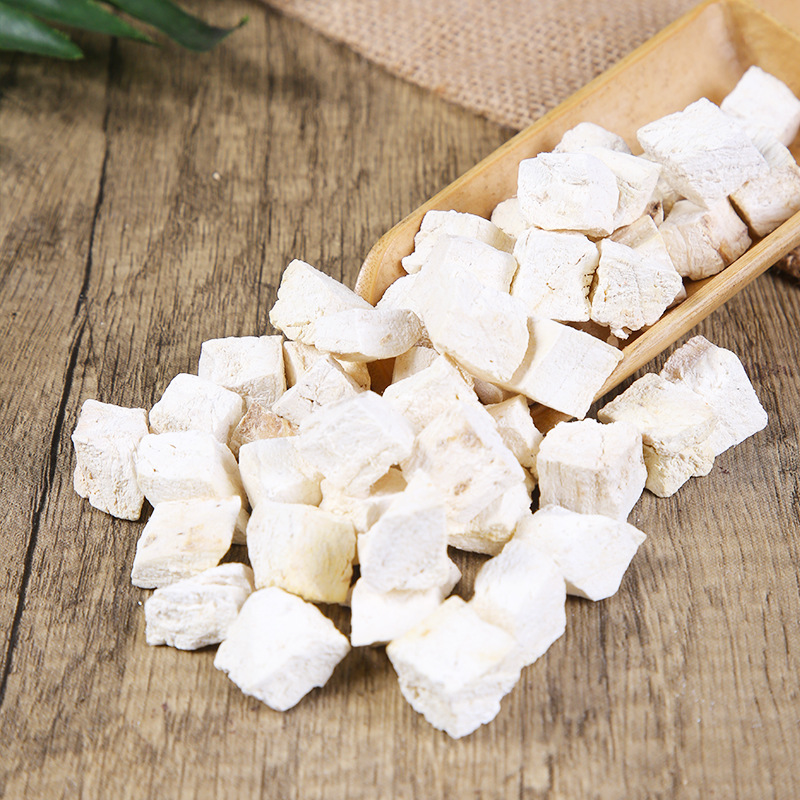
Six, the "Ten Famous Prescriptions of Traditional Chinese Medicine" are the most commonly used representative formulas in clinical practice of TCM, therefore the herbs used in these formulas are also the most commonly used Chinese medicinal herbs. Specifically including: Ephedra, Gypsum, Asarum, Pinellia, Ginger, Schisandra, Rhubarb, Mirabilite, Immature Bitter Orange, Magnolia Bark, Bupleurum, Cinnamon Twig, Poria, Polyporus, Alisma, Atractylodes, Chinese Angelica, Peony, Licorice, Peach Kernel, Safflower, Chuanxiong, Rehmannia, Platycodon, Achyranthes, Bitter Orange, Ginseng, Tangerine Peel, Astragalus, Cimicifuga, Jujube Seed, Polygala, Costus Root, Longan Meat, Fresh Ginger, Jujube, Cornus, Moutan Bark, Chinese Yam, Bamboo Shavings.
Seven, Traditional Chinese Medicine syndrome differentiation has the "Eight Principles" theory, which includes eight methods to classify the nature of diseases: Yin, Yang, Exterior, Interior, Cold, Heat, Deficiency, and Excess. Diseases of different natures require different treatment methods and different main herbs. Specifically, they include: Aconite for Yin syndrome, Rehmannia for Yang syndrome, Ginseng for Deficiency syndrome, Rhubarb for Excess syndrome, Ephedra for Exterior syndrome, Gypsum for Interior syndrome, Dried Ginger for Cold syndrome, and Coptis for Heat syndrome.
VIII. Main Formulas and Medicinals for the Six Meridian Diseases in "Treatise on Cold Damage Disorders": Taiyang: Ephedra; Yangming: Gypsum; Shaoyang: Bupleurum; Taiyin: Dried Ginger; Shaoyin: Aconite; Jueyin: Evodia.
Nine, since ancient times, there has been the concept of "guide drugs" in traditional Chinese medicine formulations, and these guide drugs are also commonly used medicines.
Six Meridians Guiding Medicinals: Taiyang Meridian: Notopterygium, Vitex, and Ligusticum; Shaoyang Meridian: Bupleurum, Scutellaria, and Ligusticum; Yangming Meridian: Angelica dahurica, Kudzu, and Anemarrhena; Shaoyin Meridian: Asarum; Taiyin Meridian: Atractylodes; Jueyin Meridian: Evodia, Ligusticum, and Ligusticum.
Other guiding herbs: Platycodon grandiflorus guides herbs upward; Achyranthes bidentata, Inula japonica, or mineral and metallic substances guide herbs downward; Cinnamomum cassia guides fire back to its source; human urine and pig bile guide yang into yin; Cimicifuga foetida and Bupleurum chinense guide qi upward; Amomum villosum and Aquilaria sinensis guide qi back to its origin; Bupleurum chinense guides pathogenic factors outward; mulberry twigs guide herbs to the limbs; betel nut, Magnolia officinalis, and Amomum tsaoko guide herbs into the membrane source.
Ten, in addition to the above, the author also proposed the concept of a "universal formula" in traditional Chinese medicine, which includes more than twenty prescriptions. Those studying traditional Chinese medicine should focus on understanding and learning these, as the Chinese herbs used in them are mostly common ones.
Based on the above, the author summarizes as follows (in no particular order):
Common herbal and mineral medicines: Aconite, Rhubarb, Ginseng, Dried Ginger, Ephedra, Cinnamon Twig, Cinnamon Bark, Gypsum, Asarum, Mirabilite, Coptis, Scutellaria, Bupleurum, Evodia, Angelica, Astragalus, Codonopsis, Schisandra, Chinese Yam, Licorice, Coix Seed, Platycodon, Pinellia, Tangerine Peel, Almond, White Mustard Seed, Salvia, Sour Jujube Seed, Panax Notoginseng, Eucommia, Mistletoe, Achyranthes, Spatholobus, Corydalis, Gastrodia, Uncaria, Polygonum Multiflorum Vine, Cuttlebone, Madder, Motherwort, Plantago Seed, Imperata Rhizome, Amber, Agrimony, Amomum, Cardamom, Eupatorium, Alisma, Ligusticum, Cyperus, Albizia Bark, Cimicifuga, Polygala, White Hyacinth Bean, Bamboo Shavings, Bamboo Leaves, Cowherb Seed, Cornus, Morinda, Cistanche, Drynaria, Dipsacus, Wheat, Artemisia, Siegesbeckia, Clematis, Chaenomeles, Trichosanthes, Black Snake, Dictamnus, Lycium Bark, Honeysuckle, Dandelion, Patrinia, Forsythia, Trichosanthes Root, Prunella, Seaweed, Kudzu, Acorus, Angelica Dahurica, Saposhnikovia, etc.
Common Abbreviations for Multiple Herbs: Ginger and Jujube, Zhiqiao and Houpo, Ruxiang and Moyao, Taoren and Honghua, Zishen and Kuandong, Xuanfuhua and Zheqimu, Danpi and Zhizi, Longgu and Muli, Two Atractylodes, Two Peonies, Two Rehmannias, Two Ophiopogons, Two Cirsiums, Two Fritillarias, Two Citrus Fruits, Two Angelicas, Two Cicadas, Two Poria, Two Solstices, Three Perillas, Three Immortals, Three Wens, Four Golds, Kidney Four Herbs, Rhinoceros Four Herbs, etc.
Common animal and insect Chinese medicines: Mantis Egg Case, Deer Antler, Donkey Hide Gelatin, Tortoise Plastron, Turtle Shell, Gecko, Centipede, Scorpion, Flying Squirrel Feces, Earthworm, Ground Beetle, Silkworm, Leech, Water Buffalo Horn, etc.