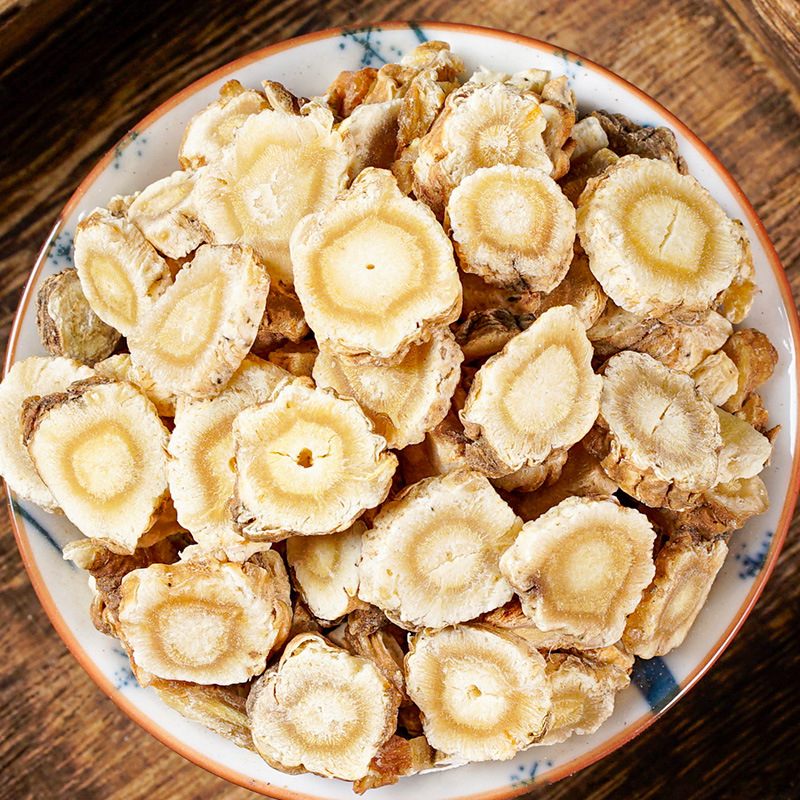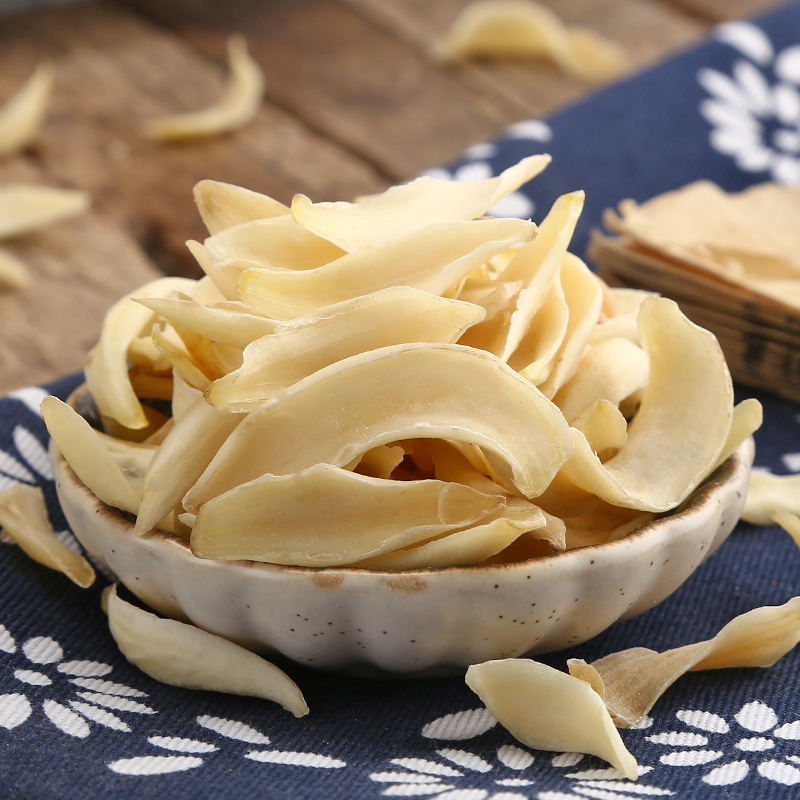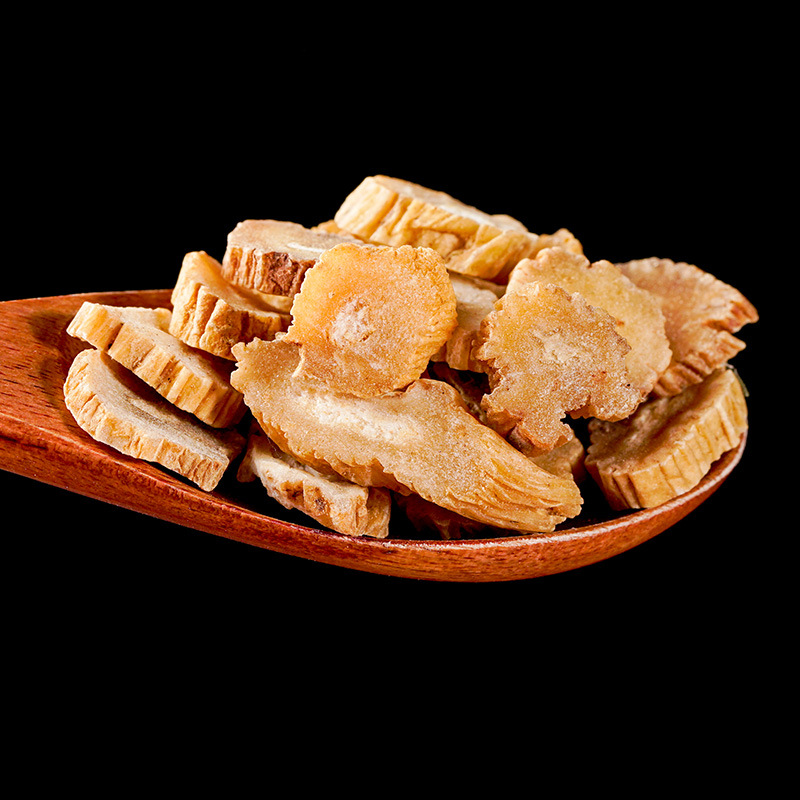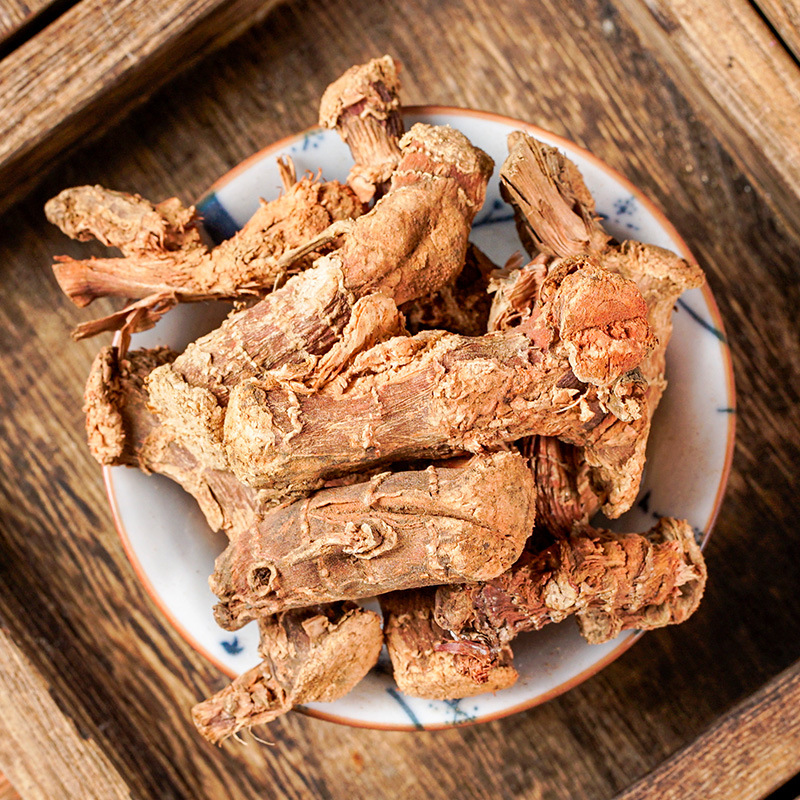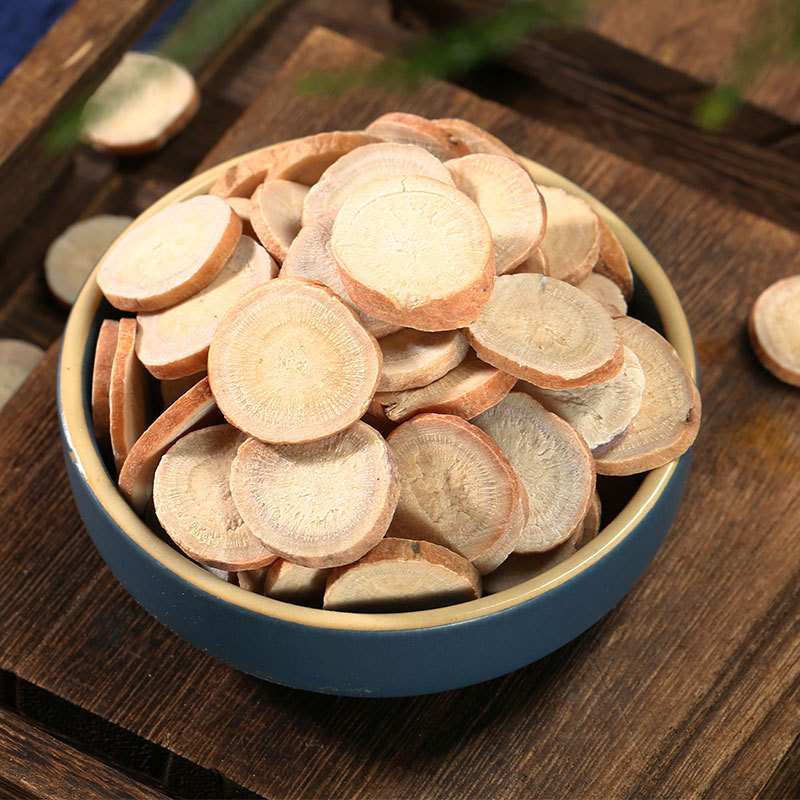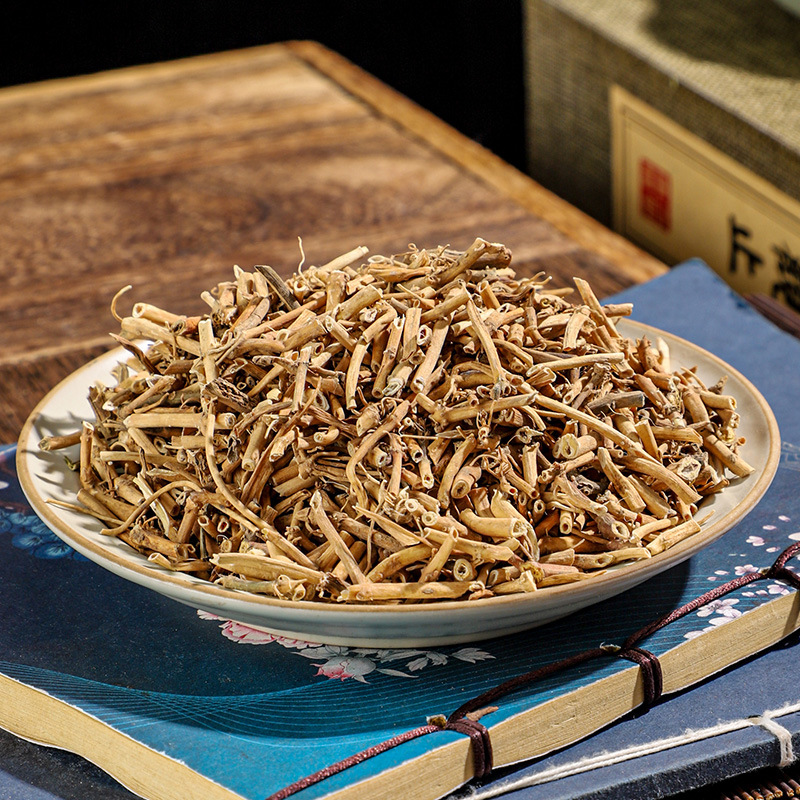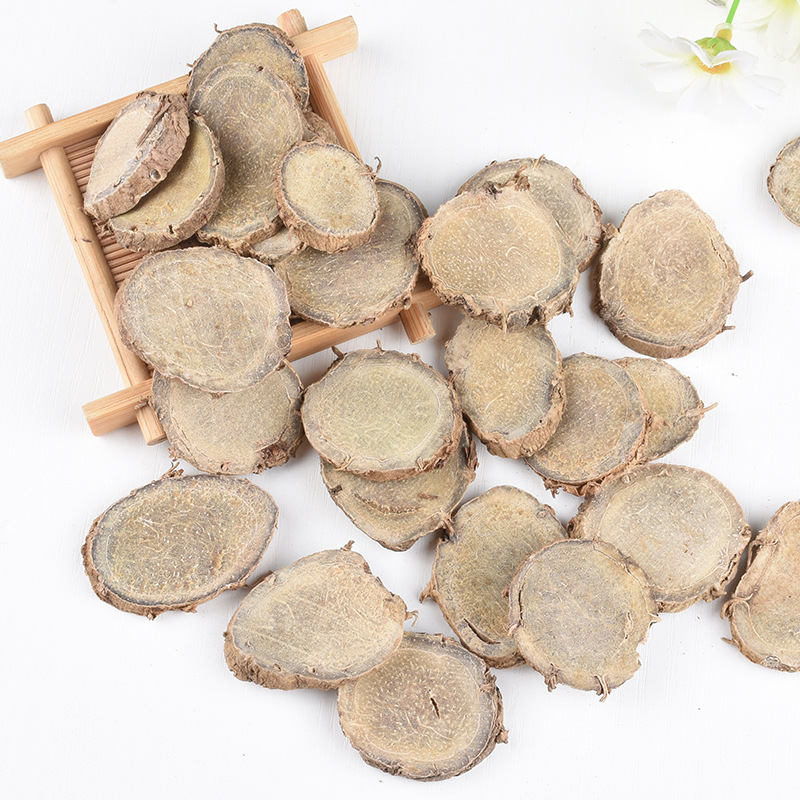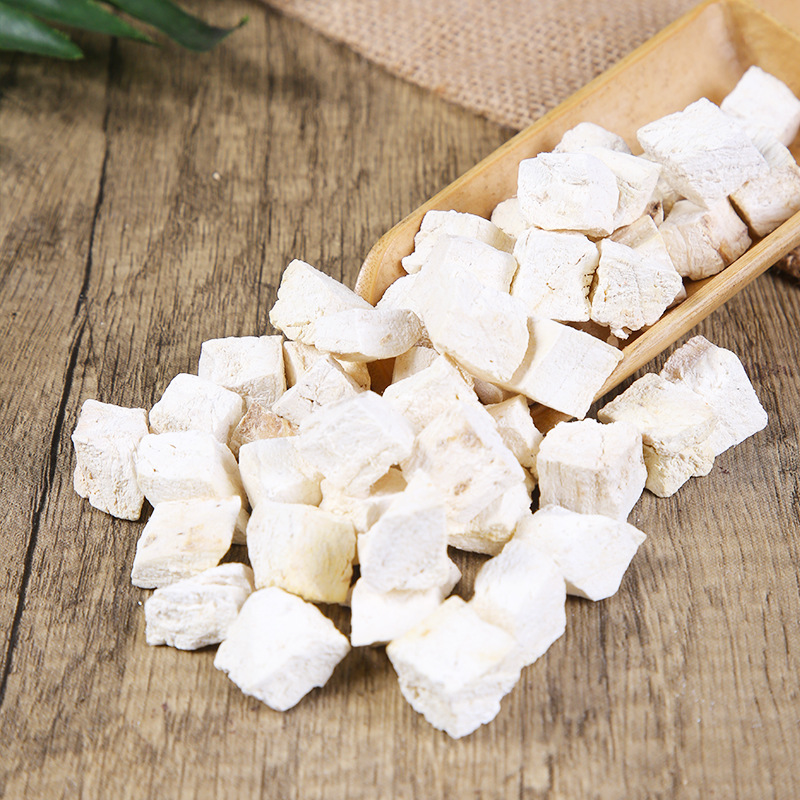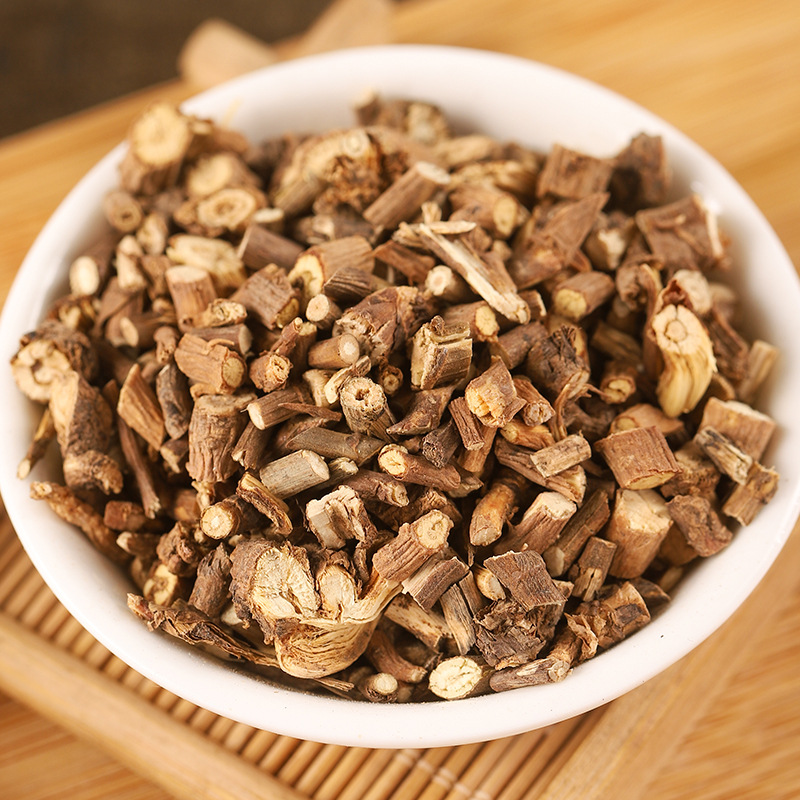
Almost all Chinese medicinal materials need to be processed before application. Some require only simple processing, while others are more complex. In some cases, certain auxiliary materials need to be added during the processing, and there are strict technical requirements. As the ancients said, "Insufficient processing fails to achieve the desired efficacy, while excessive processing may alter the properties and flavors."
Whether the processing of traditional Chinese medicine is appropriate directly affects its efficacy. Some highly toxic traditional Chinese medicines can be made safer for use through reasonable processing.
I. Purposes of Traditional Chinese Medicine Processing:
1. Eliminate or reduce the toxicity, potency, or side effects of drugs. For example, aconite-type Chinese medicinal herbs are highly toxic when used raw, but processing can make them safer. The toxicity of croton seeds mainly lies in their oil, and there has been a saying since ancient times: "Croton seeds without oil removal are as powerful as an old ox." By processing to "remove the oil," their toxicity can be effectively reduced. Another example is pinellia processed with ginger, which not only reduces the toxicity of pinellia but also enhances its antiemetic effect, achieving two goals at once.
2. Altering the properties of drugs to better suit the needs of the condition. For example, raw Rehmannia is used to cool the blood, but when processed into cooked Rehmannia, its nature becomes warm and tonifying; raw ginger disperses cold from the exterior, but when roasted, its dispersing power is reduced while its warming effect on the interior is enhanced; raw Polygonum multiflorum can purge and promote bowel movements, but after processing, it loses its purgative effect and instead tonifies the liver and kidneys.
3. Convenient for preparation and storage. For example, general herbal medicines often need to be sliced; mineral medicines, animal shells, and certain seed medicines require crushing to make active ingredients more easily soluble and to facilitate the preparation of various dosage forms; additionally, some Chinese medicines need to be dried through baking or stir-frying before storage to prevent mold and decay.
4. Remove impurities and non-medicinal parts to ensure the purity of the medicine and facilitate its application. For example, the roots or rhizomes of general herbal medicines should be washed to remove mud and impurities; loquat leaves should have their hairs scraped off; polygala root should have its core removed; cicada slough should have its head and feet removed; and seaweed and cistanche should be rinsed to eliminate salty and fishy odors, making them more suitable for consumption.
There are various methods for processing traditional Chinese medicine, all of which have been explored, invented, and summarized through long-term life and clinical practice, representing the crystallization of our ancestors wisdom.
II. Common Methods of Processing Traditional Chinese Medicine:
1. Processing: includes purification, crushing, and cutting. This involves physical cutting or crushing to make traditional Chinese medicine easier to use. Almost all plant-based traditional Chinese medicines require this method of processing.
2. Water Processing: Includes methods such as moistening, soaking, and water grinding. This involves physical cleaning or soaking to make traditional Chinese medicine easier to use. This method is often used in the processing of certain minerals, or traditional Chinese medicines with a salty or fishy odor, or those with a hard texture.
3. Fire Processing: This includes methods such as stir-frying, roasting, calcining, and simmering. It involves the use of fire in the processing to make the herbs more convenient for processing and application, reduce toxicity, alter medicinal properties, or enhance therapeutic effects. This method is commonly used in the processing of some animal bones, shells, or other hard-textured Chinese medicinal materials. It is also often employed as a preparation method for certain Chinese herbs, such as stir-frying herbs until they turn yellow, charred, or carbonized for medicinal use.
4. Processing with Water and Fire: This includes methods such as boiling, steaming, quenching, and scalding. It involves processing medicinal herbs using both water and fire to reduce toxicity, decrease potency, enhance efficacy, or facilitate application.
5. Other Processing Methods. In addition to the above methods, there are some special processing techniques, such as sprouting, fermentation, frost processing, and legal processing methods. The purpose is also to alter the original medicinal properties of the drug, enhance new therapeutic effects, while reducing toxicity or side effects, in order to make the drug more efficient.
The processing of traditional Chinese medicine is like the education and transformation of a person. Through different means and methods, a person can acquire different skills and ultimately achieve different goals. In this process, it is essential to maximize strengths and minimize weaknesses, making the best use of everything.