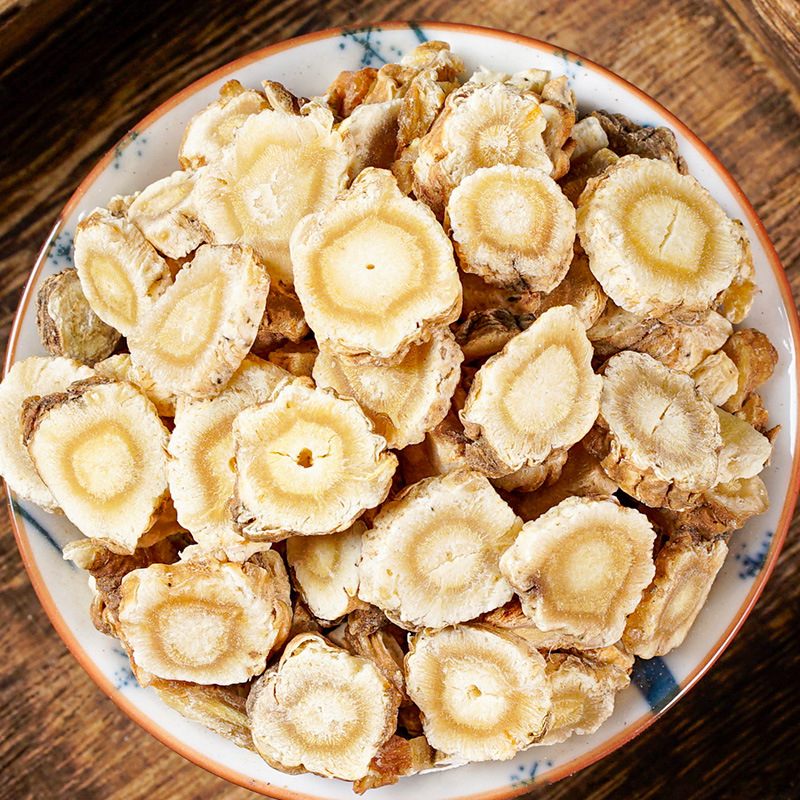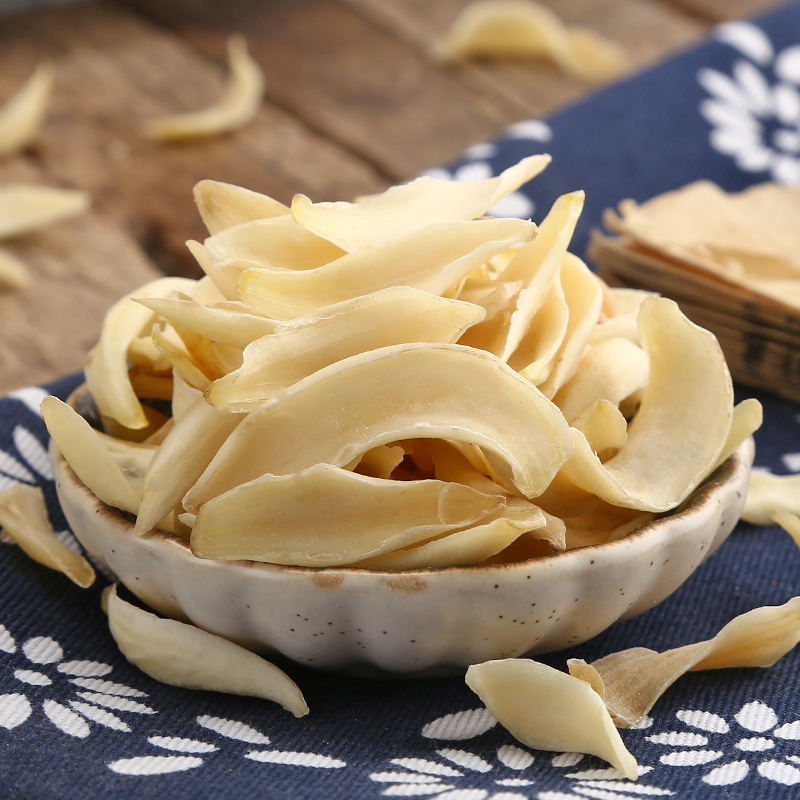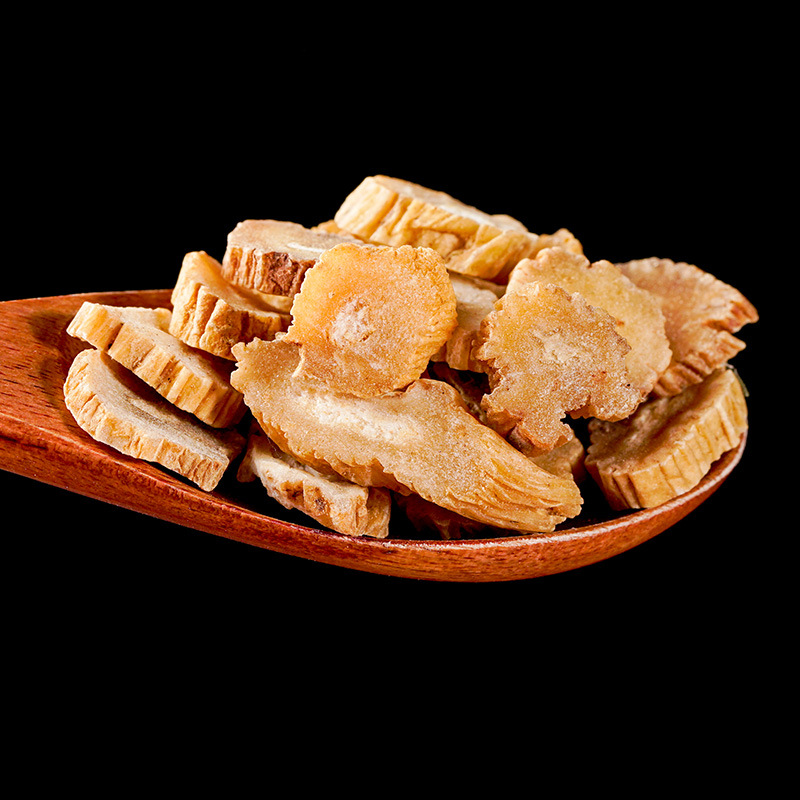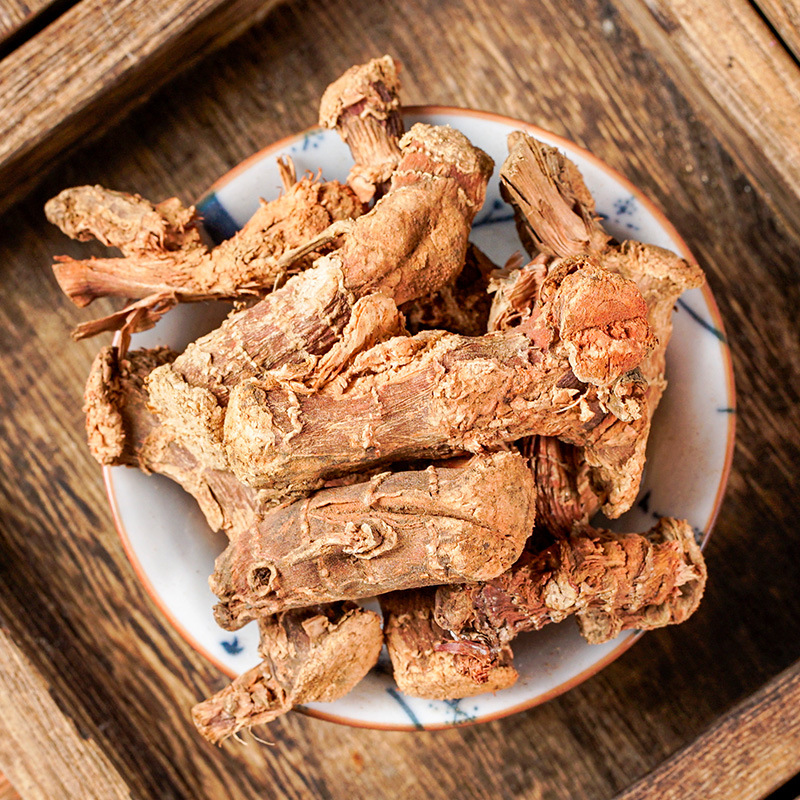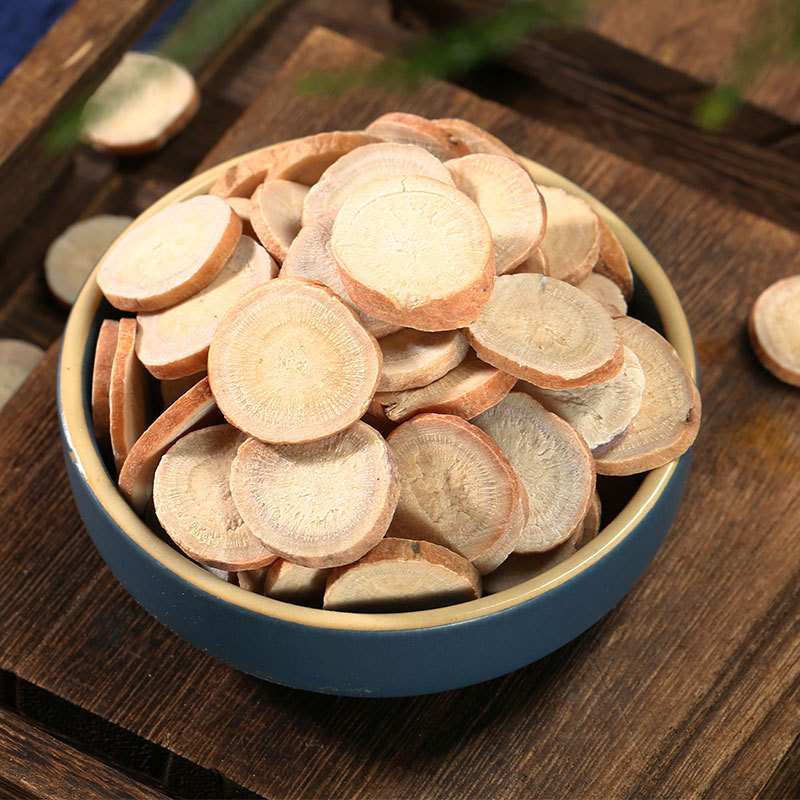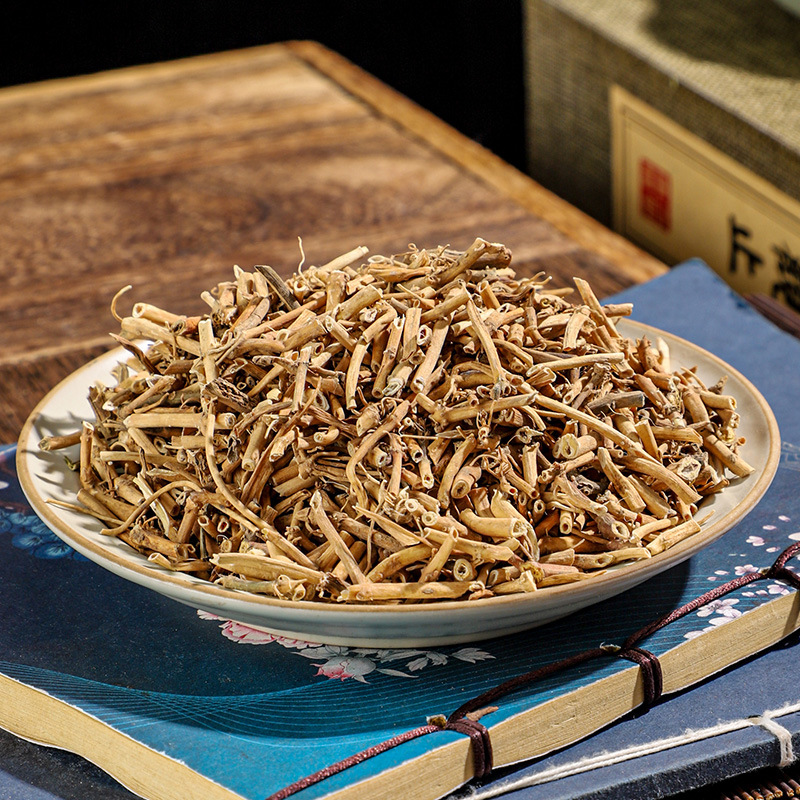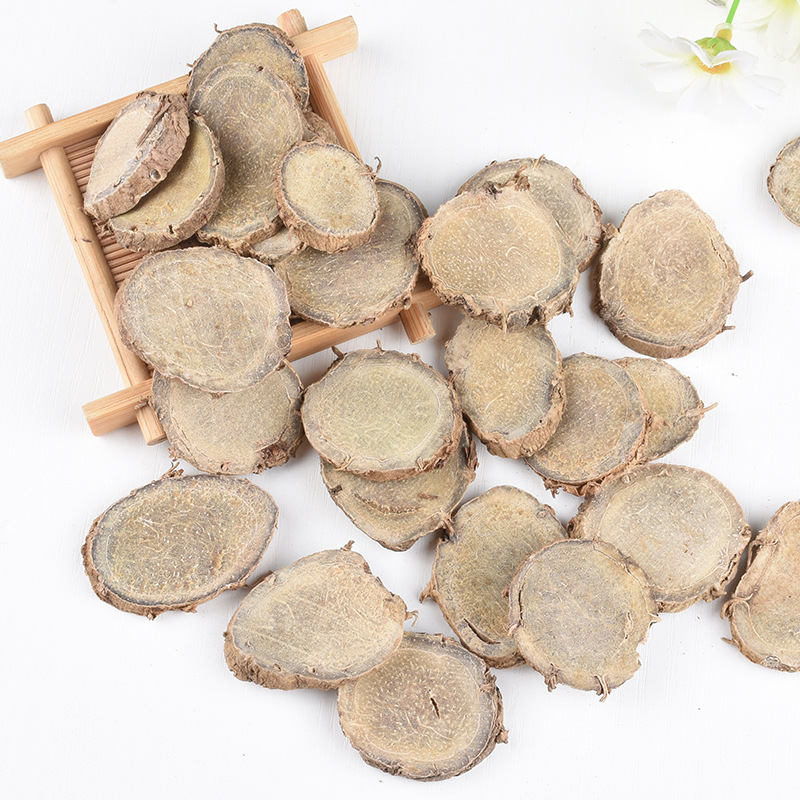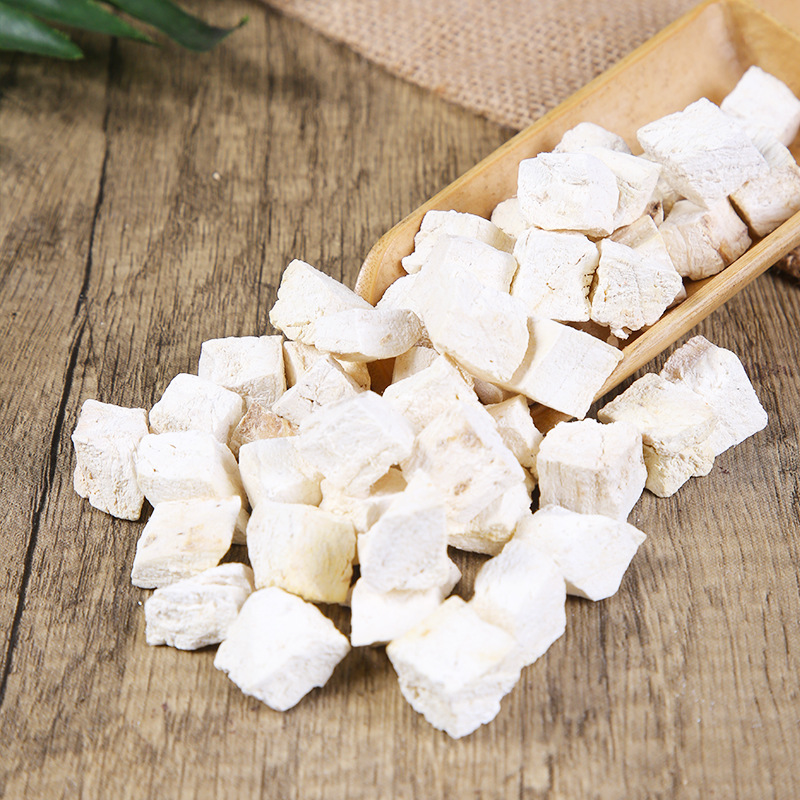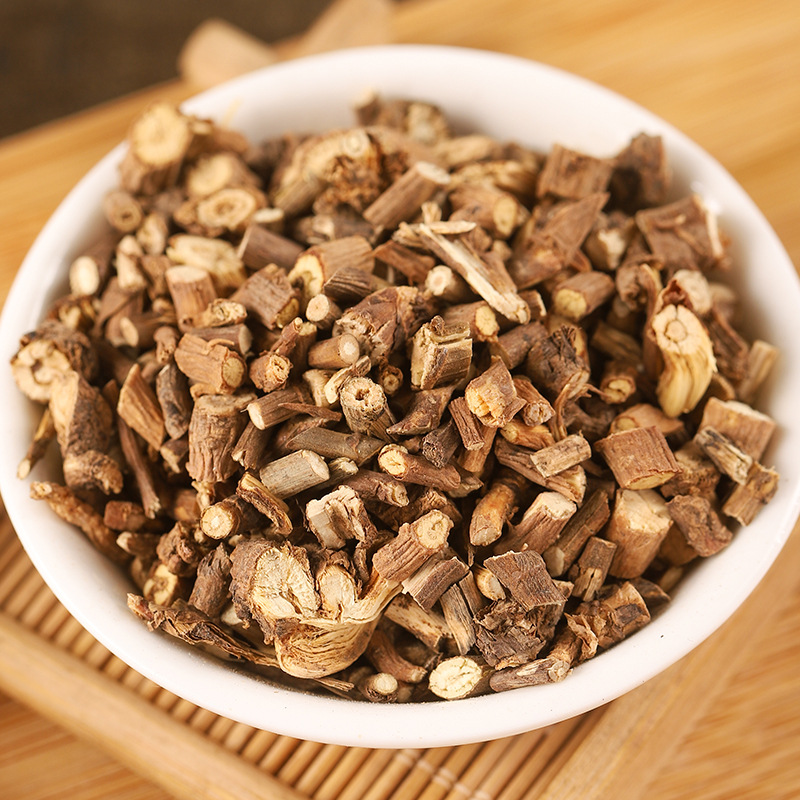
Definition of Traditional Chinese Medicine: Traditional Chinese medicine refers to drugs used for the prevention and treatment of diseases under the guidance of traditional Chinese medicine theory.
As long as the premise of "guided by traditional Chinese medicine theory" is satisfied, it can be said that everything can become a Chinese medicinal herb. As long as we can apply traditional Chinese medicine theory well, we can actually discover new "Chinese medicinal herbs." For example, the canned food we often eat can be used to treat conditions such as Yangming dryness-heat, yin deficiency and labor heat, and fluid deficiency constipation. It is important to know that there were no canned foods in ancient times, but today we can use the theories of traditional Chinese medicine to understand and explore their efficacy.
I. Classification of Traditional Chinese Medicine:
Traditional Chinese medicine can be classified in many ways. Based on major physical characteristics, it can be roughly divided into plant-based medicines, animal-based medicines, mineral-based medicines, and synthetic medicines.
II. The Origin of Traditional Chinese Medicine:
The emergence of traditional Chinese medicine is the result of humanity's long-term struggle against diseases and the natural environment, a process spanning thousands of years of continuous exploration, practice, and accumulation. Throughout this process, with the continuous refinement of traditional Chinese medicine theory, the accumulation of clinical experience, and the efforts of countless medical practitioners in exploration and organization, the number of traditional Chinese medicines has also been steadily increasing.
III. Development of Traditional Chinese Medicine:
The development of traditional Chinese medicine is closely linked to the evolution of Chinese medical science. Throughout each dynasty, numerous renowned practitioners of traditional Chinese medicine emerged. While continuously refining the theories of Chinese medicine, these medical experts also enriched the variety and application methods of traditional Chinese medicinal herbs.
IV. Origin and Collection of Chinese Medicinal Materials
Traditional Chinese medicine places great emphasis on the place of origin and collection methods. Medicinal materials that are produced in a specific region and possess high quality are often referred to as authentic medicinal materials. For example, ginseng from Jilin, aconite from Jiangyou, goji berries from Xinjiang, and Achyranthes bidentata from Hebei. Those with clear requirements for the place of origin are all considered authentic medicinal materials.
The so-called collection means adapting to the changes of the four seasons and harvesting in accordance with the time.
It is heartbreaking that many people today, for the sake of profit, completely disregard the production principles of traditional Chinese medicine. They either forcibly harvest, over-exploit, abuse prohibited substances such as hormones, chemical fertilizers, and pesticides, or produce traditional Chinese medicine in ways that go against the seasons, regions, and processing methods. The ultimate result is a decline in the quality of traditional Chinese medicine, altered medicinal properties, or increased toxicity. How can such traditional Chinese medicine yield good therapeutic effects?
For the inheritance and development of Traditional Chinese Medicine, the study of Chinese materia medica is indeed the most crucial aspect. Therefore, beginners in Traditional Chinese Medicine must focus on learning the relevant content, and the "Essence of Materia Medica" should be studied in even greater detail.