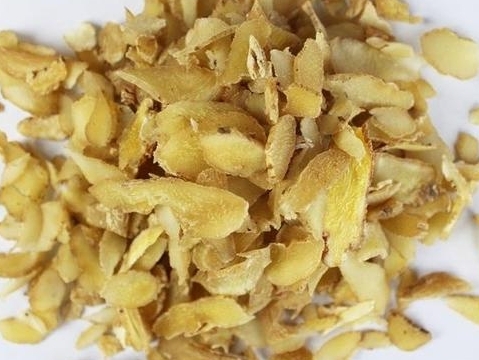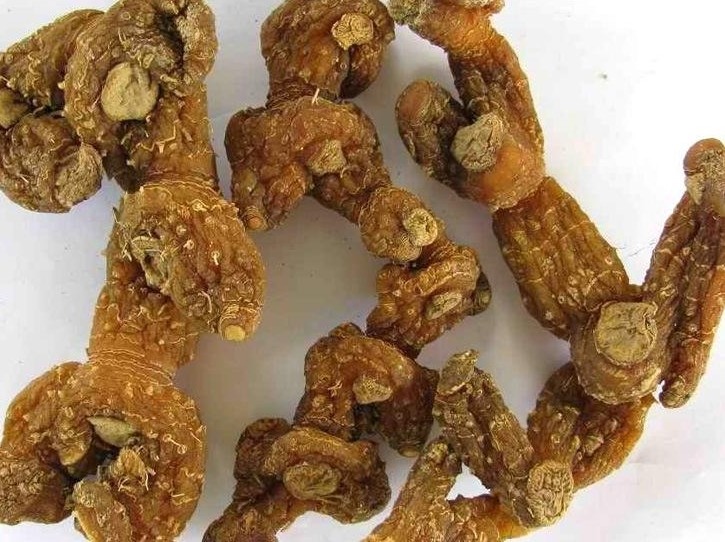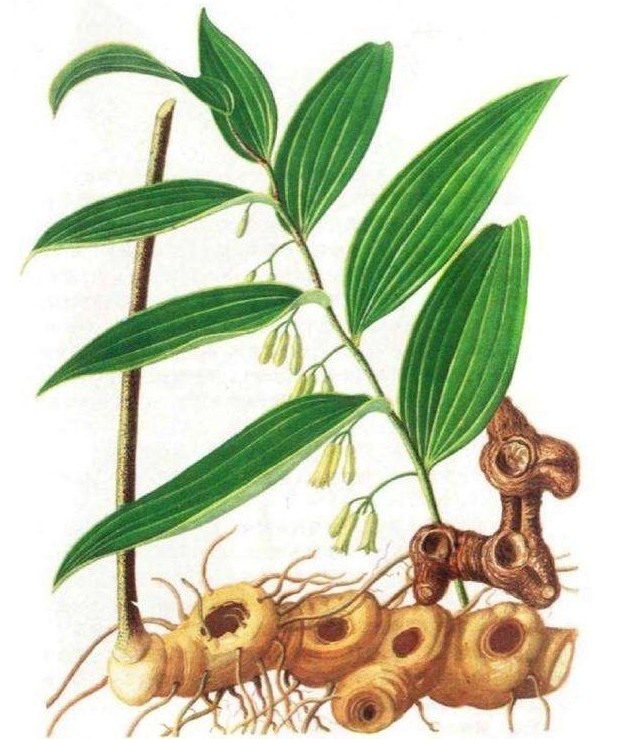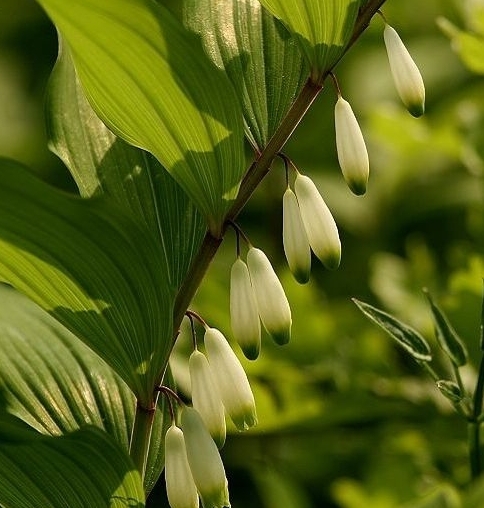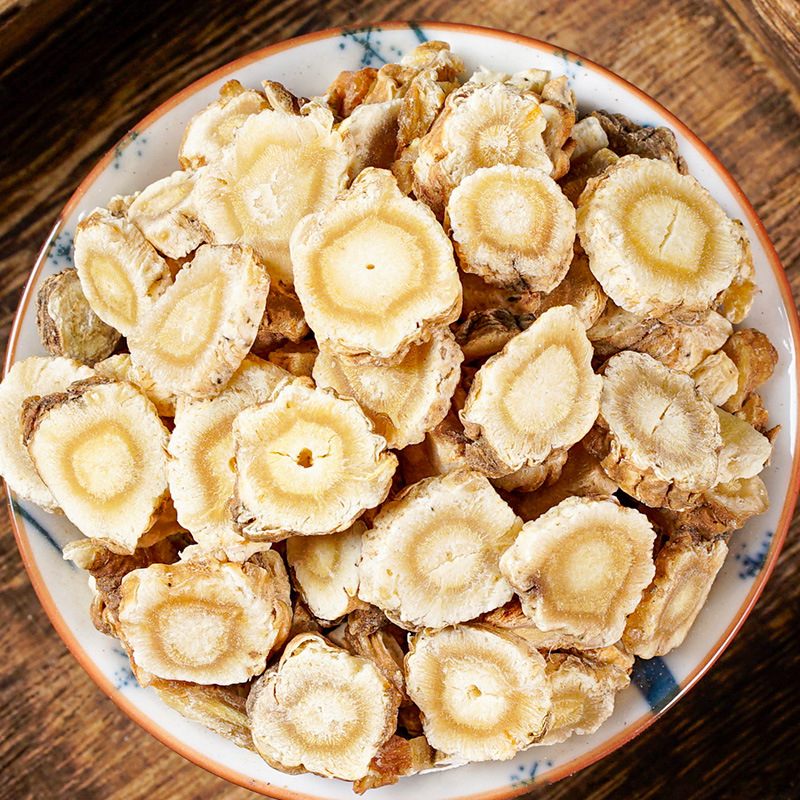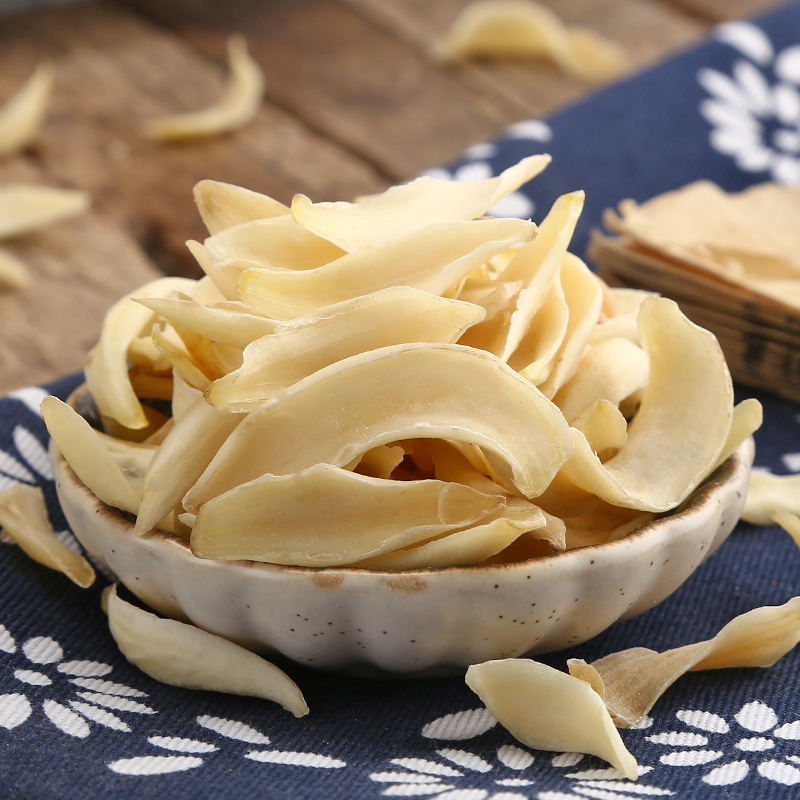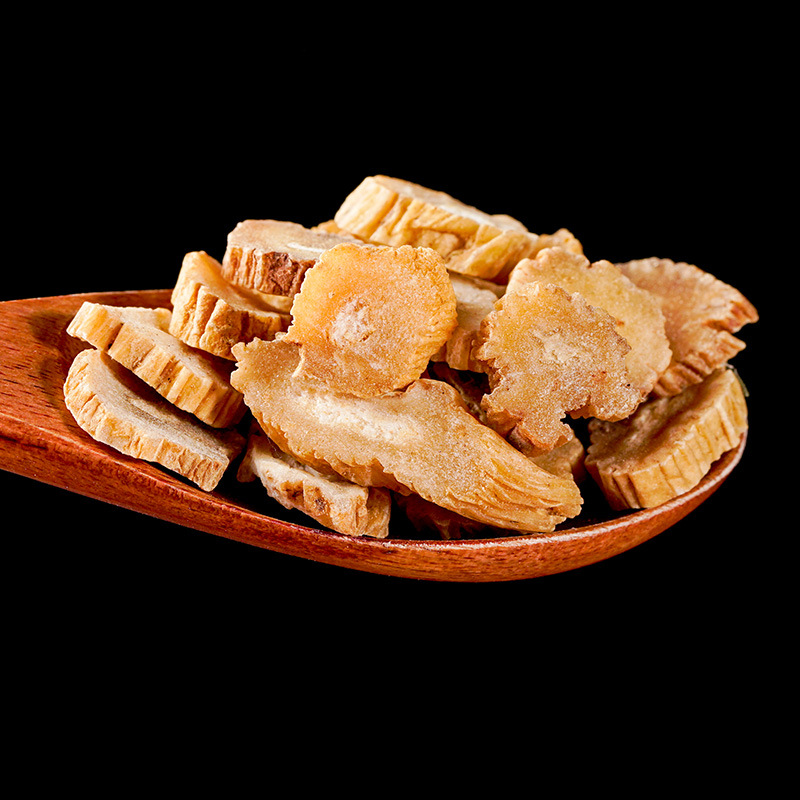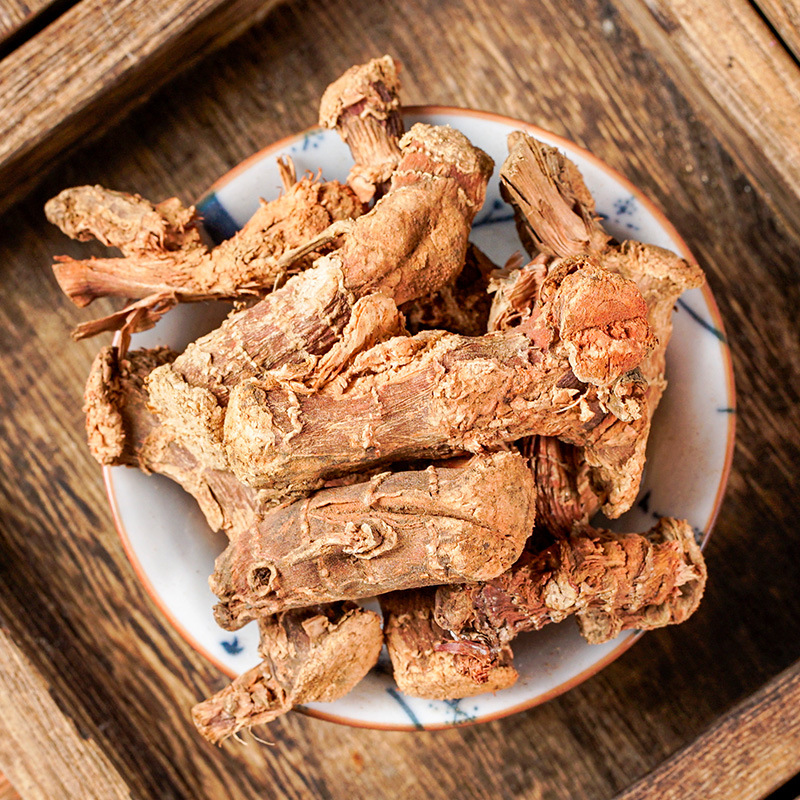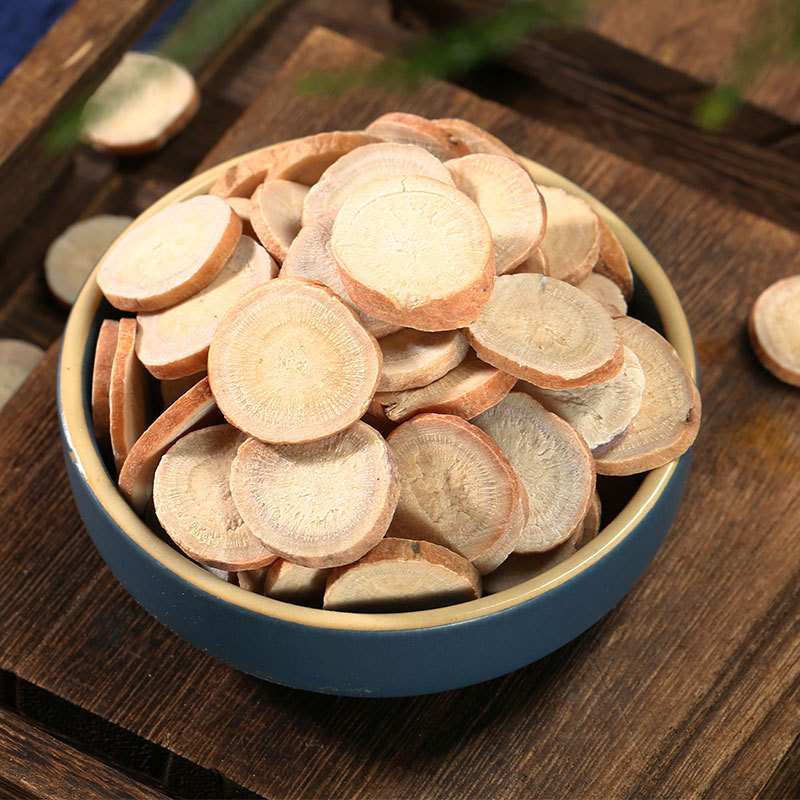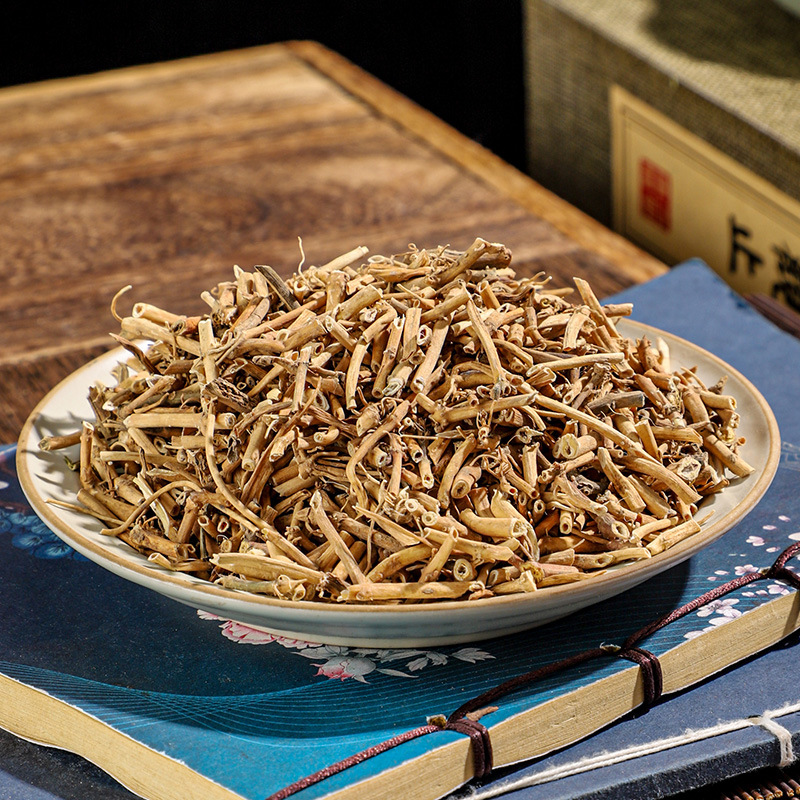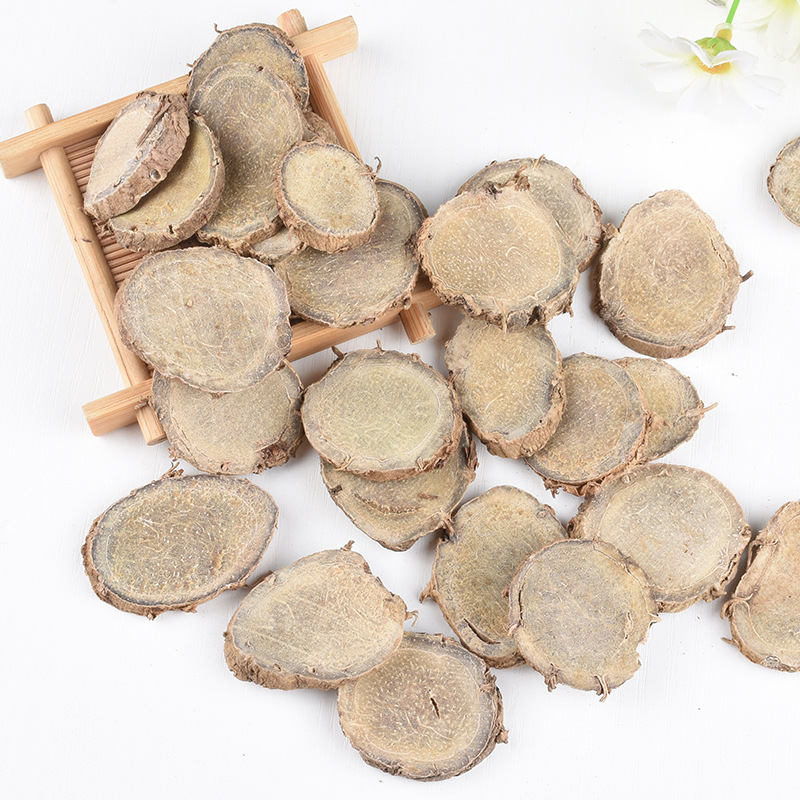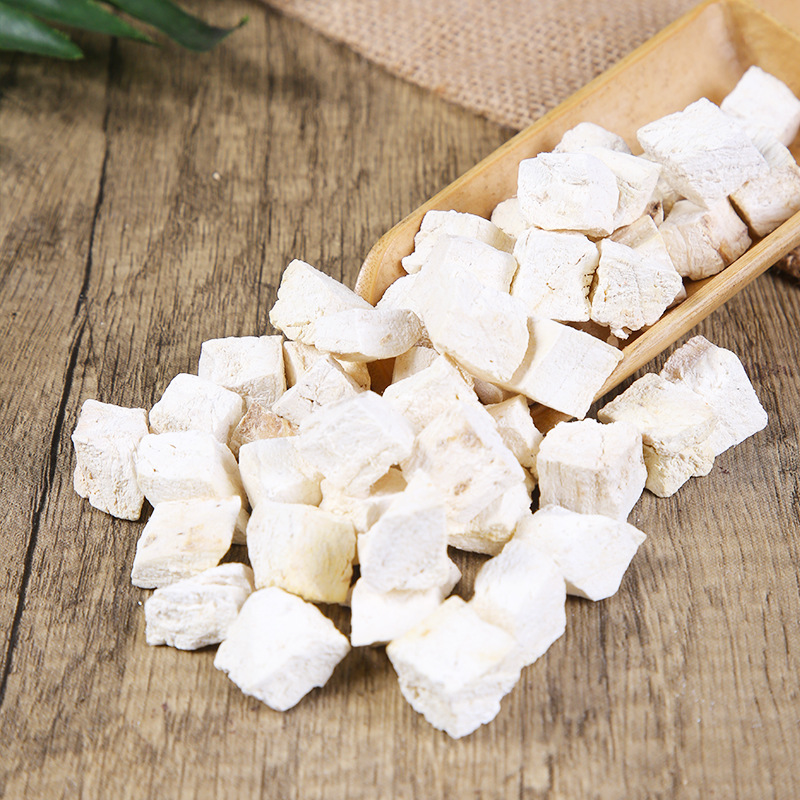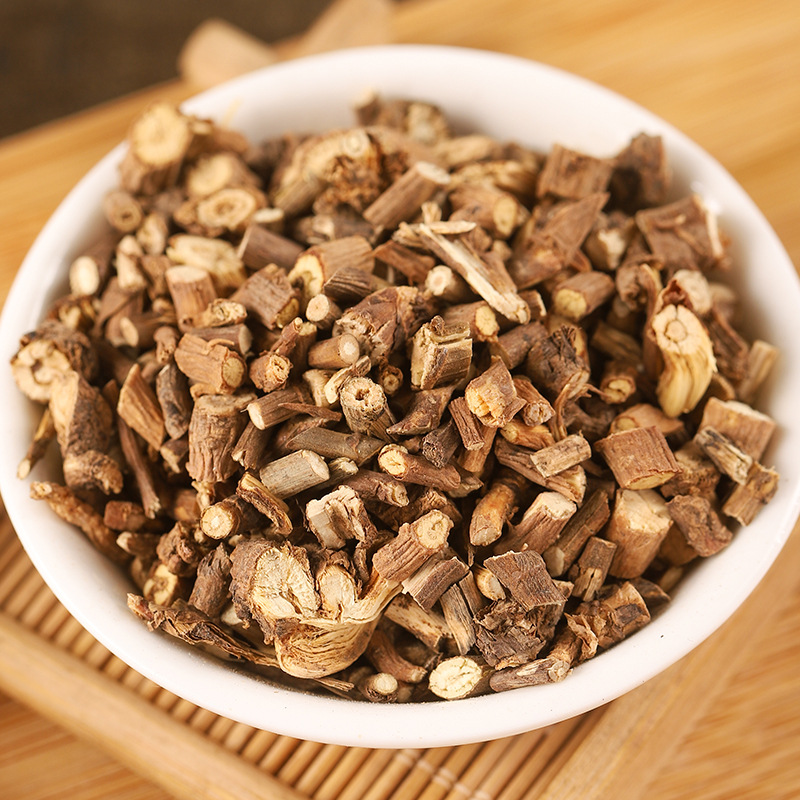
Polygonati Rhizoma is the root of various plants in the Liliaceae family. It is mainly produced in Henan, Hebei, Inner Mongolia, Shandong, and other regions. Those harvested in autumn are of better quality and are dried in the sun. It is often used raw or processed.
I. Efficacy of Polygonatum:
Polygonati Rhizoma tastes sweet and is neutral in nature. It enters the spleen, lung, and kidney meridians. Its effects includeMoisten the lungs and nourish yin, tonify the spleen and replenish qiIts characteristics are gentle and slow, making it suitable for long-term use as a nourishing supplement.
Commonly used forSpleen and Stomach Qi Deficiency, fatigue and weakness, Stomach Yin Deficiency, dry mouth and reduced appetite, Lung Deficiency with Dry Cough, cough with blood from overwork, insufficient essence and blood, soreness and weakness of the waist and knees, premature graying of hair, internal heat and wasting thirstTreatment of conditions such as
Summary of Famous Works by Renowned Authors
Bie Lu: "Tonifies the center and boosts qi, eliminates wind-dampness, and calms the five viscera."
Rihuazi Materia Medica: "Tonifies the five strains and seven injuries, aids the sinews and bones, benefits the spleen and stomach, moistens the heart and lungs."
Compendium of Materia Medica: "Tonifies various deficiencies, replenishes essence and marrow."
Ben Cao Bian Du: This medicine tastes sweet like maltose, has a neutral nature and moist quality, making it the proper product for nourishing spleen yin.
Jade Carving Medicine Explanation: "Nourish the essence of the spleen and stomach, moisten the dryness of the heart and lungs."
"Compendium of Materia Medica": "Tonifies the middle and augments qi, calms the five viscera, benefits the spleen and stomach, moistens the heart and lungs, replenishes essence and marrow, strengthens the sinews and bones, dispels wind-damp, and expels the three worms. Because it obtains the essence of the earth, long-term consumption is not harmful."
II. Compatibility and Application of Polygonatum:
1. For lung deficiency and dry cough. Polygonatum can nourish yin and moisten the lungs. It can be taken alone as a decoction or often combined with lung-nourishing and lung-clearing herbs such as Adenophora, Anemarrhena, and Fritillaria.
2. For the treatment of five strains and seven injuries, kidney deficiency and essence depletion, Polygonatum has the effect of tonifying the kidney and replenishing essence. To treat kidney deficiency and essence depletion, soreness in the waist and weakness in the legs, it is often combined with Chinese wolfberry to make pills for long-term use, namelyLycium Berry Pill。
3. For spleen and stomach weakness, and diabetes. Polygonatum can replenish qi and nourish yin, and is effective in treating yin deficiency. For spleen and stomach qi deficiency, fatigue, and poor appetite, it is often combined with Codonopsis pilosula, Atractylodes macrocephala, and Atractylodes macrocephala.
If treating symptoms such as dry mouth, reduced appetite, tasteless food, and dry stools caused by spleen and stomach yin deficiency, it is often combined with yin-nourishing and appetite-stimulating herbs such as Radix Adenophorae, Radix Ophiopogonis, and Fructus Setariae Germinatus.
In the treatment of diabetes, it is often combined with qi-tonifying and yin-nourishing herbs such as Astragalus, Trichosanthes root, Ophiopogon root, and Rehmannia root.
For the treatment of chronic hepatitis with fatigue and weakness, it is often combined with Salvia miltiorrhiza and glutinous rice root, which can serve as a reference.
4. Zhu Liangchun's Experience in Using Polygonatum. In clinical practice, Zhu is skilled in using Polygonatum, often applying it to treat conditions such as spleen deficiency with malnutrition, lung consumption cough, and fluid injury with wasting thirst. His extensive experience is valuable and worth learning from.
For treating conditions such as pediatric hyperactivity and neurosis, it is often combined with Huai wheat, roasted licorice, jujube, Chinese yam, pseudostellaria root, Siegesbeckia herb, and dragon bone, collectively achieving the effects of alleviating urgency, calming the organs, soothing the liver, and nourishing the heart.
For treating rheumatoid arthritis and kidney deficiency bone impediment, it is often combined with mulberry mistletoe, epimedium, drynaria, and wasp nest to jointly achieve the effects of benefiting the kidneys, dispelling impediment, and strengthening tendons and bones.
In the treatment of hyperthyroidism and symptoms of night sweats due to stagnant heat, it is often combined with Mahonia leaf, Astragalus, oyster shell, and Coptis to collectively achieve the effects of replenishing qi and nourishing yin, as well as purging fire and clearing heat.
For treating bronchial asthma and intractable cough, it is often combined with umbilicus, cicada slough, honeycomb, and cat's claw grass to jointly achieve the effects of tonifying the lungs and kidneys, dispelling wind, and relieving convulsions.
For treating various skin diseases such as stubborn tinea, it is often combined with Fructus Mume, Smilax Glabra Rhizome, Cortex Dictamni, and Radix Cynanchi Paniculati to jointly achieve the effects of clearing heat and detoxifying, and draining and transforming damp turbidity.
For treating metabolic syndrome, or preventing and treating arteriosclerosis, and delaying aging, it is often combined with hawthorn, wolfberry, glossy privet fruit, and salvia to jointly achieve the effects of tonifying the liver and kidneys, and promoting blood circulation to remove blood stasis.
Zhu Liangchun said, "Although Polygonatum sibiricum does not possess the focused strength of ginseng and astragalus in tonifying qi, nor the profound richness of rehmannia in nourishing yin, its sweet and neutral properties gently nourish the five organs, offering a mild and balanced tonic effect that demonstrates remarkable efficacy. It is truly an excellent product with dual benefits for both treatment and health maintenance."
III. Usage and Dosage of Polygonatum:
Huangjing is often used in decoctions and is also suitable for making pastes and pills. The usual dosage in decoctions ranges from over ten grams to several tens of grams.
It is greasy in nature, and after steaming and sun-drying processing, it can enhance the tonic effect, hence the saying of nine-processed Polygonatum.
Wang Ang said: "Commonly known as mountain ginger, it is used after being steamed and sun-dried nine times. Taoist immortals consider it a type of spiritual herb, and consuming it leads to longevity."
IV. Application Notes for Polygonatum
Huangjing is a cold and moist substance, which may hinder the transportation and transformation functions of the spleen and stomach, thereforePatients with cough due to wind-cold or loose stools due to middle cold should avoid taking it。
It should not be considered a tonic suitable for all individuals with physical weakness. It is important to understand that for those suffering from consumptive diseases, the focus should be on regulating the spleen and stomach. Although Polygonatum sibiricum is nourishing, it is greasy and may hinder digestion. Similarly, Rehmannia glutinosa, Lycium barbarum, and the Four Substances Decoction category are all suitable only for those with deficiency of yin. If the tongue is swollen and moist, accompanied by aversion to cold and cold limbs, they should not be taken.
Ben Jing Feng Yuan: "When taken by individuals with yang deficiency and yin excess, it often leads to diarrhea and abdominal fullness."
Ben Cao Zheng Yi: "Those with damp phlegm should not take it. Those with poor appetite must also avoid it."
Jade Carving Medicine Explanation: "Huangjing is moistening and rich, good at supplementing spleen essence, does not generate stomach qi, cannot benefit dryness, but can assist dampness, may cause stomach rebellion, turbid qi fills and blocks, so excessive consumption causes headache, not suitable for those with excessive dampness."