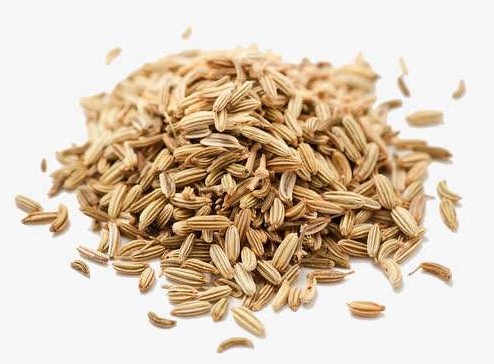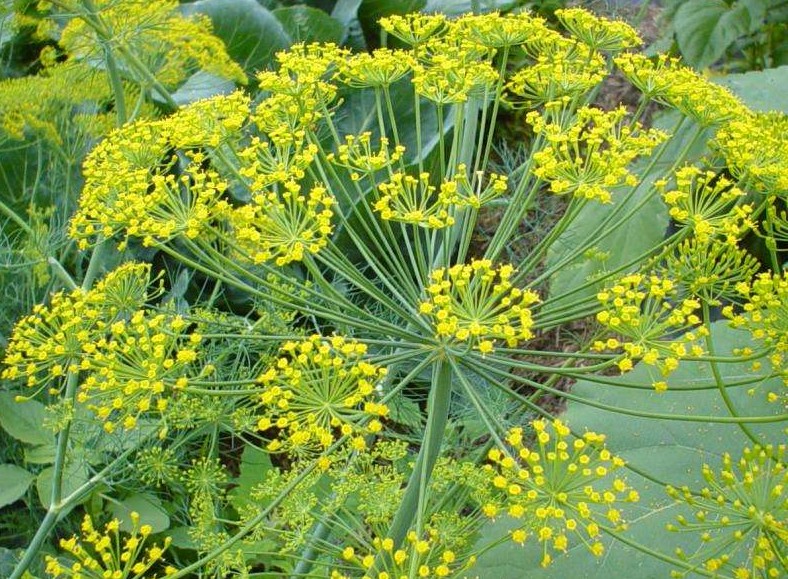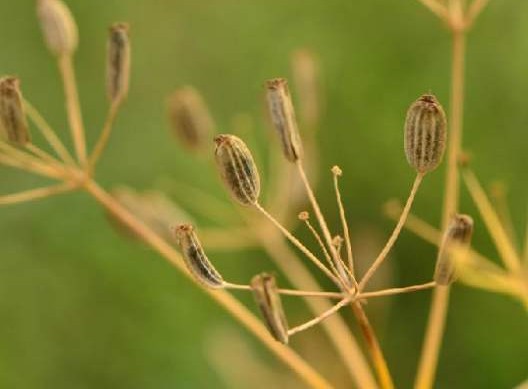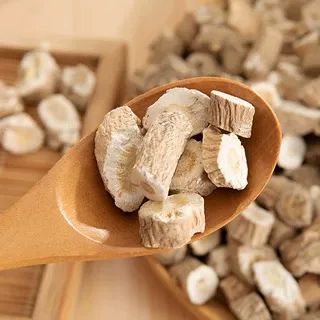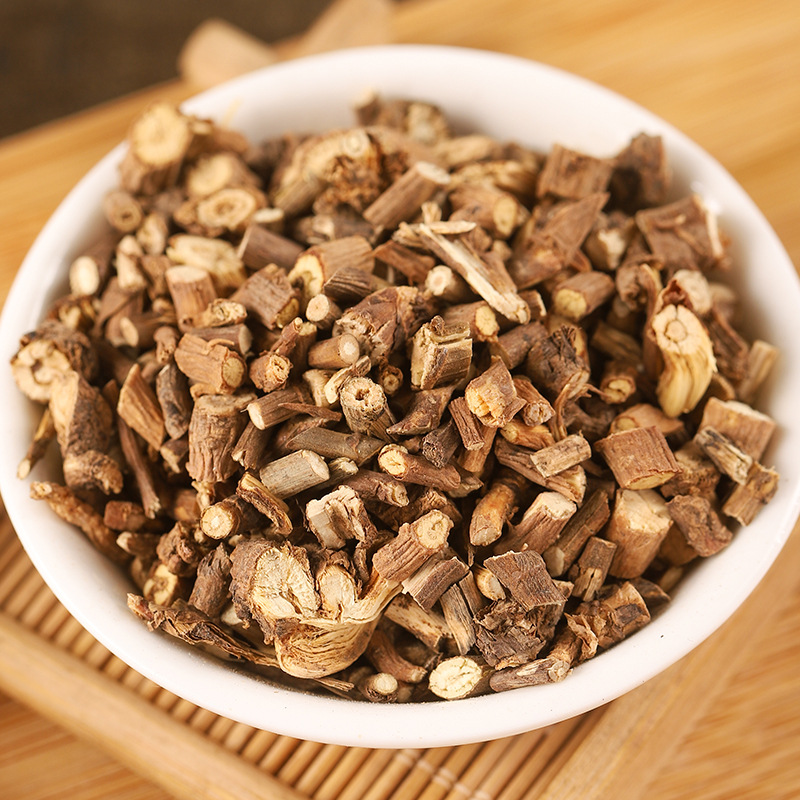
Fennel is the dried ripe fruit of the plant Foeniculum vulgare, belonging to the Apiaceae family. It is small in size and resembles rice grains in shape, hence it is also calledFennelFennel is also a seasoning commonly used in cooking. In ancient times, fennel was not distinguished by size. Later, with the introduction of star anise to China, to differentiate it from star anise, star anise was called "big fennel," while common fennel was called "small fennel." It is cultivated throughout both northern and southern regions of China and is harvested when the fruits mature in late summer and early autumn. It is often used raw or stir-fried with saltwater.
I. The Efficacy of Fennel:
Fennel seeds taste pungent, and their nature is warm. They belong to the liver, kidney, spleen, and stomach meridians. Their effects includeDispelling Cold and Relieving Pain, Regulating Qi and Harmonizing the StomachIts characteristics include warming the liver and kidneys, and effectively promoting qi circulation to relieve pain.
Commonly used inCold hernia with abdominal pain, testicular swelling and pain, dysmenorrhea, cold pain in the lower abdomen, abdominal distension and pain, poor appetite, vomiting and diarrheatreatment of conditions such as
Summary of Famous Works by Renowned Authors
Rihuazi's Materia Medica: "Treats both dry and wet beriberi, as well as fatigue-induced hernia and abdominal distension. It stimulates appetite and aids digestion, alleviates bladder pain, and relieves genital pain."
Jade Carving Medical Explanation: "Fennel is warm in nature and descends downward, treating dampness and cold in water and soil, lower back pain, beriberi, solid abdominal masses, and cold hernia conditions."
Ben Cao Bei Yao: Warms the dantian, tonifies the life gate, stimulates appetite and promotes digestion, regulates the middle and stops vomiting. Treats cold qi in the small intestine, scrotal swelling and hernia, and both dry and damp beriberi.
II. Compatibility and Application of Fennel:
1. For cold lower abdomen, uterine cold dysmenorrhea, cold hernia pain, testicular deviation, etc. Fennel can soothe the liver and regulate qi, warm the kidneys and dispel cold to relieve pain, making it a key herb for cold pain in the lower abdomen. To treat cold pain in the lower abdomen and cold hernia abdominal pain, it is often combined with cinnamon, agarwood, and lindera root, namelyWarm Liver Decoction。
If treating lower abdominal pain due to blood stasis and masses, or masses without pain, or cold abdominal pain and dysmenorrhea, it is often combined with dried ginger, Corydalis yanhusuo, cinnamon bark, and myrrh, namelyShao Fu Zhu Yu Tang。
For treating testicular swelling and pain, it is often combined with tangerine seed and hawthorn, stir-fried and ground into powder, and taken with yellow wine.Xiang Ju San。
If treating stomach cold and qi stagnation causing abdominal distension and pain, or cold hernia abdominal pain, it is often combined with galangal, cyperus, and lindera root, namelyTiantai Wuyao Powder。
In addition, fennel is also effective in treating pelvic effusion in women. It can be taken alone or combined with other herbs, yielding excellent results.
Wang Ang said: "There are seven types of hernia: qi, blood, cold, water, tendon, fox, and scrotal. It is a disease of the liver meridian, not the kidney meridian, because the Jueyin liver meridian connects to the genital organs. It is mostly caused by cold and dampness, and there are also cases involving deficiency, in which case ginseng and atractylodes should be added to the warming and dispersing medicine."
2. Used for stomach cold vomiting, abdominal distension and pain, etc. Fennel has the function of regulating qi and stomach, and stimulating appetite. As a seasoning for cooking food, it can enhance aroma, stimulate appetite, warm the middle and dispel cold, making it an excellent product. For treating abdominal cold distension and pain, it is often combined with dried ginger, costus root, and other medicines.
Fry fennel seeds until hot, wrap in cloth and apply warm compress to the lower abdomen to warm the interior and relieve pain, effective for treating abdominal pain due to cold syndrome.
III. Usage and Dosage of Fennel:
Fennel is often used in decoctions, as well as in pills and powders. The typical dosage in decoctions ranges from a few grams to over ten grams. The dosage should not be excessive to avoid the drawbacks of excessive warmth and dryness.
Wang Ang said: "It is best to use after stir-frying until yellow and with wine. With salt, it enters the kidney and expels kidney pathogens, thus treating yin hernia."
IV. Application Notes for Fennel:
Fennel is pungent, warm, and drying, thereforeUse with caution in individuals with yin deficiency and fire excess。
Wang Ang said, "Excessive consumption harms the eyes and causes sores."