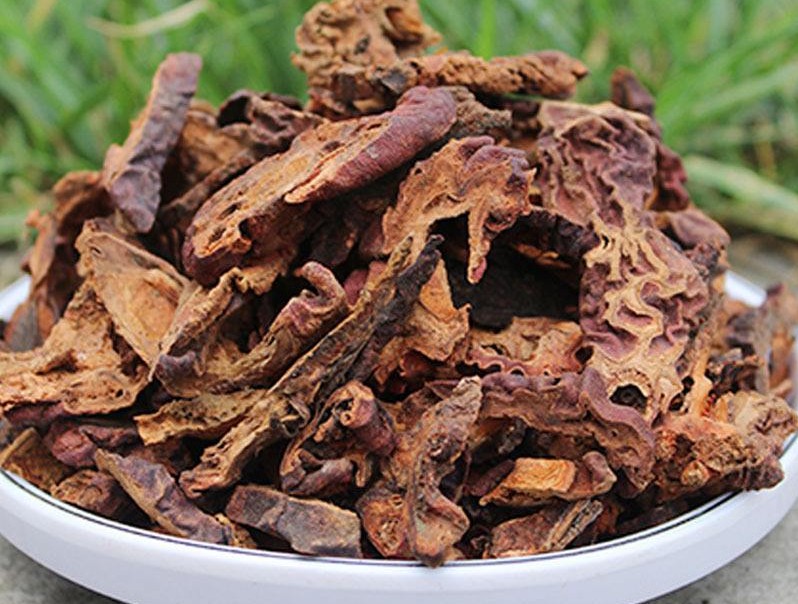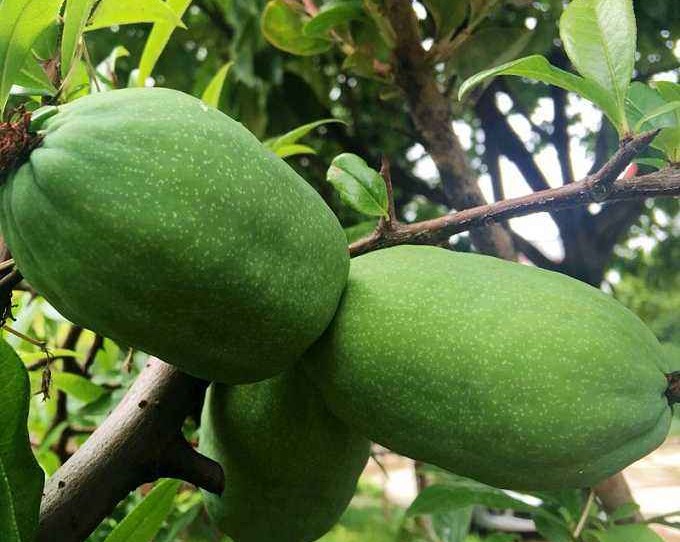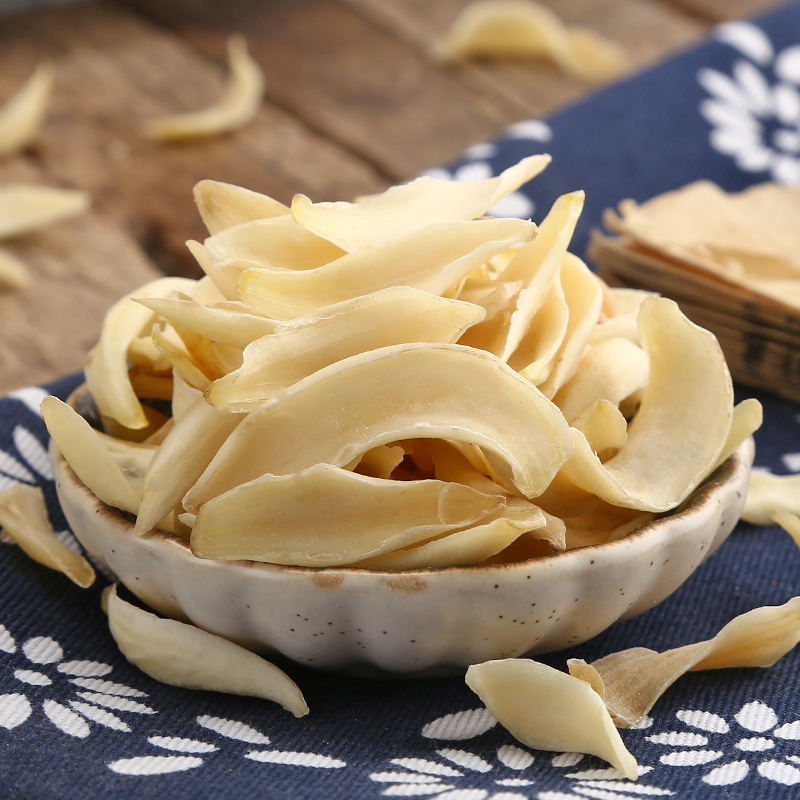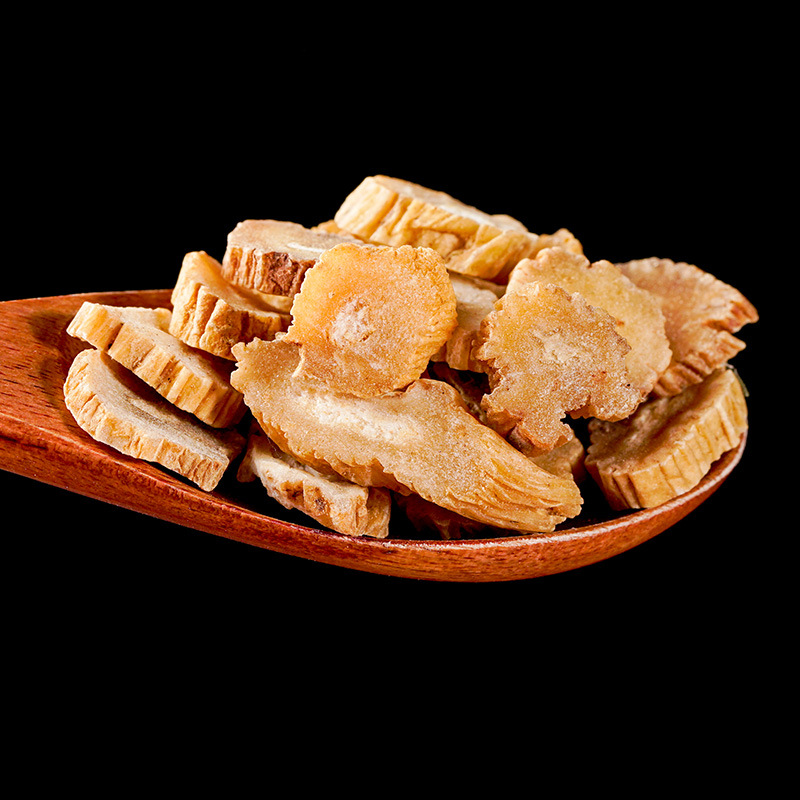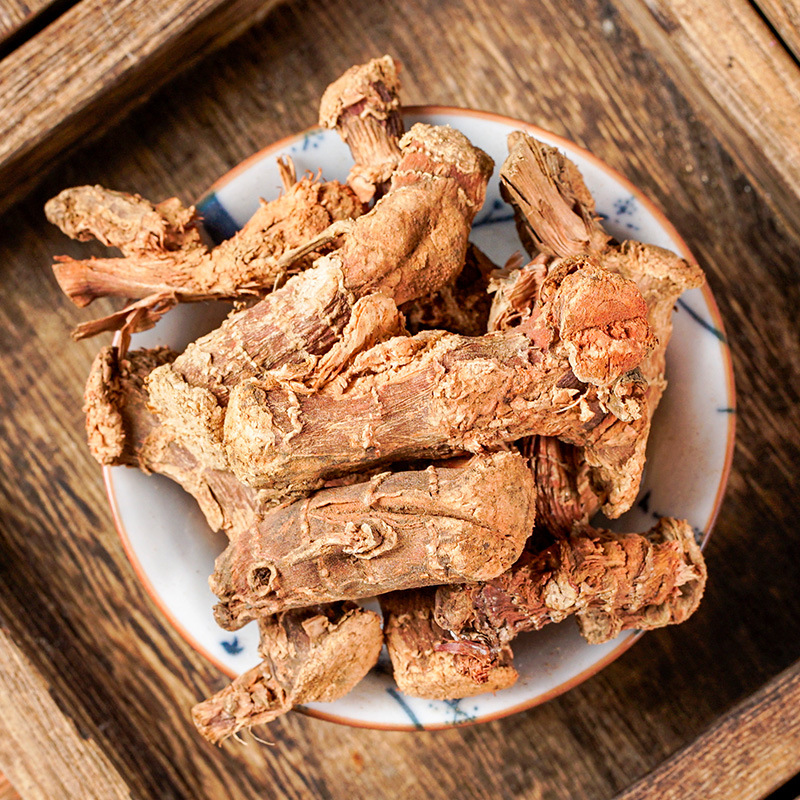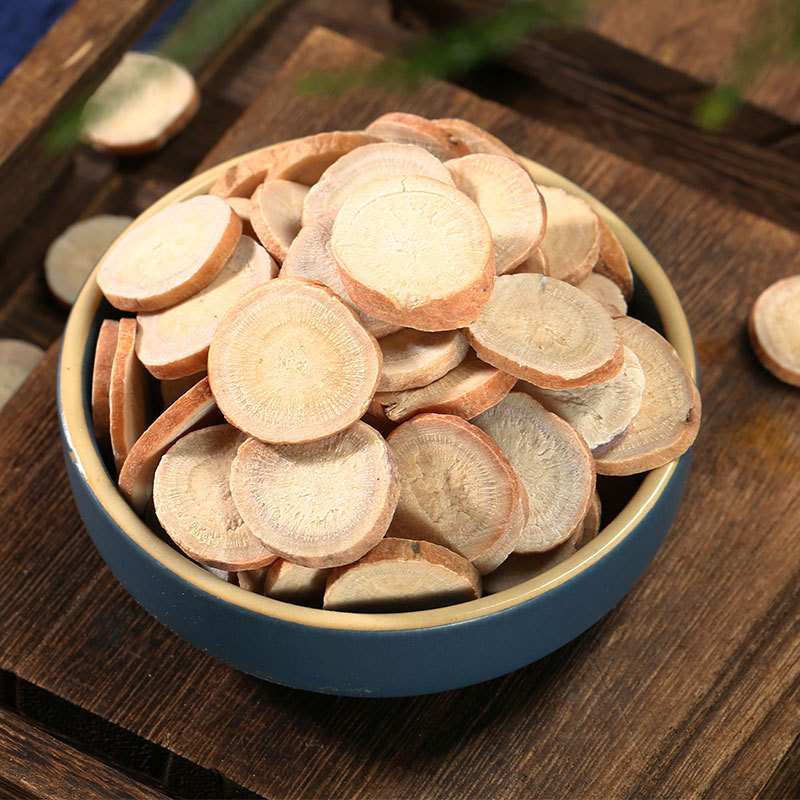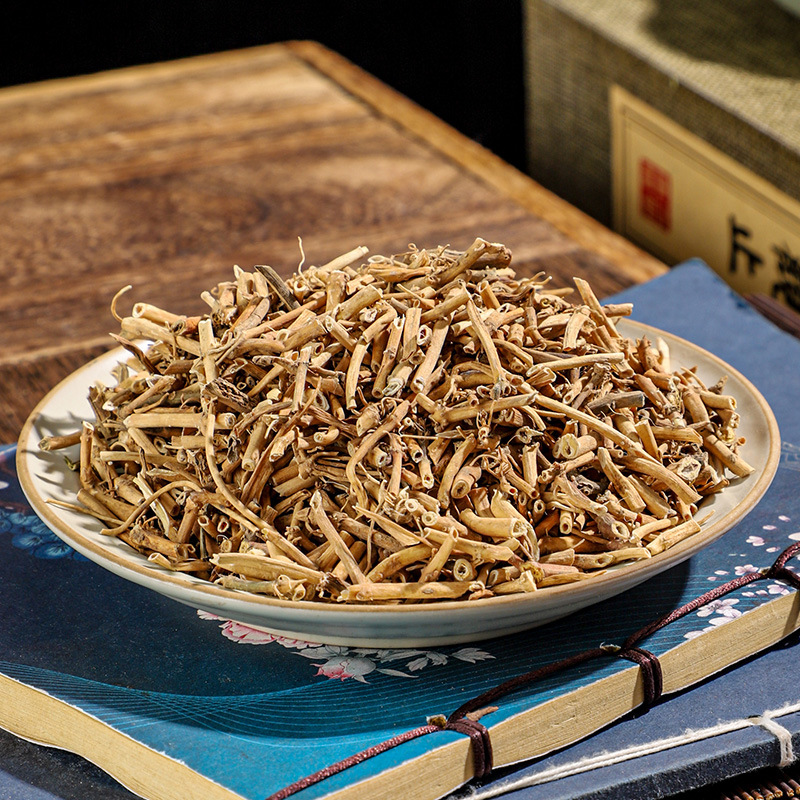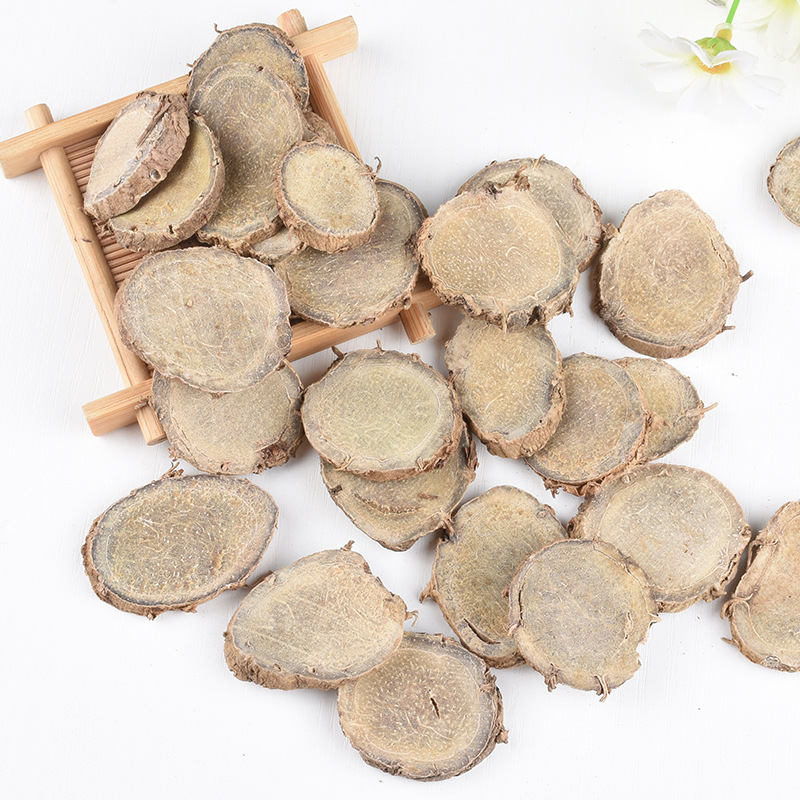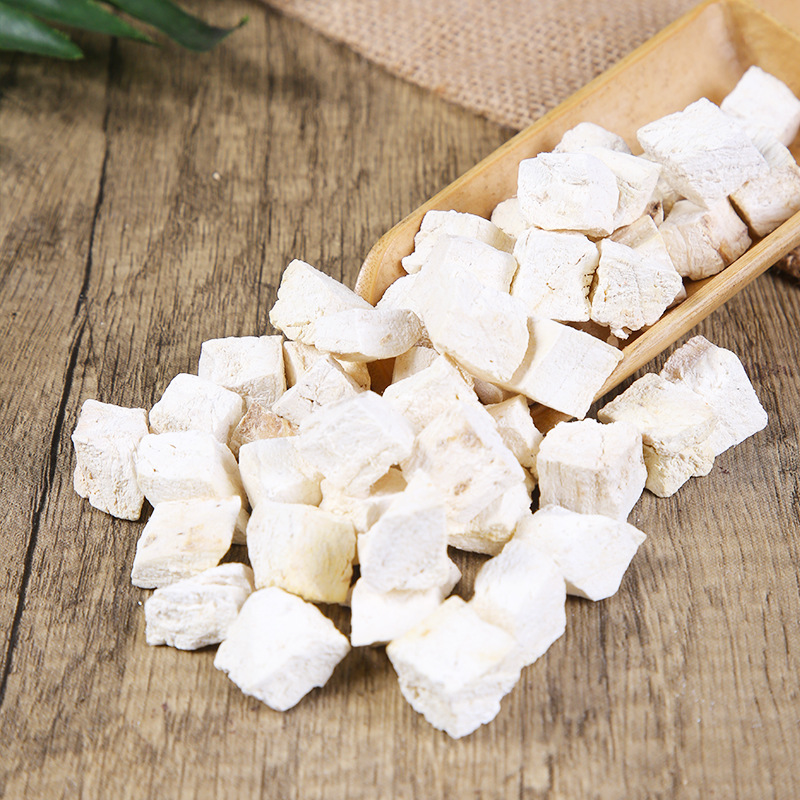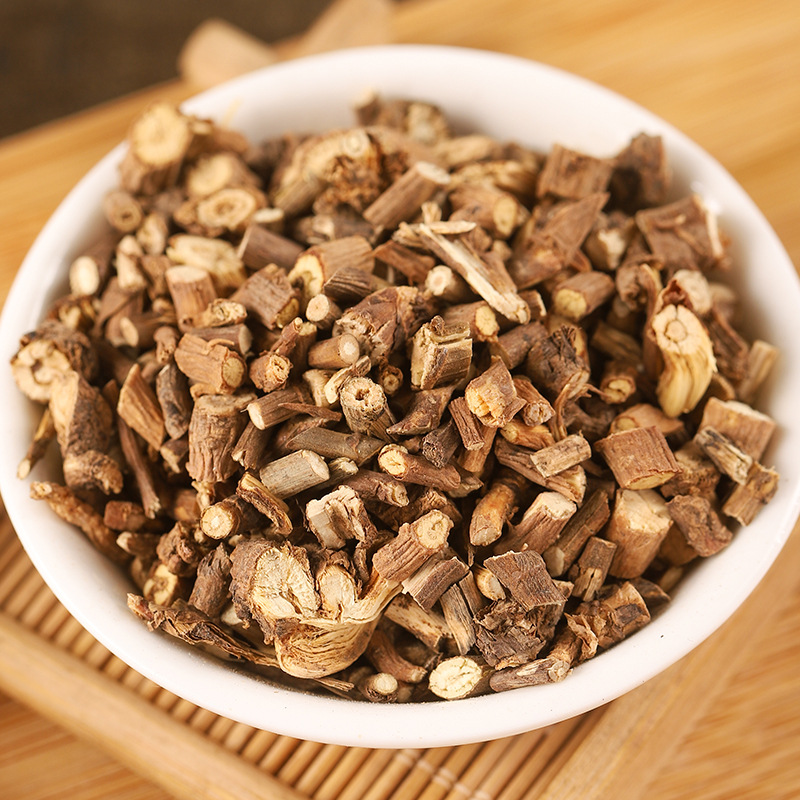
Papaya is the mature fruit of the Rosaceae plant Chaenomeles speciosa. Those produced in Xuancheng, Anhui, are of better quality and are also known as Xuan papaya. The fruits are harvested in summer and autumn when they are greenish-yellow, then cut open and dried in the sun. They are often sliced and used raw.
I. Efficacy of Papaya:
Papaya tastes sour, warm. It belongs to the liver and spleen meridians. Its effects canRelaxing tendons and activating collaterals, resolving dampness and harmonizing the stomachIts characteristic is to astringe while dispersing, effectively treating vomiting, diarrhea, and muscle cramps, and it is known as the essential herb for relieving muscle spasms.
Commonly used forDampness impediment with contracture, pain in the lower back and knees, summerheat-dampness vomiting and diarrhea, cramping pain with spasm, beriberi and edematreatment of conditions such as
Summary of Famous Works by Renowned Authors
Bie Lu: "It governs damp impediment evil qi, cholera with great vomiting and diarrhea, and incessant sinew cramping."
"Bencao Shiyi": "It dispels cold qi, strengthens the bones and muscles, aids digestion, and stops thirst after watery dysentery. It can be taken as a drink. For beriberi with qi rushing to the heart, take one fruit, remove the seeds, and decoct it for consumption. Tender ones are even better."
Jade Carving Medicine Explanation: "Papaya is sour, astringent, and constricting, capable of astringing the lungs and securing the intestines, drying dampness and draining the liver. It treats cholera with vomiting and diarrhea, abdominal pain and muscle cramps, cures beriberi, and treats wind stroke with muscle spasms and bone pain."
"Compendium of Materia Medica": "Astringes the lung and harmonizes the stomach, regulates the spleen and subdues the liver, transforms food and quenches thirst, can astringe qi desertion, can harmonize qi stagnation, regulates the nutritive and defensive qi, benefits the sinews and bones, eliminates damp-heat, reduces water swelling. Treats cholera with cramping, diarrhea and dysentery, beriberi, weakness of the waist and legs."
II. Compatibility and Application of Papaya:
1. For rheumatic arthralgia and muscle spasms. Papaya can both relax tendons and activate collaterals, as well as resolve dampness, making it particularly effective for treating rheumatic arthralgia and a key herb for muscle spasms. For treating stiff neck and inability to turn, it is often combined with frankincense, myrrh, and raw rehmannia root, as inPapaya Decoction。
For treating muscle and tendon spasms, cramps, cyanotic lips, pale complexion, and nail pain, it is often combined with Acanthopanax bark, mulberry mistletoe, ginseng, and angelica, as recorded in Zhang's Medical Treatise.Papaya Powder。
If treating cold-dampness impediment pain, joint swelling, limited flexion and extension, local aversion to cold and wind, limb numbness, and other patterns, it is often combined with Chinese Angelica, Chuanxiong Rhizome, Dahurian Angelica Root, Clematis Root, Cibot Rhizome, Spatholobus Stem, and Prepared Sichuan Aconite Root, namelyPapaya Pill。
Zhu Liangchun often uses papaya in the treatment of arthralgia syndrome, particularly for dampness arthralgia and heat arthralgia. For conditions such as dampness turbidity lingering in the joints, heaviness in the lower limbs, soreness and pain, or edema in the lower limbs, he commonly combines papaya with aconite, atractylodes, duhuo, achyranthes, weilingxian, and angelica. If dampness transforms into heat, leading to damp-heat arthralgia, he often pairs papaya with atractylodes, phellodendron, weilingxian, xixiancao, achyranthes, and dioscorea. For chronic arthralgia with liver and kidney deficiency and malnutrition of tendons and vessels, he frequently combines papaya with fleeceflower root, xixiancao, dried rehmannia, dendrobium, luoshiteng, white peony root, honey-fried licorice, and angelica to nourish blood and yin. In all these combinations, papaya is used for its effect of softening the liver and relaxing the tendons.
2. For beriberi edema. Papaya is good at resolving cold-dampness and can treat beriberi edema. To treat beriberi swelling and pain, with chest tightness and restlessness, it is often combined with Evodia rutaecarpa, Areca nut, etc., namelyJiming Powder。
Chen Wuzhe treated beriberi invading the abdomen, with abdominal distension and numbness, panting and suffocation as if dying, using only papaya combined with evodia, namedCornel Fruit PillThe combination of these two herbs is profound in its conception. The damp turbidity accumulated in the lower extremities surges upward, leading to abdominal distension and labored breathing. The formula uses Evodia Fructus to direct qi downward and disperse cold, and Chaenomelis Fructus to unblock and disperse damp turbidity. With the assistance of Evodia Fructus's acrid and warm properties, the efficacy of Chaenomelis Fructus is further enhanced. It is crucial not to interpret the formula's meaning based solely on the sour and astringent nature of Chaenomelis Fructus, as this would inevitably lead to misunderstanding.
Wang Ang said: "The spleen governs the four limbs. If cold-dampness injures the foot meridians, or if the stomach receives damp-heat substances that are transported upward to the spleen and then flow downward to the feet, it may lead to beriberi. Symptoms include aversion to cold and fever, similar to cold damage disorders, but distinguished by swelling and pulling pain in the lower legs. It is advisable to promote diuresis and clear heat, and to avoid using tonics or washing the affected area."
3. For vomiting, diarrhea, and muscle cramps. Papaya can soften the liver and relax the tendons, harmonize the stomach, and resolve turbidity. It is particularly effective in treating vomiting, diarrhea, and muscle cramps. For cholera due to internal accumulation of damp-heat, characterized by vomiting, diarrhea, abdominal pain, cold limbs, and muscle cramps, it is often combined with silkworm droppings, coix seed, evodia fruit, and coptis root, namelySilkworm Droppings Decoction。
Compendium of Materia Medica: "The papaya is indicated for cholera with vomiting and diarrhea, cramping, and beriberi, all of which are disorders of the spleen and stomach, not of the liver. Although the liver governs the tendons, cramping is caused by the invasion of damp-heat or cold-damp pathogens that injure the spleen and stomach. Therefore, cramping always starts in the calf, and both the calf and the ancestral sinews belong to the Yangming meridian."
Wang Ang said: "Papaya is used to treat muscle cramps because it regulates the tendons to subdue the liver. When the earth element is diseased, the metal element declines and the wood element becomes excessive. Therefore, sour and warm herbs are used to astringe the dissipation of the spleen and lung, and by utilizing their ability to reach the tendons, they pacify the liver pathogen. This is a method of draining wood from earth to assist metal."
4. For indigestion. Papaya has a sour taste and aids digestion, so it can be used for conditions such as insufficient stomach yin, low stomach acid, dry mouth and thirst, and poor appetite, as it promotes digestion. This effect is similar to that of hawthorn and can be used as a reference.
In addition, Deng Tietao often combines papaya with mulberry twigs and cogongrass rhizome, claiming it is highly effective in reducing uric acid, for reference only.
III. Usage and Dosage of Papaya:
Papaya is often used in decoctions and can also be made into pills or powders. The usual dosage in decoctions ranges from over ten grams to several tens of grams.
IV Application Notes of Papaya
"Ben Cao Jing Shu": "It should not be used for weakness in the lower back and knees due to deficiency of essence and blood, or insufficiency of true yin. It is also not suitable for those with undamaged spleen and stomach from food injury, or those with excessive accumulation and stagnation."
Wang Ang said: "Excessive consumption of sour foods can lead to tooth and bone damage, and may cause urinary retention."
Now there is a tropical fruit called papaya, abbreviated as mugua, which is not the same as the Chinese medicinal herb mugua.