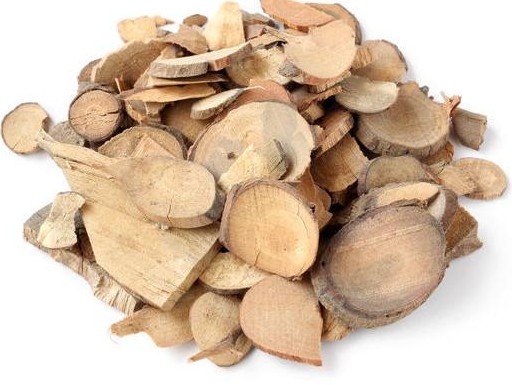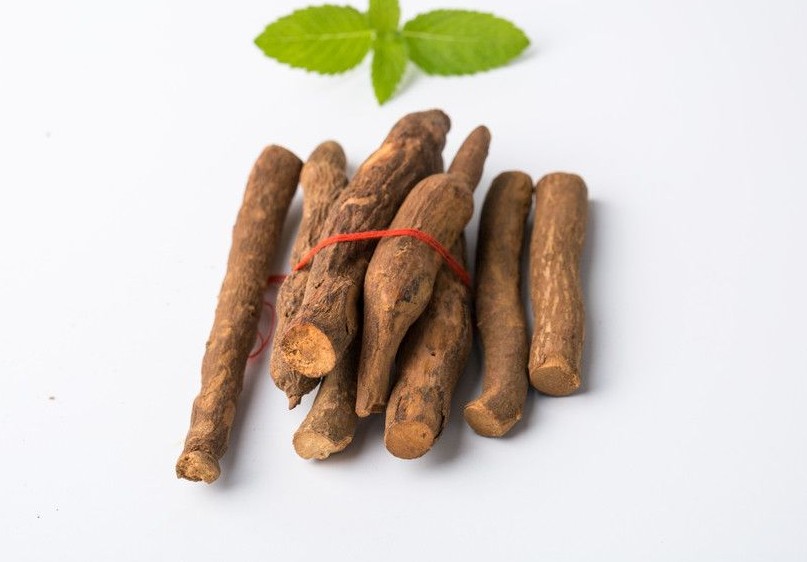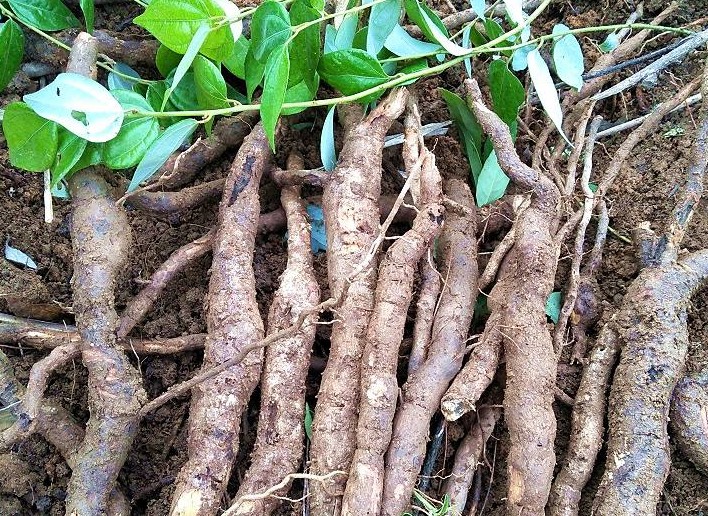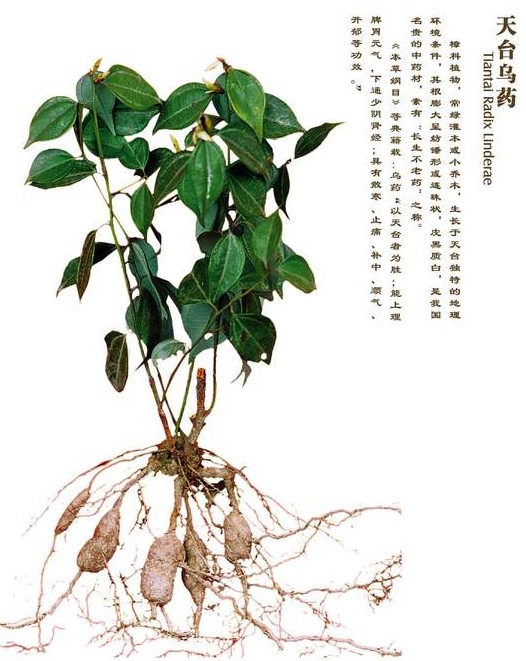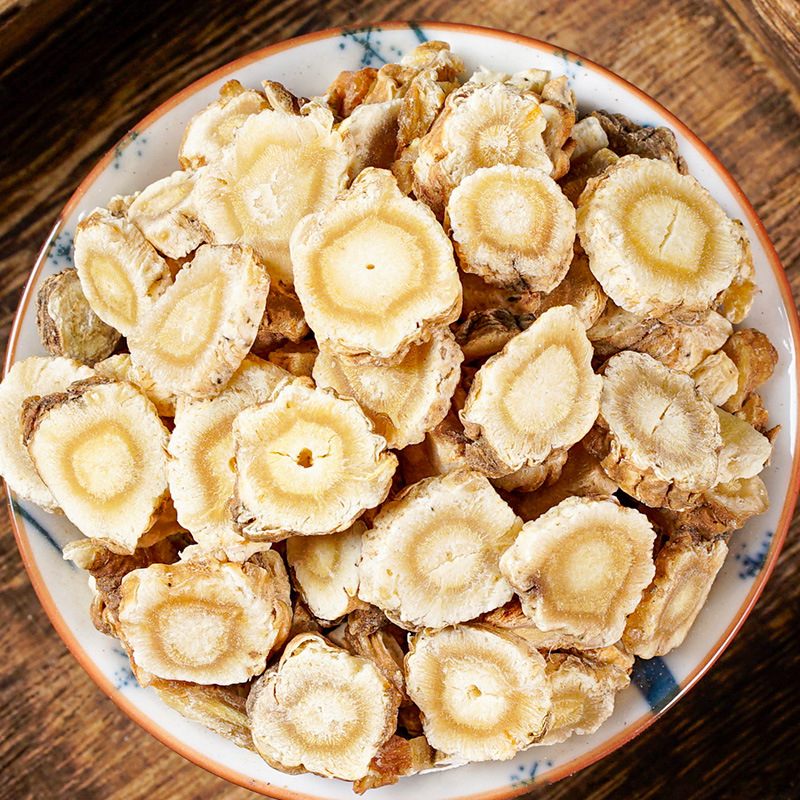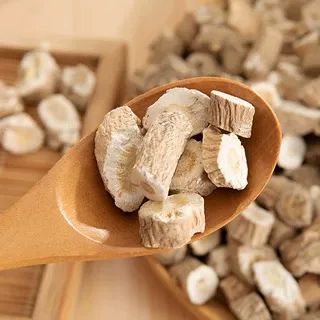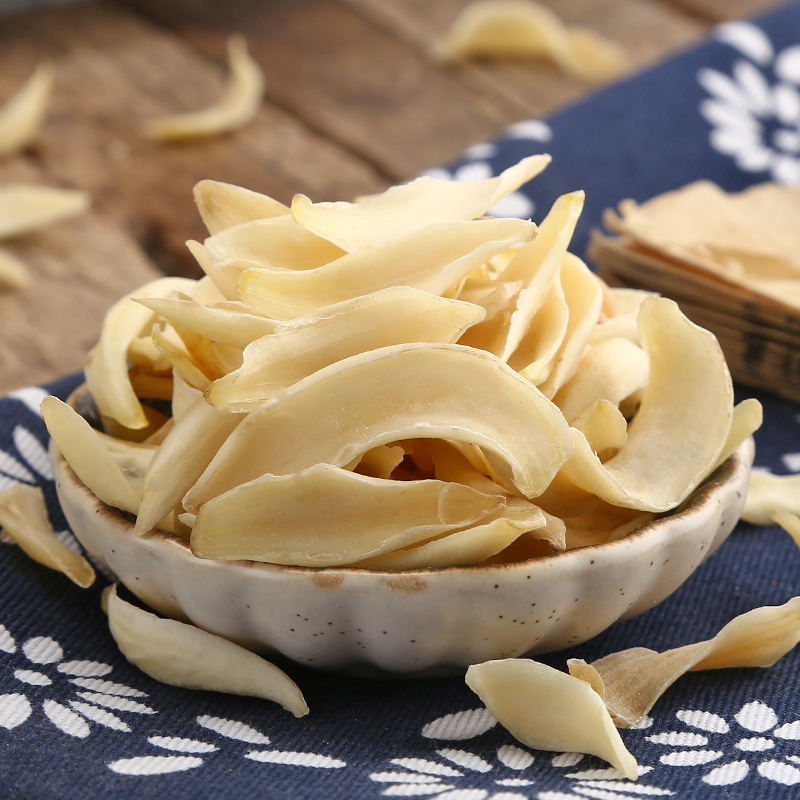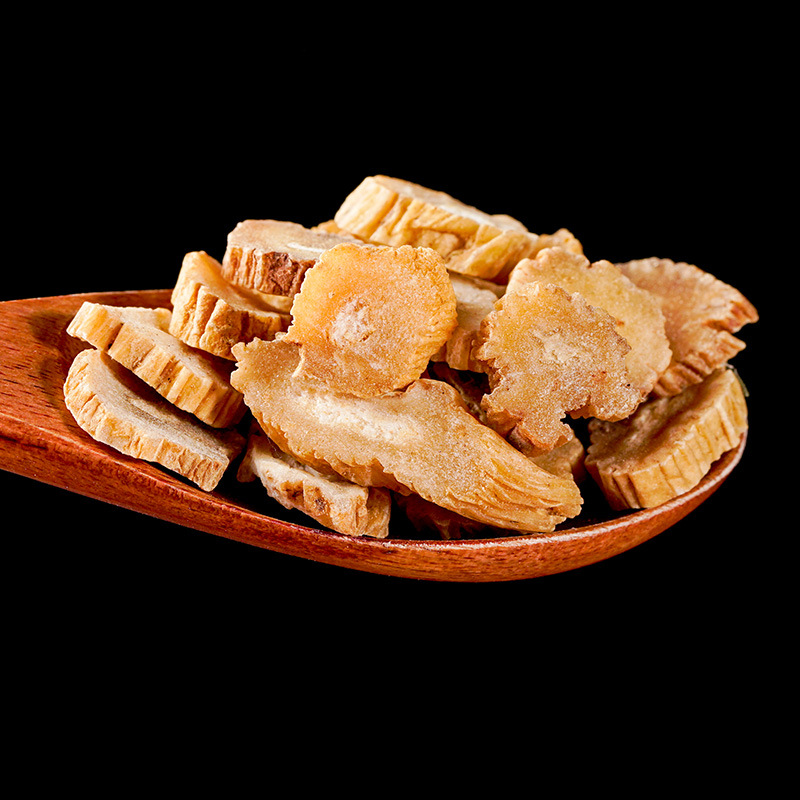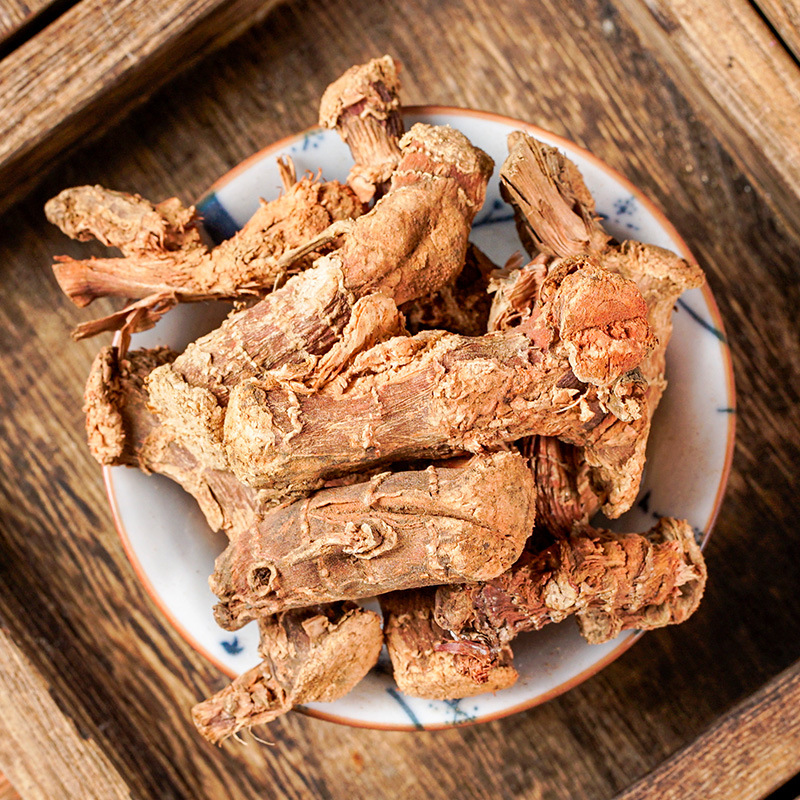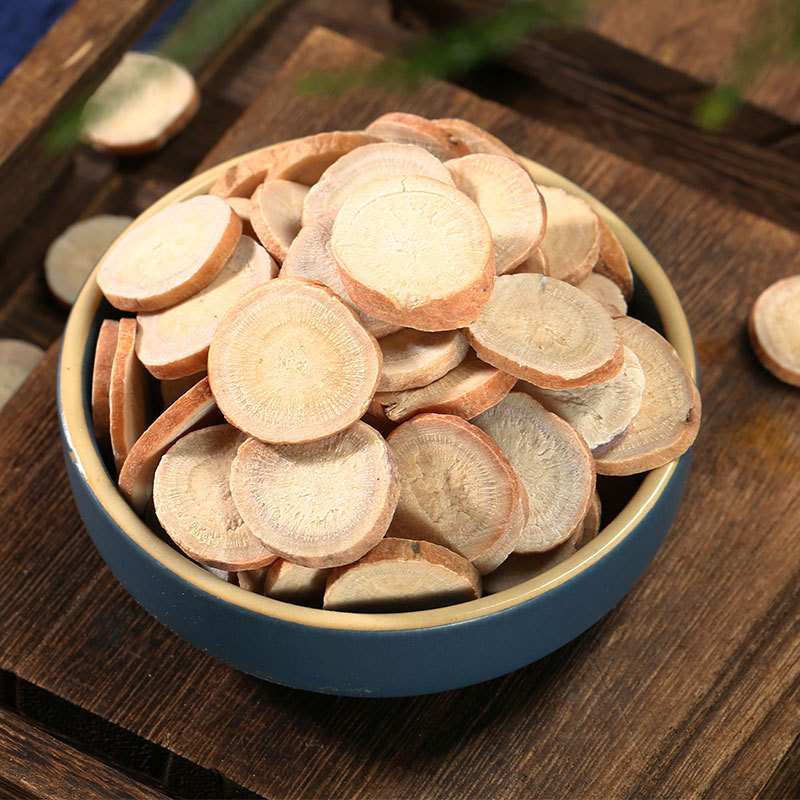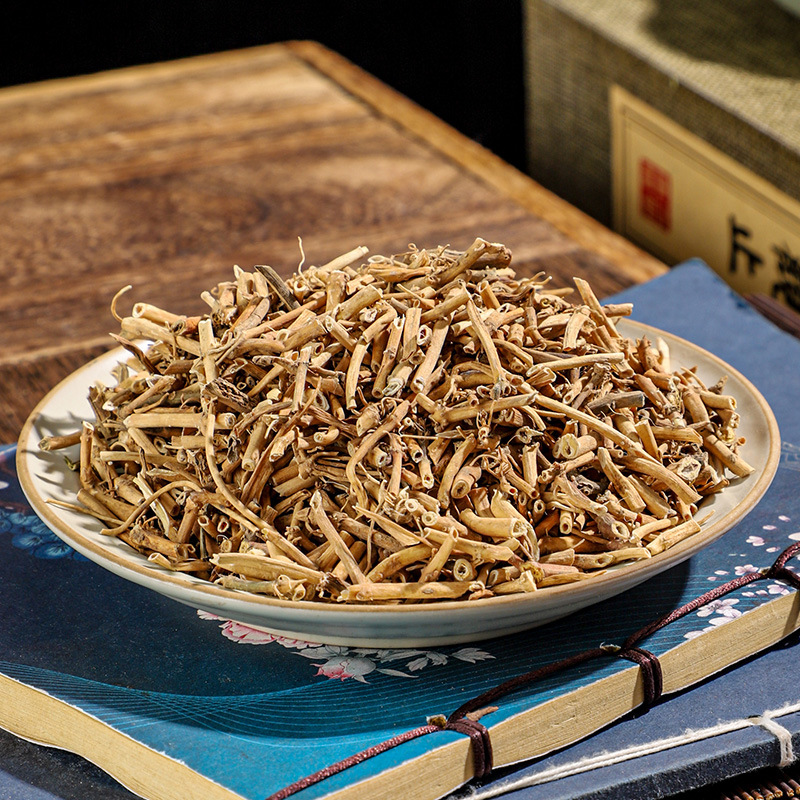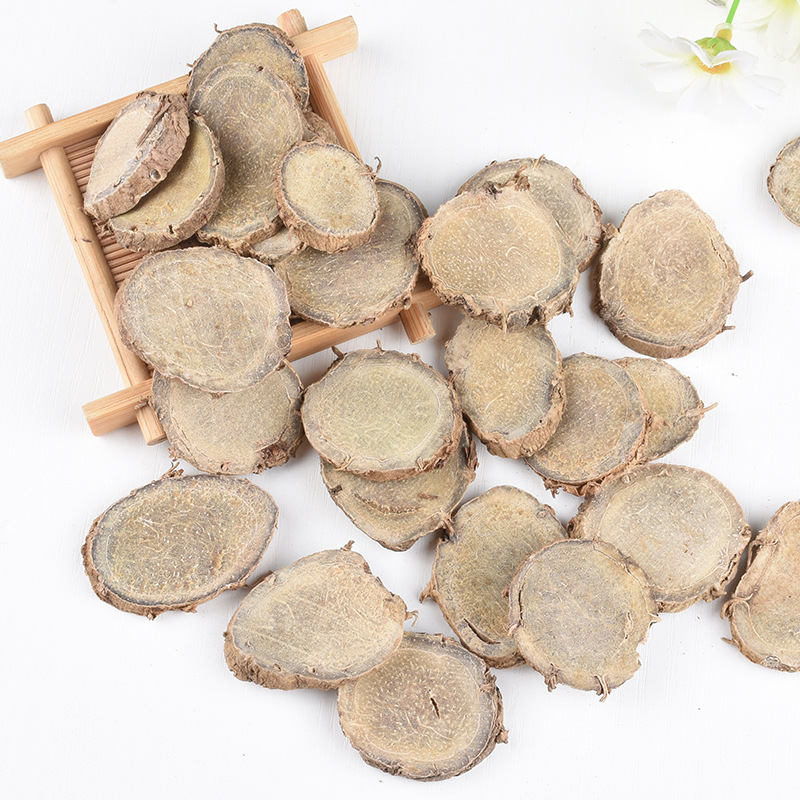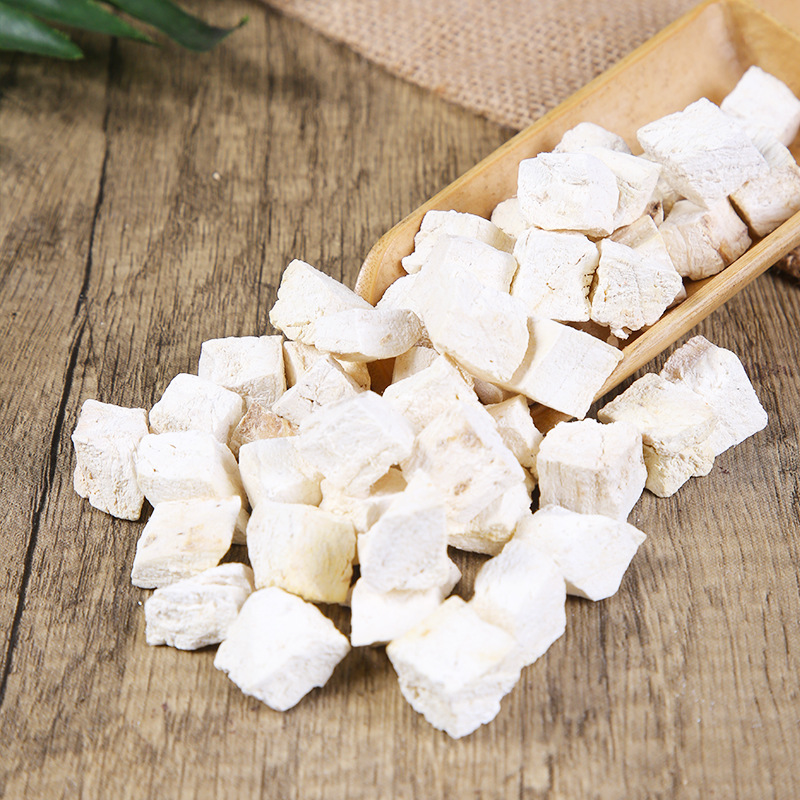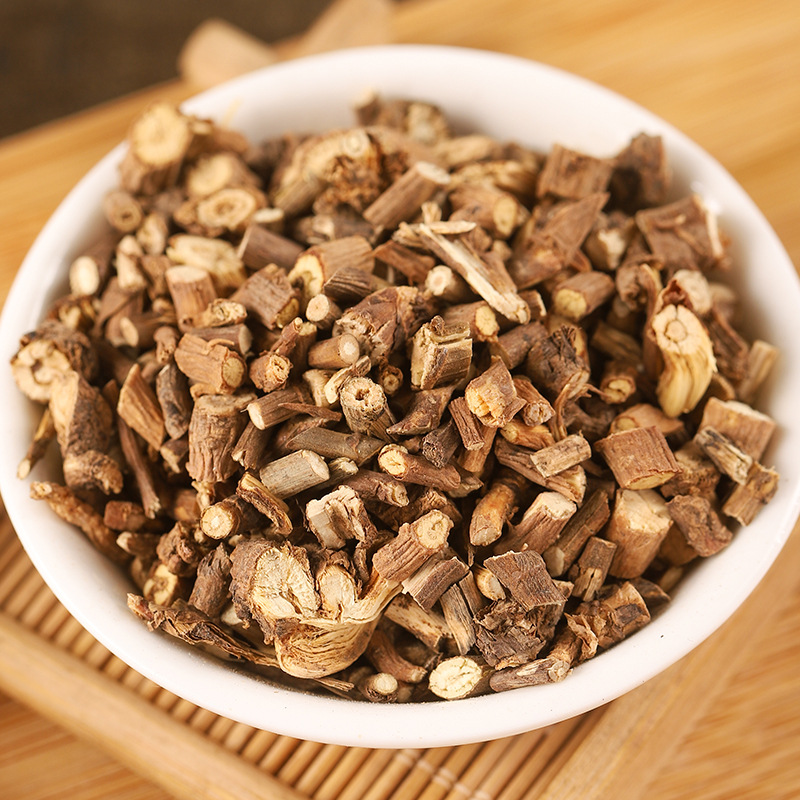
Lindera root is the root of the plant Lindera aggregata from the Lauraceae family. Ancient people believed that the best quality came from Tiantai Mountain in Zhejiang, so it was also called Tiantai Lindera root, abbreviated as Taiwu. There is a formula named Tiantai Lindera Powder, which is named after this. However, current research has found that the quality of Lindera root produced in other places is not significantly different from Taiwu. Moreover, Tiantai Mountain is now a nature reserve where digging is prohibited, so the Lindera root used today is mostly ordinary Lindera root. Lindera root is often harvested in autumn, washed and processed, and used raw or stir-fried with bran.
I. The Efficacy of Lindera Root:
Lindera Root tastes pungent, warm. It belongs to the lung, spleen, kidney, and bladder meridians. EfficacyPromotes Qi circulation to relieve pain, warms the kidneys to dispel coldIts characteristic is that it can enter the upper, middle, and lower jiao, with effects similar to those of costus root, but its potency is milder.
Commonly used inCold congealing and qi stagnation, chest and abdominal distending pain, qi counterflow and panting urgency, bladder vacuity cold, enuresis and frequent urination, mounting qi pain, menstrual cold abdominal painTreatment of conditions such as
Summary of Famous Works by Renowned Authors:
"Supplement to Materia Medica": "It primarily treats sudden heart pain and abdominal pain, gu poison, undigested food, epidemic diseases, cold qi attacking the bladder and kidneys causing back pain, women's blood and qi disorders, and various parasites in children's abdomen."
Ben Cao Qiu Zhen: "All diseases characterized by qi rebellion, manifesting as discomfort in the chest and abdomen, are suitable for its use. Its efficacy is similar to that of Muxiang and Xiangfu, belonging to the same category. However, Muxiang is bitter and warm, enters the spleen to relieve stagnation, and is particularly suitable for food accumulation; Xiangfu is pungent and bitter, enters the liver and gallbladder meridians, opens depression and disperses knots, and is especially effective for melancholy. This herb, on the other hand, addresses rebellious pathogens spreading across the chest, reaching everywhere, thus making it an essential medicine for rebellious pathogens in the chest and abdomen."
Compendium of Materia Medica: "Treats beriberi, hernia, headache due to qi reversal, swelling and panting, stops frequent urination and white turbidity."
Jade Carving Medicine Explanation: "Wu Yao is pungent and dispersing, moving and draining, treating pain, fullness, vomiting, diarrhea, swelling, panting, cold hernia, conflict, foot qi ascending and rebelling syndromes."
"Compendium of Materia Medica": "Pungent, warm, fragrant, and dispersing, it ascends to the spleen and lungs, descends to the kidney meridian, and can regulate the rebellious qi in the chest and abdomen. It can treat all diseases related to qi. When qi flows smoothly, wind disperses, so it is used to treat middle qi, wind stroke, cold qi in the bladder, frequent urination, regurgitation and vomiting, indigestion of food, diarrhea, dysentery, and cholera. In women, it treats blood stasis and qi stagnation; in children, it treats roundworms and ascaris. External conditions such as sores, boils, scabies, and leprosy all arise from rebellious blood, and regulating qi can also treat them."
II. Compatibility and Application of Lindera Root:
1. For various syndromes of cold stagnation and qi pain, as well as dysmenorrhea. Wu Yao (Lindera Root) is pungent and dispersing, warm and dissipating, good at promoting qi movement, with the effects of regulating qi, harmonizing the middle, dispersing cold, and relieving pain. For treating chest and hypochondriac pain due to qi stagnation, it is often combined with Xie Bai (Allium macrostemon), Gua Lou Pi (Trichosanthes Peel), Yu Jin (Curcuma), Yuan Hu (Corydalis), and other herbs. For treating abdominal distension and pain, it is often combined with Mu Xiang (Costusroot), Wu Zhu Yu (Evodia Fruit), Zhi Ke (Bitter Orange), and other herbs.
If treating cold stagnation and qi stagnation in the liver channel, small intestine hernia, lower abdominal pain, or pain radiating to the testicles, it is often combined with warming and qi-moving pain-relieving herbs such as fennel, costus root, and green tangerine peel, namelyTiantai Wuyao PowderThis formula is now commonly used to treat conditions such as orchitis, epididymitis, gastric and duodenal ulcers, and chronic gastritis that are characterized by cold stagnation and qi stagnation, and is worth referencing.
If treating the stagnation of the seven emotions with rapid panting, it is often combined with ginseng, eaglewood, and betel nut, achieving both lowering and astringing, purging and tonifying simultaneously.Four Milled Decoction。
For treating menstrual pain, it is often combined with herbs that regulate qi, promote blood circulation, regulate menstruation, and relieve pain, such as Cyperus rotundus, Angelica sinensis, and Aucklandia lappa.Wu Yao Tang。
If treating general body pain and swelling, with qi and blood stagnation, Lindera root can be combined with Cyperus rhizome, that isXiangfu PowderLindera Root can regulate qi and harmonize blood, Cyperus Rhizome excels in moving qi within the blood. When these two herbs are combined, they complement each other perfectly.
2. For symptoms such as frequent urination and enuresis caused by deficiency-cold in the lower abdomen. Lindera root can warm the kidney and dispel cold, often combined with bitter cardamom and Chinese yam to achieve the effect of warming the kidney and reducing urination, namelySuoquan Wan。
Suoquan Pill is more suitable for elderly people with frequent urination and children with enuresis who have a tendency towards yang deficiency. It has the effects of warming the kidneys, dispelling cold, and astringing urine. Due to its ability to warm yang and consolidate retention, it is also highly effective for conditions such as clear nasal discharge or thin, clear saliva caused by lung cold or kidney yang deficiency.
3. For kidney or bladder stones accompanied by pain. When used in large doses, Lindera root also has antispasmodic effects. For treating kidney and bladder stones accompanied by painful symptoms, it can be combined with large doses of Lysimachia christinae, often yielding remarkable results. According to Zhu Liangchun's experience, for treating renal colic, a dose of at least 30 grams is required; smaller doses are ineffective.
In addition, Lindera aggregata has a bidirectional regulatory effect on human water metabolism and can be used in the treatment of hydronephrosis and cirrhotic ascites. According to Zhu Liangchun's experience, for treating hydronephrosis, it is often used in combination with Alisma orientale in large doses, while for treating cirrhotic ascites, it is often combined with processed turtle shell, both of which have excellent effects and are worth learning.
III Usage and Dosage of Lindera Root:
Lindera Root can be used in decoctions, as well as in pills and powders. The usual dosage in decoctions ranges from a few grams to over ten grams; if it serves as the main ingredient in a formula, it can be used in amounts exceeding several tens of grams.
Wang Ang said, "The root with wheel hub patterns and a shape resembling connected beads is considered good."
IV. Application Precautions for Lindera Root:
Lindera Root is pungent and warm, which may assist heat, thereforeUse with caution in cases of yin deficiency with effulgent fire。
Huang Yuanyu said, "It is not suitable for those with deficiency. Mediocre practitioners use it to treat diseases of deficiency and fullness, which is not a good method."