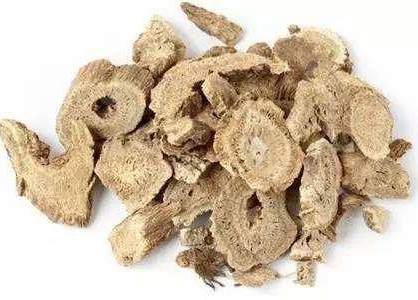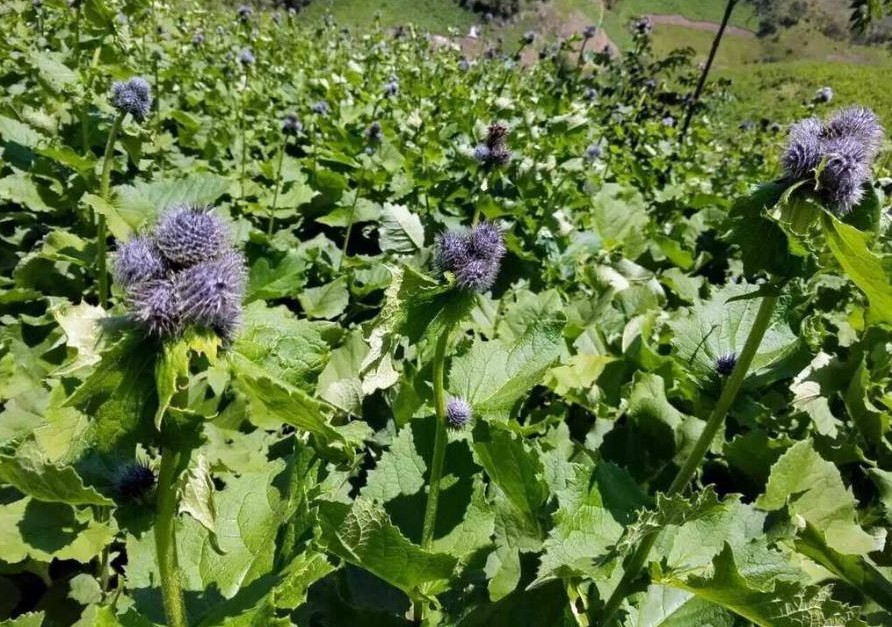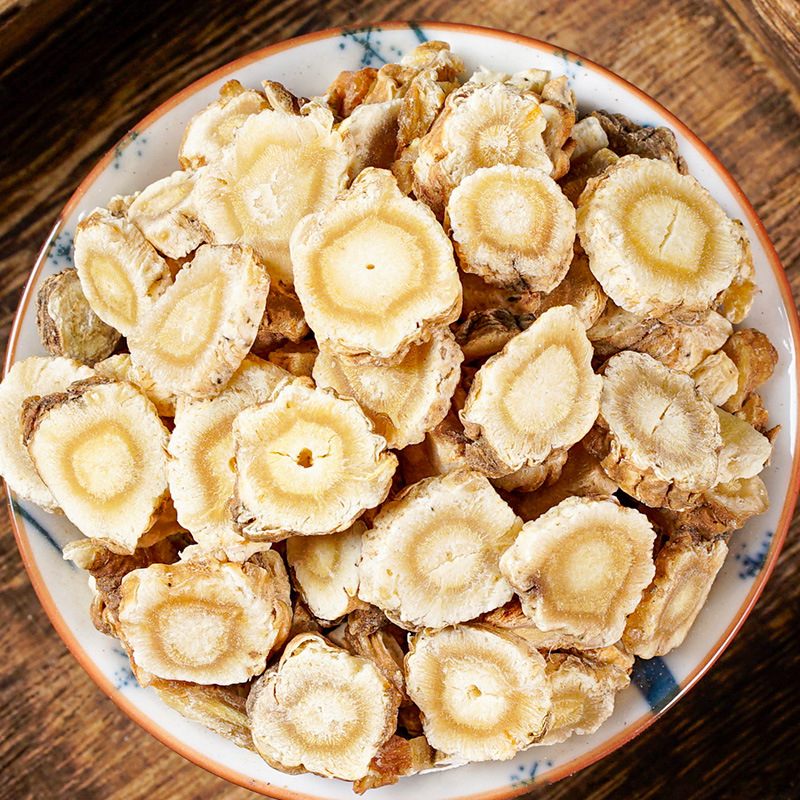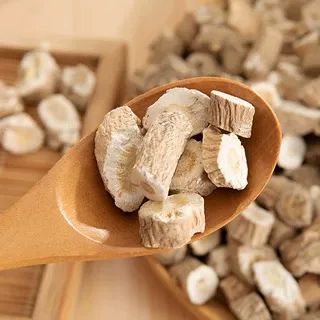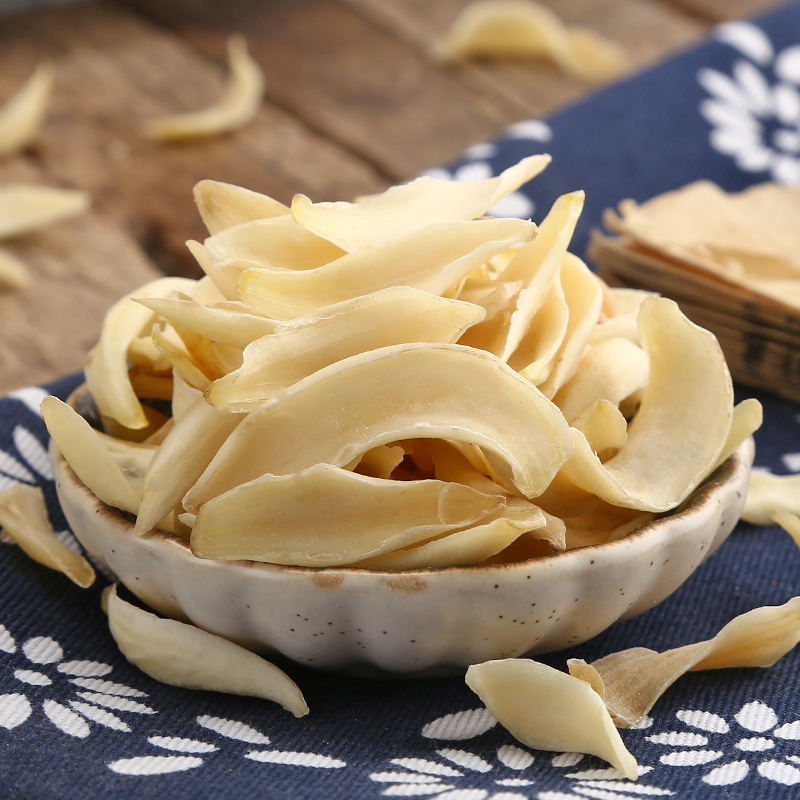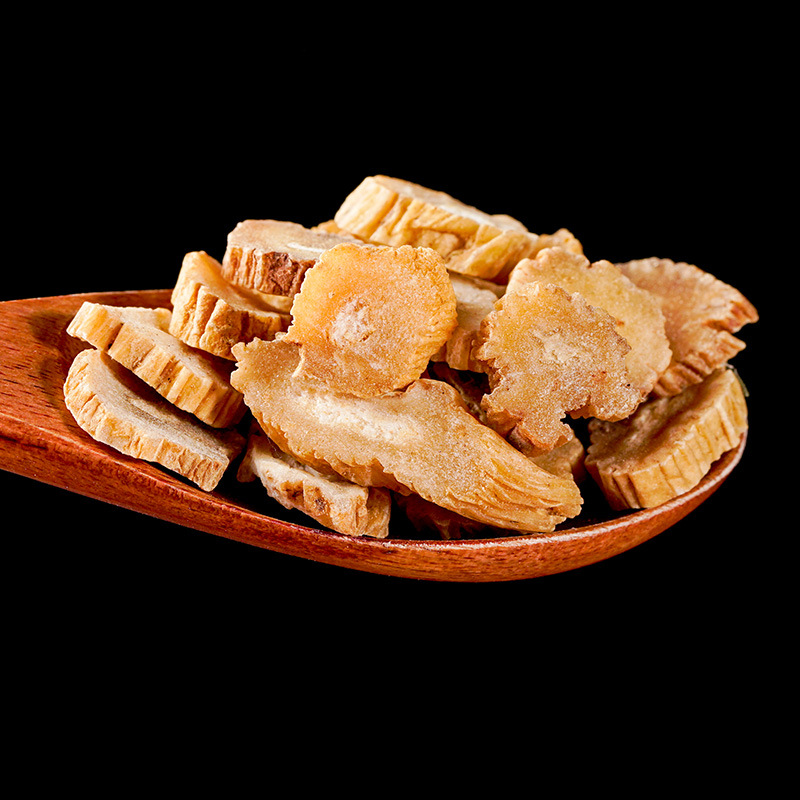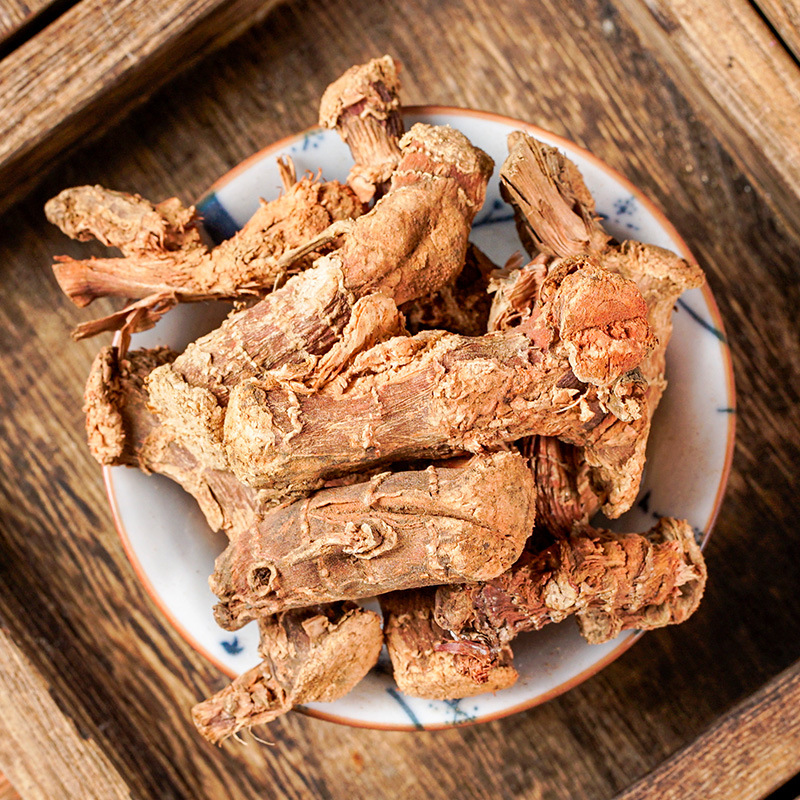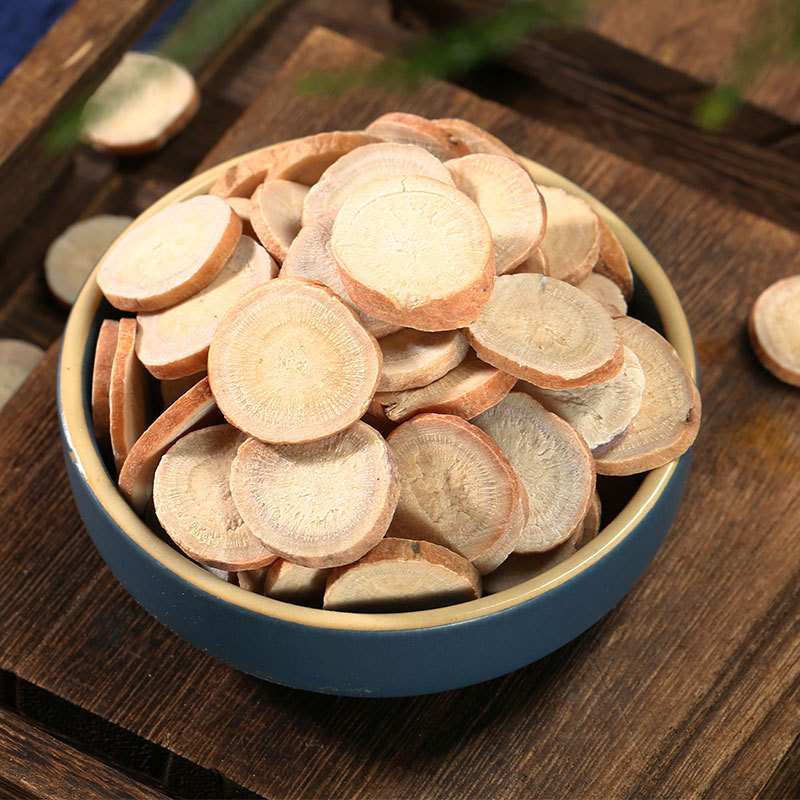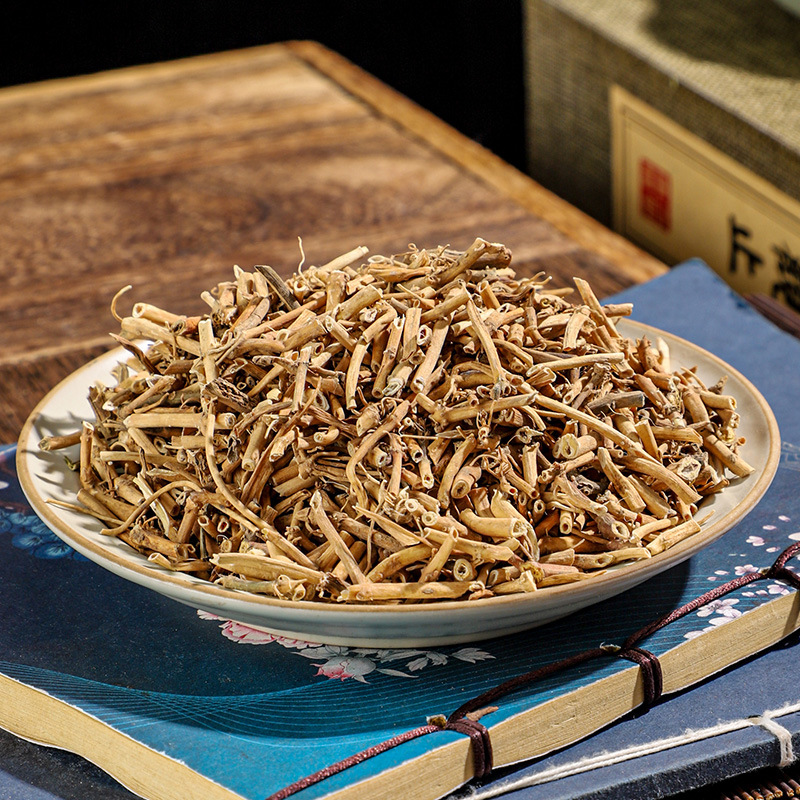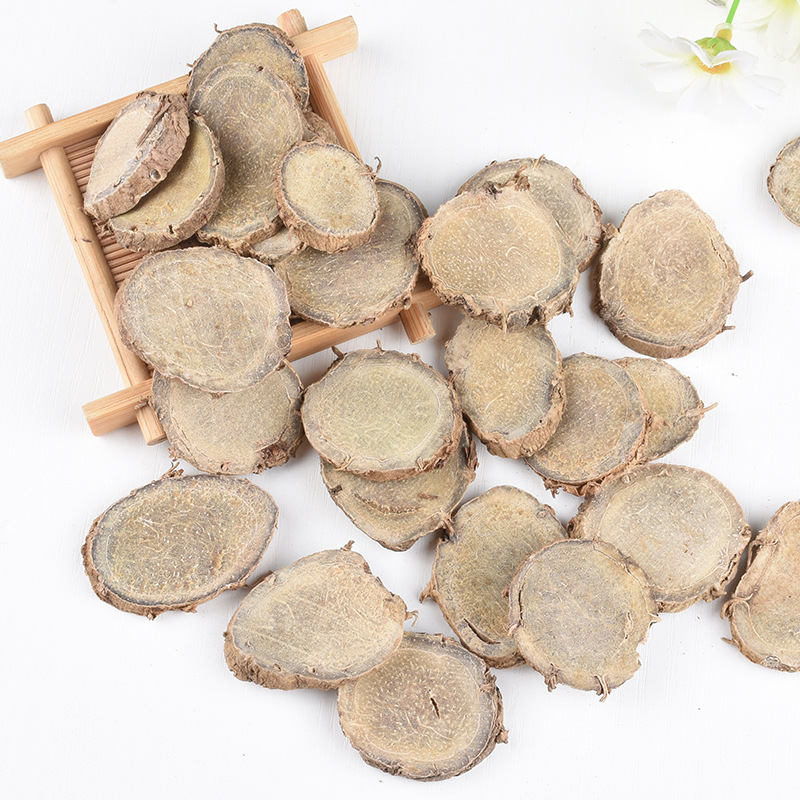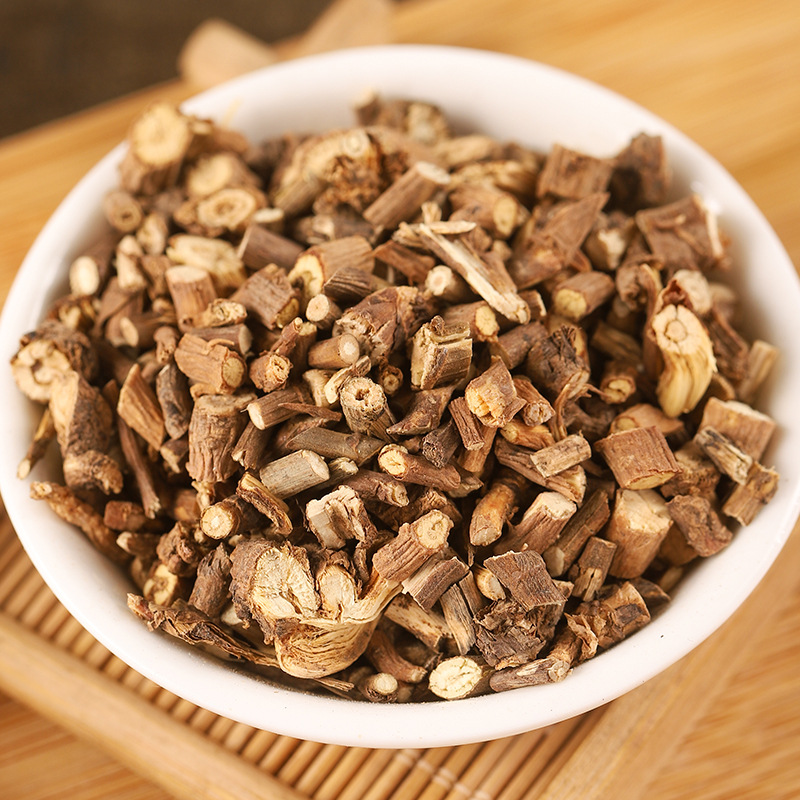
Muxiang is the dried root of the plant Aucklandia lappa from the Asteraceae family. It is named so because its root resembles withered wood and has a pungent, aromatic scent. The earliest Muxiang was introduced to China from West Asia or South Asia during the Han Dynasty, primarily imported through Guangzhou, hence it is also known as Guangmuxiang. Nowadays, it is cultivated domestically; the variety produced in Yunnan is called Yunmuxiang, while that produced in Sichuan and Tibet is called Chuanmuxiang. There is not much difference in efficacy among Muxiang from different regions. It is commonly used raw or roasted.
I. The Efficacy of Aucklandia:
The aroma of costuswood is pungent and bitter, warm in nature. It belongs to the spleen, stomach, large intestine, and gallbladder meridians. Its efficacy includesPromote Qi Flow, Regulate the Middle Jiao, Relieve PainIt is characterized by its strong ability to promote qi circulation and relieve pain, earning it the reputation as the "essential herb for promoting qi circulation and alleviating pain."
Commonly used inchest and hypochondriac pain, abdominal distension and pain, tenesmus after diarrhea and dysentery, indigestion of food accumulation, loss of appetite, etcThe treatment of syndromes. Roasted Aucklandia is more suitable for strengthening the intestines to stop diarrhea, commonly used for diarrhea and abdominal pain.
Summary of Famous Works by Renowned Authors:
"Treatise on Medicinal Properties": "Treats nine types of heart pain, chronic cold qi, abdominal masses and distending pain, expels various congested qi rising to cause restlessness. Treats cholera with vomiting and diarrhea, and heart and abdominal colic."
Rihuazi's Materia Medica: "Treats all qi in the heart and abdomen, cold pain in the bladder, vomiting and regurgitation, cholera, diarrhea, dysentery, strengthens the spleen and promotes digestion, and stabilizes the fetus."
Compendium of Materia Medica: "Costus root is a medicinal herb that regulates the qi of the triple energizer, capable of ascending and descending various forms of qi. It primarily addresses all stagnant qi in the heart and abdomen, and is suitable for use in cases where qi is depressed and not flowing smoothly."
Jade Cutter's Explanation of Medicine: "Stops vomiting and diarrhea, pacifies accumulations and concretions, stabilizes the fetus and protects pregnancy, relieves distension and alleviates pain."
"Compendium of Materia Medica": "A medicine for the qi of the triple burner. It can regulate the ascent and descent of various qi, disperse lung qi, soothe liver qi, and harmonize spleen qi. It treats all types of qi pain, nine kinds of heart pain, vomiting and regurgitation, cholera, diarrhea and dysentery, urinary retention, phlegm congestion and qi stagnation, abdominal masses and lumps, swelling and toxin, parasitic diseases, disorders of the thoroughfare vessel, and qi rebellion with internal urgency."
II. Compatibility and Application of Aucklandia:
1. For symptoms such as poor appetite, indigestion, abdominal distension and pain, borborygmus and diarrhea, dysentery with abdominal pain, tenesmus, etc., caused by stagnation of spleen and stomach qi. Aucklandia is pungent and dispersing, warm and unblocking, especially good at regulating the qi mechanism of the spleen and stomach, promoting qi circulation and relieving pain. For treating abdominal distension and pain due to qi stagnation, it is often combined with Fructus Aurantii, Toosendan fruit, and Corydalis rhizome.
If treating damp-heat dysentery, Aucklandia is most commonly paired with Coptis, namelyXianglian Pills。
If treating food stagnation and qi stagnation, damp-heat mutual obstruction, dysentery with tenesmus, it is often combined with Areca catechu, Citrus aurantium, Rheum palmatum, Coptis chinensis, etc., namelyMuxiang Binglang Wan。
If treating damp-heat stagnation and steaming, distending pain in the rib-side region, bitter taste in the mouth, yellow tongue coating, or jaundice syndrome, it is often combined with Bupleurum, Turmeric, Bitter Orange, Rhubarb, and Capillary Wormwood Herb to soothe the liver, regulate qi, clear heat, and drain dampness.
2. For symptoms such as abdominal distension and fullness, poor appetite, fatigue, and weakness caused by spleen and stomach deficiency. Muxiang has the function of regulating qi, and when used together with tonifying deficiency herbs, it can achieve the effect of tonifying without causing stagnation. To treat the above symptoms, it is often combined with Sharen, Dangshen, Baizhu, Gancao, etc., namelyXiangsha Liujunzi Decoction。
Wang Ji said, "When combined with tonics, it acts as a tonic; when used as the primary ingredient with purgatives, it acts as a purgative."
III Usage and Dosage of Muxiang:
Muxiang is often used in decoctions and also in pills and powders. When used in decoctions, the dosage should not be too large, generally a few grams is sufficient.
When used raw, Muxiang is more inclined to promote qi movement, while when roasted, it is more inclined to stop diarrhea.
Wang Ang said, "The one that comes from foreign ships, shaped like dry bones, with a bitter taste and sticky tongue, is good, named Qingmuxiang."
IV. Application Notes for Aucklandia:
Muxiang is pungent, warm, fragrant, and drying, thereforeUse with caution in individuals with yin deficiency and fire excess。
Huang Yuanyu said, "Muxiang has a pungent and dry nature, breaking stagnation and overcoming hardness, which is its strength. Mediocre practitioners use it to treat liver diseases, but this is not appropriate. The liver belongs to the wind-wood qi, and all its diseases are characterized by dryness, making it the least suitable for such treatment."
Wang Ang said: "Excessive consumption drains true qi."