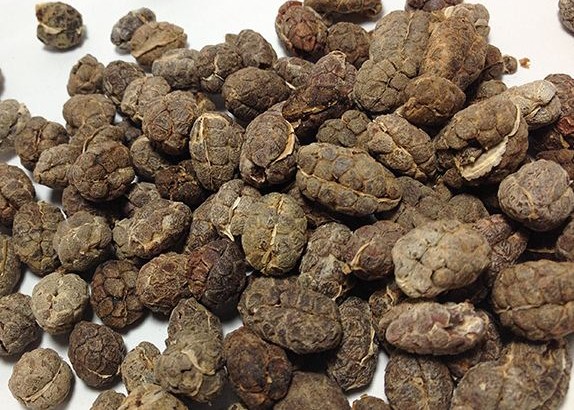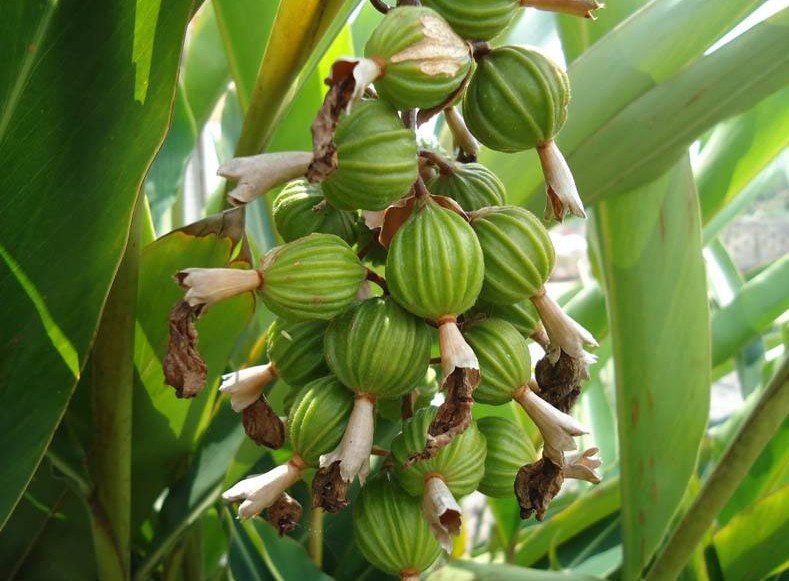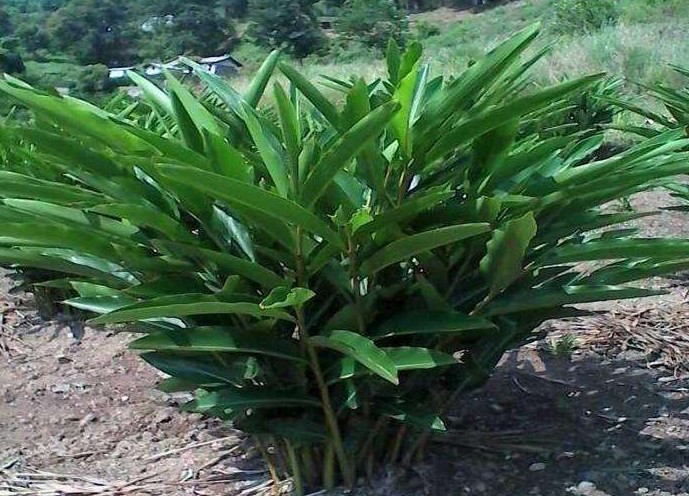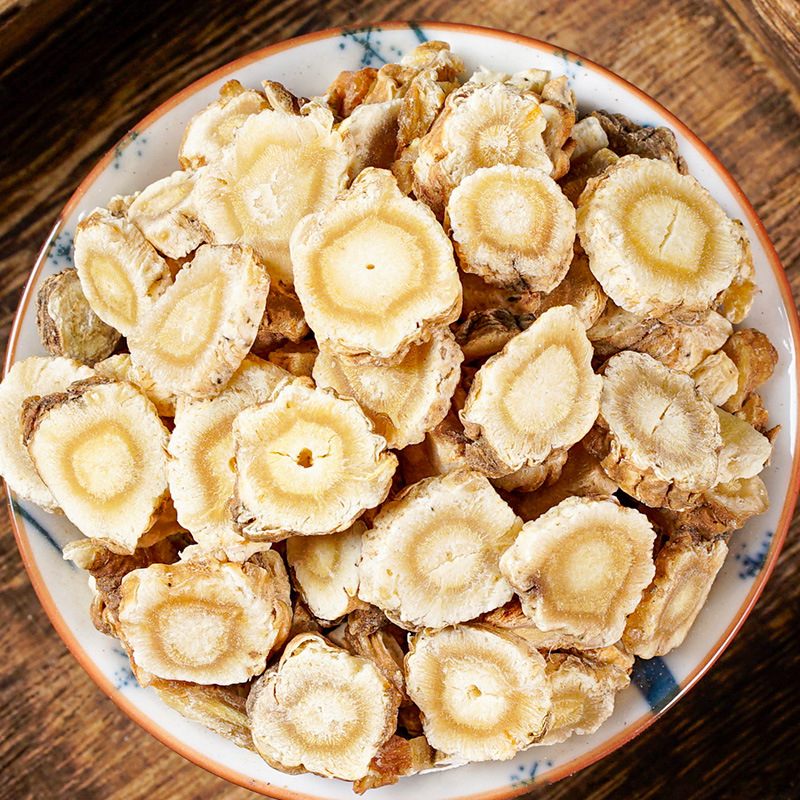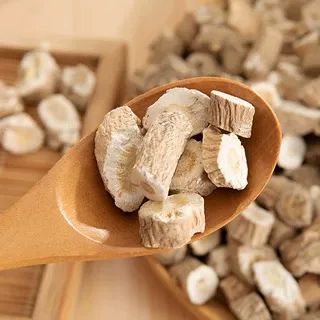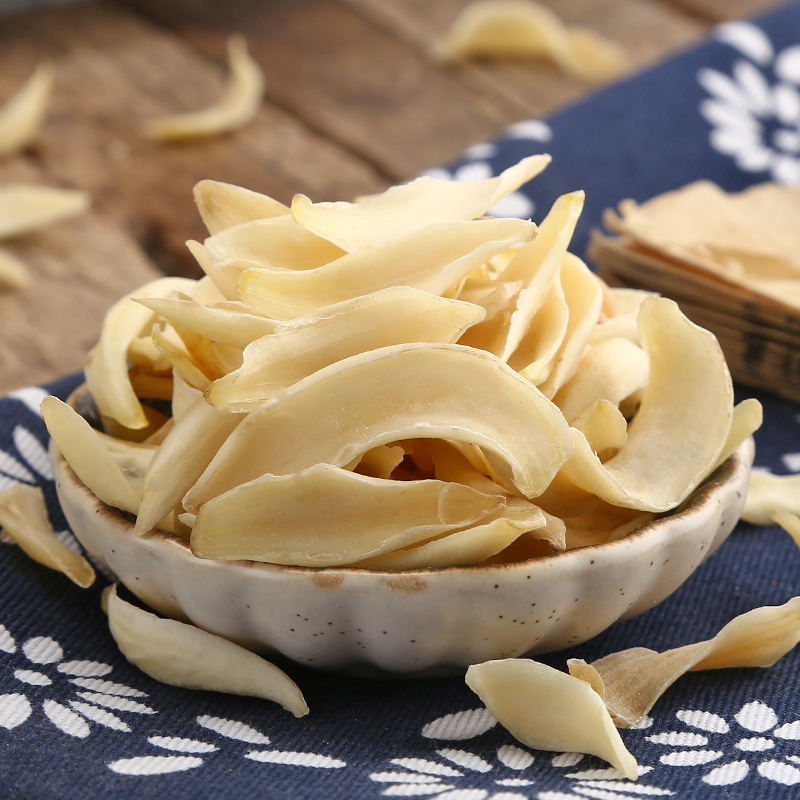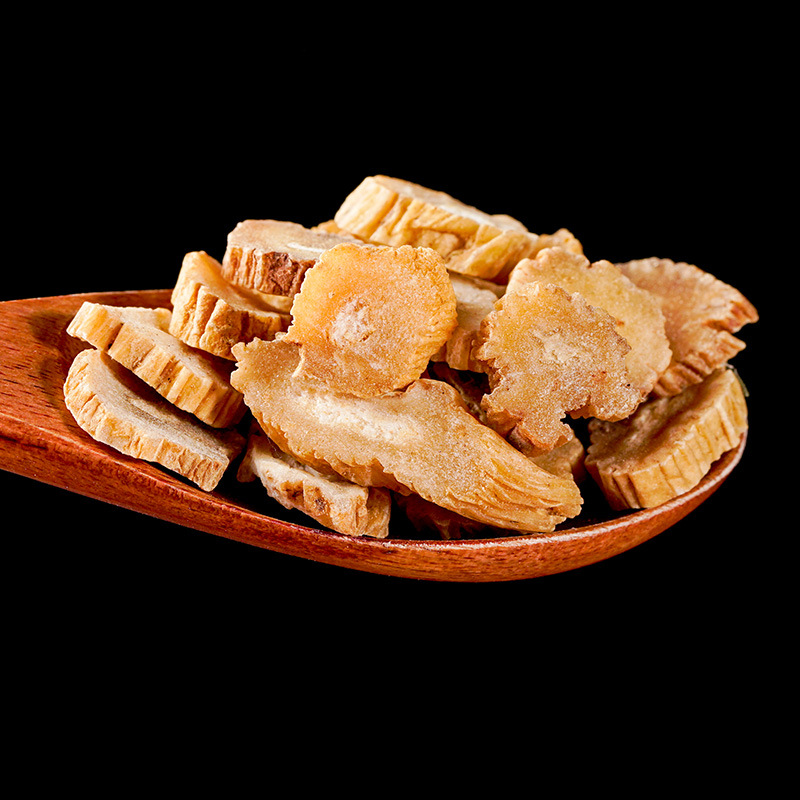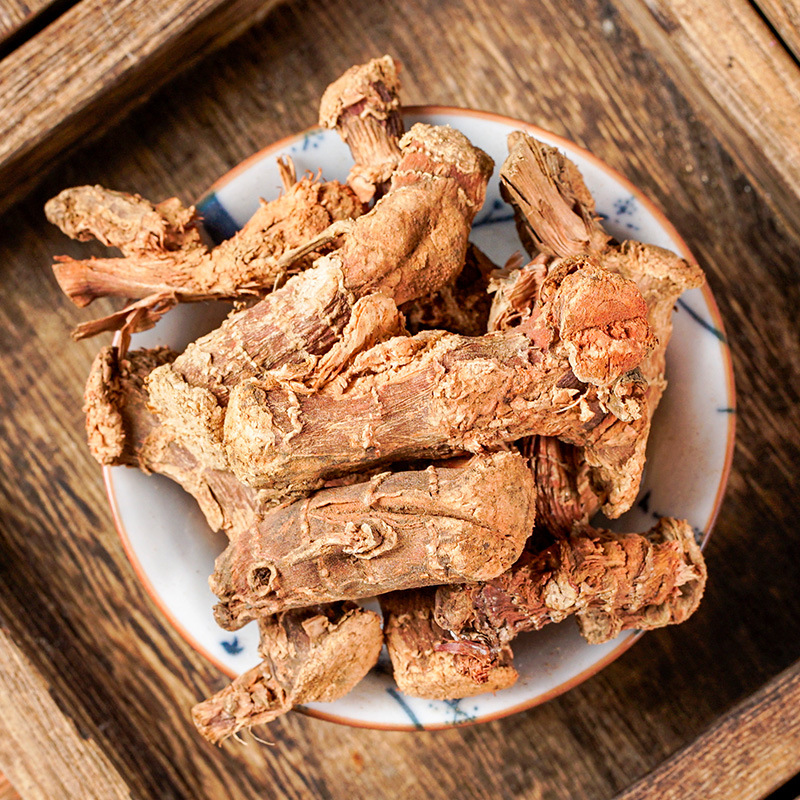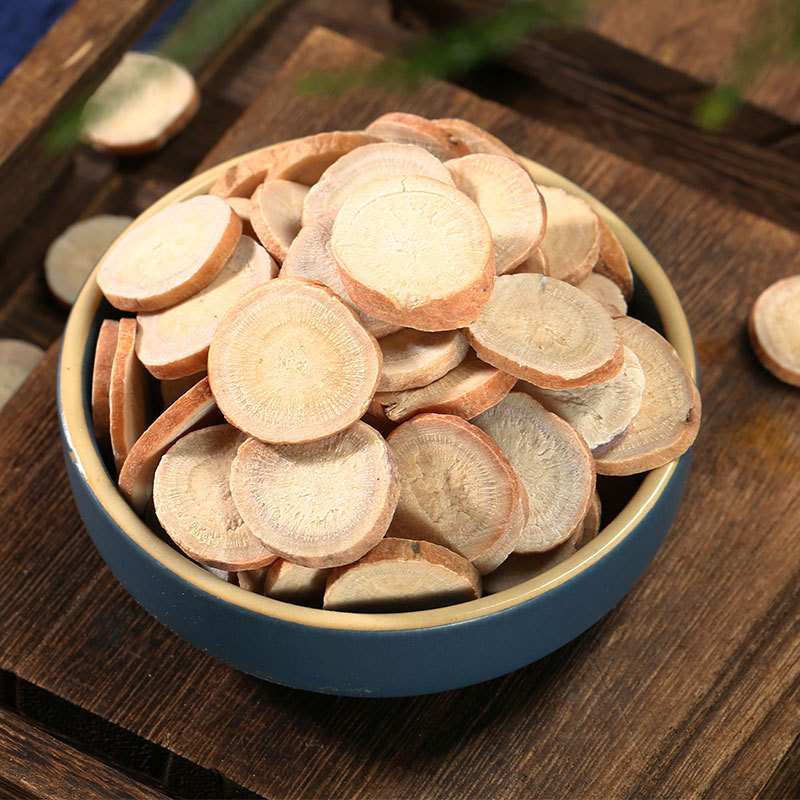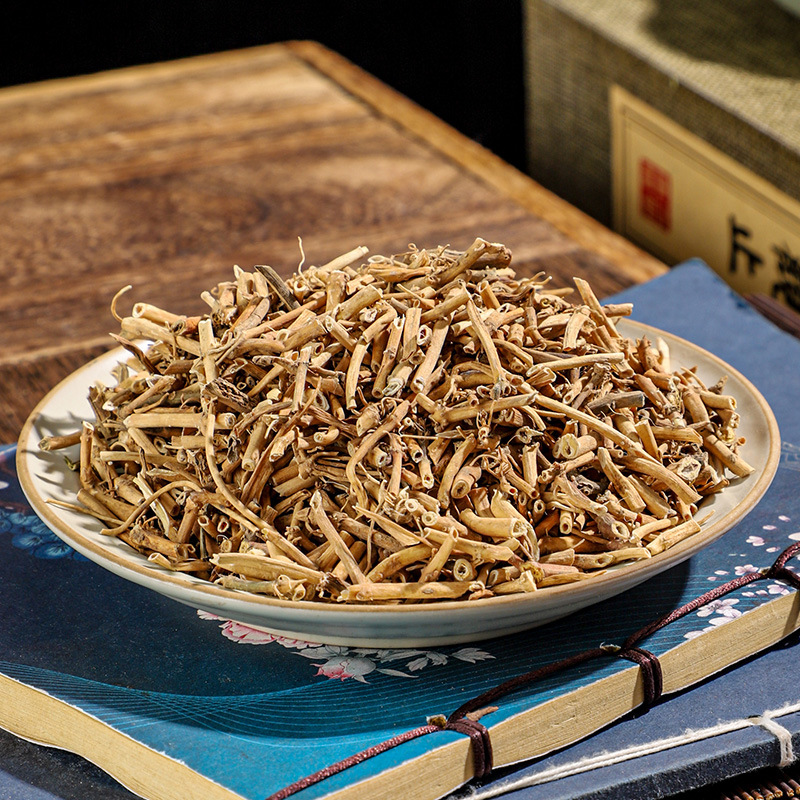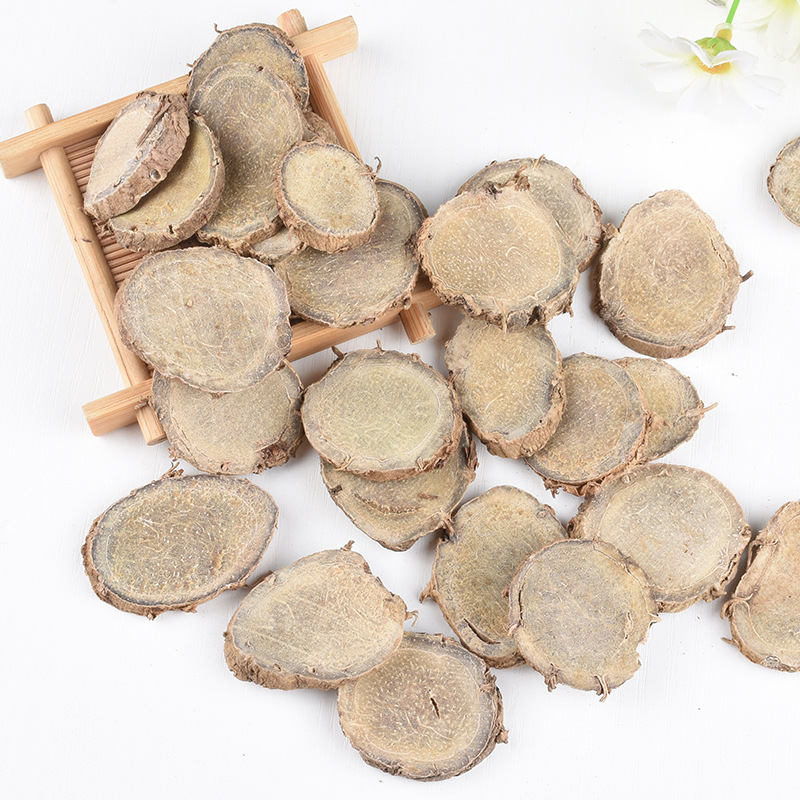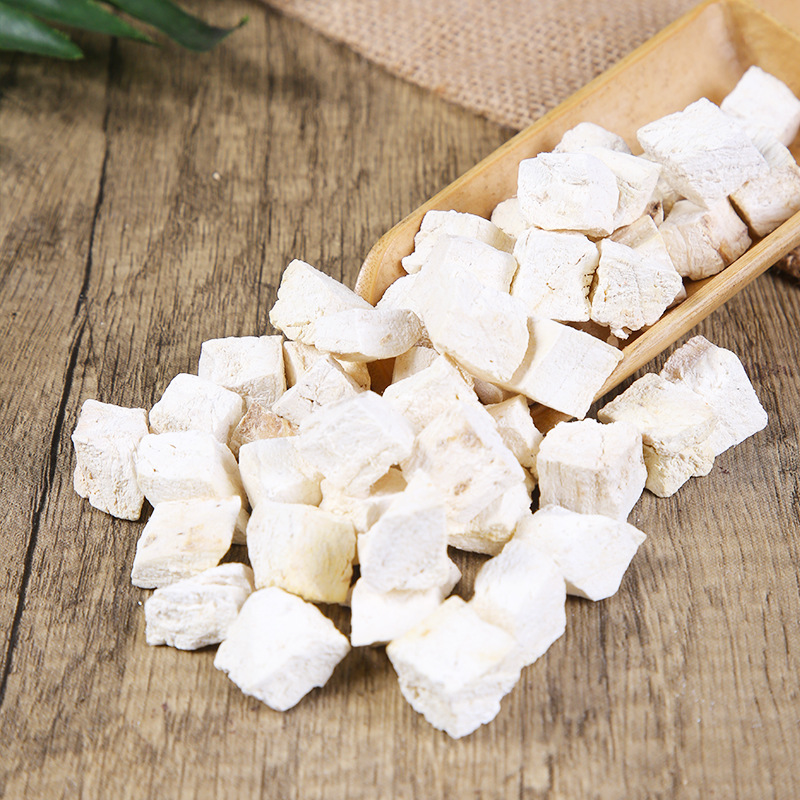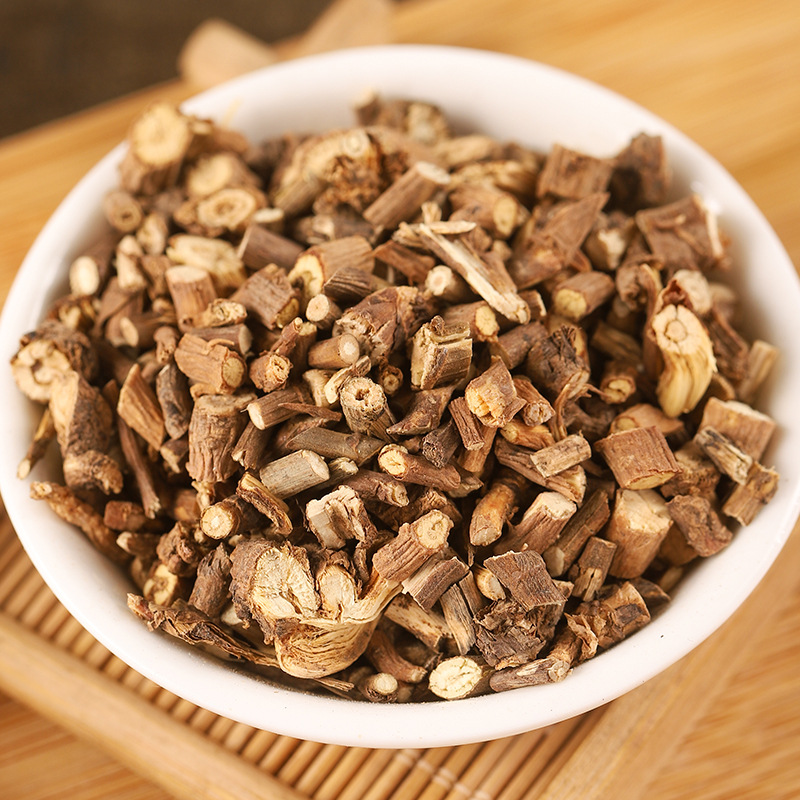
Amomum fruit is the dried ripe fruit of Amomum villosum, Amomum longiligulare, or Amomum xanthioides from the Zingiberaceae family. When the fruit is peeled open, there is a seed cluster that aggregates together like sand grains, hence the name. There are many origins and varieties of Amomum fruit, with those produced in the Yangchun region of Guangdong being the best, also known as Yangchun Amomum fruit. At the same time, Amomum fruit is also an excellent seasoning, which can be used in spice blends or directly added to dishes. For example, in daily foods such as hot pot, fish pot, and spicy hot pot, Amomum fruit is an essential ingredient, serving to enhance aroma, improve flavor, and stimulate appetite. Amomum fruit is usually harvested in autumn when the fruit is ripe. It is then sun-dried or dried at low temperatures. When used, it is crushed and applied in its raw form. In recent years, the price of high-quality Amomum fruit has been steadily rising, even to the point of affecting its clinical application.
I. The Efficacy of Amomum Villosum:
Amomum villosum tastes pungent, warm. It belongs to the spleen, stomach, and kidney meridians. Its effects canResolving dampness and promoting qi flow, warming the middle and calming the fetus, guiding qi back to the kidneysIts characteristics are warm but not dry, good at guiding qi back to the kidney, and capable of stabilizing the fetal origin.
Commonly used inDampness and turbidity obstructing the middle, spleen and stomach deficiency cold, vomiting and diarrhea, morning sickness during pregnancy, restless fetus, kidney deficiency and weaknessTreatment of conditions such as
Summary of Famous Works by Renowned Authors:
Yao Xing Lun: "Primarily treats cold qi abdominal pain, stops intermittent dysentery, and addresses fatigue damage. Aids in digesting food and grains, warms the spleen and stomach."
The Pearl Pouch: "Treats stagnation of spleen and stomach qi that does not disperse."
Rihuazi Materia Medica: Treats all types of qi, cholera with muscle spasms, and heart and abdominal pain.
"Compendium of Materia Medica Annotations": "The herb has a pungent and warm aroma, with its fragrance entering the spleen. Its pungency can moisten the kidneys, making it an essential medicine for opening the spleen and stomach, and a standard product for harmonizing the middle qi. If accompanied by kidney deficiency and qi failing to return to its source, it cannot be effective without this as a guide."
"Ben Cao Hui Yan": "It is a medicine that warms the middle and harmonizes qi. If the qi of the upper burner is obstructed and does not descend, the qi of the lower burner is suppressed and does not ascend, and the qi of the middle burner is stagnant and not relaxed, using Amomum villosum to treat it yields the most rapid results."
Jade Pivot Medicine Explanation: Harmonizing the middle and regulating qi, dispersing stagnation and eliminating stagnation, lowering stomach yin to aid digestion, reaching spleen yang to transform grains, both vomiting and diarrhea are effectively treated, cough and phlegm retention are both wonderfully managed. Excellent for treating dysphagia, capable of calming pregnancy, regulating sour and putrid conditions in the upper burner, managing turbid and foul qi in the lower burner, clearing heat in the throat, mouth, and teeth, dissolving obstructions from copper, iron, and bone fragments.
"Compendium of Materia Medica": "Tonifies the lungs and benefits the kidneys, harmonizes the stomach and awakens the spleen, promotes qi flow and regulates the middle, unblocks stagnation. Treats abdominal pain, distension, and masses, difficulty swallowing and vomiting, coughing with upward qi, red and white diarrhea and dysentery, cholera with muscle cramps, running piglet syndrome and abnormal vaginal discharge, dispels phlegm and expels cold, aids digestion and sobers from alcohol, relieves pain and calms the fetus."
II. Compatibility and Application of Amomum Villosum:
1. For dampness obstructing the middle jiao and qi stagnation in the spleen and stomach. Amomum villosum is pungent, dispersing, warm, and unblocking, skilled at transforming dampness and moving qi, making it an excellent herb for awakening the spleen and opening the stomach. It can be used medicinally or as a seasoning in cooking, truly exemplifying the concept of medicine and food sharing the same source. For treating abdominal distension and pain, poor appetite, vomiting, and diarrhea caused by dampness obstruction and qi stagnation in the spleen and stomach, it is often combined with herbs such as Magnolia officinalis, Atractylodes, and Amomum kravanh; it can also be added to formulas like Ping Wei San that dry dampness and strengthen the spleen to enhance efficacy.
If treating qi stagnation and food accumulation, it is often combined with Muxiang, Zhishi, Baizhu, etc., that isXiangsha Zhishi Wan。
If treating spleen deficiency with qi stagnation, physical weakness, and severe depletion of primordial qi, it is often combined with Codonopsis pilosula, Atractylodes macrocephala, Poria cocos, and licorice, namelyXiangsha Liujunzi DecoctionThis formula is truly the premier prescription for regulating the "acquired foundation" of the human body. For those who are physically weak, chronically ill, debilitated, or suffering from various deficiencies, long-term consumption will undoubtedly yield remarkable effects. For individuals with substantial or severe illnesses, the Six Gentlemen Decoction can also serve as a foundation, modified and adjusted as needed—whether to attack, to tonify, to both attack and tonify, or to provide support while aggressively combating pathogenic factors. It is indeed an indispensable method for physicians in treating diseases. As the saying goes: "The spleen and stomach are the acquired foundation of the human body and the source of qi and blood production." The Six Gentlemen Decoction, therefore, stands as the foremost formula for consolidating the acquired foundation of the human body.
Huang Yuanyu said: "The ascent of the clear and descent of the turbid rely entirely on the middle qi. If the middle qi is not vigorous, the pivot will not turn, leading to spleen sinking and stomach rebellion. All conditions such as edema and distension, phlegm retention and cough, dysphagia and diarrhea, cholera and cramps, miscarriage and anal prolapse, food stagnation and water retention, foul discharge and acid regurgitation are due to abnormal ascent and descent, with the clear sinking and the turbid rebelling. Purging will further damage the deficiency, tonifying will increase the fullness, clearing will aggravate the lower cold, warming will generate upper heat. This is because the middle qi is obstructed and stagnant, the clear and turbid are displaced, water and wood sink downward and cannot be purged, fire and metal rebel upward and cannot be warmed or tonified. Only by using nourishing middle qi ingredients and adding harmonizing middle qi substances to regulate the stagnant qi, making it circulate, and allowing the pivot to move, will ascent and descent resume their functions, and the clear and turbid return to their proper positions. Then, within the framework of tonifying the middle and supporting the earth, warming and ascending the liver and spleen, clearing and descending the lung and stomach, there will be no worries. Among harmonizing middle qi substances, none is as wonderful as Amomum villosum, which is harmonious, free-flowing, does not harm the righteous qi, and is a superior product for regulating the spleen and stomach."
In addition, Amomum villosum can also be used for conditions such as excessive alcohol consumption and dampness injuring the spleen and stomach. It is often combined with Pueraria lobata flowers, Aucklandia lappa, Poria cocos, dried tangerine peel, and medicated leaven, namelyGehua Jiecheng Decoction。
Medicinal Properties and Applications: If there is spleen deficiency with abdominal fullness and distension, retention of undigested food, or alcohol toxicity damaging the stomach, use this to disperse stagnation and regulate qi.
2. For spleen-cold diarrhea and kidney-yang deficiency, kidney failing to receive qi, etc. Amomum warms the middle and promotes qi circulation, effectively treating abdominal cold diarrhea. It can be taken alone by grinding into powder, and is often combined with ginseng, atractylodes, dried ginger, licorice, and other herbs.
Amomum also has the function of warming the kidneys and promoting qi absorption. In recent years, it has been highly favored by fire god physicians, especially represented by Zheng Qin'an, the founding master of the fire god school, who can be considered the only person in history to uncover the remarkable effects of amomum. The two formulas recommended in Zheng's works, the Hidden Yang Pill and the Sealed Marrow Pill, hold a pivotal position in the dialectical treatment guided by the theory of supporting yang in traditional Chinese medicine and should be studied with emphasis.
In treating conditions such as yang qi deficiency and floating deficient yang (external escape of kidney yang), Zheng often uses a heavy dose of Amomum villosum, combined with Aconite, Tortoise Shell, and Licorice Root, namelyHidden Yang Pill。
Zheng Qin'an said, "The Qianyang Dan formula is a method to guide qi back to the kidneys. Xisha is pungent and warm, capable of dispersing all yin pathogens in the middle jiao and also guiding qi back to the kidneys. Fuzi is pungent and hot, capable of supplementing the true yang in the kidneys. True yang is the seed of the sovereign fire, so supplementing true fire is equivalent to strengthening the sovereign fire. Moreover, Guiban is a hard substance that grows from the essence of water, possessing the ability to connect yin and assist yang. People mistakenly believe it only promotes water and nourishes yin, which contradicts its true function. Assisted by Gancao to tonify the middle jiao, it holds the secret of mutual rooting with latent fire, hence it is called Qianyang."
For treating all symptoms of deficiency fire ascending such as toothache, cough, asthma, facial swelling, throat obstruction, ear swelling, red eyes, nasal congestion, enuresis, and spermatorrhea, which are manifestations of true qi floating upward, Zheng often heavily uses Phellodendron bark, combined with Amomum villosum and licorice, namelyFeng Sui Dan。
Zheng Qin'an said, "The Fensui Dan formula is a method to direct qi back to the kidneys, and it is also a formula that tonifies the upper, middle, and lower parts of the body. Huangbai, with its bitter taste, enters the heart, carries the cold water qi of winter to enter the kidneys, and its yellow color allows it to enter the spleen. The spleen is the pivot that harmonizes water and fire. This single herb alone embodies the principles of the three realms. Moreover, Xisha, with its pungent and warm properties, can direct the qi of the five organs back to the kidneys, while Gancao harmonizes the upper and lower parts and can also subdue fire. When the true fire is stored, the root of the human body is eternally secured, hence the name 'Fensui.' What is even more profound is that the bitterness of Huangbai combined with the sweetness of Gancao can transform into yin, while the pungency of Xisha combined with the sweetness of Gancao can transform into yang. When yin and yang combine and meet in the central palace, water and fire are harmonized, and the way of the three realms is realized here."
Zheng Qin'an once composed a poem in praise of the Feng Sui Dan formula, saying:
Dark clouds gather, sunlight dims, in a flash the true dragon is about to take flight.
Knowing the name of the formula and the meaning of sealing the marrow, why worry that the earth will not return to spring.
Contemporary Thunderbolt Fire God Physician Mr. Wu Peiheng, in clinical practice, often combines the Hidden Yang Pill with the Sealed Marrow Pill, naming itQian Yang Feng Sui DanBuilding upon the intentions of both formulas, it concurrently treats the various symptoms addressed by each, demonstrating a thorough mastery of Zheng's teachings while also offering unique innovations, truly serving as a model for future generations.
3. For morning sickness and threatened abortion. Amomum villosum promotes qi flow and harmonizes the middle, with the effects of stopping vomiting and calming the fetus. It is used to treat vomiting and threatened abortion caused by deficiency and qi stagnation during pregnancy, often combined with Atractylodes macrocephala and Perilla stem.
If treating qi and blood deficiency, fetal origin instability, or a history of recurrent miscarriages, it is often combined with ginseng, astragalus, white atractylodes, licorice, Chinese angelica, and scutellaria, namelyTaishan Panshi Powder。
In the formula, Amomum villosum not only regulates qi and calms the fetus, but also awakens the spleen qi. Additionally, it prevents various qi-tonifying and blood-nourishing herbs from causing greasiness and hindering spleen and stomach transportation and transformation, truly serving multiple purposes with a single herb.
"Compendium of Materia Medica": "Why is it often used in ancient prescriptions to calm the fetus? It is because when qi stagnates, there is pain; when qi rebels, the fetus becomes restless. This medicine is pungent and fragrant, dispersing in nature, warm but not harsh, beneficial without being harsh, harmonizing without conflict. It clears and regulates the triple burner, warms and circulates through the six fu organs, warms the lungs and awakens the spleen, nourishes the stomach and kidneys, and soothes the liver and gallbladder to regulate unbalanced and disharmonious qi. Therefore, it is excellent for calming the fetus."
4. Used to promote the stagnation of tonifying herbs and assist the coolness of cold herbs. Amomum villosum is pungent, warm, and fragrant, not only having the function of transforming dampness and warming yang, but also capable of promoting the stagnation of various herbs. Especially in formulas that nourish yin and supplement blood, improper use can easily cause greasiness in the spleen and stomach, hindering transportation and transformation. Regardless of the illness, if the vital qi has not recovered and the spleen and stomach are first damaged, it is a method that puts the cart before the horse.
If using tonifying and replenishing herbs, there is concern about the drawback of being overly greasy and cloying; they can be paired with Amomum villosum, such as Rehmannia glutinosa, Chinese yam, Polygonum multiflorum, and jujube. If using herbs that nourish yin and clear heat, there is concern about the drawback of damaging yang; they can also be paired with Amomum villosum, such as Phellodendron amurense, Coptis chinensis, rhubarb, Scrophularia ningpoensis, and Ophiopogon japonicus. The ingenuity of traditional Chinese medicine compatibility is evident in the application of Amomum villosum.
Wang Haogu said, "With sandalwood and cardamom, it enters the lung; with ginseng and bitter cardamom, it enters the spleen; with phellodendron bark and poria, it enters the kidney; with red halloysite, it enters the large intestine."
Zhang's Medical Treatise: Pungent can moisten kidney dryness, guiding various medicines to return to the dantian. When used in steaming with rehmannia, it is also taken for its ability to reach the lower part.
III. Usage and Dosage of Amomum Villosum:
砂仁常入煎剂,也适合做丸散,亦可做烹饪调料。入煎剂常用量几克至十余克;若为方中主药,可用至几十克以上。
Amomum villosum has an aromatic smell and should be added later when decocting.
IV. Application Notes for Amomum Fruit:
Amomum is pungent and warm in nature, and has the property of damaging yin, thereforeUse with caution in cases of yin deficiency and blood dryness。
Ben Cao Jing Shu: "If cough is mostly due to lung heat, then this medicine should not be used."