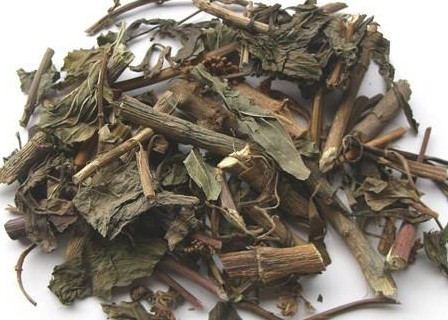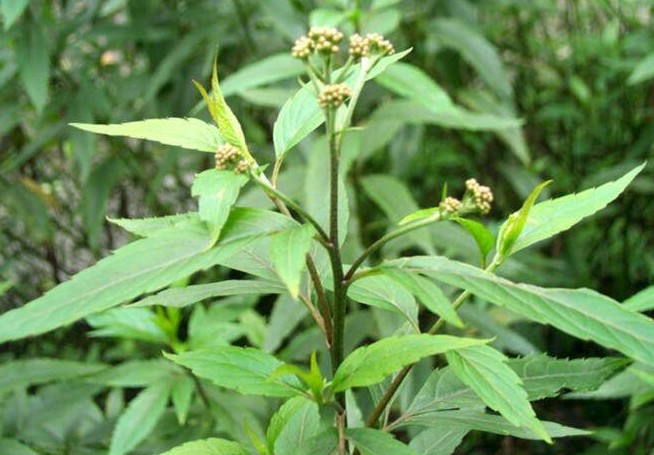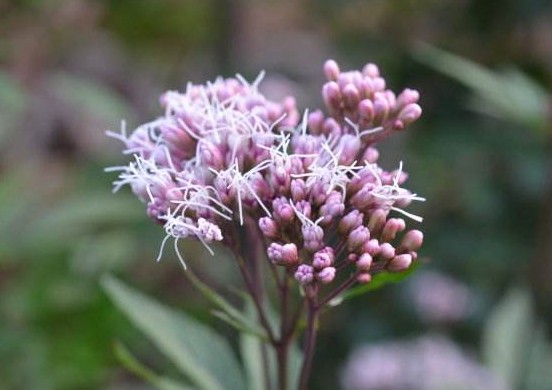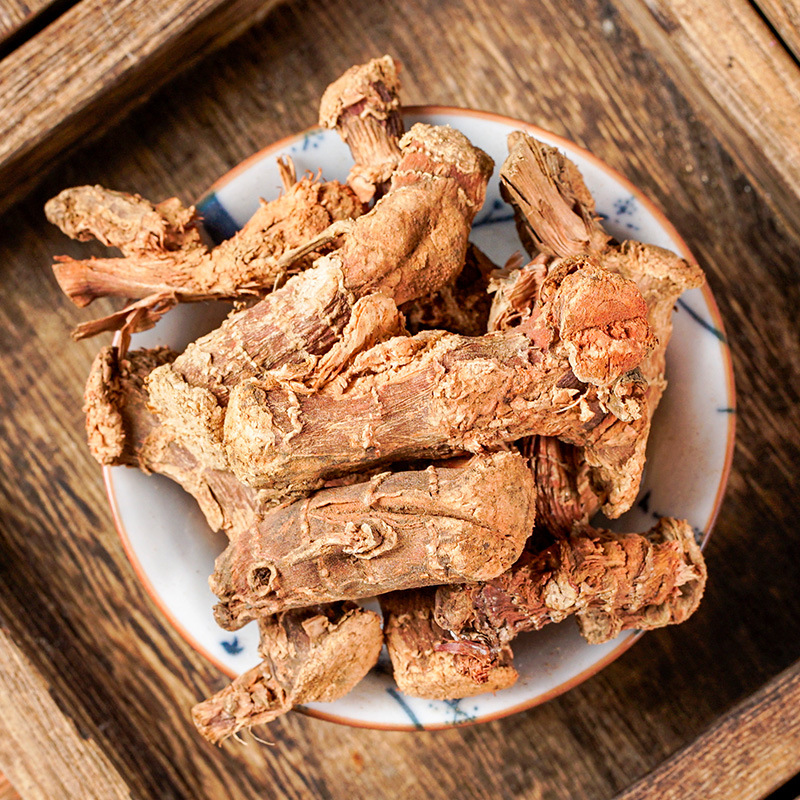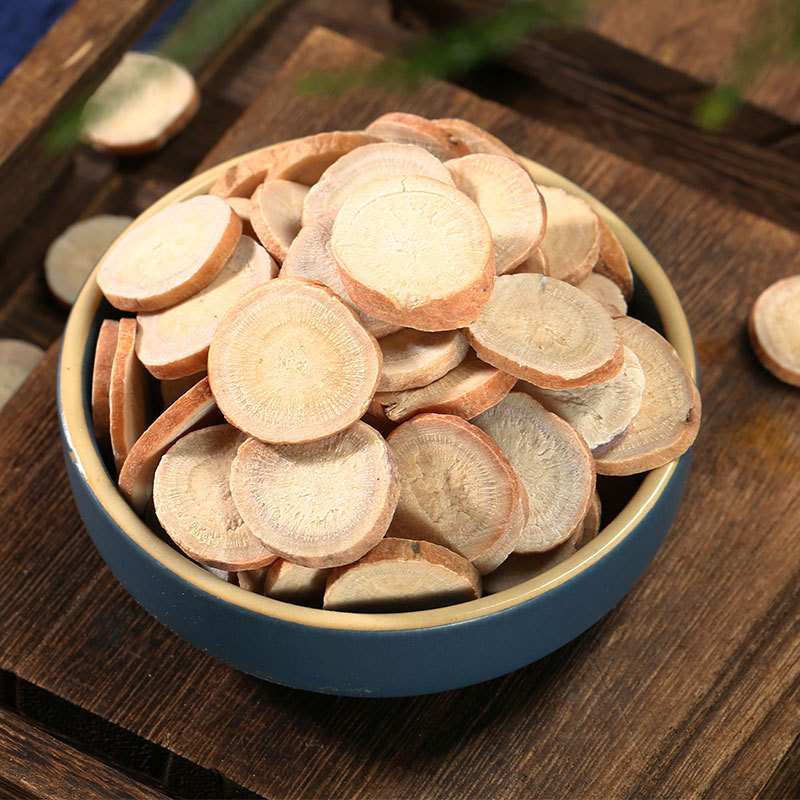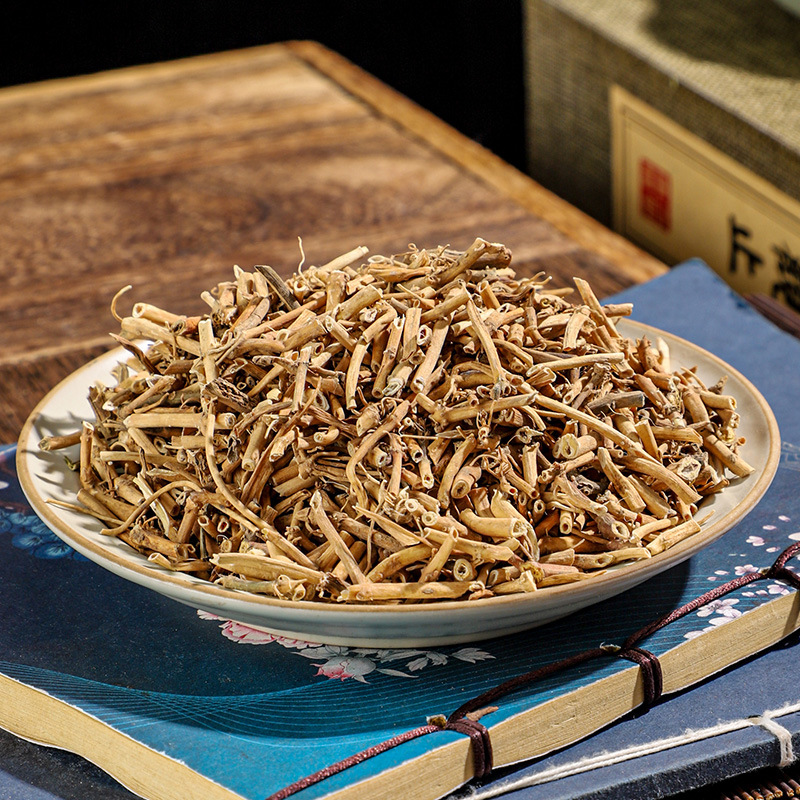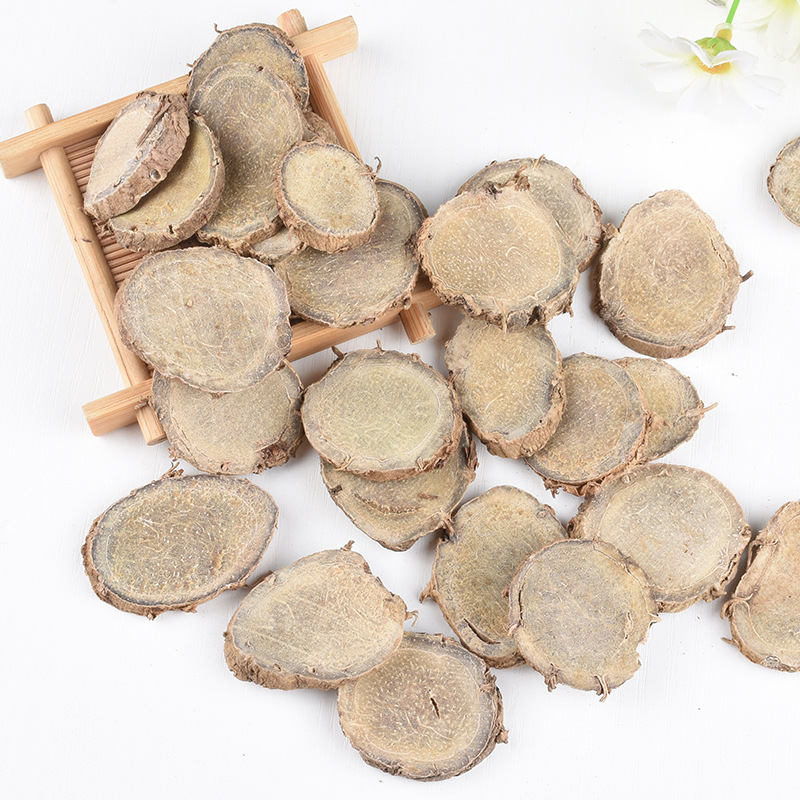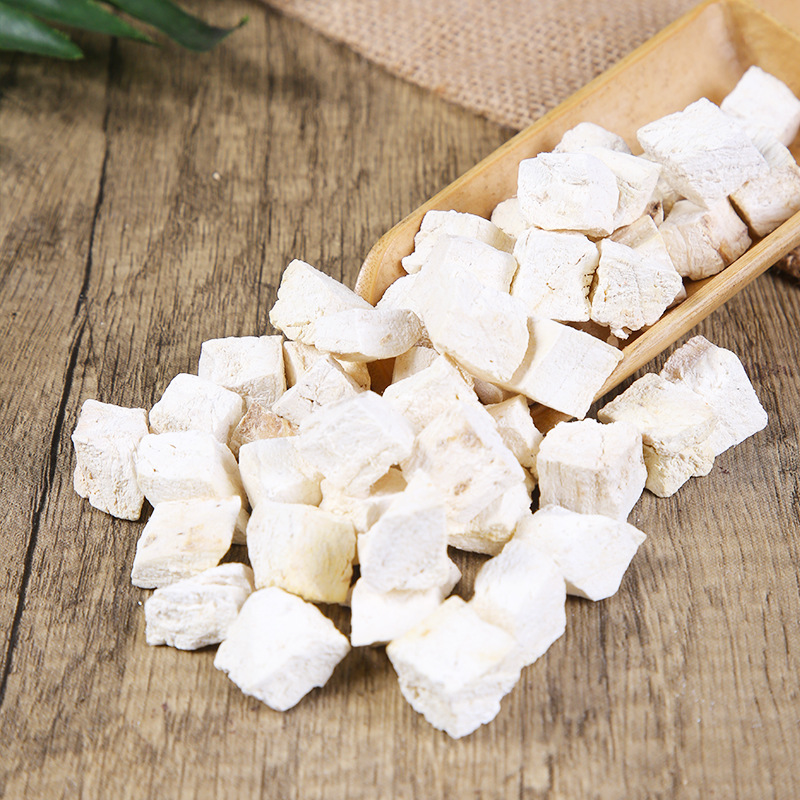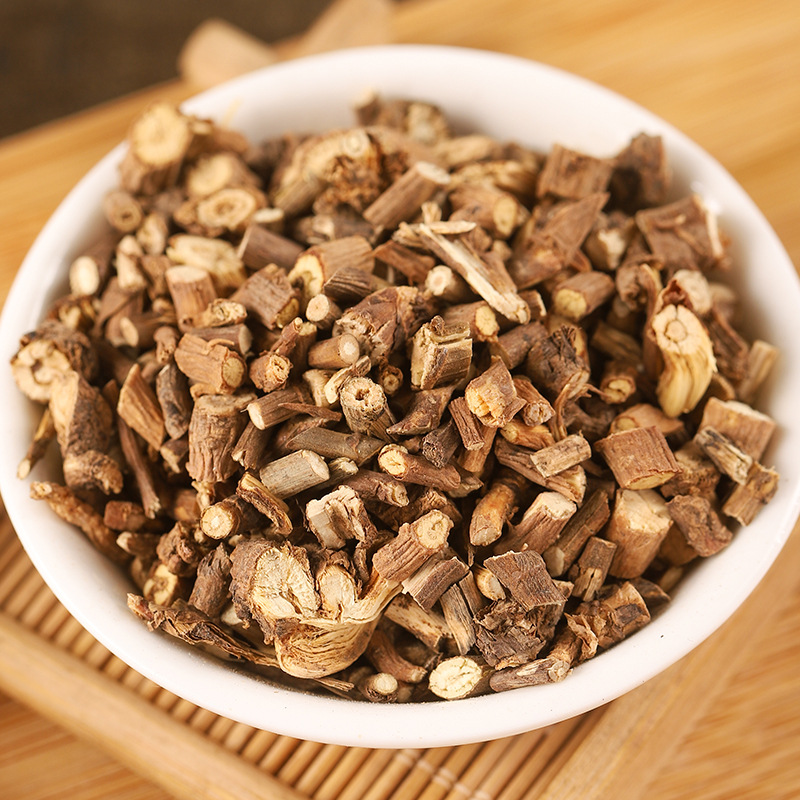
Eupatorium is also known asOrchidThe aerial part of the plant is from the Asteraceae family, known as Lan Cao. In the poem "Li Sao," it is written, "I thread autumn orchids to wear as adornment." In ancient times, women often wore the flowers of this plant on their chests for their fragrant aroma, hence the name. It is produced in Jiangsu, Zhejiang, Hebei, Shandong, and other regions. The first harvest is in summer, and the second harvest is in autumn. After removing weeds, it is tied into small bundles, cut into sections, and dried in the sun. It is commonly used fresh or dried.
I. Efficacy of Eupatorium:
Eupatorium has a pungent taste and is neutral in nature. It belongs to the spleen and stomach meridians. Its effects includeAromatic dampness resolving, spleen awakening and appetite promoting, exterior releasing and summerheat relievingIts characteristics include dispelling dampness and stopping vomiting, with effects similar to patchouli.
Commonly used inDampness and turbidity obstructing the middle jiao, epigastric fullness with nausea and vomiting, sweet and greasy sensation in the mouth, halitosis, excessive salivation, fever with fatigue, chest tightness and discomforttreatment of conditions such as
Summary of Famous Works by Renowned Authors:
Plain Questions: "When body fluid is retained in the spleen, it causes a sweet taste in the mouth. This is due to the consumption of rich and fatty food. The qi overflows upward and transforms into diabetes. It can be treated with lan (Eupatorium) to remove the stagnant qi."
"Compendium of Materia Medica": "The lungs govern qi. When lung qi becomes stagnant, the upper orifices become blocked and the lower orifices become obstructed. The stomach governs the intake of water and grains. When stomach qi becomes stagnant, water and grains are not transformed in a timely manner, leading to phlegm accumulation. Lan Cao (orchid grass), with its pungent and neutral properties, can disperse stagnation and accumulation. Its fragrant nature can eliminate foulness and impurities, thereby naturally treating the aforementioned symptoms. It is largely regarded as a sacred medicine for opening the stomach, removing impurities, clearing the lungs, dissolving phlegm, and dispersing stagnation."
II. Compatibility and Application of Eupatorium:
1. For dampness obstructing the middle jiao syndrome. Eupatorium has a fragrant aroma and functions to resolve dampness and harmonize the middle jiao. For treating various syndromes of dampness obstructing the spleen and stomach, it is often used in combination with patchouli, and also frequently paired with atractylodes, magnolia bark, and white cardamom.
Eupatorium can transform dampness stagnation in the spleen and stomach. Its nature is neutral and not warm or drying. It is particularly suitable for those with damp-heat in the spleen meridian, sweet and greasy taste in the mouth, excessive salivation, and foul breath.
2. For external contraction of summer dampness or early-stage damp-warm disease, Eupatorium can transform dampness and resolve summerheat. To treat various summer dampness syndromes, it is often combined with Agastache rugosa, lotus leaf, Artemisia annua, dried tangerine peel, and other herbs. For early-stage damp-warm disease, it is often combined with talc, coix seed, Agastache rugosa, Scutellaria baicalensis, Coptis chinensis, and other herbs.
III. Usage and Dosage of Eupatorium:
Eupatorium is often used in decoctions, and can also be made into pills or powders. For decoctions, a common dosage is around ten grams; fresh herb dosage should be doubled. It should not be decocted for a long time.
IV. Application Notes for Eupatorium
Eupatorium is aromatic and transforms dampness, but excessive consumption can easily damage yin, thereforeYin deficiency with blood dryness, use with caution in cases of qi deficiency。