If you were asked to pay attention to your bowel movements every day, you might find it unbelievable. However, for health, this is a very meaningful matter. Bowel movements are like a "report card" for our physical health, with all the good and bad written inside. We not only need to pay attention to it but also learn to understand it. Today, we will discuss one of the many issues related to bowel movements: constipation.
I. The Formation Mechanism of Constipation
Everyone knows that constipation is a problem of dry or hard stools, but what causes dry and hard stools, and where does the normal propulsion and moisture needed for bowel movements go
In clinical practice of traditional Chinese medicine, constipation is typically classified into the following types: gastrointestinal heat accumulation type, qi stagnation type, qi deficiency type, blood deficiency type, yin deficiency type, and yang deficiency type. This classification method appears somewhat complex, mainly because different patterns require different prescriptions, which can be cumbersome. Below, we simplify the complexity by integrating the aspects of "water" and "qi" to explain the pathogenesis of constipation, facilitating clinical treatment.
01 The Impact of Water on Bowel Movements
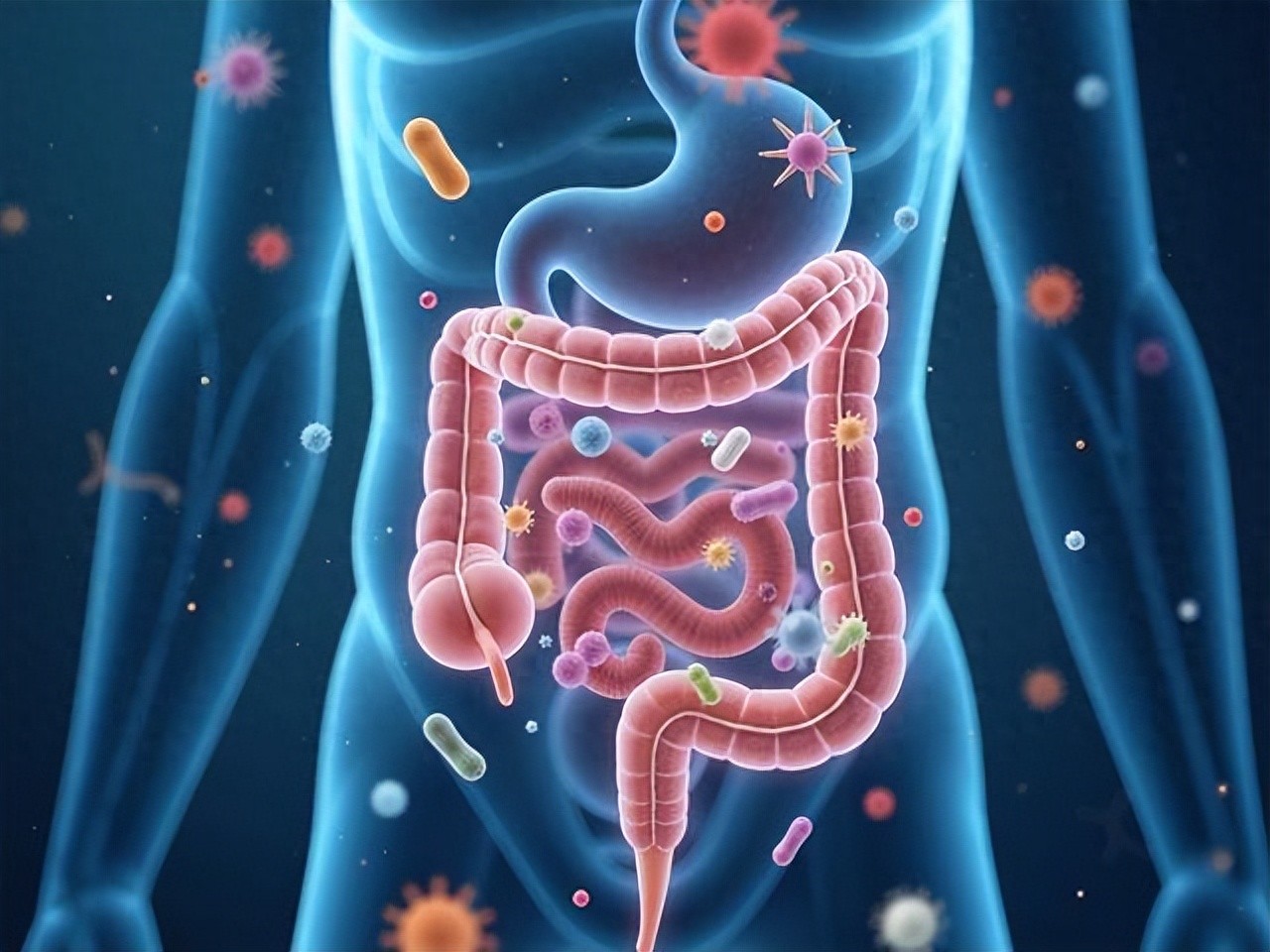
This "water" does not refer to the water we drink daily, but rather to the "body fluids" formed through the internal processes of qi transformation and biochemical changes. It is a general term for all normal fluids in the human body, including saliva, gastric juice, intestinal fluid, and interstitial fluids. The intestines are like a field. Under normal conditions, this "field" is covered with folds and villi, inhabited by tens of thousands of various intestinal flora. The influence of these flora on the body's metabolism and health is constantly relevant. When the intestinal fluids are sufficient, the intestinal flora are adequately moistened and nourished, allowing them to fully perform their functions. They decompose food residues in the intestines, absorb excess water from them, and form feces with a certain shape and texture for excretion. If the body fluids are insufficient, the intestines become "dry" due to lack of water, leading to dry stools and constipation.
02 The Influence of Qi on Stool
If "water" is the lubricant for stool in the intestines, then "qi" is the propellant for stool in the intestines. The lungs and the large intestine are interior-exteriorly related, and this qi refers to the descending qi of the lungs.
lung qi descending promotes large intestine transmission
The lungs govern qi and control respiration. Their descending function can direct the flow of qi downward to the large intestine. When lung qi descends clearly and smoothly, it drives the qi of the large intestine to descend as well, promoting the transmission and excretion of waste by the large intestine, thereby ensuring smooth bowel movements. If lung qi descends normally, the large intestine's transmission function is also maintained, allowing feces to be expelled smoothly from the body. Conversely, if lung qi fails to descend or its descending force weakens, the large intestine's ability to transmit and expel feces also declines, leading to the retention of feces in the body. Over time, the feces become dry and hard.
Based on the above reasons, "insufficient body fluids" is the direct cause of dry stool, while "qi deficiency" is the main factor for constipation. In clinical practice, these two conditions often coexist.
II. Treatment
Replenishing fluids and tonifying qi, a relatively representative Chinese patent medicine: Maren Zipi Pills
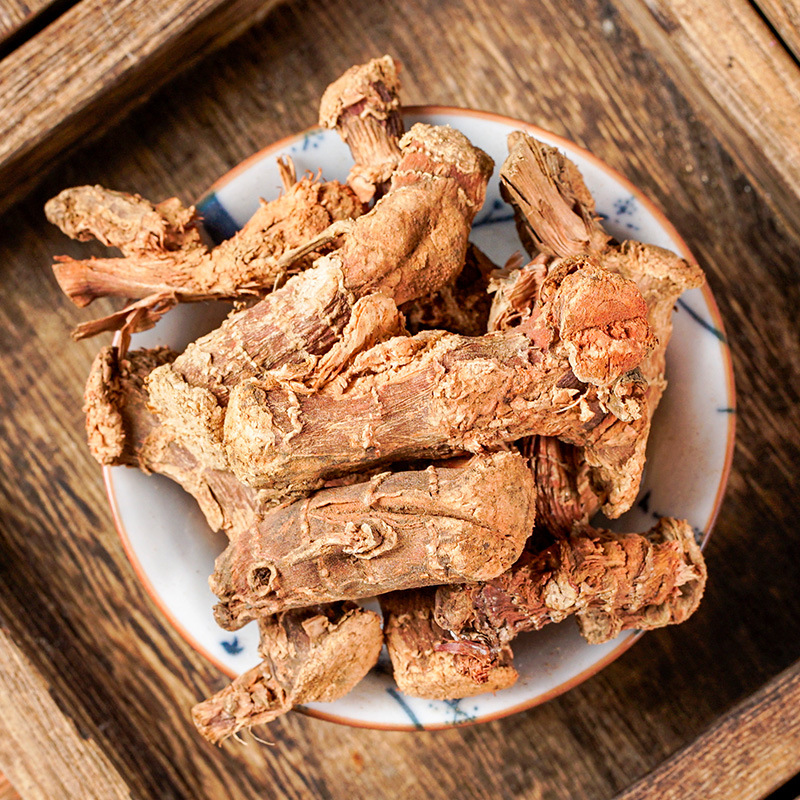
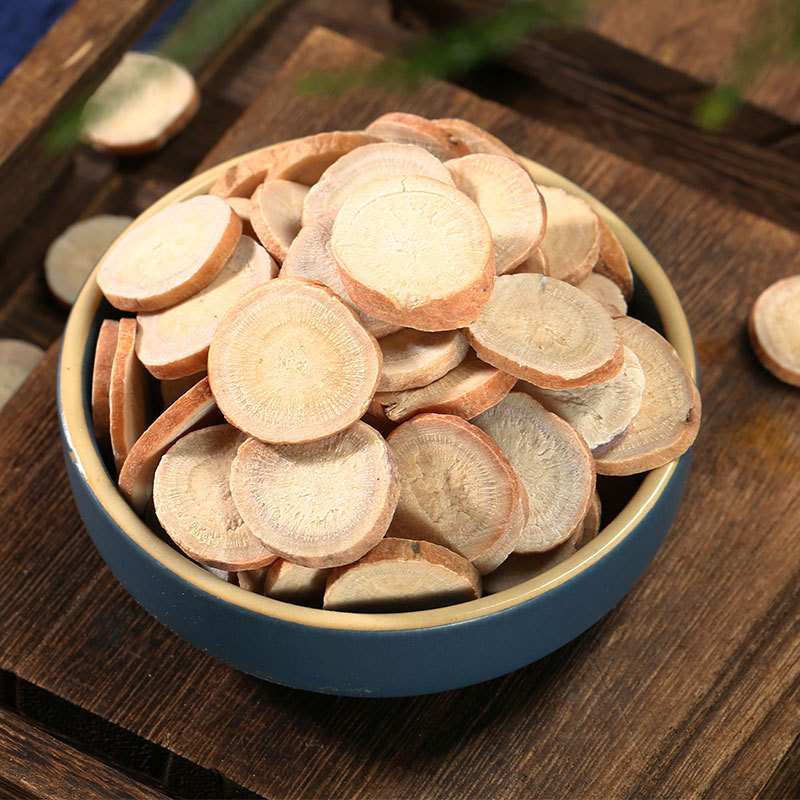
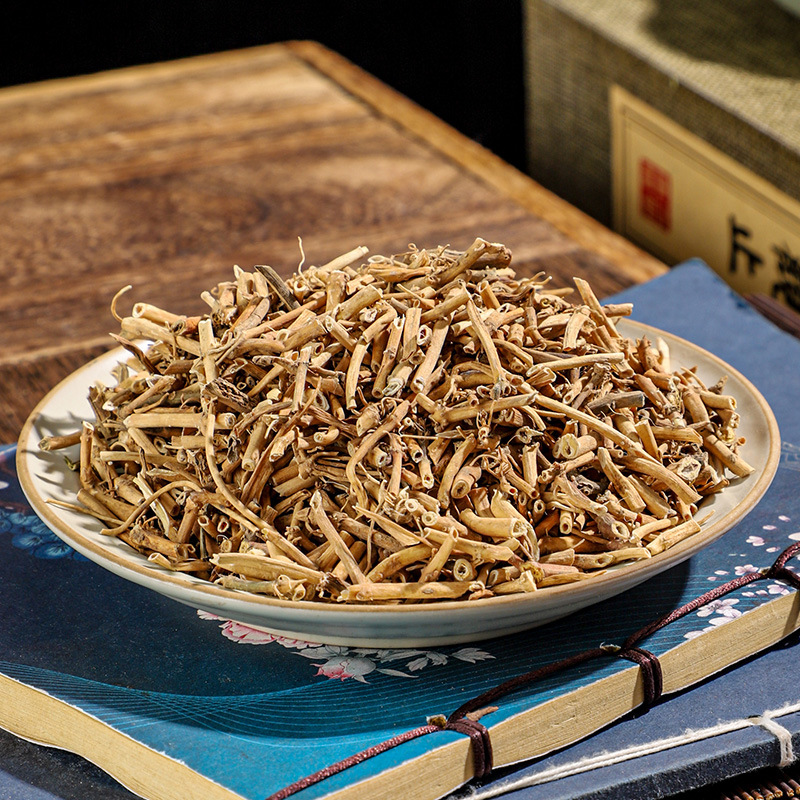
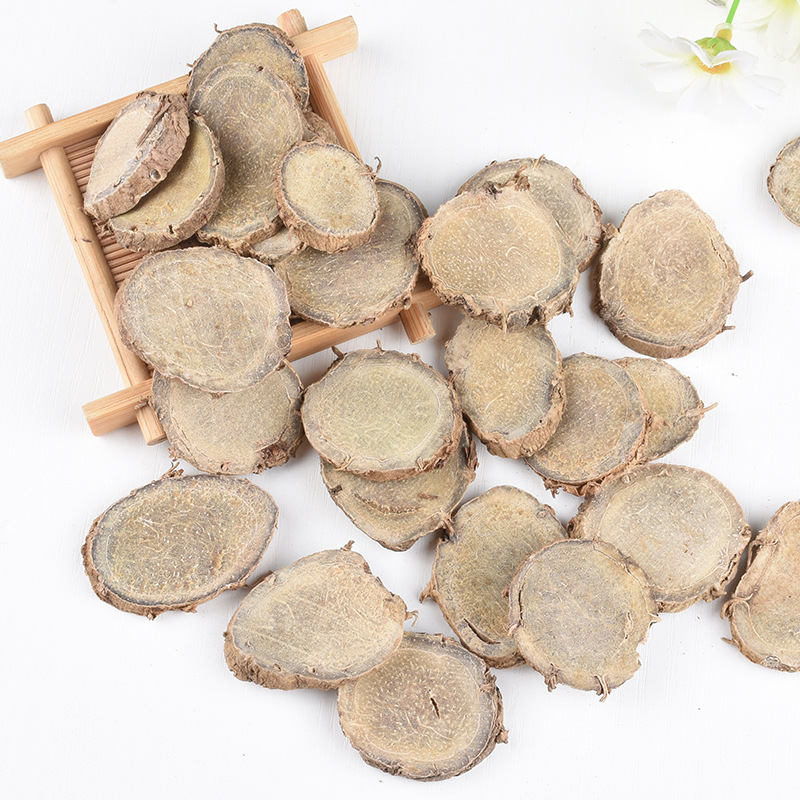
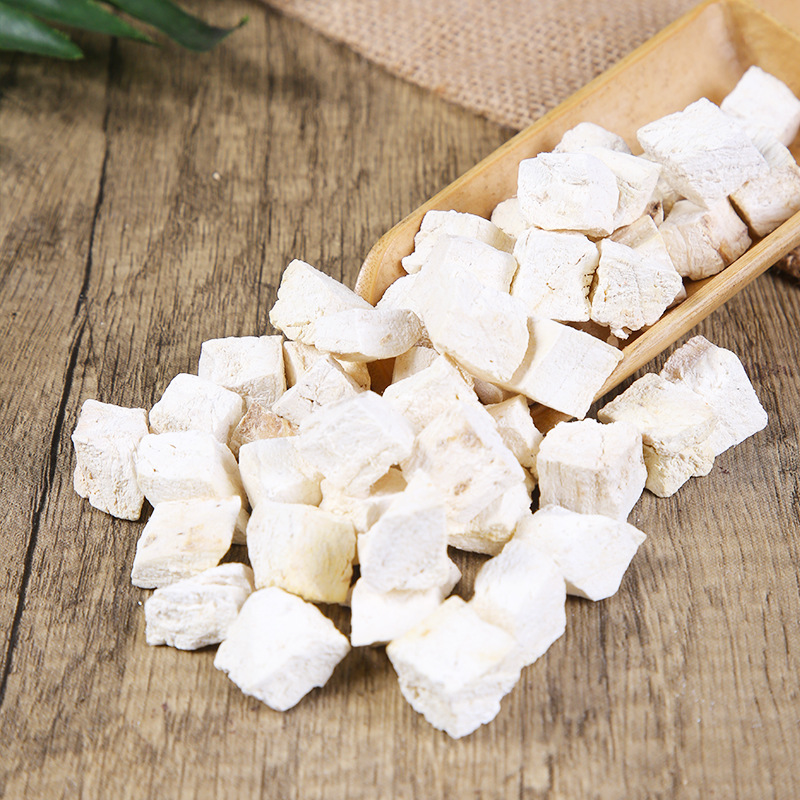
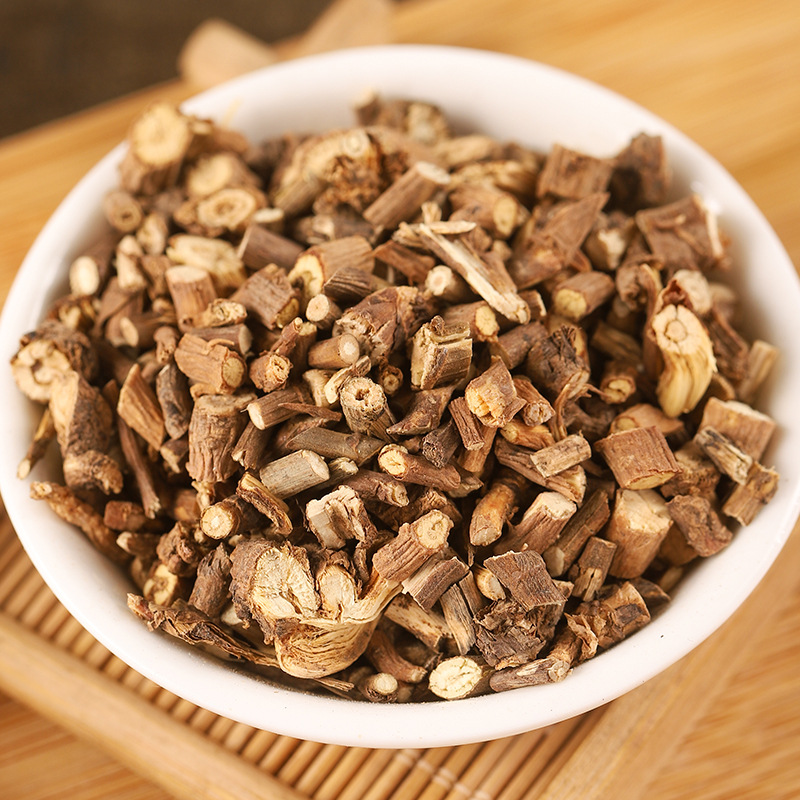
Composition:Rhubarb (processed), Hemp Seed, Chinese Angelica, Ginger Magnolia Bark, Stir-fried Bitter Apricot Kernel, Wheat Bran Immature Bitter Orange, Bush Cherry Seed, White Peony Root.
Fang Jie
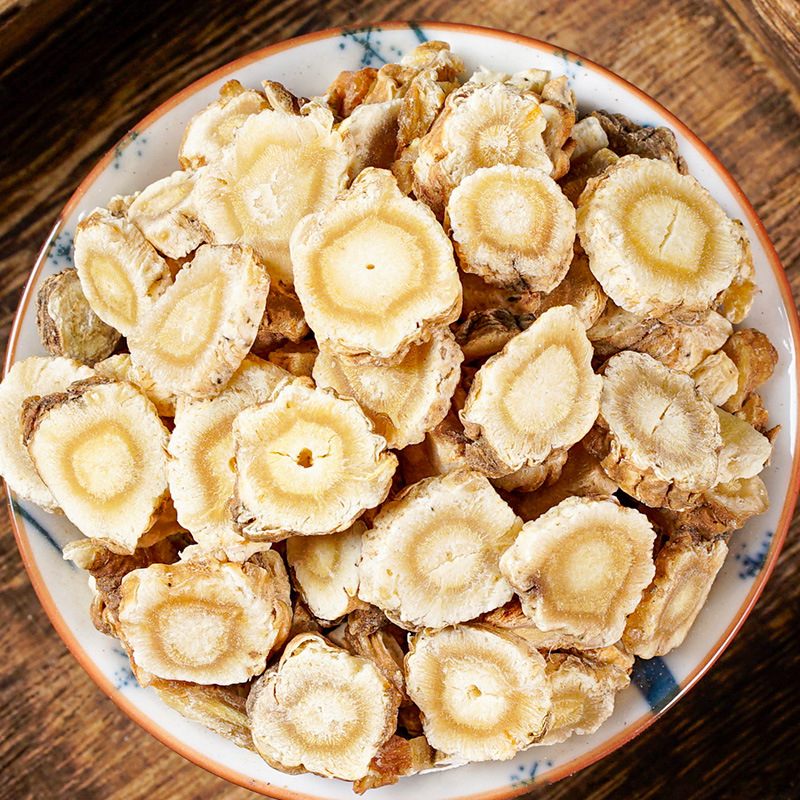
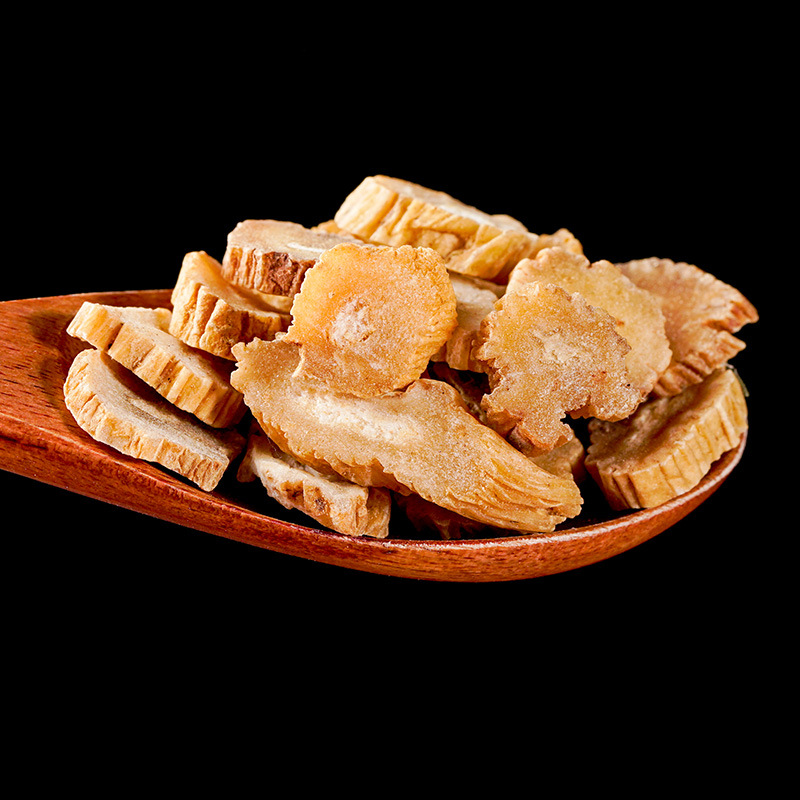
Increase fluid to moisten the intestinesDang Gui, Bai Shao. Constipation is due to a lack of body fluids in the body, leading to dry stools. Body fluids, essence, and blood are the same substance and can transform into each other within the body. For fluid deficiency, the fastest way to replenish is to directly nourish the blood. The liver stores blood and serves as the blood reservoir. There is no method faster than directly adding blood to the blood reservoir. Once the blood is replenished, it can be distributed through the mechanism of mutual transformation between fluids and blood, directing it wherever it is needed. For quickly nourishing liver blood, Dang Gui paired with Bai Shao is an effective combination. Dang Gui is a sacred medicine for nourishing blood, while Bai Shao soothes the liver and astringes yin. Together, they form the main ingredients of the blood-nourishing Si Wu Tang, which increases fluids by nourishing liver blood.
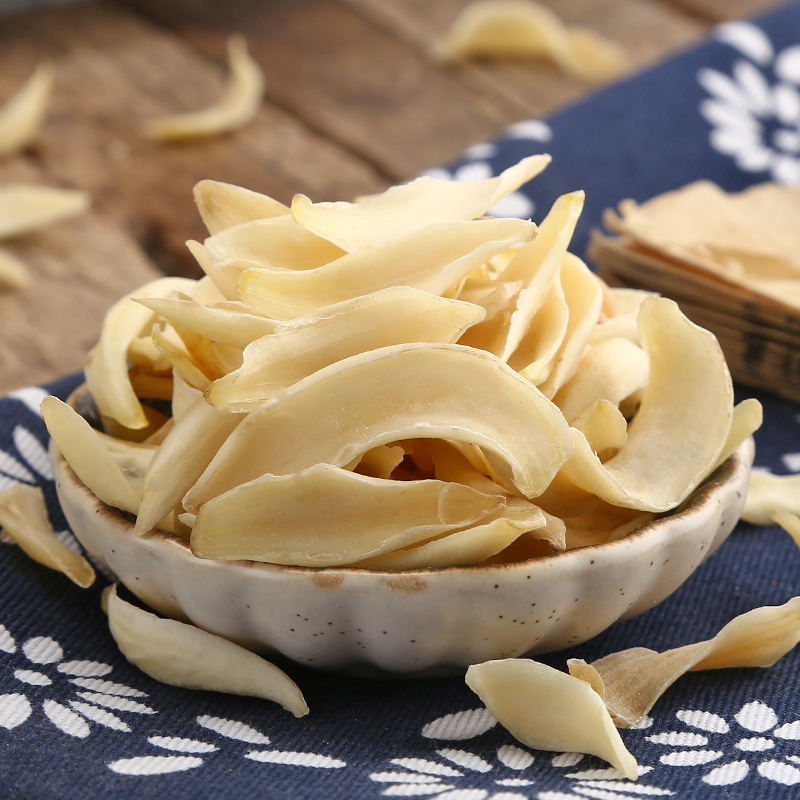
Nourishing Yin to Moisten the LowerHemp Seed, Stir-fried Bitter Apricot Kernel, and Bush Cherry Seed. All seeds are moistening. Hemp seed moistens the intestines and drains heat, moves qi and unblocks the bowels. When combined with rhubarb, immature bitter orange, and magnolia bark, it nourishes the spleen and moistens the intestines, drains heat and guides stagnation, forming a formula that combines attacking and moistening. This allows the fu-qi to flow smoothly, ensures sufficient fluids, and does not harm the body's vital energy when purging. Bitter apricot kernel, with its bitter flavor, descends, enhances the lung's descending function, nourishes the qi of the large intestine, and also moistens the dryness of the large intestine, making it suitable for constipation due to intestinal dryness. Bush cherry seed, sweet and moistening, can moisten the intestines and unblock the bowels; slightly bitter, it can descend; and with a hint of pungency, which travels to the lung and large intestine, it can disperse stagnation of qi in the lung and intestines, promoting the smooth flow of qi.
Relieving distension to promote bowel movementMagnolia officinalis, Immature Bitter Orange. These two herbs broaden the middle, relieve distension, and eliminate stagnation. This momentum, from top to bottom, from the lungs to the intestines, aims to sweep away all obstructions. This force is the driving power for intestinal stool. Rhubarb is bitter and cold, purging and promoting bowel movements. If Magnolia officinalis and Immature Bitter Orange are the pushing force, then Rhubarb is the pulling force, as if forcibly dragging dry stool out, no matter what.
Looking at the overall picture, the entire formula forms a perfect combination. Angelica sinensis and white peony root increase fluid in the large intestine, the three kernels moisten the intestines, magnolia bark and immature bitter orange promote the descending qi of the lungs and large intestine, and rhubarb purges downward. This creates a qi dynamic of "tonifying, moistening, pushing, and pulling," aligning with the physiology of the large intestine and the pathogenesis of constipation treatment.
III. Conclusion
Intestinal health is like a field that requires the right "temperature" and "humidity"; excessive heat or insufficient water can affect the harvest. Understanding the relationship between "water" and "qi" in traditional Chinese medicine and constipation helps us address this common issue more easily, rather than resorting to a simple and aggressive "purgative" approach. However, if special groups such as pregnant women are affected, or if constipation is caused by other diseases and accompanied by symptoms like severe abdominal pain, bloody stools, or sudden weight loss, it is important to seek medical attention promptly to rule out other organ pathologies.