acid reflux, belchingIt is a common symptom of digestive tract problems, mild cases accompanied by gastric distension, severe cases accompanied by a burning sensation behind the sternum, with sharp pain; or a sensation of a foreign body in the throat, with incessant phlegm, or throat itching, recurrent coughing, even asthma. These common clinical issues, though not serious illnesses, are not necessarily easy to manage. Some people undergo repeated treatments and seek medical advice from various sources without significant improvement.

The relationship between stomach qi and kidney qi
In the theoretical system of traditional Chinese medicine, the circulation of qi within the body forms a pattern of ascending on the left and descending on the right, with the right side descending:lung qi, stomach qi to kidney qiUnder normal conditions, the qi of the lungs and stomach descends and reaches the kidneys, where the kidneys absorb and store these two types of qi. This is known as compliance and represents a normal physiological state. If the qi fails to descend or the kidneys fail to absorb qi, it is considered a reversal, which may lead to the aforementioned pathological conditions. Therefore, in treating conditions such as acid reflux and belching in stomach disorders or chronic asthma in lung disorders, methods that enhance the kidneys' ability to absorb qi are used to restore the normal circulation of qi, thereby naturally improving the condition.
The mechanism of kidney qi absorption
In traditional Chinese medicine theory,Kidney governs reception of qiIt refers to the process by which the kidneys absorb, store, and seal the fundamental qi of human life. The "qi" here is not the air we breathe, but broadly refers to the "clear qi" produced within the body, which includes stomach qi and lung qi.
In Peng Ziyi's "Ancient Chinese Medicine of Circular Movement," the circular movement of qi follows a cycle where the left side ascends and the right side descends. What ascends is yin, while what descends is yang, which is qi. In our body, the lungs and stomach are located on the right side, both possessing the function of descending, and their physiological characteristic is to descend smoothly. If there is stomach qi rebelling upward, impaired descent of lung qi, or insecurity of kidney qi, it can lead to qi rebelling upward and causing illness.
Common causes of qi counterflow
Stomach:
The common cause is the stomach being affected by cold. The stomach inherently prefers warmth and dislikes cold. When affected by cold, the cold causes contraction, leading to a decline in the stomach's descending function, resulting in abdominal distension. In severe cases, it may cause upward counterflow, manifesting symptoms such as acid reflux and belching.
Lung:
The normal lung has the functions of diffusion and purification. At the same time, the lung is a delicate organ and is easily affected by pathogenic factors. Therefore, whether it is affected by cold or heat pathogens, it can impact the lung's function, leading to restricted purification and causing symptoms such as coughing and throat itching due to the upward reversal of lung qi.
Kidney:
The kidney governs the reception of qi. The qi descending from the lung and stomach divides into two pathways: one enters the large intestine, forming waste that is expelled from the body. The other is received and stored by the kidney, forming primordial qi, which is reserved for further use by the body. If kidney qi fails to consolidate and the kidney does not accept the descending qi from the lung and stomach, the descending qi will return along its original path, leading to symptoms of lung qi ascending counterflow and stomach qi ascending counterflow.
This is the process of kidney qi absorption and the pathogenesis of reversed flow of lung qi and stomach qi Therefore treating stomach distension acid reflux and belching from the perspective of the kidney and strengthening the kidneys function of absorbing qi has a theoretical basis
treatment
Based on the theory of the kidney receiving qi, treating symptoms such as gastric distension, acid reflux, and belching should not focus solely on the spleen and stomach. Instead, it is essential to start by tonifying the kidney and receiving qi. Suzi Jiangqi Wan is a classic formula developed based on this approach.
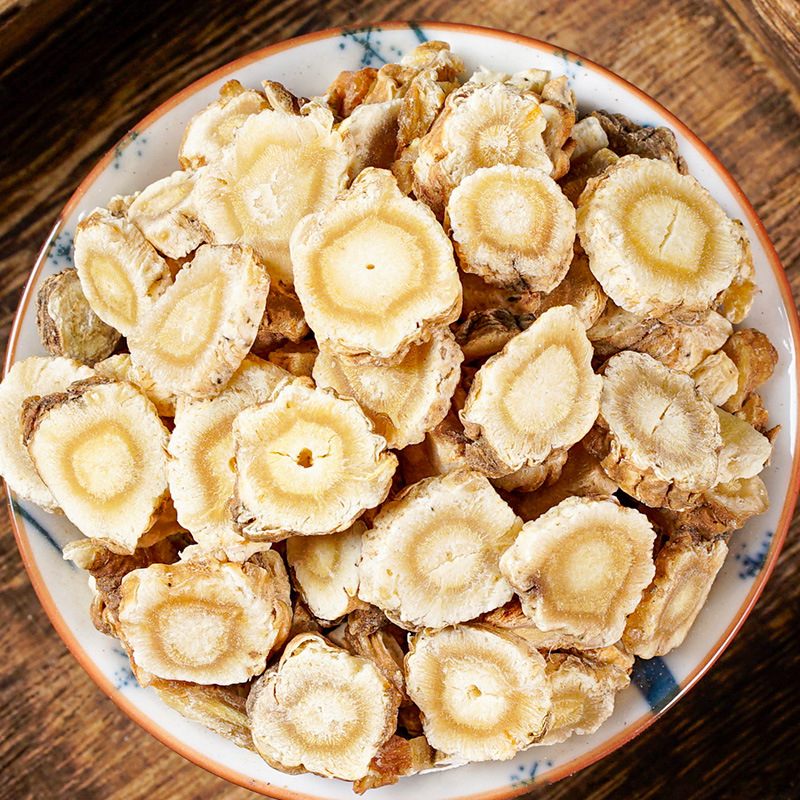
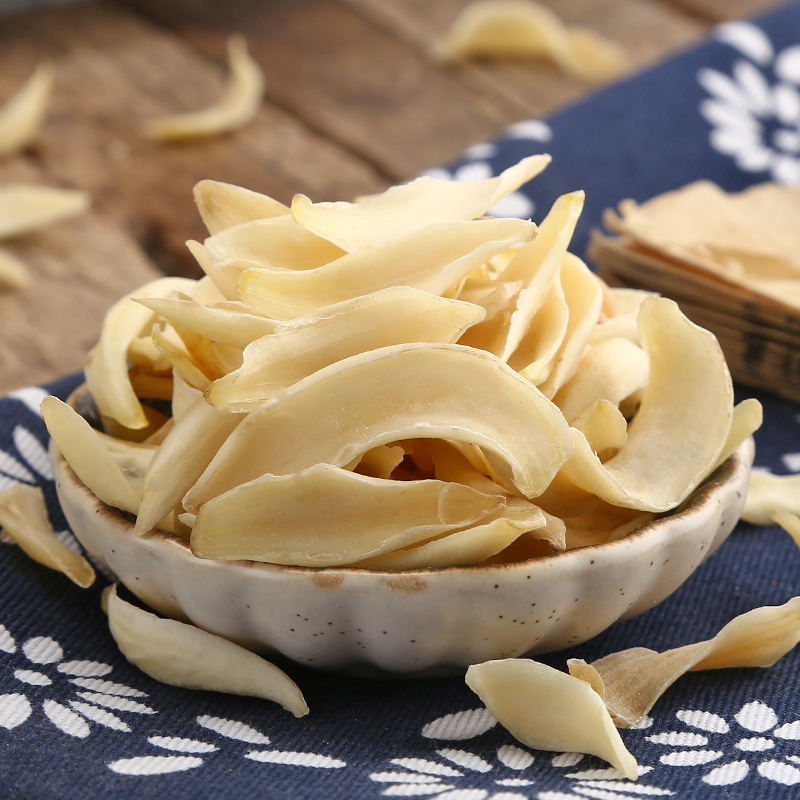
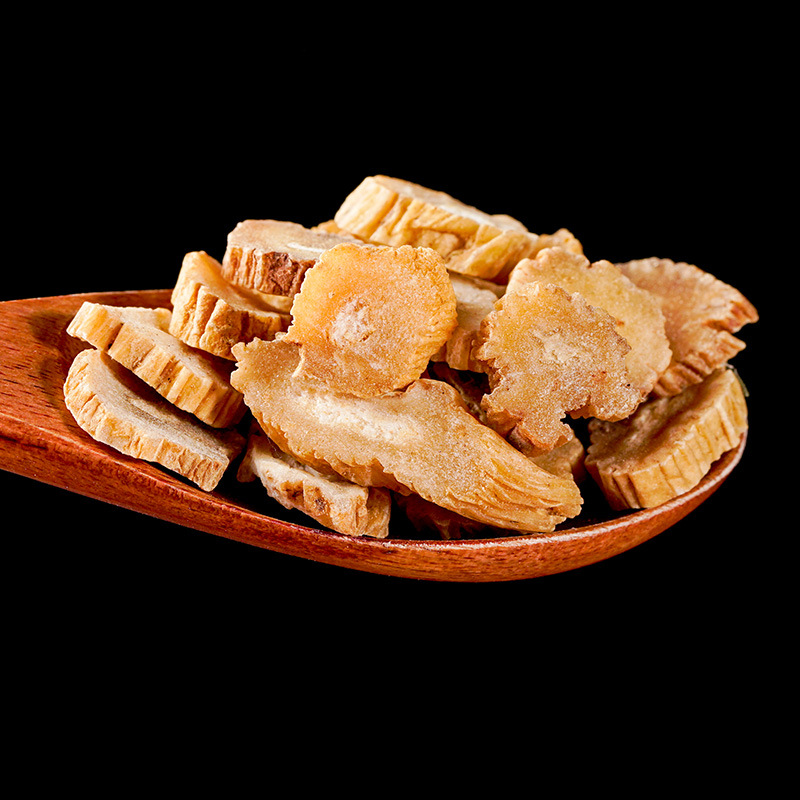
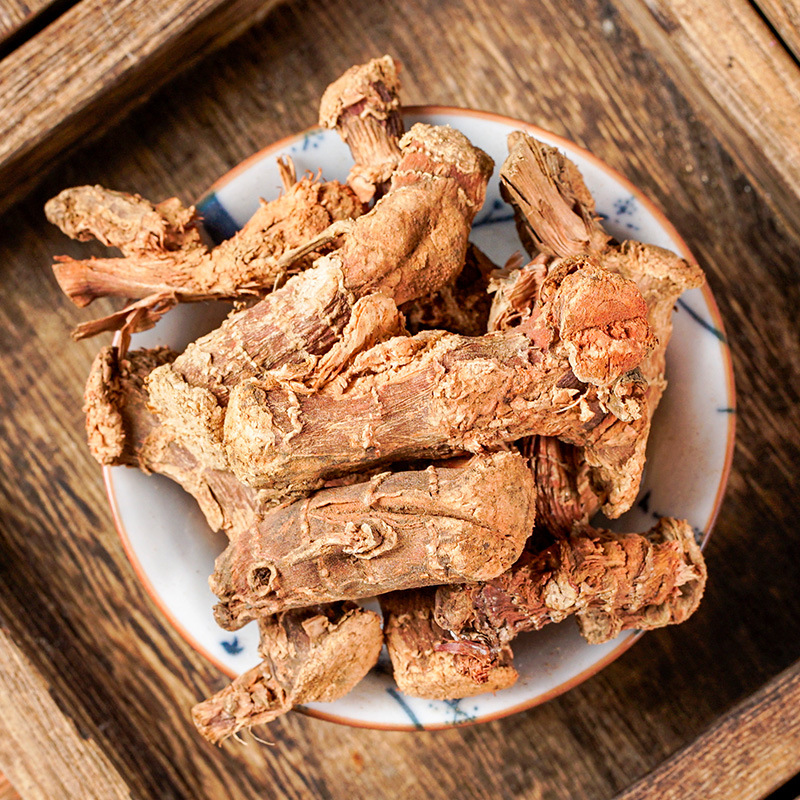
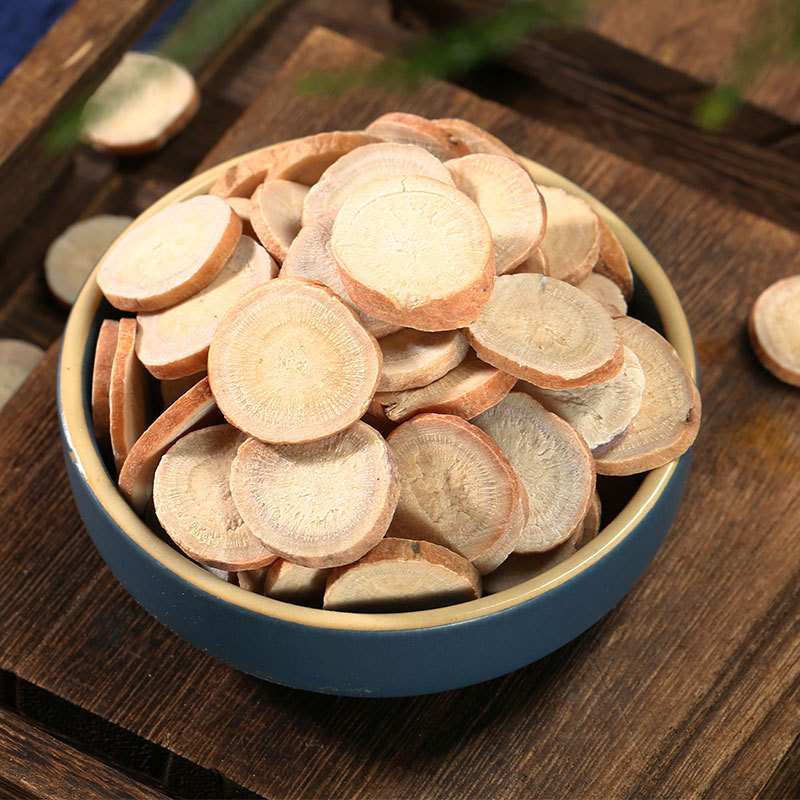
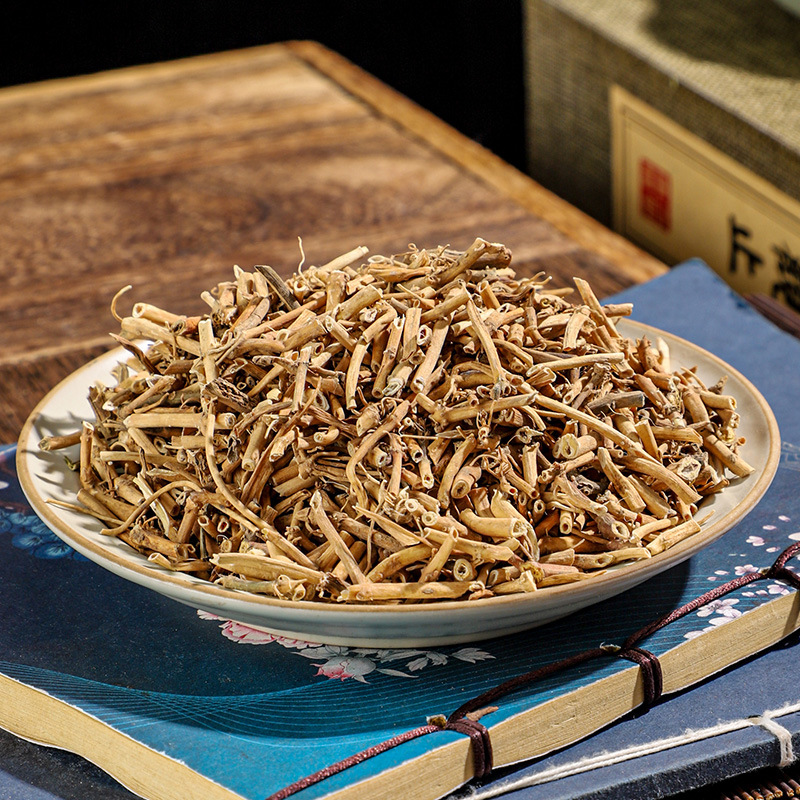
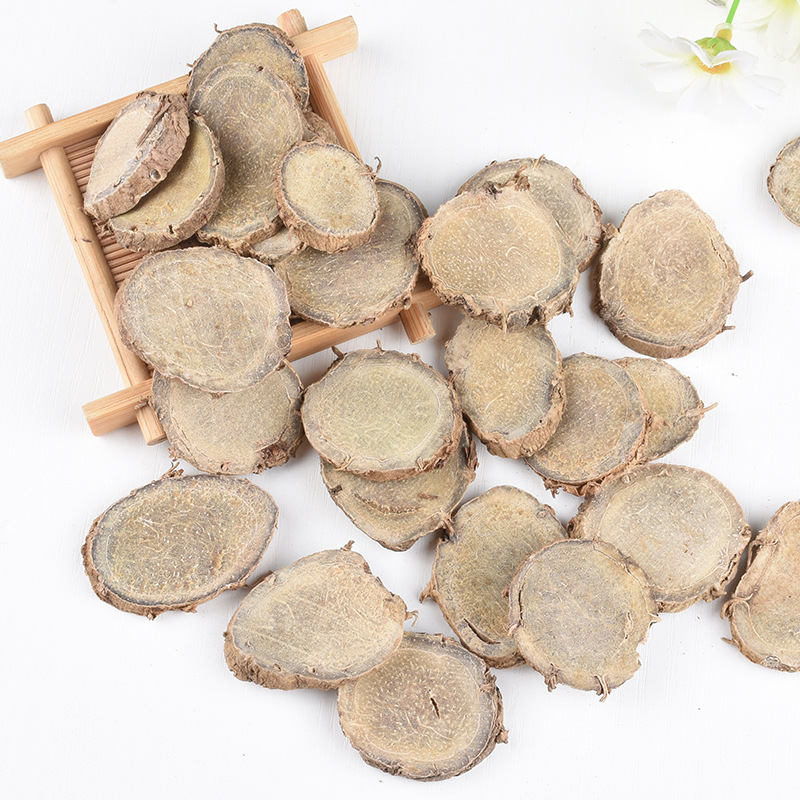
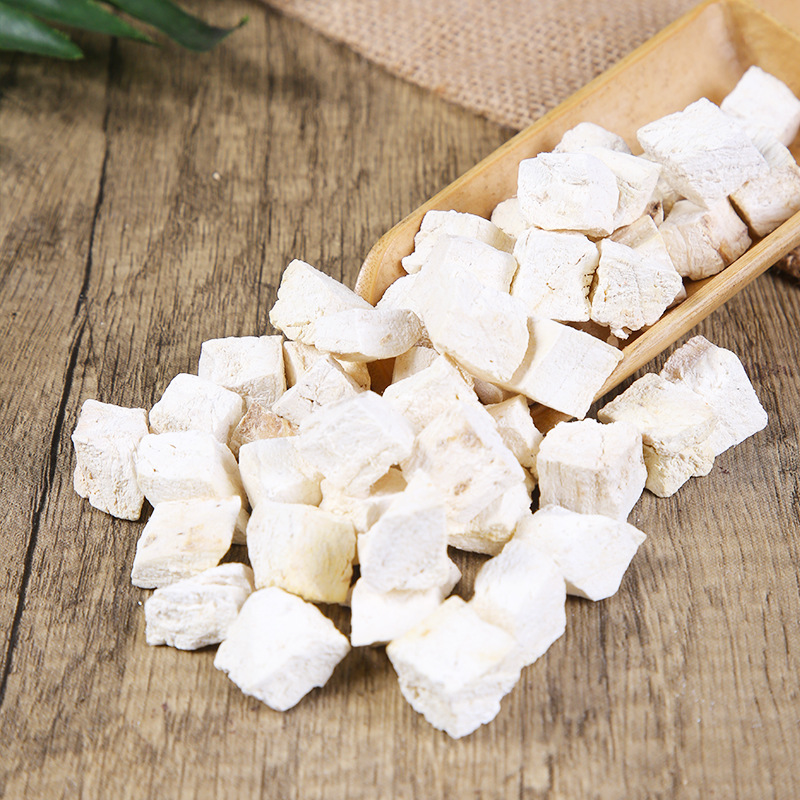
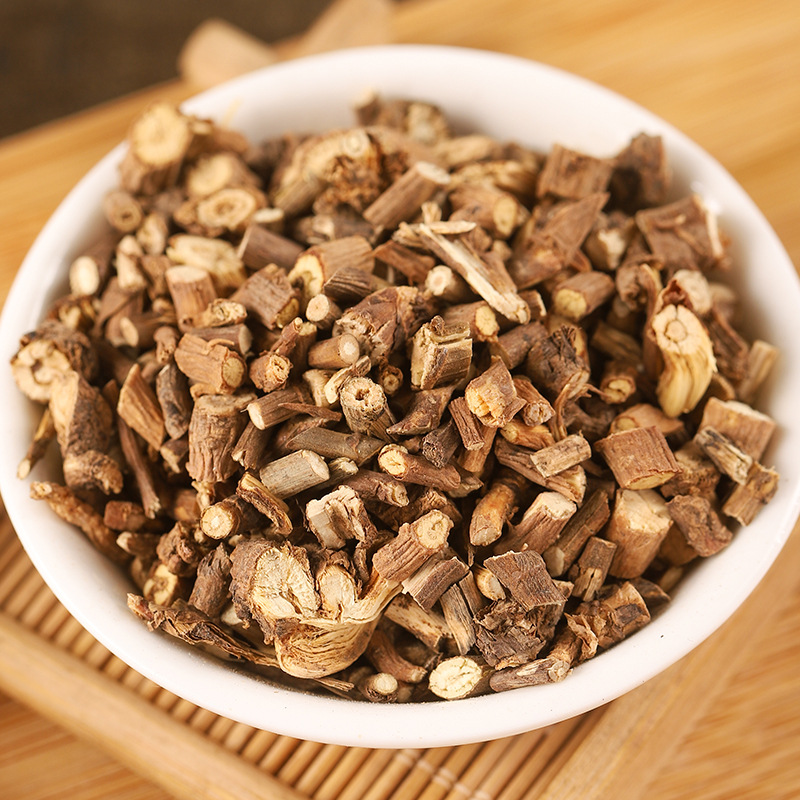
Suzi Jiangqi Wan:Stir-fried Perilla Seed, Magnolia Bark, Hogfennel Root, Licorice Root, Ginger-processed Pinellia Tuber, Dried Tangerine Peel, Chinese Eaglewood, Chinese Angelica, Fresh Ginger, Chinese Date
Fang Jie
Lowering Stomach Qi
Pinellia Rhizoma Praeparatum, Magnoliae Officinalis Cortex, Peucedani Radix. These three herbs, when used to treat upward rebellion of lung qi, can direct qi downward and resolve phlegm. When used to treat upward rebellion of stomach qi, they can direct qi downward and stop vomiting. Magnoliae Officinalis Cortex soothes the middle, akin to widening the road, while Pinellia Rhizoma Praeparatum and Peucedani Radix utilize their descending properties to open the stagnation of rebellious qi, relieve chest fullness and oppression, and effectively treat symptoms such as wheezing, vomiting, coughing, and restlessness.
Generating Stomach Qi
Dried Tangerine Peel, Ginger. One of the reasons for the failure of stomach qi to descend is the deficiency and weakness of stomach qi. Ginger, when ingested, can stimulate the production of stomach qi, warm the middle and stop vomiting. Dried Tangerine Peel promotes qi circulation and awakens the spleen, enhancing the transportation and transformation functions of the spleen and stomach.
Nourishing Stomach Qi
Licorice, Angelica, Jujube. Only emphasizing tonifying qi without focusing on nourishing yin can easily lead to an imbalance of yin and yang, causing a phenomenon of deficiency that cannot be tonified. The combination of these three herbs tonifies blood, activates blood circulation, strengthens the spleen and boosts qi, harmonizes yin and yang, achieving the effect of seeking yang within yin.
Nourishing Kidney Qi:
Stir-fried Perilla Seed, Agarwood. Through the actions of the aforementioned herbs, a healthy and robust "stomach qi" is generated. Then, Perilla Seed guides the qi downward, while Agarwood directs the qi back to its source, channeling the stomach qi into the kidneys. The combination of these two herbs allows the upward-reversing qi flow to return to its normal pathway.
Su Zi Jiang Qi Wan is commonly used in traditional Chinese medicine for treating symptoms such as chest tightness and cough caused by the upward rebellion of lung qi. However, based on the theory of the stomach's descending function and the kidney's ability to receive qi, as well as the mutual acceptance relationship between the two, this medicine is also highly effective in treating symptoms of upward rebellion of stomach qi, such as bloating, acid reflux, and belching.
Conclusion
The theory of "kidney receiving qi" in Traditional Chinese Medicine reveals the deep-seated causes of common symptoms such as gastric distension, acid reflux, belching, and heartburn in stomach diseases from another perspective, using the pathological and physiological mechanisms of stomach qi and kidney qi. If these issues are encountered clinically and conventional treatments for the spleen and stomach are ineffective, adopting the approach of "kidney receiving qi" may yield favorable results.