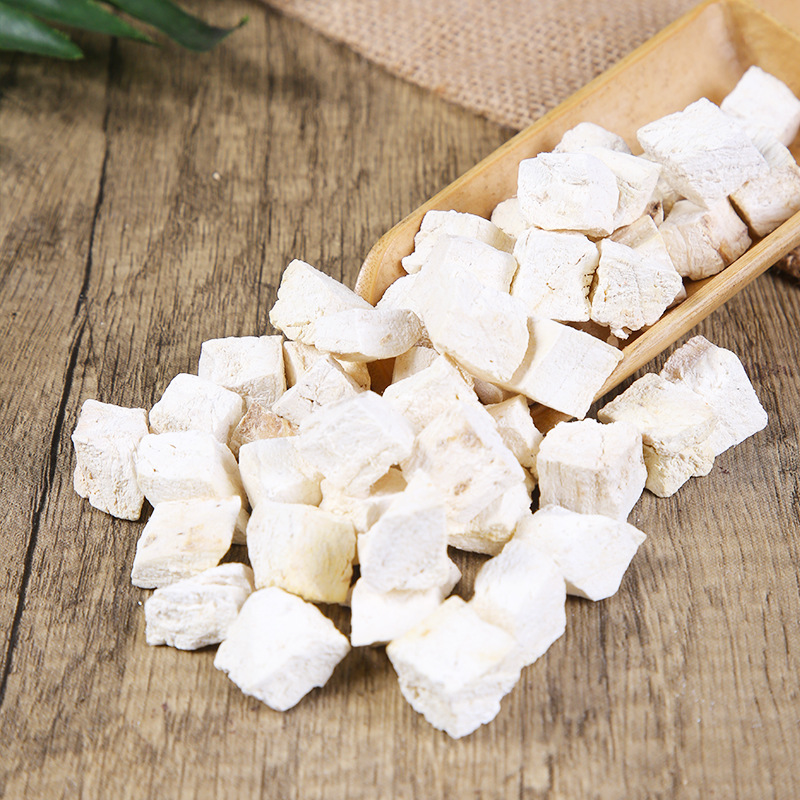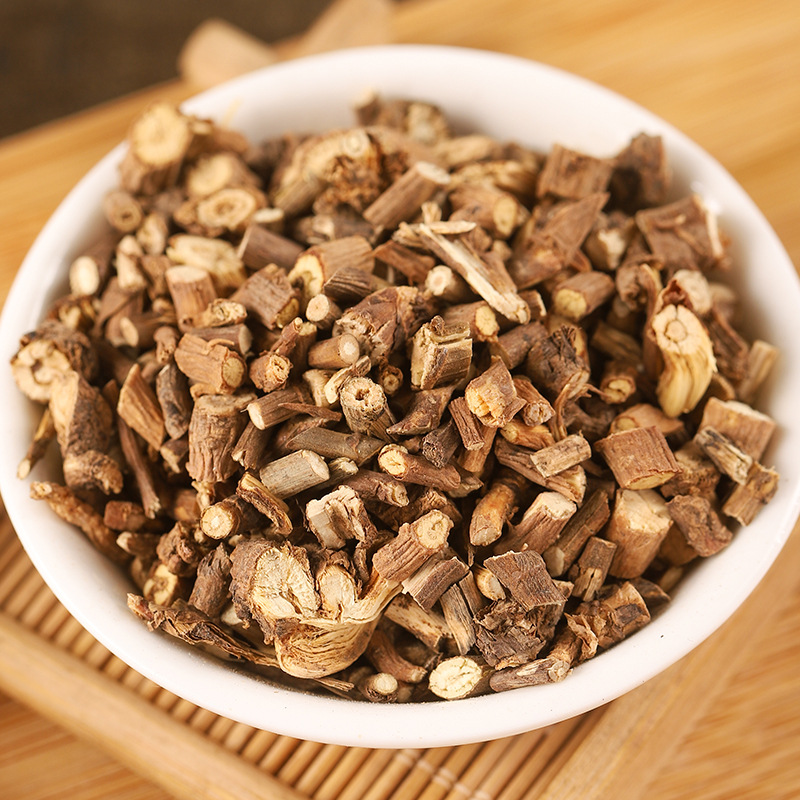
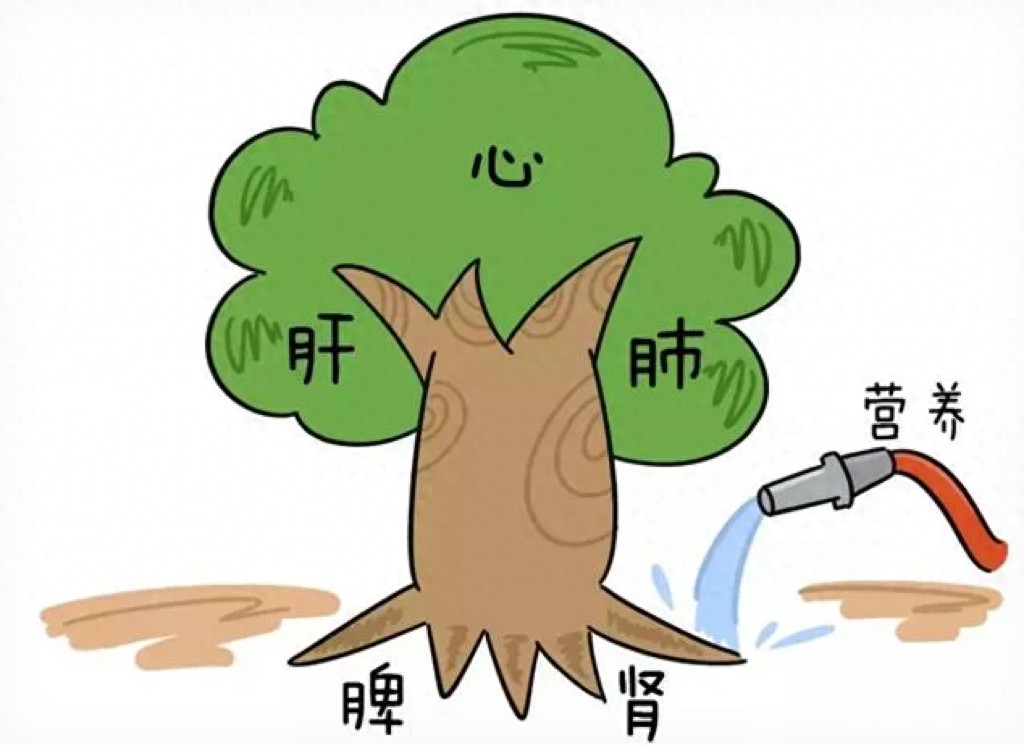
If the body is compared to a big tree, qi and blood are what nourish the entire treeNutrient SolutionInsufficient Qi and blood, the body, like a tree, will lose nourishment, manifesting a series of health issues such as withering and malnutrition.
If youpale complexionoften feelfatigue and shortness of breath, cold hands and feetorlistlessness, dizziness, palpitations, forgetfulness, drowsinessThe emergence of these symptoms indicates a severe deficiency of qi and blood.If left unattended, it will lead to serious consequences.
One, Qi and Blood, the Foundation of Life in the Body
In the system of traditional Chinese medicineQi is the commander of blood, and blood is the mother of qiQi governs warming and propelling, while blood governs nourishing and moistening. The two complement each other, permeating the entire body, and are closely related to the functions of the five organs, limb movements, mental states, and the vitality of facial complexion. They are the core substances that sustain human life activities. The realization of these functions entirely relies on the synergistic action of qi and blood, as discussed in the *Huangdi Neijing*:Blood and Qi are the spirit of a person and must be carefully nourished. When blood and Qi are abundant, the organs flourish; when blood and Qi decline, the organs deteriorate.This sentence succinctly summarizes the crucial impact of qi and blood on human bodily functions, akin to the body's "energy reservoir" and "nourishing agent," which nourish all organs and tissues.
Two, Six Major Signals of Qi and Blood Deficiency
1. Complexion and Spirit Malnourishment:
- The heart governs the blood vessels, and its radiance is reflected in the face. Qi and blood are the core elements that nourish the complexion and spirit. When qi and blood are insufficient, the complexion becomes pale or sallow, lacking luster, the spirit is listless, and fatigue sets in. Even slight activity can lead to breathlessness, a constant feeling of being drained, and difficulty concentrating.
2. Limbs and Temperature Malnourishment:
- Qi provides warmth, blood provides moisture, and both qi and blood can provide warmth and nourishment to the limbs. When qi and blood are insufficient, symptoms such as cold hands and feet, numbness in the limbs, and difficulty in flexion and extension are likely to occur, especially during autumn and winter. Some middle-aged and elderly friends often experience spontaneous limb soreness, aversion to cold, and worsening symptoms after activity, all of which are related to qi and blood deficiency.
3. Mental and Sleep Nourishment Deficiency:
- Blood nourishes the heart, and the heart houses the spirit. Only when qi and blood are sufficient can the mind be calm and peaceful. When qi and blood are insufficient, the spirit loses its foundation, leading to restless sleep at night, difficulty falling asleep, insomnia with frequent dreams, or being easily startled. Insufficient qi results in emotional instability, making a person prone to irritability, anxiety, or inexplicable melancholy and low mood.
4. Distal Malnourishment:
- Severe hair loss and brittle nails. Hair is the surplus of blood, and nails are the surplus of tendons. When qi and blood are deficient, as the "remote areas" nourished by qi and blood, hair and nails lose sufficient nourishment. As a result, hair becomes dry, frizzy, and falls out in large amounts. Nails may develop vertical lines, become uneven, turn brittle and prone to breaking, and even lose their luster.
5. Scanty Menstrual Flow and Irregular Menstrual Cycle in Women:
- Women are fundamentally rooted in qi and blood. Insufficiency of qi and blood often manifests as scanty menstrual flow, pale color, shortened menstrual periods, or even amenorrhea. In severe cases, it may lead to decreased estrogen levels, premature ovarian failure, and other symptoms, directly affecting endocrine and reproductive health.
6. Dizziness and Blurred Vision:
- Insufficient qi and blood fail to nourish the head and eyes, leading to decreased memory and slow reactions; inadequate blood and oxygen supply to the brain often causes dizziness and a heavy-headed feeling, especially when standing up suddenly, where symptoms may significantly worsen, even resulting in temporary vision loss.
III. Treatment
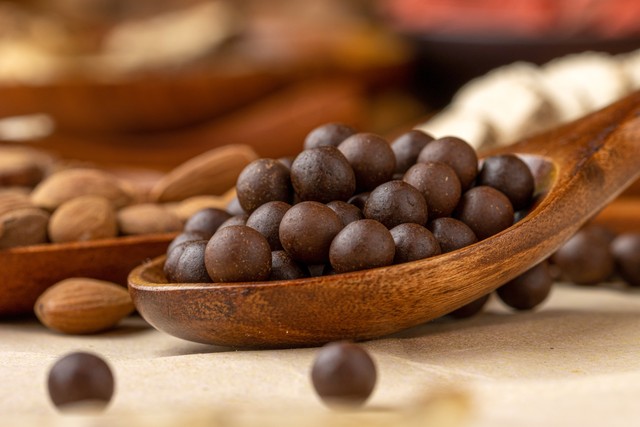
Selecting Chinese patent medicineGui Pi WanThis formula originates from the "Gui Pi Tang" in the classic medical text "Ji Sheng Fang" from the Song Dynasty. It was later optimized and adjusted into a pill form by subsequent physicians. It is a classic and renowned formula in traditional Chinese medicine for regulating qi and blood deficiency, strengthening the spleen, and nourishing the stomach. Having undergone centuries of clinical validation, its efficacy is well-established, and it remains widely used in clinical practice to this day.
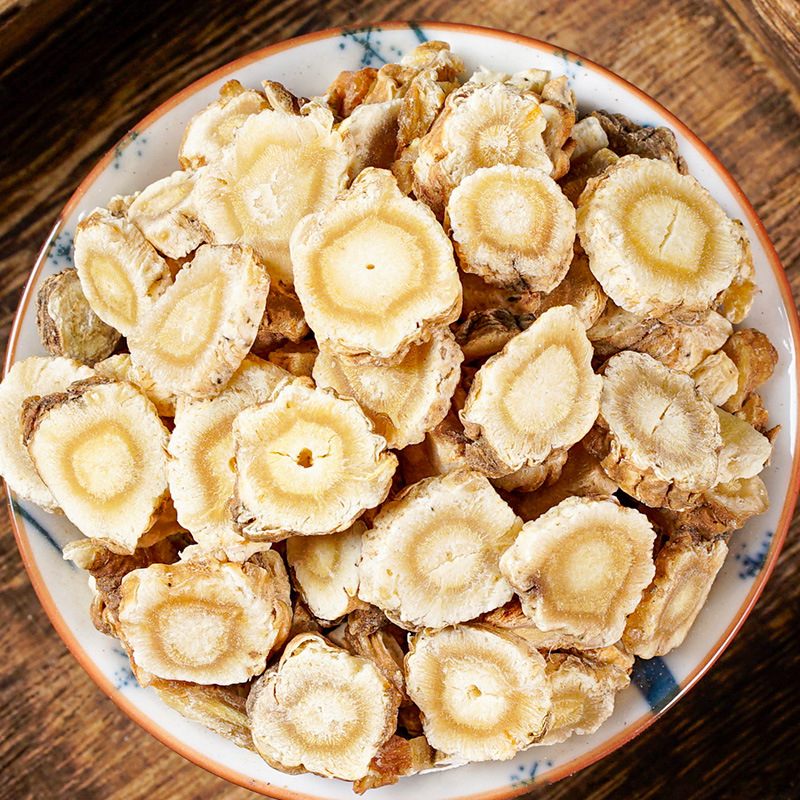
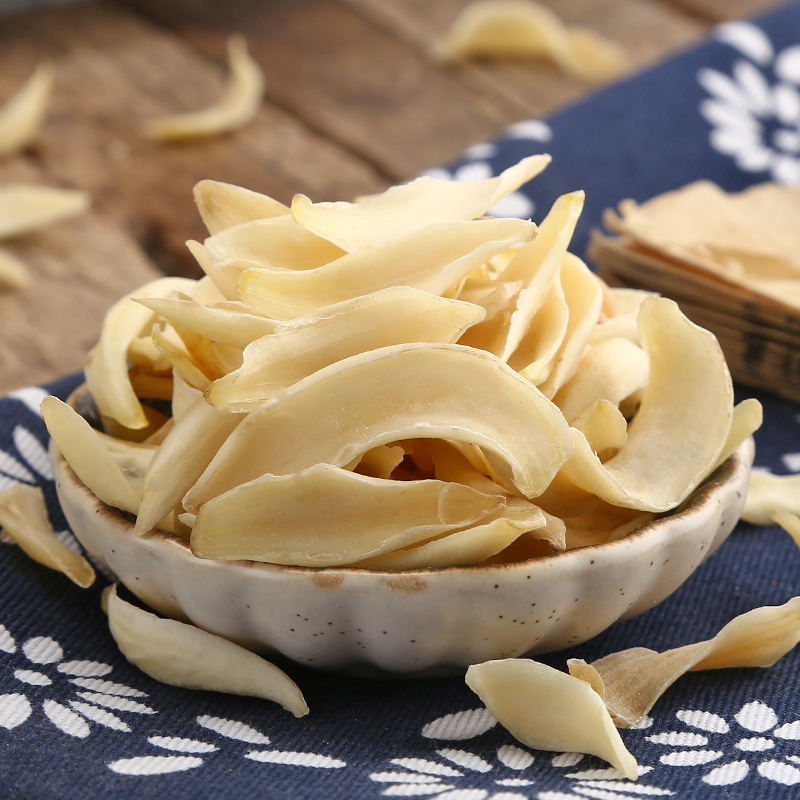
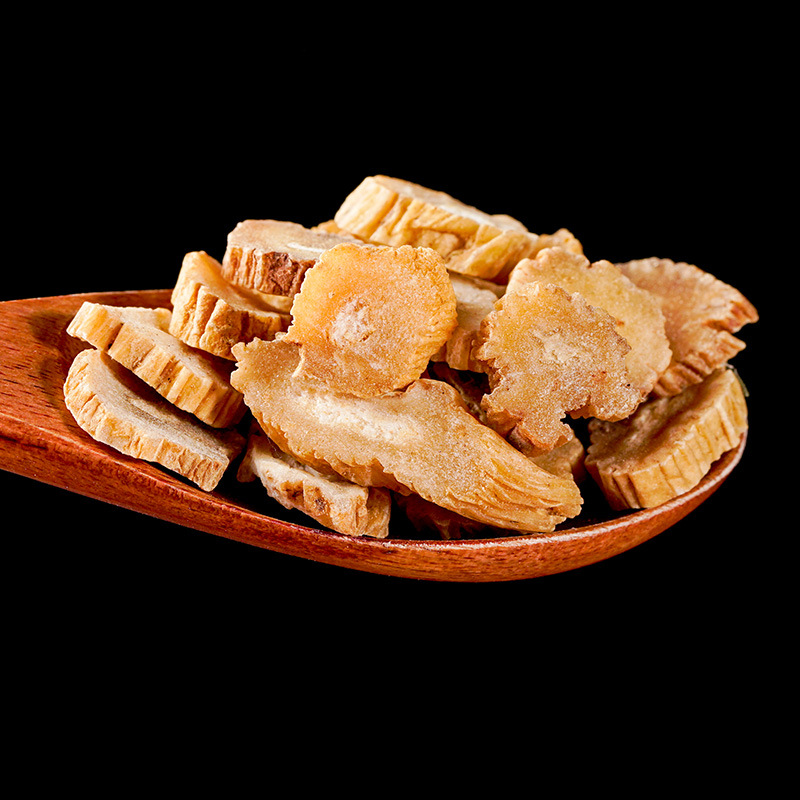
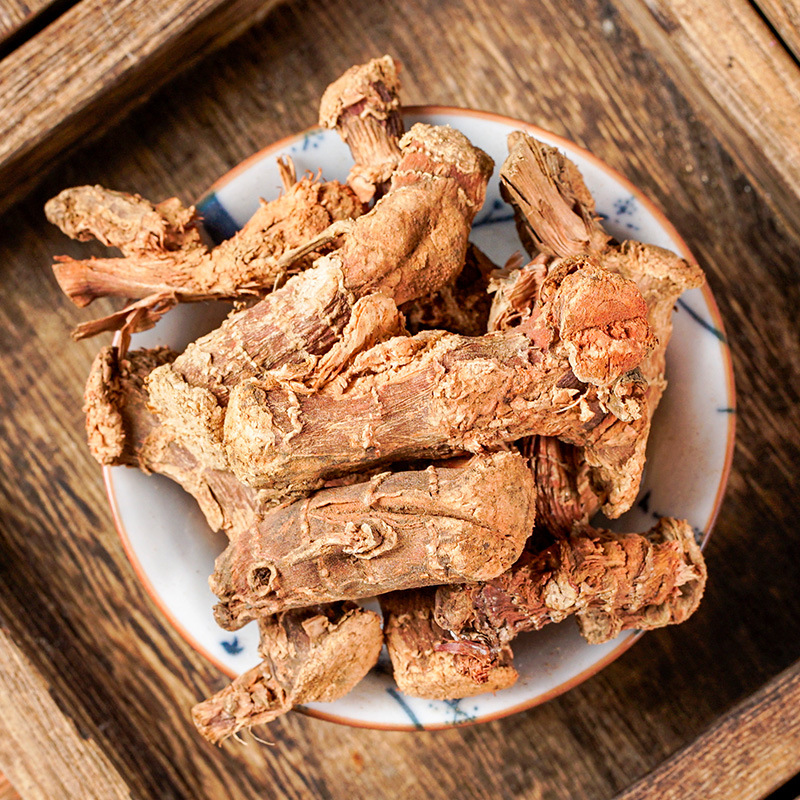
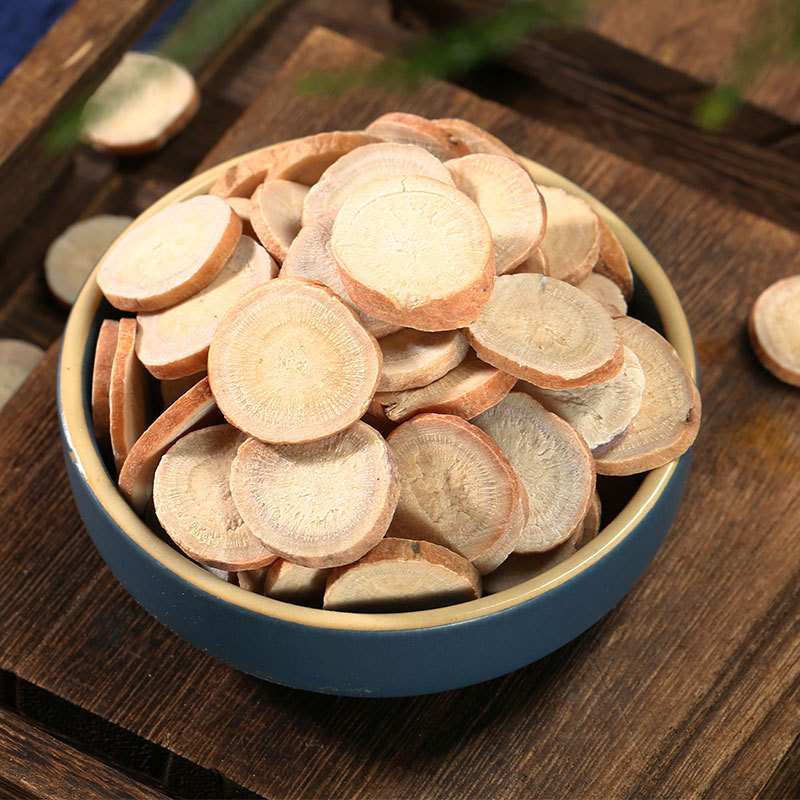
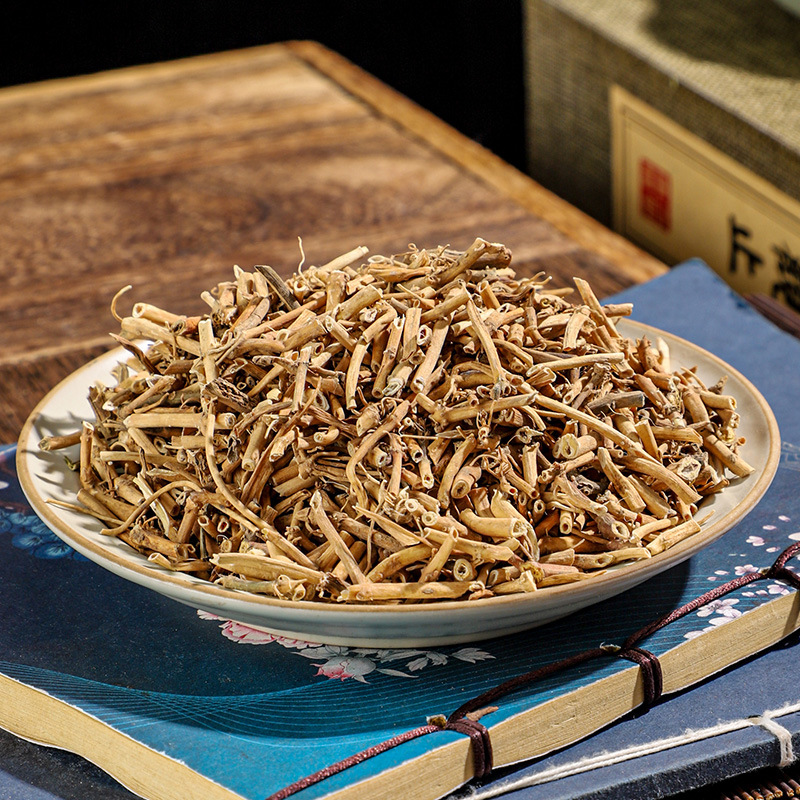
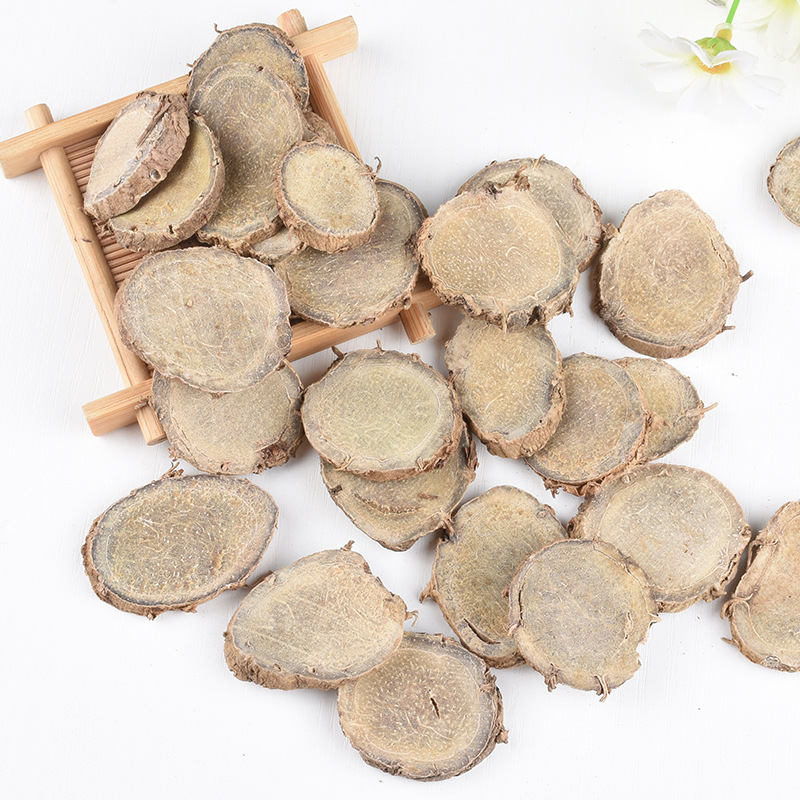
Guipi Wan:Codonopsis Pilosula, Honey-fried Astragalus, Atractylodes Macrocephala, Poria Cocos, Honey-fried Licorice, Angelica Sinensis, Longan Aril, Spina Date Seed, Polygala Tenuifolia, Aucklandia Lappa, Jujube
Let's take a look at how it replenishes qi and blood, strengthens the spleen and stomach, and consolidates the kidneys.
1. Start with Spleen Supplementation - Atractylodes macrocephala, Poria cocos, Codonopsis pilosula, Honey-fried licorice, Aucklandia lappa, Jujube
- The spleen is the source of qi and blood production. The root cause of qi and blood deficiency often lies in the weakness of the spleen and stomach, which fail to properly transport and transform the essence of food and water to generate qi and blood. Spleen deficiency leads to a lack of source for qi and blood production, further exacerbating qi and blood deficiency and potentially causing stagnation of spleen and stomach qi, forming a vicious cycle. Atractylodes macrocephala and Poria cocos strengthen the spleen and promote diuresis, clearing the pathway for qi and blood generation and absorption. Codonopsis pilosula, honey-fried licorice, and jujube replenish qi and strengthen the spleen, providing the raw materials for the spleen and stomach to produce qi and blood. Aucklandia lappa promotes qi circulation and harmonizes the stomach, enhancing the spleen and stomach's transportation and transformation functions while preventing tonic herbs from causing stagnation and impairing the stomach. The combination of these six herbs addresses the core issue of insufficient qi and blood production by strengthening the spleen and stomach, laying a solid foundation for replenishing qi and nourishing blood.
2. Tonifying the Kidney and Securing Essence—Indirectly Nourishing the Spleen and Kidney, While Also Attending to Kidney Essence
- The spleen and kidney share the same origin. The spleen is the foundation of acquired constitution, while the kidney is the foundation of innate constitution. The abundance of acquired qi and blood can nourish the innate kidney essence, and sufficient kidney essence can also support the transportation and transformation functions of the spleen and stomach. Although Guipi Pills primarily focus on strengthening the spleen, nourishing the stomach, supplementing qi, and enriching blood, by nourishing qi and blood and fortifying the spleen and stomach, they can indirectly nourish kidney essence and consolidate the kidney to benefit essence. At the same time, after qi and blood in the body become sufficient, the consumption of kidney essence can be reduced, achieving the goal of "acquired constitution nourishing innate constitution" and realizing the synergistic regulation of strengthening the spleen, nourishing the stomach, and consolidating the kidney.
3. Tonifying Qi and Generating Blood – Prepared Astragalus Root, Chinese Angelica, Longan Aril
- Roasted Astragalus, also known as the "Longevity of Qi Tonification," primarily functions to replenish qi, elevate yang, strengthen the exterior, and nourish blood. It powerfully supplements the body's vital energy and promotes the circulation of qi and blood. Angelica sinensis is revered as the "sacred herb for blood tonification," emphasizing both blood nourishment and blood activation. It is characterized by "tonification with movement and movement with tonification," directly nourishing yin and blood. Longan meat not only replenishes qi but also nourishes blood and calms the mind, addressing both qi and blood as well as mental well-being. The combination of roasted Astragalus and Angelica sinensis subtly reflects the ancient and renowned formula "Danggui Buxue Tang" by Li Dongyuan, significantly enhancing the efficacy of replenishing qi and nourishing blood, thereby rapidly replenishing deficient qi and blood in the body.
The overall formula is characterized not by crude tonification but by skillful tonification that addresses both the root and the symptoms. First, it promotes the generation of qi and blood by strengthening the spleen to enhance their production, addressing the issue of qi and blood generation at its source. Second, it directly nourishes qi and blood through tonification and nourishment, while also considering the shared origin of the spleen and kidneys, indirectly strengthening the kidneys and replenishing essence to reduce the consumption of qi and blood. The formula is ingeniously designed to tonify without causing stagnation and nourish without inducing greasiness, making it highly suitable for individuals with qi and blood deficiency who also suffer from spleen-stomach disharmony, accompanied by insomnia, excessive dreaming, poor appetite, and a tendency to experience heat symptoms upon tonification.
IV. Clinical Conditioning Cases
Patient Zhang, female, 45 years old, has experienced frequent sallow complexion, fatigue, shortness of breath, cold hands and feet, scanty and pale menstrual flow, shortened menstrual period to 2 days, accompanied by insomnia, vivid dreams, and poor appetite over the past year. The syndrome differentiation indicates deficiency of qi and blood, and weakness of the spleen and stomach. Guipi Wan was selected as the base formula, with modifications for regulation: Guipi Wan was taken regularly, supplemented with fried Chinese yam and fried hyacinth beans, boiled in water and taken to enhance the spleen and stomach nourishing effects; if insomnia was significant, sour jujube seed powder was added before bedtime. After one month of regulation, the patient's fatigue and poor appetite improved; after continuing regulation for two months, the complexion turned rosy, menstrual flow returned to normal, insomnia symptoms disappeared, and the state of qi and blood was basically restored to balance.
V. Conclusion
Insufficiency of Qi and Blood, due to the lack of nourishment from Qi and Blood, the entire body exhibits a scene of withering and malnutrition. We should learn to carefully observe the subtle discomforts that the body shows in daily life.Insufficient qi and blood is merely the body's "quiet protest." By understanding these signals before they develop into serious illnesses, early intervention and timely adjustments can fully restore health to balance.