The stomach, as one of the important digestive organs in the human body, has a high daily workload and complex food processing, making it more prone to diseases than other organs.
Atrophic gastritis also known as chronic atrophic gastritis is a chronic digestive system disease characterized by atrophy and reduction in number of gastric mucosal epithelium and glands thinning of gastric mucosa thickening of mucosal basal layer or accompanied by pyloric gland metaplasia and intestinal gland metaplasia or atypical hyperplasia
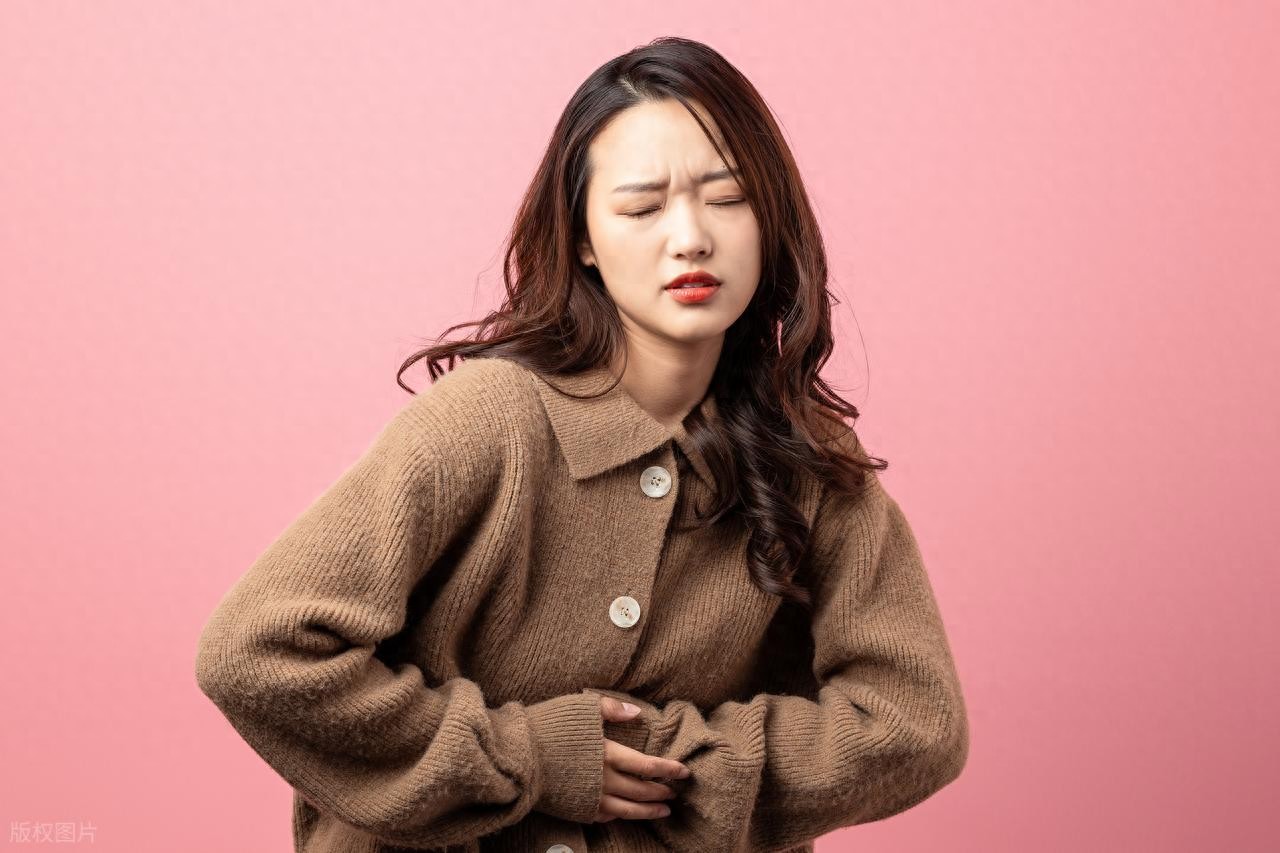
Due to gland atrophy and reduced gastric juice secretion, symptoms often manifest as dull pain and fullness in the upper abdomen, belching, poor appetite, or weight loss, anemia, and other manifestations.
Due to the absence of obvious symptoms like those of gastric ulcers, it erodes our stomach in a more concealed manner, gradually pushing the stomach toward precancerous lesions, hence it is also referred to as the sentinel station of gastric cancer.

Treatment Dilemma
It was previously believed that the atrophic glands in the affected areas of chronic atrophic gastritis could not recover, and the pathological changes could not be reversed, leading to the conclusion that chronic atrophic gastritis could not be cured. Clinical treatment faced three major challenges:
Drug resistance issues
There is a part of the stomach called the pylorus which borders the duodenum This special location is prone to breed a pathogenic bacterium Helicobacter pylori the main culprit causing various stomach diseases but the resistance of Helicobacter pylori to traditional therapies leads to a high rate of treatment failure
Mucosal repair is difficult
Atrophy of gastric mucosal glands, pyloric gland metaplasia, and intestinal gland metaplasia or dysplasia lead to degeneration of tissue cells, which are no longer normal. Regeneration is as difficult as finding an oasis in a desert. Acid-suppressing drugs alone only relieve symptoms and cannot reverse the already atrophied glands.
False Recovery Trap
Irregular treatment often requires 3-6 months for gastric mucosa repair, and premature discontinuation of medication can easily lead to recurrence.
Chronic Atrophic Gastritis in Traditional Chinese Medicine Pathogenesis
Turbid Toxin Latent Pathogen Stealthily Damages the Stomach Collaterals
Professor Li Diangui created the "Turbid Toxin Theory," proposing the pathological chain of the disease: improper diet or emotional disorders lead to stagnation of spleen and stomach qi, generating internal dampness and turbidity, which then causes stagnation transforming into toxin, further resulting in turbid toxin and blood stasis obstruction, ultimately leading to atrophy of gastric mucosal glands.
Revealing "internal obstruction of dampness and turbidity" as the core pathogenesis, with dampness obstructing qi movement, and prolonged stagnation leading to heat and blood stasis as specific manifestations.
Morodan
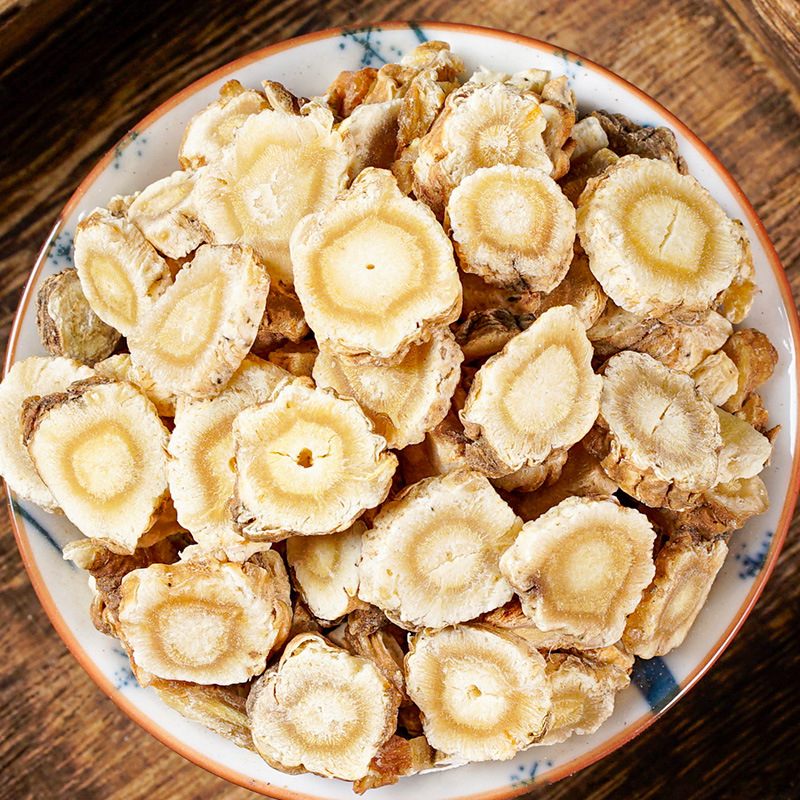
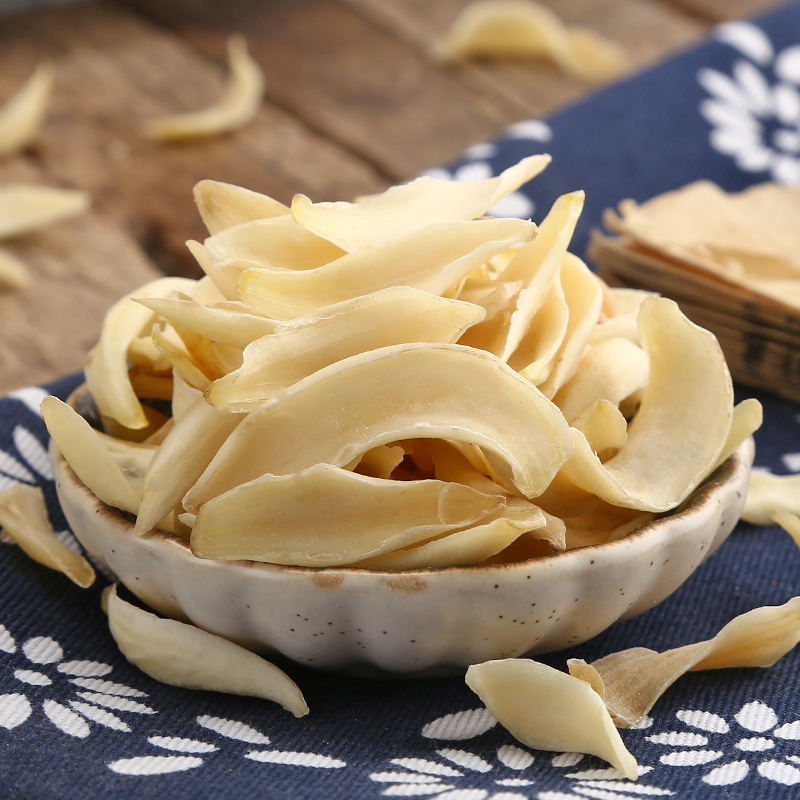
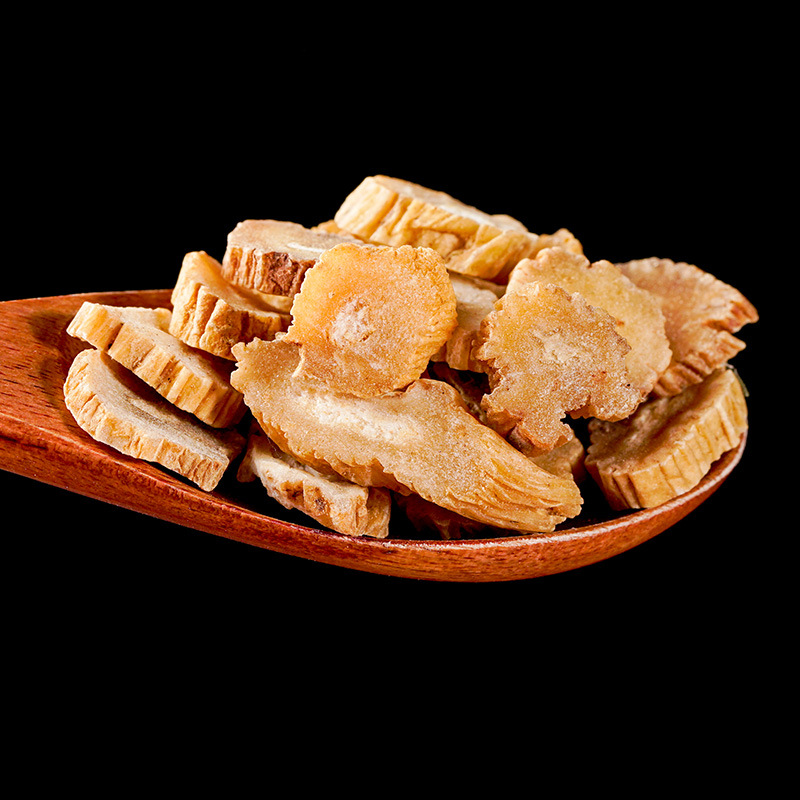
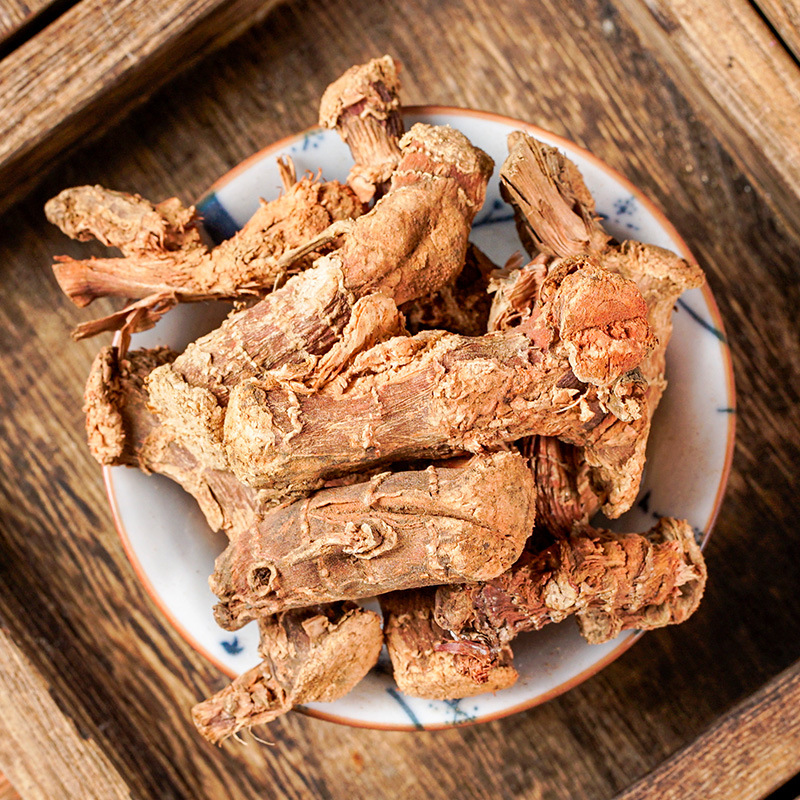
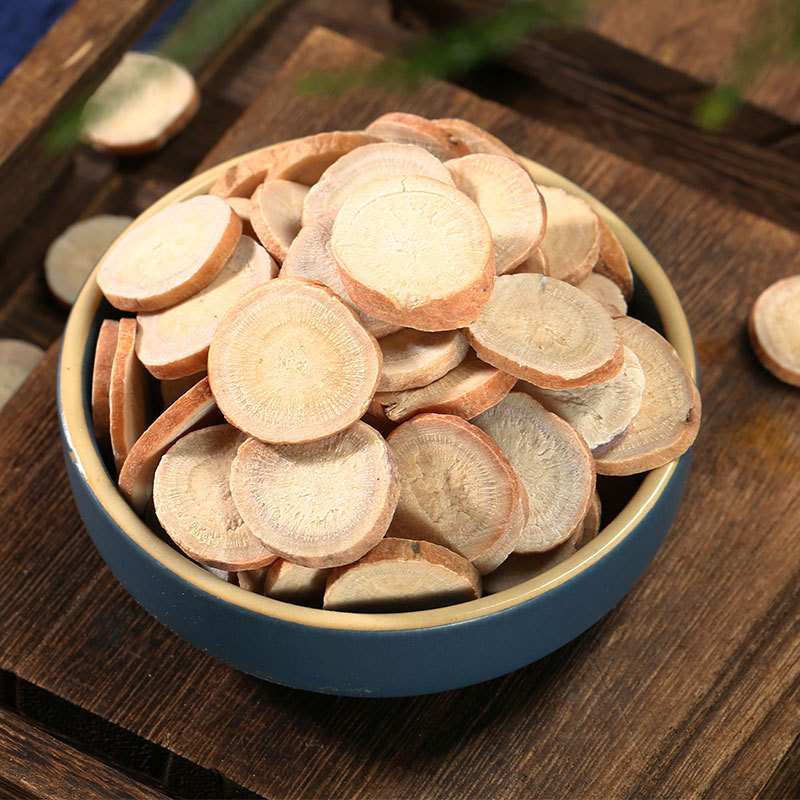
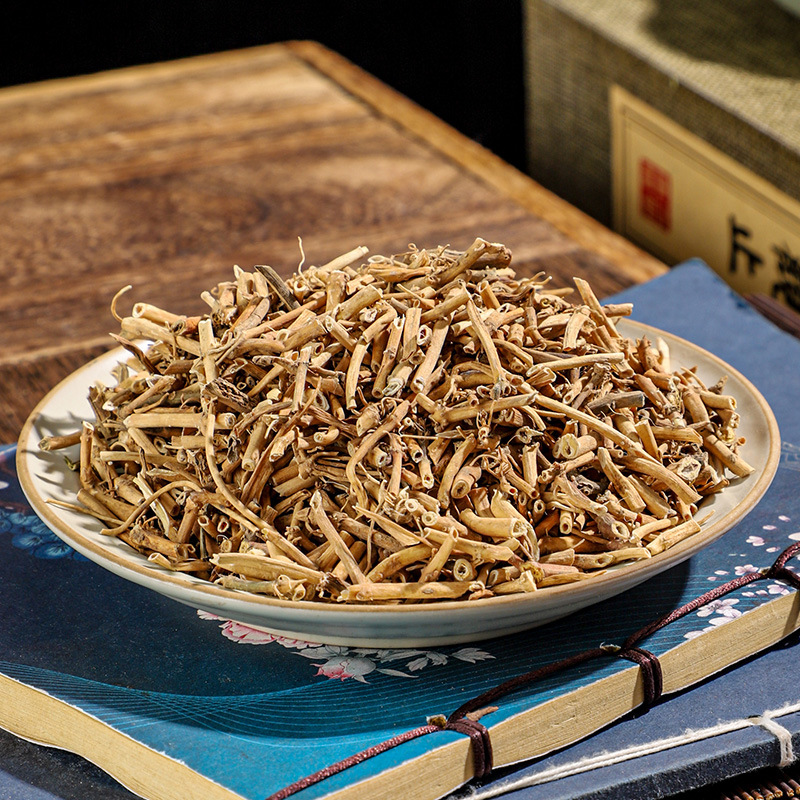
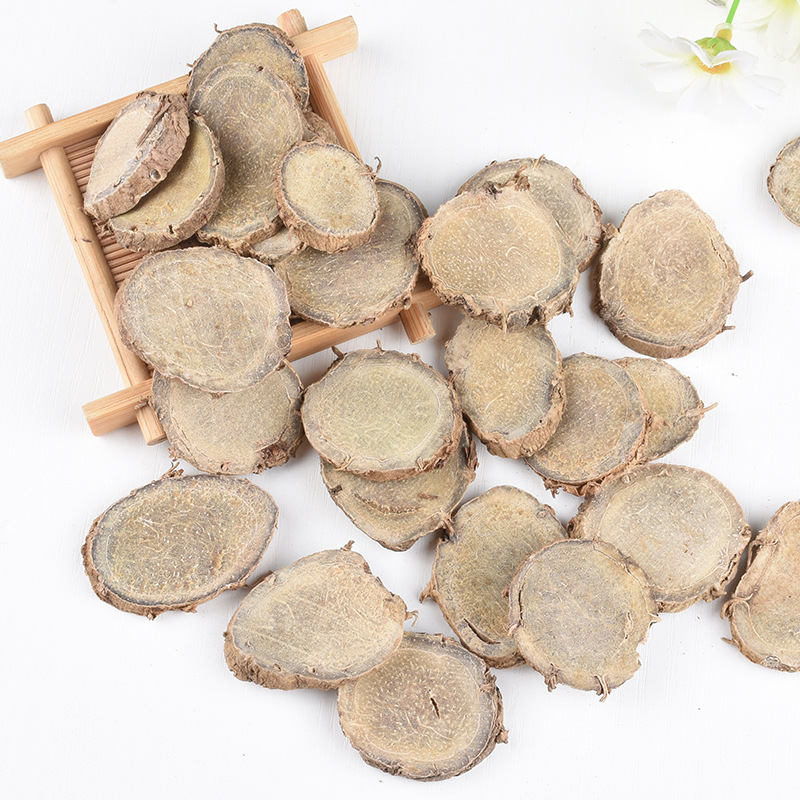
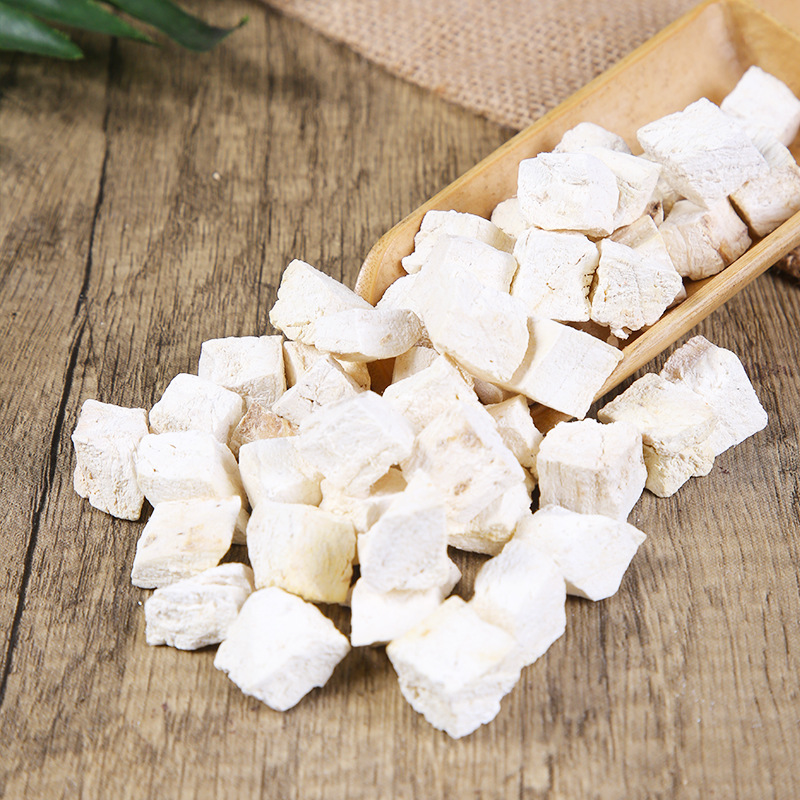
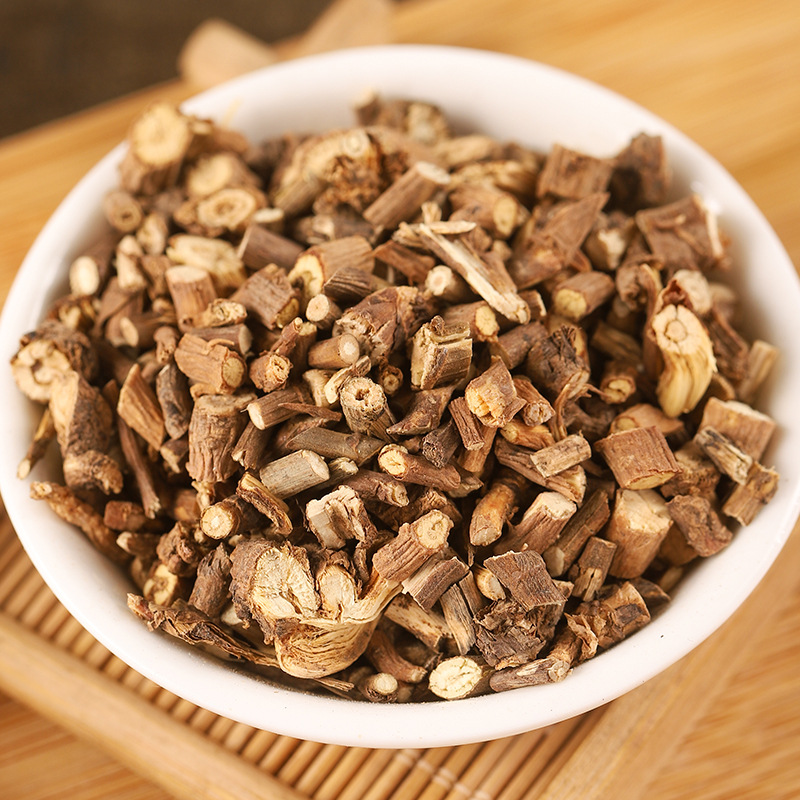
Composition:Lily Bulb, Poria, Scrophulariae Radix, Linderae Radix, Alismatis Rhizoma, Ophiopogonis Radix, Angelicae Sinensis Radix, Artemisiae Scopariae Herba, Corydalis Rhizoma, Paeoniae Radix Alba, Dendrobii Caulis, Acori Tatarinowii Rhizoma, Chuanxiong Rhizoma, Galli Gigerii Endothelium Corneum, Notoginseng Radix et Rhizoma, Atractylodis Macrocephalae Rhizoma, Sanguisorbae Radix, Typhae Pollen, a total of 18 traditional Chinese medicines.
Efficacy:It has the effects of harmonizing the stomach and descending adverse qi, strengthening the spleen and relieving distension, and unblocking collaterals to relieve pain. It can be used for chronic atrophic gastritis presenting with symptoms such as stomach pain, distension, fullness, poor appetite, and belching.
Morodan is composed of 18 medicinal herbs, forming a "sword against disease" that severs the chain of disease progression, repairs damaged areas in multiple dimensions, and modern research reveals its five-fold repair mechanisms:
01
Helicobacter pylori - etiological treatment
The entire formula consists of 18 medicinal ingredients, forming an environmental "disinfection force." The damp-heat environment in the stomach becomes a breeding ground for Helicobacter pylori, and a suitable environment is its "way of survival." The combination of multiple ingredients in Moluo Dan creates an "environmental disinfection agent" capable of altering the damp-heat environment in the stomach. Once the environment changes and is no longer suitable for the survival of Helicobacter pylori, they naturally disappear, which is even more thorough than direct sterilization.
02
Nourishing Stomach Yin Rebuilding Mucosal Barrier
Lily Bulb, Ophiopogon Root, Dendrobium, Figwort Root, and White Peony Root form the "Five-Drug Drought Relief Team," replenishing water to dry and withered lands.
Atrophic gastritis is characterized by the atrophy of glands in the gastric mucosa, akin to a dry and water-deprived field. In traditional Chinese medicine, its pathogenesis is attributed to stomach yin deficiency, leading to symptoms such as atrophy, excessive fire, and collateral damage.
Therefore, the treatment should focus on nourishing yin and promoting fluid production. All five of these herbs are yin-nourishing medicines, and their functions combine to nourish stomach yin, serving as the sovereign herbs in the formula.
Modern medical research shows that these herbs can promote mucus secretion and epithelial cell migration, repairing like a patch covering a hole.
03
Clearing heat and resolving dampness - clearing both bacteria and toxins
Artemisia capillaris, Acorus calamus, Sanguisorba officinalis, Alisma plantago-aquatica, and Poria cocos form the "on-site cleanup team." Yin deficiency leads to insufficient stomach fluid, resulting in yin deficiency with fire excess. Artemisia capillaris and Sanguisorba officinalis clear heat, while Acorus calamus, Alisma plantago-aquatica, and Poria cocos promote diuresis and resolve dampness.
Alter the damp-heat environment in the stomach, block the inflammatory storm, and interrupt the process of "turbid toxin transformation."
04
Strengthen the Spleen and Nourish the Stomach, Promote Qi Circulation and Relieve Pain - Activate Glands
Lindera Root promotes qi circulation and relieves pain, while Corydalis Rhizome not only promotes qi circulation and relieves pain but also activates blood circulation and alleviates pain. Chicken Gizzard Membrane and Atractylodes Macrocephala enhance spleen and stomach function, bidirectionally regulate gastrointestinal motility, enabling the spleen and stomach to function smoothly, thereby addressing the stubborn condition of "poor appetite and abdominal fullness" and restoring impaired gastric function.
05
Activating Blood and Resolving Stasis - Unblocking Channels, Preventing Cancer
Chuanxiong, Panax notoginseng, Angelica sinensis, and cattail pollen, the "advance team" on the path to strengthening the spleen and nourishing the stomach.
In traditional Chinese medicine, damage to the gastric mucosa is attributed to deficiency heat scorching the blood vessels. Under gastroscopy, pale mucosa with visible blood vessels indicates a lack of nourishment by qi and blood. Therefore, blood-activating and stasis-resolving herbs are included in the treatment.
While dredging the entire gastric mucosal system, it also delivers and replenishes qi and blood, achieving the effect of dredging and repairing the gastric mucosa, and playing a positive role in cancer prevention.
Conclusion
Morodan has therapeutic effects on various stomach diseases, especially for chronic atrophic gastritis diagnosed in traditional Chinese medicine as stomach yin deficiency with stomach collateral blood stasis syndrome.
In fact, for atrophic gastritis, in addition to drug treatment, patients should also focus on self-management: such as dietary management, sufficient course of medication, regular testing of pepsinogen ratio, etc., to build a trinity defense of "treatment-monitoring-life" with multiple measures for prevention and treatment.