Recently many patient friends have asked"I have been diagnosed with intestinal polyps, gastric polyps, and gallbladder polyps. How can I determine if they are serious?" "Which indicators in the examination report suggest a dangerous condition?"Today, based on nearly 50 years of clinical cases, we will provide a detailed explanation for everyone.
I. Four Danger Signs in the Examination Report
1. Polyps with mucosal erosion, ulceration, or bleeding
Whether it is intestinal polyps, gastric polyps, or gallbladder polyps, if the report indicates mucosal erosion, ulceration on the surface of the polyp, or is accompanied by bleeding points or positive occult blood, they all belong toHigh-risk signal。
Gastric polyps with erosion may cause stomach pain and black stools, and long-term repeated stimulation increases the probability of polyp malignancy; intestinal polyps with ulcer bleeding easily lead to bloody stools and anemia, and the risk of malignancy significantly increases; gallbladder polyps accompanied by mucosal damage may induce acute cholecystitis, resulting in severe pain in the upper right abdomen.
What should I do
- First, perform a pathological biopsy to clarify the pathological nature of the polyp and rule out the possibility of malignancy.
- If the pathology indicates benign, traditional Chinese medicine can be used first to repair the mucosa, stop bleeding, and reduce inflammation to alleviate symptoms; if the erosion and ulceration are extensive and bleeding occurs frequently, timely surgical removal of the polyp is necessary, followed by postoperative traditional Chinese medicine conditioning to reduce the recurrence rate.
2. Polyps with a diameter exceeding 1 cm, especially solitary broad-based polyps
The size and morphology of polyps are the core indicators for assessing risk.Regardless of the type of polyp, the risk of cancer significantly increases when the diameter exceeds 1cmThe risk is higher for single, broad-based polyps — these polyps have deep roots, grow rapidly, and are more prone to dysplasia.
- Gastric polyps: Adenomatous polyps with a diameter >1cm have a malignant transformation rate of approximately 10%-15%;
- Intestinal polyps: especially colon polyps, adenomatous polyps with a diameter exceeding 1cm, are important precancerous lesions of intestinal cancer
- Gallbladder Polyps: When the diameter exceeds 1cm, the risk of malignant transformation doubles, requiring close attention.
This situation can be handled in this way:
First, conduct a pathological examination. If it is a benign polyp and there are no other high-risk factors, conservative treatment with traditional Chinese medicine can be attempted to soften hardness, disperse nodules, and reduce the polyp. If the pathology indicates dysplasia or the polyp continues to grow, it is recommended to undergo surgical removal as soon as possible to prevent disease progression.
3. Polyp pathology suggests adenomatous or dysplastic changes
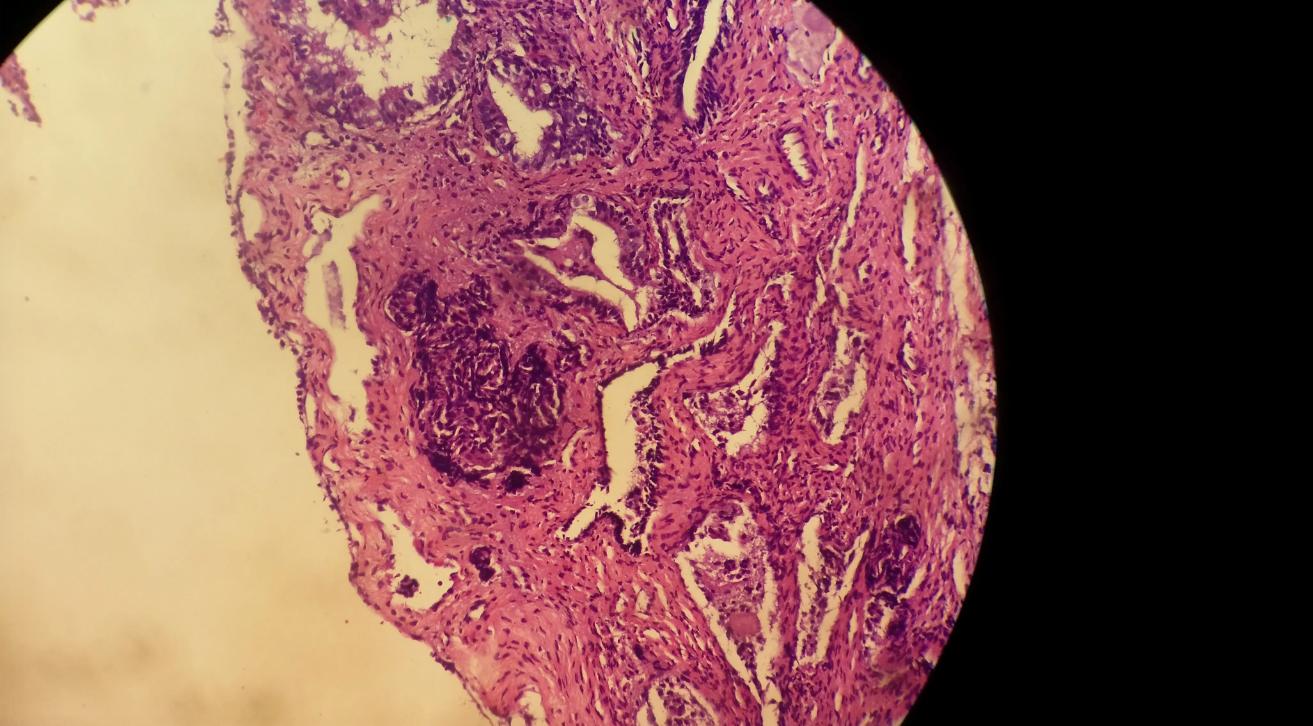
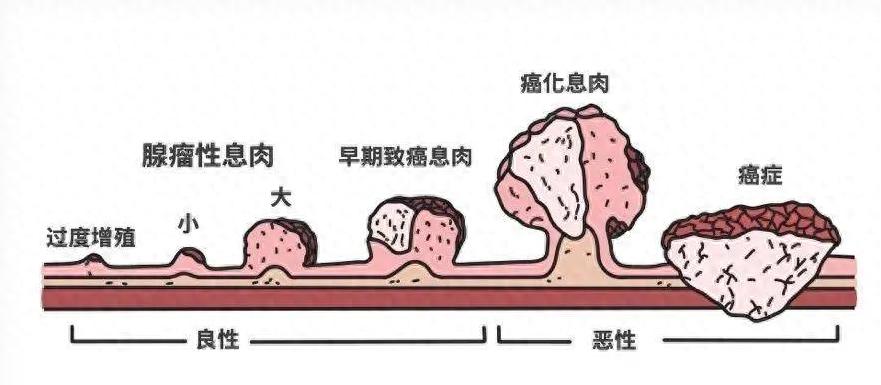
Polyps can be classified into benign hyperplastic polyps and adenomatous polyps based on their pathological nature, among whichAdenomatous polyps are precancerous lesionsespecially when accompanied by moderate to severe dysplasia, the probability of malignant transformation is extremely high.
- Gastric adenomatous polyps: The higher the degree of dysplasia, the greater the risk of cancer;
- Intestinal adenomatous polyps including tubular adenoma villous adenoma villous adenoma has the highest malignant transformation rate
- Gallbladder adenomatous polyp: It is the main precancerous lesion of gallbladder cancer and requires high vigilance.
The principle for handling such cases:
Once pathology suggests adenomatous or dysplastic changes, regardless of polyp size, surgical removal of the lesion is recommended as soon as possible; regular follow-up examinations are required after surgery, along with traditional Chinese medicine to regulate the constitution, improve the internal environment for polyp growth, and prevent recurrence.
4. Polyps rapidly increase in size within a short period, or are densely distributed in multiple locations.
If the interval between two follow-up examinations is no more than half a year, and the polyp diameter increases by more than 0.3 cm, it indicates active polyp growth and a high risk of malignant transformation; additionally,Multiple dense polyps(For example, multiple colonic polyps, multiple fundic gland polyps), not only increase the probability of symptom onset, but may also have a familial hereditary tendency, with a higher risk of malignant transformation compared to single polyps.
Based on the size of the polyp and comprehensive pathological assessment:
If the polyp grows rapidly and its diameter approaches 1cm, or if multiple polyps are accompanied by discomfort symptoms, surgical removal is recommended. If surgery is temporarily unsuitable, traditional Chinese medicine can be used based on syndrome differentiation to inhibit polyp growth, while shortening the review interval and closely monitoring changes in the polyps.
II. Classic Case: Traditional Chinese Medicine Assisted Treatment of Multiple Polyps
Mr. Zhang, 62 years old, discovered during a physical examinationMultiple gastric fundus polyps (largest 0.9cm) + colon polyp (0.8cm)The pathology report indicates hyperplastic polyps. He is concerned about the potential harm to his body from multiple surgeries and hopes to try conservative treatment with Traditional Chinese Medicine.
Through consultation, I found that Mr. Zhang usually enjoys eating spicy and greasy foods, often experiences abdominal bloating and belching, has alternating dry and loose stools, accompanied by acid reflux and a bitter taste in the mouth. His tongue is pale red with a white, greasy coating, and his pulse is soggy and slow. The pattern differentiation isspleen and stomach deficiency phlegm dampness stasis type polyp。
Traditional Chinese Medicine Prescriptions:
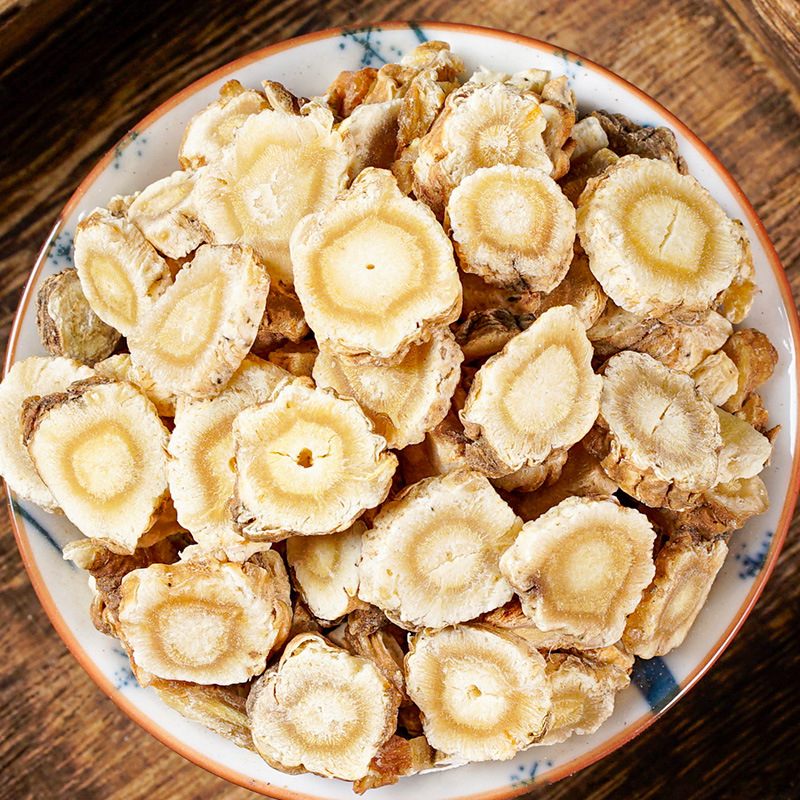
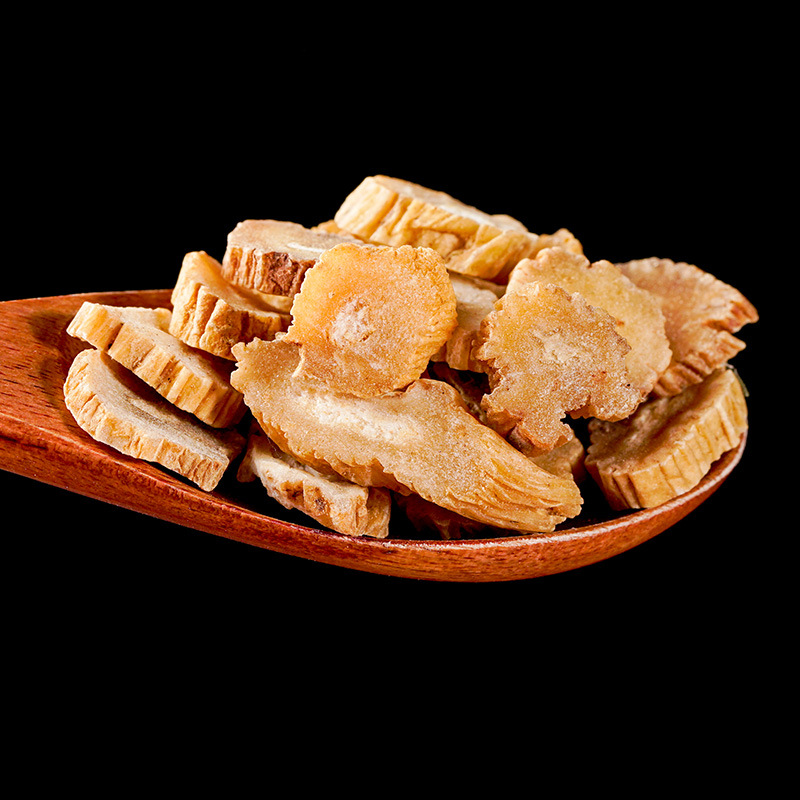
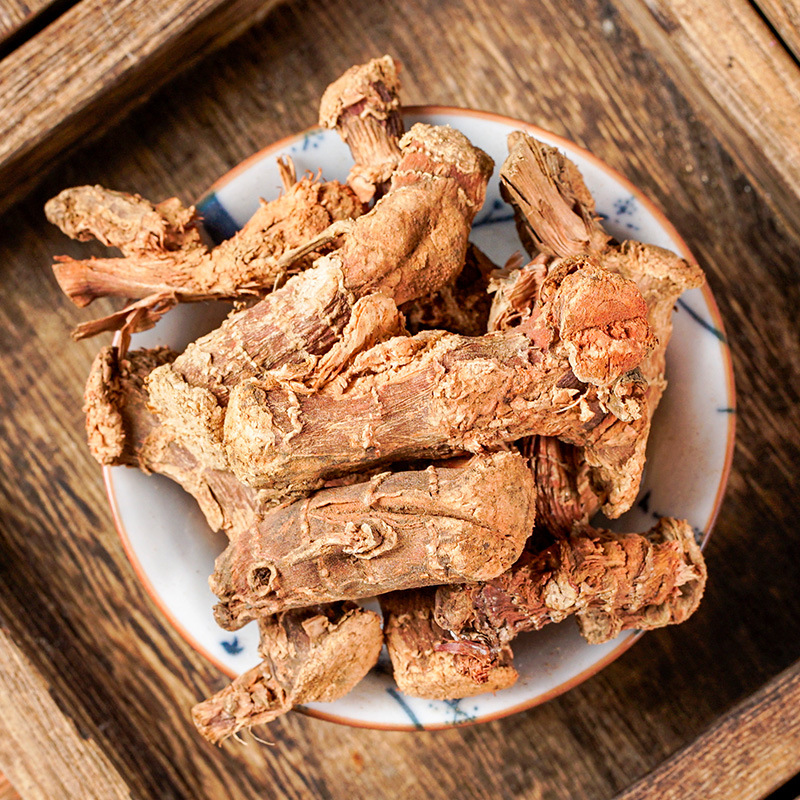
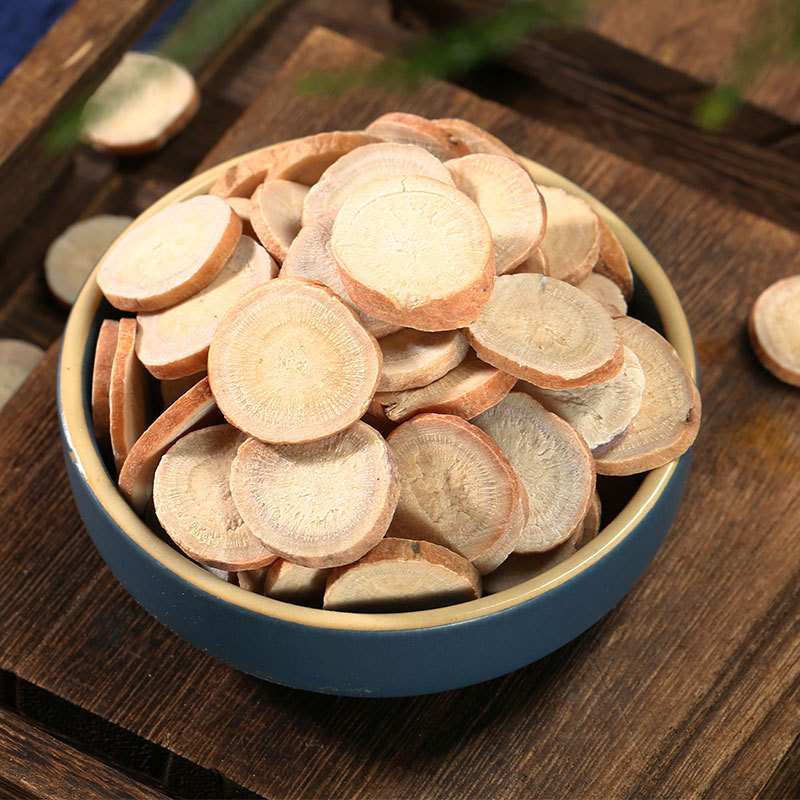
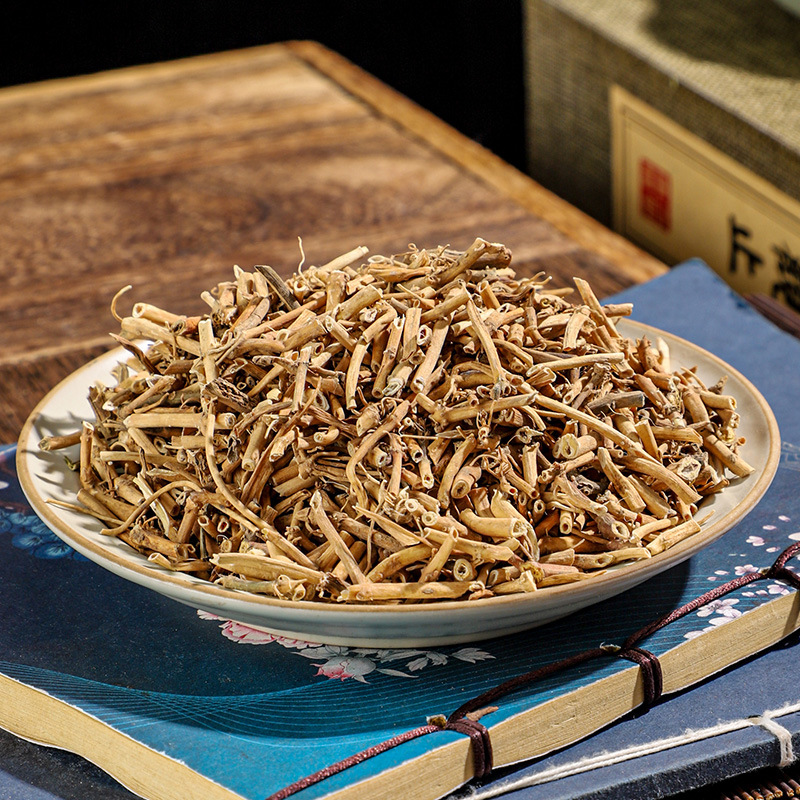
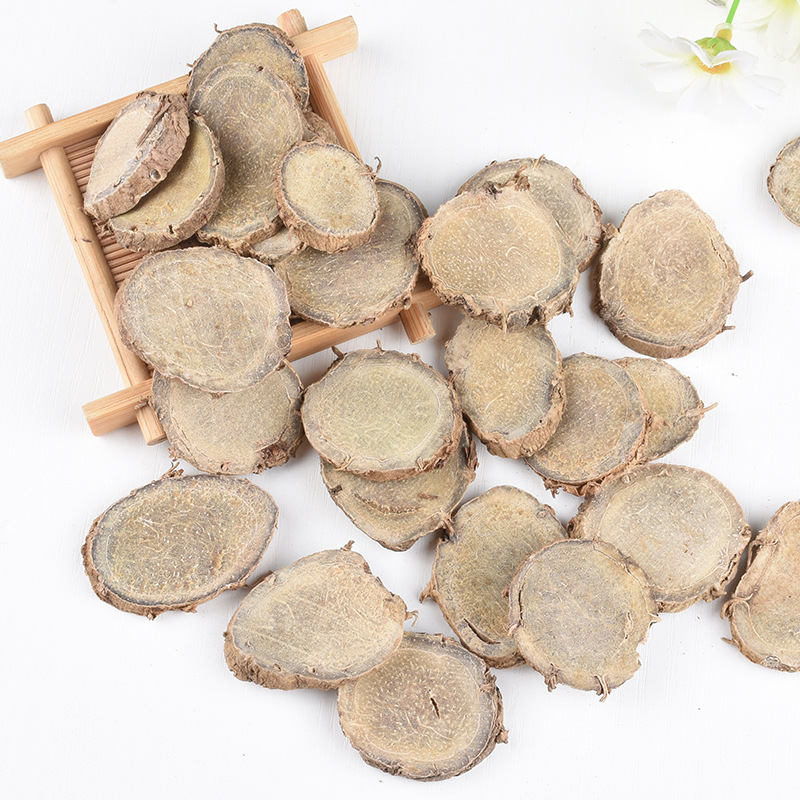
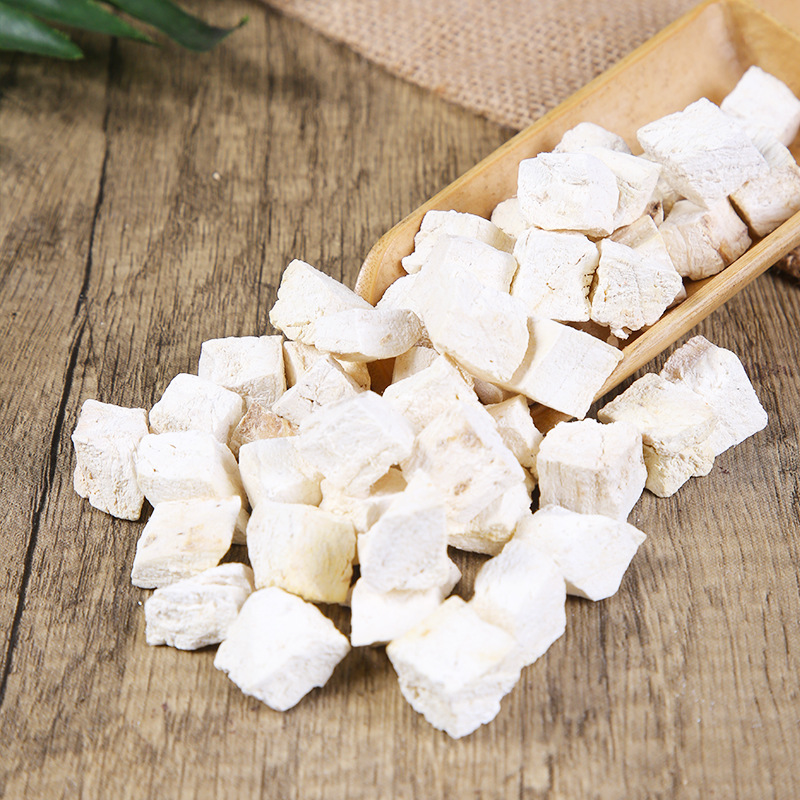
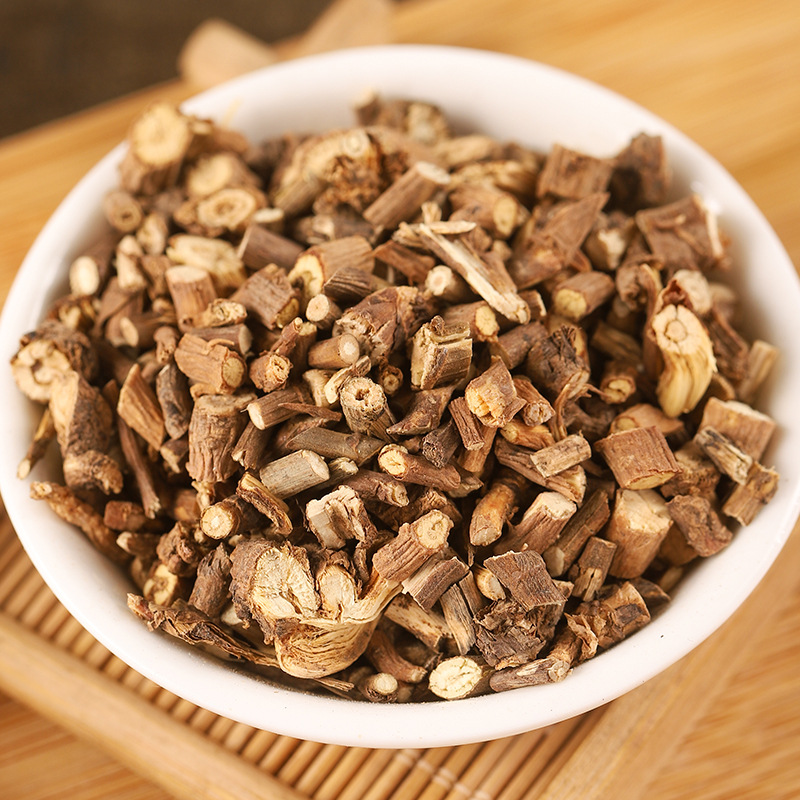
Codonopsis (strengthens spleen and boosts qi), stir-fried Atractylodes macrocephala (strengthens spleen and dries dampness), Poria (drains dampness and strengthens spleen), Curcuma zedoaria (activates blood and resolves stasis), dark plum (astringes and softens hardness), coix seed (strengthens spleen and dispels dampness), bitter orange (regulates qi and relieves distension), agrimony (stops bleeding and reduces inflammation)
Treatment outcome:
After taking the medication for 1 month, symptoms of abdominal distension and acid reflux were significantly reduced, and bitter taste in the mouth disappeared
Two months later, a follow-up gastroscopy and colonoscopy revealed that the gastric fundus polyp had shrunk to 0.5cm, the colon polyp had shrunk to 0.4cm, and bowel movements had returned to normal.
Continue treatment for 3 months, the polyp remains stable at around 0.3cm, with no obvious discomfort symptoms, and all reexamination indicators are normal.
III. Daily Regulation: 3 Tips to Prevent Polyp Progression
1. Dietary Regulation
Avoid certain foodsSpicy and irritating foods (chili, Sichuan pepper), greasy and fried foods (fried chicken, fatty meat), pickled and smoked foods (pickled vegetables, cured meat), and overly hot foods should be avoided to prevent irritation of the mucous membrane and the induction of polyp hyperplasia.
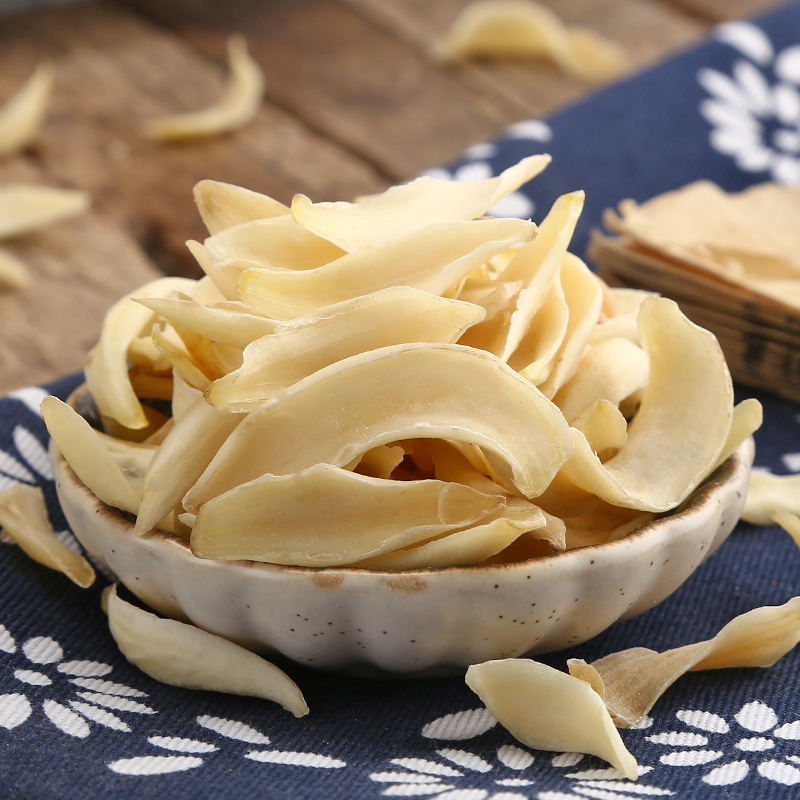
Suitable to eatYam, Millet, Pumpkin (strengthen the spleen and nourish the stomach), Celery, Spinach, Broccoli (rich in dietary fiber, promote intestinal peristalsis), Apple, Strawberry (supplement vitamins, repair mucosa)
2. Acupoint Massage
Zusanli point3 cun below the outer knee, on the tibialis anterior muscle: Massage for 5 minutes daily to strengthen the spleen and stomach, enhancing their digestive and transformative functions.
Tianshu Point(2 cun lateral to the center of the umbilicus): Massage for 3 minutes daily to regulate intestinal qi and improve abdominal distension and constipation
Gallbladder Point(1-2 cun below Yanglingquan acupoint): For gallbladder polyps, massage for 5 minutes daily to relieve discomfort in the upper right abdomen.
3. Herbal Tea
Spleen Invigorating and Dampness Removing Teafried coix seed + dried tangerine peel + fried hawthorn, boiled in water as a tea substitute, suitable for polyp patients with spleen and stomach weakness and heavy phlegm-dampness.
Shugan Lidan TeaBupleurum + Lysimachia christinae Hance + Corn Silk, steep in water and drink, suitable for people with gallbladder polyps accompanied by bitter taste in the mouth and hypochondriac pain.
With nearly 50 years of medical practice, I deeply understand the concerns of patients with intestinal polyps, gastric polyps, and gallbladder polyps regarding "surgery."Traditional Chinese medicine treatment can assist in reducing polyps, alleviating symptoms, and improving physical constitution. However, if the examination report shows the aforementioned four danger signals, do not reject surgery. Combining traditional Chinese and Western medicine is the way to find a treatment plan that suits you.
If you are unsure whether your polyp requires surgery or if it can be treated conservatively with traditional Chinese medicine, it is advisable to consult a professional physician promptly for syndrome differentiation, which can minimize the risk associated with the polyp.