Atrophic gastritis is a common chronic disease of the digestive system. In ancient times, traditional Chinese medicine classified it under the categories of "stomach fullness" and "stomach pain," often associated with imbalances in constitution such as weakness of the spleen and stomach, qi stagnation and blood stasis, and internal obstruction of phlegm-dampness.
Friends diagnosed with atrophic gastritis need not panic. In addition to professional treatment, daily dietary therapy can also be of great help. Traditional Chinese Medicine saysMedicine and food share the same originFor example, ordinary Chinese yam, when paired correctly, becomes a great helper for nourishing and protecting the stomach, relieving bloating, and alleviating pain!
Today I will share with you 3 stomach-nourishing ways to eat yam, corresponding to different body types, helping you strengthen your physique, regulate immunity, and nourish your stomach more effectively
Traditional Chinese medicine believes that the formation of atrophic gastritis is essentially due toDeficiency and Stagnation
Qi Stagnation, Blood Stasis, Phlegm-Dampnesspathological products obstruct the stomach cavity,Failure of the stomach to send down qi is the "branch"while spleen-stomach qi deficiency and stomach yin deficiencyDeficiency of healthy qi is the root cause.
Therefore, the core of regulation lies inStrengthening the Body and Consolidating the Foundation与Regulate Qi and Harmonize StomachCombined, it alleviates gastric discomfortSoil。
I. Liver-Stomach Qi Stagnation Type: The key is "soothing"
This is the most common type. Long-term stress and emotional stagnation lead to liver qi stagnation, which transversely attacks the stomach, causing stomach disharmony and descent, resulting in gastric distension and pain.
Manifestations:Abdominal distension and pain, frequent belching, acid reflux or heartburn, emotional irritability or depression, fullness and distension in the chest and hypochondrium, aggravated by emotional fluctuations, pale red tongue with thin white coating.
Core: Soothe the liver and regulate qi, harmonize the stomach and relieve pain.
Recommendation: Chinese Yam Rose Dried Tangerine Peel Porridge
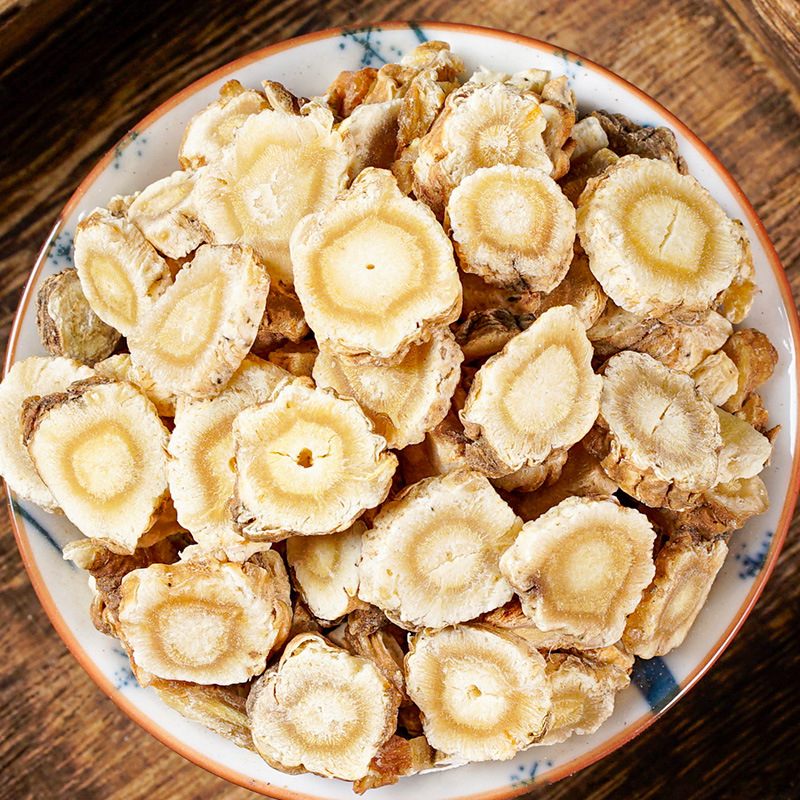
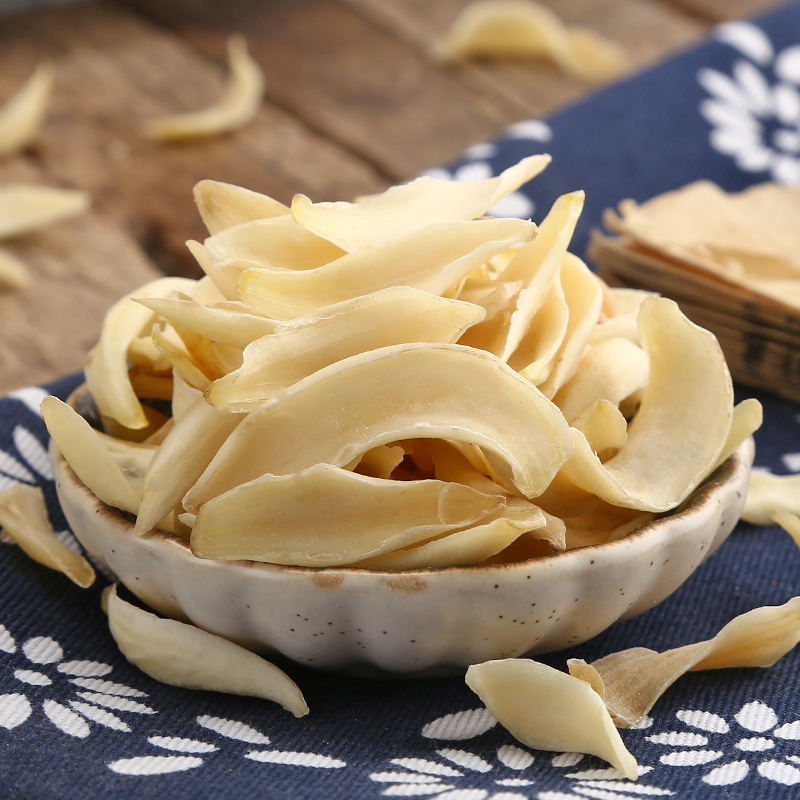
Ingredients:Chinese yam, dried rose, dried tangerine peel, rice, rock sugar as needed.
Explanation:Yam strengthens the spleen and nourishes the stomach, replenishing the qi of the spleen and stomach; rose flower soothes the liver and relieves depression, promotes qi circulation and alleviates pain; tangerine peel regulates qi and strengthens the spleen, dries dampness and resolves phlegm, capable of relieving stomach fullness. This porridge helps to soothe emotions, regulate the qi mechanism of the spleen and stomach, and alleviate stomach distension and pain.
II. Phlegm-dampness obstructing the middle: The key is "transformation"
Spleen deficiency leads to impaired transportation and transformation, causing water-dampness to accumulate and form phlegm. When phlegm-dampness obstructs the stomach cavity, the ascending and descending functions of the spleen and stomach become disordered, resulting in gastric fullness and discomfort.
Manifestations:stomach stuffiness and discomfort, worse distension after eating, nausea and vomiting, bland taste in the mouth without thirst, heavy sensation in the limbs, loose stools, white and greasy tongue coating.
Core:Strengthen the spleen and remove dampness, resolve phlegm and harmonize the stomach.
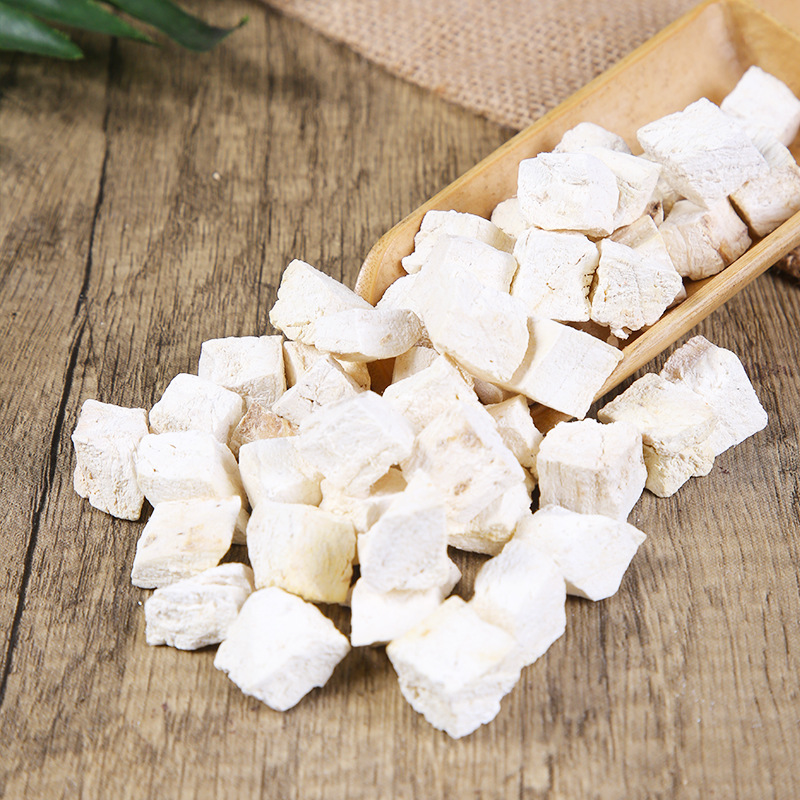
Recommendation: Chinese Yam, Poria, and Coix Seed Porridge
Ingredients:Chinese yam, poria, fried coix seed, millet, ginger
Explanation of the prescription:Chinese yam tonifies the spleen and nourishes the stomach, promotes fluid production and benefits the lungs; poria promotes diuresis and drains dampness, strengthens the spleen and calms the mind; stir-fried coix seed strengthens the spleen and dispels dampness, reducing water-damp retention in the body; ginger warms the middle and transforms fluids. This porridge helps the body transport and transform water-dampness, clears phlegm-turbidity, and improves symptoms such as gastric fullness and loose stools.
Three, Spleen and Stomach Qi Deficiency Type: The key is to "tonify"
Long-term irregular diet and excessive fatigue deplete the qi of the spleen and stomach, leading to impaired transportation and transformation functions, resulting in dull stomach pain and poor appetite.Stagnation due to deficiency。
Manifestations:dull stomach pain, preference for warmth and pressure, abdominal distension after eating, poor appetite, fatigue and weakness, shortness of breath and reluctance to speak, loose stools, pale tongue with tooth marks on the edges.
Core:Tonifying Qi and Strengthening Spleen Harmonizing Stomach and Calming Middle Jiao
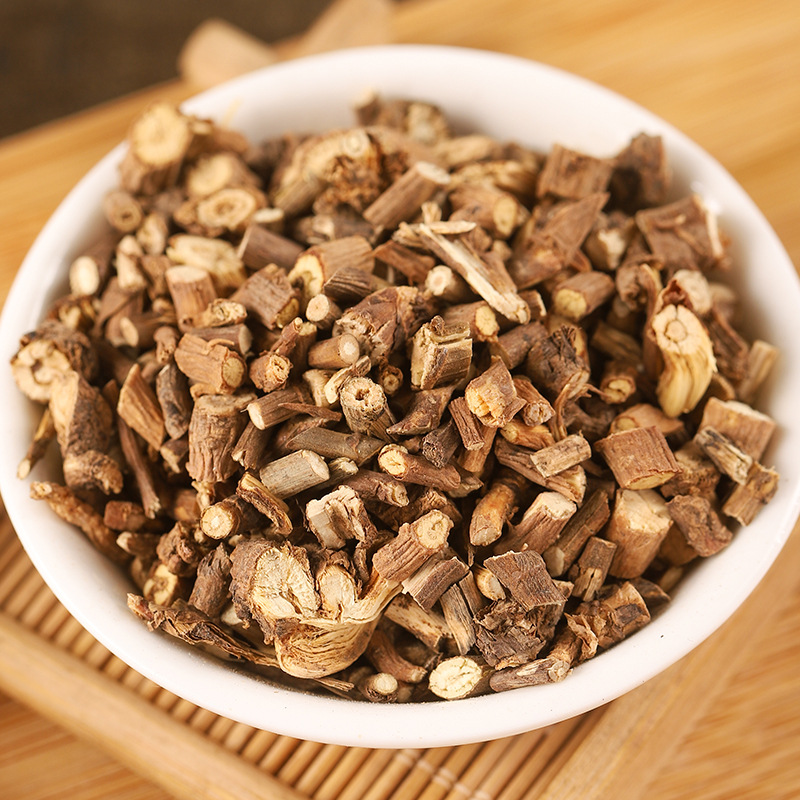
Recommendation: Chinese Yam Astragalus Red Date Congee
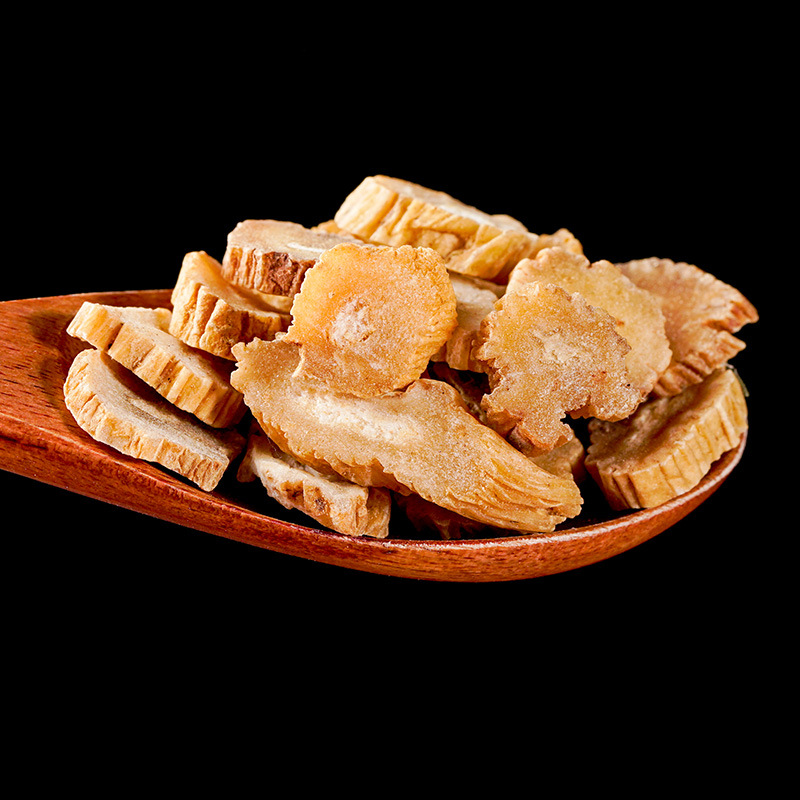
Ingredients:Chinese yam, astragalus, red dates (pitted), glutinous rice
Explanation: Yam tonifies the spleen and nourishes the stomach, making it an excellent product for stomach nourishment; red dates strengthen the spleen and nourish the blood; astragalus greatly tonifies the qi of the spleen and stomach, as sufficient qi can promote the transportation and transformation functions of the spleen and stomach; glutinous rice warms the spleen and stomach. This porridge fundamentally nourishes the qi of the spleen and stomach, allowing the functions of the spleen and stomach to recover, and naturally alleviating issues such as dull stomach pain and fatigue.
Core Conditioning Approach Alter the Soil Address Both Symptoms and Root Causes
- Traditional Chinese Medicine Syndrome DifferentiationAfter targeted medication based on professional traditional Chinese medicine syndrome differentiation, generally adhering to the regimen for 1-3 months can lead to improvement in gastric discomfort symptoms.
- Dietary moderationAvoid cold and raw foods such as ice cream and cold beverages, as well as spicy, greasy, heavy, and overly hot foods. Eat three meals at regular times and in appropriate portions, chew slowly and thoroughly, and consume easily digestible porridge, soups, and fresh vegetables.
- Emotion ManagementThis is the key to soothing the liver and harmonizing the stomach. The liver governs free flow, and when emotions are smooth, the qi of the spleen and stomach flows freely. Find stress-relief methods that suit you, such as walking, listening to opera, or gardening. I often tell my patients that maintaining a joyful mood is the best "stomach-nourishing medicine."
- Regular routineDo not stay up late, ensure sufficient sleep, allowing the spleen and stomach to rest at night, and qi and blood to nourish the spleen and stomach.
- Moderate exercisesuch as brisk walking, Baduanjin, and Tai Chi, promote the circulation of qi and blood, enhance the functions of the spleen and stomach, but avoid intense exercise after meals.
Note: The dietary remedies mentioned in this article are for health maintenance and supportive purposes only and cannot replace medical treatment. Pregnant women, nursing mothers, and individuals with specific medical conditions should consult a doctor before use.