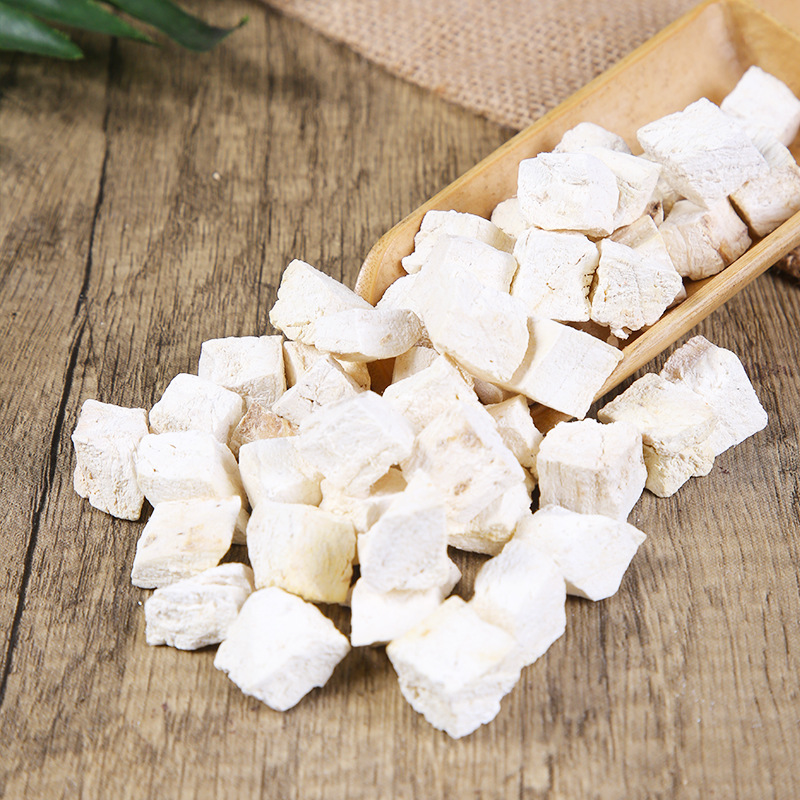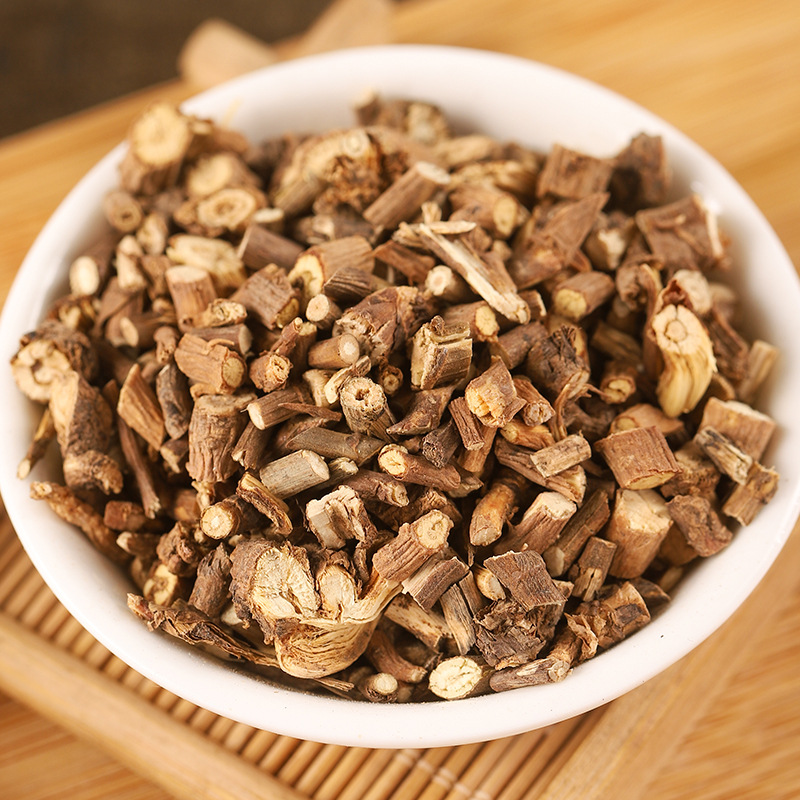
If the body is compared to a large tree, liver blood is the nutrient solution that nourishes the entire tree. Insufficient liver blood means the body, like a tree, loses its nourishment, leading to a series of health issues such as withered leaves and dried branches.
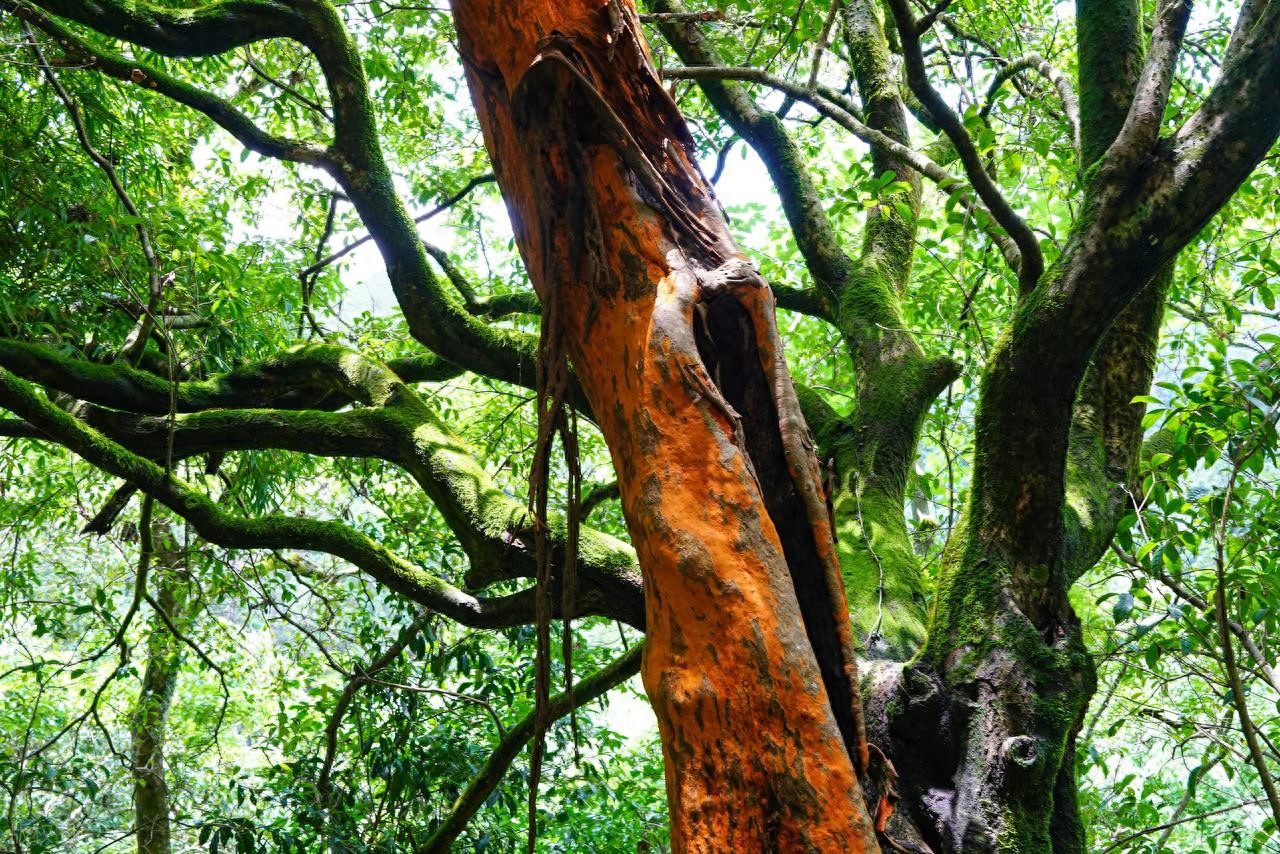
If you experience severe hair loss, frequent dry eyes, numbness in your hands and feet, shallow sleep, frequent dreams and easy awakening, impatience, and a quick temper, these symptoms indicate a severe deficiency of liver blood.
If left unattended, it will lead to serious consequences.
One, liver blood, the source of life in the body
In the system of traditional Chinese medicine, the liver is known as the general of the body, responsible for strategy and planning. It primarily stores blood and governs the free flow of qi, closely related to the circulation of qi and blood, emotional regulation, tendon and vessel activities, visual function, and has a significant impact on the five zang organs.
The realization of these functions entirely relies on the participation of liver blood, as discussed in the "Huangdi Neijing": "The liver receives blood and can see, the feet receive blood and can walk, the palms receive blood and can grasp, the fingers receive blood and can hold."
This sentence succinctly summarizes the crucial impact of liver blood on human bodily functions, akin to the body's "nutrient reservoir" and "lubricant," nourishing all organs and tissues.
Two, Six Signals of Liver Blood Deficiency
1. Loss of nourishment to the eyes:
The liver opens into the eyes, and liver blood serves as the "nutrient fluid" for the eyes. When liver blood is insufficient, the eyes lose nourishment, leading to decreased vision and dryness.
2. Tendon Malnourishment:
The liver governs the tendons, and liver blood acts as the "nourishing fluid and lubricant" for the tendons and vessels. When liver blood is insufficient, symptoms such as numbness in the hands and feet, joint stiffness and pain, and calf cramps are likely to occur. Some middle-aged and elderly individuals experience spontaneous pain in the cervical spine, lumbar spine, knee joints, and heels, all of which are related to liver blood deficiency.
3. Disturbance of the Spirit:
The liver governs the soul. When liver blood is deficient, the soul loses its support, leading to restless sleep at night, difficulty falling asleep, or insomnia with frequent dreams. The liver belongs to wood and prefers free flow. Insufficient liver blood inhibits this free flow, causing people to become easily irritable or experience unexplained melancholy and other emotional fluctuations.
4. Distal Malnutrition:
Severe hair loss and brittle nails. Hair is the surplus of blood, and when liver blood is deficient, as the "remote mountainous areas" of the blood house—hair and nails (the liver governs the tendons, and nails are the surplus of the tendons)—lose the nourishment of liver blood, the hair becomes dry and experiences severe loss. Nails also become brittle, develop vertical lines, become uneven, and the big toe is prone to fungal nail infections due to lack of nourishment.
5. Women with scanty menstrual flow and irregular cycles.
Insufficient liver blood in women often manifests as scanty menstruation, pale color, shortened menstrual periods, or even amenorrhea, with severe cases showing decreased estrogen levels and symptoms of premature ovarian failure.
6. Dizziness and Blurred Vision:
Insufficient liver blood fails to nourish the head and eyes, leading to decreased memory and difficulty concentrating; inadequate blood supply to the brain often causes dizziness and a heavy-headed sensation, with symptoms potentially worsening upon sudden standing.
III. Treatment
Select the Chinese patent medicine Buyi Jili Wan, this formula originates from the Qing Dynasty imperial court medicine "Imperial Buyi Jili Wan", the prescription comes from "Qing Neiting Fazhi Wan San Gao Dan Ge Yao Peiben", and it was a health-preserving formula favored by Emperor Qianlong in his later years.
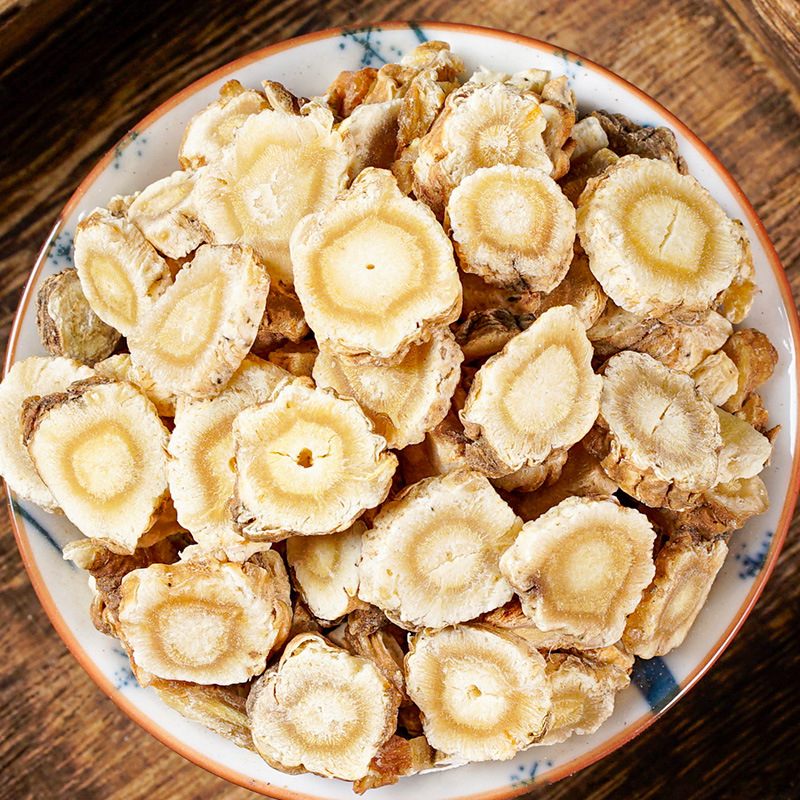
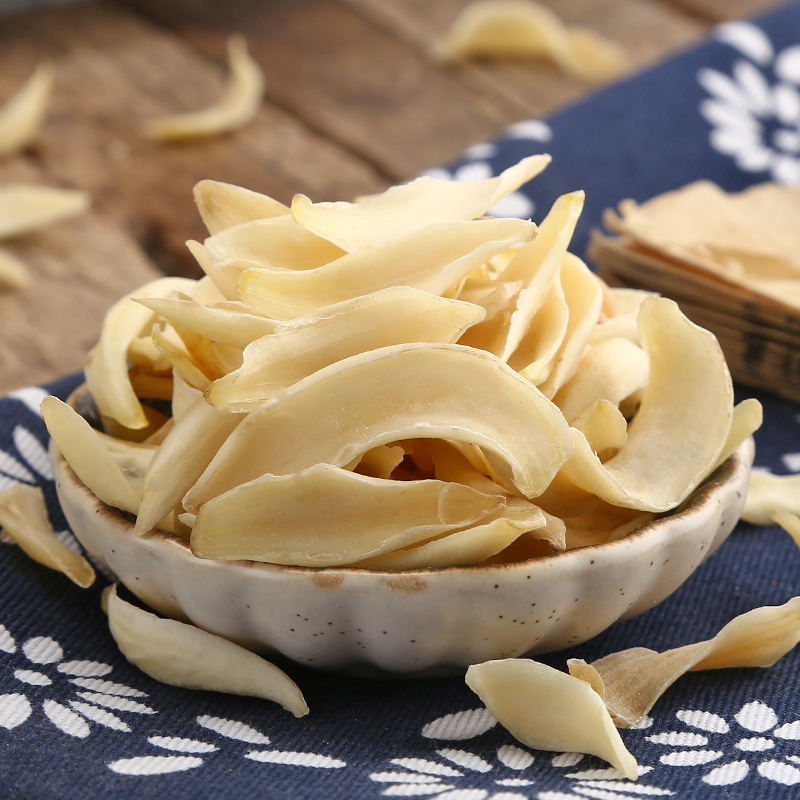
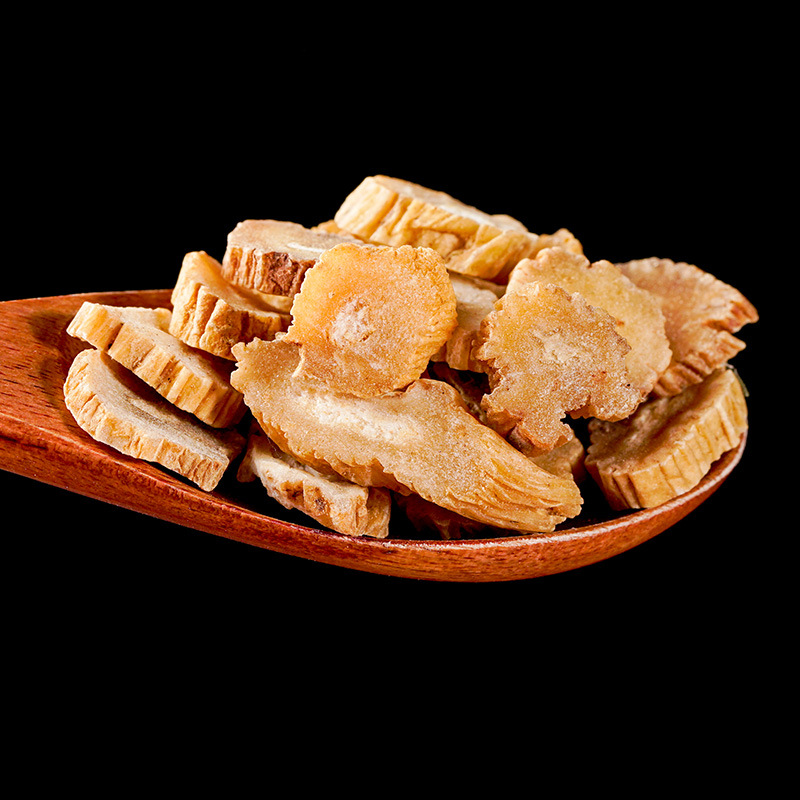
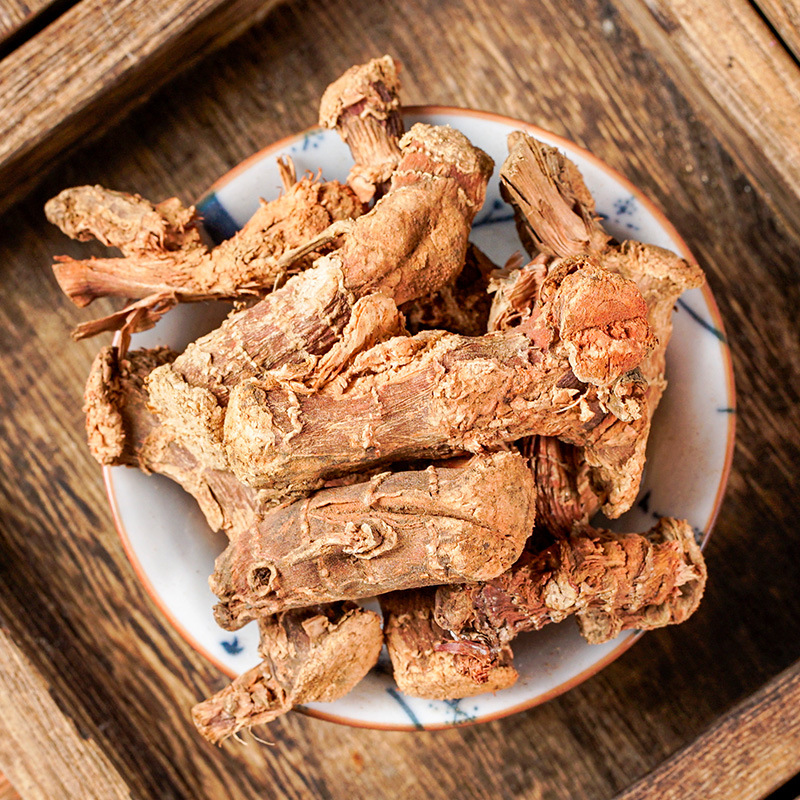
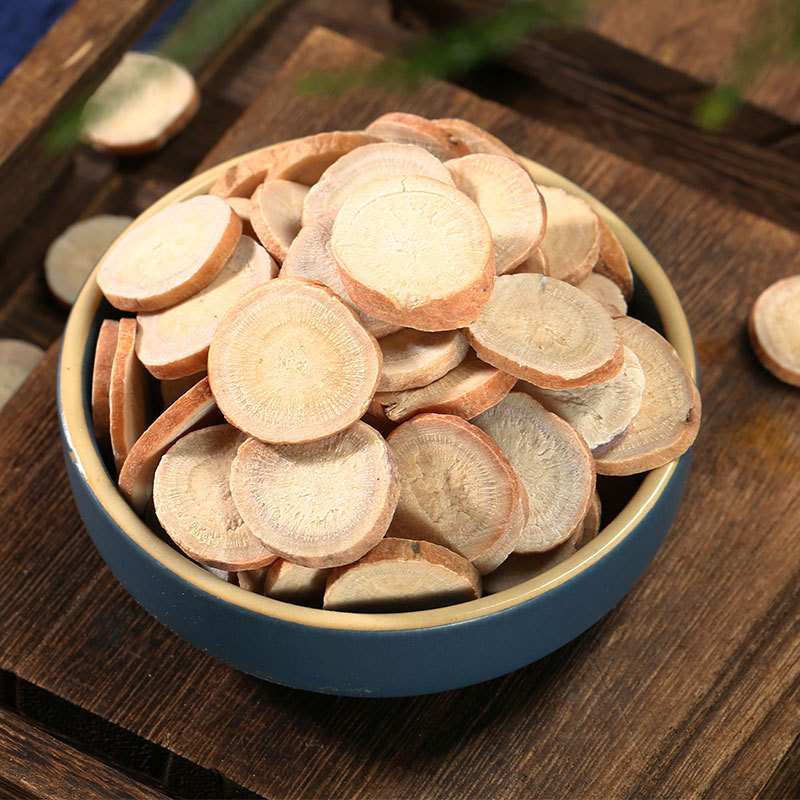
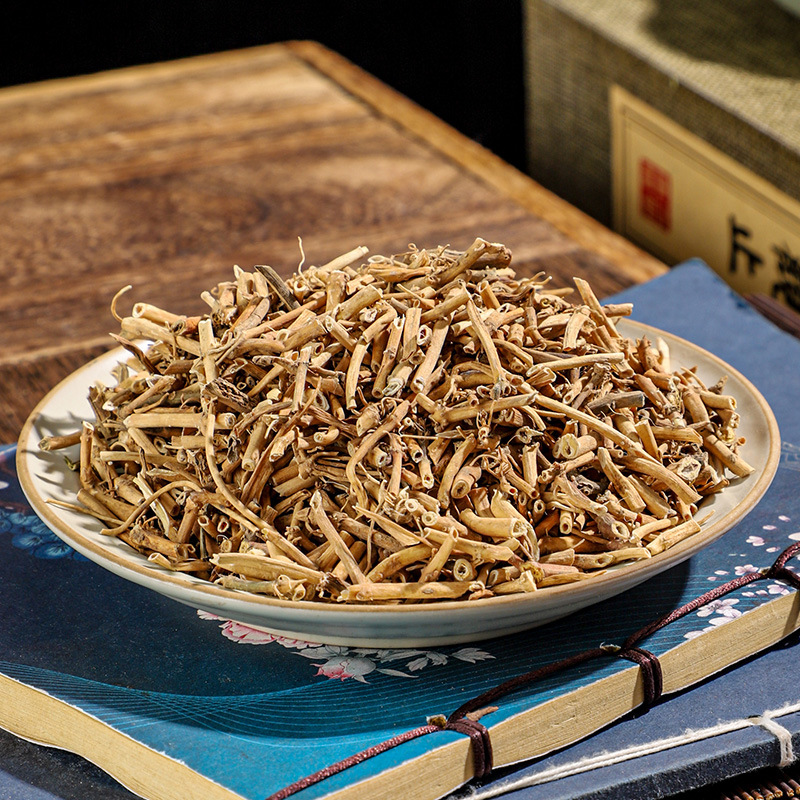
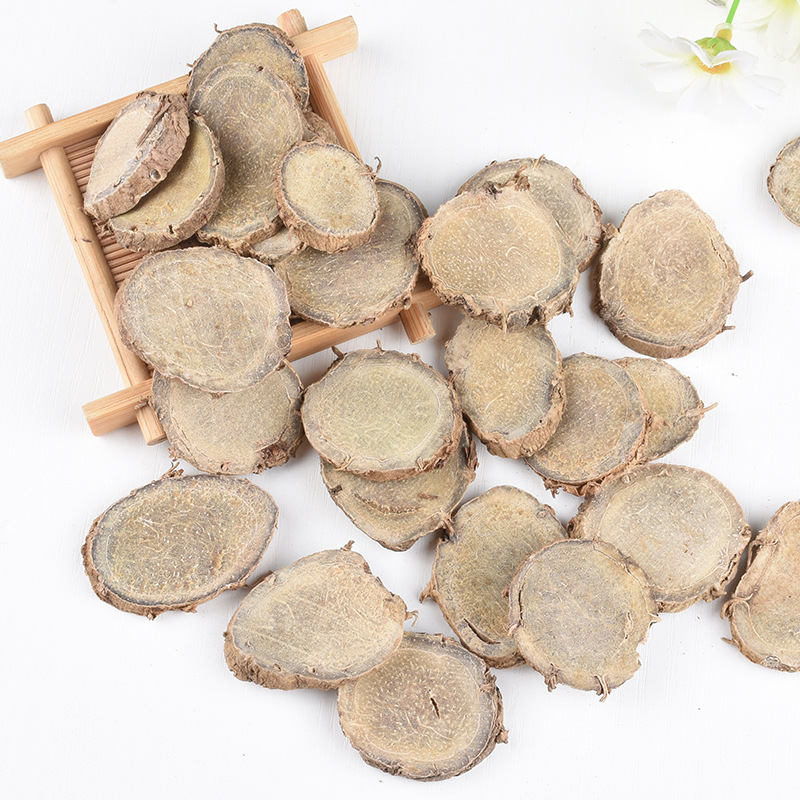
Supplementing and Benefiting Tribulus Pills:Astragalus, Atractylodes macrocephala, Chinese yam, Poria cocos, White hyacinth bean, Euryale ferox, Angelica sinensis, Astragalus complanatus, Cuscuta chinensis, Dried tangerine peel
Let's take a look at how it nourishes liver blood.
1. Start with Spleen Tonification - Atractylodes macrocephala, Chinese yam, Poria cocos, White hyacinth bean, Dried tangerine peel
The spleen is the source of qi and blood production, and the generation of liver blood originates from the spleen. Spleen deficiency leads to insufficient liver blood, which further causes liver qi stagnation, resulting in liver qi invading the spleen. This, in turn, leads to spleen deficiency, creating a vicious cycle of mutual deficiency between the liver and spleen.
Atractylodes macrocephala and Poria cocos invigorate the spleen and promote diuresis, clearing the channels for the absorption of qi and blood; Chinese yam and white hyacinth bean: tonify the spleen, replenishing the raw materials for the production of qi and blood in the spleen and stomach; dried tangerine peel, awakens the spleen, enhancing the transportation and transformation functions of the spleen and stomach.
The combination of five herbs addresses the issue of qi and blood deficiency by strengthening the spleen and stomach, laying a solid foundation for the subsequent production and absorption of qi and blood.
2. Tonifying the Kidney and Securing Essence - Astragalus complanatus, Cuscuta chinensis, Euryale ferox
The liver and kidney share the same origin. Deficiency of liver blood inevitably leads to insufficiency of kidney essence, or insufficiency of kidney essence will inevitably consume liver blood. In such a case, not tonifying the kidney is like a pot with a hole—no matter how much you fill it, it will leak out from the hole. Semen Astragali Complanati, Semen Cuscutae, and Semen Euryales—these three herbs tonify the spleen and kidney, nourish kidney essence, and simultaneously consolidate the kidney to store essence. By tonifying in this way, the goal of nourishing water to support wood is achieved.
3. Tonifying Qi and Generating Blood——Astragalus, Angelica
Astragalus is also known as "little ginseng." Its main effect is to "tonify qi," and it has the functions of replenishing qi to strengthen the exterior, tonifying qi to raise yang, and promoting fluid production to nourish blood. Angelica sinensis is a sacred herb for tonifying blood, emphasizing both blood nourishment and blood activation. It is characterized by "movement within tonification and tonification within movement."
Dang Gui combined with Huang Qi forms Li Dongyuan's timeless famous formula: Dang Gui Bu Xue Tang, which has the effects of replenishing qi and nourishing blood, as well as consolidating yang and strengthening the exterior.
The overall formula is characterized not by crude tonification but by clever tonification through "increasing income and reducing expenditure." On one hand, it "increases income" by fortifying the spleen to promote the generation of qi and blood; on the other hand, it "reduces expenditure" by tonifying the kidneys to secure essence. The formula is ingeniously designed to be "tonifying without causing stagnation, nourishing without inducing greasiness." It is particularly suitable for individuals with insufficient liver blood but disharmony of the spleen and stomach, frequent urination, premature ejaculation, and a tendency to develop internal heat upon tonification.
Conclusion
Insufficiency of liver blood due to lack of blood nourishment the entire body exhibits a state of poor nourishment we should learn to carefully observe the subtle discomforts that the body shows in daily life
Insufficient liver blood is just the body's "quiet protest." Before it escalates into a "loud cry," if we understand these signals, intervene early, and make timely adjustments, we can fully restore health to balance.