A fellow patient once complained to me:I have been suffering from gastrointestinal bloating for several years. I feel uncomfortably bloated whenever I eat, but I also feel unbearably hungry when I don't. Tapping on my stomach produces a hollow sound. I have seen many doctors and taken numerous medications, but none have been effective. It's so frustrating!
Actually, many people have had this frustrating experience: their stomach growls with hunger, but after just a few bites of food, their belly bloats like a balloon filled with air, feeling uncomfortably full, and they keep burping and belching; yet, if they go hungry, they feel panicky, shaky, and weak all over.
This contradiction of feeling bloated after eating and hungry when not eating, what exactly is the hidden issue? Today, let's have a good chat about it.
The core issue of this dilemma is actuallyspleen deficiency and qi stagnationSpleen deficiency is the root cause, while qi stagnation is the surface symptom.
Let's start with spleen deficiency. In traditional Chinese medicine, it's often said that "the spleen governs transportation and transformation." You might have heard this, but what exactly does the spleen do, and how does it work? Actually, the spleen's functions can be divided into two main parts:First, it receives the semi-processed food after digestion by the stomach (which we refer to as turbid qi), and second, it processes these semi-finished products into nutrients and qi-blood that the body can directly use, then transports them to all parts of the body. This is called "ascending the clear."
The spleen performs these tasks entirely relying on "qi" as its driving force—qi acts like the body's "engine," capable of propelling and warming the various organs, ensuring all functions operate smoothly.
If the spleen or qi, these two "main characters," have problems, the body will naturally experience issues.

Once the spleen becomes deficient, its ability to process nutrients declines, leading to a reduction in the nutrients delivered throughout the body. Over time, the function of transportation and transformation deteriorates further.
When you eat, the stomach smoothly digests the food into semi-finished products, but the spleen is already too weak to transport these substances away.
These semi-processed foods accumulate in the stomach and intestines, and when combined with internal heat in the body, they ferment and produce gas, causing the abdomen to naturally feel bloated. Some patients may also experience belching with a sour and rotten odor, which is particularly uncomfortable.
Let's talk about qi stagnation. After spleen deficiency, the body's functional activities decline, and the movement of qi becomes sluggish, which is called "qi stagnation"—just like a traffic jam, where the flow is blocked and circulation is poor. In traditional Chinese medicine, it is said that "when qi does not flow smoothly, there is distension." Therefore, not only does the abdomen feel bloated, but some may also experience dull abdominal pain, acid reflux, and belching.
Why do we feel hungry if we don't eat? Actually, the absorption of nutrients in the body relies entirely on the spleen. If the spleen is deficient, it cannot deliver sufficient nutrients to all parts of the body. Each organ is like lacking "rations," with no energy supply.
The brain immediately sends out hunger signals when it detects an "energy shortage," making you want to eat.
This forms a vicious cycle:Hungry→Eat→Spleen fails to transport→Bloated→Dare not eat→Nutrition even more insufficient→Spleen even weaker, the deeper it sinks the more uncomfortable it becomes.
To break this vicious cycle, the key lies in accurately targeting "strengthening the spleen + promoting qi circulation." It is essential to address both the root cause (spleen deficiency) and the surface symptoms (qi stagnation), achieving a comprehensive treatment of both the root and the symptoms.
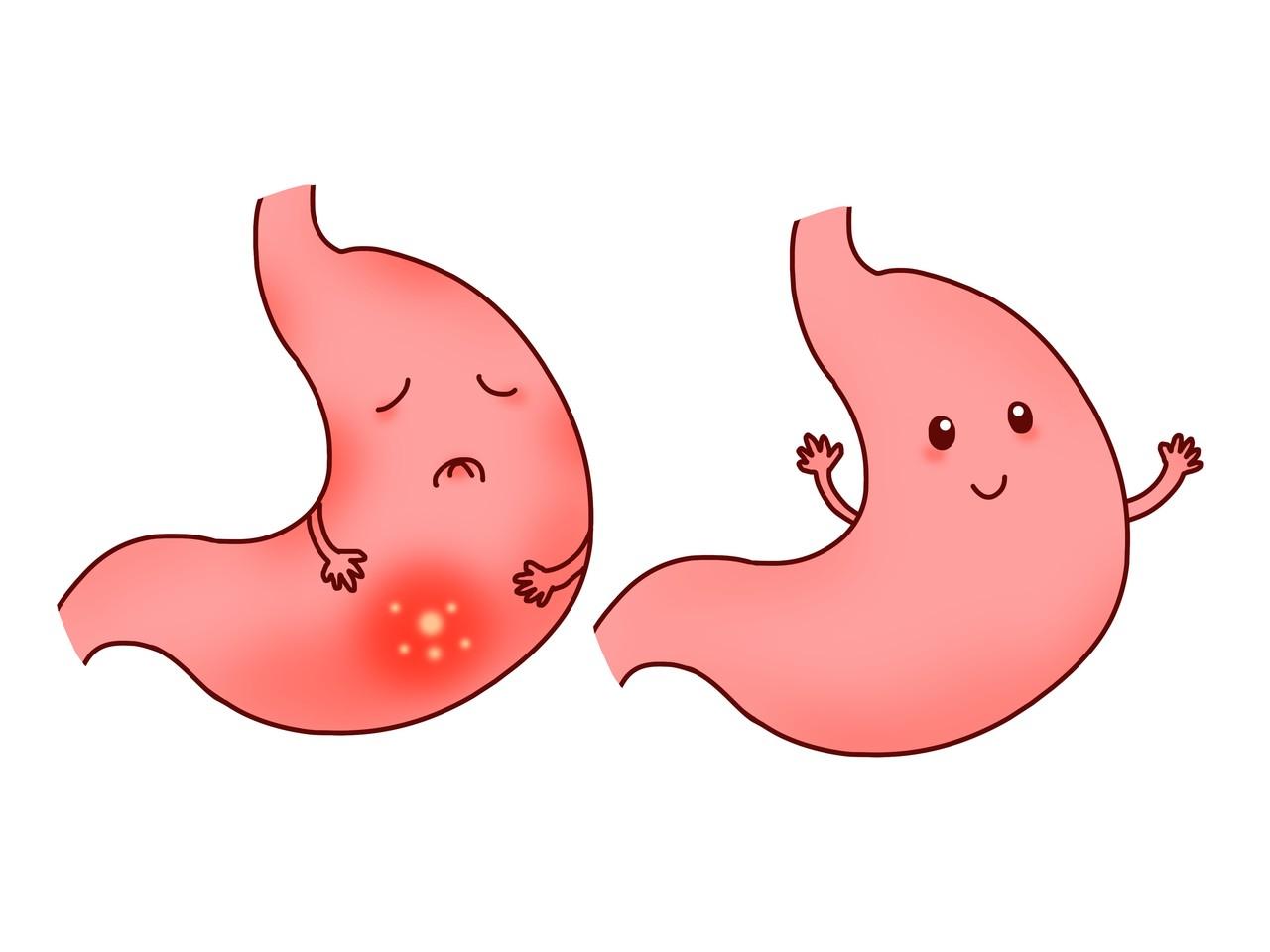
Here is a convenient and effective Chinese patent medicine to recommend to everyoneZhizhu Kuanzhong Capsule
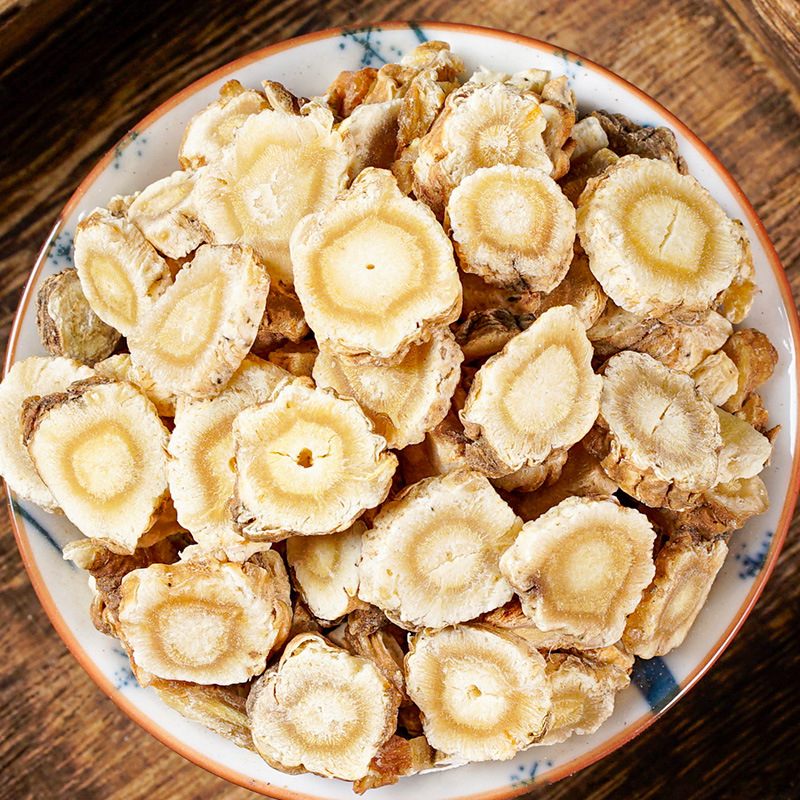
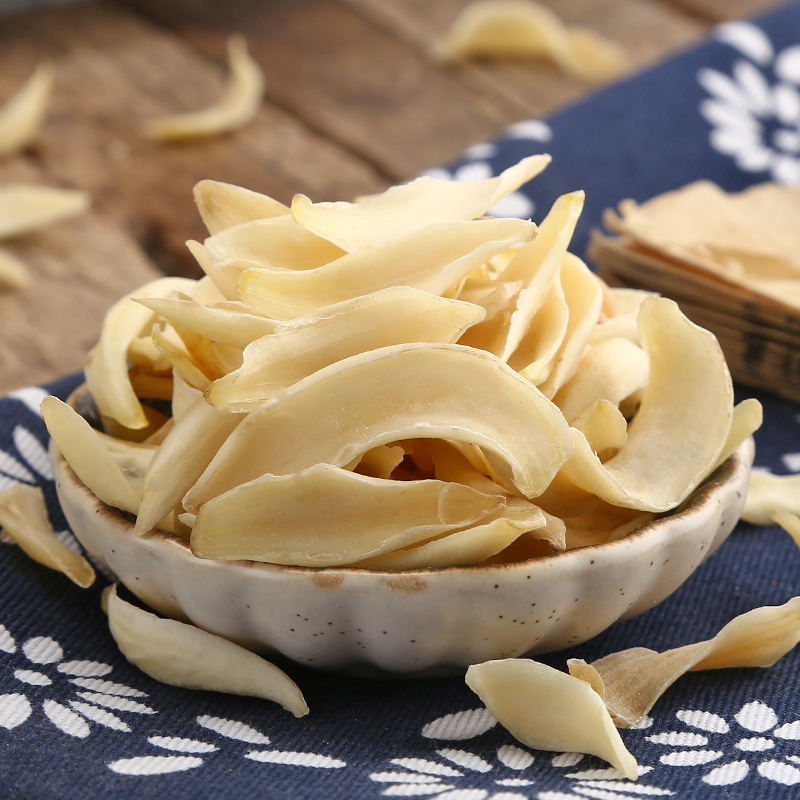
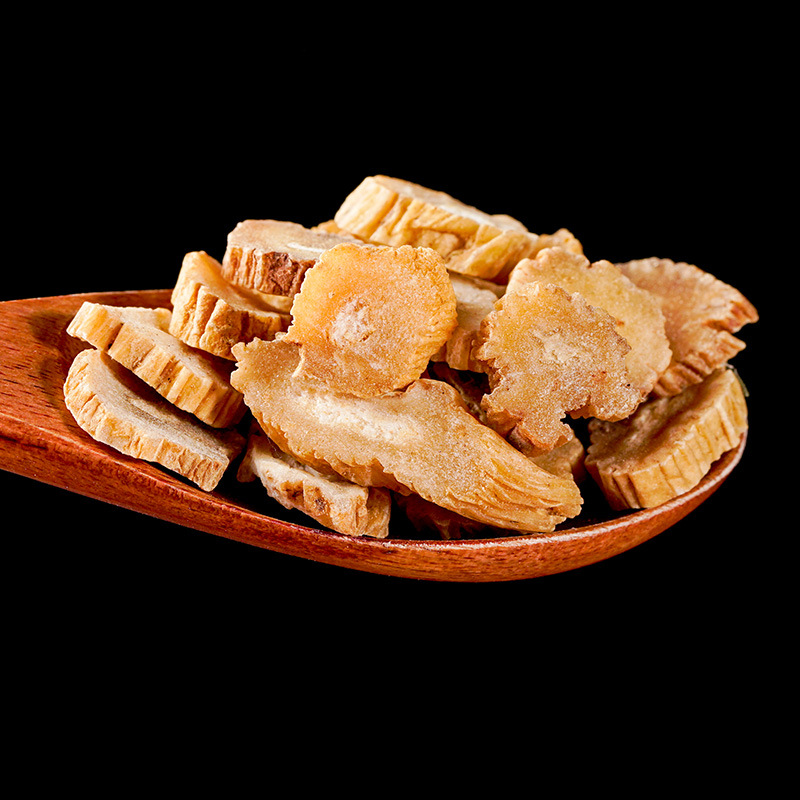
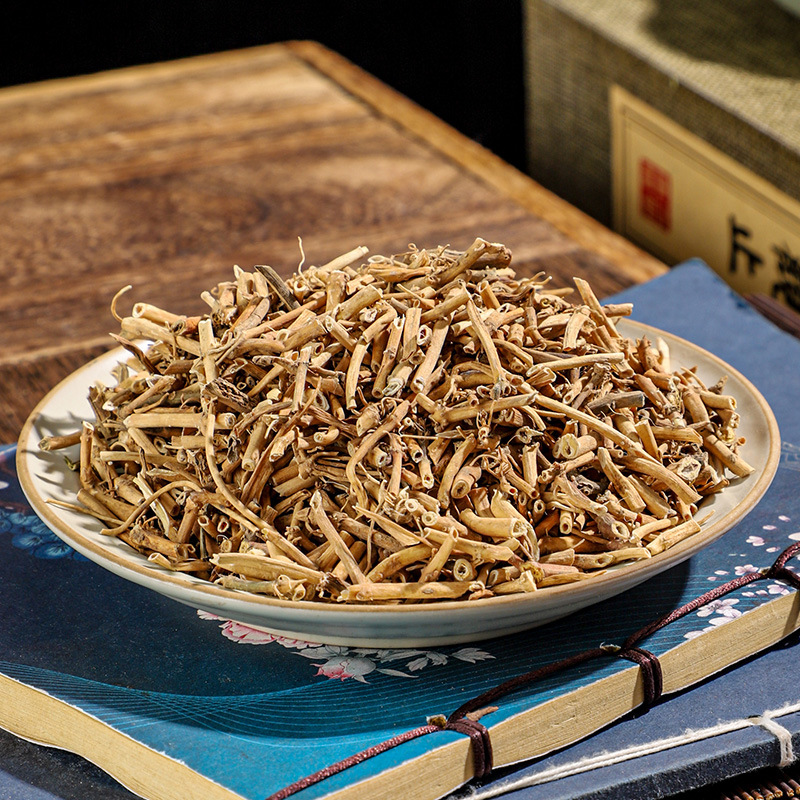
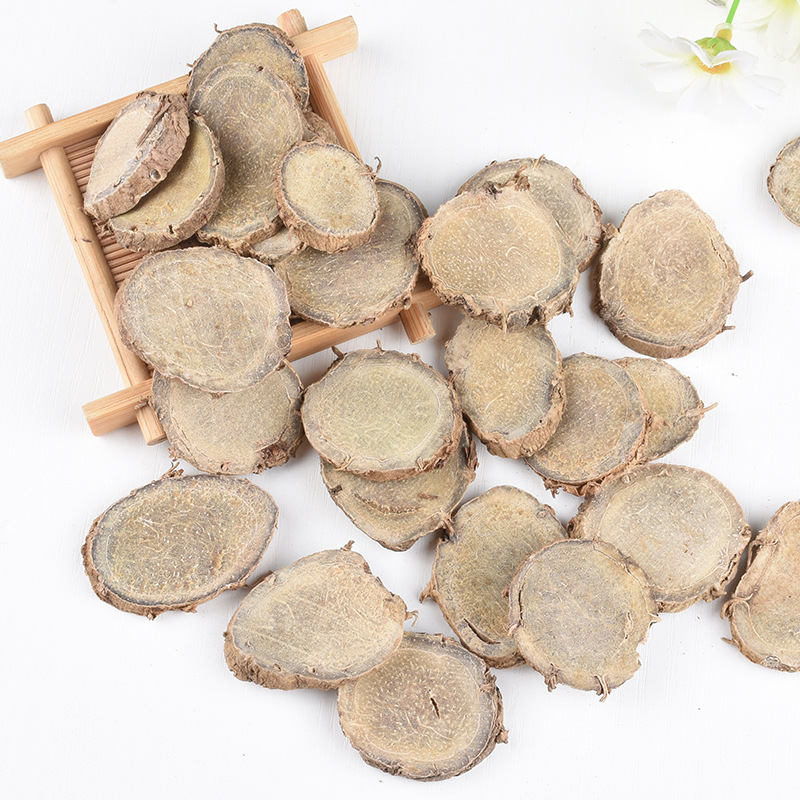
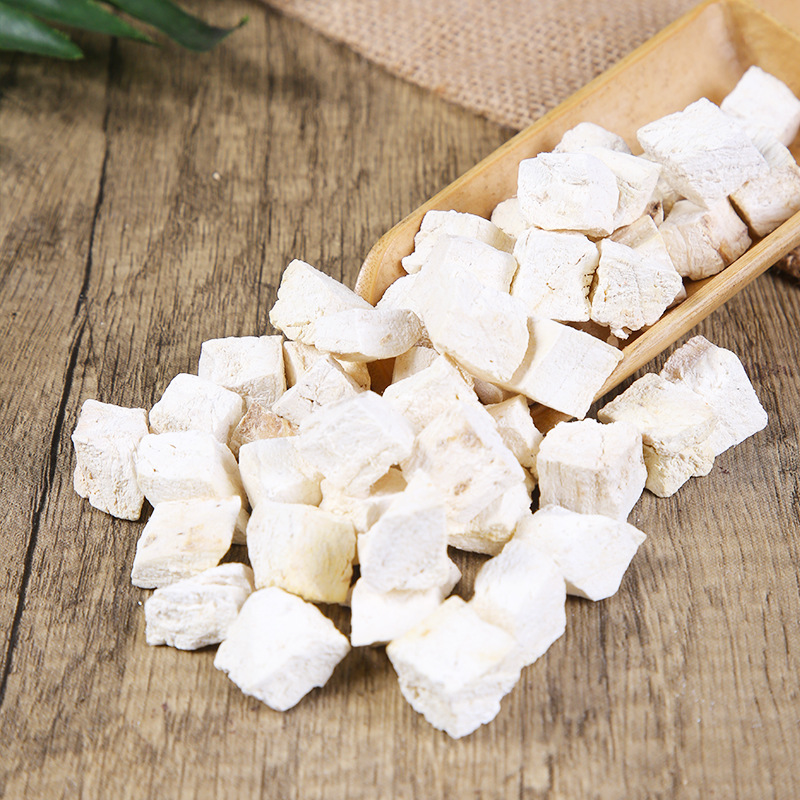
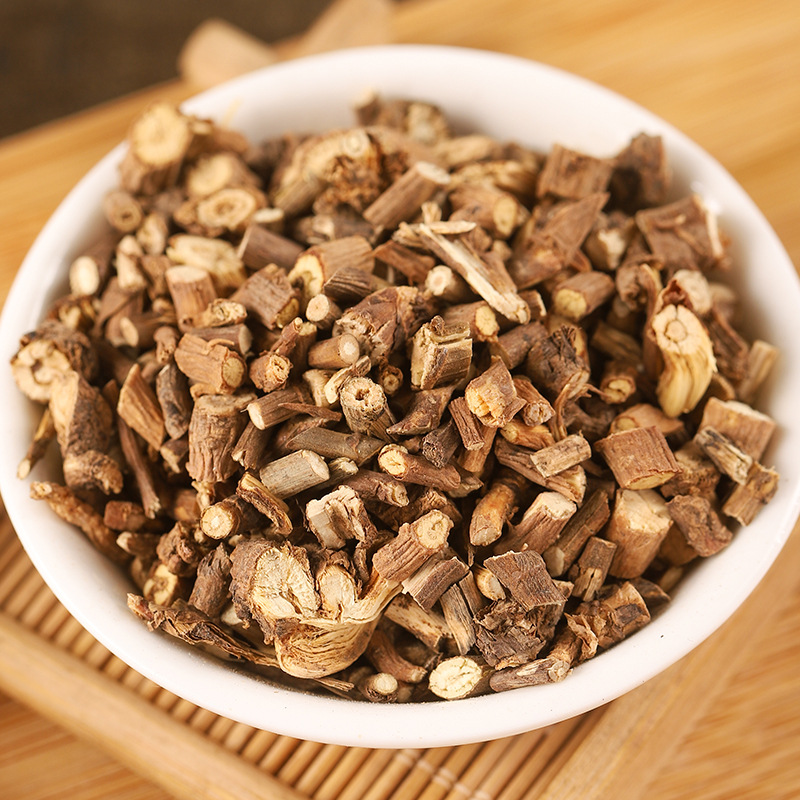
Its composition is simple, just four medicinal herbs:Stir-fried Atractylodes Macrocephala, Immature Bitter Orange, Bupleurum Root, HawthornThe combination is particularly targeted.
First, look at fried Atractylodes macrocephala. If we compare the spleen to the "central workshop" that transports and transforms nutrients, spleen deficiency is like the workshop lacking fuel and having no power. Atractylodes macrocephala can replenish qi, strengthen the spleen, dry dampness, and promote diuresis. It's like filling the spleen's "engine" with fuel, providing enough power to fundamentally improve spleen deficiency issues, allowing the spleen to regain its strength and function effectively.
Looking at Citrus Aurantium, if spleen deficiency is the root problem, then qi stagnation is the most uncomfortable symptom at the moment. The ability of Citrus Aurantium is to "break qi and promote qi circulation," and it can also eliminate stagnation and resolve phlegm—it acts like a "pioneer," whether it's qi blockage or food stagnation, it can clear the way, directly relieving abdominal distension from the qi level and helping the stomach and intestines "clear the traffic."
Then there is Bupleurum, which can soothe the liver and regulate qi, working together with Fructus Aurantii Immaturus to smooth the flow of qi throughout the body, allowing qi to circulate normally up and down without "traffic jams," further consolidating the effect of promoting qi flow.
Finally, there is hawthorn, which excels at promoting digestion and relieving stagnation. It is particularly effective for indigestion caused by overeating meat or greasy foods, as it helps break them down. Combined with the previous herbs, it thoroughly clears the accumulated food residues in the stomach and intestines, preventing further fermentation and gas production.
These four herbs are combined together,Strengthen the spleen, regulate qi, and resolve stagnationAll aspects have been taken into account, precisely corresponding to the core pathogenesis of "spleen deficiency with qi stagnation".
Whether it's bloating immediately after eating, post-meal fullness, belching, loss of appetite, or difficulty with bowel movements, it can be targeted and resolved, perfectly addressing the root cause of "bloating after eating, yet hungry when not eating," helping you break that troublesome vicious cycle.