There are always some people around us whose constitution is particularly "contradictory":Feeling drowsy and weak during the day, yet restless and unable to sleep at night; some have feet as cold as ice, while the upper body sweats profusely, a typical case of upper heat and lower cold; others are both afraid of cold and heat, feeling uncomfortable no matter what; even stranger, despite having a dry mouth and throat, they have no desire to drink water at all.
These situations of mixed deficiency and excess, twisted yin and yang, and chaotic cold and heat are puzzling to see. What exactly is going on?
Actually, this kind of "contradictory constitution," when delving into the underlying reasons, the core isdeficiency of both yin and yang。
Why does deficiency of both yin and yang occur? We can think of the human body as a small universe, where yin and yang are like the two ends of a scale, and balance is essential for good health.
Just like the conservation of energy, Yin and Yang are interdependent and mutually transformative. Once the balance is disrupted, either Yin becomes insufficient or Yang becomes deficient. Over time, this can lead to a situation where "Yin deficiency affects Yang, and Yang deficiency affects Yin." For example, prolonged Yin deficiency can weaken Yang energy, and prolonged Yang deficiency can deplete Yin fluids, ultimately resulting in a complex constitution of dual deficiency of both Yin and Yang.
Dihuang Yinzi WanThe earliest record is found in the Shengji Zonglu where it was originally used to treat aphonia and paralysis which are sequelae of stroke such as a stiff tongue that makes speech difficult and weak legs that hinder walking
But its core isnourish kidney yin, tonify kidney yang, open the orifices and resolve phlegmLater, doctors flexibly applied it to deal with this constitution characterized by a mixture of cold and heat, as well as imbalance of yin and yang, and the results were particularly effective.
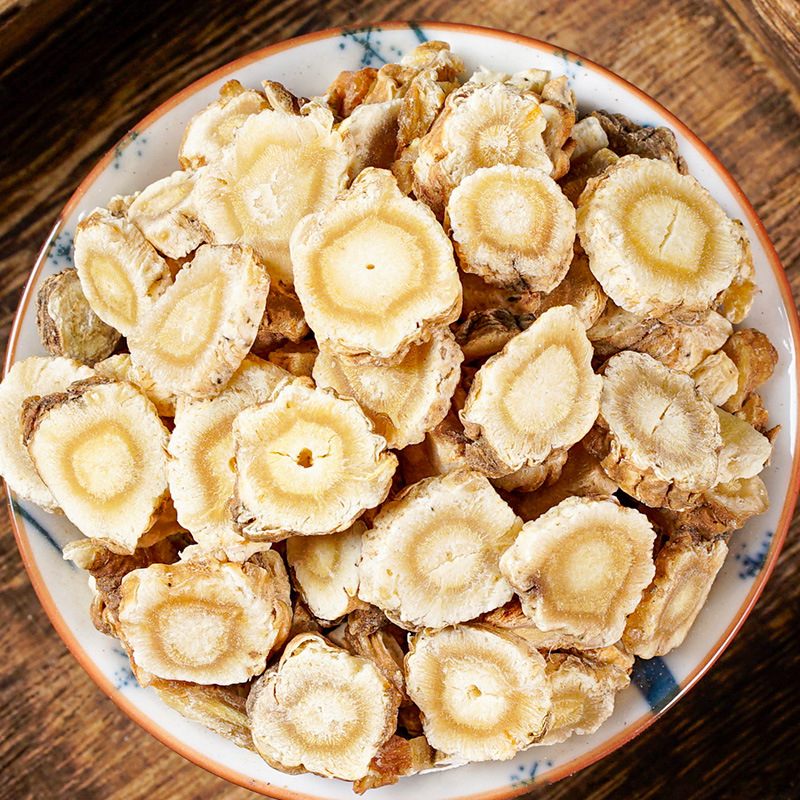
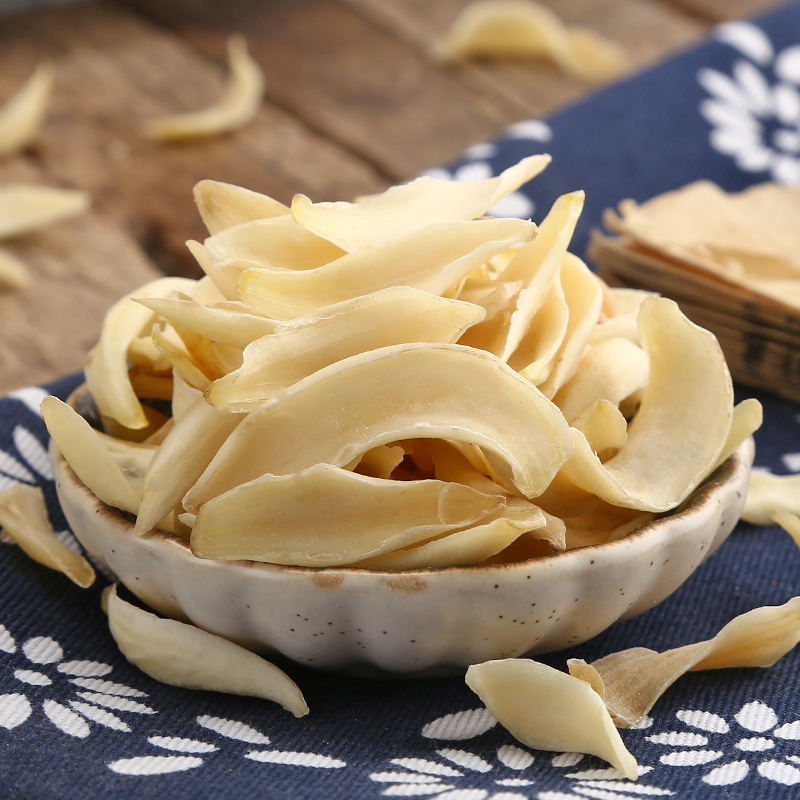
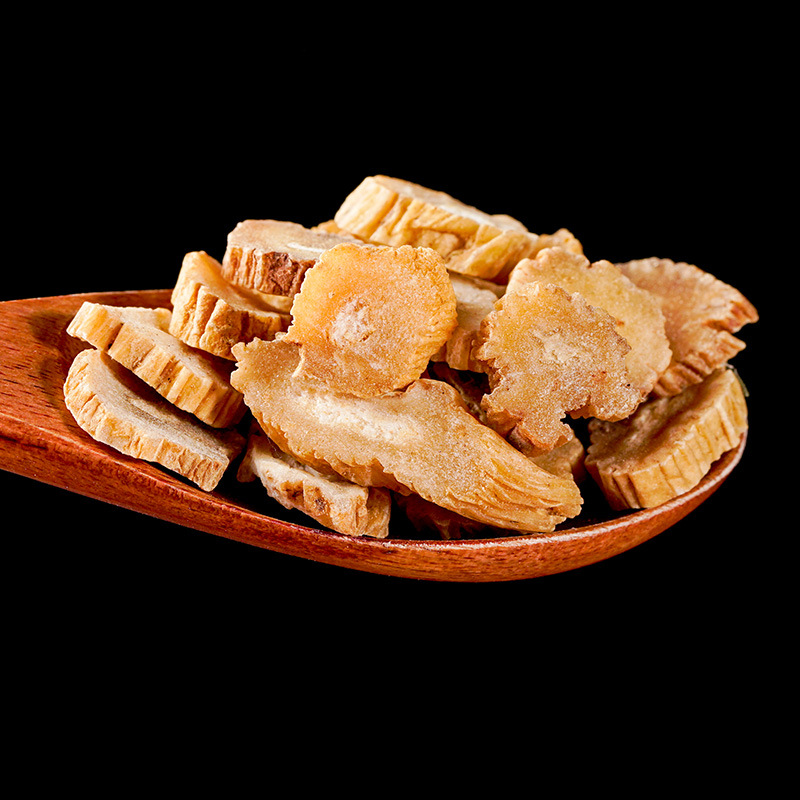
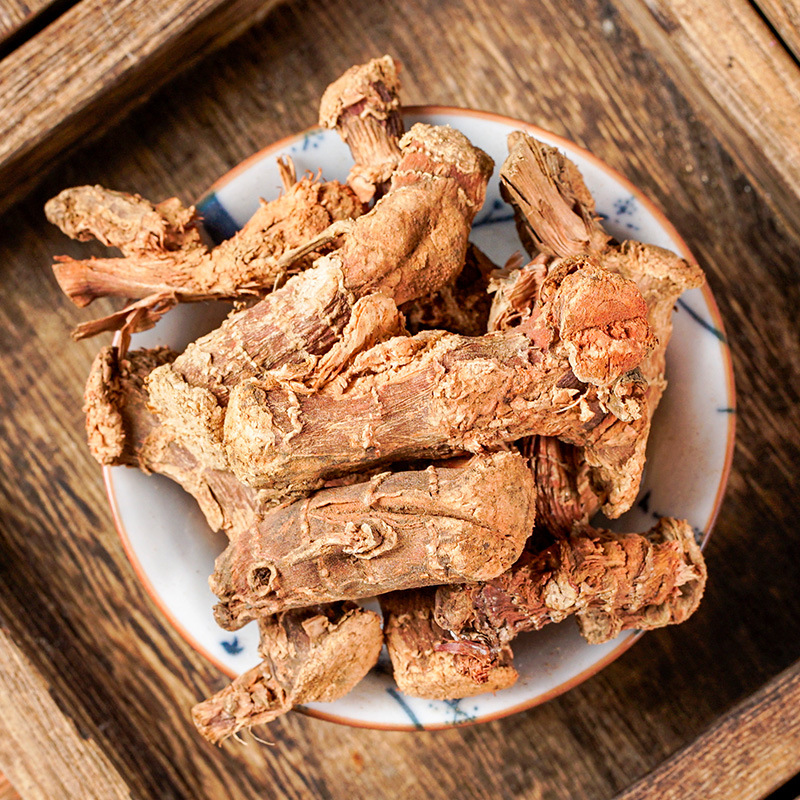
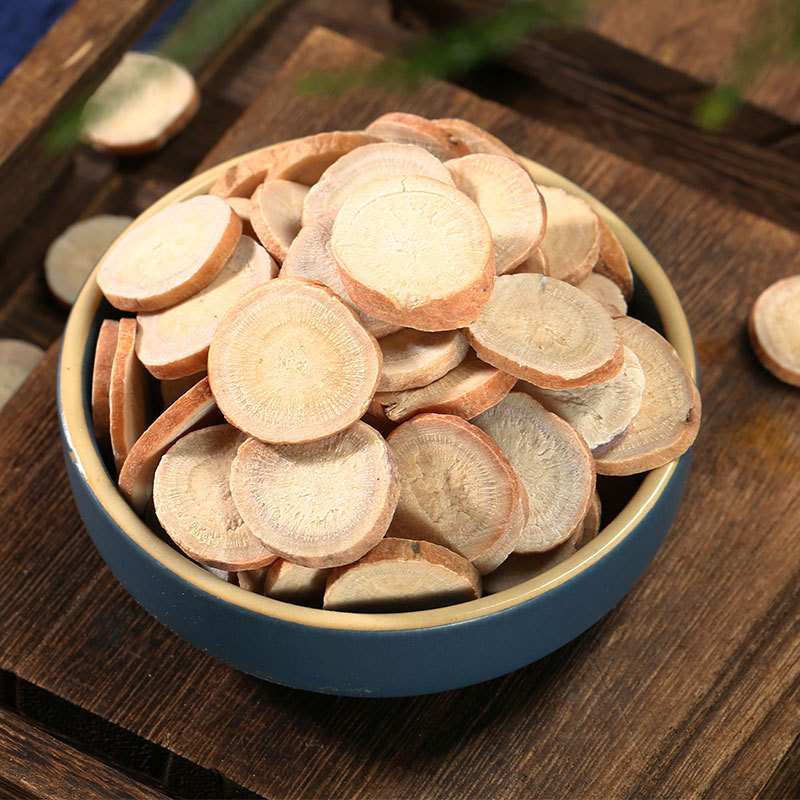
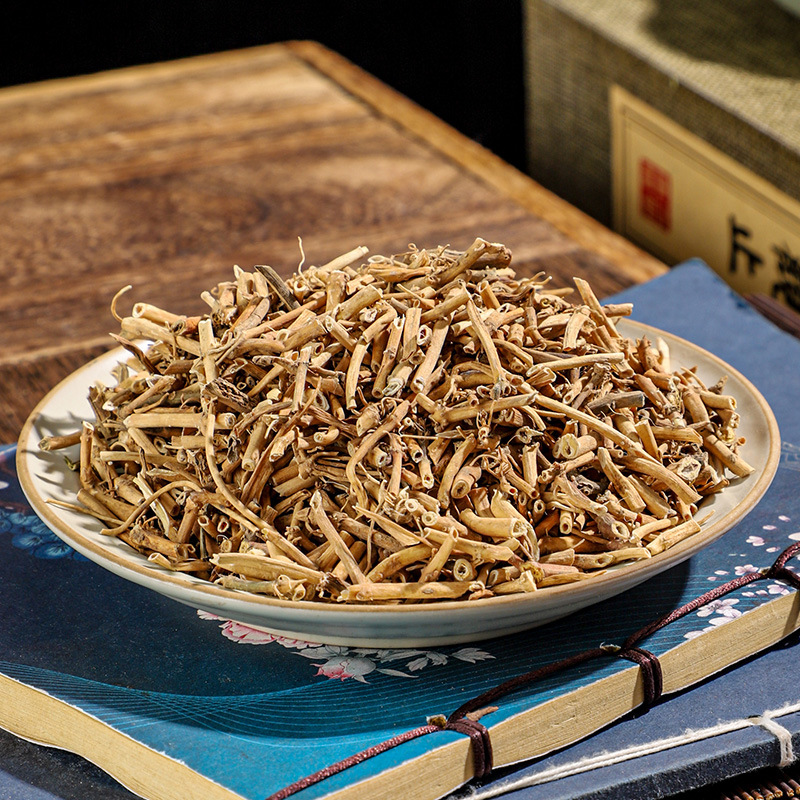
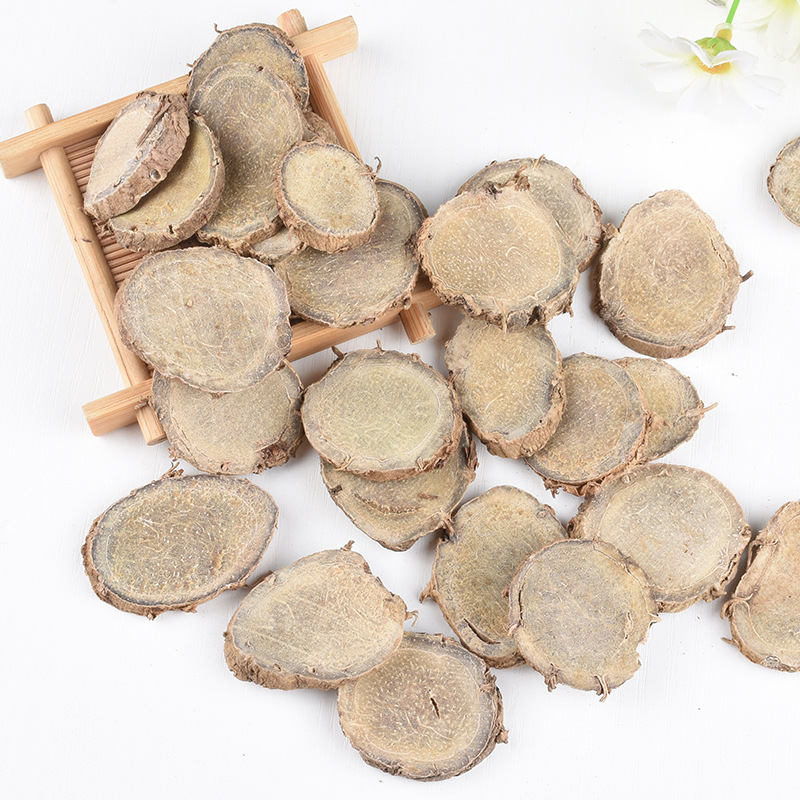
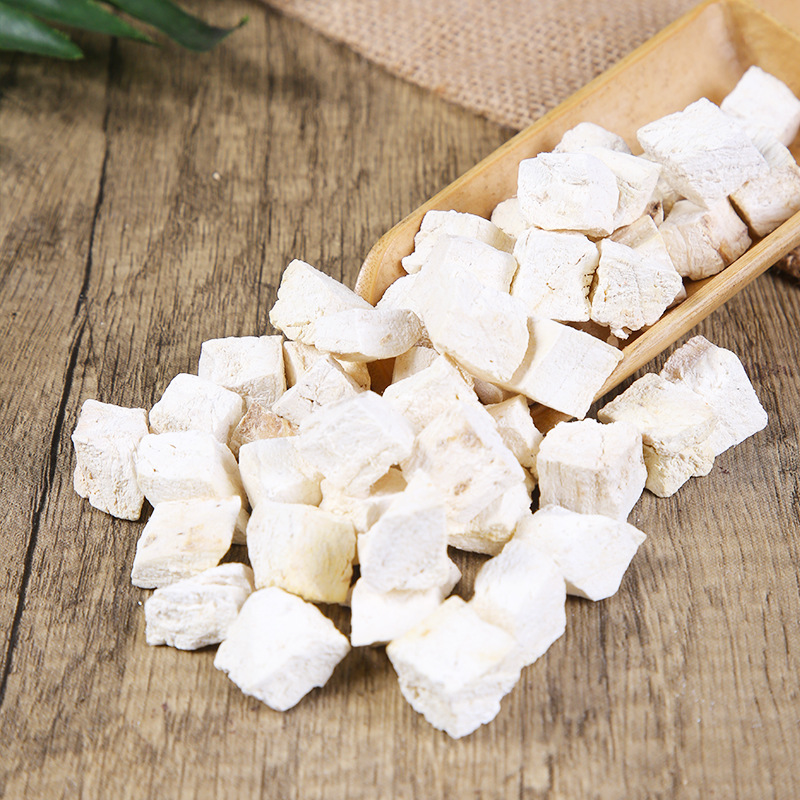
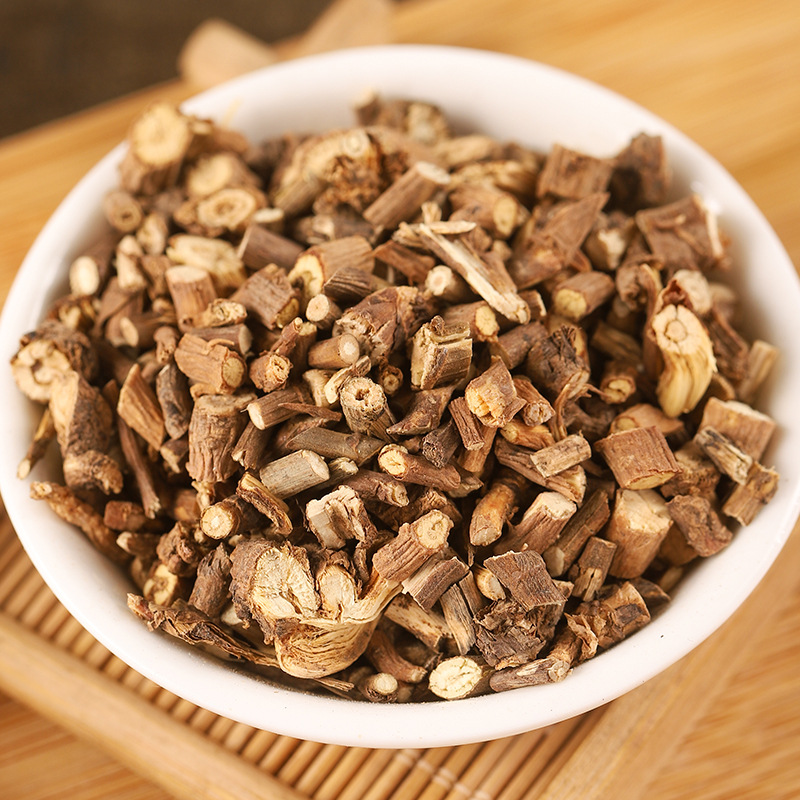
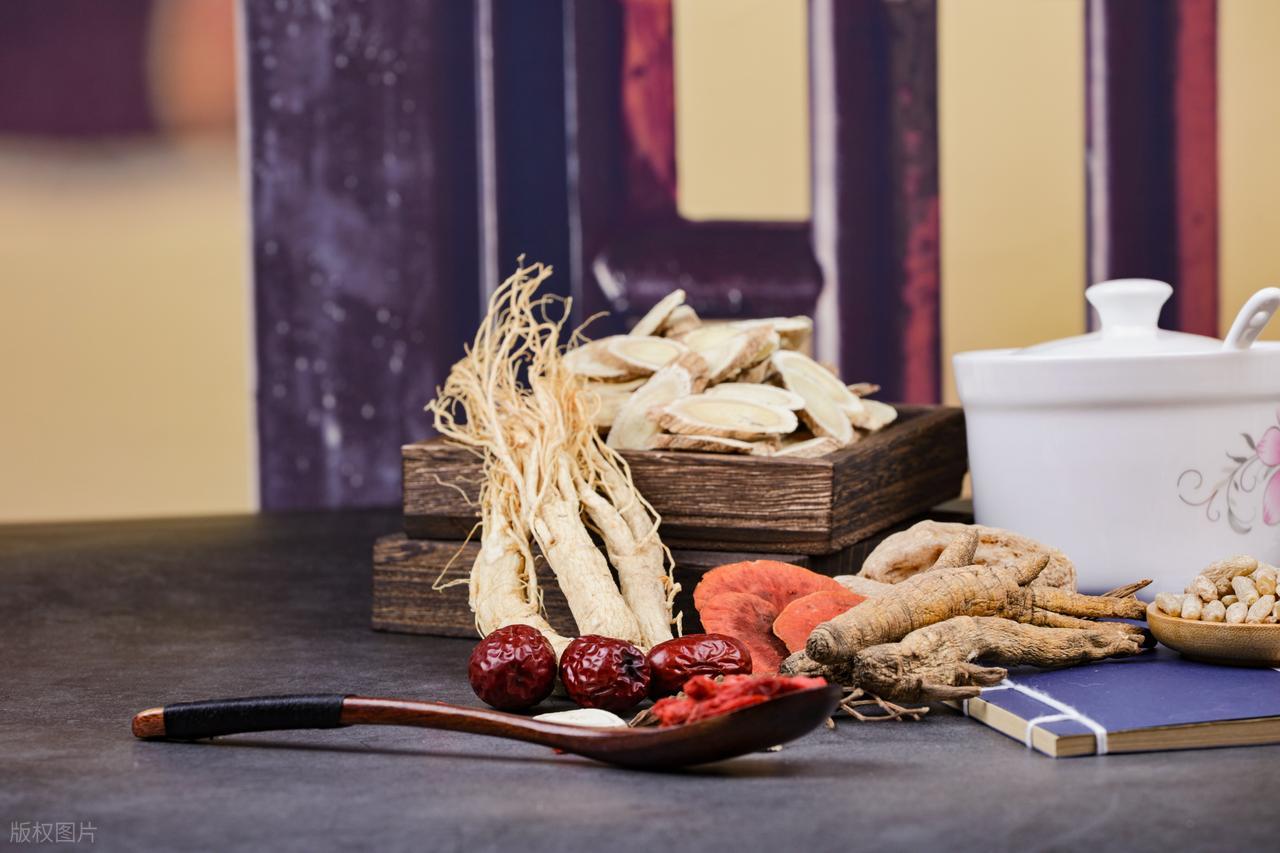
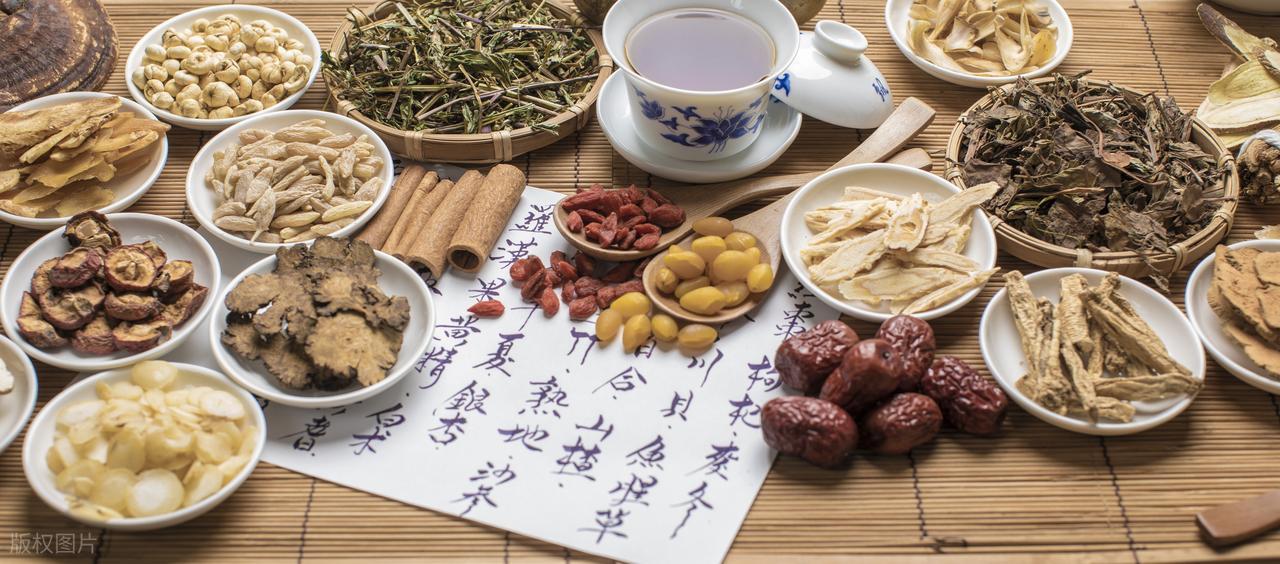
Its ingredients areRehmannia glutinosa, Cistanche deserticola, Morinda officinalis, Cornus officinalis, Aconitum carmichaelii, Cinnamomum cassia, Ophiopogon japonicus, Dendrobium nobile, Schisandra chinensis, Acorus calamus, Polygala tenuifolia, Poria cocosSome recipes also addGinger, Jujube, MintThese three medicinal herbs.
Let's break down the efficacy of this prescription and discuss it slowly, which can actually be divided into four core parts.
First, look at the four herbs: Rehmannia glutinosa, Cornus officinalis, Cistanche deserticola, and Morinda officinalis. They are the "core nourishing team" of the formula, capable of both tonifying kidney yang and replenishing kidney essence.
Rehmannia glutinosa can nourish yin and blood, replenish essence and marrow; Cornus officinalis is sour, can astringe and also nourish the liver and kidney, these two are specifically for nourishing yin; Cistanche deserticola has the reputation of "desert ginseng", can warm and tonify kidney yang, Morinda officinalis has a warm nature, can tonify kidney yang, strengthen bones and muscles, and also dispel wind-dampness, these two are for nourishing yang.
Four herbs, one yin and one yang, are paired to replenish, just like fully charging a depleted body battery. Whether it's yin deficiency or yang deficiency, both can be gradually corrected, and the discomfort of feeling both cold and hot will also be alleviated.
Then there are aconite and cinnamon, both of which are extremely hot in nature, specifically used to warm and nourish the kidney yang in the lower jiao.
Especially cinnamon, it has another remarkable ability—it can "guide fire back to its origin," pulling the deficient fire that has risen to the upper body back down to the life gate in the lower jiao, allowing it to return to its proper place.
In this way, the problem of upper heat and lower cold, characterized by coldness in the lower body and heat in the upper body, can gradually improve.
Look at Ophiopogon japonicus, Dendrobium, and Schisandra chinensis, they are the "yin-nourishing and water-replenishing team".
Ophiopogon japonicus can nourish lung yin, Dendrobium can nourish stomach yin, promote fluid production and quench thirst, the two herbs together replenish body fluids; Schisandra chinensis is sour and can astringe, preventing the hard-earned yin fluids from being wasted.
In this way, the strange symptom of having a dry mouth and throat but not wanting to drink water can be alleviated.
Finally, Poria, Acorus, and Polygala are responsible for "unblocking the meridians and harmonizing the heart and kidneys."
Acorus tatarinowii has a warm nature and a fragrant aroma, capable of opening the heart's orifices and guiding heart fire downward to warm kidney water; Polygala tenuifolia can promote kidney qi, guiding kidney water upward to nourish heart fire, and through this ascending and descending movement, the heart and kidneys can harmonize well.
Additionally, Poria can remove dampness and calm the mind, clearing dampness from the body. Conditions such as difficulty falling asleep when one should sleep, or feeling drowsy when one doesn't want to sleep, caused by disharmony between the heart and kidneys, can gradually improve.
The entire formula is ingeniously composed: it regulates both the upper and lower parts of the body, but focuses on tonifying the deficiency in the lower jiao; it addresses both superficial symptoms and, more importantly, strengthens the root of the kidneys; it tonifies both yin and yang, with yin tonification not feeling greasy and yang tonification not feeling drying, making it a well-balanced formula for gently and steadily tonifying yin and yang.
Dihuang Yinzi Wan was originally used to treat aphonia and paralysis caused by kidney deficiency, with typical symptoms including a stiff tongue and inability to speak, immobility of the legs and feet, cold feet but a flushed face, and a deep, thin, and weak pulse.
However, it is also suitable for individuals with a constitution characterized by both yin and yang deficiency, as well as a mixture of cold and heat.
Currently in clinical practice, it is also used to treat nephrotic syndrome, senile osteoporosis, oligospermia and infertility, as well as conditions such as anemia and leukopenia, which are attributed to deficiencies in both kidney yin and kidney yang.
However, it should be noted that although this prescription tonifies yang without causing dryness or heat, and is generally warm and tonifying, it is not suitable for individuals with excessive internal fire or hyperactivity of liver yang, as it may exacerbate symptoms.
If you are unsure whether your constitution is suitable, it is best to consult a professional doctor.