Nowadays, stones are really not uncommon in life, many people find them during physical examinations,Suddenly, you find yourself with kidney stones or gallstones.
I usually feel fine, so how did stones suddenly appear in my body? Although kidney stones and gallstones form in different places, the underlying reasons are actually quite similar.Today we are going to specifically talk about kidney stones.
Actually, stones are just a superficial phenomenon; the core issue is the dysfunction of the internal organs and the poor circulation of qi, blood, and body fluids.
Why are some people more prone to developing stones? First, it is closely related to their constitution.
Take a family for example, some people are perfectly normal in every way, while others are prone to developing stones. This is due to differences in constitution. Regularly consuming greasy, fried, spicy, sweet, or rich foods, or frequently drinking alcohol, can harm the spleen and stomach, gradually accumulating internal heat.
The kidney is the master switch that regulates the body's water metabolism. If this switch malfunctions, dampness cannot be expelled and accumulates in the body. This retained dampness, when combined with pre-existing internal heat, transforms into sticky damp-heat, which characterizes a constitution prone to developing stonesDampness and heat accumulation in the interior.
Dampness and heat are bound together, and the water gradually condenses into stones, which is what traditional Chinese medicine refers toWhen water congeals, it transforms into stone.
In addition to physical constitution, certain lifestyle habits can also create conditions for the formation of stones.
People who are usually under high stress, tend to overthink things, and lead a sedentary lifestyle are more prone to developing stones.
Why is that? Overthinking and sitting for too long can harm the spleen and stomach, causing the body's qi to flow unsmoothly. If you also dislike drinking plain water and often replace it with milk tea or sugary beverages, it becomes easier for dampness and turbidity to trap the spleen and stomach, affecting the generation of qi and blood, gradually leading toWhen qi is not flowing smoothly, water stagnatesWhen qi is blocked, blood cannot flowthe situation.
In this environment where dampness and turbidity trap the spleen and stomach, fluids cannot be expelled and are further concentrated by internal heat, gradually forming small sand-like stones.
In the end, the essence of stones is still a decline in the body's "defensive ability."
The Yellow Emperor's Inner Canon states, "When the vital qi is preserved within, pathogenic factors cannot invade." Here, "vital qi" refers to the collective term for the body's immunity, the digestive and absorptive capacity of the spleen and stomach, and the qi-transforming function of the kidneys.
It is like a country's defense force; the stronger it is, the harder it is for external pathogenic factors and internal issues to affect us.
But if the kidney qi or spleen qi weakens, the metabolism of water and fluids becomes sluggish, dampness and turbidity can spontaneously arise within the body, and the body's ability to eliminate waste decreases. Those impurities then tend to accumulate, gradually forming stones.
Therefore, stones are merely superficial "symptoms"; the core issue lies in the decline of spleen and kidney function.
For kidney stones, here is a commonly recommended Chinese patent medicine—Paishi Granules
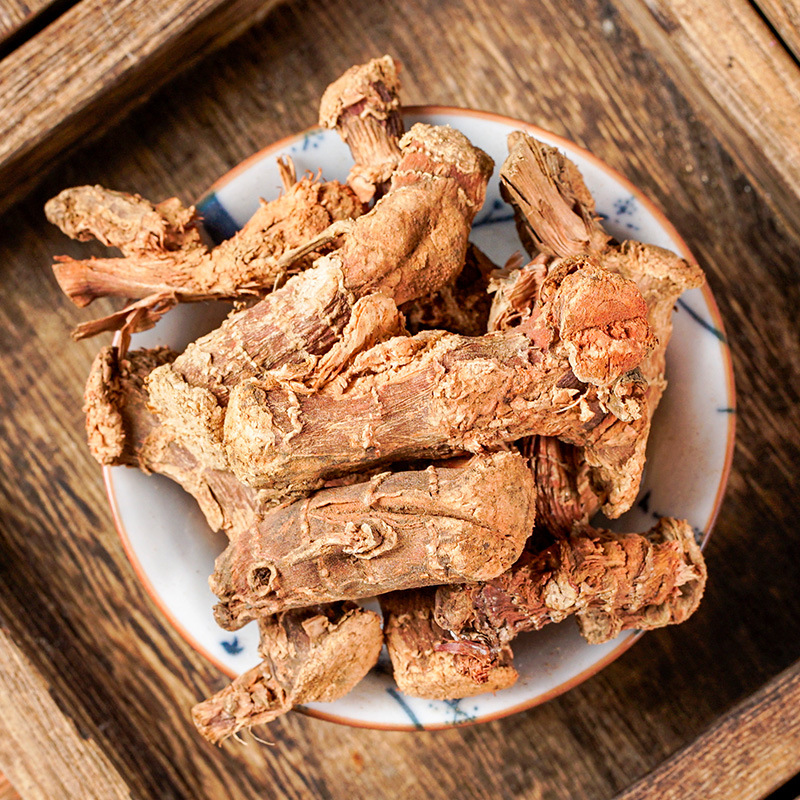
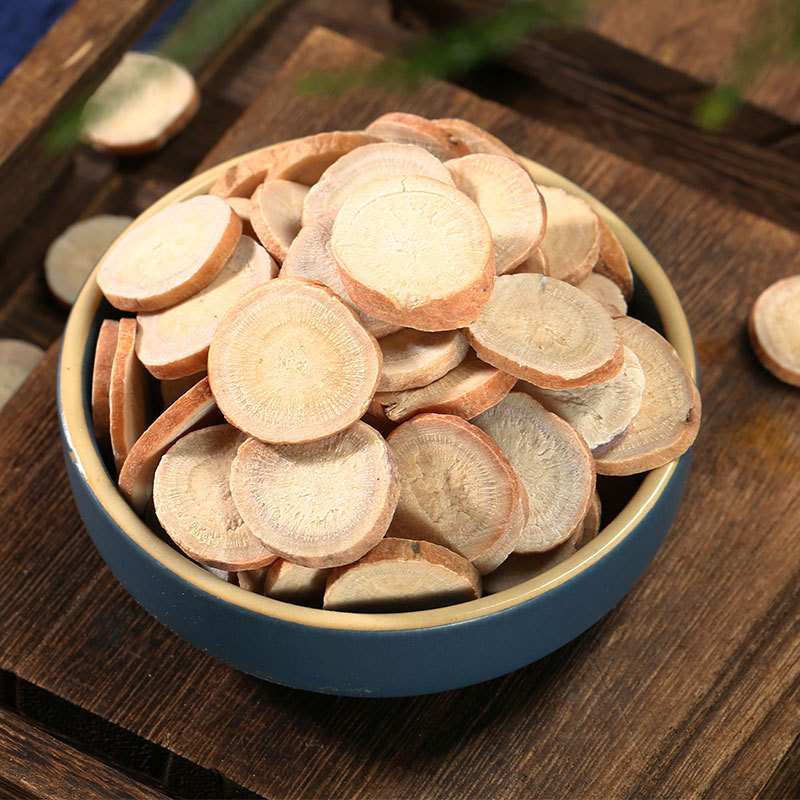
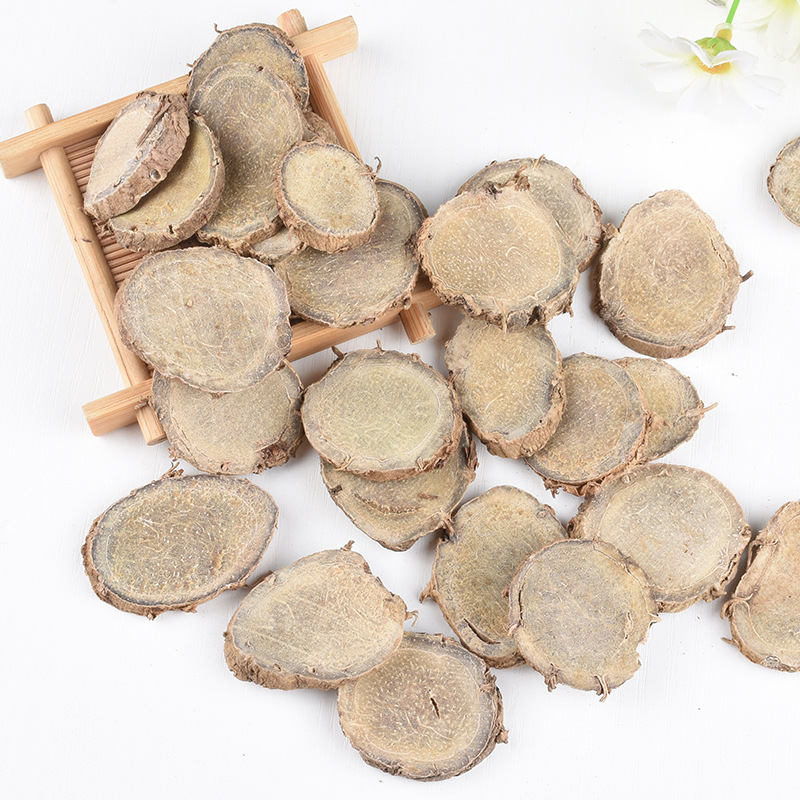
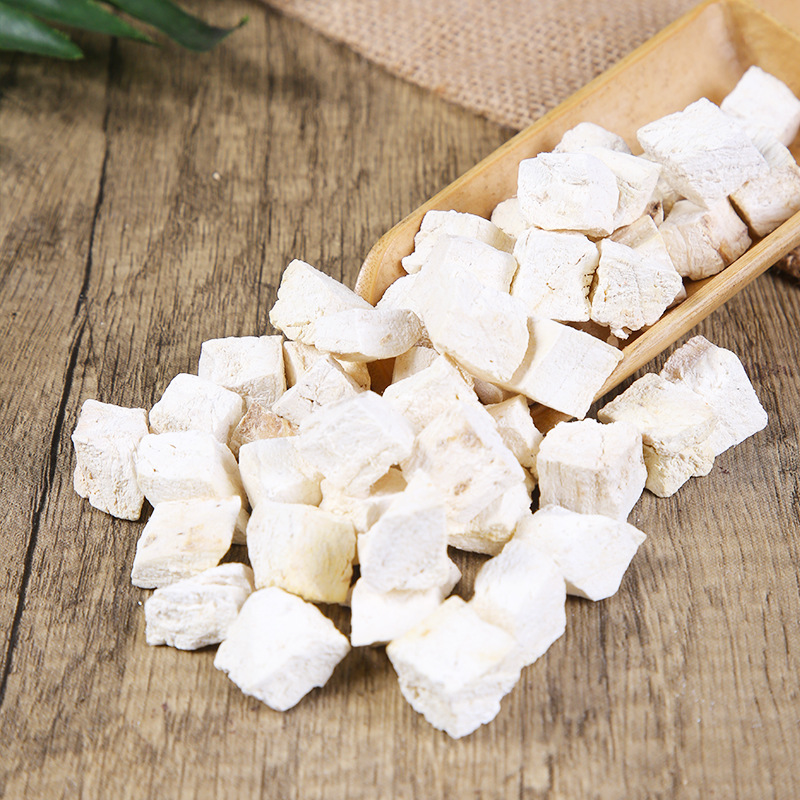
The ingredients of Paishi Granules include the followingLysimachia christinae Hance, Plantago asiatica L., Akebia quinata (Houtt.) Decne., Cynanchum paniculatum (Bunge) Kitag., Pyrrosia lingua (Thunb.) Farw., Lonicera japonica Thunb., Talcum, Dianthus superbus L., Abutilon theophrasti Medic., and Glycyrrhiza uralensis Fisch
This prescription for expelling stones follows four approaches:Clearing heat and promoting diuresis to help dissolve stones, promoting urination and diuresis to clear the water passages, activating blood circulation and relieving pain to alleviate spasms, softening hardness and dissipating masses to promote stone expulsionMany herbs in the formula can simultaneously address these effects.
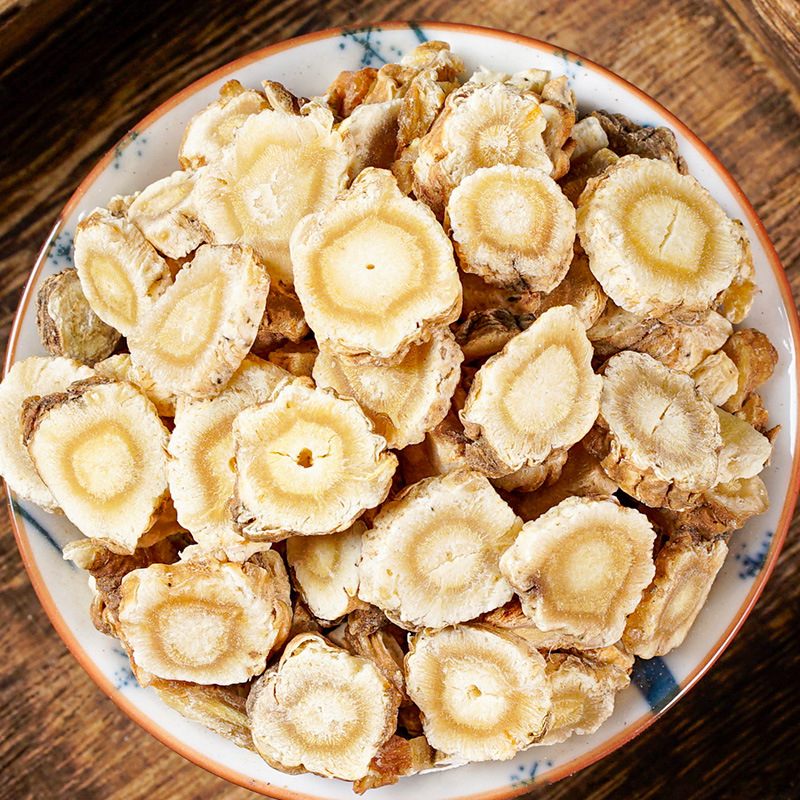
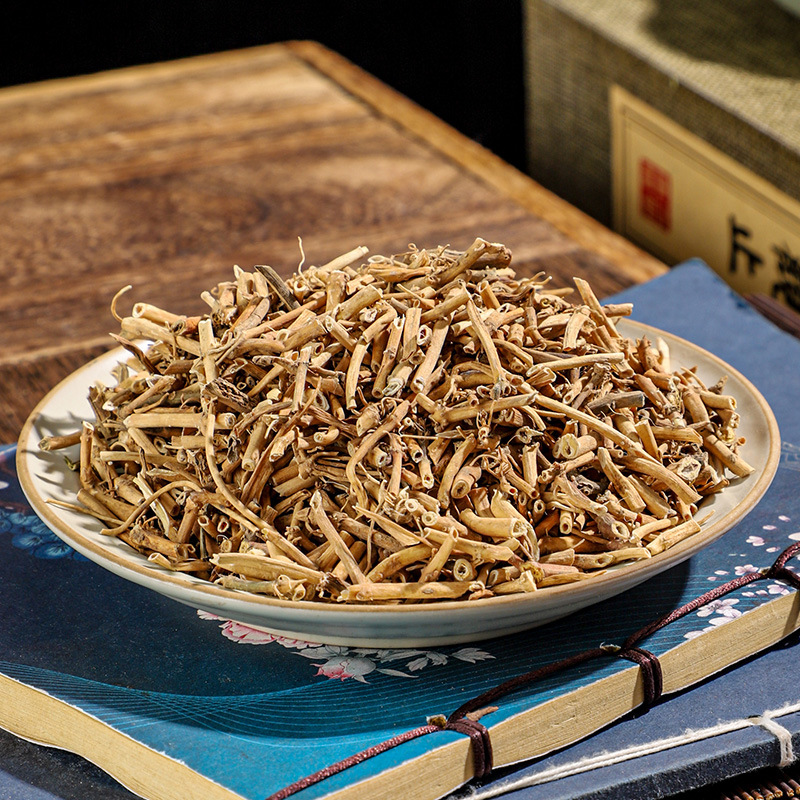
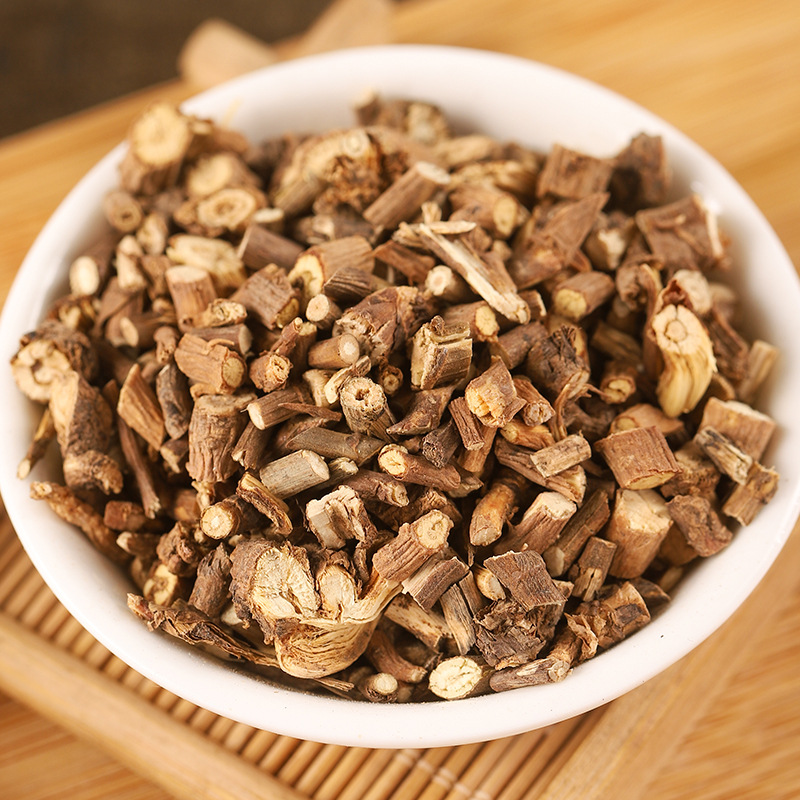
Let's talk about Glechoma longituba first. It differs from Lysimachia christinae by just one character, but they are two distinct traditional Chinese medicines.
In the Ming Dynasty, herbalists discovered that it always grew together with the copper coin grass, so they named it "Lian Qian Cao." Nowadays, some people also call it "Huo Xue Dan."
It can both invigorate blood and promote diuresis. The Tang Dynasty's 'Supplement to Materia Medica' states that it can treat heat strangury and promote urination. By the Song Dynasty, physicians discovered it was particularly effective in dealing with stones, making it the core herb of this formula.
The diuretic effect of Plantago seed is particularly remarkable, as if opening a "floodgate" for the urinary tract. The rushing water can flush out small stones and gravel along with the urine, alleviating the pain caused by blockages.
Moreover, it can clear heat and promote diuresis, improve the damp-heat environment prone to stone formation, and alleviate discomfort such as burning sensation during urination, stinging pain, and yellow-colored urine.
Akebia tastes bitter and is cold in nature. It enters the bladder meridian and specifically clears damp-heat from the bladder. If damp-heat obstructs the kidneys and bladder, causing frequent and urgent urination or difficulty in urination, its diuretic and strangury-relieving effects are quite effective.
Talc tastes a bit sweet and has a cold nature. It has been said since ancient times that it can treat body heat and difficulty urinating.
Nowadays, it is also commonly used in clinical practice to clear damp-heat, promote urination, and address conditions such as heat strangury, stone strangury, and blood strangury, which involve difficulty in urination.
Moreover, its surface is slippery, as if coating the urinary tract with a layer of lubricant, helping stones pass more easily. When stones block the urinary tract, they affect the flow of qi and blood. In traditional Chinese medicine, it is said that "blockage leads to pain." Xu Changqing contains paeonol, which can relax the smooth muscles of the ureter and alleviate this pain.
In the "Sheng Hui Fang," the herb Pyrrosia is described as the "golden partner" when paired with Talcum for treating stone strangury, making it particularly effective against stones.
Qu Mai can promote diuresis and relieve stranguria, as well as activate blood circulation and regulate menstruation, reduce swelling and alleviate pain. Whether it is heat stranguria, blood stranguria, or stone stranguria, as long as there is difficulty in urination with dribbling and pain, it can be put to good use.
Honeysuckle vine tastes sweet and has a cold nature. It can enter the lung and stomach meridians. It not only clears heat and detoxifies, unblocks meridians, but also inhibits bacterial growth in the urinary tract to prevent infections.
Qingmazi can clear heat and promote diuresis, detoxify and reduce swelling, and relieve inflammation and pain. It not only alleviates the stinging sensation during urination but also helps improve sleep.
Finally, there is licorice, which can tonify the middle and boost qi, harmonize the properties of all the herbs, protect the spleen and stomach, and prevent the cold and cool herbs in the formula from damaging the spleen and stomach.
The entire prescription revolves aroundClear, Benefit, Unblock, DischargeTo design, treating stones is like dredging a river, with "unblocking and facilitating" as the core.
The usage is also very simple, just take it with boiling water. The key is to drink 2000-3000 milliliters of plain boiled water every day, and combine it with jumping exercises, such as rope skipping or jumping on steps, which can help expel the stones faster.
However, it is important to note that when taking medication to expel stones, renal colic may occur due to the movement of the stones. If this happens, you should go to the hospital immediately.
Generally speaking, the occurrence of stones is caused by poor lifestyle habits and dysfunction of internal organs, especially the decline in the functions of the kidneys and spleen.
Pai Shi Granules are more suitable for treating small stones, generally referring to those with a diameter of less than 1 centimeter. If the stone diameter exceeds 1 centimeter, it is prone to getting stuck in the urinary tract, requiring special attention.
Therefore, to prevent stones from the root, one must rely on a scientific and healthy lifestyle, such as drinking plenty of water, exercising regularly, eating a light diet, and avoiding anger. This way, the functions of the spleen and kidneys can be maintained normally, leaving no opportunity for stones to form.