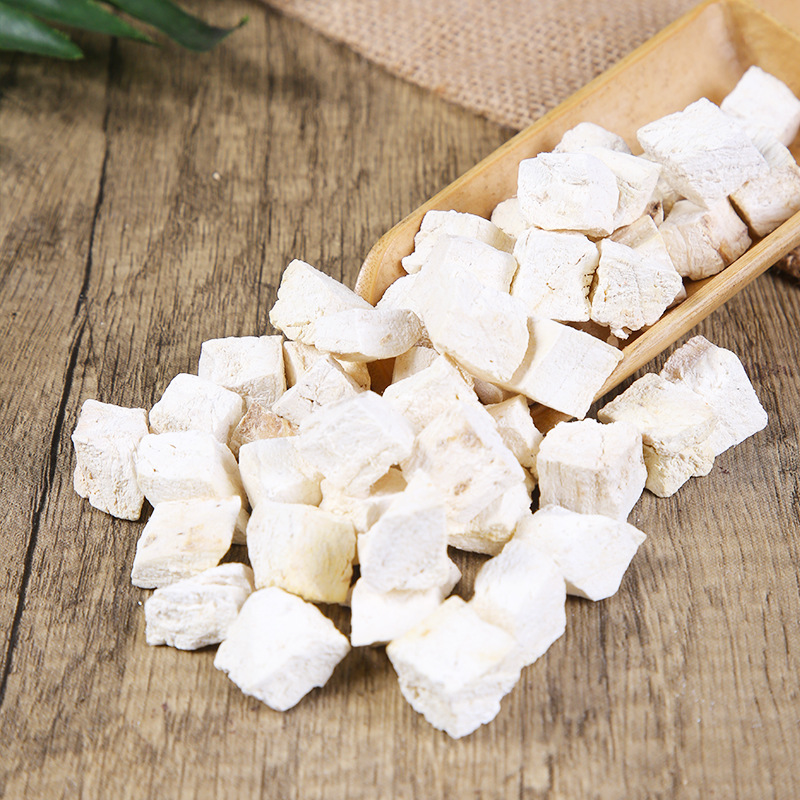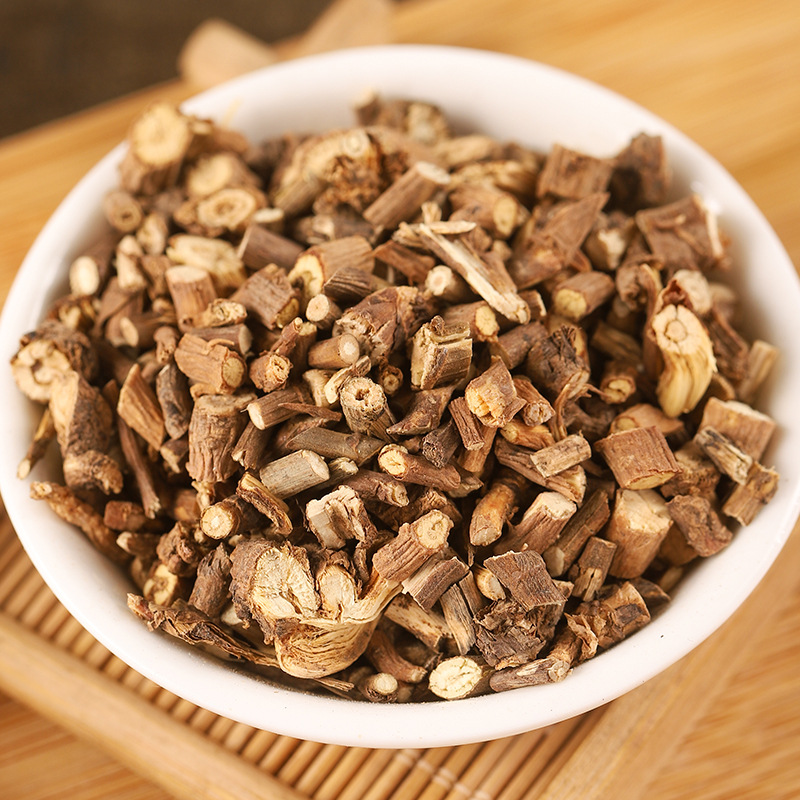
Bloating acid reflux and belching are common symptoms of digestive system issues
Western medicine often treats such issues by suppressing gastric acid secretion. From which perspective does traditional Chinese medicine approach diagnosis and treatment, making it appear simpler and more effective?
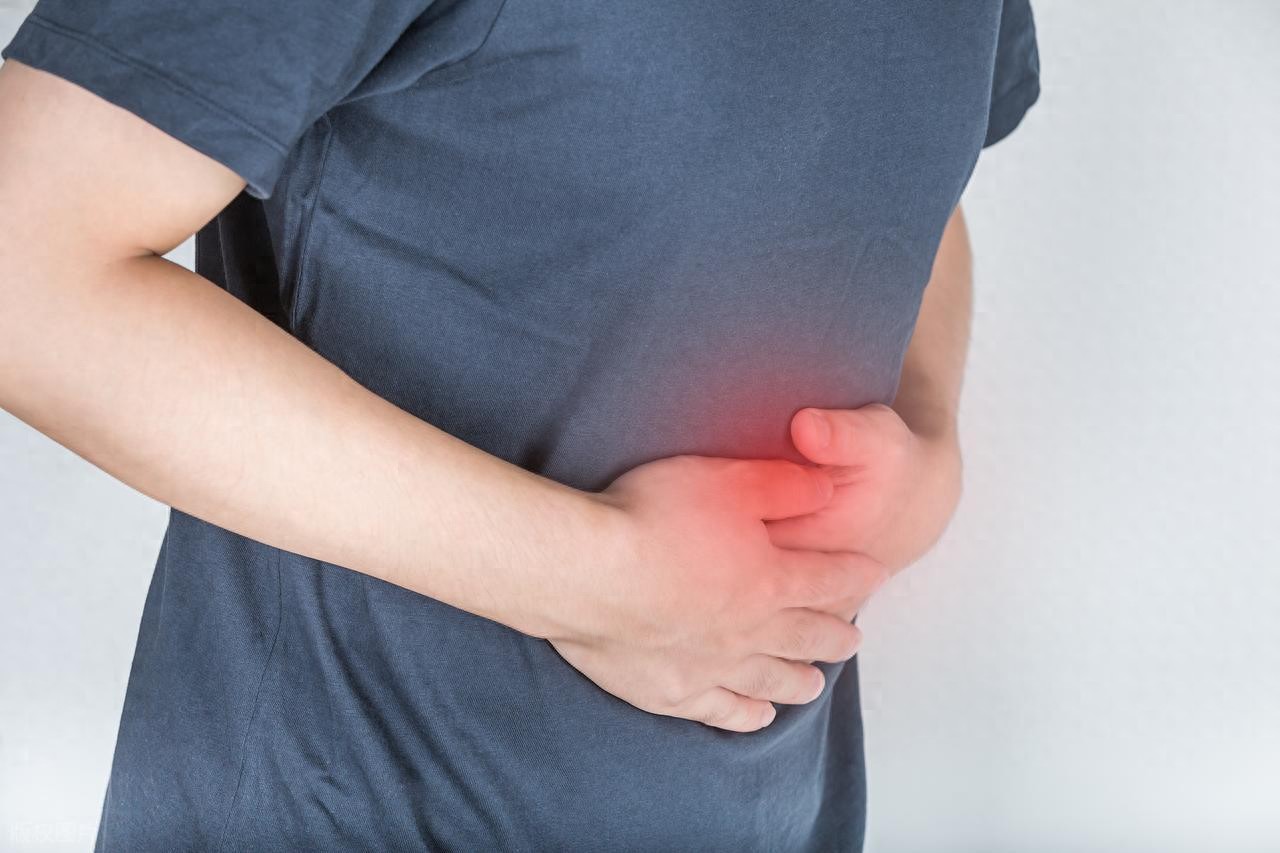
Today we will discuss this issue from the perspective of the pathogenesis of gastric distension, acid reflux, and belching.

I. Pathogenesis of Gastric Distension, Acid Reflux, and Belching
Before discussing the issue, it is necessary to understand the functions of the stomach in the traditional Chinese medicine system. The main functions of the stomach are "receiving and digesting food, and promoting downward movement." It has the physiological characteristics of "preferring warmth and disliking cold, with downward movement being favorable."
If the stomach qi fails to descend, it disrupts the normal flow, which is referred to as counterflow. When stomach qi does not descend, it stagnates in the stomach, leading to bloating. If stomach qi ascends counterflow, it causes belching, and when stomach fluids ascend counterflow, acid reflux occurs. This is the underlying cause of reflux esophagitis.
The following three common causes can lead to "rebellion of stomach qi"
1. Disharmony between the liver and stomach, liver qi transversely invading the stomach
The liver governs free flow and the dispersing nature of liver qi conflicts with the descending nature of stomach qi, causing stomach qi to rise along with liver qi and resulting in upward counterflow.
2. Food Stagnation
Dietary issues exceeding the stomach's capacity for reception and digestion are akin to fitting a 2.0 object into a 1.0 container. The excess portion accumulates in the stomach, forming a kind of "ferment" that refluxes upward, producing a sour and putrid odor reminiscent of spoiled food.
3. Spleen and stomach deficiency, impaired transportation and transformation
Spleen ascends and stomach descends. If spleen qi fails to ascend, stomach qi cannot descend, causing food essence to stagnate in the middle jiao. The qi mechanism that should move downward is unable to propel, leading to stomach qi ascending instead of descending.

Look from another angle: stomach cold is the main pathogenesis
To summarize, any factor that affects the descending function of stomach qi may lead to symptoms such as gastric distension, acid reflux, and belching.
This conclusion is derived from discussing three dimensions that affect stomach function, but this perspective is still somewhat complex. Is there a simpler method of syndrome differentiation than this
Now let's examine from the physiological characteristic of the stomach, which "prefers warmth and dislikes cold."
The implied meaning of "preferring warmth and disliking cold" is twofold: first, the stomach needs to maintain its normal physiological functions, which can only be achieved in a "warm" environment, hence the saying that a warm stomach feels comfortable. Here, warmth and cold refer to the internal environmental temperature, not the cold or hot properties of food.
Second, this statement clarifies the conclusion about the normal and pathological states of the stomach: "warmth" is the normal state, while "cold" is the pathological state and the main cause of stomach dysfunction.
In other words: bloating, acid reflux, and belching are caused by "stomach cold." From this perspective, the diagnostic method shifts from the three factors mentioned above to a single indicator, simplifying the process and making it much more convenient.

II. Treatment
Knowing that the pathogenesis of gastric distension, acid reflux, and belching is caused by stomach cold, what medications can be chosen for treatment,Wenweishu Granules
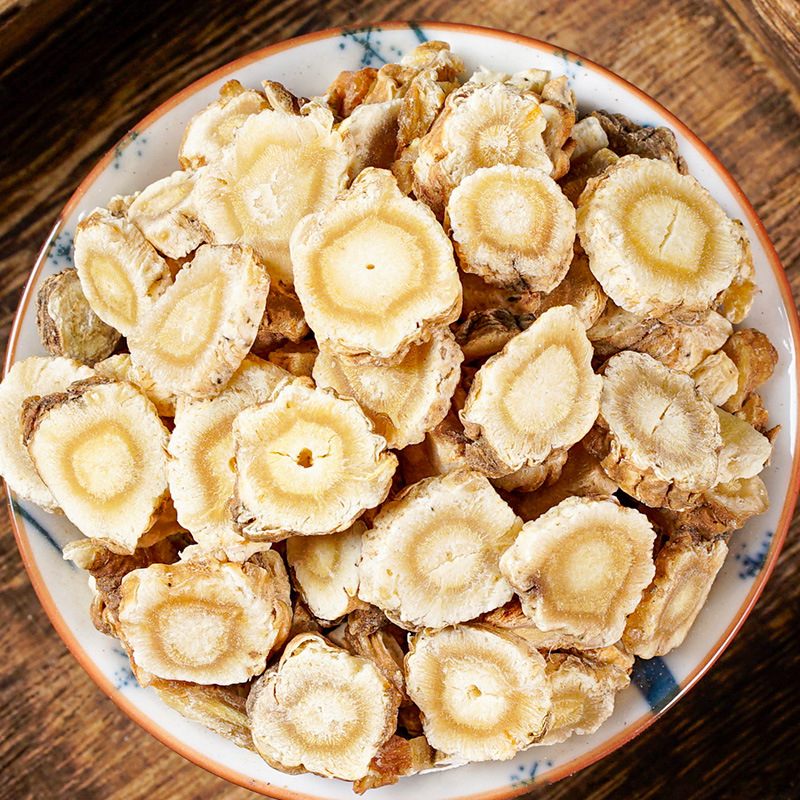
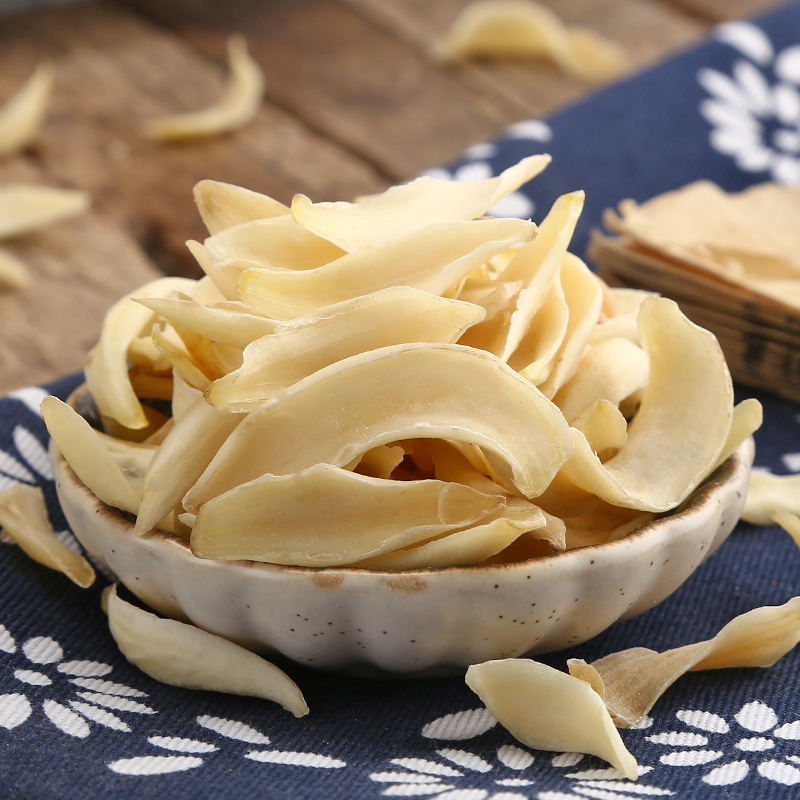
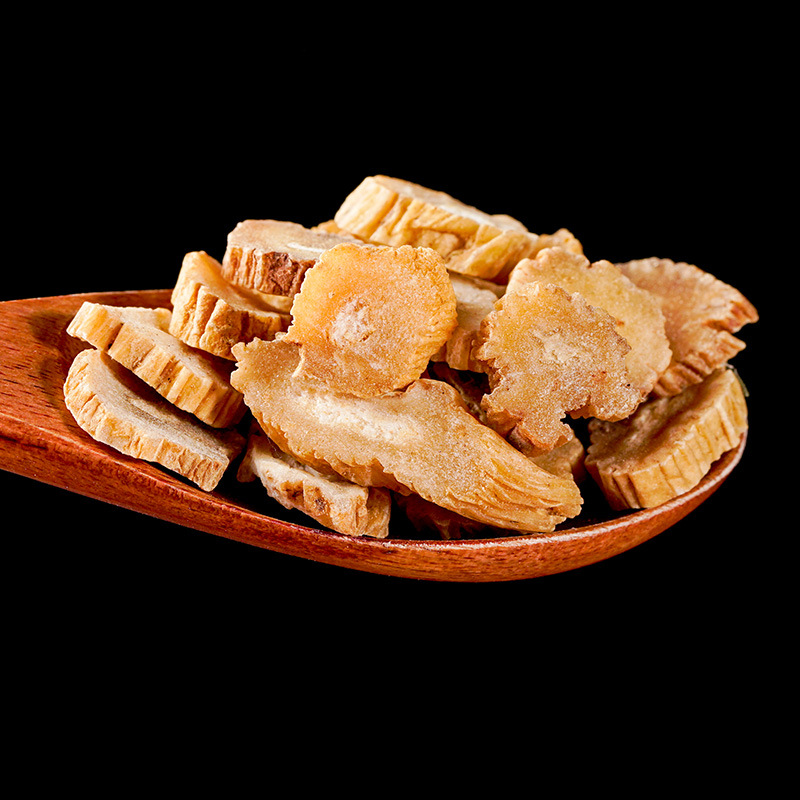
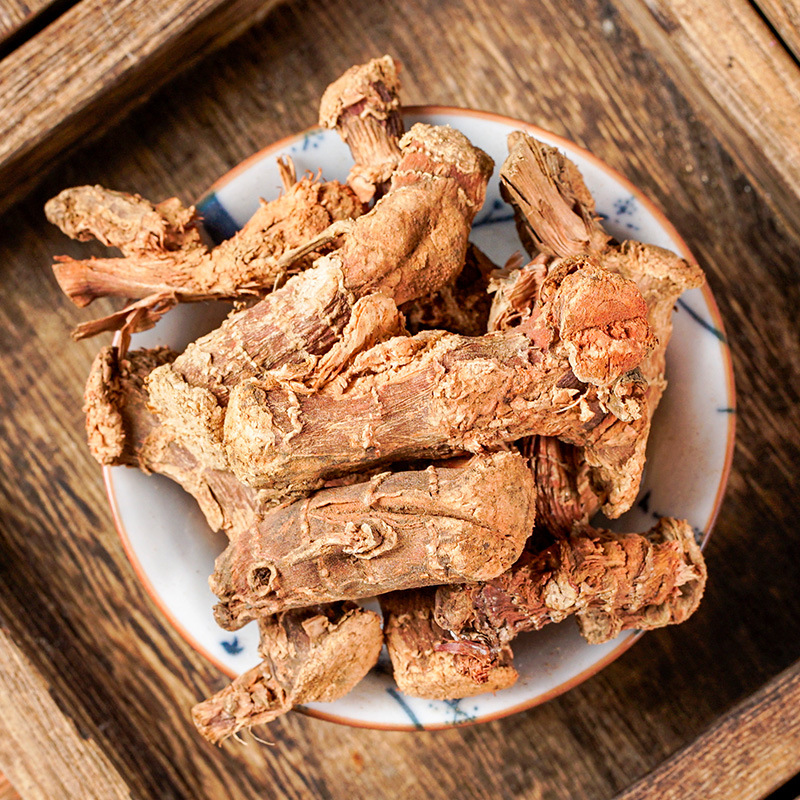
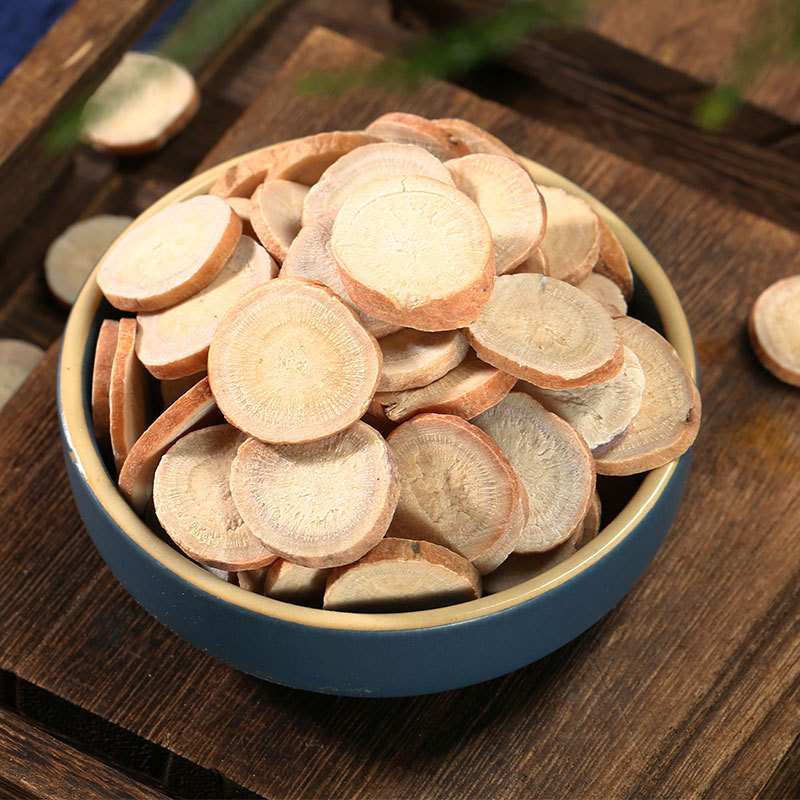
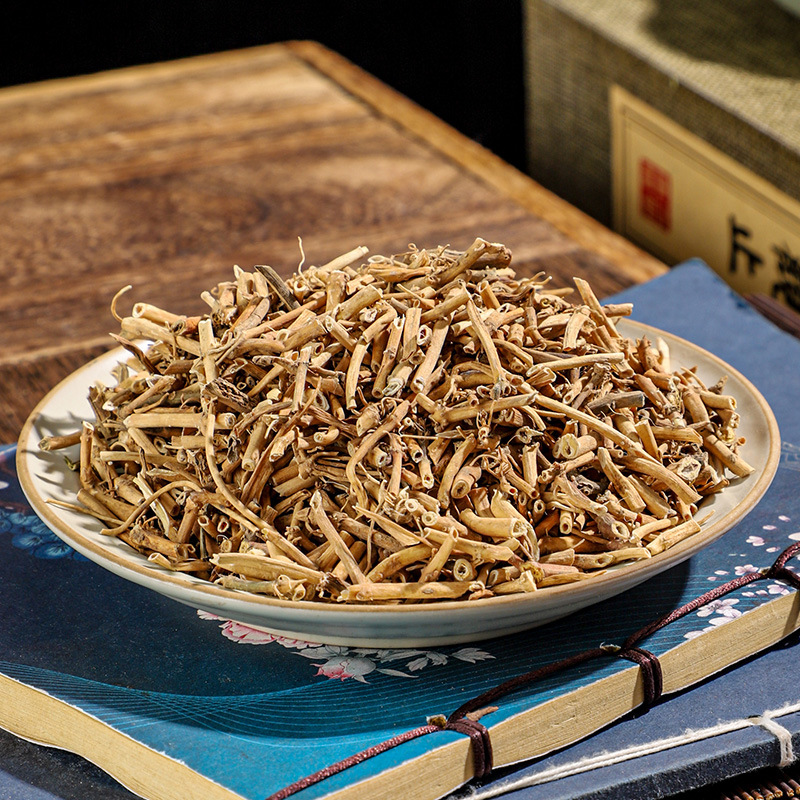
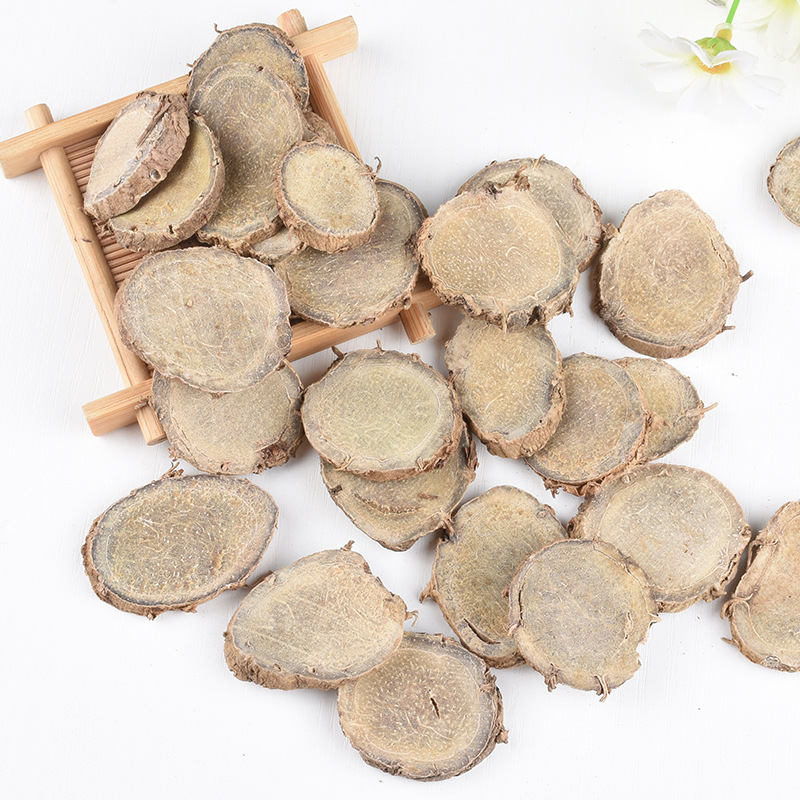
Composition:Codonopsis pilosula, Aconite, Astragalus, Cinnamon, Chinese yam, Cistanche deserticola, Atractylodes macrocephala, Hawthorn, Dark plum, Amomum villosum, Dried tangerine peel, Psoralea corylifolia
Efficacy: Warms the middle and nourishes the stomach, promotes qi circulation and relieves pain. Used for stomach pain caused by deficiency-cold in the middle jiao, presenting with symptoms such as cold pain in the gastric region, abdominal distension and belching, poor appetite and reduced food intake, aversion to cold and weakness.

III. Prescription Analysis
From the name of the medicine, we can see its main efficacy characteristics: warming the stomach. How does it achieve this? Let's take a look
Warm the Stomach
Directly using two highly pungent and hot medicinal herbs, aconite and cinnamon, is like installing a heater in the stomach. With sufficient yang energy and adequate temperature, the cold qi is expelled and dissipated.
Qi tonifying and Qi regulating
Astragalus, Codonopsis, and Atractylodes macrocephala tonify qi and strengthen the spleen. The spleen and stomach are interior-exteriorly related; if the stomach is cold, the spleen is also cold, leading to insufficient production of qi and blood. Without adequate supplementation of qi, the functioning of the spleen and stomach will lose momentum. The combination of these three herbs enhances the effect of tonifying qi and strengthening the spleen, providing energy for the spleen and stomach.
By supplementing in this way, the qi is replenished, but to use it, it must be regulated, hence the concept of regulating qi. Otherwise, the supplemented qi will wander aimlessly. This task is assigned to Chenpi and Sharen, whose function is to move qi and regulate it smoothly.
Consider the soil and water
Under normal conditions, earth stores water, and stomach cold leads to cold water (kidney). During treatment, in addition to addressing the stomach's own issues, the problem of kidney water must also be considered. Therefore, the formula includes herbs that warm and tonify kidney qi. Psoralea corylifolia, with its pungent and warm properties, tonifies the kidney and supports yang, while Cistanche deserticola not only tonifies yang but also nourishes yin.
When the yang qi in the kidneys is sufficient, the cold dampness in the stomach can also be vaporized and transformed for beneficial use.
Strengthen Stomach
To forge iron, one must be strong; Chinese yam boosts qi and nourishes yin, with yin aiding yang to generate endless vitality, suitable for those with spleen and stomach deficiency and cold.
Resolve accumulation
Wumei and Hawthorn, in addition to qi stagnation, gastric distension can also involve food retention in the body, which in turn impedes the circulation of qi and blood. Both herbs have a sour taste and aid digestion, especially hawthorn, which is particularly effective at promoting digestion and relieving stagnation, making it especially adept at handling difficult-to-digest meat accumulation.
Throughout the entire formula, this medicine not only treats stomach cold but also addresses food stagnation and qi stagnation. It can be used for those with cold stomach and abdominal pain, stomach distension, indigestion, acid reflux and belching, and frequent hiccups. Wenweishu Capsule can warm the stomach and make it comfortable.

IV. Conclusion
Abdominal distension, acid reflux, and belching are common gastrointestinal symptoms. This article adopts a simplified approach, summarizing and refining the traditional etiological differentiation method by shifting the perspective to the physiological characteristic of the stomach, which "prefers warmth and dislikes cold." It concludes that "stomach cold" is the primary cause of "abdominal distension, acid reflux, and belching," and provides the corresponding medication for the pathological mechanism: Wenweishu Granules.
This medicine is used for spleen and stomach deficiency cold. When using it, it is necessary to observe the tongue appearance. If the tongue is red with yellow coating, it indicates heat and should not be used.