I haven't eaten much, but I often feel bloated in my stomach, and this feeling of fullness is very uncomfortable, with gas rising up, and I even burp.

If these phenomena are not present every day, but symptoms such as sallow complexion and fatigue are usually present, it indicates that the stomach is problematic.
This is a complex syndrome of "excessive stomach fire" combined with "insufficient stomach qi," a condition of mixed deficiency and excess that requires "nourishment and preservation."
One, the pathogenesis of "excessive stomach fire" and "deficiency of stomach qi"
Since both "qi" and "fire" belong to yang, "excessive stomach fire" and "deficiency of stomach qi" theoretically represent a contradiction, constituting a special type of stomach disease.
However, this syndrome is commonly seen in clinical practice, manifesting as a complex mixture of deficiency and excess.
Traditional Chinese medicine often says, "The spleen and stomach are the foundation of postnatal life and the source of qi and blood production." As the "first stop" for our digestion and absorption, the condition of the stomach directly determines how much nutritional energy our body can obtain.
That saying "a healthy stomach brings ease to the whole body" is no exaggeration.
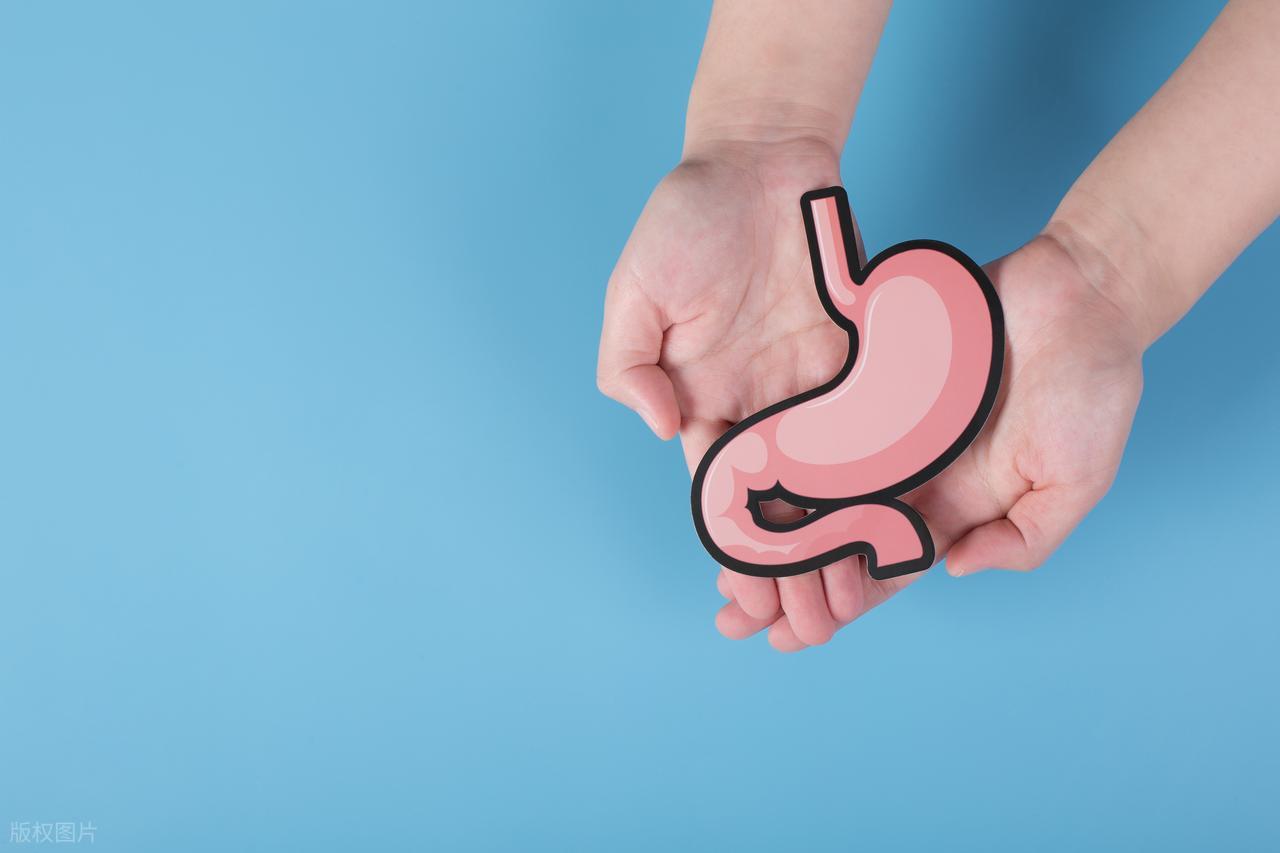
Today, let's talk about how to cultivate a healthy stomach through the two major methods of "clearing stomach heat" and "tonifying stomach qi."
"Excessive stomach fire" and "deficiency of stomach qi" can be considered the "two major adversaries" of the stomach.
Under normal conditions, our stomach is like a pot filled with food, and this filling reflects the stomach's function of receiving and containing. At the same time, the stomach also has a preliminary processing function for food, which is its rotting and ripening function.
The realization of this function requires an appropriate temperature (stomach fire) to be completed. If the stomach fire is excessive and the digestion is too rapid, it manifests as "polyphagia and frequent hunger."
In addition, the stomach also has a "descending" function, which requires a certain amount of power to propel the stomach qi downward in order to push food to the next station. If stomach qi is deficient, there will be poor descending function at this stage, manifesting as stomach bloating and loss of appetite.
Under normal circumstances, the "rotting and ripening" of stomach fire and the "descending and smoothing" of stomach qi are in a balanced state. When this balance is disrupted, problems arise.
Two scenarios may occur, or both may be present.
Excessive stomach fire (stomach heat) - the "fire" in the pot is too strong
Common dietary indiscretion, excessive intake of spicy, fried, grilled foods that easily cause internal heat, or emotional stress leading to qi stagnation transforming into fire. Manifestations: excessive appetite and hunger, dry mouth, bitter taste in the mouth, bad breath, even swollen and painful gums, frequent constipation, and yellow urine.
Deficiency of stomach qi - insufficient descending "motility"
Usually weak constitution, or due to irregular diet, excessive fatigue, and excessive worry that damages the spleen and stomach, resulting in insufficient gastric motility, manifesting as poor appetite and a lack of taste in food.
Abdominal distension after meals, usually with a sallow complexion, fatigue, and weak speech. Loose stools.
These two conditions can occur separately, but often coexist, forming a pattern of "deficiency and excess intermingled."
There is heat (excess) in the stomach, but also insufficient stomach qi (deficiency). For such a complex pathogenesis, the treatment should not be "treating the head when the head aches, treating the foot when the foot hurts." Instead, it should involve both clearing and tonifying, addressing both aspects simultaneously.
Chinese Patent Medicine: Yangweishu Granules。
II. Treatment
Yangweishu GranulesThe efficacy of a medicine embodies the functions of "clearing" and "tonifying."
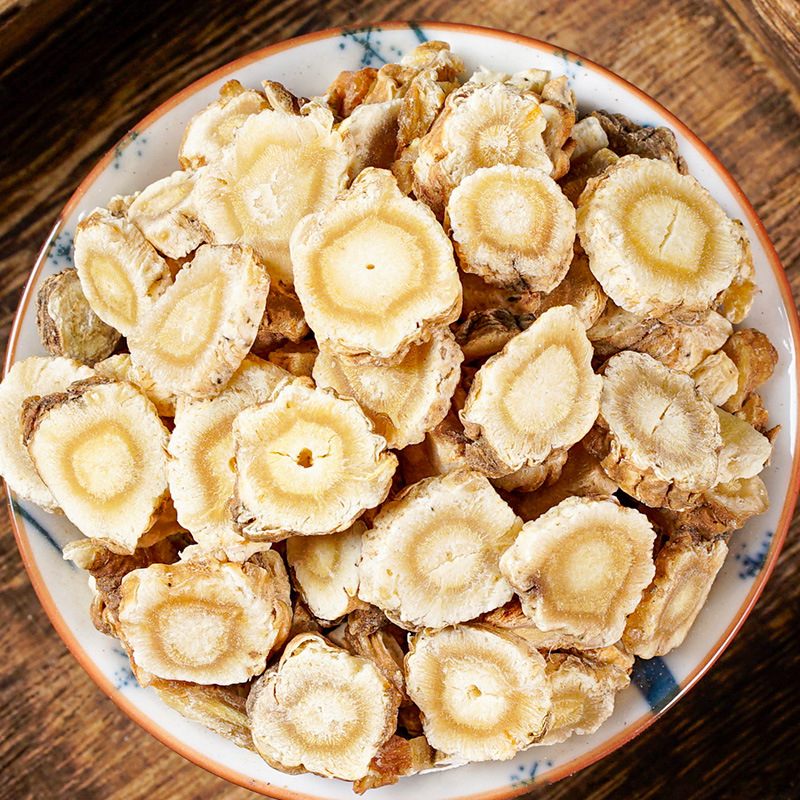
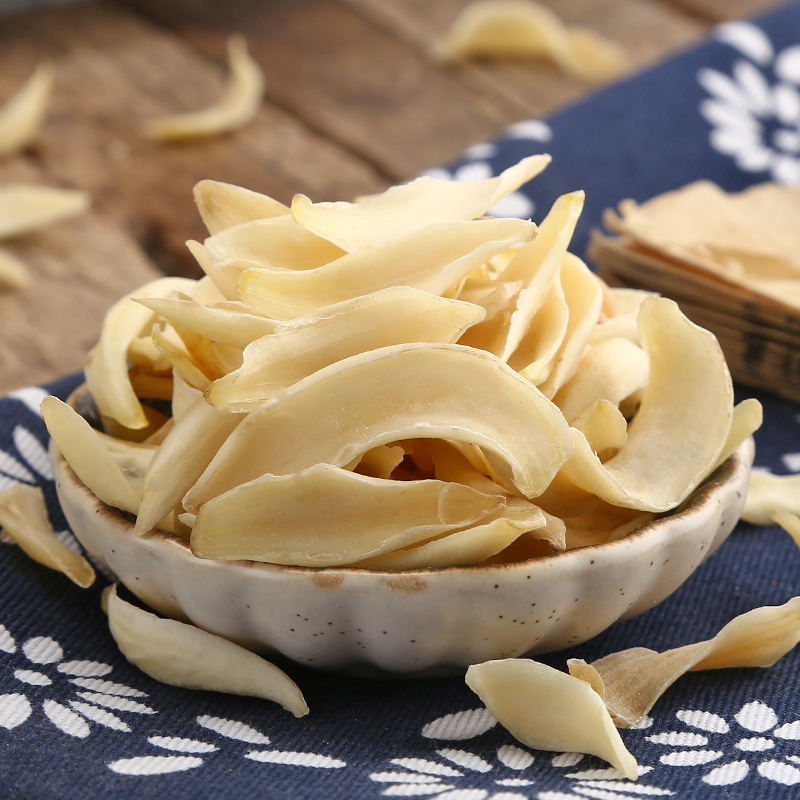
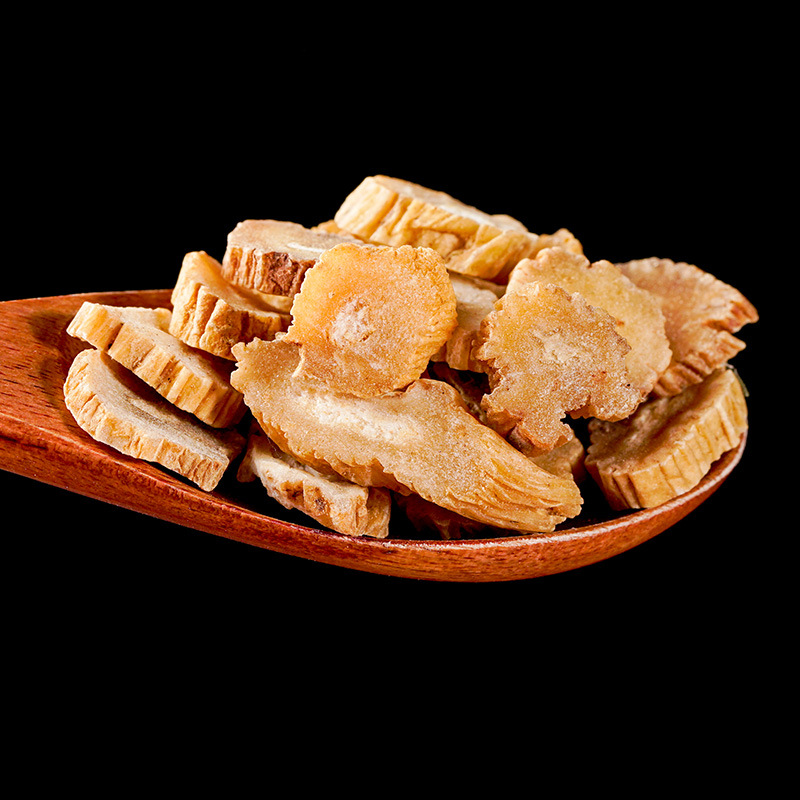
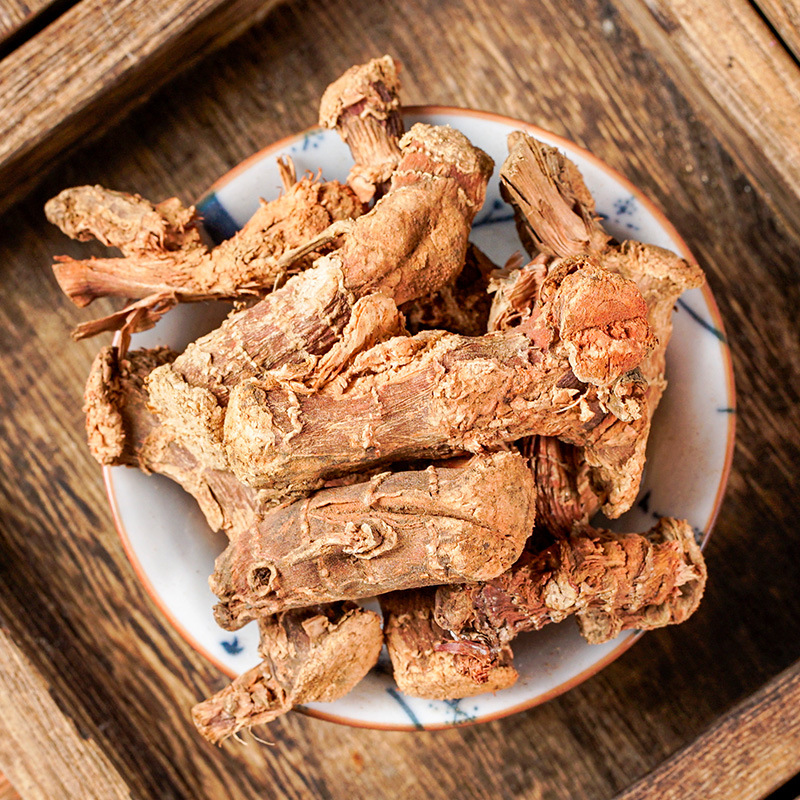
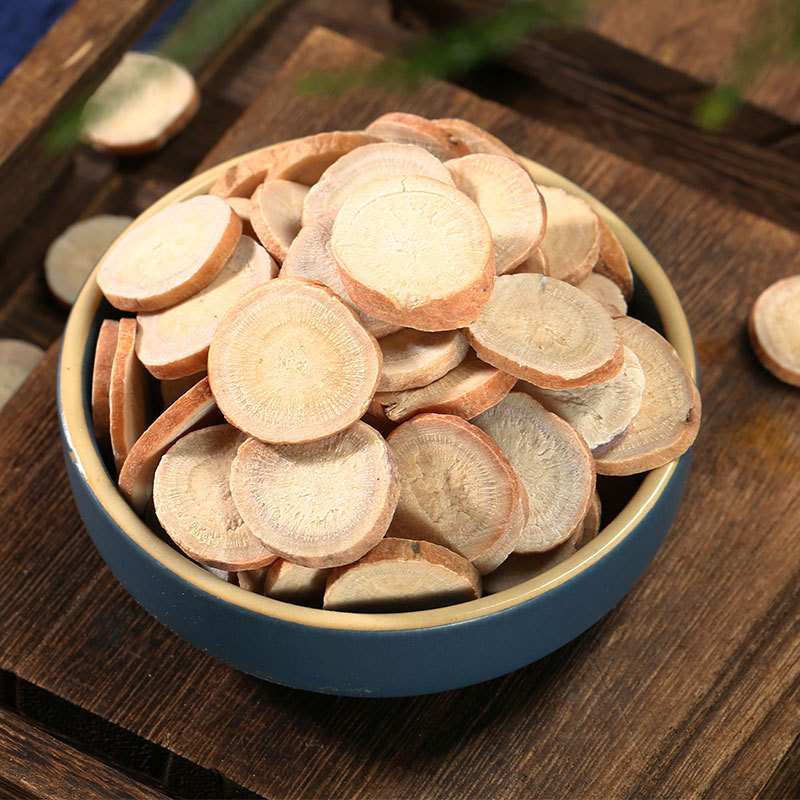
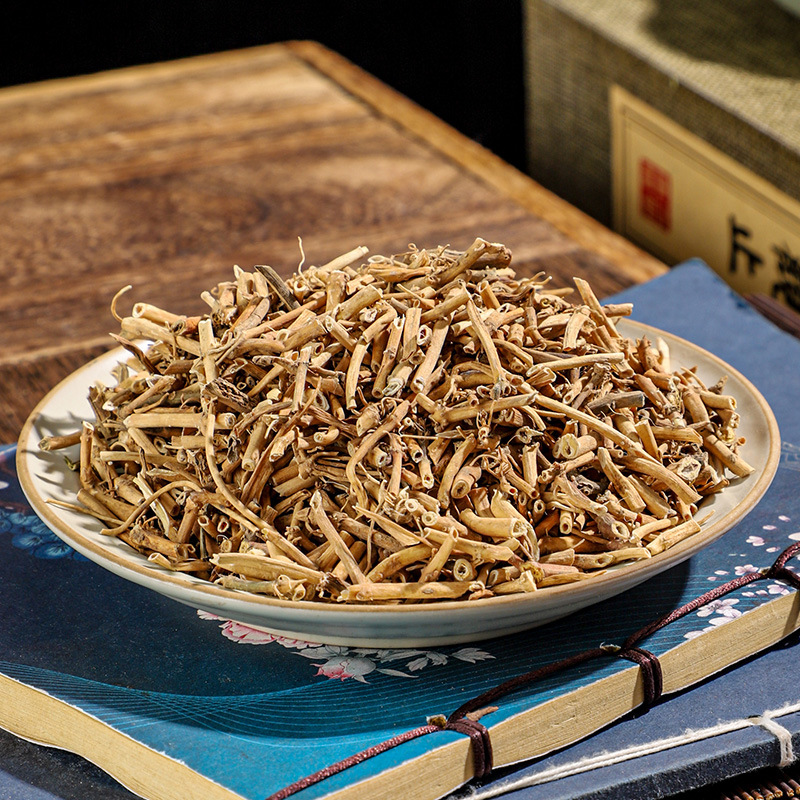
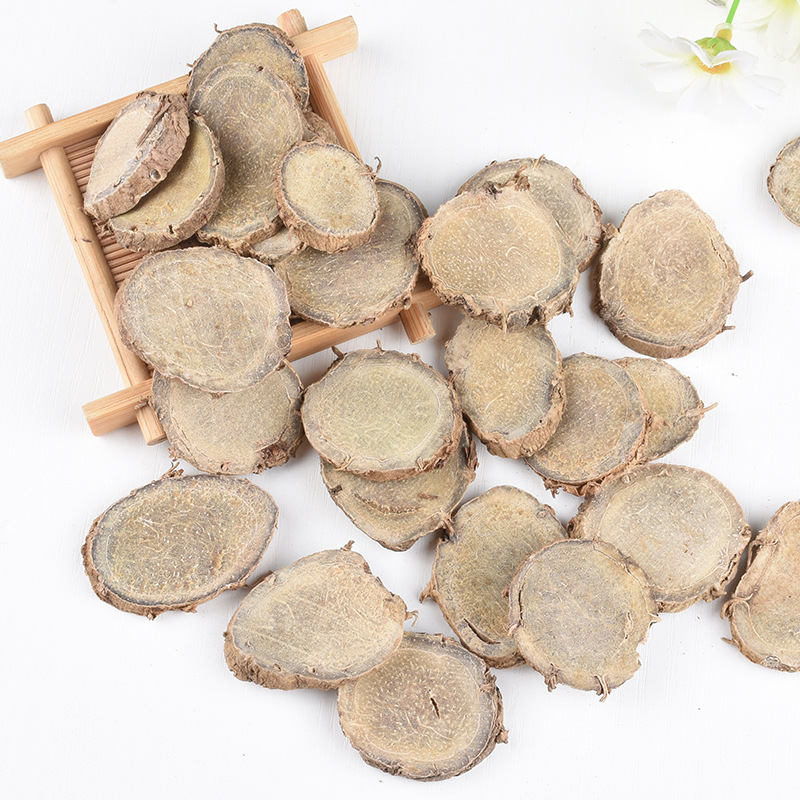
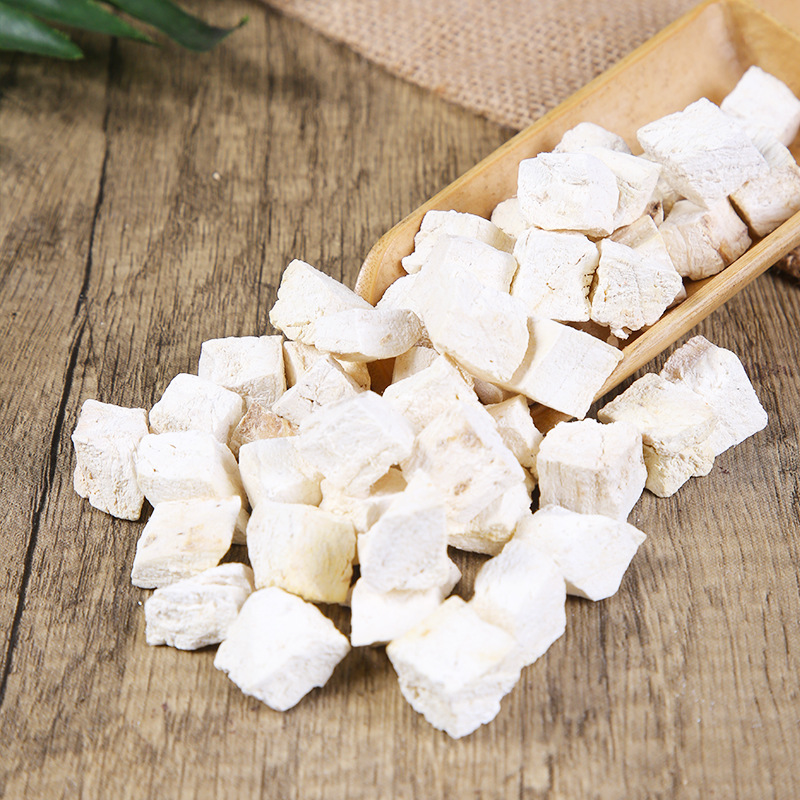
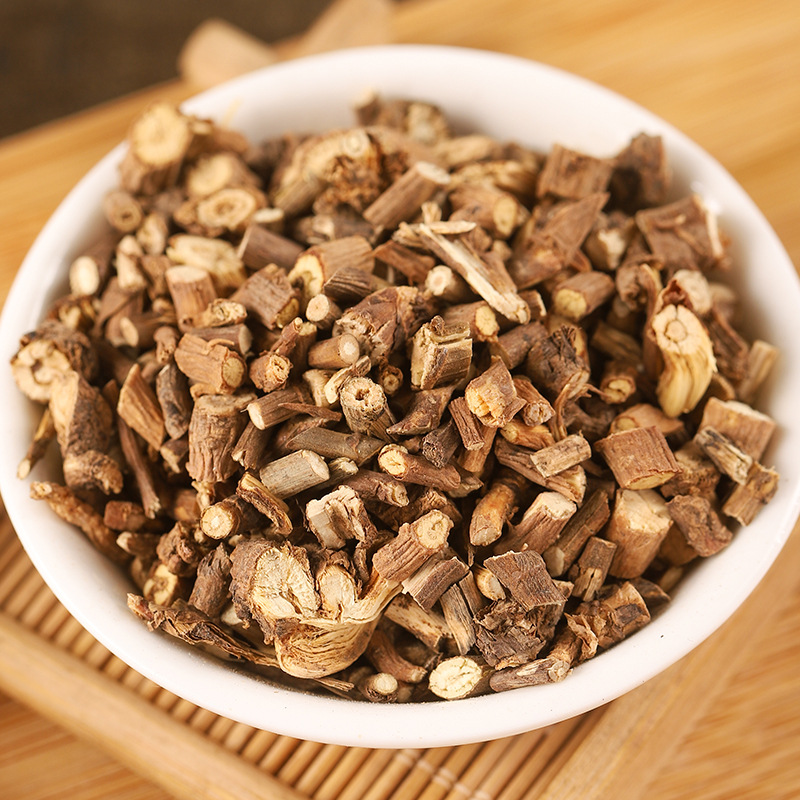
Composition:Codonopsis pilosula, dried tangerine peel, Polygonatum sibiricum (steamed), Chinese yam, Scrophularia ningpoensis, dark plum, hawthorn (fried), Glehnia littoralis, dried ginger, dodder seed, Atractylodes macrocephala (fried)
Fang Jie
Supplementing Stomach Qi - Codonopsis pilosula, Dried Tangerine Peel
Codonopsis pilosula:Tonify the qi of the spleen and stomach, improve symptoms such as poor appetite, abdominal distension, and indigestion caused by stomach qi deficiency. Particularly suitable for those with qi deficiency constitution who speak with a weak voice and are prone to fatigue.
Tangerine Peel:Strengthen the spleen and regulate qi, assist Codonopsis pilosula in clearing stomach qi, and resolve symptoms such as abdominal distension and belching.
Strengthen the spleen and kidney, fortify the foundation
Polygonatum Sibiricum, Cuscuta ChinensisHuangjing has the effects of tonifying the spleen and replenishing qi, nourishing the kidneys and benefiting essence, and supplementing both qi and yin. Tusizi, although a mild tonic, leans towards tonifying yang and has the functions of warming and tonifying the spleen and kidneys, as well as astringing the intestines.
Yam, Atractylodes macrocephalaChinese yam, sweet in taste and warm in nature, enters the three meridians of the lung, spleen, and kidney, and has the most comprehensive effect in tonifying qi. Atractylodes macrocephala is an essential herb for strengthening the spleen.
Clearing stomach fire - Scrophulariae Radix, Glehniae Radix
Resolve the issue of excessive stomach fire by nourishing yin to control fire
Scrophularia:Taste sweet bitter salty cold enters the lung and kidney meridians It has the effects of nourishing yin moistening dryness clearing heat and nourishing yin
Glehniae Radix:Nourishing Yin and Clearing the Lungs, Benefiting the Stomach and Promoting Fluid Production, used for stomach yin deficiency, fluid injury from febrile diseases, dry throat and thirst.
Lowering Stomach Qi - Black Plum, Hawthorn
Wumei, HawthornPromote the production of body fluids, aid digestion, enhance the descending function of stomach qi, and alleviate symptoms of gastric distension and discomfort.
Dried Ginger:Why is dried ginger used here when there is excessive stomach fire? The amount of dried ginger in the formula is small, and it is used in combination with yin-nourishing herbs to prevent the cloying nature of the yin-nourishing herbs.
The entire formula is combined to form a stomach-protecting formula that can clear stomach fire and nourish stomach qi. It is suitable for symptoms such as abdominal distension and fullness, belching with a sour taste, and loss of appetite caused by irregular diet, especially after consuming excessive amounts of spicy and heat-inducing foods.
It indirectly clears stomach heat and restores the smooth flow of stomach qi by strengthening the spleen and replenishing qi, promoting digestion and relieving food stagnation, nourishing yin and restraining fire.
Of course, if it is purely due to stomach qi deficiency (without signs of stomach heat) causing poor appetite and fatigue, it is not very suitable.
III. Conclusion
The symptoms of stomach disorders are diverse and varied, making stomach care a technical task. Maintaining the normal functions of digestion and descent of the stomach is the key focus of daily stomach care. The principle of regulating medication involves "clearing stomach heat" to eliminate pathogenic factors and "tonifying stomach qi" to support the body's vital energy.
Achieve the integration of medical care and health preservation, use medication rationally, and when the stomach is well-nourished, the whole body feels relaxed.