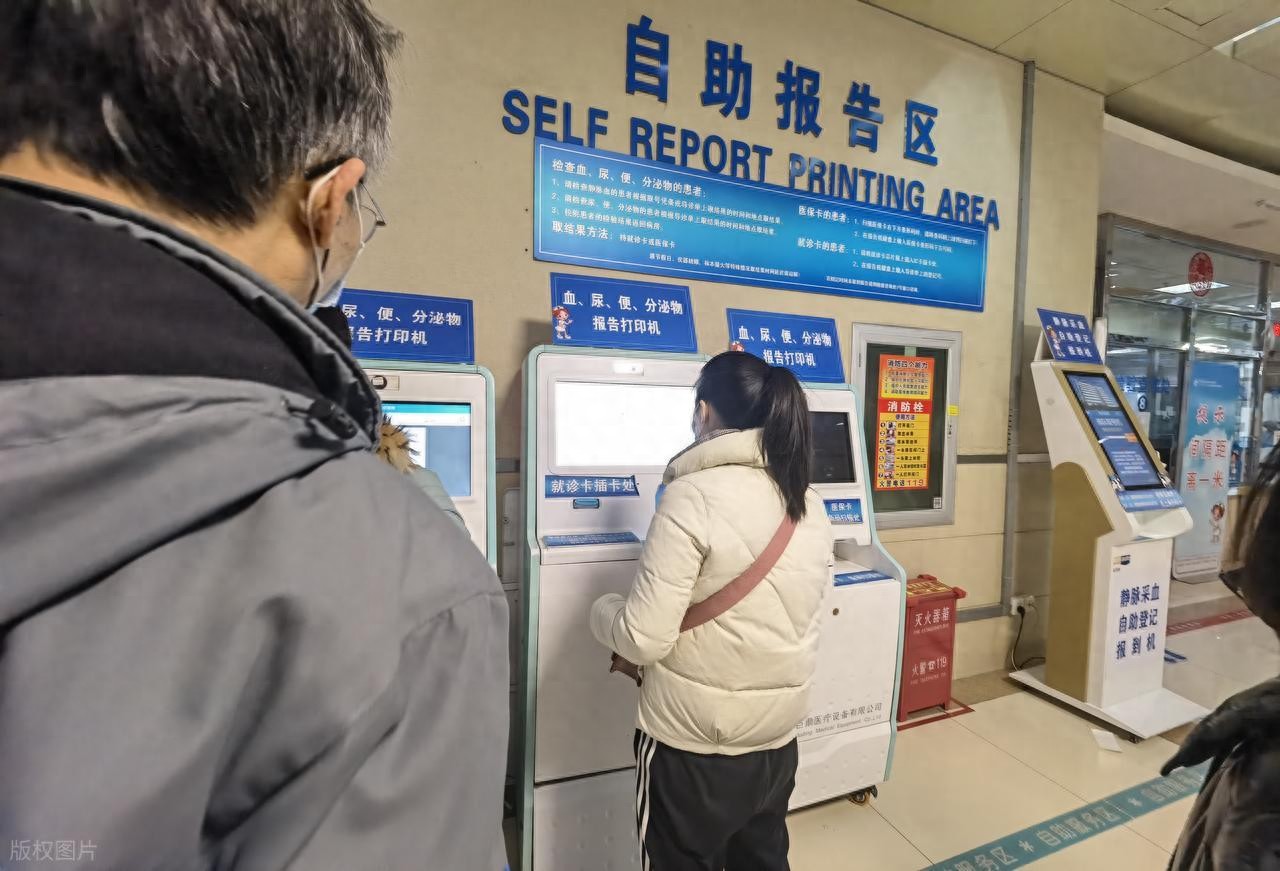
Nowadays when people go to the hospital for physical examinations they often see various results on the report form there are nodules here cysts there fibroids here and stones there
Many friends feel nervous and scared when they see the report, fearing deterioration and cancer.
In fact, from the perspective of traditional Chinese medicine, these things, to put it simply, are often just a result of the body's qi, blood, and fluids not flowing smoothly, gradually accumulating into small lumps!
Although these things have different names and grow in different places, they are often fundamentally connected at the root
This is like a blocked water pipe at home, where water accumulates in some places and rust forms in others, with different manifestations, but the cause is the same: the pipe is not very smooth.
The same goes for the body. If the body is weak and cold, coupled with frequent low moods and a tendency to hold in anger, qi can easily become blocked. When qi stagnates, blood stasis follows, making it prone to nodules in the breasts or thyroid. If one often consumes raw, cold, or greasy foods, the spleen and stomach may struggle to function properly, leading to excessive dampness in the body. When dampness accumulates, it can turn into cysts. If cold is also involved, and cold, stasis, and dampness mix together over time, it can easily lead to fibroids in the uterus. As for stones, they are like small, hard lumps formed by impurities settling in the body.
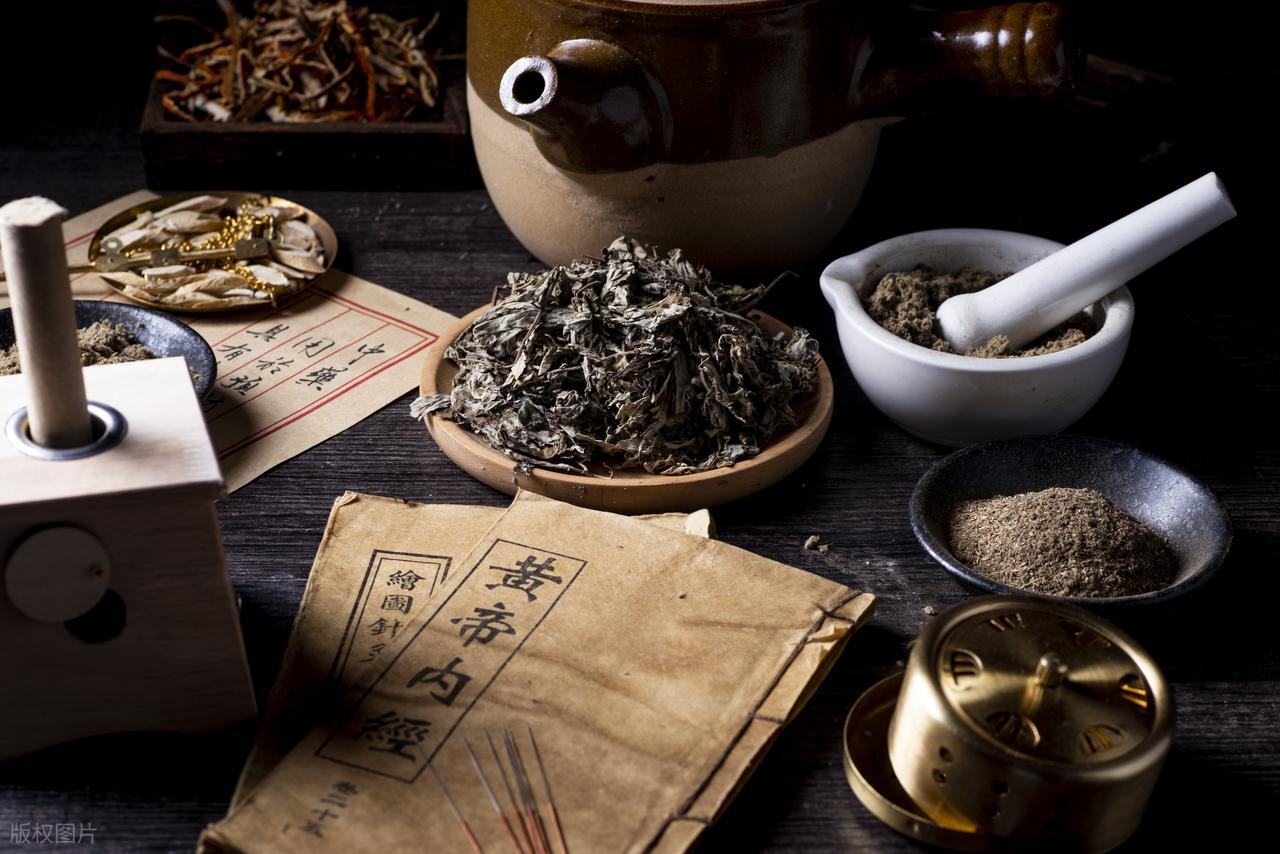
Over two thousand years ago, the Huangdi Neijing statedYang transforms qi, Yin forms shape。
The renowned physician Zhang Jingyue of the Ming Dynasty also believed thatYang moves and disperses, thus transforming qi; Yin is still and congeals, thus forming shape.
We can simply understand its meaning: Yang is active and dispersing, promoting the transformation of qi in all things; Yin is still and condensing, facilitating the formation of all things. For example, tangible water evaporates into intangible water vapor under the influence of Yang heat; while water vapor condenses into tangible water droplets or ice under Yin cold conditions.
Another example is the production of tofu, which can also be vividly explained.Yang transforms qi, Yin forms shapeThe principle of
First, soak the soybeans until soft, then grind them into soy milk. After boiling, it does not solidify; to turn it into tofu, you must add a coagulant.
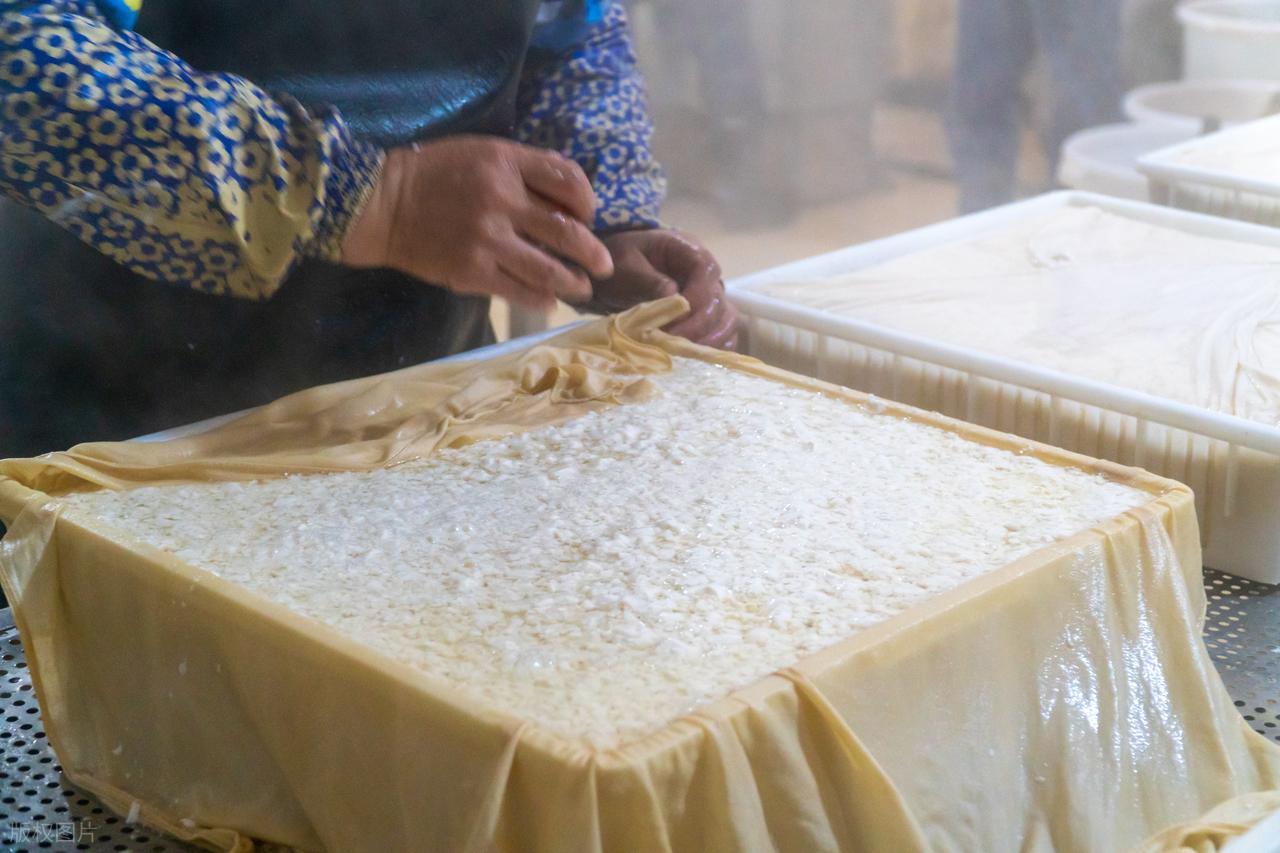
Adding brine is actually adding salt brine or gypsum water, and both of these substances are yin-cold in nature, thus yin takes shape, and tofu is made!
So traditional Chinese medicine believes: Soy milk is warm in nature, but tofu is cool in nature because salt brine or gypsum is added. From the perspective of human pathology, the same principle applies: any disease that takes form must be yin in nature!
If the body's yang qi is insufficient, the qi transformation becomes impaired, leading to stagnation of yin pathogens such as phlegm turbidity and fluid retention. This stagnation and obstruction can transform into various yin pathological products, including cysts, hyperplasia, polyps, masses, and nodules. These often occur in areas where the body's yang qi is weakest. For instance, if the uterine yang is deficient, it may lead to uterine fibroids; if the ovarian yang is deficient, it may result in cysts.
Additionally, the common condition of obesity, where a certain part of the body becomes enlarged, is inevitably due to insufficient yang energy in that area to transform qi, causing the form to accumulate and take shape.
There is a folk saying thatTen fat people, nine are deficientDeficiency refers to yang qi. If one blindly uses purgation to treat obesity, it will certainly lead to increasing deficiency and, consequently, increasing obesity.
The correct treatment method should be to support yang to transform qi and unblock yang to expel turbidity. When the yang qi in the body is sufficient, it naturally can perform the function of transforming qi, gradually vaporizing the excess fat!
The classic of traditional Chinese medicine "Synopsis of the Golden Chamber" also statesFor those suffering from phlegm-fluid retention, they should be treated with warm-natured herbs to harmonize them.。
Simply put, modern people experience high levels of stress and often harbor pent-up anger, which can lead to insufficient yang energy and liver qi stagnation. The liver governs the free flow of qi, and when liver qi is stagnant, qi and blood become like water blocked in a river channel, unable to flow smoothly and prone to stagnation. Additionally, due to greasy diets, prolonged sitting, and lack of exercise, the spleen and stomach become weak in their transformative functions, causing water-dampness to accumulate and form phlegm-dampness. When phlegm-dampness combines with stagnation, it accumulates in areas with weaker meridians, such as the neck, breasts, lungs, and thyroid. Over time, this can lead to the formation of nodules, cysts, fibroids, and other issues.
In addition, people with qi deficiency are more susceptible to infection, as stated in the Huangdi NeijingQi is the commander of bloodInsufficient qi fails to propel blood, leading to increasingly severe stagnation, which is why many people struggle to regulate nodules and other yin substances.The more you adjust, the less effective it becomesthe root cause; only dispersing stagnation without supporting yang is equivalent toOnly clear the river channel without replenishing waterStagnation often recurs.
If treating cysts, nodules, masses, tumors, etc., using simple local surgical excision, it may only address the symptoms rather than the root cause, and they may recur and regrow soon.
Because the root causes of these pathological products have not been eliminated at all!
In addition, when it comes to conditioning and treatment, our ancestors have also summarized many reliable experiences.
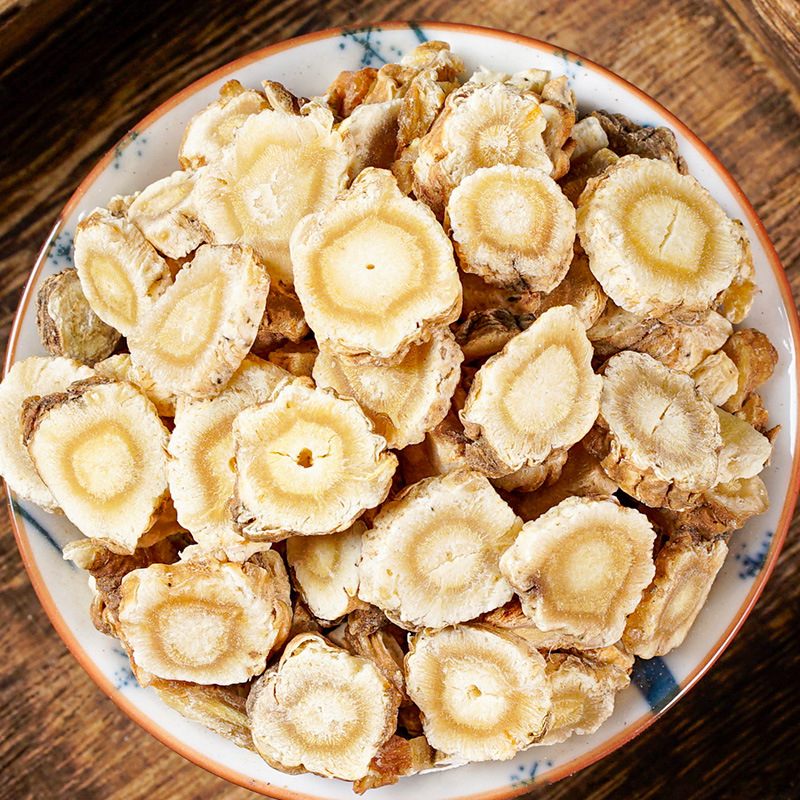
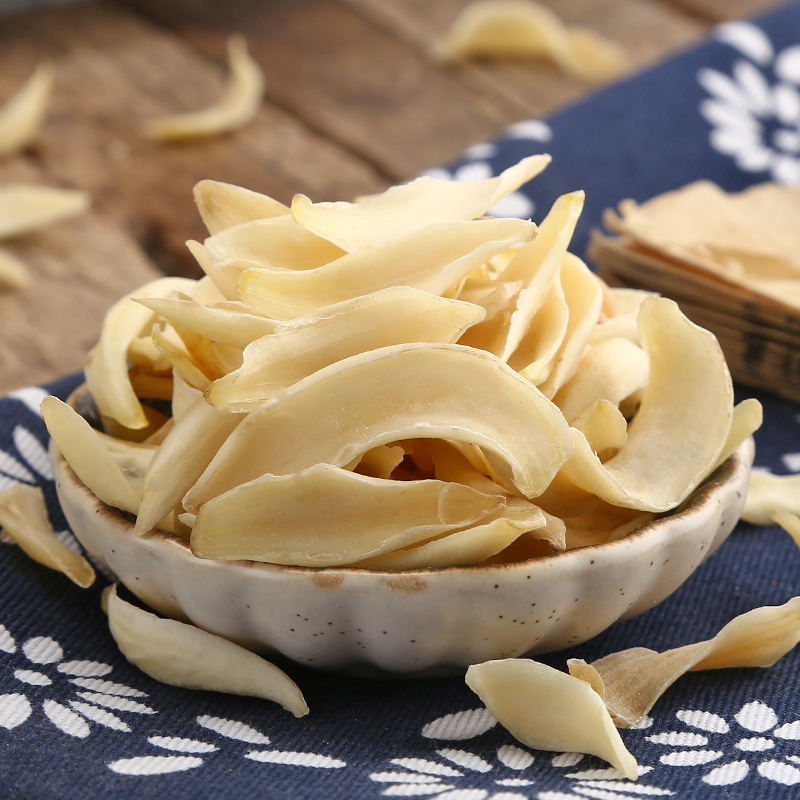
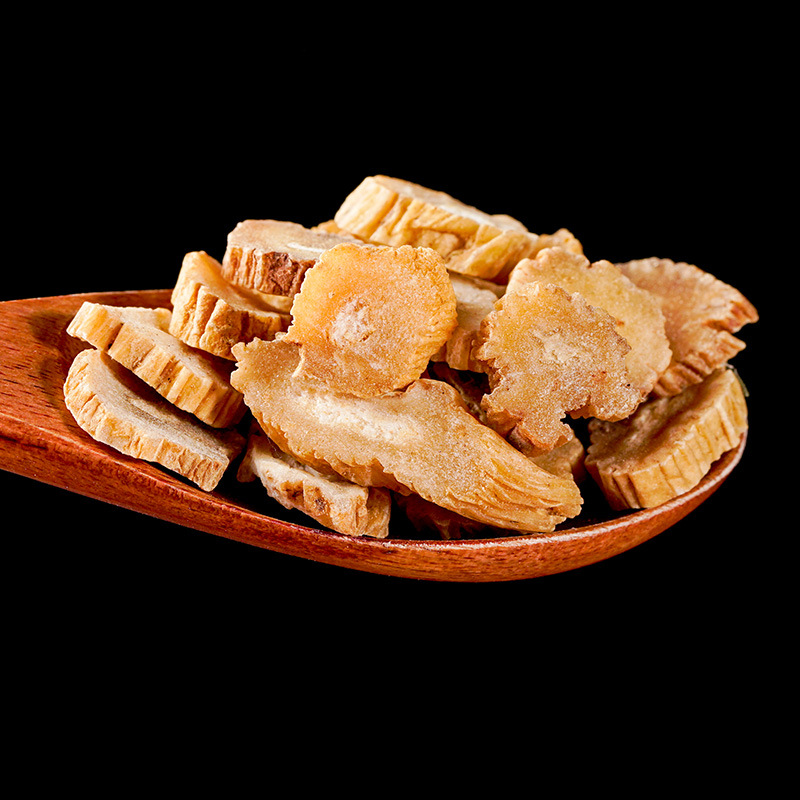
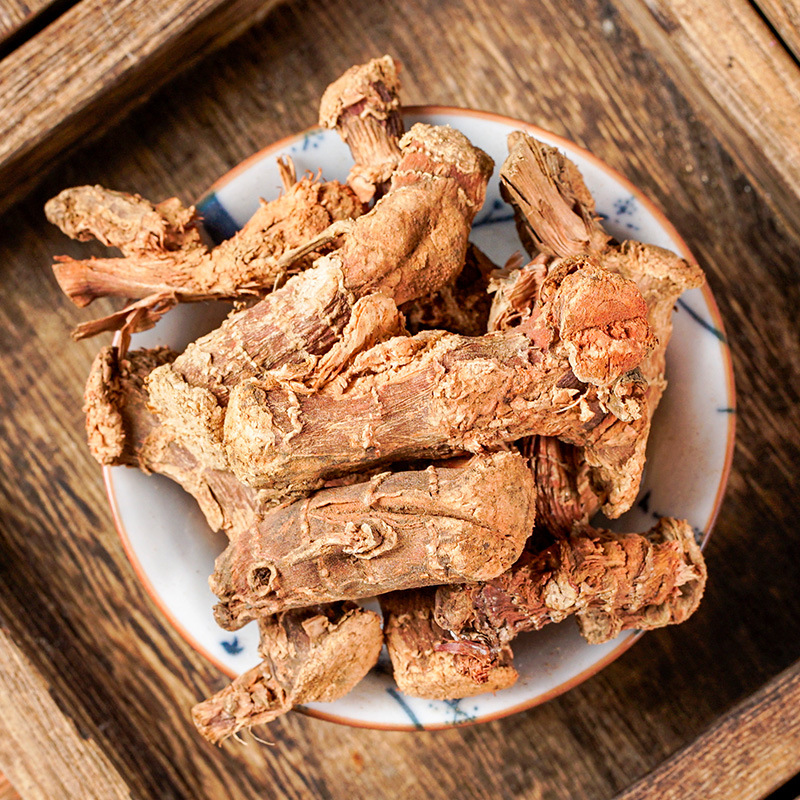
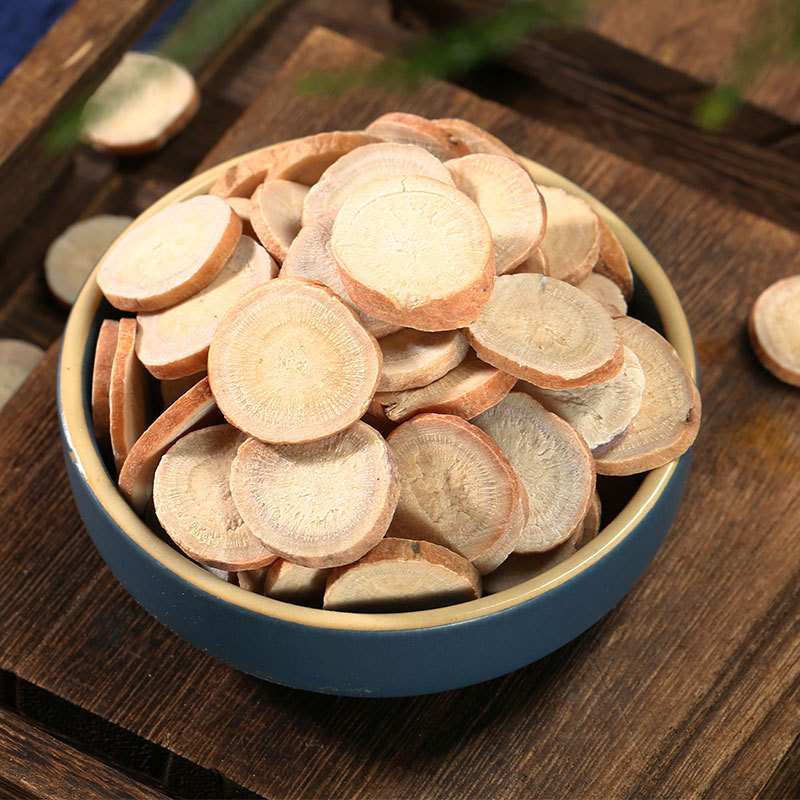
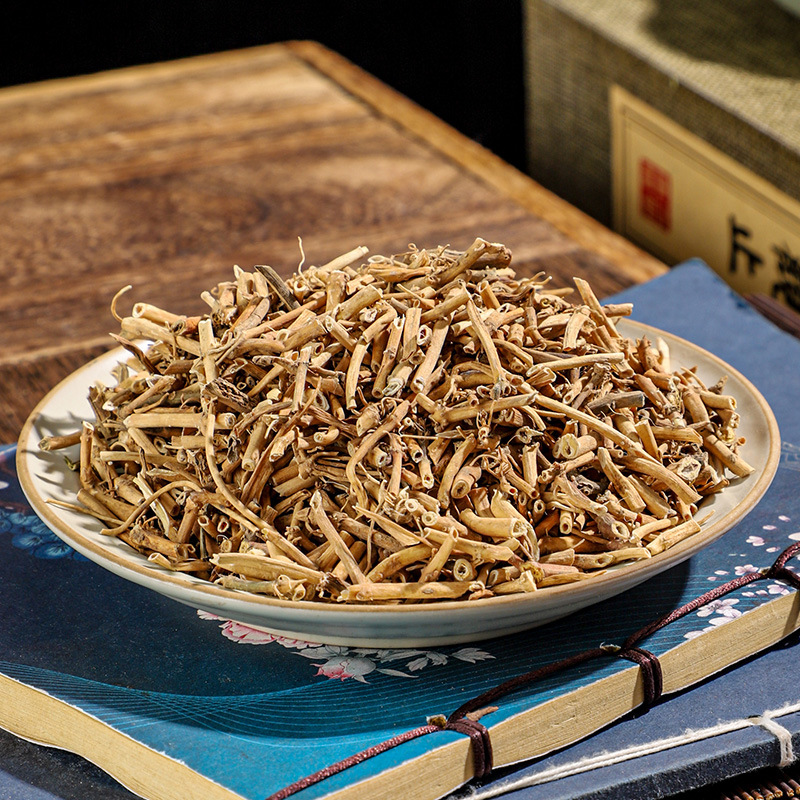
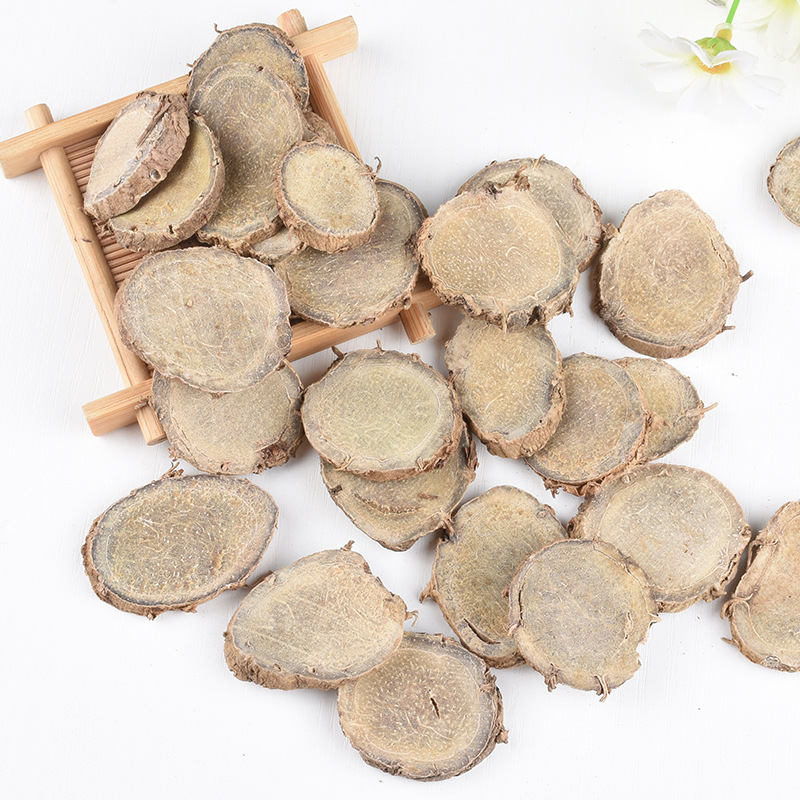
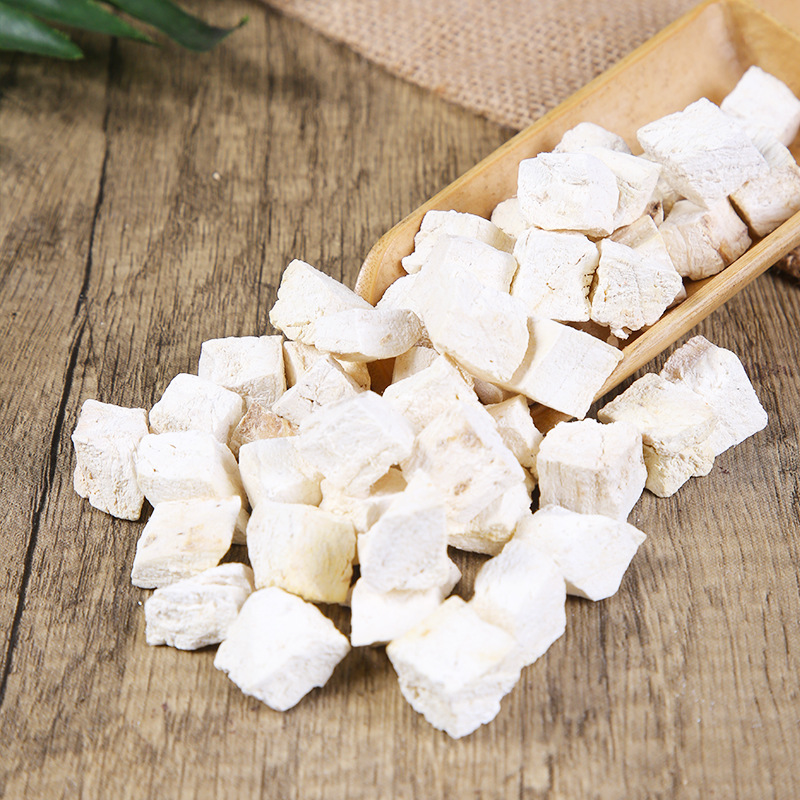
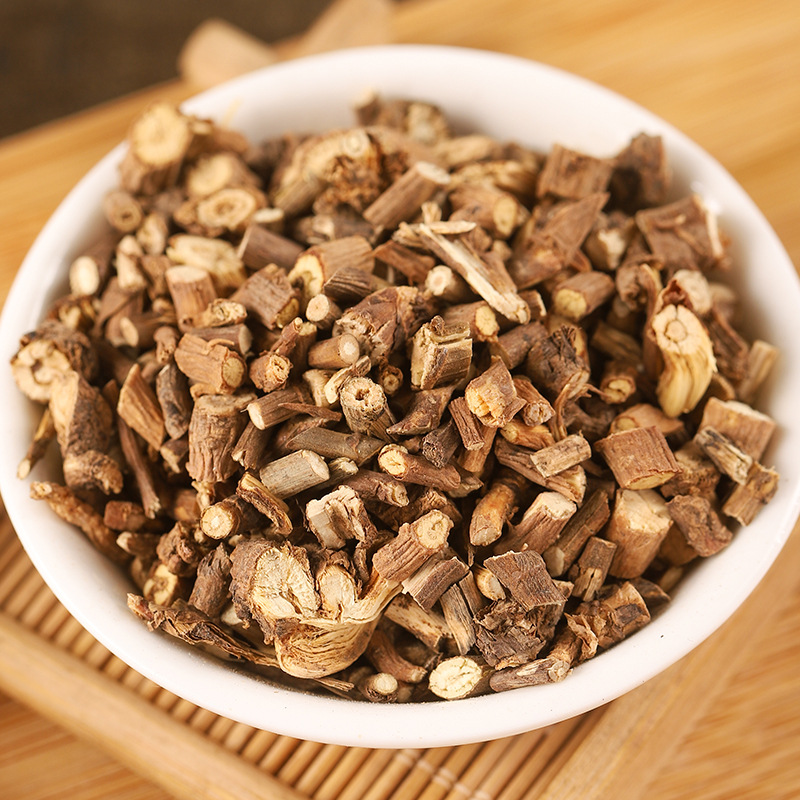
For nodules, niche herbs like cat's claw have the effect of dispersing masses and reducing swelling; for cysts, herbs that promote diuresis and drain dampness, such as qu wheat and coix seed, are commonly used; for polyps, black plum can sometimes yield unexpected results; for more solid masses like fibroids and lumps, stronger herbs like zedoary and sparganium may be used to break stasis and eliminate accumulations; and for substances like chicken gizzard lining, the yellow membrane inside the chicken gizzard, it has excellent effects on promoting digestion, resolving food stagnation, softening hardness, and dispersing masses. It not only aids digestion but also helps with small stones and lumps, making it a good example of a food-medicine dual-purpose item.
There are also proprietary Chinese medicines like Xiaojin Pills, which have a strong dispersing and resolving effect and are often used for more stubborn masses and nodules. Due to their potent and strong medicinal properties, it is advised that you should not purchase and take them on your own just because the symptoms seem similar. It is essential to first consult an experienced traditional Chinese medicine practitioner to determine whether your constitution and condition are suitable for taking them.
Take another example: a patient with edema in both lower limbs, traditional Chinese medicine believes this is not simply fluid accumulation, but rather due to insufficient yang qi in the kidney meridian and excessive cold.
When yang qi is insufficient to transform water into qi, yin cold will condense in the lower part of the kidney meridian, leading to edema.
At this point, it can be achieved by applyingZhenwu DecoctionIts effects of warming yang to promote qi transformation and promoting diuresis help restore the balance of yin and yang within the body.