Many patients in the outpatient clinic, after undergoing a period of traditional Chinese medicine conditioning, begin to see improvement in their symptoms and start to wonder:How long do I need to take Chinese medicine? Why do symptoms recur after stopping the medication when they improve? When will I truly recover from taking the medicine?
More importantly, the recovery from illness not only depends on treatment but is also closely related to the patient's own lifestyle. As the saying goesThree parts treatment, seven parts nurturingEspecially for chronic stomach diseases, the influence of diet, emotions, and daily routine is crucial.
Then likeHow long should traditional Chinese medicine be taken for diseases such as atrophic gastritis, gastric polyps, and stones? How is it treated?
First, we must understand the nature of this disease and its conditioning cycle.
atrophic gastritis, polyps, belong to traditional Chinese medicinestomach stuffiness, stomach duct pain, clamoringIt falls under the categories of etc. Its nature is often characterized by a deficiency in the root and excess in the manifestation, with a mixture of deficiency and excess. The deficiency in the root lies inSpleen and Stomach Qi Deficiency, Qi and Yin Deficiencyeven involving the liver and kidneys; the superficial manifestation lies inQi stagnation, blood stasis, damp-heat, phlegm turbidityThe pathological products such as phlegm, dampness, and blood stasis interact and accumulate. The atrophy of the gastric mucosa, reduction of glands, and the formation of polyps are precisely the localized manifestations of these internal imbalances.
The management of such chronic diseases is by no means an overnight achievement. Treatment goals are typically divided into progressive stages:
Primary Goal (1-3 months): Alleviate symptomssuch as stomach distension, stomach pain, belching, heartburn, and loss of appetite.
Core Objectives (6 months to 1 year or even longer): Improve the gastric environment, reverse or block pathological processesIt aims to promote the repair of gastric mucosa, slow down or reverse atrophy and intestinal metaplasia, control or eliminate polyps, and prevent their recurrence and cancerous transformation.
Long-term goal: Consolidate physical constitution and prevent recurrenceThrough holistic regulation, establish a good functional state of the spleen and stomach.
II. TCM Conditioning Approach and Formula Modifications
Traditional Chinese Medicine treatment follows the principle of "syndrome differentiation and treatment," flexibly formulating prescriptions based on the patient's specific syndrome type, meaning one prescription per person. The following are common syndrome types and their corresponding adjustment approaches:
Spleen and Stomach Deficiency Syndrome:
manifestationdull pain in the stomach, abdominal distension after meals, decreased appetite, fatigue and weakness, loose stools
Therapeutic MethodStrengthen the spleen and replenish qi, harmonize the stomach and resolve masses.
Basic FormulaModified Xiangsha Liujunzi Decoction and Buzhong Yiqi Decoction
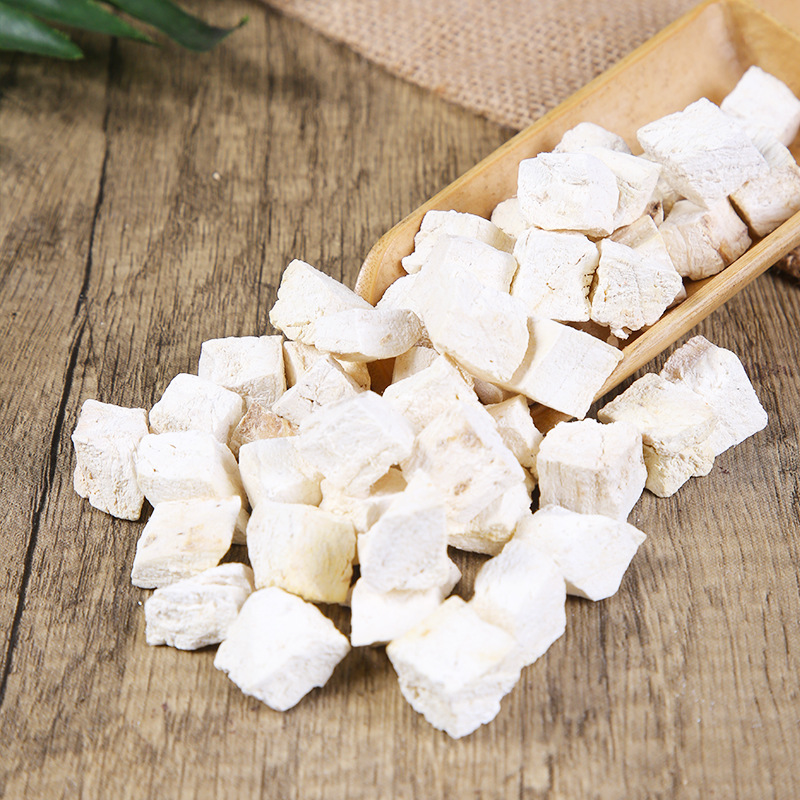
Commonly Used MedicinesCodonopsis pilosula, Atractylodes macrocephala, Poria cocos, roasted licorice, tangerine peel, Pinellia ternata, costus root, Amomum villosum, etc. If there is a tendency toward cold, add dried ginger and Evodia rutaecarpa; if polyps are prominent, add zedoary and coix seed to resolve phlegm and disperse nodules.
Deficiency of Stomach Yin Pattern:
manifestationburning pain in the gastric cavity, dry mouth and tongue, hunger without desire to eat, dry stool, red tongue with little coating.
Therapeutic MethodNourish Yin and Benefit the Stomach, Promote Fluid Production and Moisturize Dryness
Basic FormulaModified Decoction for Nourishing the Stomach and Decoction of Glehnia and Ophiopogon
Commonly Used MedicinesGlehniae Radix, Ophiopogonis Radix, Rehmanniae Radix, Polygonati Odorati Rhizoma, Dendrobii Caulis, Paeoniae Radix Alba, Glycyrrhizae Radix et Rhizoma. For cases with qi stagnation, add Citri Sarcodactylis Fructus and Mume Flos; for cases accompanied by blood stasis, add Salviae Miltiorrhizae Radix et Rhizoma and Persicae Semen.
Liver-Stomach Disharmony Pattern:
performancedistending pain in the gastric cavity, extending to both hypochondriac regions, aggravated by emotional fluctuations, frequent belching
Therapeutic Methodsoothe the liver and regulate qi harmonize the stomach and direct rebellious qi downward
Basic FormulaChaihu Shugan Powder, modified Xiaoyao Powder.
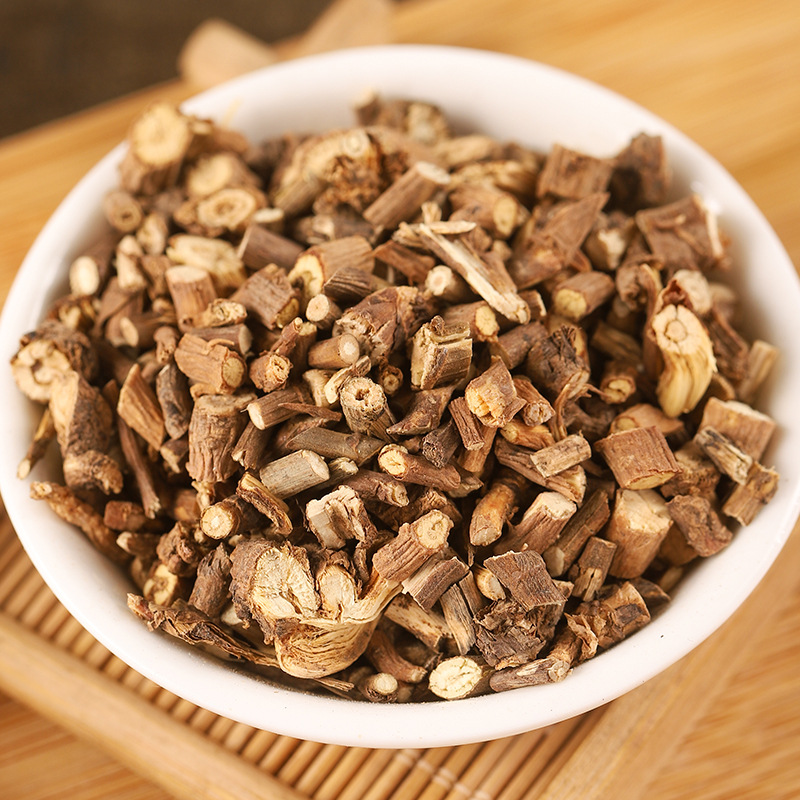
Commonly Used MedicinesBupleurum, White Peony, Bitter Orange, Cyperus, Chuanxiong, Tangerine Peel, Pinellia, etc. For heat transformation, add Gardenia and Moutan Bark; if accompanied by polyps, often combine with Zhejiang Fritillaria, Prunella Vulgaris, and Calcined Concha Arcae to soften hardness and dissipate nodules.
Blood Stasis Obstructing the Collaterals PatternCommonly seen in patients with a prolonged course of disease, accompanied by polyps or dysplasia
manifestationStomach pain like a prick, pain has a fixed location, pressing makes the pain worse, or black stool is observed, the tongue is dark purple with ecchymosis spots.
Treatment MethodActivating blood and resolving stasis, unblocking collaterals and relieving pain.
Basic formulaModified Shixiao Powder and Danshen Decoction
Commonly Used MedicinesPollen Typhae, Trogopterus Dung, Salviae Miltiorrhizae Radix Et Rhizoma, Santali Albi Lignum, Amomi Fructus, Angelicae Sinensis Radix, Notoginseng Powder (to be taken after being infused) etc. This is the key link in treating polyps and preventing canceration, often used together with drugs for supplementing qi, resolving phlegm and clearing heat.
Dampness-Heat Accumulation Syndrome(Commonly associated with Helicobacter pylori infection):
performanceburning and distending pain in the gastric cavity, bitter taste and halitosis, nausea and acid regurgitation, yellow and greasy tongue coating
Treatment MethodClearing heat and resolving dampness harmonizing the middle and awakening the spleen
Basic formulaBanxia Xiexin Decoction, Lianpo Drink with modifications.
Commonly Used MedicinesCoptis chinensis, Scutellaria baicalensis, Pinellia ternata, Magnolia officinalis, Taraxacum mongolicum, Hedyotis diffusa, Coix lacryma-jobi, etc. For this syndrome, treatment should be stopped once the disease is cured, and after the damp-heat is eliminated, timely transition to strengthening the spleen and supporting the body's vital energy should be made.
In the management of polypsTraditional Chinese Medicine often addssoften hardness and dissipate masses, resolve phlegm and dispel stasisProducts such asCurcuma zedoaria, Sparganium stoloniferum, Fritillaria thunbergii, Cremastra appendiculata, Raw Oyster Shell, Coix seed, Hedyotis diffusa, Scutellaria barbataand so on, to eliminate the pathological basis for polyp formation.
Three, Patient Atrophic Gastritis, Polyp Reversal Conditioning Medical Record
Case 1 (Atrophy with Intestinal Metaplasia):Mr. Zhang, 52 years old, diagnosed with atrophic gastritis accompanied by moderate intestinal metaplasia for 2 years, often experiences dull epigastric pain, fullness, poor appetite, and sallow complexion. The syndrome differentiation belongs toSpleen and Stomach Qi Deficiency with Blood StasisThe initial consultation prescribed Chinese medicine for invigorating the spleen and replenishing qi (Astragalus, Codonopsis, Atractylodes, etc.) combined with promoting blood circulation and removing blood stasis (Salvia, Curcuma, Notoginseng, etc.). After taking the medicine2 weeks laterThe distending pain has significantly reduced, and appetite has improved.Continuous conditioning for 6 monthsAfter a follow-up gastroscopy, the pathology indicated a reduction in the extent of atrophy, with intestinal metaplasia transitioning from moderate to mild. Subsequently, the treatment was adjusted to intermittent medication (such as taking medication for two weeks and then stopping for two weeks, or switching to herbal paste or pills for gradual improvement), combined with dietary adjustments.The total conditioning cycle is approximately one and a half yearsThe condition is stable and has not progressed further.
Case Two (Gastritis with Multiple Polyps):Ms. Li, 45 years old, gastroscopy shows chronic gastritis with several small polyps (diameter 0.2-0.4cm), often experiencing epigastric fullness and discomfort, aggravated by emotional irritability, tongue dark red with thin yellow coating. Pattern differentiation belongs toliver stomach stagnant heat, phlegm blood stasis intermingledTreatment aims to soothe the liver and clear heat (Bupleurum, Scutellaria, Gardenia) combined with resolving phlegm, dispelling stasis, and dissipating masses (Zhejiang Fritillaria, Prunella vulgaris, Curcuma, Coix seed). Medication1 monthSymptoms have basically disappeared.Adhere to treatment for 4 monthsAfter re-examination by gastroscopy, the polyps decreased to 1-2 pieces and the volume shrank. The doctor suggested continuing consolidation treatment.3 monthsEmphasize emotional regulation and a light diet. After six months, a follow-up examination showed no new polyps.
Nearly 50 years of clinical experience summarized for everyone
Course Duration ExpectationFor chronic organic issues such as atrophic gastritis and gastric polyps, traditional Chinese medicine conditioning requires at least3-6 monthsOnly then can objective evidence of mucosal improvement be observed (such as improvement in gastroscopy pathology reports). A complete consolidation cycle often requires1 year or even longerSymptom relief (within 1-4 weeks) is only the first step; do not stop medication easily just because symptoms disappear.
Treatment RhythmIt is generally recommended for the initial stage (first 3 months)Continuous medicationto concentrate efforts on reversing the disease progression; after the condition stabilizes, it can be changed toIntermittent medicationTo consolidate the therapeutic effect and reduce the inconvenience of long-term decoction, such as taking it for 5 days and stopping for 2 days, or using ointments and pills.
Life regulation is the keyMust be used in combinationRegular diet (eat at fixed times and in fixed amounts, chew slowly and thoroughly, avoid raw, cold, spicy, and greasy foods), relieve stress, ensure adequate sleep, and engage in moderate exerciseIf one continues unhealthy lifestyle habits while taking medication, the therapeutic effects will be significantly diminished, and previous efforts may even be wasted.
Regular follow-upDuring the treatment period, it is necessary to follow the doctor's instructions and regularly (e.g., every 6-12 months) undergo gastroscopy and pathological examination to objectively evaluate the efficacy and adjust the treatment plan in a timely manner.
In summary, treating chronic stomach diseases is akin to "simmering over low heat," requiring full trust and patient cooperation between the doctor and patient. Through precise syndrome differentiation and treatment, adherence to a full course of therapy, and fundamental adjustments to lifestyle, traditional Chinese medicine can fully help improve symptoms, repair the mucosa, control polyps, and achieve a state of "long-term stability and peace" in health.